Wire mesh can collect dust, dirt, grease, rust, and other debris during regular use. Proper cleaning helps maintain its appearance, performance, and service life. Whether you use stainless steel, aluminum, galvanized steel, brass, or another type of wire mesh, choosing the right cleaning method is important to avoid surface damage.
Different wire mesh applications may require different cleaning approaches. Fine mesh used for filtration may need gentle cleaning, while industrial mesh may require stronger methods to remove stubborn contaminants. In this guide, we will explain how to clean wire mesh step by step, including preparation, cleaning methods, rinsing, drying, and maintenance tips.
When to Clean Wire Mesh?
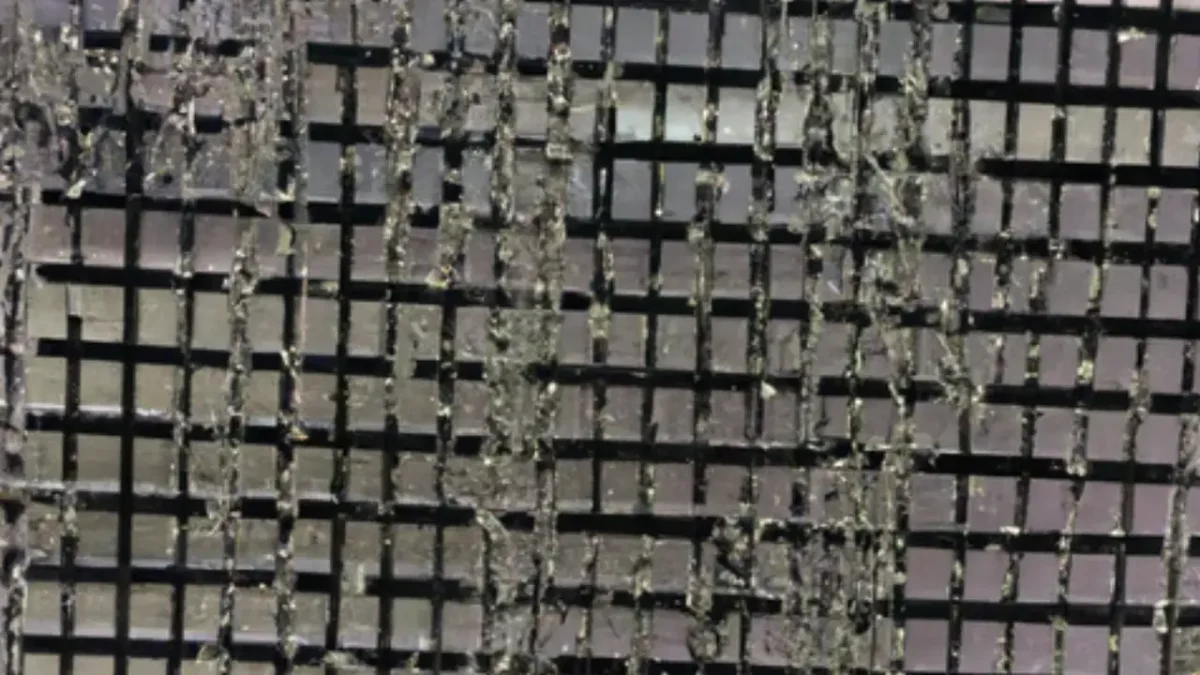
Wire mesh should be cleaned regularly to remove dust, dirt, grease, rust, and other contaminants that may affect its performance. The cleaning frequency depends on the mesh material, application, operating environment, and amount of contamination. Regular inspection can help you identify when cleaning is necessary before buildup becomes difficult to remove.
- When Dirt Builds Up: Clean the mesh when visible dust, dirt, or debris covers the openings and begins affecting its appearance or performance.
- When Airflow Decreases: Clean blocked mesh when accumulated particles restrict airflow and reduce ventilation performance in equipment, screens, or protective enclosures.
- When Filtration Performance Drops: Clean filtration mesh when particles block openings and reduce the flow rate or separation efficiency of the system.
- After Heavy Industrial Use: Clean mesh after intensive operations when grease, dust, metal particles, chemicals, or other contaminants accumulate on its surface.
- After Outdoor Exposure: Clean outdoor wire mesh regularly after exposure to rain, mud, dust, salt, or other environmental contaminants that may affect its condition.
- When Rust Appears: Clean and inspect mesh when rust or oxidation becomes visible, especially if moisture has remained on carbon steel or damaged coated surfaces.
- Before Reuse: Clean stored or previously used mesh before reuse to remove accumulated dust, debris, oils, and contaminants from the surface.
- Before Food Processing: Clean food-processing mesh according to the required hygiene schedule to remove food residue and maintain suitable sanitary conditions.
- After Contact With Chemicals: Clean mesh promptly after chemical exposure when the material and application require it, following suitable handling and cleaning procedures.
- During Regular Maintenance: Include wire mesh cleaning in routine maintenance schedules to prevent heavy buildup and help maintain consistent performance over time.
How to Clean Wire Mesh?
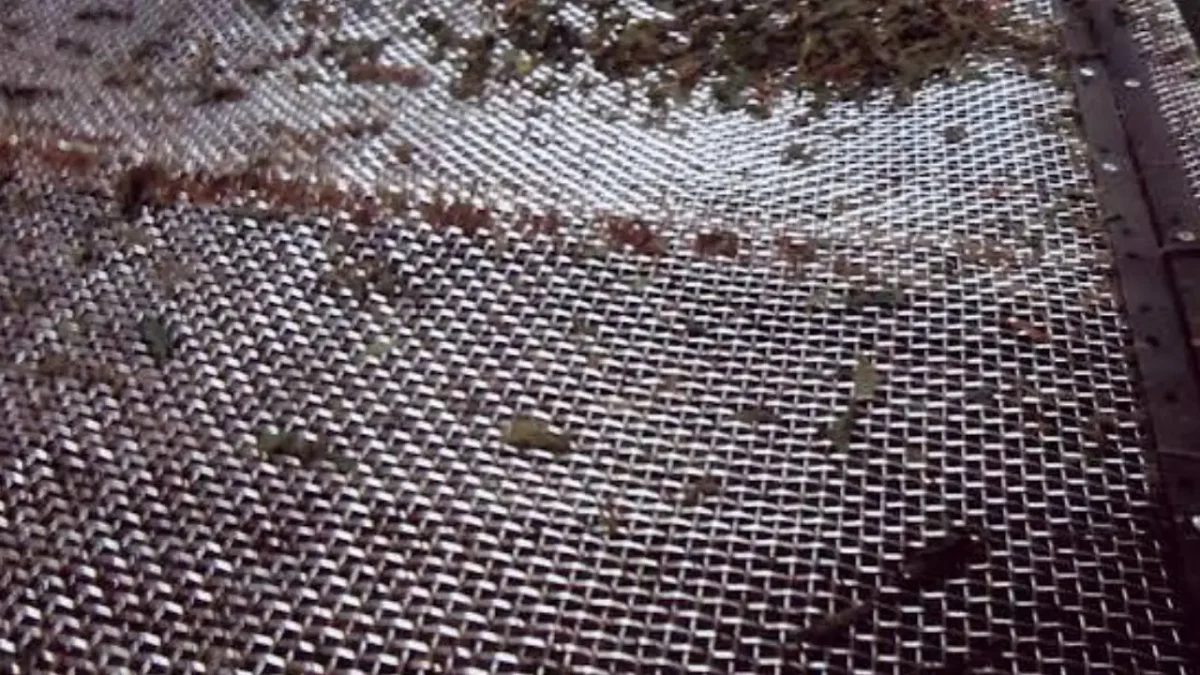
Cleaning wire mesh properly can help remove dust, dirt, grease, rust, and other contaminants without damaging the wires or surface coating. Before starting, identify the mesh material, structure, and condition. Stainless steel, aluminum, galvanized steel, brass, and copper mesh may require different cleaning methods depending on their applications and surface finishes.
A suitable cleaning process should include preparation, loose dirt removal, washing, rinsing, drying, and inspection. Avoid using harsh chemicals or aggressive tools unless they are appropriate for the specific material. Following a clear cleaning procedure can help maintain the mesh’s appearance, performance, and service life while reducing unnecessary surface damage.
Step 1: Identify the Wire Mesh Material
Before cleaning, identify what material the wire mesh is made from. Common options include stainless steel, aluminum, galvanized steel, brass, copper, and bronze. Check the product specifications if available, because different metals have different levels of resistance to chemicals, moisture, abrasion, and cleaning agents during maintenance.
Also inspect whether the mesh has a protective coating, polished surface, or special finish. Understanding these characteristics helps you choose appropriate cleaning tools and solutions. Avoid starting with strong chemicals before confirming material compatibility, as unsuitable products may discolor surfaces, remove coatings, or cause unnecessary corrosion during cleaning.
Step 2: Prepare the Cleaning Area
Choose a clean, stable area where you can safely handle and clean the wire mesh. For large mesh panels, place them on a suitable support surface that provides enough space. Make sure the area has adequate lighting and drainage so you can work comfortably and inspect the mesh afterward.
Prepare all necessary cleaning equipment before starting the process. Depending on the mesh condition, you may need a soft brush, mild detergent, clean water, bucket, sponge, cloth, gloves, and protective glasses. Having everything ready can make the cleaning process more organized and reduce unnecessary handling.
Tools Needed
- Soft-bristle brush
- Sponge or non-abrasive cloth
- Mild detergent
- Clean water
- Bucket or suitable container
- Spray bottle or hose
- Soft drying cloth
- Work gloves
- Safety glasses
- Metal-safe cleaning solution when required
Step 3: Remove Loose Dirt and Debris
Start by removing loose dust, dirt, leaves, particles, and other debris from the wire mesh. Shake or gently tap smaller pieces when appropriate, or use a soft brush to loosen contaminants. Avoid applying excessive force because thin wires or fine mesh openings can bend during rough handling.
For larger or heavily contaminated mesh, brush both sides carefully to remove particles trapped between the wires. Work from one section to another instead of brushing randomly. Removing loose debris first prevents unnecessary scratching and makes the following washing stage more effective and easier to control.
Step 4: Prepare a Suitable Cleaning Solution
Prepare a mild cleaning solution using clean water and a suitable detergent when necessary. Follow the detergent manufacturer’s recommended concentration instead of making the solution unnecessarily strong. A mild solution is generally easier to control and can help remove ordinary dirt, grease, and surface contaminants from wire mesh.
For specialized mesh, check whether the cleaning solution is compatible with the material and finish. Avoid acidic, alkaline, or abrasive cleaners unless they are specifically recommended for the application. Testing the solution on a small, less visible area can help identify potential discoloration or surface reactions.
Step 5: Wash the Wire Mesh
Apply the cleaning solution to the mesh using a soft sponge, cloth, or brush. Gently work across the surface to loosen dirt and grease from the wires and openings. Pay extra attention to areas where contaminants have accumulated, but avoid excessive pressure that could deform fine or delicate mesh.
For larger wire mesh, clean one section at a time to maintain better control. Use gentle movements and clean both sides when necessary. If the mesh is heavily contaminated, allow the cleaning solution to remain briefly according to product instructions before gently brushing the affected areas again.
Step 6: Rinse the Wire Mesh
After washing, rinse the wire mesh thoroughly with clean water to remove detergent, loosened dirt, and remaining contaminants. Make sure cleaning solution does not remain between the wires or inside small openings. Residue left on the surface may affect the finish or contribute to corrosion on some materials.
Use gentle water pressure when cleaning delicate or fine mesh. Strong pressure may bend thin wires or damage certain coatings. For larger mesh, rinse from the top toward the bottom so dirt and cleaning solution move away from already cleaned sections rather than spreading across the surface.
Step 7: Dry the Wire Mesh
After rinsing, remove excess water from the wire mesh using a clean, soft cloth. You can also allow the mesh to air dry in a clean and well-ventilated area. Drying is particularly important for materials that may develop corrosion when moisture remains on their surfaces for extended periods.
Make sure water does not remain trapped in corners, joints, overlapping sections, or tightly packed mesh. For industrial applications, follow the appropriate drying procedure for the material and equipment. Avoid unnecessary high heat unless the mesh manufacturer’s specifications confirm that the method is suitable.
Step 8: Inspect the Clean Mesh
Once the wire mesh is completely dry, inspect its surface carefully for remaining dirt, rust, stains, damaged wires, bent sections, or worn coatings. Check both sides and look closely at the openings. A thorough inspection helps identify problems that may have been hidden by accumulated contaminants before cleaning.
If some areas remain dirty, repeat the appropriate cleaning process rather than using increasingly aggressive tools or chemicals. If you notice damaged wires, broken welds, or significant corrosion, record the condition and determine whether repair or replacement may be necessary before returning the mesh to service.
Step 9: Clean and Maintain the Mesh Regularly
Create a suitable cleaning schedule based on the wire mesh application and working environment. Mesh exposed to dust, grease, chemicals, outdoor weather, or food residue may require more frequent cleaning. Regular maintenance helps prevent contaminants from becoming heavily embedded and makes future cleaning easier.
During routine maintenance, also inspect the mesh for rust, deformation, broken wires, loose welds, and coating damage. Early identification allows you to address smaller problems before they affect performance. Keep a simple maintenance record for industrial applications where cleaning frequency and equipment condition need to be monitored.
Step 10: Store the Clean Wire Mesh
If the wire mesh will not be installed immediately, store it in a clean, dry, and protected environment. Keep the mesh away from unnecessary moisture, chemicals, dirt, and materials that could scratch or contaminate its surface. Support larger pieces properly to prevent bending or deformation during storage.
For multiple mesh pieces, organize them according to material, size, mesh opening, or application. Avoid placing heavy objects directly on thinner mesh, and use suitable protective packaging when necessary. Proper storage keeps cleaned wire mesh in good condition and makes the required pieces easier to locate when needed.
Wire Mesh Maintainance Tips
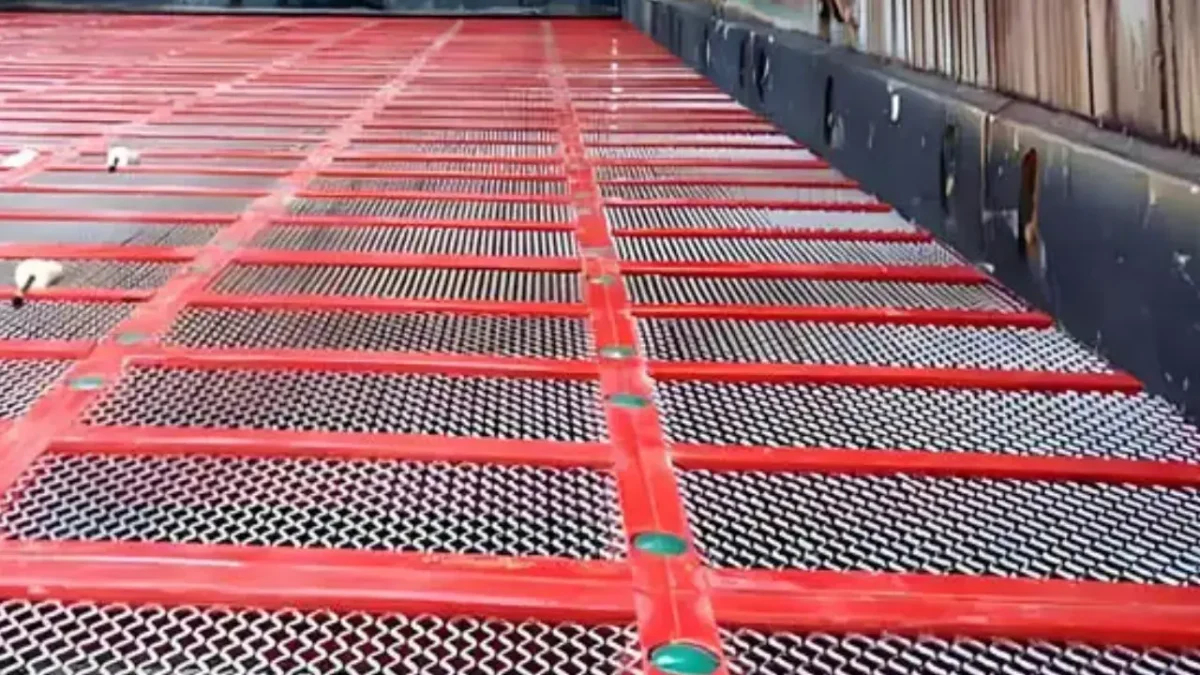
Proper wire mesh maintenance helps preserve its strength, appearance, and overall performance. Regular inspection and cleaning can prevent dust, dirt, rust, grease, and other contaminants from building up on the surface. The right maintenance routine also depends on the mesh material, application, operating environment, and exposure to moisture, chemicals, or heavy loads.
- Clean Wire Mesh Regularly: Establish a cleaning schedule based on the application and working environment. Remove dust, dirt, grease, and other contaminants before heavy buildup occurs. Regular cleaning helps maintain open mesh areas, appearance, airflow, filtration performance, and overall operating efficiency.
- Inspect for Rust and Corrosion: Check the mesh regularly for rust, discoloration, oxidation, or damaged protective coatings. Pay particular attention to areas exposed to moisture, chemicals, or outdoor conditions. Early detection allows you to address corrosion before it causes significant material deterioration or weakens the mesh.
- Check for Damaged Wires: Inspect the mesh for broken, bent, loose, or deformed wires during routine maintenance. Damaged sections can affect strength, filtration accuracy, protection, or appearance. Replace or repair severely damaged areas when appropriate to prevent small problems from affecting larger sections.
- Protect the Surface Coating: Avoid unnecessary scratching, cutting, or abrasive cleaning that could damage protective coatings. For galvanized or coated wire mesh, damaged surfaces may become more vulnerable to corrosion. Use suitable cleaning tools and methods that match the material and surface finish.
- Keep Mesh Dry: Remove excess moisture after cleaning and avoid storing wire mesh in damp environments. Water can contribute to corrosion, particularly when protective coatings are damaged. Proper drying and ventilation help maintain the surface condition and reduce moisture-related deterioration during storage or operation.
- Avoid Harsh Chemicals: Do not use strong acids, alkaline cleaners, or other aggressive chemicals unless they are confirmed to be suitable for the mesh material. Incompatible cleaning products may cause discoloration, corrosion, or coating damage. Always check material compatibility before applying a chemical cleaner.
- Check Mesh Connections: Inspect welded points, joints, fasteners, and connection areas for looseness or damage. Weak connections can affect the stability and performance of the entire mesh structure. Tighten, repair, or replace affected components when necessary to maintain reliable installation and safe operation.
- Prevent Excessive Loads: Avoid placing loads on wire mesh beyond its intended capacity. Excessive weight or impact can bend wires, deform openings, or damage welded connections. Follow the product specifications and application requirements to help maintain the original structure and mechanical performance.
- Store Wire Mesh Properly: Keep unused wire mesh in a dry, clean, and protected location. Support large sheets properly and avoid placing heavy objects on thinner mesh. Proper storage helps prevent bending, contamination, moisture exposure, and surface damage before the material is installed or used.
- Schedule Regular Maintenance: Create a maintenance schedule based on how frequently the mesh is used and the conditions it faces. Routine inspections, cleaning, and repairs can help identify problems early, maintain consistent performance, and reduce the possibility of unexpected replacement or downtime.
Conclusion
Regular cleaning can help keep wire mesh functional, clean, and in good condition. Removing dust, dirt, grease, and other contaminants prevents buildup that may affect airflow, filtration, appearance, or overall performance. The appropriate cleaning method depends on the mesh material, surface finish, application, and type of contamination that needs to be removed.
When cleaning wire mesh, avoid methods that could damage the wires or protective coatings. Use suitable brushes, cleaning solutions, water pressure, and tools according to the material and application. After cleaning, rinse away remaining cleaning agents and dry the mesh thoroughly. Regular inspection can also help identify rust, damage, or worn coatings.
At Apscreens, we provide wire mesh in different materials, mesh sizes, wire diameters, patterns, and finishes for various applications. Whether you need standard products or customized specifications, our team can help you find a suitable solution for your project. Contact us to discuss your requirements and get wholesale wire mesh from our Apscreens.