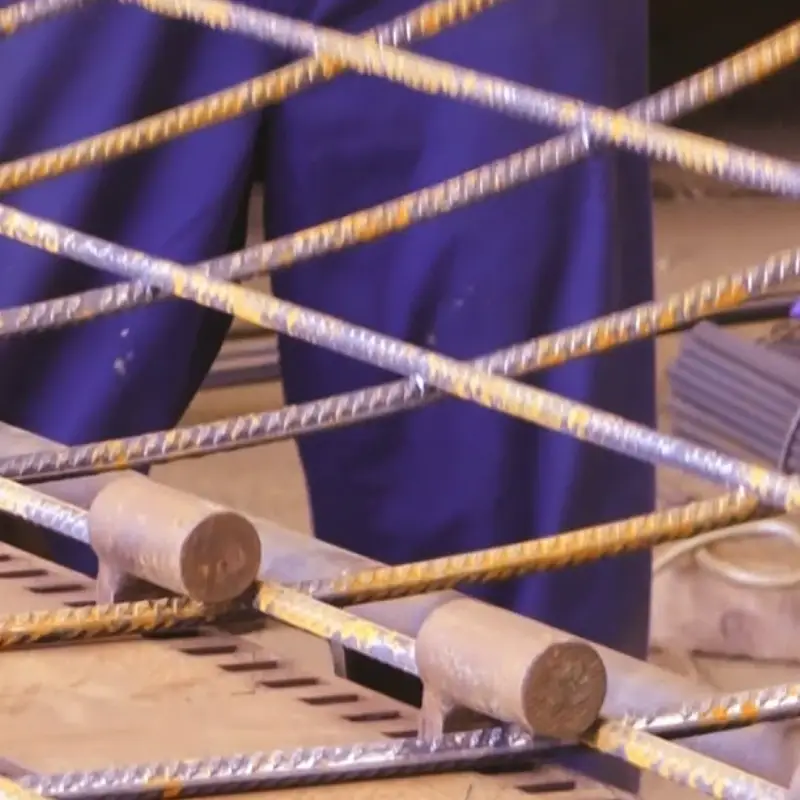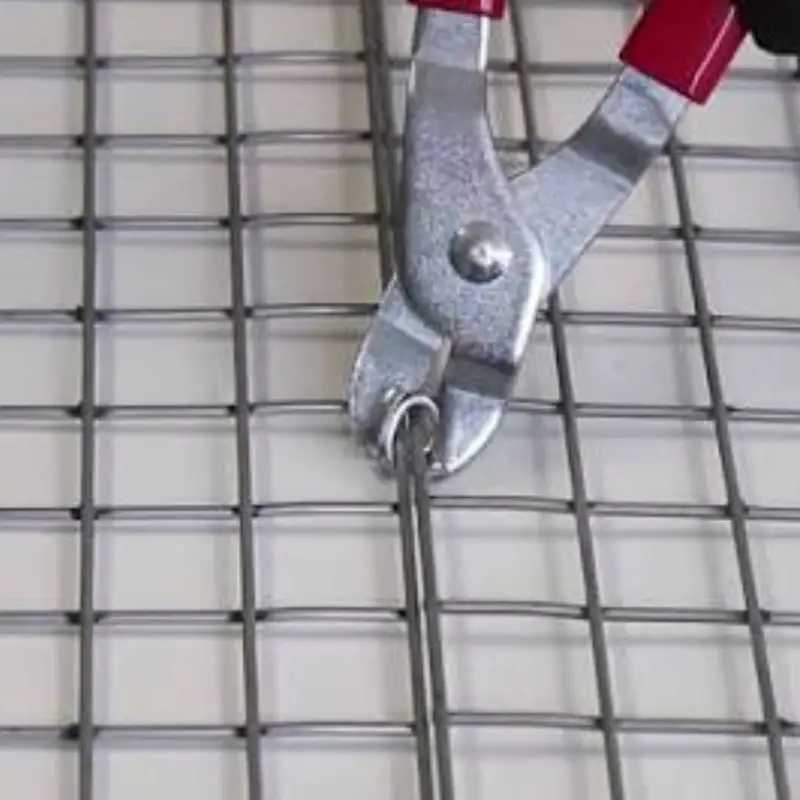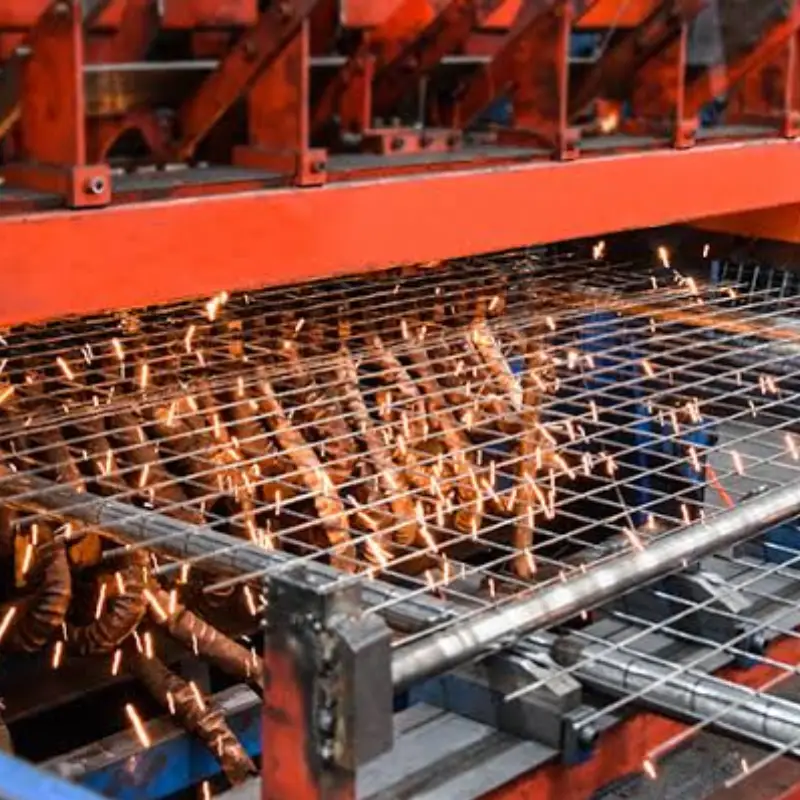
Wire mesh comes in many types, materials, and structures, making it suitable for a wide range of construction, industrial, agricultural, and commercial applications. Welded, woven, galvanized, stainless steel, and expanded mesh each offer different characteristics. Understanding these options can help you select the right wire mesh according to strength, durability, opening size, and application requirements.
The right mesh depends on factors such as material, wire diameter, mesh opening, corrosion resistance, and installation method. Some types are designed for concrete reinforcement, while others work better for filtration, fencing, screening, or protection. This guide introduces the common types of wire mesh and explains their key features and uses.
What is Wire Mesh?
Wire mesh is a manufactured material made by connecting metal wires into a regular grid or network. The wires can be welded, woven, or otherwise formed to create different patterns and opening sizes. Depending on the material and structure, wire mesh can provide strength, filtration, separation, protection, and support across construction and industrial applications.
Common uses of wire mesh include:
- Concrete Reinforcement: Wire mesh strengthens concrete slabs, floors, walls, and pavements by distributing loads and helping control cracking caused by shrinkage and other stresses.
- Fencing: Wire mesh creates durable barriers for residential properties, farms, gardens, construction sites, and industrial facilities while maintaining airflow and visibility.
- Filtration: Fine wire mesh separates particles from liquids, gases, and other materials, making it useful for filtration, screening, and processing equipment.
- Screening: Wire mesh helps sort materials according to particle size in mining, aggregate processing, recycling, food processing, and other industrial operations.
- Safety Protection: Mesh panels can protect workers from machinery, equipment, elevated platforms, and restricted areas by creating physical barriers without completely blocking visibility.
- Agricultural Applications: Wire mesh is used for animal enclosures, cages, crop protection, storage areas, and farm structures that require durable and ventilated barriers.
Types of Wire Mesh
Wire mesh is available in many forms, with differences in material, wire arrangement, manufacturing method, opening pattern, surface finish, and intended use. From welded and woven mesh to stainless steel, galvanized, expanded, and decorative mesh, each type offers different performance characteristics. Choosing the right option depends on strength, flexibility, corrosion resistance, opening size, appearance, and application requirements.
Below are 25 common types of wire mesh and related mesh products found across construction, agriculture, filtration, manufacturing, architecture, security, and other markets.
1. Welded Wire Mesh
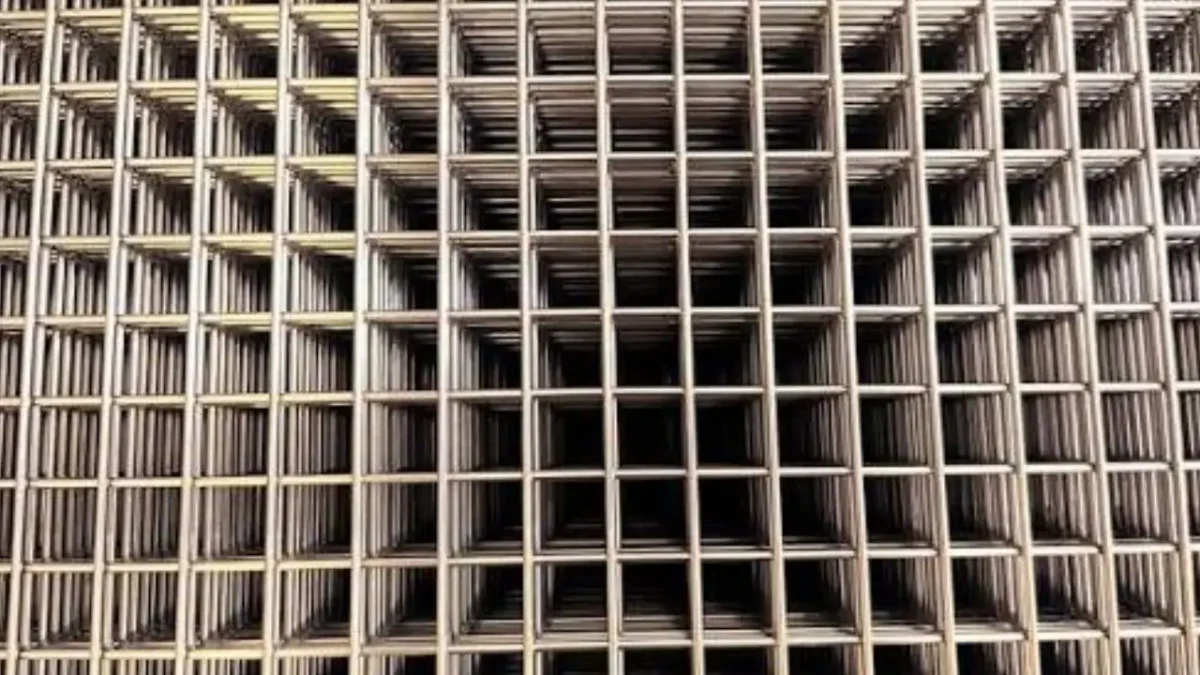
Welded wire mesh is manufactured by welding longitudinal and transverse wires together at their intersections. The welded joints create a rigid, uniform structure with consistent openings and good dimensional stability.
- Features: Rigid construction, uniform openings, strong welded intersections, and excellent dimensional stability.
- Benefits: It provides good structural strength, easy installation, reliable load distribution, and consistent performance.
- Applications: Common uses include concrete reinforcement, fencing, animal enclosures, partitions, cages, machine guards, and construction projects.
Welded wire mesh can be manufactured in different wire diameters, opening sizes, sheet dimensions, and surface finishes. Galvanized and PVC-coated versions are also widely available for outdoor applications.
Its relatively simple grid structure makes it practical for projects requiring strength and predictable spacing. It is particularly suitable where a rigid panel or roll is preferred over flexible woven mesh.
2. Woven Wire Mesh
Woven wire mesh is produced by interlacing wires over and under each other according to patterns such as plain weave, twill weave, or Dutch weave. Unlike welded mesh, it offers greater flexibility.
- Features: Flexible construction, precise openings, different weave patterns, and a wide range of wire diameters.
- Benefits: It can provide accurate particle separation, good flexibility, and excellent screening and filtration performance.
- Applications: It is widely used for filtration, screening, sieving, food processing, mining, chemical processing, and industrial separation.
Woven mesh can be produced from stainless steel, carbon steel, galvanized steel, aluminum, copper, brass, and other materials. The material can be selected according to corrosion, temperature, and strength requirements.
Fine woven mesh is especially useful when accurate filtration or separation is important. Larger openings are commonly used for screening, fencing, ventilation, and material handling.
3. Crimped Wire Mesh
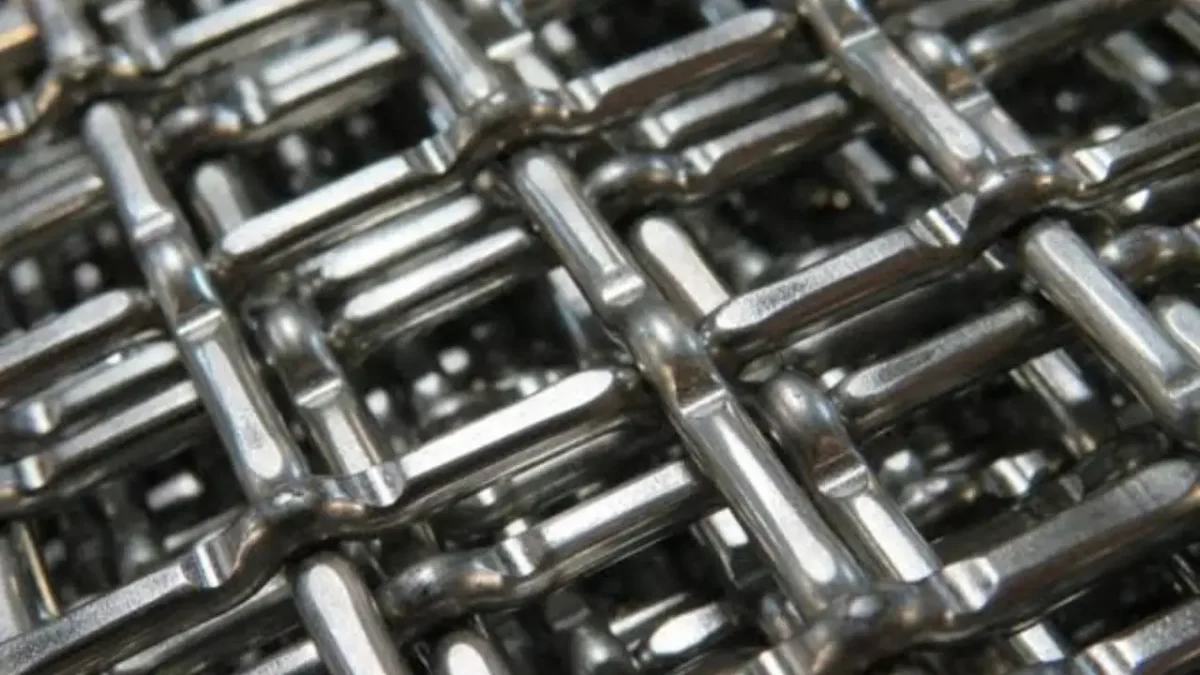
Crimped wire mesh is made by pre-crimping the wires before weaving them together. The crimps help lock the wires into position and give the finished mesh a more rigid structure.
- Features: Pre-crimped wires, stable openings, rigid structure, and textured appearance.
- Benefits: It offers good strength, wear resistance, dimensional stability, and support for heavier materials.
- Applications: Typical applications include mining screens, aggregate screening, architectural panels, partitions, and decorative structures.
Different crimping styles can produce different opening shapes and levels of rigidity. Heavy-duty crimped mesh is often selected for demanding screening applications.
Architects also use crimped mesh because its regular pattern can create an attractive industrial appearance while still providing ventilation, light transmission, and partial visibility.
4. Knitted Wire Mesh
Knitted wire mesh is formed by knitting metal wires into interconnected loops. Its looped structure gives it considerably more flexibility than rigid welded mesh.
- Features: Interlocking loops, high flexibility, elasticity, and three-dimensional structure.
- Benefits: It can absorb movement, support filtration, and provide useful vibration and noise-damping properties.
- Applications: It is used in automotive components, gas and liquid filtration, demisting equipment, vibration control, and industrial sealing.
Stainless steel is a common material because knitted mesh may operate in demanding environments involving heat, moisture, chemicals, or mechanical movement.
Its flexible structure allows it to conform to different shapes and surfaces, making it useful when rigid mesh cannot accommodate movement or compression.
5. Hexagonal Wire Mesh
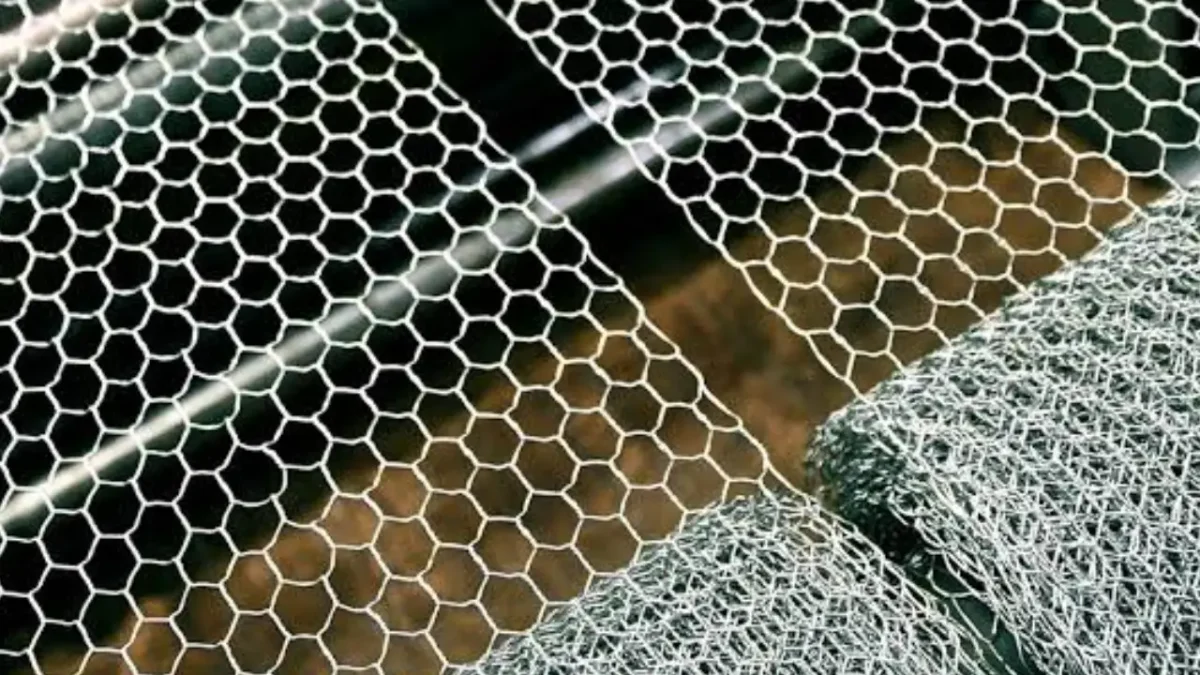
Hexagonal wire mesh consists of wires woven into repeating hexagonal openings. It is commonly known as chicken wire when manufactured in lighter gauges.
- Features: Hexagonal openings, flexible structure, lightweight construction, and easy cutting and forming.
- Benefits: It is economical, easy to install, and useful for creating flexible barriers and containment structures.
- Applications: Common applications include poultry fencing, garden protection, animal enclosures, gabions, erosion control, and rockfall protection.
The mesh can be manufactured from galvanized steel, PVC-coated wire, stainless steel, and other materials. Coatings can improve resistance to outdoor exposure.
Its flexibility is particularly useful for landscaping and agricultural work because installers can easily shape the mesh around plants, posts, slopes, and irregular surfaces.
6. Chain Link Mesh
Chain link mesh is formed by weaving or twisting wires into a continuous diamond-shaped pattern. It is one of the most recognizable mesh products used for fencing.
- Features: Diamond openings, flexible rolls, continuous construction, and relatively low material weight.
- Benefits: It provides economical perimeter protection, visibility, ventilation, and straightforward installation.
- Applications: It is widely used for residential fences, industrial boundaries, sports courts, temporary barriers, and security enclosures.
Chain link mesh is commonly produced from galvanized steel or PVC-coated steel. Different wire gauges and opening sizes allow the fencing to be adapted to different security requirements.
The open structure provides visibility and airflow, which makes chain link fencing useful where complete visual privacy is not necessary.
7. Galvanized Wire Mesh
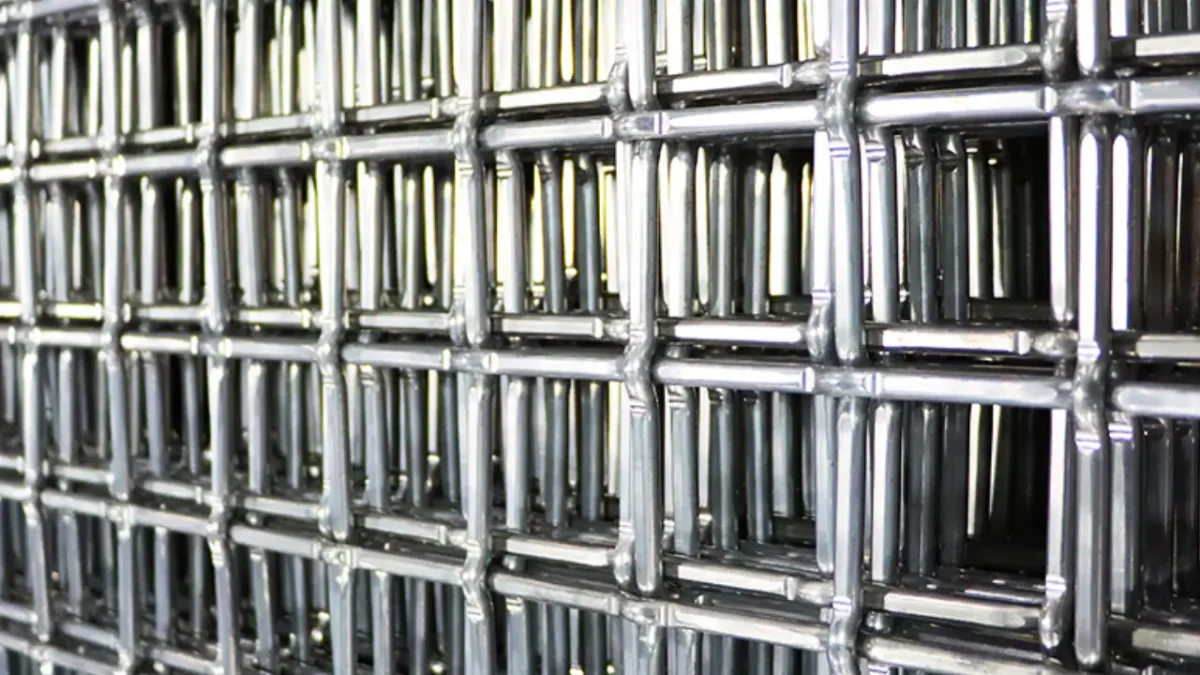
Galvanized wire mesh is manufactured from steel wire coated with zinc to improve resistance against corrosion. It can be produced using welded or woven construction.
- Features: Zinc-coated steel wire, corrosion resistance, various mesh openings, and multiple wire diameters.
- Benefits: It offers longer outdoor service life and requires less maintenance than untreated carbon steel mesh.
- Applications: Typical uses include fencing, animal enclosures, construction, agriculture, ventilation, and general industrial applications.
Galvanization can be applied before or after the wire is formed into mesh. The selected process affects the coating characteristics and finished product.
This type is particularly useful for outdoor projects where mesh will regularly encounter rain, humidity, soil, or other conditions that can accelerate steel corrosion.
8. Stainless Steel Wire Mesh
Stainless steel wire mesh is made from stainless steel wire and is available in different grades, including commonly used 304 and 316 stainless steels.
- Features: Corrosion resistance, high strength, clean appearance, and good temperature resistance.
- Benefits: It provides long-term durability in wet, corrosive, hygienic, and demanding industrial environments.
- Applications: It is used in food processing, pharmaceutical equipment, chemical filtration, architectural panels, screens, and industrial filtration.
Stainless steel mesh is particularly valuable where contamination resistance and cleanliness are important. Fine openings can provide accurate filtration and particle separation.
Different stainless steel grades provide different levels of corrosion resistance, so material selection should consider chemicals, moisture, temperature, and operating conditions.
9. Aluminum Wire Mesh

Aluminum wire mesh uses lightweight aluminum wire to create woven or expanded mesh structures. Aluminum is naturally resistant to corrosion in many environments.
- Features: Lightweight construction, corrosion resistance, good formability, and a bright metallic appearance.
- Benefits: It reduces structural weight while providing useful screening, ventilation, and protective functions.
- Applications: Common uses include ventilation panels, filters, architectural features, insect screens, partitions, and lightweight enclosures.
Compared with steel mesh, aluminum mesh is easier to handle and can reduce the weight of finished components.
It is suitable for applications where weight matters, although engineers should consider its lower mechanical strength compared with many steel mesh products.
10. Copper Wire Mesh
Copper wire mesh is manufactured from copper wire and is valued for its conductivity, corrosion resistance, and distinctive reddish-brown appearance.
- Features: Excellent electrical conductivity, thermal conductivity, flexibility, and recognizable metallic appearance.
- Benefits: It can provide electromagnetic shielding, decorative value, and useful conductivity.
- Applications: It is used for electromagnetic shielding, electrical applications, architectural decoration, screens, and specialized filtration.
Copper mesh can gradually develop a natural patina when exposed to the environment. This changing appearance can be desirable in architectural and decorative projects.
Because copper is softer than many steel materials, it is generally selected for applications where conductivity, appearance, or specialized performance is more important than maximum mechanical strength.
11. Brass Wire Mesh
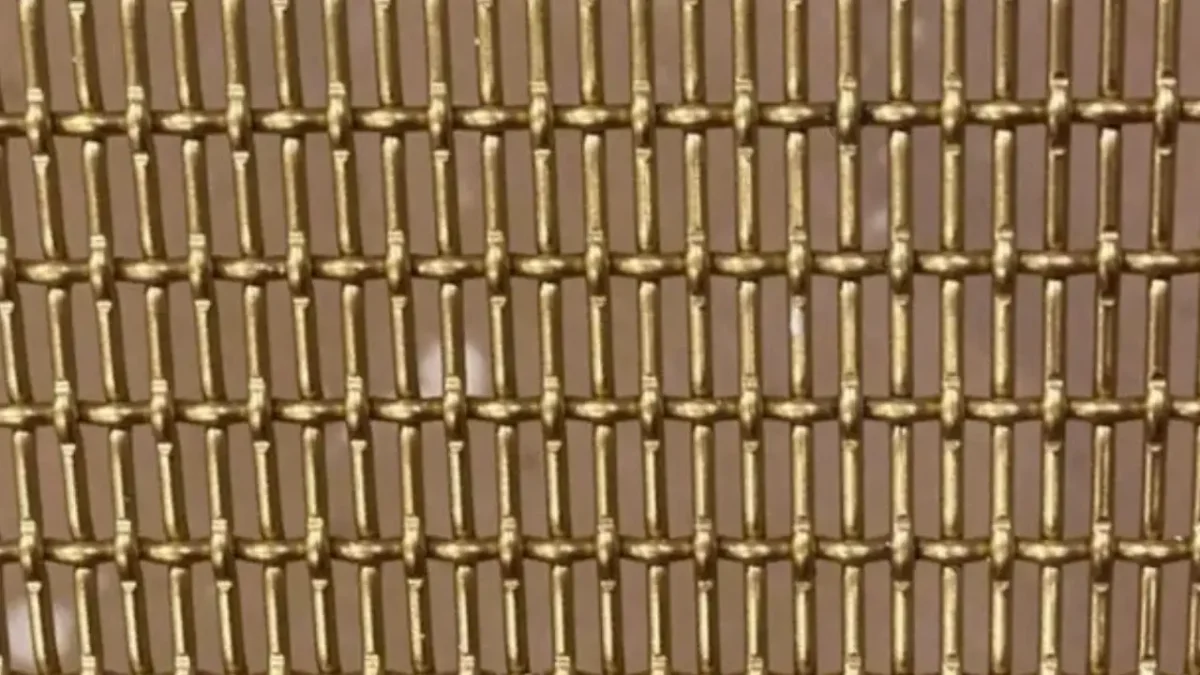
Brass wire mesh is woven from copper-zinc alloy wire. Its golden color makes it especially popular for decorative and architectural applications.
- Features: Golden appearance, good corrosion resistance, conductivity, and relatively easy fabrication.
- Benefits: It combines useful mechanical properties with an attractive surface suitable for visible installations.
- Applications: It is used for decorative screens, architectural panels, interior design, filtration, speaker grilles, and furniture components.
Brass mesh can provide a warmer appearance than stainless steel or aluminum mesh. It can also be cut, formed, and incorporated into custom decorative structures.
Its final appearance depends on the alloy, surface treatment, environmental exposure, and finishing process selected for the project.
12. Bronze Wire Mesh
Bronze wire mesh is manufactured from bronze alloys and is recognized for its durability, corrosion resistance, and distinctive appearance.
- Features: Strong corrosion resistance, attractive bronze color, durability, and good formability.
- Benefits: It offers a combination of functional performance and decorative appeal for demanding visible applications.
- Applications: Typical uses include architectural screens, decorative panels, filtration, marine environments, and specialty industrial applications.
Bronze can perform well in environments where appearance and resistance to environmental exposure are both important.
It is also available in different alloy compositions, so buyers should specify the required bronze grade when mechanical, chemical, or corrosion performance is critical.
13. Expanded Metal Mesh
Expanded metal mesh is produced by simultaneously cutting and stretching a metal sheet, creating interconnected diamond-shaped openings without separate welded joints.
- Features: One-piece construction, diamond openings, lightweight structure, and no loose intersections.
- Benefits: It provides good strength-to-weight performance, ventilation, visibility, and material efficiency.
- Applications: It is used for walkways, ramps, platforms, fencing, machine guards, ceilings, partitions, and architectural panels.
Because the sheet remains connected after expansion, there are no welded joints that can separate. This makes expanded metal useful for structural and protective applications.
Different strand widths, opening sizes, sheet thicknesses, and patterns allow expanded metal to be adapted to both industrial and decorative requirements.
14. Perforated Metal Mesh
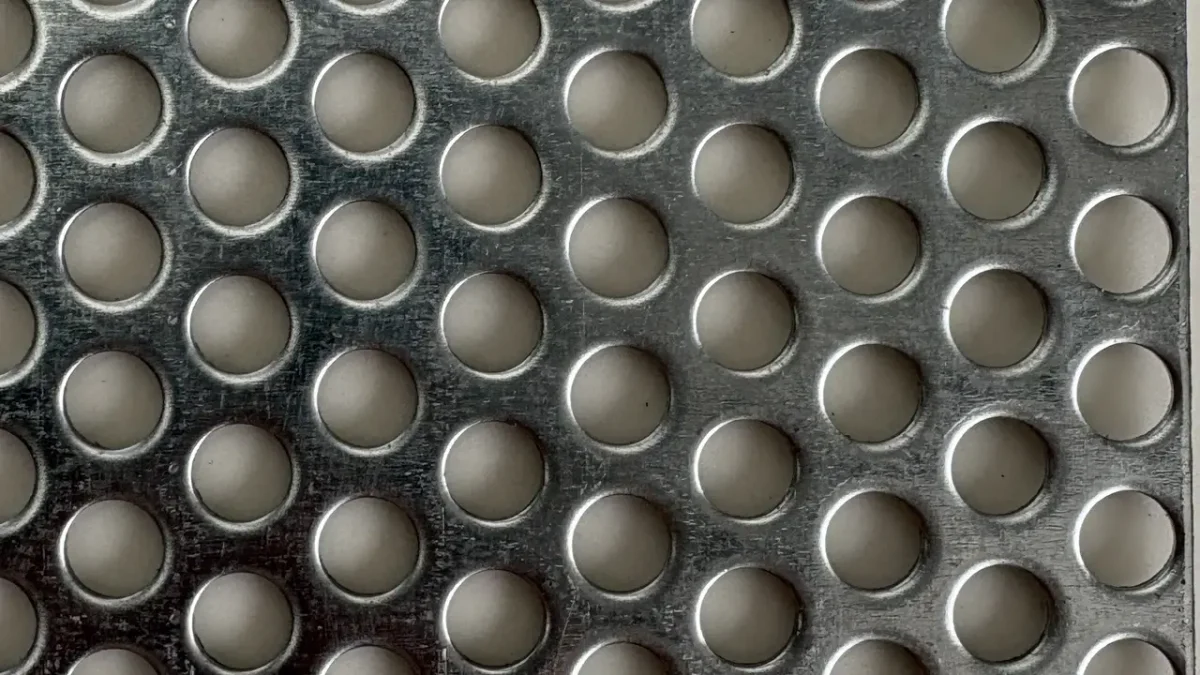
Perforated metal is produced by punching, stamping, or drilling repeated openings into a metal sheet. Although technically different from traditional wire mesh, it is widely considered alongside mesh products.
- Features: Precisely formed holes, rigid sheet construction, customizable patterns, and smooth sheet surfaces.
- Benefits: It provides ventilation, acoustic control, screening, protection, and visual design flexibility.
- Applications: It is used for machine covers, architectural façades, acoustic panels, ceilings, filters, and protective guards.
Round, square, rectangular, slotted, and decorative perforation patterns are available. Open-area percentages can also be adjusted according to performance requirements.
Perforated metal is particularly useful when a rigid sheet with controlled openings is required instead of a flexible wire-based structure.
15. PVC-Coated Wire Mesh
PVC-coated wire mesh uses steel wire covered with a protective PVC layer. The coating adds another barrier between the steel core and the surrounding environment.
- Features: Steel core, PVC protective coating, color options, corrosion resistance, and smooth surface.
- Benefits: It can improve weather resistance, appearance, handling comfort, and service life.
- Applications: It is commonly used for garden fencing, animal enclosures, residential fencing, cages, and outdoor barriers.
PVC coatings can be available in green, black, white, and other colors. The coating also gives the mesh a softer surface than bare steel.
This option is useful where both functional protection and a finished appearance are important, particularly for residential, agricultural, and landscaping projects.
16. Welded Double Wire Mesh
Welded double wire mesh uses paired horizontal wires combined with vertical wires to form a stronger welded panel construction.
- Features: Double horizontal wires, welded intersections, rigid panels, and enhanced structural stability.
- Benefits: It provides greater rigidity and impact resistance than many standard light-duty welded mesh panels.
- Applications: It is often used for security fencing, perimeter protection, industrial boundaries, and high-security facilities.
The double-wire construction increases the amount of steel around the horizontal members, helping the panel maintain its shape under physical stress.
Its rigid appearance also makes it suitable for modern security fencing where strength, visibility, and a clean architectural appearance are required.
17. Fixed-Knot Wire Mesh
Fixed-knot wire mesh uses tightly wrapped and interlocked wires to create secure intersections. It is particularly common in agricultural and wildlife fencing.
- Features: Fixed wire intersections, strong knots, flexible fencing structure, and resistance to displacement.
- Benefits: It provides reliable containment while maintaining flexibility over uneven ground and changing terrain.
- Applications: Applications include livestock fencing, wildlife fencing, farm boundaries, garden protection, and erosion-related projects.
The fixed-knot construction helps maintain opening dimensions when the fence experiences pressure from animals or environmental conditions.
Different wire diameters, heights, and opening configurations allow this mesh to be selected for cattle, sheep, horses, wildlife, and other agricultural requirements.
18. Chicken Wire Mesh
Chicken wire is a lightweight hexagonal wire mesh traditionally used for poultry and small animal containment. It is generally made with relatively thin galvanized or coated wire.
- Features: Lightweight wire, hexagonal openings, flexible construction, and easy cutting.
- Benefits: It is inexpensive, simple to install, and convenient for temporary or lightweight containment.
- Applications: Typical uses include chicken coops, rabbit cages, garden protection, crafts, landscaping, and temporary barriers.
Chicken wire is not normally intended for high-security or heavy structural applications because its lightweight construction can be easier to deform.
For stronger animal containment, heavier-gauge welded, woven, or fixed-knot mesh may provide more appropriate mechanical performance. (Fencedepots)
19. Hardware Cloth
Hardware cloth is a rigid wire mesh, commonly manufactured as welded steel mesh with relatively small and consistent openings.
- Features: Rigid welded structure, small openings, flat panels or rolls, and various coatings.
- Benefits: It provides stronger physical protection than many lightweight poultry meshes while allowing airflow and visibility.
- Applications: It is used for animal cages, garden protection, vents, machine guards, partitions, and building openings.
Galvanized hardware cloth is widely used outdoors because the zinc coating helps protect the underlying steel from corrosion.
The mesh opening should be selected according to what needs to be contained or excluded, particularly when the product is used for rodents, birds, insects, or garden protection.
20. Stucco Wire Mesh
Stucco wire mesh is a wire reinforcement product designed to provide mechanical support for stucco, plaster, masonry veneer, and related wall systems.
- Features: Lightweight woven structure, reinforcement properties, and versions with or without furring.
- Benefits: It improves surface support, helps create a suitable base for plaster, and simplifies installation.
- Applications: It is used with Portland cement plaster, gypsum plaster, stucco systems, masonry veneer, cultured stone, and ceramic tile.
Furred mesh can create space between the wire and substrate, helping plaster surround the wire and improve mechanical attachment.
Selection should consider the wall system, substrate, coating, installation method, and applicable construction requirements rather than treating all wire mesh as interchangeable.
21. Dutch Weave Wire Mesh
Dutch weave wire mesh is a specialized woven mesh in which different wire diameters and weaving arrangements create fine filtration openings with high mechanical strength.
- Features: Dense woven structure, fine openings, stronger support wires, and controlled filtration characteristics.
- Benefits: It provides precise filtration while maintaining strength under pressure and demanding processing conditions.
- Applications: It is used in polymer filtration, hydraulic filtration, chemical processing, oil filtration, and industrial separation.
Common configurations include plain Dutch weave and twill Dutch weave. The construction can produce very fine filtration capabilities.
This type is generally selected according to filtration rating, pressure, flow rate, material compatibility, and required filtration accuracy rather than simply mesh count.
22. Sintered Wire Mesh
Sintered wire mesh is produced by bonding multiple layers of woven wire mesh through a controlled sintering process, creating a multilayer filtration structure.
- Features: Multilayer construction, strong bonding, controlled pore structure, and high mechanical stability.
- Benefits: It provides consistent filtration, improved rigidity, and better resistance to pressure and handling compared with loose mesh layers.
- Applications: It is used in hydraulic filtration, pharmaceutical processing, chemical processing, food processing, and industrial filtration.
Several mesh layers can be combined to create a specific filtration structure. The finished product can then be cut, folded, welded, or manufactured into filter cartridges.
Its multilayer design makes it useful when filtration performance and structural stability are both important.
23. Barbed Wire Mesh
Barbed wire mesh generally refers to fencing systems combining mesh structures with barbed wire or barbed elements to increase perimeter protection.
- Features: Metal mesh combined with sharp barbed elements, strong boundary structure, and deterrent-focused design.
- Benefits: It can increase the difficulty of unauthorized access while maintaining a relatively open perimeter.
- Applications: Common applications include agricultural boundaries, industrial sites, correctional facilities, warehouses, and security fencing.
Different configurations can combine welded mesh, chain link, or other fencing systems with barbed components.
Because the primary purpose is perimeter security, installation should consider local safety requirements, property conditions, access points, and applicable regulations.
24. Decorative Wire Mesh
Decorative wire mesh is designed to combine the functional properties of metal mesh with architectural and interior design requirements.
- Features: Custom patterns, attractive finishes, different metals, and varied opening configurations.
- Benefits: It provides visual separation, airflow, light transmission, and a distinctive architectural appearance.
- Applications: It is used for room dividers, ceilings, wall panels, façades, railings, furniture, retail displays, and decorative screens.
Decorative mesh can be manufactured from stainless steel, brass, copper, bronze, aluminum, and other metals. Different weaving patterns can create different levels of transparency.
Designers can select the mesh according to appearance, openness, lighting effects, durability, and the surrounding architectural style.
25. Filter Wire Mesh
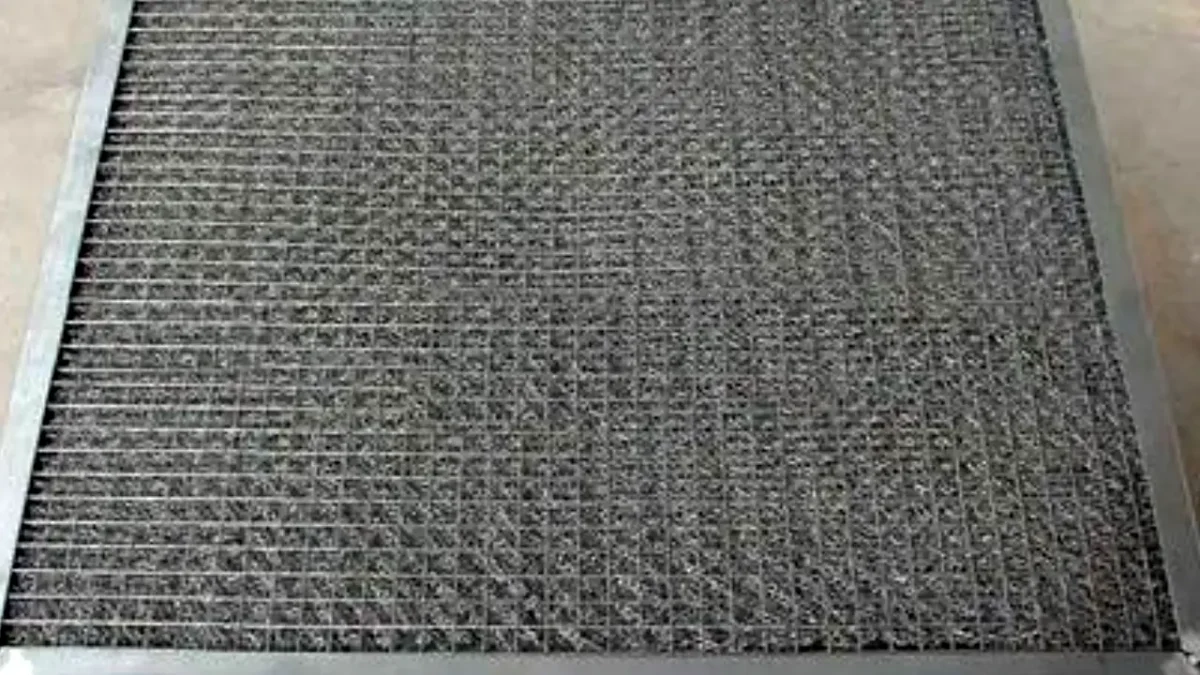
Filter wire mesh is designed specifically for separating particles, liquids, gases, or other materials according to controlled opening sizes.
- Features: Precise openings, controlled wire diameter, multiple weave patterns, and specialized filtration structures.
- Benefits: It enables repeatable particle separation, supports continuous processing, and can withstand demanding industrial conditions.
- Applications: It is used in food processing, chemical production, pharmaceuticals, oil and gas, mining, water treatment, and manufacturing.
Filter mesh can be made from stainless steel, brass, copper, nickel alloys, and other materials depending on temperature, pressure, chemical exposure, and filtration requirements.
Fine filtration may require specialized Dutch weave, twill weave, multilayer, or sintered mesh rather than conventional square-opening woven mesh.
Here is the chart about diferent wire mesh types:
| Wire Mesh Type | Main Features | Key Benefits | Common Applications |
|---|---|---|---|
| Welded Wire Mesh | Welded intersections, rigid grid | Strong and stable | Fencing, reinforcement, cages |
| Woven Wire Mesh | Interwoven wires, flexible | Precise screening | Filtration, sieving, mining |
| Crimped Wire Mesh | Pre-crimped wires | High rigidity and strength | Screening, mining, architecture |
| Knitted Wire Mesh | Interlocking wire loops | Flexible and elastic | Filtration, demisting, vibration control |
| Hexagonal Wire Mesh | Hexagonal openings | Flexible and economical | Poultry, landscaping, gabions |
| Chain Link Mesh | Diamond-shaped openings | Easy installation and visibility | Fencing, sports courts, security |
| Galvanized Wire Mesh | Zinc-coated steel | Improved corrosion resistance | Outdoor fencing, agriculture |
| Stainless Steel Wire Mesh | Stainless steel construction | Corrosion and heat resistance | Food, chemical, filtration |
| Aluminum Wire Mesh | Lightweight metal | Low weight and corrosion resistance | Ventilation, screens, architecture |
| Copper Wire Mesh | Copper wire | Conductivity and flexibility | EMI shielding, decoration |
| Brass Wire Mesh | Copper-zinc alloy | Attractive appearance | Decoration, architecture, grilles |
| Bronze Wire Mesh | Bronze alloy | Durable and corrosion resistant | Marine, architectural, filtration |
| Expanded Metal Mesh | Stretched sheet with openings | Strong strength-to-weight ratio | Walkways, guards, partitions |
| Perforated Metal | Punched sheet openings | Precise patterns and rigidity | Panels, filters, ventilation |
| PVC-Coated Wire Mesh | PVC-coated steel | Weather resistance and appearance | Garden fencing, cages |
| Double Wire Mesh | Paired horizontal wires | Enhanced rigidity | Security fencing, boundaries |
| Fixed-Knot Mesh | Interlocked fixed knots | Strong animal containment | Livestock and wildlife fencing |
| Chicken Wire | Lightweight hexagonal mesh | Affordable and easy to use | Poultry, gardens, crafts |
| Hardware Cloth | Rigid small-opening mesh | Strong physical protection | Cages, vents, garden protection |
| Stucco Wire Mesh | Plaster reinforcement mesh | Supports wall finishes | Stucco, plaster, masonry |
| Dutch Weave Mesh | Dense woven structure | Fine filtration | Oil, chemical, polymer filtration |
| Sintered Wire Mesh | Bonded multilayer mesh | Stable filtration structure | Industrial filtration |
| Barbed Wire Mesh | Mesh with barbed elements | Perimeter deterrence | Security and agricultural fencing |
| Decorative Wire Mesh | Custom patterns and finishes | Visual appeal and airflow | Interiors, façades, partitions |
| Filter Wire Mesh | Controlled openings | Consistent separation | Food, pharmaceutical, chemical processing |
How to Choose the Right Wire Mesh Types?
The right wire mesh depends on more than the mesh opening alone. Wire material, diameter, construction method, surface finish, load, environment, and intended application all affect performance.
- Material: Choose steel, stainless steel, aluminum, copper, brass, or another material according to strength and environmental requirements.
- Construction: Select welded, woven, knitted, expanded, or specialized mesh according to flexibility, rigidity, and structural requirements.
- Opening size: Smaller openings are generally suitable for finer screening or containment, while larger openings provide greater airflow and visibility.
- Surface finish: Galvanized, PVC-coated, and other finishes can improve corrosion resistance and appearance.
- Application: Consider whether the mesh will be used for reinforcement, fencing, filtration, screening, protection, agriculture, or decoration.
For construction and industrial applications, specifications should also account for loads, environmental exposure, installation requirements, and applicable standards.
There is no single wire mesh type that works for every project. Welded mesh is useful when rigidity and strength are needed, woven mesh is suitable for flexible screening and filtration, galvanized mesh is practical for outdoor applications, while stainless steel and specialized filtration meshes are better suited to demanding industrial environments.
Conclusion
Different types of wire mesh are designed to meet different performance and application requirements. Welded mesh provides consistent and strong grids, while woven mesh offers flexible structures and precise openings. Galvanized and stainless steel mesh provide enhanced corrosion resistance, while expanded mesh offers strength with an open structure for various industrial and architectural applications.
When choosing wire mesh, consider the required material, wire diameter, opening size, strength, corrosion resistance, and intended use. Construction projects may require different specifications from filtration, fencing, agricultural, or industrial applications. Selecting suitable mesh based on actual working conditions can help ensure reliable performance and a longer service life.
We supply a wide range of wire mesh options for different industries and applications. Whether you need welded, woven, galvanized, stainless steel, expanded, or customized mesh, we can provide suitable specifications for your project. Get wholesale all wire mesh from our Apscreens and contact our team to discuss your required material, size, and quantity.