Rebar mesh is a steel reinforcement material widely used in concrete construction to improve strength, control cracking, and enhance structural stability. Made from intersecting steel bars or wires welded together, it provides reliable reinforcement for slabs, foundations, driveways, and other concrete structures. Understanding its types, sizes, and applications helps you choose the right mesh.
In this ultimate guide, we will explain what rebar mesh is, how it works, the materials used in its production, and its main benefits. We will also explore common applications, different mesh sizes, and important selection factors to help contractors, builders, and construction material buyers make informed purchasing decisions.
What is Rebar Mesh?
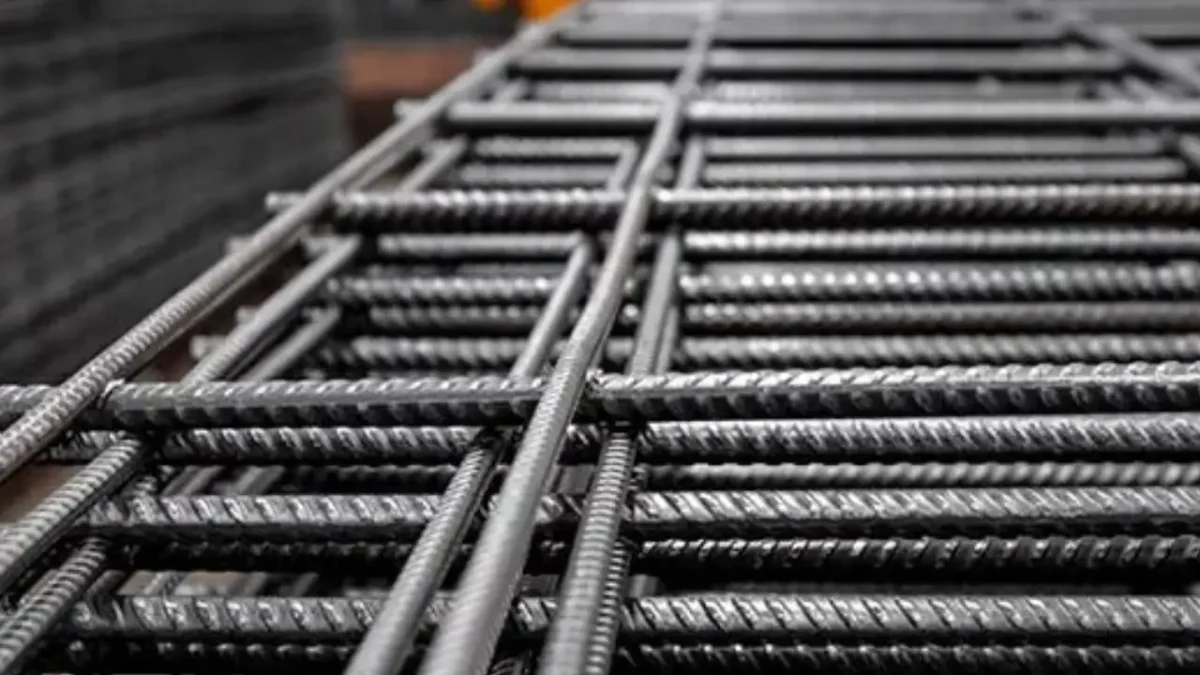
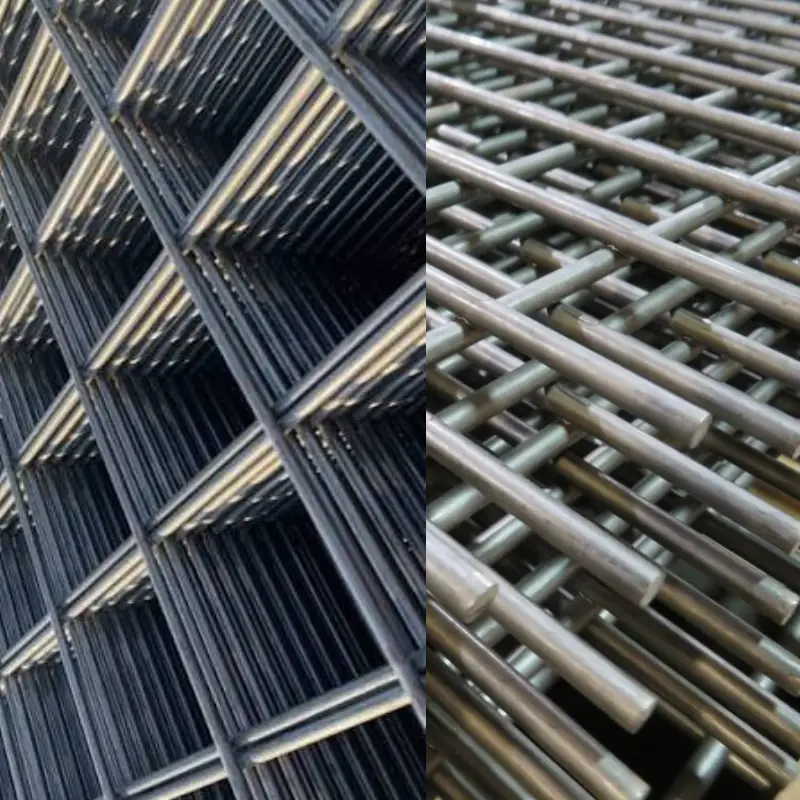
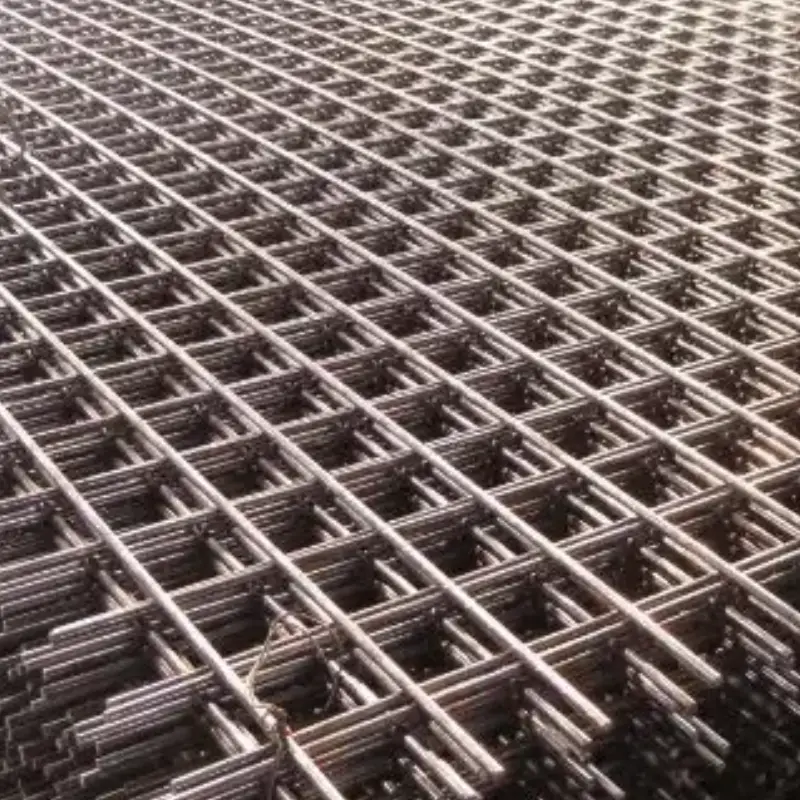
Rebar mesh is a steel reinforcement grid made by welding intersecting steel bars or wires at regular intervals. It is commonly embedded in concrete to improve tensile strength, distribute loads, and control cracking caused by shrinkage or temperature changes.
What is Rebar Mesh Made of?
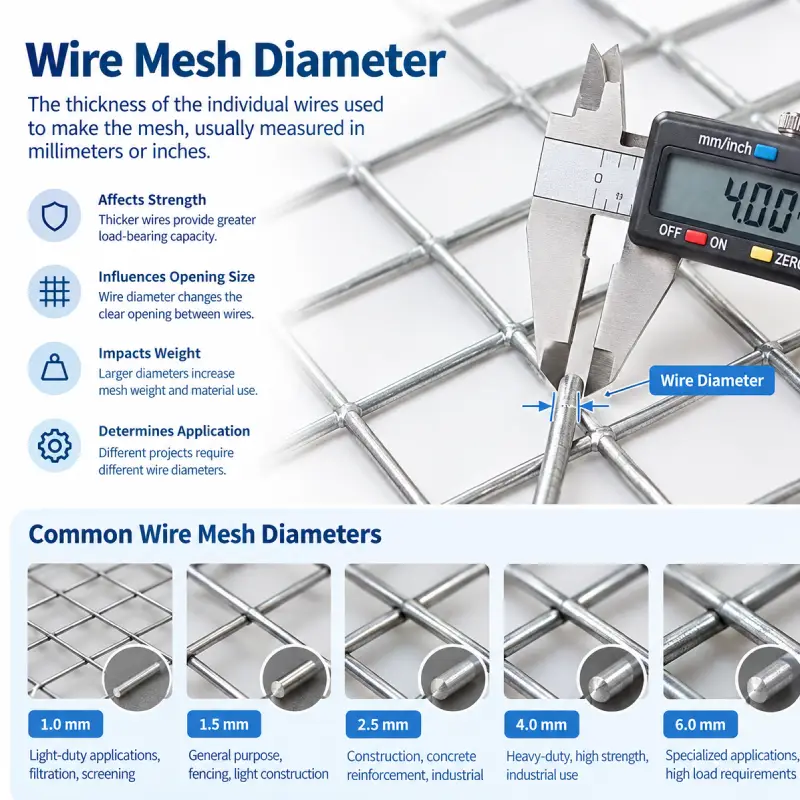
Rebar mesh is primarily made of steel bars or wires arranged in a grid pattern and joined at their intersections. The materials are selected based on the required strength, durability, and environmental conditions of the construction project. Different steel grades, coatings, and wire diameters help meet specific reinforcement requirements across various concrete applications.
- Carbon Steel: Carbon steel is widely used for rebar mesh because it provides high tensile strength and reliable reinforcement. Its mechanical properties help concrete structures withstand tensile stresses and maintain stability under different loading conditions.
- Galvanized Steel: Galvanized rebar mesh features a protective zinc coating that helps reduce corrosion caused by moisture and environmental exposure. It is suitable for projects where improved corrosion resistance can support longer service life.
- Stainless Steel: Stainless steel rebar mesh offers excellent corrosion resistance in demanding environments. It is often selected for structures exposed to chemicals, coastal conditions, or moisture, where durability and reduced maintenance are important considerations.
- Welded Intersections: Rebar mesh uses welded intersections to hold longitudinal and transverse bars or wires in a consistent grid. These connections help maintain spacing during handling, transportation, and concrete placement, supporting efficient installation and uniform reinforcement distribution.
What is Rebar Mesh Used for?
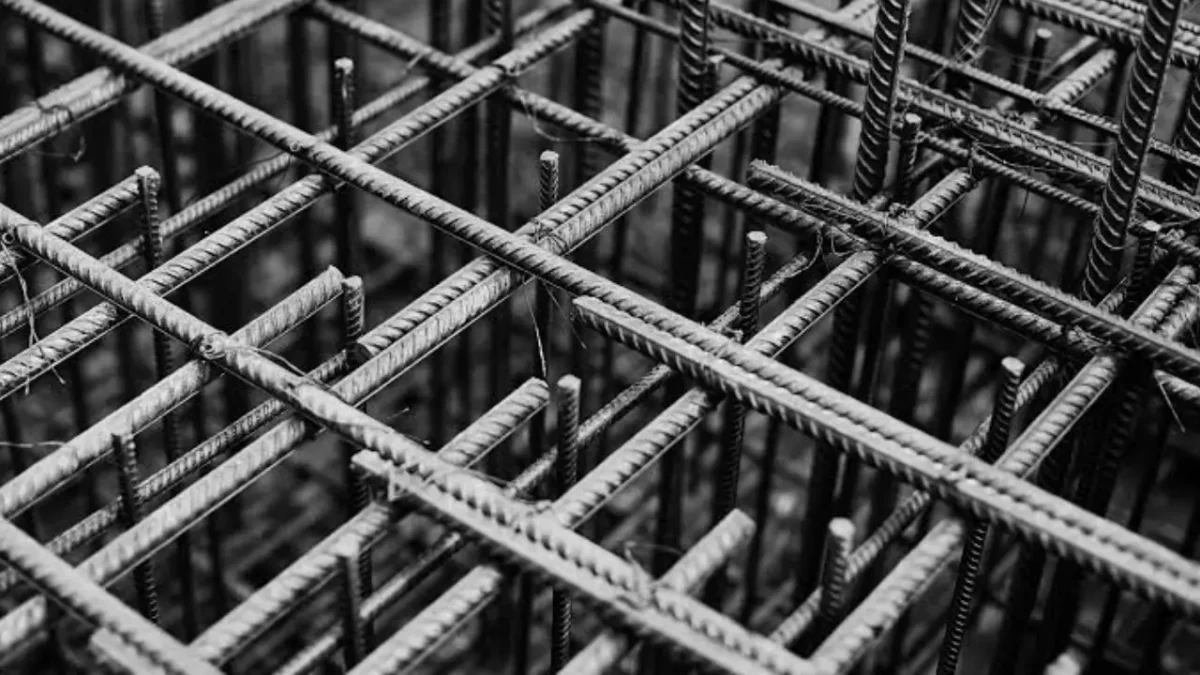
Rebar mesh is used to reinforce concrete structures by improving tensile performance, distributing loads, and controlling cracking caused by shrinkage and temperature changes. Its prefabricated grid design simplifies installation and helps maintain consistent reinforcement spacing.
From residential construction to large infrastructure projects, rebar mesh supports durable concrete surfaces and reliable structural performance across various applications.
- – Concrete Slabs: Rebar mesh reinforces concrete floor slabs in residential, commercial, and industrial buildings. It helps distribute tensile stresses and control cracking caused by shrinkage and loading, supporting more durable floors when correctly positioned and specified.
- – Roads and Pavements: Rebar mesh is commonly incorporated into concrete roads, sidewalks, and pavements. It helps control crack development and maintain concrete integrity under repeated traffic loads, temperature fluctuations, and environmental exposure throughout the pavement’s service life.
- – Building Foundations: Rebar mesh can reinforce suitable foundation slabs and other concrete foundation elements. It helps distribute stresses across the concrete and supports structural stability when designed according to soil conditions, building loads, and applicable construction standards.
- – Driveways and Parking Areas: Rebar mesh is used in concrete driveways, garages, and parking areas to help control cracking and distribute stresses from vehicle loads. The appropriate mesh specification depends on slab thickness, expected traffic, and ground preparation.
- – Industrial Floors: Rebar mesh supports reinforcement in factory floors, warehouses, and other industrial concrete surfaces. It helps control cracking and maintain serviceability under demanding operating conditions, with mesh selection based on loading requirements, floor design, and installation methods.
- – Precast Concrete Products: Rebar mesh is used in selected precast concrete panels, components, and other manufactured products. Its consistent grid structure helps simplify reinforcement placement and improve production efficiency, provided the mesh design meets the product’s engineering requirements.
Rebar vs Wire Mesh
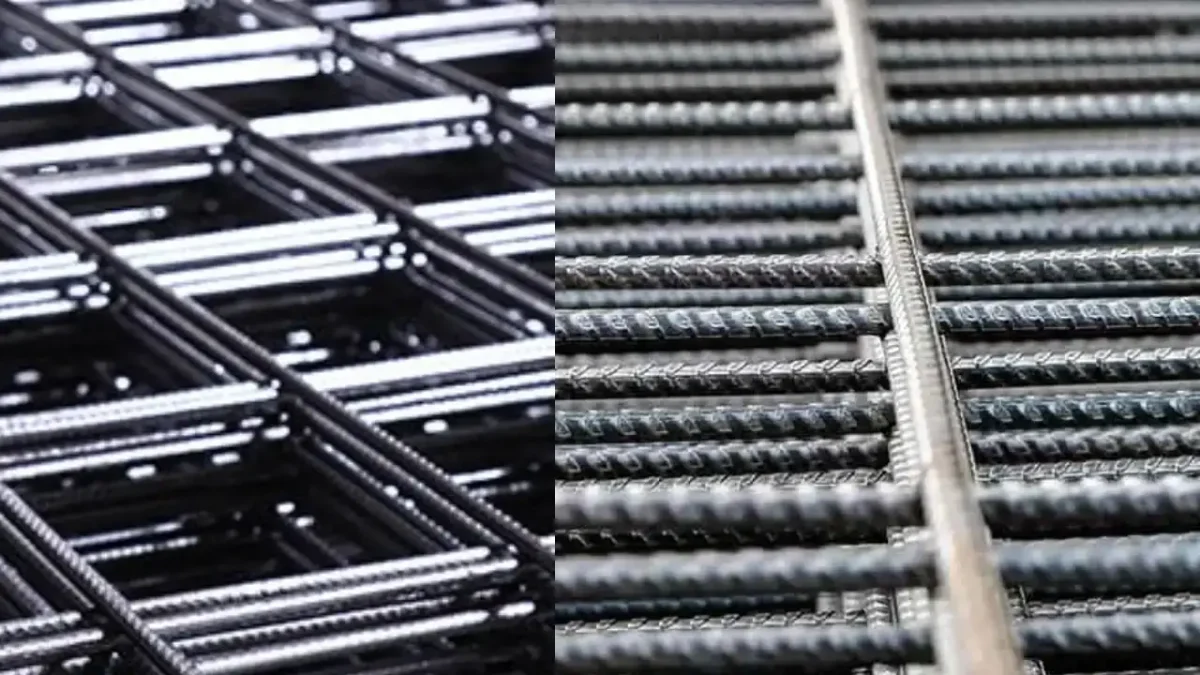
Rebar and wire mesh are both used to reinforce concrete, but they differ in structure, installation, and typical applications. Rebar consists of individual steel bars arranged according to engineering requirements, while wire mesh is manufactured as a grid of welded steel wires. Understanding their differences helps contractors select suitable reinforcement based on structural loads, project specifications, and installation efficiency.
- Structure: Rebar consists of individual steel bars, usually with a ribbed surface for bonding with concrete. Wire mesh features intersecting steel wires welded into a regular grid, providing consistent spacing and a prefabricated reinforcement layout.
- Strength and Load Capacity: Rebar can be arranged in different sizes, quantities, and configurations to meet demanding structural requirements. Wire mesh typically suits applications requiring distributed reinforcement, although its capacity depends on wire diameter, spacing, steel grade, and design.
- Installation: Rebar installation involves cutting, bending, tying, and positioning individual bars according to structural drawings. Wire mesh is supplied in sheets or rolls, allowing faster placement across suitable concrete areas and potentially reducing labor requirements.
- Applications: Rebar is widely used in beams, columns, foundations, and other structural elements requiring engineered reinforcement. Wire mesh is commonly used in concrete slabs, pavements, driveways, and industrial floors where evenly distributed reinforcement is appropriate.
- Cost and Labor: Rebar costs depend on bar diameter, steel grade, fabrication, and installation labor. Wire mesh can reduce placement time on suitable projects, but material costs, transportation, cutting waste, and reinforcement requirements affect overall project expenses.
- Design Flexibility: Rebar offers considerable flexibility for complex structural shapes and customized reinforcement layouts. Wire mesh provides standardized spacing and dimensions, making it efficient for repetitive applications, although custom mesh can accommodate specific project requirements.
Here are some differences between rebar and wire mesh:
| Comparison Factor | Rebar | Wire Mesh |
|---|---|---|
| Structure | Individual steel bars | Welded steel wire grid |
| Typical form | Straight bars or bent shapes | Sheets or rolls |
| Installation | Cut, bend, and tie | Position and overlap as specified |
| Common applications | Beams, columns, foundations, slabs | Slabs, driveways, pavements, floors |
| Design flexibility | High | Moderate to high, depending on availability |
| Labor requirements | Often more labor-intensive | Often faster for suitable flat areas |
| Reinforcement capacity | Designed for specific structural loads | Depends on wire size, spacing, and design |
| Best selection basis | Structural drawings and engineering requirements | Project specifications and reinforcement requirements |
Key takeaway: Rebar and wire mesh are not always interchangeable. The right choice depends on engineering calculations, concrete thickness, expected loads, and local building codes. Some projects use both materials to meet different reinforcement needs.
Is Wire Mesh or Rebar Better?
Whether wire mesh or rebar is better depends on your concrete project’s structural requirements, expected loads, and installation conditions. Rebar is often preferred for heavily loaded structural elements, while wire mesh is suitable for many slabs, driveways, and pavements.
Both materials provide reinforcement, but selecting the right option requires evaluating strength, cost, durability, and engineering specifications.
– For Structural Strength: Rebar is generally better for beams, columns, and foundations requiring specifically designed reinforcement. Engineers can adjust bar diameter, spacing, and placement to handle calculated tensile forces and demanding structural loads.
– For Installation Efficiency: Wire mesh is often more efficient for reinforcing large, relatively flat concrete areas. Its prefabricated grid simplifies placement and helps maintain consistent spacing, potentially reducing installation time and labor costs on suitable projects.
– For Crack Control: Both rebar and wire mesh can help control concrete cracking when properly designed and installed. Wire mesh provides distributed reinforcement across a slab, while rebar placement and spacing depend on the structural design and reinforcement requirements.
– For Project Costs: Wire mesh may reduce labor expenses because it arrives in prefabricated sheets or rolls. However, the overall cost depends on material prices, transportation, cutting waste, installation requirements, and the reinforcement capacity specified for the project.
– For Design Flexibility: Rebar offers greater flexibility for complex shapes, concentrated loads, and customized reinforcement arrangements. Wire mesh is convenient for repetitive slab applications, although custom sizes and configurations are available for projects with specific design requirements.
– For Corrosion Resistance: Neither material is automatically more corrosion-resistant simply because of its form. Performance depends on steel composition, protective coatings, concrete cover, drainage, and exposure conditions. Galvanized or stainless steel options may suit more corrosive environments.
Final recommendation: Choose rebar when your project requires engineered reinforcement for substantial structural loads or complex designs. Choose wire mesh when standardized, distributed reinforcement suits the concrete application and project specifications. Always follow the engineer’s design and applicable building codes rather than substituting one material for the other without approval.
Conclusion
Rebar mesh plays an essential role in modern construction by improving concrete reinforcement, distributing loads, and helping control shrinkage cracks. From residential driveways to industrial floors and large infrastructure projects, choosing the right mesh type and specifications is crucial for achieving reliable performance. Understanding its properties and applications helps you select suitable reinforcement for your construction requirements.
When selecting rebar mesh, consider factors such as wire diameter, mesh spacing, material strength, corrosion resistance, and project specifications. Proper installation and adequate concrete cover are equally important for achieving the expected reinforcement performance. By evaluating these factors carefully, you can improve construction efficiency, reduce material waste, and support the long-term durability of concrete structures.
If you are looking for a reliable supplier, Apscreens can help you source rebar wire mesh for various construction applications. We focus on providing reinforcement mesh solutions to meet different project requirements, with options tailored to your specifications. Contact Apscreens to discuss your needs and get wholesale rebar wire mesh from our Apscreens for your next construction project.