Woven wire mesh is made by interlacing metal wires in a controlled pattern to create a strong, flexible mesh structure. Although the finished product looks simple, several steps are involved before it is ready for industrial or commercial use. Understanding the manufacturing process helps buyers evaluate mesh quality, materials, and performance.
From selecting the right wire to weaving, cutting, finishing, and inspecting the final mesh, each stage affects the product’s strength and consistency. In this guide, we will explain how woven wire mesh is made step by step, including the main equipment, production methods, quality checks, and factors that manufacturers consider.
What is Woven Wire Mesh?
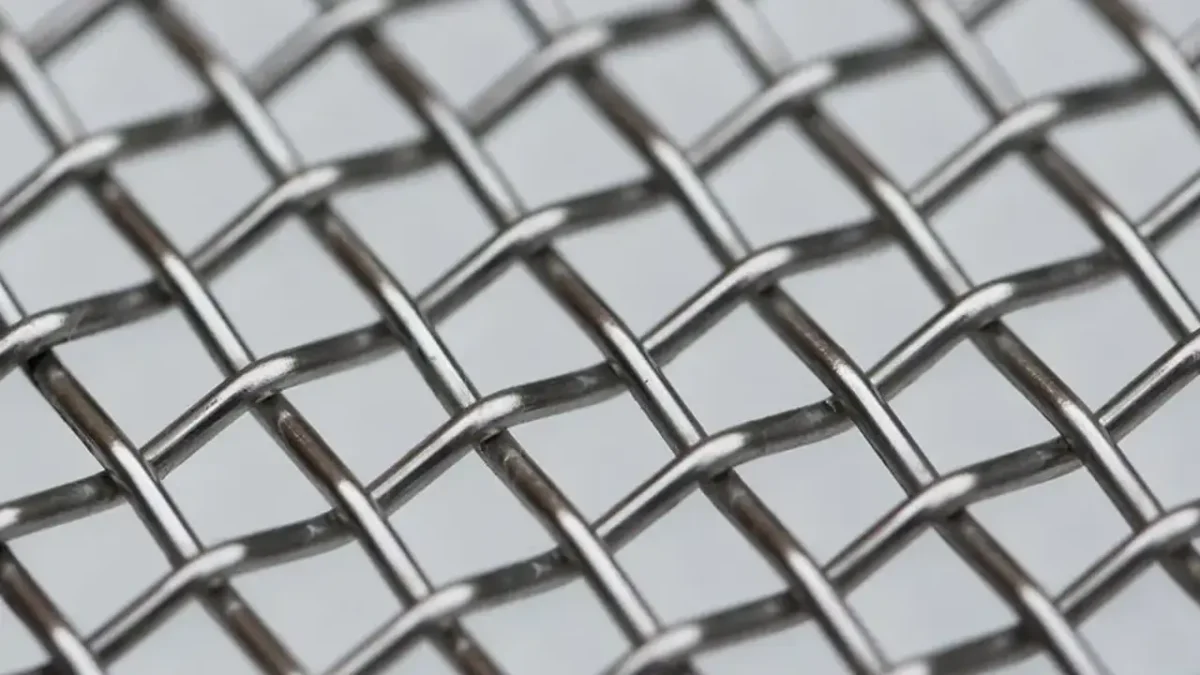
Woven wire mesh is a metal mesh product made by interlacing individual wires in a specific pattern. The wires pass over and under each other to create uniform openings. Depending on the material, wire diameter, mesh count, and weave type, woven wire mesh can provide different levels of strength, flexibility, filtration, and durability.
Common characteristics of woven wire mesh include:
- Interwoven Structure: Wires are woven together in controlled patterns, creating a stable mesh structure with consistent openings for screening, filtering, and separation applications.
- Various Materials: Woven wire mesh can be manufactured from stainless steel, galvanized steel, carbon steel, aluminum, copper, brass, and other metals to meet different working conditions.
- Different Mesh Sizes: Mesh openings can range from very fine to relatively large, allowing manufacturers to produce mesh for applications requiring precise filtration or coarse separation.
- Multiple Weave Types: Common options include plain weave, twill weave, Dutch weave, and reverse Dutch weave, each offering different strength, opening, and filtration characteristics.
- Adjustable Wire Diameter: Different wire diameters can be selected according to the required strength, flexibility, filtration accuracy, and resistance to wear or mechanical stress.
- Wide Applications: Woven wire mesh is commonly used for filtration, screening, sieving, ventilation, guarding, particle separation, architectural features, and industrial processing equipment.
What is Wire Mesh Made of?
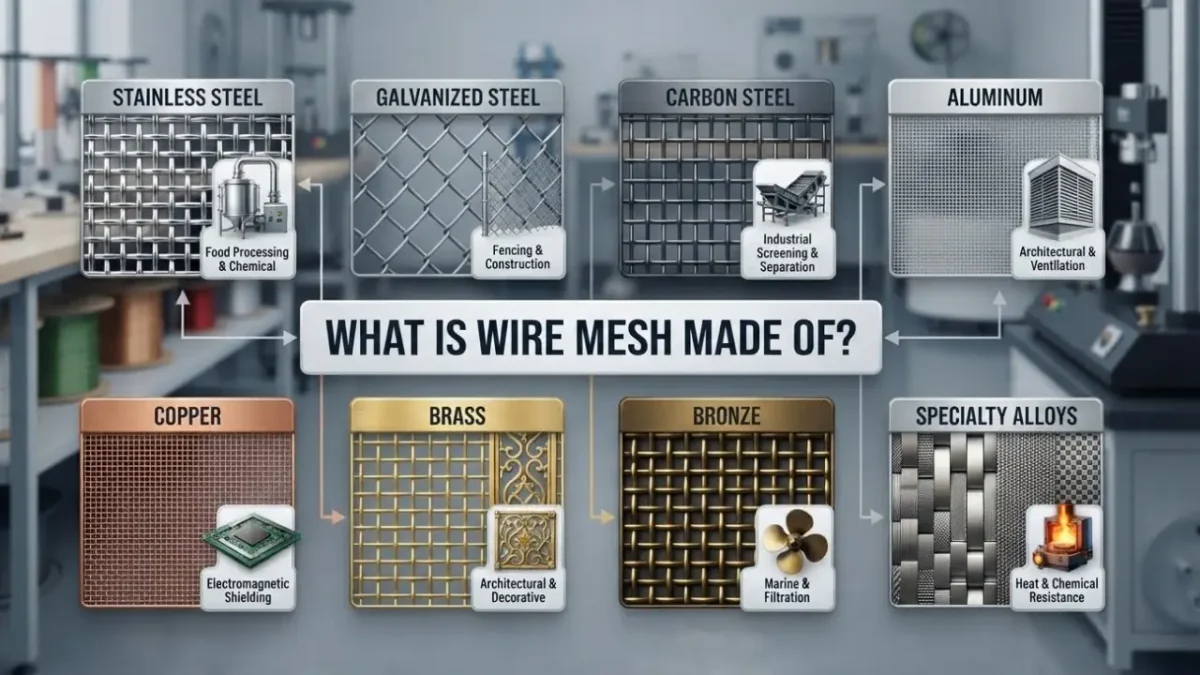
Wire mesh is mainly made from metal wires that are woven, welded, or formed into a regular grid. The material selected affects the mesh’s strength, corrosion resistance, flexibility, weight, and service life. Common wire mesh choices include stainless steel, galvanized steel, carbon steel, aluminum, copper, brass, and bronze for different industrial applications.
Common wire mesh materials include:
- Stainless Steel: Stainless steel wire mesh offers excellent corrosion resistance, strength, and durability. It is commonly used in food processing, chemical industries, filtration, screening, and outdoor applications where the mesh may encounter moisture, chemicals, or demanding operating conditions.
- Galvanized Steel: Galvanized wire mesh uses steel wire coated with zinc to improve resistance to rust and corrosion. It is often selected for fencing, construction, agriculture, ventilation, and general industrial applications where moderate durability and cost efficiency are important.
- Carbon Steel: Carbon steel wire mesh provides good strength and rigidity for demanding applications. It is commonly used for screening, construction, machinery protection, and industrial separation. Manufacturers may apply additional coatings to improve its resistance to corrosion and environmental exposure.
- Aluminum: Aluminum wire mesh is lightweight, corrosion resistant, and relatively easy to form. Its low weight makes it useful for ventilation, filtration, architectural applications, insect screens, and other situations where reducing the overall weight of the mesh is important.
- Copper: Copper wire mesh provides excellent electrical and thermal conductivity while offering good corrosion resistance in many environments. It is commonly used for electromagnetic shielding, filtration, decorative applications, and specialized industrial uses where copper’s conductivity provides an advantage.
- Brass: Brass wire mesh combines copper and zinc to provide good corrosion resistance, strength, and an attractive appearance. It is frequently used for decorative panels, filtration, screening, architectural designs, and applications requiring both functional performance and an appealing metallic finish.
- Bronze: Bronze wire mesh is valued for its strength, corrosion resistance, and durability in demanding environments. It can be used for filtration, marine applications, architectural projects, and decorative purposes where long-term performance and a distinctive metallic appearance are required.
- Specialty Alloys: Some applications require specialty alloy wire mesh for specific operating conditions. Nickel alloys and other high-performance materials can provide enhanced resistance to heat, chemicals, corrosion, or mechanical stress when conventional metals cannot meet the required performance.
How Is Woven Wire Mesh Made?
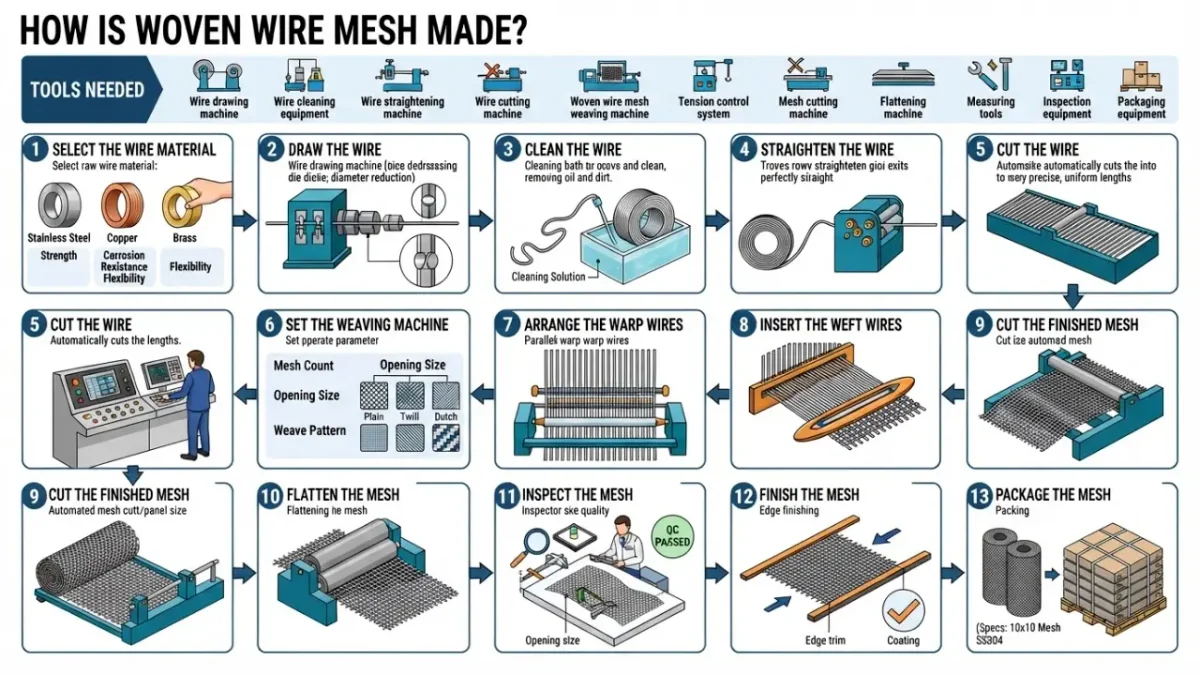
Woven wire mesh is manufactured through a carefully controlled production process. Each stage focuses on one specific operation, from selecting and preparing the metal wire to weaving, cutting, flattening, inspecting, and packaging.
Separating these operations makes it easier to understand how wire mesh manufacturers maintain consistent mesh openings, dimensions, strength, and surface quality.
Tools Needed
- Wire drawing machine
- Wire cleaning equipment
- Wire straightening machine
- Wire cutting machine
- Woven wire mesh weaving machine
- Tension control system
- Mesh cutting machine
- Flattening machine
- Measuring tools
- Inspection equipment
- Packaging equipment
Step 1: Select the Wire Material
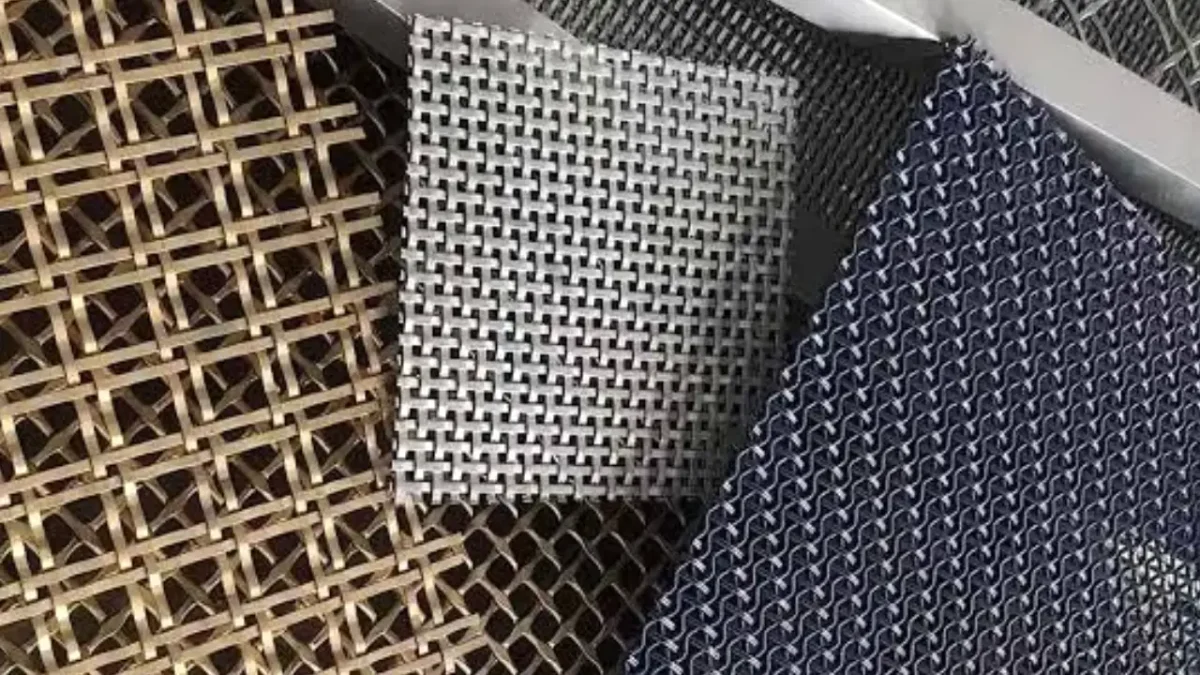
Manufacturing begins with selecting the appropriate metal wire for the intended application. Common wire mesh materials include stainless steel, galvanized steel, carbon steel, aluminum, copper, and brass. Manufacturers consider strength, corrosion resistance, flexibility, temperature resistance, and environmental conditions when choosing the suitable material.
The selected material must also meet the required quality and grade specifications. Different metals provide different performance characteristics, so the choice affects the finished mesh’s durability, appearance, and application range. Proper material selection provides a reliable foundation for the entire manufacturing process.
Step 2: Draw the Wire
The selected wire passes through a wire drawing machine to achieve the required diameter. During drawing, the wire moves through dies that gradually reduce its thickness. This process produces wires with controlled and consistent dimensions, which are essential for maintaining accurate mesh openings during later weaving.
Manufacturers may use multiple drawing passes when a significant diameter reduction is required. The drawing process must be carefully controlled to prevent dimensional variations and surface defects. Consistent wire diameter allows the weaving machine to produce uniform mesh with predictable mechanical and filtration performance.
Step 3: Clean the Wire
The drawn wire is cleaned to remove oil, dirt, oxidation, and other surface contaminants. Manufacturers select an appropriate cleaning method based on the wire material and production requirements. Proper cleaning creates a cleaner surface and helps prepare the wire for smooth movement through subsequent manufacturing operations.
Cleaning is important because contaminants can interfere with wire handling during weaving. A clean surface can also improve the appearance of the finished mesh. After cleaning, manufacturers inspect the wire to ensure it meets the required surface condition before moving it to the next stage.
Step 4: Straighten the Wire
The cleaned wire is passed through a straightening machine to remove unwanted bends and deformation. Straightening produces a more uniform wire that can be accurately positioned inside the weaving equipment. This process is particularly important when wire supplied in coils has developed curves during storage or handling.
Properly straightened wire helps maintain stable weaving conditions and consistent mesh geometry. Operators adjust the straightening equipment according to the wire diameter and material characteristics. Excessive straightening pressure should be avoided because it may damage the wire or negatively affect its mechanical properties.
Step 5: Cut the Wire
The straightened wire is cut into the required lengths when the production process calls for pre-cut wire. Cutting equipment produces consistent wire sections according to the manufacturer’s specifications. Accurate lengths help operators prepare the wire correctly for the weaving equipment and support efficient production.
The cutting process must maintain dimensional accuracy and clean wire ends. Uneven lengths or damaged ends can make wire handling more difficult during weaving. Manufacturers therefore check the cut wires before loading them into the appropriate parts of the weaving machine.
Step 6: Set the Weaving Machine
The weaving machine is configured according to the required mesh specifications. Operators set parameters such as wire diameter, mesh count, opening size, mesh width, weaving pattern, and production speed. Accurate machine settings are necessary to create the specified mesh structure consistently throughout the production run.
Manufacturers select a suitable weaving pattern based on the required application. Plain weave, twill weave, and Dutch weave provide different opening and strength characteristics. Before production begins, operators check the machine settings and may produce a small test section for verification.
Step 7: Arrange the Warp Wires
Warp wires are positioned lengthwise inside the weaving machine to create the foundation of the mesh. Each wire is placed at a controlled interval according to the required mesh count and opening size. Accurate spacing is essential because it directly affects the geometry of the finished woven structure.
The weaving machine maintains tension on the warp wires while they are being arranged. Operators monitor their alignment and spacing to prevent movement during production. Properly positioned warp wires provide a stable framework for the weft wires that will later cross them.
Step 8: Insert the Weft Wires
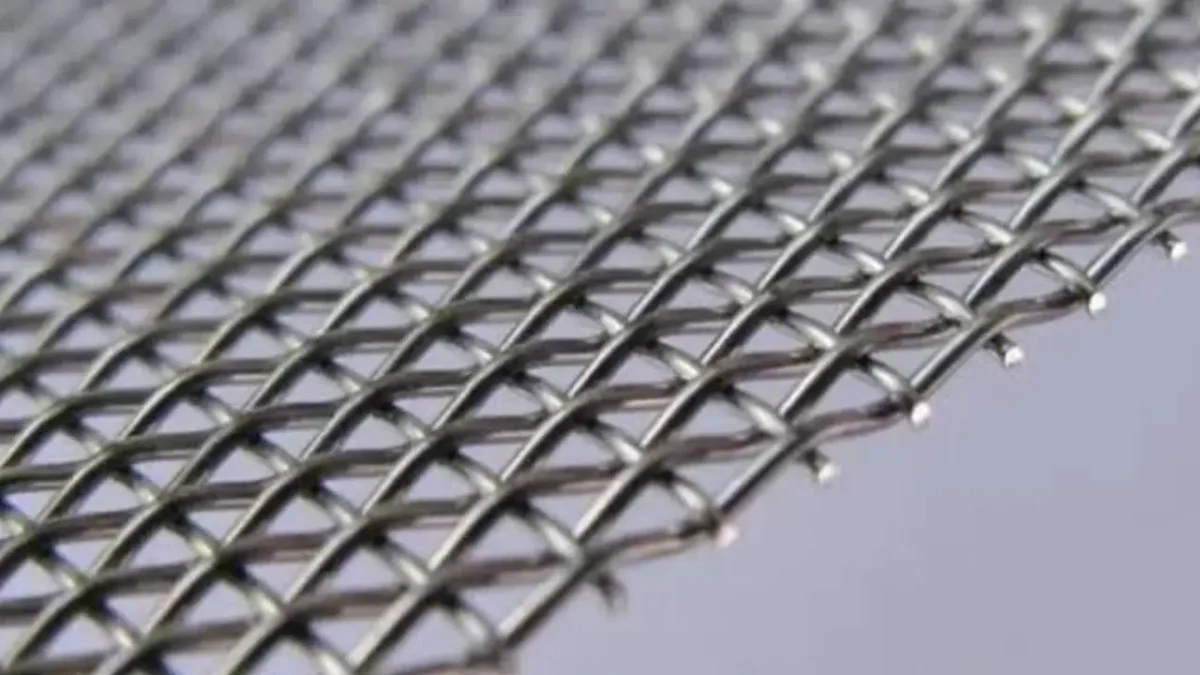
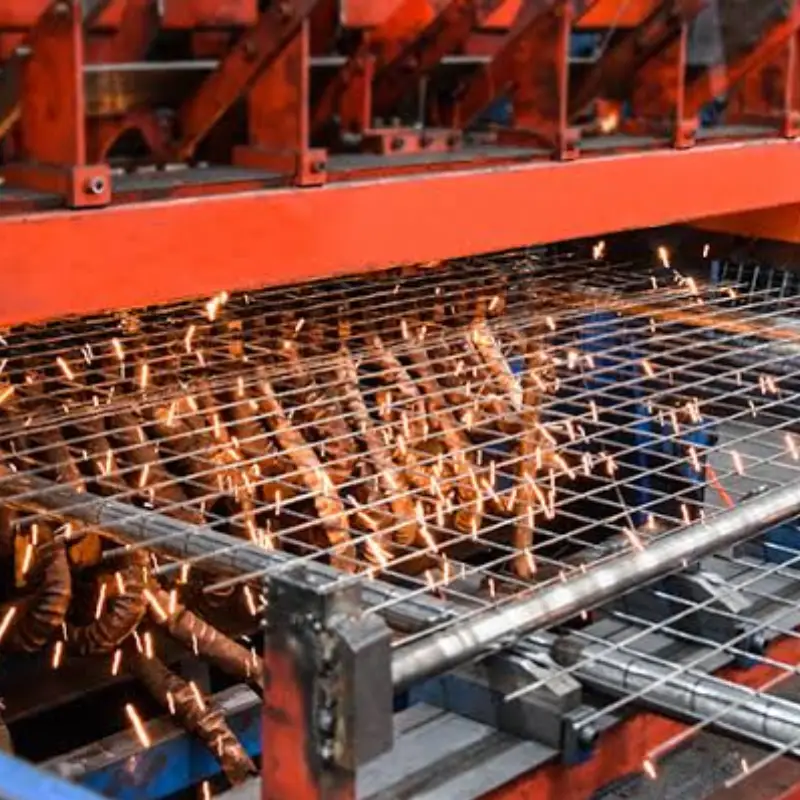
The weaving machine inserts weft wires across the warp wires according to the selected weaving pattern. Each weft wire follows a predetermined path over and under the warp wires. Repeating this movement creates the interlocking structure that gives woven wire mesh its characteristic appearance and function.
The insertion process requires precise control of wire movement and tension. Operators monitor the machine for broken wires, misplaced intersections, and irregular spacing. Consistent weft insertion helps maintain uniform openings and ensures that the mesh follows the specified weave pattern.
Step 9: Cut the Finished Mesh
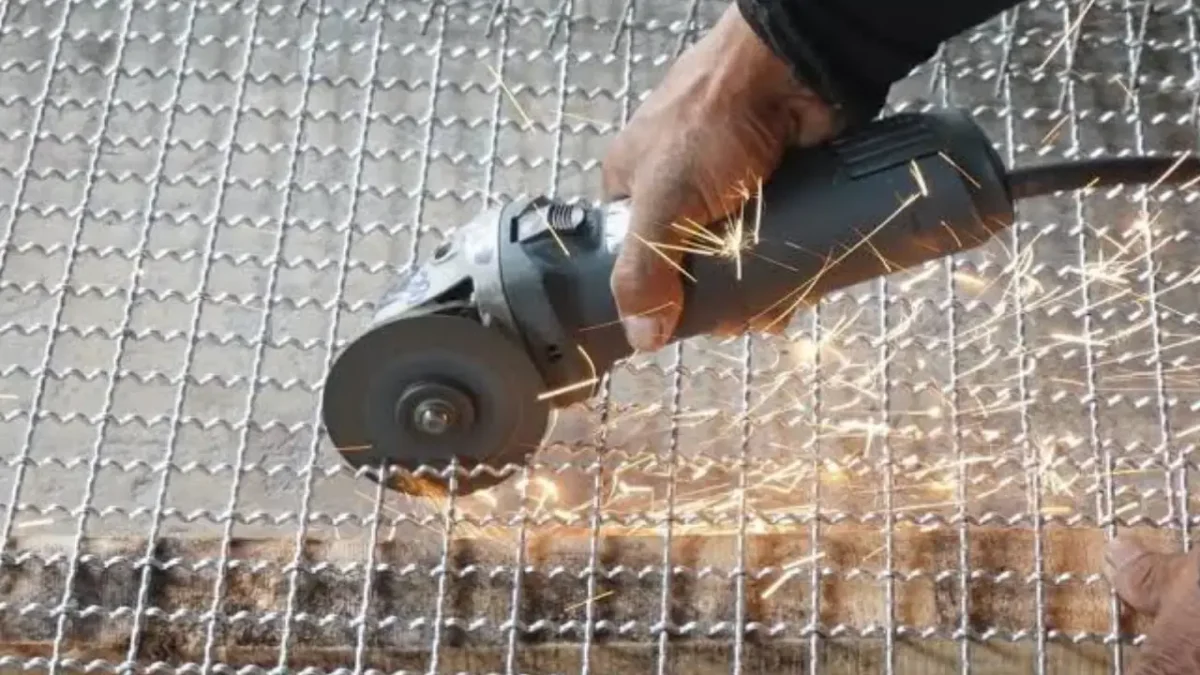
Once the required mesh length has been woven, the finished mesh is cut according to the specified dimensions. Manufacturers can produce different widths and lengths depending on customer requirements. The mesh may be prepared as continuous rolls or individual sheets for different applications.
Dedicated mesh cutting equipment helps produce accurate and consistent cuts. Operators measure the required dimensions before cutting to reduce material waste and dimensional errors. Proper cutting ensures the finished product matches the customer’s specifications and is ready for any required post-weaving processing.
Step 10: Flatten the Mesh
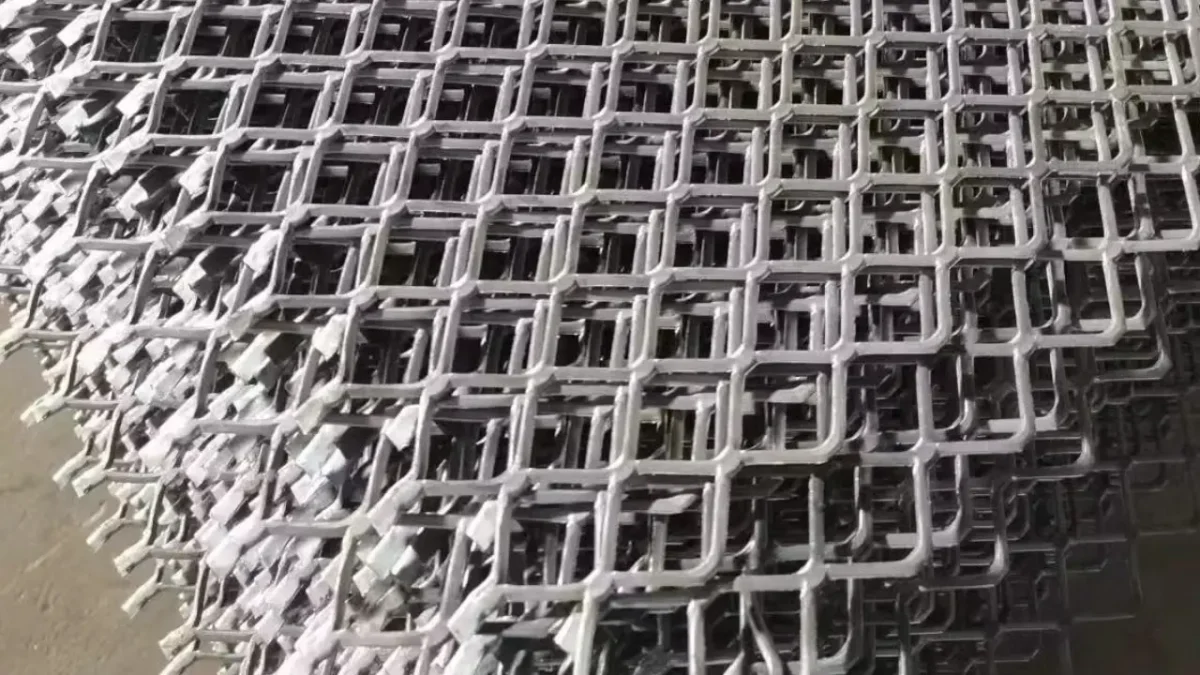
The woven mesh is passed through flattening equipment when a flat surface is required. Controlled pressure is applied across the mesh to reduce uneven areas and improve its overall flatness. This operation can provide greater dimensional stability while preserving the basic woven structure.
Flattened wire mesh is useful for applications requiring smooth, stable sheets or precise installation. Operators carefully control the pressure according to the wire diameter, material, and mesh structure. Excessive pressure could alter the openings, so flattening conditions must remain within suitable production limits.
Step 11: Inspect the Mesh
The finished mesh undergoes inspection to verify that it meets the required specifications. Manufacturers measure important characteristics such as wire diameter, mesh count, opening size, width, length, and weave pattern. Visual checks can also identify broken wires, deformation, uneven openings, and surface imperfections.
Quality inspection helps manufacturers identify products that do not meet the specified requirements before shipment. Depending on the production standard, inspection may involve manual measurements, specialized testing equipment, or sampling procedures. Accurate inspection helps maintain consistent quality across different production batches.
Step 12: Finish the Mesh
Additional finishing is performed when the application requires a specific surface condition or edge treatment. Depending on the material and product specification, finishing may involve trimming, cleaning, coating, or other surface treatments. The selected treatment depends on the customer’s requirements and the intended operating environment.
Finishing can improve handling, appearance, corrosion resistance, or compatibility with a particular application. Not every woven wire mesh product requires additional finishing. Manufacturers determine whether this stage is necessary based on the material, weaving method, final specifications, and customer’s intended use.
Step 13: Package the Mesh
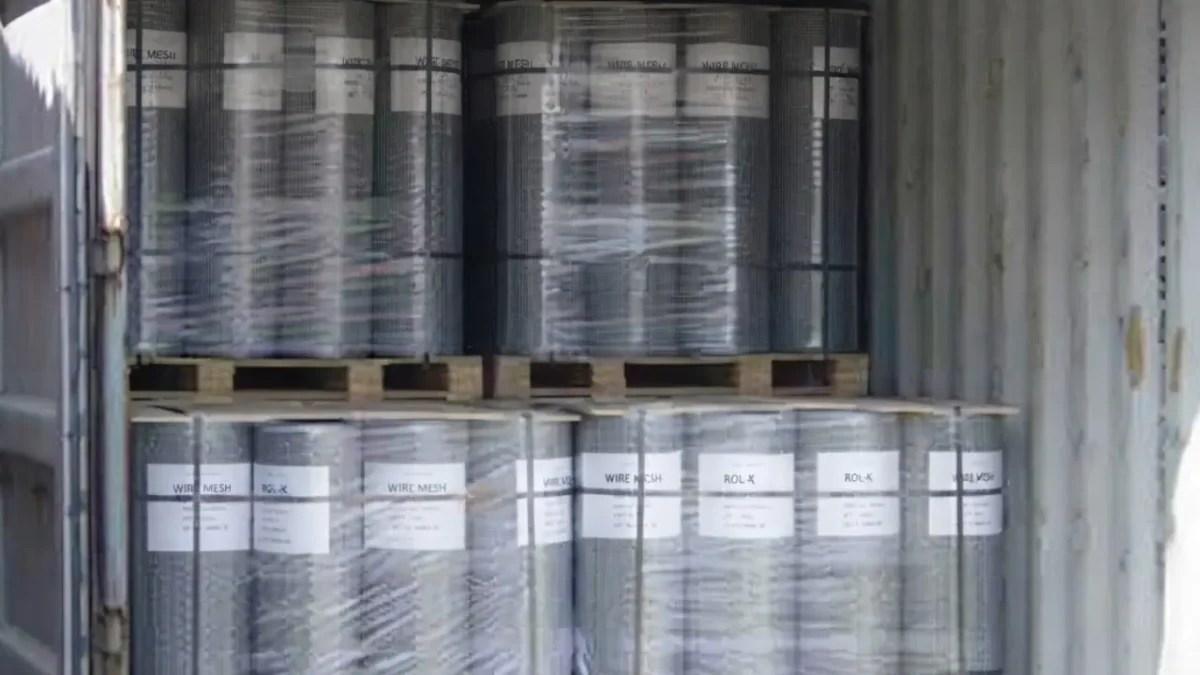
The completed woven wire mesh is packaged for storage and transportation after all required production and inspection procedures are finished. Manufacturers select packaging methods according to whether the product is supplied as rolls, sheets, or customized pieces. Proper packaging helps prevent damage during handling and shipping.
Packaging may include protective materials that reduce exposure to moisture, dust, impact, and deformation. Labels can also identify product specifications, quantities, and order information. Careful packaging helps ensure the woven wire mesh arrives in suitable condition and remains ready for installation or further processing.
Considerations about Manufacturing Wire Mesh
Manufacturing wire mesh requires careful control of materials, dimensions, equipment, and production conditions. Even small variations in wire diameter, mesh opening, or weaving tension can affect the finished product.
Wire mesh manufacturers should therefore establish clear specifications and quality standards before production begins to ensure the mesh meets application requirements and performs consistently during use.
Important considerations include:
- Wire Material: Select the appropriate material according to strength, corrosion resistance, temperature, and application requirements. Stainless steel suits corrosive environments, while galvanized steel provides a protective coating. Material selection also affects flexibility, durability, surface appearance, and the overall service life of the finished wire mesh.
- Wire Diameter: Wire diameter directly affects mesh strength, weight, opening size, and flexibility. Manufacturers should select a suitable diameter based on the intended application. Thicker wires can provide greater structural strength, while thinner wires may be preferable for fine filtration and screening requirements.
- Mesh Opening: The opening size determines which particles or materials can pass through the mesh. Manufacturers must maintain accurate openings throughout production to achieve reliable screening and filtration. Consistent opening dimensions are especially important when the wire mesh is used for precise separation or industrial filtering.
- Mesh Count: Mesh count refers to the number of openings within a specific length of mesh. Manufacturers need to control this specification carefully because it influences filtration accuracy, permeability, and overall structure. The required mesh count should correspond to the customer’s application and performance requirements.
- Weave Pattern: Different weaving patterns create different mechanical and filtration characteristics. Plain weave is commonly used for general applications, while twill and Dutch weaves can provide greater strength or finer filtration. Manufacturers should select and control the weave pattern according to the required performance.
- Production Equipment: Suitable weaving machines and supporting equipment are essential for consistent production. Manufacturers should maintain machines regularly and calibrate important settings when necessary. Proper equipment helps control wire tension, opening dimensions, weaving speed, and production width while reducing defects and material waste.
- Wire Tension: Consistent wire tension is essential during weaving because excessive or insufficient tension can create uneven openings and distort the mesh. Manufacturers should monitor tension throughout production and adjust equipment when necessary. Stable tension helps maintain uniform geometry and improves the consistency of the finished product.
- Quality Inspection: Quality control should be performed throughout manufacturing rather than only at the final stage. Manufacturers can check wire diameter, mesh count, opening size, dimensions, weave pattern, and surface condition. Regular inspections help identify production problems early and prevent defective mesh from reaching customers.
- Surface Treatment: Some wire mesh products require additional surface treatment after manufacturing. Coating, cleaning, or other treatments can improve corrosion resistance, appearance, or handling characteristics. The treatment should be compatible with the selected wire material and suitable for the environment where the finished mesh will operate.
- Packaging: Proper packaging protects finished wire mesh from moisture, contamination, deformation, and physical damage during transportation. Manufacturers should select packaging according to whether the mesh is supplied in rolls, sheets, or customized pieces. Good packaging helps preserve product quality until installation or further processing.
Conclusion
Making woven wire mesh involves more than simply crossing wires together. Manufacturers must carefully control wire material, diameter, mesh opening, weaving pattern, tension, and finishing during production. Each step contributes to the final mesh’s strength, accuracy, durability, and suitability for different industrial applications, from screening and filtration to construction and separation.
A well-controlled manufacturing process helps produce woven wire mesh with consistent openings and reliable mechanical performance. Different weaving methods, such as plain weave, twill weave, and Dutch weave, can provide different characteristics for specific applications. Buyers should therefore consider both the mesh specifications and the manufacturer’s production capabilities.
If you are looking for reliable woven wire mesh for your project, we can provide different materials, mesh sizes, wire diameters, and weaving patterns based on your requirements. Contact us to discuss your specifications, and get wholesale wire mesh from our Apscreens for your industrial or commercial applications.