Choosing the right woven wire mesh material for screening starts with looking at your project’s environment and needs. You need a material that can handle tough weather and lots of use. Check this table to see how different things affect screening efficiency:
| Factor | Impact on Screening Efficiency |
|---|---|
| Material Composition | Changes how strong it is and if it rusts |
| Mesh Count | Changes how air moves and how well it filters |
| Wire Diameter | Changes how strong and tough it is |
| Opening Size | Changes how much you can see and filter |

Think about what matters most to you—strength, airflow, or seeing through it. Pick the mesh that fits your needs best.
Key Takeaways
- Pick woven wire mesh that fits your project’s place and needs for better results.
- Think about what the mesh is made of, how many wires it has, how thick the wires are, and how big the openings are to make screening work well.
- Stainless steel mesh works best for hard jobs because it does not rust and lasts a long time.
- Choose the right mesh size by looking at the size of the pieces you want to separate so filtering works well.
- Thicker wires make the mesh stronger, so they are good for heavy jobs.
- Clean and take care of your mesh often to help it last longer and work better.
- Ask experts for help if you are not sure, so you pick the best mesh for your project.
- Always think about what you need and how much you can spend to find the best mesh for your money.
Woven Wire Mesh Basics
What Is Woven Wire Mesh
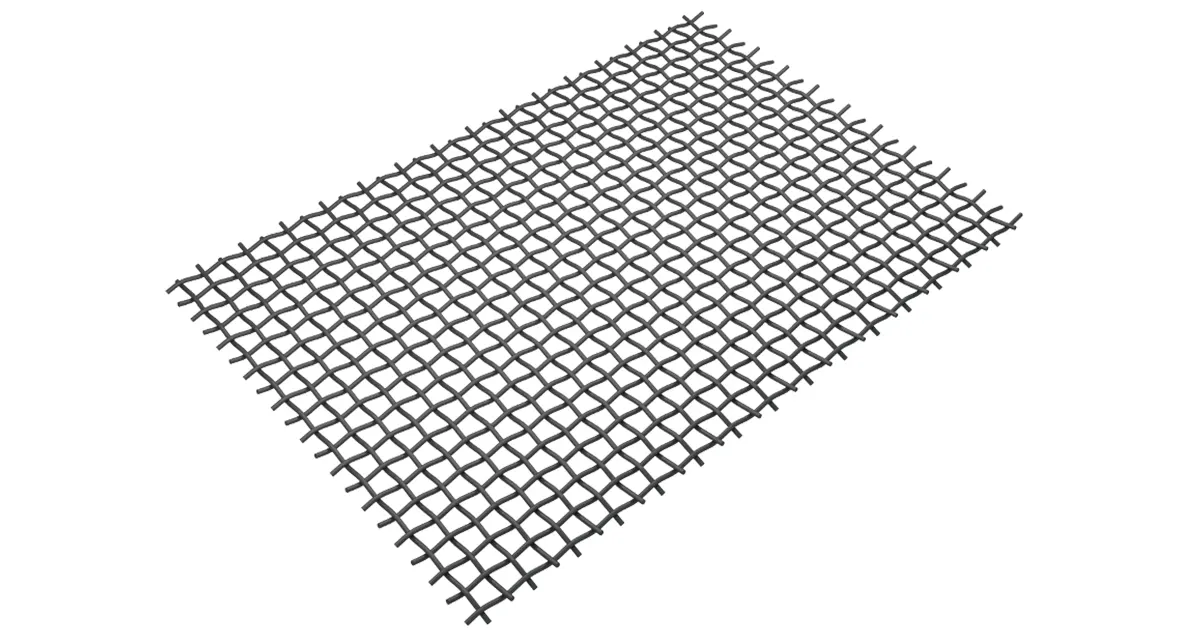
Woven wire mesh is made by weaving metal wires together. It looks like a metal grid, almost like fabric but stronger. The mesh has holes that let air, light, or small things pass through. The size of the holes depends on what you pick. Woven wire mesh is special because it is very exact and can be used in many ways. People use it when they need to filter or separate things carefully. Many choose woven wire mesh for screening because it saves money and works in lots of places, especially in building projects.
Here’s a quick look at the most common mesh materials used for screening:
| Material Type | Properties |
|---|---|
| Hardened Steel | Handles abrasive materials, lasts longer. |
| Polyurethane | Great for sticky stuff, cleans itself. |
| Metal Screens | Perfect for heavy-duty, high-impact jobs. |
| Polyurethane Screens | Resist wear, don’t clog easily with fine or abrasive materials. |
You can also find high-carbon steel and stainless steel, like AISI 304, 316, and 309. There are different crimp types, such as plain crimp, intercrimp, lock crimp, and flat top crimp. These help you pick the right mesh for your job.
Common Applications
Woven wire mesh is used in many places. You see it in building sites, filters, and bug screens. Each job needs something different. Building projects need strong mesh and the right size for safety. Filters need certain mesh sizes and materials to separate things. Bug screens must keep insects out but let air in.
Here’s a table showing where you’ll find woven wire mesh and what matters most in each field:
| Industry | Typical Requirements |
|---|---|
| Construction | Strong mesh materials, right size, and shape for building safety. |
| Filtration | Exact mesh size and material for separating particles. |
| Insect Screening | Mesh that meets standards to block insects but let air flow. |
You can find woven wire mesh in window screens, water filters, and mining machines.
Why Material Choice Matters
Choosing the right mesh material is very important. If you pick well, your screen lasts longer and works better. Strong screens cost less over time and help you work faster. When you match the mesh to your needs, you get better results and save money.
Tip: Always think about what you want your mesh to do. Does it need to hold heavy things, stop rust, or filter tiny pieces? The right mesh helps your equipment last longer and saves you money on repairs.
When you know about different mesh materials, you make better choices. You get more value and better use from your woven wire mesh.
Screening Requirements
When you start a new project, you need to think about what you want your woven wire mesh to do. Every project is different, so you should look at the details before you choose mesh types. Let’s break down the main things you need to consider.
Particle Size and Separation
The first thing you should ask is, “What am I trying to separate?” The size of the particles in your project will help you pick the right mesh types. If you work with big chunks, you need coarse mesh sizes. For tiny particles, you need fine or ultra-fine mesh types. Here’s a quick guide to help you match mesh types to your project:
- Coarse mesh sizes (6-20 Mesh): Good for removing big impurities or separating bulk materials.
- Medium mesh sizes (20-60 Mesh): Used in food processing and chemical projects.
- Fine mesh sizes (60-100 Mesh): Best for pharmaceutical or cosmetic projects.
- Ultra-fine mesh sizes (100+ Mesh): Needed for nanotechnology or high-precision filtration.
If you know the particle size in your project, you can choose mesh types that work best. This helps your project run smoother and saves you time.
Environmental Factors
Your project’s environment matters a lot. Some mesh types work better in wet or harsh places. If your project faces moisture, chemicals, or saltwater, you need mesh types that resist corrosion. Stainless steel and galvanized steel are great choices for these tough environments. Take a look at this table to see how different mesh types handle environmental challenges:
| Environment | Recommended Mesh Types | Why It Works |
|---|---|---|
| High Humidity | Stainless Steel, Galvanized | Resists rust and lasts longer |
| Chemical Exposure | Stainless Steel | Stays strong against chemicals |
| Saltwater | Stainless Steel | Handles salty air and water without corroding |
| Dry Indoor | Carbon Steel, Aluminum | Works well if there’s no moisture or chemicals |
If your project is outdoors or in a factory, pick mesh types that can handle the environment. This keeps your project safe and helps your mesh last longer.
Durability and Load
You want your mesh to be strong enough for your project. The wire gauge, or thickness, affects how much weight your mesh can hold. Thicker wires give more strength and help your mesh last longer. If your project needs to support heavy loads, choose mesh types with thicker wires. Here are some things to remember:
- Thicker wire means more strength and durability for your project.
- The gauge affects how much weight your mesh can hold.
- Heavy-duty projects need mesh types with thick wires and small openings to spread the load.
Wire thickness and hole size work together. Thicker wire gives you more strength, but less flexibility. Bigger holes let more air through, but make the mesh weaker.
If you match the wire gauge and mesh types to your project’s needs, you get a screen that works well and lasts longer.
When you look at particle size, environment, and load, you can pick the best mesh types for your project. This makes sure your project runs smoothly and your mesh does its job.
Woven Wire Mesh Material Options
Stainless Steel Mesh
If you want a mesh that stands up to tough jobs, stainless steel mesh is a top choice. You see it everywhere, from food processing plants to chemical factories. Stainless steel mesh works well because it resists rust and handles harsh chemicals. You can use it outside or in places with lots of moisture. The chromium in stainless steel helps it fight corrosion. When the surface gets scratched, it forms a thin layer that repairs itself. This means your mesh lasts longer and needs less maintenance.
Stainless steel mesh comes in different grades. The most common are 304 and 316. Grade 304 works for most jobs, but grade 316 is better if you deal with saltwater or strong chemicals. You get a mesh that stays strong and looks good, even after years of use.
Tip: Choose stainless steel mesh if you need something that will not rust or break down in tough conditions.
Galvanized Steel Mesh
Galvanized steel mesh gives you a budget-friendly option. You get steel mesh with a zinc coating. This coating helps protect the steel from rust. Galvanized mesh works well for indoor projects or places with low moisture. You see it in fencing, animal cages, and screens for windows.
However, the zinc coating can wear off over time. If you use galvanized mesh in places with lots of chemicals or salty air, the steel underneath can start to rust. Galvanized mesh does not repair itself like stainless steel. If the coating gets scratched, the mesh loses its protection.
Here’s a quick comparison to help you decide:
| Feature | Stainless Steel Mesh | Galvanized Steel Mesh |
|---|---|---|
| Corrosion Resistance | Unparalleled resistance due to chromium content | Coating can peel, exposing steel to corrosion |
| Durability | Engineered for prolonged exposure to chemicals | Degrades quickly in acidic or alkaline conditions |
| Self-repairing Capability | Forms a passive oxide layer that self-repairs | Lacks self-repairing properties |
If you need mesh for outdoor use or chemical exposure, stainless steel is the safer bet. For simple, dry projects, galvanized steel mesh saves you money.
Brass, Copper, and Aluminum Mesh
Sometimes you need mesh for special jobs. Brass mesh looks nice and resists corrosion. You see it in decorative screens, insect screens, and some filters. Copper mesh blocks electromagnetic signals, so it works in electronics and shielding. Aluminum mesh is light and easy to shape. You use it when you need a mesh that will not add much weight.
Brass and copper mesh cost more than steel, but they give you extra benefits. Aluminum mesh does not rust, but it is not as strong as steel. You should pick these meshes when you need something light, decorative, or with special properties.
Note: If you want a mesh that looks good and resists rust, brass or copper mesh is a smart choice. For lightweight jobs, aluminum mesh makes installation easier.
Each mesh material has its own strengths. Think about your project’s needs before you choose. You get better results and save money when you match the mesh to your job.
Specialty Alloys
Sometimes you need woven wire mesh for really hard jobs. That’s when you use specialty alloys. These meshes are made from metals like Monel, Inconel, Hastelloy, and titanium. You might not hear these names often, but they work well when regular steel or aluminum can’t.
If you work where it gets very hot or there are strong chemicals, specialty alloy mesh is a good choice. These meshes stay strong even when it is super hot. They do not bend or break easily. You can use them in furnaces, kilns, or anywhere with high heat. They also help hold things together during hot processes.
Here’s why specialty alloys are special:
- They stay strong when it’s very hot.
- They do not get damaged by acids or alkalis.
- They filter well, even in tough places.
- You can use them for fences in harsh areas.
You may ask, “Why not use stainless steel?” Specialty alloys are even tougher. They work where regular mesh would get ruined. If you need to separate things in a chemical plant or protect machines in a power station, these meshes are best.
Look at this table to see how specialty alloys do:
| Property | Description |
|---|---|
| High Temperature Strength | Stays strong and keeps its shape in high heat. |
| Acid-Alkali-Wear Resistance | Handles strong chemicals and rough use. |
| Excellent Filtering Performance | Filters tiny things even in hard conditions. |
You can find specialty alloy mesh in places like:
- Chemical plants
- Power stations
- Aerospace factories
- Ovens that get very hot
These meshes cost more than steel or aluminum. But they last longer and work better in tough jobs. If your project has heat, chemicals, or lots of wear, specialty alloys are a smart buy.
Tip: If you don’t know which alloy to pick, ask a mesh expert. They can help you choose the right one for your project.
Specialty alloys help you worry less. You know your mesh will last and keep your project working well.
Mesh Size, Wire Gauge, and Weave Types
Mesh Size Selection
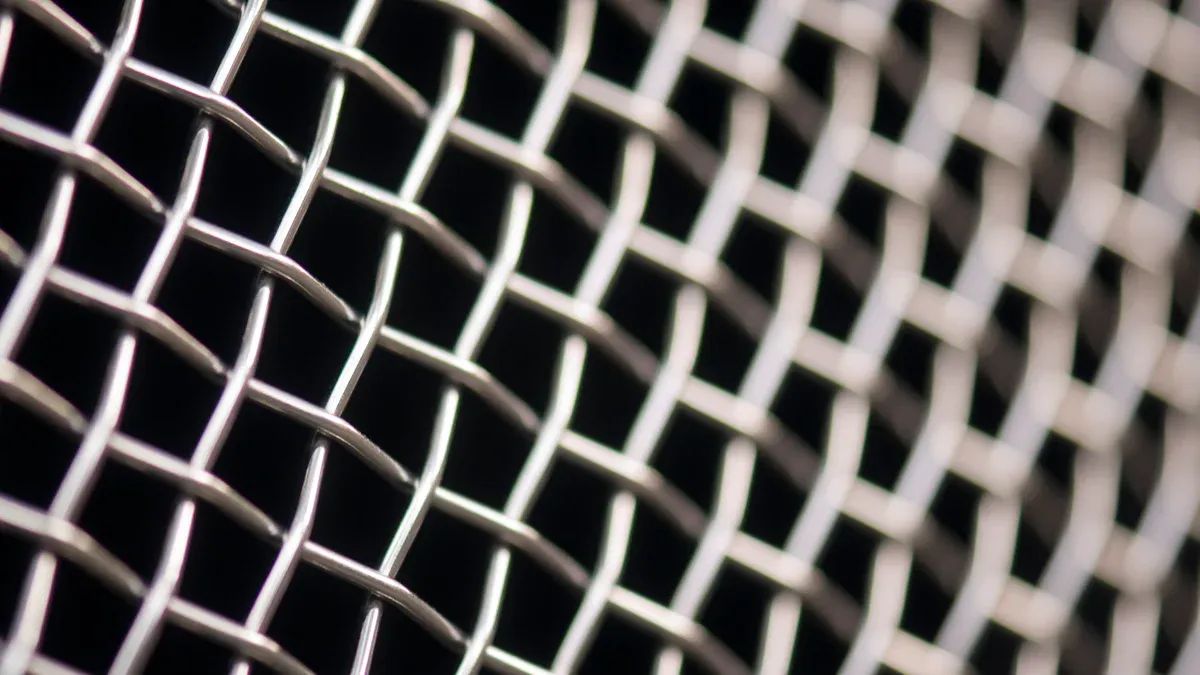
Mesh size tells you how many holes are in one inch. Fine mesh has more holes and smaller openings. This helps you catch tiny pieces. Coarse mesh has bigger holes and lets more stuff pass through. Picking the right mesh size can make your job easier or harder.
Look at this table. It shows how mesh size changes how well you can screen and how much you can do at once:
| Factor | Impact on Screening Efficiency and Throughput |
|---|---|
| Screening Accuracy | Finer mesh improves separation accuracy but may reduce throughput. |
| Required Capacity | Larger mesh can handle higher volumes but may sacrifice precision. |
| Number of Separations | Multi-deck screens with varying mesh sizes can optimize separation into multiple sizes. |
| Mesh Material and Type | Different materials (woven wire, polyurethane) affect durability and throughput; thinner wires increase capacity but reduce durability. |
| Wire Diameter | Affects open area; finer diameter increases capacity but may compromise durability. |
| Material Characteristics | Particle shape, density, and moisture content influence optimal mesh size selection. |
If you want to move a lot of material fast, pick a larger mesh. If you need to catch small bits, use a fine mesh. Always think about what is most important for your project—speed or accuracy.
Tip: Try using multi-deck screens with different mesh sizes if you need to sort materials into several groups.
Wire Gauge and Strength
Wire gauge means how thick the wire is. Thicker wires make the mesh stronger and last longer. If you need strong mesh for tough jobs, pick a lower gauge number. Lower numbers mean thicker wires.
Here’s a table that shows common wire gauges and where you might use them:
| Wire Gauge | Thickness (inches) | Common Applications |
|---|---|---|
| 8-gauge | 0.155 | Security applications, containment purposes |
| 10-gauge | 0.128 | Filtration applications, sifting |
If you need mesh for security or heavy loads, use 8-gauge wire. For lighter jobs like sifting or filtering, 10-gauge wire works well. Thicker wires give more strength but block more material. Thinner wires let more through but wear out faster.
Note: Always match wire gauge to your project’s load and durability needs.
Weave Types: Plain, Lock Crimp, Intercrimp
How the wires are woven changes how the mesh works. There are three main types: plain weave, lock crimp, and intercrimp. Each type is good for different jobs.
Check out this table to see how each weave type works:
| Type | Description | Performance Characteristics |
|---|---|---|
| Plain Weave | Traditional weave with straight warp and fill wires in a simple over, under pattern. | Exhibits a smooth surface, suitable for higher mesh counts, but less rigidity compared to others. |
| Lock Crimp | Features pinched intersections that create secure bumps at each wire intersection. | Offers high rigidity and security, making it ideal for applications requiring strength and stability. |
| Intercrimp | Wires crimped in a zig-zag fashion, enhancing grip between wires. | Provides elevated strength and stability, requiring more effort to shift wires than Plain weave. |
- Plain weave gives a smooth surface. Use it for fine mesh when you do not need extra strength.
- Lock crimp makes the mesh very stiff. Pick this for jobs that need the mesh to stay in place, like fencing.
- Intercrimp adds grip and strength. Use it when you want the mesh to stay put and handle tough jobs.
If you want a mesh that stays strong and does not move, try lock crimp or intercrimp. For simple filtering, plain weave is best.
Choosing the right mesh size, wire gauge, and weave type helps you get better results. Your screening job gets easier and your mesh lasts longer.
Environmental and Operational Considerations
Corrosion and Chemical Resistance
You want your woven wire mesh to last, especially if you use it in places with moisture, chemicals, or salt. Some mesh materials fight rust and chemical damage better than others. Stainless steel stands out because it resists corrosion and keeps its strength. If you work near the ocean or use strong cleaners, you should look at special grades of stainless steel.
Here’s a table to help you compare corrosion resistance:
| Material Type | Corrosion Resistance Features |
|---|---|
| Stainless Steel 316 | Handles salts and acids, resists pitting from salt water and chloride. |
| Type 321 | Good for non-welded parts, avoids loss of corrosion resistance. |
| Type 347 | Great for welding, keeps corrosion resistance in welds and base metal. |
| Duplex Stainless Steels | High chromium and molybdenum, strong against pitting and crevice corrosion. |
If you need mesh for chemical plants, food processing, or outdoor screens, pick one of these types. You get a mesh that stays strong and looks good, even after years of use.
Tip: Always check the environment before you choose your mesh. If you see lots of moisture or chemicals, go for stainless steel 316 or duplex grades.
Abrasion and Wear
Screening jobs can be tough. Rocks, sand, and other rough materials hit the mesh and wear it down. You need a mesh that can take a beating and keep working. High carbon steel is a popular choice for heavy-duty jobs. It costs less at first and stands up to big, bulky materials. Stainless steel also gives you good abrasion resistance, plus it fights rust.
Here’s a quick look at how different materials handle abrasion:
| Material Type | Abrasion Resistance Description | Extra Notes |
|---|---|---|
| High Carbon Steel | Stands up to heavy wear, great for rough and bulky materials. | Least expensive, best for tough jobs. |
| Stainless Steel | Combines abrasion and corrosion resistance. | Types 304 and 316 work well in harsh conditions. |
| Tufflex Wire | Flexible, consistent, and strong against impact and abrasion. | Finer grain, higher tensile strength, lasts longer. |
If you need mesh for mining, gravel, or other rough jobs, high carbon steel or Tufflex wire works well. For places with both wear and moisture, stainless steel is your best bet.
Note: If your mesh wears out fast, try switching to a tougher material or a thicker wire gauge.
Cleaning and Maintenance
You want your mesh to work well for a long time. Cleaning and maintenance help you get the most out of your screen. Dirt and debris can clog the mesh and slow down your work. Regular cleaning keeps the mesh open and working right. Use brushes or compressed air to clear away dust and grime.
Here are some simple steps to keep your mesh in top shape:
- Regular Cleaning: Brush off dirt or use compressed air to remove debris.
- Visual Inspections: Look for signs of wear, tear, or damage. Catch problems early.
- Proper Storage: Keep mesh in a dry place when you’re not using it. This stops rust and corrosion.
Check out this table for easy maintenance tips:
| Practice | Description |
|---|---|
| Regular Cleaning | Remove dirt and contaminants with brushes or compressed air. |
| Visual Inspections | Look for wear, tear, or damage to spot issues early. |
| Proper Storage | Store mesh in a dry area to prevent rust and corrosion. |
Tip: Set up a cleaning schedule based on how much you use your mesh. Regular checks and cleaning help your mesh last longer and work better.
If you take care of your mesh, you save money and avoid downtime. Clean screens work faster and give you better results.
Temperature and UV Exposure
When you pick woven wire mesh for screening, you need to think about how heat and sunlight will affect it. Some mesh materials handle high temperatures and UV rays better than others. If your project sits outside or near heat sources, you want a mesh that stays strong and flexible.
Heat can change how your mesh works. Some metals get soft or lose strength when it gets hot. Others stay tough and keep their shape. If you use mesh in places like factories, kitchens, or outdoors, you need to know how it reacts to temperature swings.
Sunlight brings another challenge. UV rays from the sun can slowly break down mesh materials. Over time, you might see fading, color changes, or even a drop in strength. You don’t want your mesh to fail just because it sits in the sun all day.
Let’s look at how different mesh materials perform:
| Mesh Material | High Temperature Performance | UV Resistance | Notes |
|---|---|---|---|
| Stainless Steel | Stays strong, resists heat | Excellent | Great for outdoor and hot environments |
| Aluminum | Handles moderate heat | Good | Lightweight, but not for extreme heat |
| Fiberglass | Loses strength in heat | Poor | Not ideal for hot or sunny spots |
| Kevlar | Stays flexible, resists heat | Superior | Shows color change as early warning |
| Carbon Fiber | Gets brittle in heat | Moderate | Not good for impact or high heat |
You might wonder why Kevlar stands out. Kevlar mesh keeps its flexibility even when it gets hot. This helps if you need your mesh to bend or take hits, like in racing or protective gear. Fiberglass mesh, on the other hand, loses strength when it heats up. Carbon fiber can become brittle, which means it might crack or break if you use it in hot places.
Kevlar also handles sunlight better than fiberglass. If you use Kevlar mesh outdoors, it gives you a warning before it gets weak. You’ll see the color change first, so you know it’s time to check or replace it. Fiberglass doesn’t give you this early sign. Instead, it just gets weaker over time.
Here’s what you should remember:
- Stainless steel and Kevlar mesh work best in hot and sunny places.
- Kevlar mesh stays flexible and shows color changes as a warning.
- Fiberglass mesh loses strength in heat and sunlight.
- Carbon fiber mesh gets brittle when it’s hot.
Tip: If your mesh will face lots of sun or heat, pick stainless steel or Kevlar. You’ll get longer life and fewer surprises.
Choosing the right mesh for temperature and UV exposure keeps your project safe and running smoothly. You save money and avoid problems when you match your mesh to the environment.
Choosing the Right Mesh Material
Balancing Performance and Budget
You want the best woven wire mesh material for your project, but you also need to watch your budget. It’s not always easy to find the right mesh material that gives you both top performance and a good price. Start by looking at what your project needs most. Do you need strength, corrosion resistance, or a special look for interior applications? Maybe you need a solution that stands up to weather for exterior applications.
Think about these things when you compare options:
- Material characteristics. Does the woven wire mesh material resist rust or handle heavy loads?
- Screening requirements. What size particles do you need to separate?
- Working environment. Will you use the mesh outside, inside, or in a place with chemicals?
- Costs. Look at both the price to buy and how long the mesh will last.
If you find that one woven wire mesh material costs too much, you can try value engineering. This means you look for a solution that gives you the performance you need but fits your budget. Sometimes, a small change in wire gauge or mesh size can save money without hurting quality. Always balance what you want with what you can spend. This helps you avoid problems later in the buying process of architectural mesh.
Here’s a simple way to check your choices:
- Assess the material characteristics for your job.
- Define your screening needs.
- Think about where you will use the mesh.
- Compare the price and how long each solution will last.
You can find the right mesh material by thinking about both performance and cost. This makes selecting the right solution easier and helps you get the most value.
Checklist for Selection
You want to feel confident when selecting the right solution for your project. A checklist can help you stay on track and not miss anything important. Use this table to guide you through the buying process of architectural mesh for both interior applications and exterior applications:
| Factor | Description |
|---|---|
| Material | Pick corrosion-resistant woven wire mesh material like stainless steel or galvanized steel. |
| Mesh Size and Opening | Match mesh size to your needs, whether for filtration, security, or design. |
| Wire Diameter | Thicker wires give more strength. Thinner wires offer flexibility but may not last as long. |
| Surface Treatment | Choose galvanization for rust prevention or PVC coating for a better look in interior spaces. |
Go through each item and ask yourself if the solution fits your project. For example, if you need the right mesh material for exterior applications, focus on corrosion resistance and strength. For interior applications, you might care more about looks and flexibility.
Tip: Always double-check your checklist before you make a final choice. This helps you avoid mistakes and keeps your project on track.
When to Consult Experts
Sometimes, you need help to find the right mesh material. If your project is complex or has special needs, talking to an expert can save you time and money. You should reach out for advice when:
- You need precise control over what passes through the mesh, like in filtration or ventilation.
- You want to make sure your solution is safe and works well for a long time.
- You have questions about mesh count, wire diameter, or opening size.
- You need a solution for unique interior applications or tough exterior applications.
Experts know all about woven wire mesh material and can help you with selecting the right solution. They can explain the buying process of architectural mesh and help you avoid common mistakes. If you’re not sure which right mesh material to pick, don’t guess. Ask for help. You’ll get a solution that fits your needs and lasts longer.
Note: The right mesh material can make or break your project. If you feel stuck, a quick chat with a mesh expert can point you to the best solution.
You don’t have to figure it out alone. With the right advice, you can choose the right mesh material for any job—big or small, inside or outside.
Installation of a Wire Mesh System
Getting ready for the installation of a wire mesh system can make your whole project easier. You want your systems to work well and last a long time. Good planning helps you avoid problems and keeps your installation cost under control.
Preparation and Planning
Before you start the installation of a wire mesh system, you need to get everything set up. Here’s a simple checklist to follow:
- Loosen and remove the tensioning rails on the sides of your machine.
- Take out the center hold-down mechanism if your systems have one.
- Remove the old screen section from the deck. Replace any worn crown rubber or gasket-type elements.
- Clean away any leftover debris from support angles, seals, and end supports.
- Lubricate every support angle so your systems move smoothly.
- Put the new screen section in the center of the side plates. Leave about ¾” of give between the hook and side plates for proper tensioning.
- If your systems have a center hold-down, line up the holes and tighten the bolts by hand.
- Reposition the side tensioning rails until they feel snug.
- Tighten the side tension rails to get full tension.
- Make sure the center hold-down bolts are fully tightened. The screen should feel drum tight.
Tip: Always replace channel rubber or crown bar rubber during installation. This helps your systems last longer.
Installation Steps
Now you’re ready for the main installation of a wire mesh system. Follow these steps to get the best results:
- Use new tension bolts and tighten all bolts equally on both sides of the deck.
- Center the screens on the deck before you put on the clamping rails.
- Make sure butted screen panels fit tightly together. This stops oversized material from leaking through your systems.
- Match the clamping rails to the exact length of the screen panel you’re installing.
- After running your systems for 4 to 8 hours, retighten the screen. This helps with any stretch that happens during installation.
Here’s a quick table to help you remember the key steps:
| Step | Why It Matters |
|---|---|
| Tighten bolts equally | Keeps tension even across systems |
| Center screens | Prevents gaps and leaks |
| Retighten after use | Maintains performance over time |
Common Mistakes to Avoid
You want your installation of a wire mesh system to go smoothly. Watch out for these common mistakes:
- Not cleaning the mesh or measuring correctly. This can cause your systems to perform poorly.
- Using the wrong tools for cutting or stamping. You might damage the mesh and make your installation unsafe.
- Forgetting safety gear like gloves. Mesh edges can be sharp and cause injuries.
- Overworking the mesh edges. This creates weak spots in your systems.
- Not securing the mesh properly. Sagging mesh leads to inconsistent performance in your systems.
- Skipping regular maintenance. Your systems won’t last as long or work as well.
Note: Always follow a consistent maintenance routine after installation. This keeps your systems working their best.
If you plan ahead and follow these steps, your installation of a wire mesh system will be easier and safer. You’ll get strong, reliable systems that help your project succeed.
Conclusion
You need the right woven wire mesh for your project. First, think about what your project needs. Also, look at your budget and where you will use the mesh. Here is a table with some quick tips:
| Key Consideration | Description |
|---|---|
| Project Requirements | Choose mesh for support or filtering. |
| Budget | Try to save money but get good results. |
| Environmental Considerations | Pick stainless steel if the place is tough. |
| Woven Wire Mesh Advantages | You get accuracy and many uses. |
Asking mesh experts can save time and reduce long-term costs. The right specification—material, wire diameter, aperture, and weave type—helps improve screening performance, minimize downtime, and extend service life.
As a manufacturer of woven wire mesh screens, we produce screens to your exact requirements and support you with selection guidance for your application. Share your working conditions and target cut size, and we’ll recommend the best mesh and provide a fast quotation.
FAQ
What is wire mesh and where can you use it?
Wire mesh is a grid made from metal wires. You can use wire mesh for filtration applications, fencing, ventilation purposes, and architectural wire mesh in buildings. It works well for custom applications and gives you strength and durability.
How do you choose the right material for wire mesh?
You should look at your project needs. Stainless steel wire mesh is great for outdoor jobs. If you want a durable material, stainless steel architectural mesh is a smart design solution. Always think about cost and how long the material will last.
Why does the cost of architectural mesh change?
The cost depends on the material, wire gauge, mesh size, and finish. Stainless steel wire mesh costs more than galvanized mesh. If you want high-quality wire mesh for custom applications, you may pay more. Always compare options to find the best cost.
Can wire mesh help with ventilation purposes?
Yes! Wire mesh lets air move through while keeping bugs and debris out. You can use architectural wire mesh for ventilation purposes in homes, offices, and factories. Stainless steel architectural mesh works well for outdoor vents because it resists rust.
What makes stainless steel wire mesh a good choice?
Stainless steel wire mesh gives you strength and durability. It resists rust and works in wet or harsh places. You can use it for filtration applications, fencing, and architectural wire mesh. Stainless steel architectural mesh also looks good in modern buildings.
How do you keep wire mesh clean and working well?
You should brush off dirt and check for damage often. For stainless steel wire mesh, use mild soap and water. Regular cleaning helps your wire mesh last longer and keeps it strong. Good care saves you money on cost and repairs.
Can you use wire mesh for custom applications?
You can! Wire mesh comes in many shapes and sizes. You can pick the right material, mesh size, and wire gauge for your design solution. Custom applications include art, screens, and special filtration applications. Always ask about cost before you order.
What should you check before buying wire mesh?
Check the material, mesh size, wire gauge, and cost. Make sure the wire mesh fits your project. If you need architectural wire mesh, look for strength and durability. Ask about the cost of architectural mesh and how it works for your design solution.