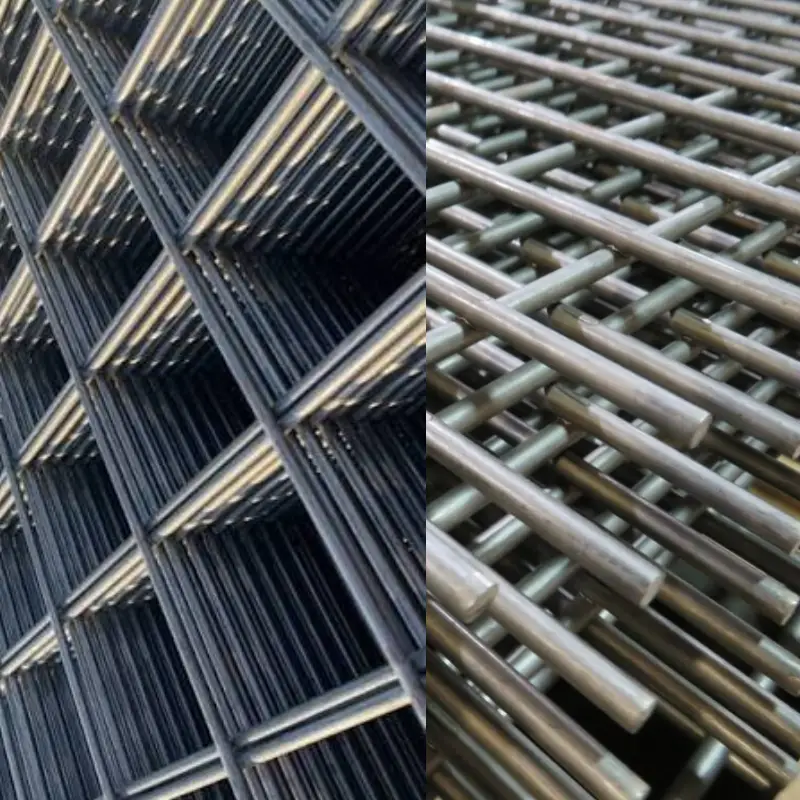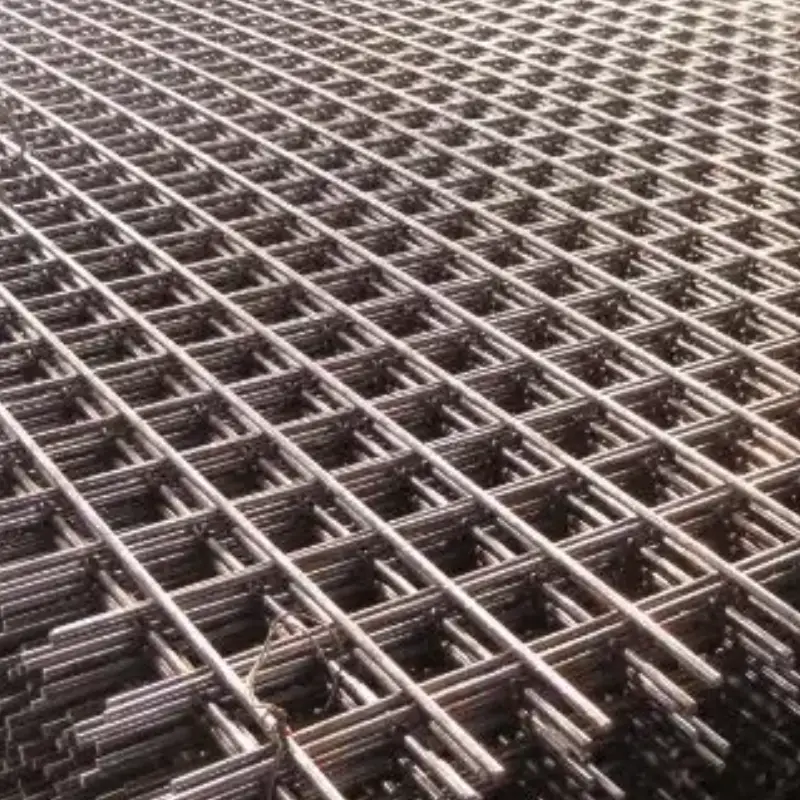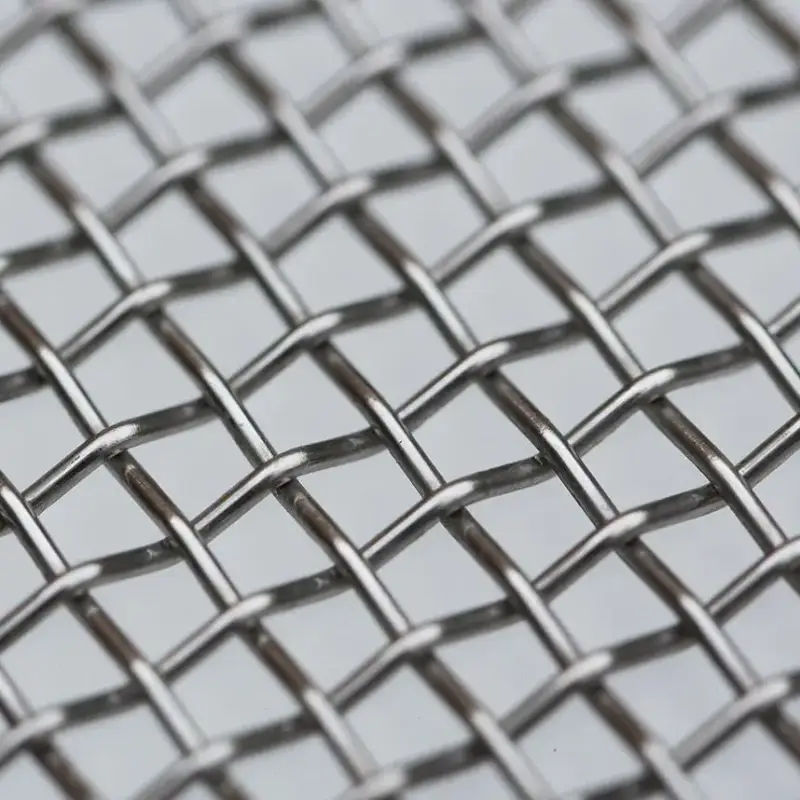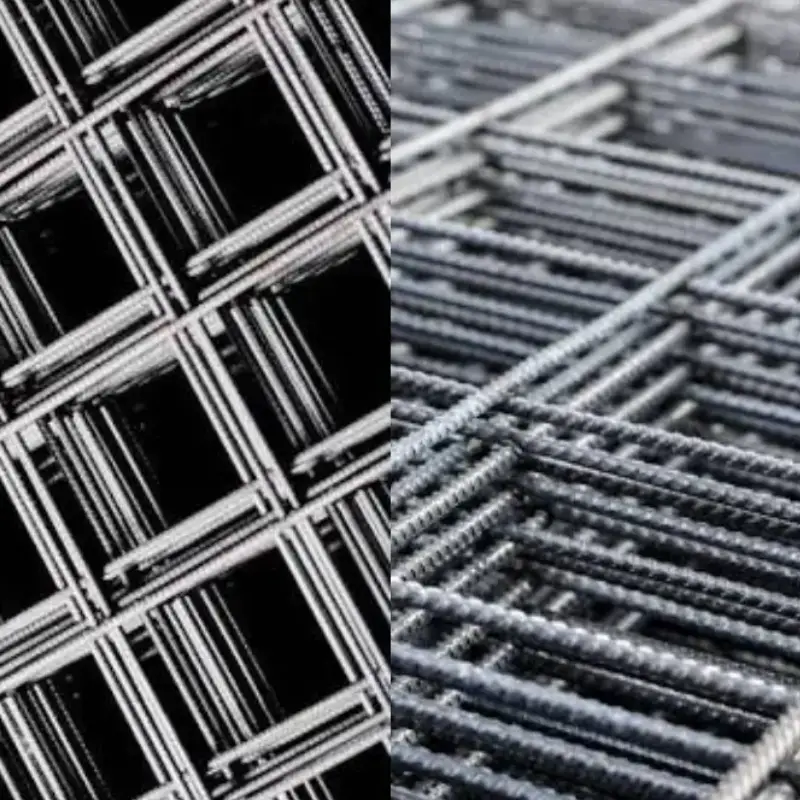
You need to pick the best screen for your double deck vibrating screen. First, match the mesh size and type to your material and your goal. The mesh you pick changes how well your vibrating screen works. It also affects how much you can process and how often you need repairs. Check the tables below to see how mesh size changes throughput and maintenance:
| Mesh Size Category | Description | Impact on Throughput |
|---|---|---|
| Coarse (>10 mm) | Fast screening of big pieces | High throughput |
| Medium (2-10 mm) | Used for normal separation jobs | Moderate throughput |
| Fine (<2 mm) | Used for very small pieces | Low throughput but high accuracy |
| Screen Media Type | Characteristics | Maintenance Cost Impact |
|---|---|---|
| Woven Wire Mesh | Cheap and useful for many jobs | Moderate |
| Perforated Plate | Strong and exact | Higher because it lasts longer |
| Polyurethane/Rubber | Great for rough materials | Lower because it lasts longer |
Think about your material, the cut sizes you want, moisture, and how much you need to process. These steps help you pick the right screen and make your screening work better.
Key Takeaways
- Pick the right mesh size for your material and what you want to get. Big openings are good for large pieces. Small openings are better for tiny materials.
- Think about how wet your material is. Wet or sticky stuff might need special mesh. This stops the mesh from getting blocked.
- Choose the best screen media type. Woven wire mesh can be used for many things. Polyurethane and rubber mesh last longer for hard jobs.
- Know what the top and bottom decks do. The top deck takes care of big pieces. The bottom deck works with small materials for better sorting.
- Keep up with maintenance. Check your mesh often for damage. Change it when needed so you do not lose time and money.
- Use self-cleaning mesh for sticky materials. This keeps things moving and means you clean less by hand.
- Change vibration settings to make screening better. Good vibration helps stop blockages and keeps materials moving.
- Talk to experts like ANPENG for the best mesh. Tell them about your material and what you want. They can give you the right advice.
Mesh Selection Basics
What Is Mesh Selection?
When you look at a double deck vibrating screen, you see two layers working together. Each layer uses a mesh to separate materials by size. Mesh selection means picking the right mesh type and size for your job. You want to match the mesh to your material and your goals. If you choose wisely, you get better screening results and less downtime.
Screen mesh selection is not just about picking a number from a chart. You need to think about what you want to achieve. Do you want to remove big rocks, or do you need fine particles for your product? The mesh acts like a filter. It lets the right size through and keeps the rest out. You also need to consider how tough your material is and how much moisture it contains. Wet or sticky materials can clog the mesh, so you may need a special type.
Let’s look at how the frame holding the mesh can change your results:
| Aspect | Metal Screen Mesh Frame | Wooden Screen Mesh Frame |
|---|---|---|
| Durability | High, suitable for tight meshes and high-output | Lower, may not withstand high loads |
| Precision | Better for critical industries (e.g., pharmaceuticals) | Less precise, may not meet strict requirements |
| Regulatory Compliance | Often meets strict regulations | May not comply with industry standards |
| Cost | Higher initial cost, but better long-term value | Lower initial cost, but may incur higher maintenance costs |
You can see that metal frames give you more durability and precision. If you work in industries with strict standards, metal frames help you meet those rules. Wooden frames cost less at first, but you may spend more on repairs.
Why Mesh Choice Matters
Mesh choice matters because it affects everything from efficiency to maintenance. If you pick the wrong mesh, you may see poor separation, low throughput, or frequent clogs. The right mesh keeps your vibrating screen running smoothly.
Here are some key reasons why mesh selection is critical for double deck vibrating screens:
- Material properties, like moisture content, change how the mesh works. Wet materials can stick and block the mesh.
- The type of screen media makes a big difference. Polyurethane or rubber mesh can prevent clogging better than woven wire mesh.
- If you work with sticky or wet materials, choosing the right screen media helps you keep your screening efficient.
You want to avoid downtime and get the most out of your equipment. Mesh selection helps you do that. When you match the mesh to your material and your process, you get better results and less hassle. You also save money on repairs and replacements.
Mesh selection is the first step to getting the best performance from your vibrating screen. Take time to think about your material, your goals, and your working conditions. You will see the benefits in your screening results.
Double Deck Vibrating Screen Decks
Top Deck vs Bottom Deck
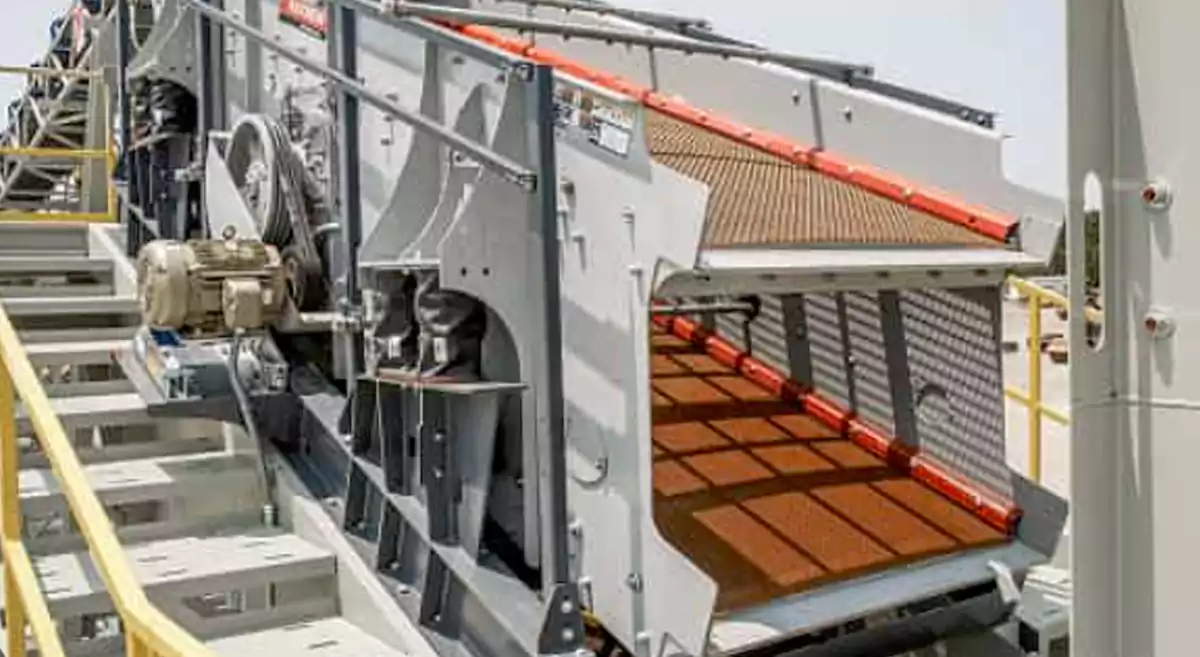
When you look at a double deck vibrating screen, you see two layers working together. Each deck has its own job. The top deck handles bigger pieces. The bottom deck deals with smaller ones. You need to know what each deck does before you pick your mesh.
Here’s a quick look at how each deck works:
| Deck Type | Function Description |
|---|---|
| Top Deck | Handles larger particles with bigger openings |
| Bottom Deck | Screens smaller particles that pass through the top deck |
Scalping Deck Functions
The top deck acts as the scalping deck. It grabs the big stuff first. You use this deck to remove oversized rocks or debris. This helps protect the lower deck and keeps your screening process smooth. If you work with rough or heavy materials, you want a mesh with large openings and strong material. This deck often uses woven wire or rubber mesh because they can take a beating.
Sizing Deck Functions
The bottom deck is the sizing deck. It takes care of the finer details. After the top deck removes the big pieces, the bottom deck sorts the rest by size. You get more precise results here. This deck needs a mesh with smaller openings. Polyurethane or hybrid mesh works well for fine screening. You want accuracy and less clogging.
Mesh Choices for Each Deck
You have lots of options for mesh. The right choice depends on your material and your goals. Customizable screen decks let you swap mesh types to fit your needs. Here’s a table to help you compare mesh options for each deck:
| Option | Best for | Key Benefit | Main Limitation |
|---|---|---|---|
| Woven Wire | General aggregate, top deck | High open area, versatile | Wears faster with heavy use |
| Polyurethane | Wet, abrasive, bottom deck | Long wear life, less clogging | Lower open area |
| Rubber | Heavy, coarse, top deck | Absorbs impact, lasts longer | Fewer openings, less precise |
| Hybrid | Moist, fine, bottom deck | Reduces blinding, more open area | May cost more |
Tip: If you want your vibrating screen to last longer, try polyurethane or rubber mesh. These materials handle tough jobs and reduce maintenance.
Let’s break down the benefits and limitations:
- The top deck mesh removes oversized materials. This improves your output quality.
- The bottom deck mesh captures mid-sized particles. It lets fine materials pass through for accurate classification.
- Woven wire, polyurethane, and punched plate mesh types offer different wear life and resistance to plugging.
- Larger mesh openings boost throughput but may lower separation efficiency for fine materials.
- Some mesh types wear out faster. You might need to replace them more often, which can raise your costs.
Choosing the right mesh for each deck makes your screening more efficient. You get better results and spend less time fixing problems. Customizable screen decks help you adjust your setup for any job.
Mesh Selection Steps
Choosing the right mesh for your double deck vibrating screen can feel tricky. You want to get the best results without wasting time or money. Let’s break down the steps so you can make smart choices for your screening setup.
Identify Material and Product Size
Start by looking at your material. Is it coarse, fine, wet, or sticky? The mesh size you pick depends on the particle size you want to separate. If you need to remove big rocks, you’ll want a mesh with larger openings. For fine particles, go with a mesh that has smaller holes. The mesh number tells you how many holes are in each inch. A higher mesh number means smaller openings, which helps you get more accurate results.
You should match the mesh size to your material’s particle size and your production goals. This step helps you boost your screening efficiency and get the output you want.
Assess Moisture and Abrasiveness
Next, check if your material is wet or abrasive. Wet or sticky materials can clog the mesh and slow down your process. Abrasive materials wear out the mesh faster. You can use stainless steel or high-tensile woven wire mesh for tough jobs. If you deal with moisture, try self-cleaning mesh designs or flexible materials. These help prevent blinding and keep your vibrating screen working smoothly.
Here are some quick tips for handling moisture and abrasiveness:
- Use ball trays or heated decks to clear stuck material.
- Change the stroke or increase the speed to reduce blinding.
- Pick mesh screens that match your material’s shape and moisture level.
Key Criteria Checklist
You want to make sure your mesh choice fits your needs. Here’s a checklist to guide you:
Aperture Size vs Particle Size
- Match the mesh opening to the particle size you want to separate.
- Larger apertures work for scalping big pieces.
- Smaller apertures help with fine screening and accuracy.
Wire Diameter and Open Area
- Choose the right wire diameter for strength and durability.
- Thicker wires last longer but reduce open area.
- More open area means higher throughput, but thinner wires may wear out faster.
Media Material (Steel, Polyurethane, Rubber)
- Steel mesh works well for most jobs and lasts longer with abrasive materials.
- Polyurethane mesh resists wear and reduces clogging, great for wet or sticky materials.
- Rubber mesh absorbs impact and is good for heavy, coarse material.
Impact, Wear, and Clogging
- Think about how much impact your mesh will take.
- Use durable mesh for heavy loads.
- Pick self-cleaning mesh or flexible designs to avoid clogging and blinding.
Tip: Always check your vibrating screen’s size and make before ordering mesh. Measure the width and length from outside to outside of the hooks. If you use more than one section, let your supplier know if you want the mesh to overlap.
Here’s a simple table to help you remember what to check:
| Criteria | What to Look For |
|---|---|
| Aperture Size | Matches particle size and separation goal |
| Wire Diameter | Balances strength and open area |
| Media Material | Fits moisture, abrasiveness, and impact |
| Screening Machine Info | Size, make, section width and length |
| Clogging Solutions | Self-cleaning mesh, ball trays, heated decks |
If you follow these steps, you’ll pick a mesh that fits your material and your process. You’ll get better screening results and spend less time on repairs. Don’t forget to test your mesh choice or ask an expert before you make a final decision. This way, you keep your vibrating screen running at top efficiency.
Mesh Types in Vibrating Screen Design
Woven Wire Screens
Woven wire screens are used in many vibrating screen designs. These screens are made by weaving metal wires together. This makes a strong and bendy mesh. Woven wire screens can handle many types of materials, like rocks or sand. You can pick different wire thicknesses and hole sizes for your needs. If you want a basic choice, woven wire screens work well and let lots of material through. They are good for the top deck when you need to take out big pieces. You can change them fast if you need a new size. Many people like woven wire screens because they are cheap and work for many jobs.
Self-Cleaning Screens
Self-cleaning screens help your vibrating screen work better. These screens use special wires or shapes that move when the machine shakes. This stops stuff from blocking the holes. You get a steady flow and less time stopped for cleaning. Why are self-cleaning screens important? Here are some reasons: – They stop clogging, so you do not have to stop working. – You use more of the screen area, so you work faster. – These screens are great for double deck screens, especially with sticky or wet stuff. If you want your vibrating screen to keep running, self-cleaning screens help stop common problems. You spend less time cleaning and more time working.
Tip: Self-cleaning screens are perfect for recycling, mining, and building jobs. You can get more work done and pay less for repairs.
PU-Mesh Screens
PU-mesh screens are a new way to think about vibrating screen design. These screens use tough polyurethane with steel wire inside. This makes a light and bendy mesh that lasts longer than regular wire screens. PU-mesh screens can handle hard jobs, even with wet or damp materials. Let’s see how ANPENG PU-mesh screens compare to regular wire screens:
| Feature | ANPENG PU-Mesh | Traditional Wire Screens |
|---|---|---|
| Material | Tough polyurethane | Metal |
| Structure | Steel wire inside | Just wire |
| Durability | Lasts longer | Wears out faster |
| Maintenance Costs | Costs less to fix | Costs more to fix |
| Performance in Humidity | Works well when wet | Does not work as well when wet |
| Chemical Resistance | Good against acids and other chemicals | Not as good against chemicals |
| Weight | Very light and easy to move | Heavier and harder to move |
ANPENG PU-mesh screens are strong and stiff. You can use them for dry or wet materials. They do not rust or break down in bad weather, so they last longer. They also make less noise, so your work area is quieter. If you want a new kind of screen, PU-mesh screens give you strength, flexibility, and save you money. You can put them in easily because they are light. They also come in different colors to match your machines.
Note: ANPENG PU-mesh screens are great for mining, aggregates, and recycling. They work well and help you save money on repairs.
Urethane Panels
Urethane panels help you get better screening results. These panels look different from wire mesh. They use polyurethane, which is tough and bends easily. If you want a screen that lasts longer, urethane panels are a good pick.
Here’s why you might choose urethane panels for your double deck vibrating screen:
- You get exceptional screening efficiency. Polyurethane panels have an open area between 70% and 85%. This lets more material pass through and less gets stuck. You can separate fine materials faster.
- Urethane panels have superior abrasion resistance. They handle impact and rubbing better than rubber screens. If you work with rough materials, these panels last 1.5 to 3 times longer than rubber.
- Polyurethane screens last at least twice as long as woven wire screens. You spend less money on replacements and keep your machine working.
ANPENG makes urethane panels for many screen models. You can use them for mining, aggregates, or recycling. If you want less downtime and more output, try using urethane panels.
Tip: Urethane panels are great for wet, sticky, or rough materials. You get better separation and fewer clogs.
Punch Plates and Rubber Panels
Punch plates and rubber panels help with tough jobs. You use them when you need to screen heavy or big materials. Each type has its own good points. Let’s compare them side by side:
| Feature/Benefit | Rubber Panels | Punch Plates |
|---|---|---|
| Impact Absorption | Made to absorb shock, so machines last longer | Helps move materials better |
| Resistance to Blinding and Pegging | Stops pegging and blinding | Makes material flow smoother |
| Durability | Stands up to weather, works in wet or dry places | Good drainage with lots of open space |
| Application Range | Good for big and heavy jobs | Best for rough and hard jobs |
Rubber panels soak up shock, so your machine lasts longer. They also stop blinding, so you clean less. Punch plates drain well and handle rough materials. If you work in mining or building, you might use punch plates on the top deck and rubber panels on the bottom.
ANPENG sells both punch plates and rubber panels. You can use both to fit your screening needs.
Accessories and Edge Finishing
Accessories and edge finishing help your mesh work better. You might not think about these things, but they make your screen last longer.
- Edge preparation keeps your screen from bending or breaking. You get a stronger mesh.
- Materials like carbon iron wire, galvanized steel, or stainless steel make your screen tougher. They stop rust and wear, so your screen stays good.
- Hook strips on the edges hold your screen steady. You get even stress across the mesh, so you have fewer problems.
If you want your vibrating screen to work well, don’t forget the accessories. ANPENG offers edge finishing that fits your machine and job. You can ask for custom hooks or special coatings for your needs.
Note: Good edge finishing helps your mesh handle heavy loads and rough materials. You get a longer-lasting screen and less downtime.
Mesh Comparison for Screening
Performance Table
When you want to pick the best mesh for your double deck vibrating screen, you need to look at how each type performs. You can use a table to compare the most important things. This helps you see which mesh fits your job. Here is a table that shows the main performance metrics:
| Mesh Type | Screen Angle | Open Area | Handles Moisture | Vibration Response | Particle Size Range | Particle Shape Handling | Best Deck Use |
|---|---|---|---|---|---|---|---|
| Woven Wire | Adjustable | High | Fair | Good | Coarse to Medium | Good | Top |
| Polyurethane | Fixed | Medium | Excellent | Great | Medium to Fine | Excellent | Bottom |
| Rubber | Adjustable | Low | Good | Good | Coarse | Good | Top |
| Self-Cleaning | Adjustable | High | Excellent | Excellent | Fine | Excellent | Bottom |
| Punch Plate | Fixed | Low | Fair | Good | Coarse | Fair | Top |
Tip: Look at open area and how well the mesh handles moisture. These two things can change your screening performance a lot.
Top Deck Mesh Options
You use the top deck to catch big pieces and protect the lower deck. You want a mesh that can take a hit and keep working. Here are some good choices for the top deck:
- Woven wire mesh works well for most jobs. It gives you a high open area, so you get good performance and fast screening.
- Rubber panels help when you have heavy or sharp rocks. They absorb shock and last longer.
- Punch plates are strong. You can use them if you need to screen rough or very large material.
You should pick a mesh for the top deck that matches your material size and how tough your job is. If you use the right mesh, you get better performance and less downtime.
Bottom Deck Mesh Options
The bottom deck does the fine work. It sorts out the smaller pieces and gives you the final product. You want a mesh that gives you accuracy and keeps running without clogging. Here are some options for the bottom deck:
- Polyurethane mesh is great for fine screening. It handles moisture well and lasts a long time.
- Self-cleaning mesh helps if your material is sticky or wet. It keeps the holes clear, so you get steady performance.
- Hybrid mesh can give you both strength and a high open area. You get good performance with less risk of blinding.
You should match the bottom deck mesh to your target product size and the moisture in your material. If you do this, you get the best screening performance and a cleaner product.
Note: Always check your vibrating screen’s specs before you order new mesh. The right fit means better performance and fewer problems.
Vibrating Screen Efficiency Tips
Avoiding Clogging and Blinding
You want your vibrating screen to work well. Clogging and blinding can slow you down. Wet or sticky material can block the mesh. This stops the material from moving through. You can stop this problem with smart choices and easy steps.
- Pick self-cleaning mesh. These screens have wires that move and shake off stuck pieces.
- Try synthetic mesh like polyurethane. Polyurethane screens do not blind or peg as much. They last longer and keep your work going.
- Use tapered holes. Tapered holes help material pass through and stop clogging.
- Change your screen’s vibration settings. Eccentric screening can shake off stuck material and help your screen work better.
Tip: If you use wet or sticky material, try open cast polyurethane mesh. It lasts 1.5 to 2 times longer than regular screens.
Reducing Wear and Extending Life
You want your vibrating screen to last a long time. Wear and tear can cause expensive repairs and stops. You can protect your screen and make it work better.
- Lubricate moving parts often. Lubrication lowers friction and helps your screen last longer.
- Tighten all bolts and fasteners. Loose parts can break or cause damage.
- Pick the right mesh for your job. Polyurethane and rubber screens are good for tough jobs and reduce wear.
- Use modular synthetic panels. These panels last longer, make less noise, and resist chemicals and weather.
A bigger screening area helps you get more accurate results. WX7000 screen cloths are made from strong polyurethane. They help your screen last longer and stop breakdowns.
Note: Synthetic mesh may have fewer open spaces than wire mesh. This can lower how much you can process, especially on the bottom deck. Always balance how long your mesh lasts with how much you need to process.
Maintenance Best Practices
Regular maintenance keeps your vibrating screen working well. You can find problems early and stop big repairs.
- Check your screen every day for damage or loose parts.
- Clean the mesh and take out stuck material. Use ball trays or heated decks if you need to.
- Watch the vibration with special tools. Finding problems early helps you fix them fast.
- Change worn mesh quickly. New screens keep your work running well.
- Write down your maintenance. Track what you fix and when. This helps you plan and save money.
Tip: Always pick screens based on your material and particle size. The right mesh helps your screen work better and saves money.
If you follow these tips, your vibrating screen will work better. You will get better results, more work time, and longer mesh life.
Recommended Setups by Application
Aggregate Screening
You work with rocks, gravel, and sand in aggregate screening. The right mesh setup helps you get clean products and keeps your screening equipment running longer. For the top deck, you usually want a strong mesh with big openings. Woven wire mesh or punch plates work well here. They let large pieces pass and protect the lower deck. On the bottom deck, you need smaller openings for fine material. Polyurethane mesh or self-cleaning screens help you avoid clogging and get better accuracy.
Here’s a table to show how you can adjust your setup for different material conditions:
| Adjustment Method | Description |
|---|---|
| Self-Cleaning Media | Use self-cleaning mesh for sticky or damp aggregates. This stops pegging and blinding. |
| Optimize Stroke and Frequency | Change the screen’s stroke and frequency to match your material. This improves separation. |
| Consider Moisture Content | If your material is wet, you might need to pre-dry or wash it before screening. |
Tip: If you see lots of blinding, try switching to self-cleaning mesh or adjust your vibrating screen settings.
Mining Screening
Mining screening deals with heavy rocks, ores, and minerals. You need tough screening equipment that can handle impact and wear. On the top deck, rubber panels or heavy-duty woven wire mesh work best. They absorb shock and last longer. For the bottom deck, use polyurethane mesh or hybrid screens. These help you separate fine minerals and reduce clogging.
You should always check the moisture in your material. Wet ores can stick to the mesh and slow down your process. Self-cleaning mesh helps keep your screening equipment working. You can also adjust the stroke and frequency of your vibrating screen to get better results.
- Use rubber panels for top deck if you have big, sharp rocks.
- Try polyurethane mesh for bottom deck to get fine minerals and less downtime.
- If your material is sticky, self-cleaning mesh saves you time.
Recycling Screening
Recycling screening is different from other applications. You deal with mixed materials like glass, plastic, and metal. You need flexible screening equipment that can handle changes in material size and moisture. On the top deck, use woven wire mesh or punch plates. These help you sort out big pieces fast. For the bottom deck, self-cleaning mesh or polyurethane panels work well. They keep the mesh clear and help you get clean products.
You should watch for moisture and stickiness in recycled materials. If you see clogging, switch to self-cleaning mesh. You can also change the stroke and frequency of your vibrating screen to match your material.
Note: Every application of vibrating screen needs a custom setup. Your mesh choice depends on your material, moisture, and the size you want. Always check your screening equipment and adjust your setup for the best results.
Construction Materials
You work with construction materials every day. You need to screen sand, gravel, crushed stone, and recycled concrete. Your double deck vibrating screen helps you get the right size for each job. Picking the right mesh setup makes your work easier and your results better.
Let’s look at what you should think about:
- Material Type: Are you screening sand, gravel, or recycled concrete? Each material acts differently on the screen.
- Moisture Level: Wet sand or damp recycled concrete can clog your mesh. Dry materials move faster and screen better.
- Target Size: Do you need fine sand for mortar or larger gravel for road base? Your mesh size changes with your goal.
Here’s a table to help you choose your mesh setup for common construction materials:
| Material | Top Deck Mesh Option | Bottom Deck Mesh Option | Key Benefit | Main Limitation |
|---|---|---|---|---|
| Sand (dry) | Woven wire (coarse) | Polyurethane (fine) | High throughput, accuracy | Polyurethane costs more |
| Sand (wet) | Self-cleaning (medium) | PU-mesh (fine) | Less clogging, clean cuts | May need frequent checks |
| Gravel | Punch plate (coarse) | Woven wire (medium) | Handles impact, fast flow | Punch plate is heavier |
| Recycled Concrete | Rubber panel (coarse) | Self-cleaning (medium) | Absorbs shock, less blinding | Rubber wears over time |
| Asphalt | Woven wire (medium) | Polyurethane (fine) | Good separation, long life | May need more cleaning |
Tip: If you screen wet or sticky materials, try self-cleaning mesh or PU-mesh on the bottom deck. These options help you avoid downtime and keep your screen working.
You want your screen to last. You also want clean products. If you use rubber panels or punch plates on the top deck, you protect your screen from big, rough pieces. Polyurethane or self-cleaning mesh on the bottom deck helps you get fine material and stops clogging.
Here’s a quick checklist for construction material screening:
- Check your material’s moisture before you start.
- Pick mesh sizes that match your target product.
- Use strong mesh on the top deck for heavy loads.
- Try flexible or self-cleaning mesh on the bottom deck for fine or sticky material.
- Watch your screen during operation. Change mesh if you see blinding or wear.
Note: Every job is different. Your mesh setup depends on your material, your goals, and your equipment. Test your screen with a small batch before you run a full load.
You can always ask your supplier for advice. ANPENG offers mesh options for all construction materials. You get help picking the right setup for your double deck vibrating screen.
Troubleshooting Mesh Issues
Clogging and Blinding
Clogging and blinding can slow down your screening process fast. You might notice material sticking to the mesh or blocking the holes. This usually happens when your material is wet, sticky, or has a lot of fine particles. Sometimes, static charge or lightweight pieces can float and block the screen. If you see your vibrating screen losing speed or not moving material, you may have a clogging problem.
Blinding happens when small particles get trapped in the mesh holes. This limits how much you can screen and often means you need to stop for cleaning or even replace the mesh.
You can fight clogging and blinding with a few smart moves:
- Use self-cleaning mesh or screens with special wires that move and shake off stuck material.
- Add cleaning devices like ball trays or brushes under the screen.
- Adjust the vibration settings to help clear blockages.
- Make sure your material is not too wet before it hits the screen.
If you keep your mesh clear, you get better results and less downtime.
Premature Wear
Premature wear can cost you time and money. When your mesh wears out too soon, you may see holes, tears, or broken wires. This can lead to bigger problems, like overloading the springs or unbalancing the vibrating screen. If you ignore worn mesh, you might damage the whole screening system.
Here are some reasons why mesh wears out early:
- You might use the wrong mesh type for your material.
- Heavy or sharp materials can cut or tear the mesh.
- Not enough tension can let the mesh move too much and wear out faster.
- No edge finishing or poor installation can cause early damage.
To stop premature wear:
- Pick a mesh that matches your material’s size and hardness.
- Use thicker wires or tougher materials for heavy jobs.
- Check the tension and make sure the mesh is tight.
- Ask for edge finishing or reinforced hooks when you order new mesh.
Taking care of your mesh helps your vibrating screen performance and saves you from big repairs.
Poor Separation
Poor separation means your screening process is not working right. You might see too much of the wrong size in your final product. This can happen if you use the wrong mesh size or if the screen is not set up for your material.
Common causes of poor separation include:
- Mesh openings that are too big or too small for your target size.
- Uneven feed across the screen.
- Material that clumps together or floats on the surface.
- Not enough vibration to move material through the mesh.
You can fix poor separation by:
- Checking your mesh size and making sure it matches your product goals.
- Spreading material evenly across the screen.
- Adjusting the vibration to help move material.
- Using a screen with more open area or a different wire diameter.
If you solve these problems, you get cleaner products and better screening results every time.
Installation Problems
You might think installing mesh on your double deck vibrating screen is easy. Sometimes, small mistakes can cause big problems. If you notice poor screening, loose mesh, or strange noises, you could have an installation issue. Let’s talk about the most common problems and how you can fix them.
Common Installation Issues:
- Mesh not stretched tight enough
- Wrong mesh size or shape for your screen
- Hooks or edges not lined up right
- Mesh sections overlapping or leaving gaps
- Fasteners missing or not tightened
If you see any of these, your screen might not work well. Loose mesh can vibrate too much and wear out fast. Gaps or overlaps let material slip through or get stuck. Wrong hooks or edges can cause the mesh to shift or break.
Tip: Always check the mesh tension after installation. Tight mesh lasts longer and screens better.
How to Spot Installation Problems
You can spot installation problems by watching your screen during operation. Look for these signs:
- Mesh moves or rattles when the screen vibrates
- Material leaks from the sides or under the mesh
- You hear banging or scraping sounds
- You see uneven wear or tears on the mesh
If you notice these signs, stop the machine and inspect the mesh. You might need to adjust the tension or replace fasteners.
Quick Fixes for Installation Problems
Here’s a table to help you solve common installation issues:
| Problem | What You See | How to Fix It |
|---|---|---|
| Loose mesh | Mesh shakes or sags | Tighten mesh and fasteners |
| Wrong mesh size | Poor separation, leaks | Check specs, order correct mesh |
| Bad hook alignment | Mesh shifts, tears | Realign hooks, use right type |
| Overlapping sections | Material gets stuck | Adjust mesh, remove overlap |
| Missing fasteners | Mesh lifts or rattles | Install and tighten fasteners |
Best Practices for Mesh Installation
- Measure your screen frame before you order mesh. Get the width and length right.
- Use the correct hook type for your screen model. Ask your supplier if you’re not sure.
- Stretch the mesh tight across the frame. Use a tensioning tool if you have one.
- Double-check all fasteners. Tighten them evenly so the mesh stays flat.
- Inspect the mesh after the first run. Look for movement or wear.
Note: If you install mesh sections, tell your supplier if you want them to overlap or fit edge-to-edge. This helps you avoid gaps or double layers.
You can avoid most installation problems by taking your time and following these steps. If you have trouble, ask your supplier for help. ANPENG offers custom mesh and edge finishing to fit your screen. Good installation means better screening and less downtime.
Conclusion
You want the best results from your double deck vibrating screen. Start by matching your mesh to your material and your goals. Think about each deck’s job and pick the right setup for your application. If you need help, reach out to ANPENG for expert advice. Share your material type, target cut sizes for top and bottom decks, moisture, throughput, vibrating screen model, deck dimensions, and installation method. You’ll get a custom solution for your double deck vibrating screen.
FAQ
What mesh size should I use for the top deck?
You want a mesh with bigger openings for the top deck. This helps remove large rocks or debris fast. Woven wire or punch plates work well here.
How do I stop my screen from clogging?
Try self-cleaning mesh or polyurethane panels. These shake off stuck material. You can also adjust your screen’s vibration settings for better results.
Can I use the same mesh on both decks?
You shouldn’t. The top deck needs strong mesh for big pieces. The bottom deck works best with finer mesh for small particles. Pick each mesh based on your material.
How often should I replace my mesh?
Check your mesh every week. If you see holes, tears, or lots of wear, swap it out. Polyurethane and rubber mesh last longer than woven wire.
What’s the best mesh for wet materials?
Polyurethane or self-cleaning mesh works best for wet or sticky materials. These options help you avoid blinding and keep your screen running.
How do I measure my screen for new mesh?
Measure the width and length from hook to hook. Write down your screen model and deck size. Share this info with your supplier for a perfect fit.
Who can help me pick the right mesh?
You can ask ANPENG for advice. Share your material type, target sizes, moisture level, throughput, and screen details. You’ll get a custom recommendation.