So, what is a screening machine? You use this big machine to sort things by size or take out things you do not want. Screening is very important in jobs where you must sort, grade, or clean materials. Here are some places where you can find these machines:
| Industry | Description |
|---|---|
| Mining and Quarrying | Sorts crushed rock, ores, or tailings. |
| Recycling and Waste Management | Separates plastics and metals for more work. |
| Construction and Infrastructure | Screens sand and gets rocks ready for concrete. |
| Food and Chemicals | Works with small things like sugar or medicine powders. |
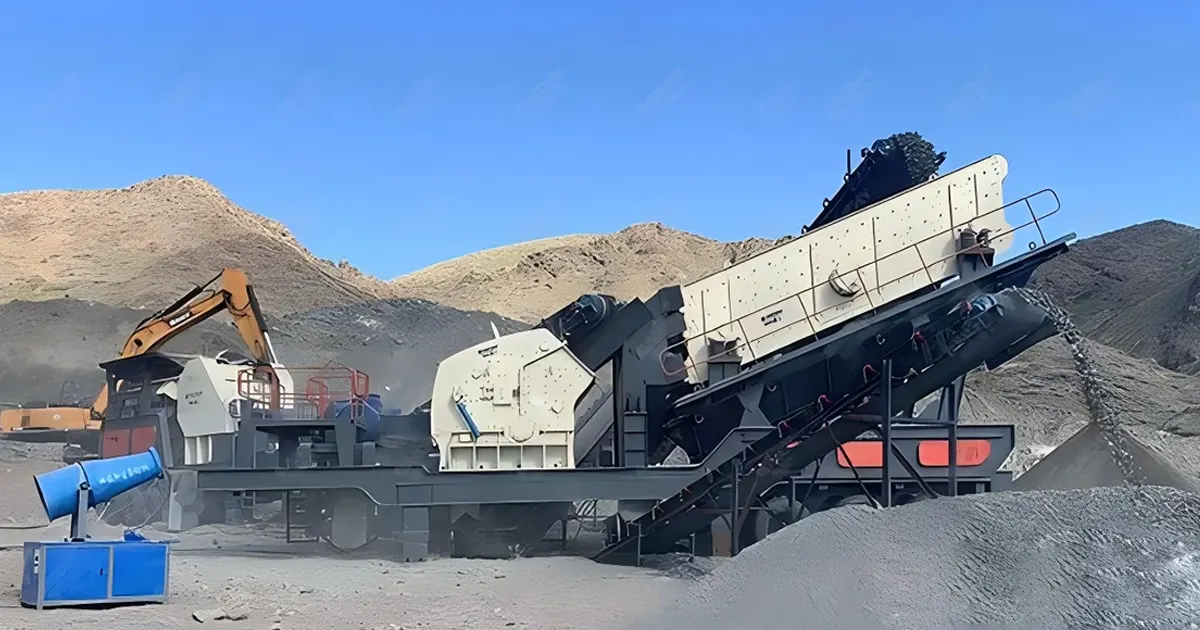
You get better results with vibrating screens and different mesh types. These can be woven wire mesh, self-cleaning screens, or polyurethane screens. These machines help you make good products and keep your work easy.
Key Takeaways
- Screening machines sort things by size. They help you get rid of unwanted items. This makes your product better.
- Many industries use screening machines. Mining, recycling, and food processing all use them. These machines make work faster and more exact.
- Screening machines have important parts. The frame, drive, and screening media are key. Each part helps with sorting.
- There are different types of screens. Vibrating screens, trommel screens, and rotary screens are common. Each type works best for certain jobs and materials.
- Picking the right mesh is important. You can choose woven wire, self-cleaning, or polyurethane mesh. The mesh you pick affects how well the machine works and how often you need to fix it.
- Screening machines take out bad stuff. This makes materials cleaner. It also makes products better in many jobs.
- Buying screening machines can save time. They help cut down on waste. They also make food safer by finding harmful things.
- Knowing what your job needs is important. It helps you pick the best screening machine and mesh. This gives you the best results.
What is a Screening Machine?
If you want to learn about a screening machine, you are in the right spot. This device is used in many jobs to separate things by size or take out things you do not want. The main job of a screening machine is to help you sort crushed or broken materials into groups. You see these machines in mining, farming, recycling, and food making. They help you work faster and get better results.
A screening machine has a drive that makes it shake, a deck that holds everything, and screen media that does the sorting. The deck supports the screen media and helps the shaking move through the material. Many times, conveyors are attached to these machines, so sorted pieces move to the next step easily.
What is a Screener?
People use different names for these machines. A screener is just another name for a screening machine. Some people say sieving machine, check screener, grading sieve, or liquid solid separator. Each name tells you what the machine does. For example, a check screener takes out unwanted stuff to make products better. A grading sieve sorts things into different sizes. If you work with liquids, you might use a liquid solid separator.
Here is a quick look at some other names and what they mean:
| Alternative Name | Description |
|---|---|
| Check screeners | Make products better by taking out unwanted things. |
| Grading sieves | Sort material into different sizes. |
| Liquid solid separators | Take solids out of liquid mixtures. |
| Dynamic Screener™ | Industrial vibrating screener. |
| Ranger Separator™ | Vibratory separator. |
| GyraSift™ | Industrial vibrating screener for exact separation. |
| SaniDump Screener™ | Industrial sieve with a big dump. |
No matter what you call it, the main goal is the same. You want to sort, grade, and clean things quickly and easily.
Key Components
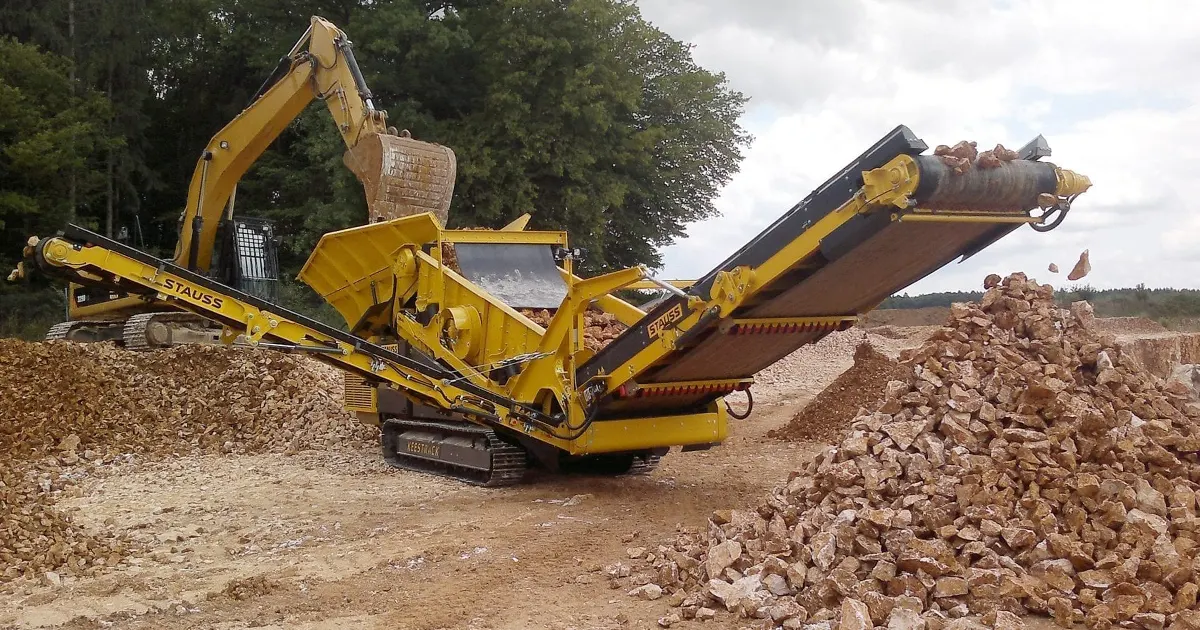
When you ask about a screening machine, you should know its main parts. Each part helps you do the job well.
Frame and Drive
The frame keeps everything together. It makes the machine strong and steady while working. The drive is the part that makes the machine move. It shakes or spins, which helps the material move across the screen. Shafts and counterweights inside the machine make different motions. These motions shake and move the material so it can be sorted by size.
Tip: For better results, make sure your screener has a strong frame and a good drive. This keeps your machine working well and helps you avoid problems.
Screening Media Types
The screening media is where the sorting happens. This part separates the material by size. You can pick from different types, like woven wire mesh, rubber, or polyurethane. Some machines have spray bars that use water to clean the material as it moves across the screen. This helps wash away dirt and trash before the next step.
Here is a table showing the main parts and what they do:
| Component | Function |
|---|---|
| Deck | Surface for moving material to the end; can have more than one deck for size sorting. |
| Screen Media | Sorts material by size; comes in different materials like woven wire and rubber. |
| Shafts and Counterweights | Make the machine shake and move material; different motions based on shaft setup. |
| Spray Bars | Use water to clean material as it is sorted, washing away dirt before the next step. |
You use screening machines in many jobs because they help you get even product quality. In mining, you sort ore by size, which makes getting minerals easier and helps you get more. In recycling, you sort plastics and metals, making your work better and helping the planet. In food making, you sift flour and sugar to take out lumps and bad stuff, so your products stay safe and good.
If you ever wondered about a screening machine or a screener, now you know. These machines make your work easier, faster, and more exact. You get better products and save time every batch.
How Does a Screener Work?
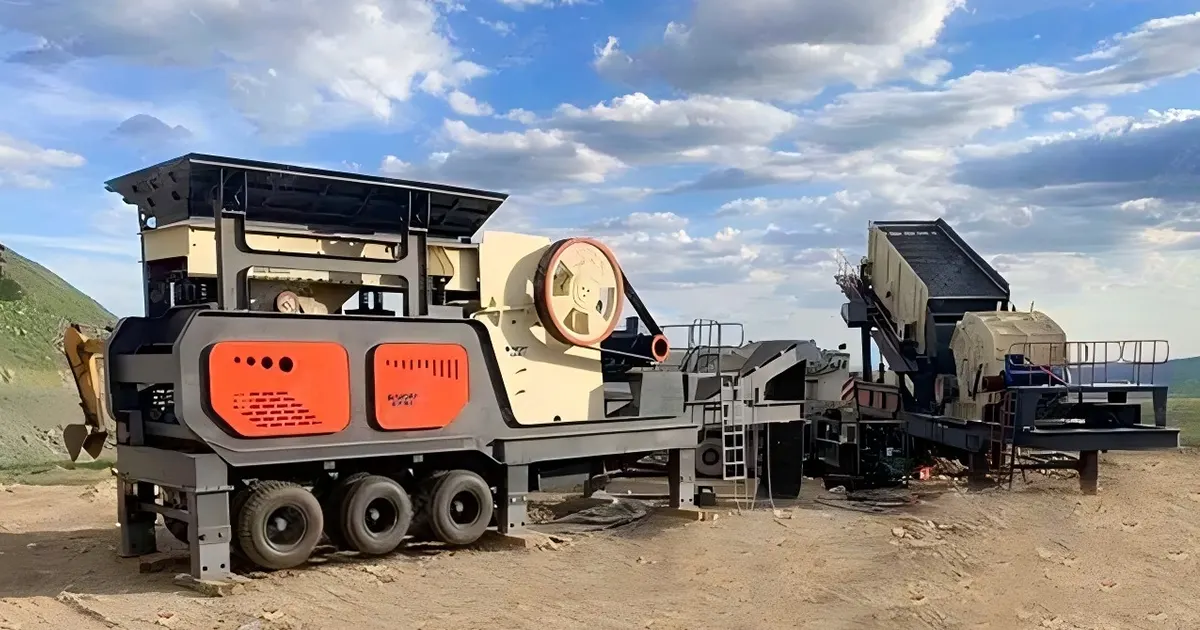
When you look at a screening machine, you might wonder, how does a screener work? The answer is simple but interesting. These machines use movement—like shaking or spinning—to help you sort materials by size. The screening process makes sure you get the right size material for your job, whether you work in mining, recycling, or food processing.
Screening Process
The screening process starts when you load material onto the machine’s deck. The deck holds a special mesh or grate. As the machine moves, it shakes or spins the material. This motion helps smaller pieces fall through the mesh while bigger pieces stay on top. You get a clean split between sizes.
Here’s what happens step by step:
- You pour the material onto the screen.
- The machine vibrates or rotates, making the material move across the mesh.
- Smaller particles drop through the holes.
- Larger pieces move to the end and get separated.
This shaking action does more than just move things around. It causes something called “trickle stratification.” That means the fine particles settle at the bottom, and the bigger ones rise to the top. This makes it easier for the small pieces to pass through the mesh. You get a better and faster separation.
Tip: If you want the best results, make sure your machine uses the right amount of vibration. Too much or too little can slow down your screening process.
Material Flow and Separation
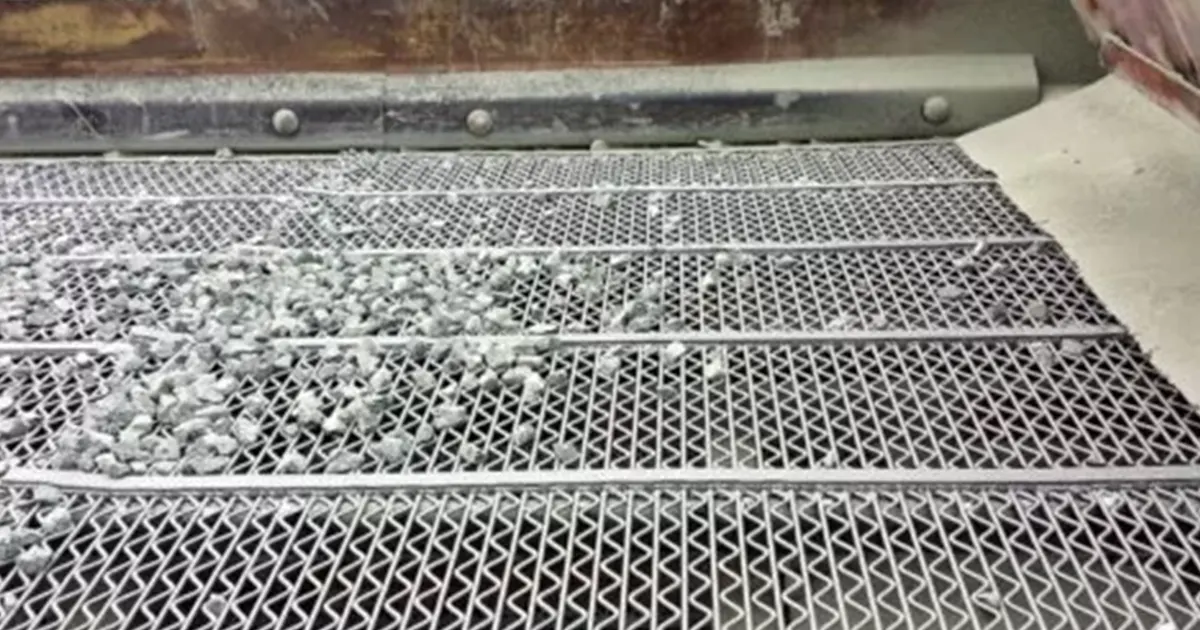
You might ask, how does a screener work when it comes to moving and sorting materials? The answer lies in the way the machine handles material flow and separation. Vibration and rotation help keep everything moving. This stops the screen from getting blocked and keeps your work going smoothly.
Let’s look at how different parts help with separation:
| Mechanism | Description |
|---|---|
| Brazil nut effect | Vibration makes bigger pieces rise to the top, while smaller ones sink and pass through the mesh. |
| Vibration amplitude | The right shake (about 3 to 3.5mm) helps sort materials quickly and cleanly. |
| Frequency of vibration | Faster shaking means better separation and less time wasted. |
| Eccentric weights in Vibro Sifter | These weights shake the screen in different directions, helping all the material get sorted. |
| Horizontal throw | Moves bigger pieces to the edge so they can leave the machine fast. |
| Vertical motion | Helps small pieces move down and through the mesh. |
Vibrating screens and screening conveyors play a big role in this process. Vibrating screens sort and size materials, making sure you get the right product every time. Screening conveyors move material while also screening it, so you save space and time. These machines run all the time, so you can handle big jobs without stopping.
- Vibrating screens sort materials by size, shape, or other features.
- They keep the mesh clear, so you don’t have to stop and clean it.
- Screening conveyors move and sort at the same time, making your work easier.
Screening machines use smart designs to help you get the best separation. You can pick different mesh sizes and vibration settings to match your needs. This means you always get the right result, no matter what material you work with.
Basic Functions of Screening Machines
Screening machines do three main jobs for you. They help you separate materials, remove impurities, and grade or sort everything you work with. Let’s look at each function and see how it helps you in real-life situations.
Material Separation
You use screening machines to separate materials by size. This process is called particle size separation. When you pour a mix of rocks, sand, or other common materials for screening onto the machine, it sorts them into groups. The machine uses a sieve or mesh to let small particles fall through while keeping bigger ones on top. You get clean piles of different sizes, which makes your work easier.
- You can set up the machine with different screens for multiple fraction separation. This means you get more than one size group at the same time.
- Vibrating screens shake the material, so particles move and sort quickly.
- In mining, you separate ore by size to get the best results. In construction, you sort gravel and sand for concrete.
Tip: If you want high accuracy, choose the right mesh size for your job. This helps you get the exact particle size you need.
Impurity Removal
Screening machines also help you remove unwanted stuff from your materials. You don’t want dirt, trash, or lumps in your final product. The machine uses different methods to clean up your mix.
| Method | Description |
|---|---|
| Vibratory Screening | Uses shaking to separate bulk solids or slurries by size, so you get clean material. |
| Size Separation | Groups materials by size, making sure only the right particles move forward. |
| Scalping | Breaks down large pieces, so you can sort them better and remove big chunks. |
| Gravity Filtering | Passes liquids through a filter to take out solid impurities. |
You see this in recycling when you want to get rid of metal bits from plastic. In food processing, you use a sieve to take out lumps from flour or sugar. This keeps your products safe and ready for the next step.
Note: Removing impurities helps you keep your product quality high and your machines running smoothly.
Grading and Sorting
The last big job for screening machines is grading and sorting. You want your materials to be the right size and shape for your project. The machine checks each particle and puts it in the right group.
- Screening equipment uses meshes to let some particles pass and keep others back.
- You get size separation and quality control at the same time.
- The machine removes impurities, so your product stays clean.
- You waste less material, which saves you money and time.
- Grading helps you keep your products consistent and safe.
For example, in mining, you grade ore so only the best pieces go to the next step. In recycling, you sort plastics by size for easier processing. In food, you use a sieve to make sure every batch of sugar or flour is smooth and ready to use.
Callout: Check screening is important in manufacturing. It helps you remove oversized or undersized particles, so your products always meet the right standards.
Screening machines make your work faster and more accurate. You get better results with less effort, no matter what common materials for screening you use. When you need high accuracy, these machines help you hit your targets every time.
Mesh Types and Customization
When you use a screening machine, the type of mesh you pick can change everything. You want the right mesh for your job because it affects how well your machine works and how good your final product looks. Let’s look at three popular mesh types: woven wire mesh, self-cleaning screens, and polyurethane screens.
Woven Wire Mesh
Woven wire mesh is a classic choice for screening. You see it in many machines because it’s simple and easy to swap out. This mesh has lots of open space, so water drains fast and you use less energy when drying materials. You can bend and shape it for special jobs, which makes it flexible.
Here’s why you might like woven wire mesh:
- It gives you great visibility and airflow.
- Cleaning is easy, so you spend less time on maintenance.
- It works well if you need to change screens quickly or want a low-cost option.
But, it doesn’t last as long as other types. You may need to replace it every couple of months if you use your machine a lot.
Self-Cleaning Screens
If you work with sticky or wet materials, self-cleaning screens can save you time. These screens have wires that move on their own, so they shake off anything that tries to clog the holes. You don’t have to stop your machine as often to clean it.
Why choose self-cleaning screens?
- They cut down on blinding and plugging, which means your screening process keeps going.
- You get more done with less downtime.
- Maintenance is easier, and you don’t need to check the screens as much.
You’ll notice these screens last longer than woven wire mesh and give you medium noise levels. They’re a smart pick if you want steady performance and fewer headaches.
Polyurethane Screens
Polyurethane screens are tough and built to last. They handle heavy jobs and keep working for a long time. You get high screening efficiency because these screens rarely clog, even with fine or wet materials. They’re also quiet, so your work area stays calm.
Check out this table to see how these mesh types compare:
| Feature | Woven Wire Mesh | Self-Cleaning Screens | Polyurethane Screens |
|---|---|---|---|
| Lifespan | Short | Medium | Long |
| Wear Resistance | Fair | Good | Excellent |
| Noise Level | High | Medium | Low |
| Clogging Issues | Common | Rare | Rare |
| Upfront Cost | Low | Medium | High |
| Maintenance | Frequent | Moderate | Easy (modular) |
| Best For | Fast swaps | Sticky/wet material | Fine screening, quiet |
Polyurethane screens need less maintenance and help you save money over time. They give you high screening efficiency, so you get more good product with less waste.
Tip: The mesh you choose changes how well your screening machine works. Finer mesh gives you better quality, while coarser mesh works for bigger jobs. Try different types to see what fits your needs best.
Types of Screening Machines
There are different kinds of screening machines. Each one works in its own way. Let’s look at three popular types. These are vibrating screens, trommel screens, and rotary screens. You will learn how each one works and where you use them.
Vibrating Screens
Vibrating screens are used in many places. You see them in mining, food, building, and recycling. These machines shake a flat or slanted screen. The shaking helps sort things by size. Small pieces fall through the mesh. Big pieces move to the end.
You can pick from different screening methods with vibrating screens. Some shake in circles, some in straight lines, and some mix both. Here’s a table to show the differences:
| Type | How It Moves Material | What It’s Good For |
|---|---|---|
| Circular | Eccentric shaft makes a circle | Stops mesh blocking, gentle tumbling |
| Linear | Two exciters move in a line | Fast flow, but screens can get blocked |
| Elliptical | Mix of circle and line motion | Works fast, less plugging |
Vibrating screens are great for sorting sand, gravel, minerals, or powders. They handle big jobs and use less energy than you think.
Tip: You can change how your machine shakes. Adjust the vibration for different materials.
Trommel Screens
Trommel screens look like big spinning tubes with holes. You put material in one end. The drum turns and lifts everything inside. Small pieces drop through the holes. Big chunks roll out the other end.
Here’s how a trommel screen works:
- Put material into the drum.
- The drum spins and lifts the material.
- Small pieces fall through holes.
- Big pieces go to the end.
Trommel screens are good for sorting trash, minerals, or building waste. They work well when you need to sort many sizes. These machines need more space. Sometimes material can stick inside.
| Feature | Trommel Screens |
|---|---|
| Design | Spinning drum with slanted holes |
| Best For | Trash sorting, mining, building waste |
| Pros | Handles mixed stuff, easy to use |
| Cons | Needs more room, can get stuck |
Note: Trommel screens help you work faster. They sort things quickly and cut down on waste.
Rotary Screens
Rotary screens move in a special way. They use a motor to shake the screen in three directions. This makes the material move all over the screen. You get clean and sorted products.
You find rotary screens in chemical plants, food factories, and metal work. They can sort very tiny materials—up to 500 mesh! The closed design keeps dust inside. Cleaning is easy. You can swap screens fast if you need a new size.
| Feature | Rotary Screens |
|---|---|
| Movement | Three-way, thanks to the motor |
| Best For | Chemicals, food, fine powders, metals |
| Pros | Works fast, easy to clean, quick screen change |
| Cons | Costs more, best for tiny materials |
If you want a quiet machine that keeps your area clean, pick a rotary screen.
Callout: When you choose a machine, think about your space. Think about what you need to sort. Think about how clean you want your work. Each type fits a different job.
You might hear about the tumbler screening machine. This machine uses a gentle swinging motion. It is good for soft or tiny powders. The tumbler screener is another choice if you want to try new screening methods.
Tumbler Screening Machine
Have you ever needed to sort soft powders or fragile things? You might want to use a tumbler screening machine. This machine moves gently from side to side to separate materials. You see it in food factories, chemical plants, and labs. The tumbler screening machine is special because it handles materials with care. You do not have to worry about breaking tiny particles.
When you use a tumbler screening machine, you get a special movement. The screen moves in three directions at the same time. This motion spreads the material over the whole screen. You get a bigger area for sorting, so you can process more at once. The gentle movement helps protect soft or fragile particles.
Let’s see how this machine helps you sort better and faster:
| Benefit | Description |
|---|---|
| High accuracy | Tumbler screens can achieve high screening accuracy due to particle stratification. |
You get high accuracy because the machine sorts particles by layers. Small particles go to the bottom, and bigger ones stay on top. This makes it easy for the right sizes to pass through the mesh. You can reach up to 99% screening efficiency. Almost every particle ends up in the right group.
Here are some reasons to pick a tumbler screening machine:
- You get gentle handling, so you do not damage delicate materials.
- The machine gives you 99% screening efficiency, so sorting is almost perfect.
- The three-way movement makes the sorting area bigger, so you process more at once.
- You can change how the machine sorts to match different materials. This helps you get the best results for each job.
If you work with powders, grains, or small beads, you will notice the difference. The tumbler screening machine lets you change the speed and angle of the screen. You can set it to match your material. This helps you get the results you want, whether you sort tiny particles or bigger pieces.
Tip: If you want high product quality, use a tumbler screening machine for fine or fragile materials. You will get gentle sorting and accurate results every time.
You can use this machine for food, chemicals, or metal powders. The closed design keeps dust inside, so your workspace stays clean. You spend less time cleaning and taking care of the machine. If you need a quiet, fast, and accurate way to sort materials, the tumbler screening machine is a smart choice.
Industrial Applications
Screening machines are used in many jobs. You see them in mines, building sites, and recycling centers. Let’s see how these machines help in different places and why each use is important.
Mining
In mining, screening machines help you get the best minerals. They separate good ore from waste fast. Vibratory screeners sort rocks by size and shape. This means you get more good ore and less waste. Your machines last longer and need less fixing, so you save money.
Here’s what screening machines do in mining:
- You get better ore because bad pieces are removed.
- You process material faster and handle more each day.
- Machines break less, so you work more and stop less.
- You use less energy, which is good for the planet.
You can pick different vibratory equipment, like feeders or high-frequency screens. Each type fits a special mining job. You can sort fine powders or big rocks. This makes your work easier and helps you follow the rules.
Construction
In construction, you need strong and clean materials. Screening machines sort sand, gravel, and crushed stone. You get up to 95% accuracy, so you waste less and use better stuff. This means your buildings and roads last longer.
Some machines use smart technology. They can change how they work as the mix changes. You always get the right size material, even if things are different. You save money because you do not have to redo work or throw away bad batches.
Tip: Use screening machines to keep your site running well. You will make fewer mistakes and get better results.
Recycling
Recycling centers sort many kinds of materials. Screening machines make this job easier. You can separate plastics, metals, and glass fast. This helps you recycle more and send less to the landfill.
Here’s how screening helps in recycling:
- Sort building waste to find parts you can use again.
- Separate recyclables from trash in city waste.
- Group metal scraps by type for better recycling.
You get cleaner materials, so products are better. You also help the planet by making less waste and saving resources.
| Sector | Specific Requirements |
|---|---|
| Mineral and Aggregate Processing | High throughput, minimal downtime, efficiency, environmental compliance |
| Recycling and Waste Management | Sustainability, regulatory compliance, cost savings, sorting system integration |
| Construction | High accuracy, cost savings, smart technology for real-time adjustments |
Screening machines match each job by meeting these needs. You get better results, save money, and help the environment.
Food Processing
You might not realize how important screening machines are in food processing. These machines help you keep food safe and make sure every product meets high standards. When you use a screening machine, you can spot problems before they reach your customers. That means you protect people’s health and keep your brand strong.
Screening machines check for things you don’t want in your food. They find metal pieces, stones, or other contaminants that could harm someone. You can trust these machines to catch what you might miss with your eyes. If you run a food factory, you know how easy it is for something to slip through. Screening machines give you peace of mind.
Let’s look at some ways screening machines help you in food processing:
- You detect contaminants quickly, so you keep food safe and protect everyone who eats your products.
- You get real-time quality control. Machines check every batch, so you don’t have to rely only on workers.
- You spot defects early. That means you waste less food and avoid expensive recalls.
- You build trust with your customers and regulators. People know your food is safe, and you follow the rules.
- You improve your brand reputation. When you care about safety, people want to buy from you.
- You use less manual labor. Machines do the hard work, so your team can focus on other jobs.
- You process more food in less time. Screening machines work fast and keep mistakes low.
- You meet safety standards. Metal detectors and checkweighers help you follow food safety laws.
- You remove foreign objects and bad-looking products. Color sorters make sure only the best food gets packed.
Here’s a table showing how screening machines help you in food processing:
| Benefit | How It Helps You |
|---|---|
| Safety | Finds metal, stones, and other contaminants |
| Quality Control | Checks every batch for defects |
| Efficiency | Speeds up sorting and reduces manual work |
| Compliance | Helps you meet safety standards |
| Brand Reputation | Shows you care about safety and quality |
| Waste Reduction | Spots problems early, so you throw away less food |
Tip: If you want to keep your food business running smoothly, invest in screening machines. You’ll save time, protect your customers, and make your products better.
Screening machines work with many types of food. You can use them for flour, sugar, grains, spices, or even liquids. They sort out lumps, clumps, and anything that doesn’t belong. You get smooth, clean ingredients every time. If you make snacks, drinks, or baked goods, you know how important it is to have perfect ingredients.
You can also use screening machines to check the weight of each package. Combined systems with metal detectors and checkweighers make sure every box or bag meets the right standards. Color sorters help you remove anything that looks wrong, so your food looks great on the shelf.
When you use screening machines, you show your customers that you care. You keep your products safe, your business strong, and your reputation high. That’s why screening machines are a smart choice for anyone in food processing.
Conclusion
You have learned what a screening machine does and why it is important. These machines help you sort, clean, and grade materials. This way, you get good results every time. If you want your machine to work better, you can use ANPENG mesh choices. You can pick woven wire, self-cleaning, or polyurethane screens. Think about what you need before you choose a machine or mesh. Picking the right one makes your job easier and your products better!
FAQ
What materials can you screen with these machines?
You can screen rocks, sand, gravel, minerals, plastics, metals, grains, powders, and even liquids. Screening machines work in mining, recycling, construction, and food processing. You just need to pick the right mesh and machine for your material.
How do you choose the right mesh size?
Think about the smallest particle you want to separate. Pick a mesh with holes just smaller than that size. If you want more accuracy, try a finer mesh. For faster screening, use a coarser mesh.
How often should you clean or replace the screen?
Check your screen every day if you use your machine a lot. Clean it when you see clogs or buildup. Replace it when you notice holes, tears, or worn spots. Polyurethane screens last longer than woven wire mesh.
Can you use one screening machine for different materials?
Yes, you can! Just swap out the screen media for each material. Make sure the machine is clean before you switch. Some machines let you change screens quickly, which saves you time.
What causes screens to clog or blind?
Sticky, wet, or fine materials often clog screens. Using self-cleaning screens helps prevent this. You can also adjust the vibration or use spray bars to keep the mesh clear.
Are screening machines noisy?
Some machines, like vibrating screens, can be loud. Polyurethane screens help reduce noise. If you want a quieter workspace, look for machines with sound-dampening features or use tumbler or rotary screens.
How do you know which screening machine is best for your job?
Think about your material, how much you need to process, and your space. If you work with fine powders, try a tumbler screen. For heavy rocks, use a vibrating screen. Ask your supplier for advice!