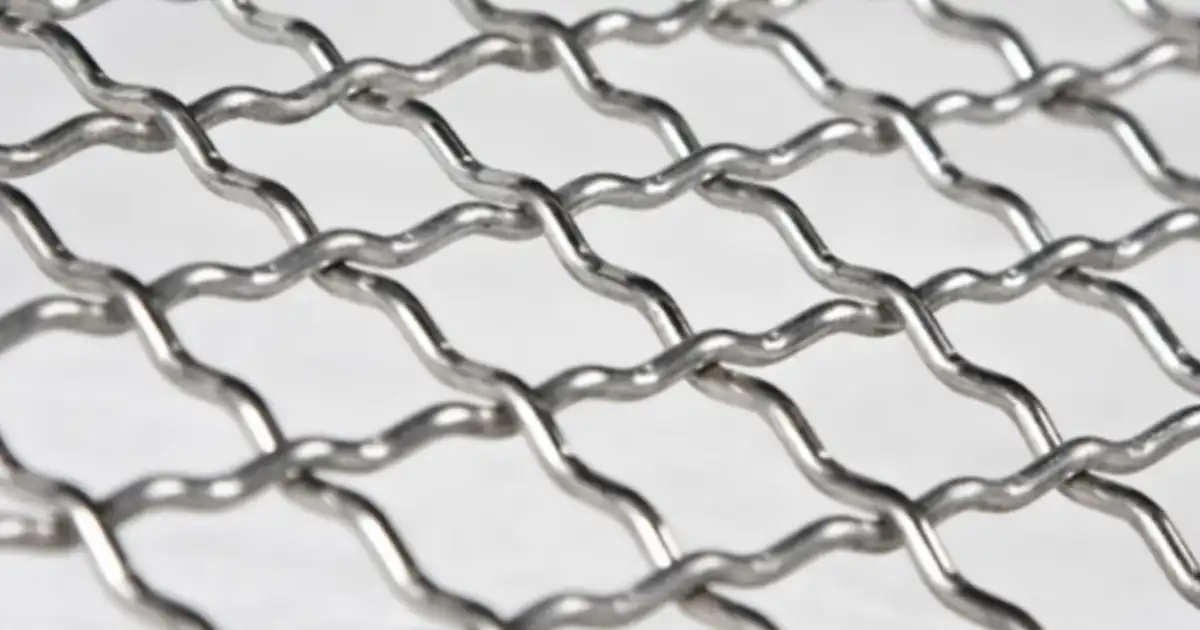
You want the best crimped wire mesh for your job. Focus on these important things: material, wire diameter, mesh pattern, crimp depth, and manufacturer. Engineers compare material, wire diameter, and weaving style for tough jobs:
| Factor | Why It Matters |
|---|---|
| Material | Changes how strong and long-lasting it is |
| Wire Diameter | Changes how much weight it can hold |
| Mesh Pattern | Changes how stiff and useful it is |
New wire mesh technology lets you change features. Picking the right mesh gives you good results. Always look at the technical details and choose trusted manufacturers.
Key Takeaways
- Figure out what you need the wire mesh for before you pick one. Different jobs need different kinds of mesh.
- Pick the right material so it lasts longer. Stainless steel is strong and does not rust. Galvanized steel costs less and works well outside.
- Think about how thick the wire is. Thicker wires are stronger. Thinner wires let things flow or filter better.
- Look at the mesh pattern and how big the openings are. Small openings are good for filtering. Big openings let things move through faster.
- Check how deep the crimps are. Deeper crimps make the mesh tighter. This is important for tough jobs.
- Make sure the maker is good. Find suppliers who have experience and certificates. This helps you get products you can trust.
- Think about both cost and how well it works. Pick materials and features that fit your needs but do not cost too much.
- Talk to the makers if you need something special. They can give you advice and help you not make expensive mistakes.
What Is Crimped Wire Mesh
Definition & Features
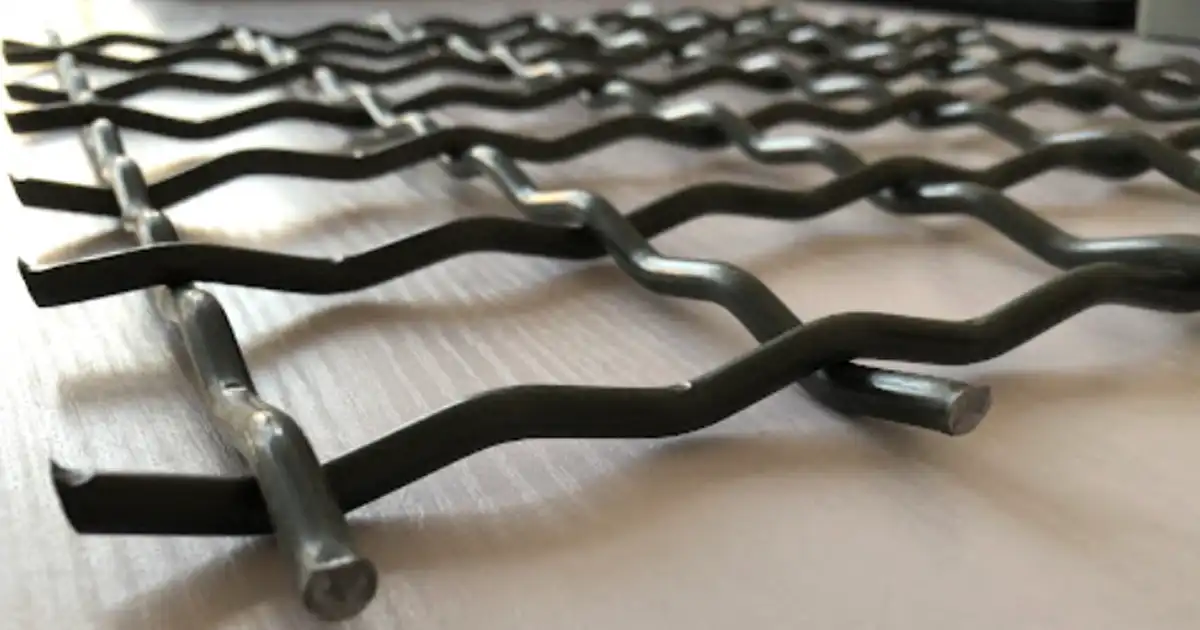
Crimped wire mesh is strong and reliable. Manufacturers crimp the wires before weaving them. This makes the mesh tight and stable. It does not bend easily and keeps its shape. The crimped surface gives extra grip and strength. If you look at crimped wire mesh and welded wire mesh, you will see big differences.
| Feature | Crimped Wire Mesh | Welded Wire Mesh |
|---|---|---|
| Pre-Crimping Process | Yes, creates a stable and rigid weave | No, wires are interlaced without pre-processing |
| Surface Texture | Textured surface due to crimping | Smoother surface due to lack of crimping |
| Suitability for Applications | Suitable for heavy-duty applications | Generally more flexible, easier to form |
| Rigidity | More rigid due to crimping | Rigid due to welding at intersections |
| Mechanical Stress Resistance | Better resistance to high levels of mechanical stress | Less suitable for high mechanical stress applications |
Crimped wire mesh is best for tough jobs. It can handle stress and stays stiff. This makes it good for hard work places.
Main Types
There are different kinds of wire mesh. Each kind is good for certain jobs.
Double Crimp
Double crimp mesh has wires crimped at every crossing. This makes the mesh strong and steady. It is used for screens and filters. It works well in mining and quarrying.
Lock Crimp
Lock crimp mesh locks wires at each crossing. This gives extra strength and a tight weave. It is used for heavy screens and industrial jobs.
Flat Top
Flat top mesh has one flat side. This makes cleaning easy and reduces wear. It is good for food processing and building designs.
Intercrimp
Intercrimp mesh adds extra crimps between crossings. This makes the mesh flexible and more open. It is used for fences, cages, and decorations.
Common Uses
Wire mesh is used in many industries. Here are some ways wire mesh is used:
- Heavy screens for stone, gravel, coal, and minerals in mining.
- Concrete support, wall safety, and floor strength in construction.
- Strong fences for farms, gardens, factories, and borders.
- Grain sorting, food processing, and industrial jobs.
- Decoration, room dividers, and machine safety guards.
- Cages, enclosures, and crop safety in farming.
Wire mesh is useful for many jobs. It gives strength, stability, and flexibility for your project.
Best Crimped Wire Mesh: Key Selection Factors
Application Needs
You want the best crimped wire mesh for your project. First, think about how you will use it. Every job needs something different. Are you building a fence, making a filter, or designing a mining screen? The way you use wire mesh changes what you need. Here are some things to think about when buying wire mesh:
- Mesh count is important. If you need accuracy, like for filtering, check how many holes are in each inch.
- Wire diameter changes strength and flexibility. Thicker wires make the mesh stronger. Thinner wires help with small details.
- Micron rating matters for filtering. It shows the biggest particle size that can go through the mesh.
- Aperture, or opening area, helps you see if the mesh fits your materials.
- Length and width change how heavy and useful the mesh is. Make sure these fit your project.
Match the mesh features to your job. This helps you get good wire mesh and makes your work easier.
Material Options
Picking the right mesh material is important. Each material has its own strengths and lasts a different amount of time. Here are the most common choices:
| Material | Advantages |
|---|---|
| Stainless Steel | Strong, lasts long, resists rust, good for outside, makes things sturdy, used in buildings, animal fences, and filters. |
| Low Carbon Steel | Cheap, strong, used in building and factories. |
| Galvanized Steel | Stops rust, costs less, used outside where water is a problem. |
Stainless Steel
Stainless steel wire mesh is tough and lasts a long time. It does not rust and can handle bad weather. You can use it for buildings, animal fences, and filters. If you want something strong and rust-proof, stainless steel is a good pick.
Galvanized Steel
Galvanized steel wire mesh is good for outside jobs. It has a coating that keeps it from rusting. You get good quality for less money. This mesh works well in gardens, farms, and wet places.
Carbon Steel
Carbon steel mesh is strong and cheap. You see it in building and factory jobs. It gives you strength and lasts if you keep it dry.
Other Materials
Sometimes you need special materials for unique jobs. You might use copper, brass, or other alloys. These materials help with special designs or needs.
Wire Diameter & Strength
Wire diameter is important for how long the mesh lasts. If you need strong crimped wire mesh for hard jobs, pick thicker wires. They can handle heavy loads, hot temperatures, and tough places. Thicker wires make double crimped wire mesh stronger, but they make the holes smaller. If you want better flow or filtering, thinner wires are better, but they do not last as long.
- Thicker wire diameter makes the mesh stronger and last longer.
- Thinner wire diameter helps with flow and filtering but is not as strong.
Always check mesh count and wire diameter to match your needs. This helps you get the right wire mesh for your job. Good wire mesh works better and lasts longer.
Mesh Pattern & Opening Size
You want your wire mesh to work well for your job. Mesh pattern and opening size play a big role in how the mesh performs. If you need to filter or screen materials, you must pay attention to the size of the holes and the way the wires are woven. Smaller openings catch tiny particles but slow down the flow. Larger openings let more material pass through but may miss smaller bits.
Here’s a simple table to help you see the relationship between micron size, capture ability, flow rate, and resistance:
| Micron Size | Capture Ability | Flow Rate | Resistance |
|---|---|---|---|
| Smaller Microns | Higher (captures small stuff) | Lower | Greater on filtering side |
| Larger Microns | Lower (lets small stuff through) | Higher | Lower on filtering side |
If you need the best crimped wire mesh for filtering, go for smaller openings. If you want faster flow, pick larger openings. Mesh pattern also matters. Double crimp and lock crimp patterns give you strength and stability. Flat top patterns make cleaning easier. Intercrimp patterns offer flexibility and more open space. Think about your job and choose the pattern and opening size that fits your needs.
Crimp Depth Importance
Crimp depth is the height of the bends in the wire. You might not notice it at first, but it changes how strong and stable your mesh is. Deeper crimps make the mesh tighter and less likely to move. This is important if you need high-quality mesh for heavy-duty jobs. Shallow crimps work well for lighter tasks or when you want more flexibility.
If you use stainless steel wire mesh, crimp depth helps keep the mesh strong and steady. You get the benefits of durability and resistance to bending. Always check crimp depth before you buy. It can make the difference between a mesh that lasts and one that wears out fast.
Manufacturer Quality
You want your mesh to come from a reliable supplier. Manufacturer quality affects how well your mesh performs and how long it lasts. Look for companies with at least five years of experience. They know how to make the best crimped wire mesh. Check for ISO 9001 and ASTM E2016 certifications. These show the company follows strict standards and delivers high-quality products.
Here’s a quick table to help you judge a manufacturer:
| Criteria | Description |
|---|---|
| Operational Longevity | At least five years in business |
| Quality Certifications | ISO 9001, ASTM E2016, Material Test Reports |
| Performance Metrics | On-time delivery (>98%), fast response (≤4 hours), high reorder rate |
ISO 9001:2015 certification means the company meets customer needs and delivers products that work as promised. ASTM standards, like ASTM-E2016-11, show the mesh meets industry requirements. If you want the best results, always choose a manufacturer with these certifications. You get quality, reliability, and peace of mind.
Choosing the Right Wire Mesh: Step-by-Step Guide
Define Your Application
You should know what your project needs. Every job is not the same. To get good results, match the wire mesh to your job. Use this checklist to help you figure out what you need:
- Check where you will use the mesh. Look for heat, cold, chemicals, or water. These things change how long the mesh lasts and how well it works.
- Write down mesh count, wire diameter, and weave pattern. These details help with filtering, screening, or support.
- Think about how you will cut, bend, or weld the mesh. Make sure the mesh fits your way of installing it.
- Compare cost and performance. Cheaper mesh may wear out fast and cost more later.
- Ask experts for help. Wire mesh makers can help with custom options and material certificates.
Tip: If you are not sure about wire mesh, talk to a manufacturer. They can help you avoid mistakes and find the right mesh for your project.
Select the Best Wire Mesh Material
Picking the right wire mesh material is important for lasting and working well. You want a mesh that stays strong in your environment. Look at this table to compare materials:
| Factor | Description |
|---|---|
| Corrosion Resistance | Choose stainless steel or galvanized steel for wet places. |
| Strength and Durability | Pick strong materials for heavy loads or tough jobs. |
| Conductivity | Use copper or similar materials for electrical or heat jobs. |
| Mesh Size | Match mesh size to your project needs. |
| Aperture Size | Make sure openings fit your filtering or screening needs. |
| Wire Diameter | Thicker wires give strength, thinner wires are flexible. |
| Surface Treatment | Galvanization or PVC coating adds protection and looks better. |
Always match the material to your job. Stainless steel lasts long and does not rust. Galvanized steel is good for outside jobs. Copper works for electrical jobs. If you need special options, ask about coatings or alloys.
Note: Always check mesh size and aperture. These change how well the mesh works for your design.
Decide on Wire Diameter
Wire diameter changes how strong and flexible the mesh is. Pick the right size for your project. For more strength, use thicker wires. For flexibility or fine filtering, thinner wires are better. Here’s a table to help you choose:
| Wire Diameter | Tensile Strength | Ductility | Hardness |
|---|---|---|---|
| Smaller | Increases | Decreases | Increases |
| Larger | Decreases | Increases | Decreases |
If your project needs to hold heavy things, thicker wire mesh is best. For light jobs or detailed screening, thinner wires are easier to use. Always check your needs before picking the right mesh.
Tip: Do not guess the wire diameter. Measure your needs and ask for samples if you can. This helps you avoid mistakes.
Choosing the right wire mesh is not just picking any mesh. You must look at your project needs, the material, and the wire diameter. This step-by-step method helps you get the best mesh for your job.
Pick Mesh Pattern & Opening
You want your wire mesh to do its job well. Mesh pattern and opening size matter a lot. If you need to filter, screen, or protect, you must match the mesh to your needs. Start by thinking about what you want to catch or block. For example, if you need to filter tiny particles, pick a mesh with small openings. If you want to let air or water flow, choose larger openings.
Here’s a simple checklist to help you:
- Define your goal. Are you filtering, screening, or securing?
- Look at the smallest and largest particles you need to handle.
- Balance flow rate and pressure. Smaller holes slow things down, bigger holes speed things up.
- Choose the right material for your environment. Stainless steel works well in wet or corrosive places.
- Think about cleaning. Mesh with bigger openings is easier to clean.
- Test the mesh in real life. Make sure it works before you buy a lot.
If you need security, pick a mesh with a tight pattern and small openings. For corrosion resistance, stainless steel or aluminum are good choices. If you need EMI or RFI shielding, use materials with good conductivity and the right opening size.
Tip: Always check the Short Way of Diamond (SWD) and Long Way of Diamond (LWD) dimensions if you use expanded metal mesh. These sizes tell you how big the openings are.
Choosing the right wire mesh means you must match the mesh pattern and opening size to your job. Don’t guess. Use samples and test them if you can.
Check Crimp Depth
Crimp depth is the height of the bends in the wire. It changes how strong and stable your mesh is. If you need tough mesh for heavy-duty jobs, deeper crimps help. Shallow crimps work for lighter tasks.
You can measure crimp depth in a few ways:
- Use crimp quality equipment to check crimp height and width.
- Try a micrograph lab station to see the crimp up close.
- Do pull tests to see how well the crimp holds.
- Inspect for gaps or voids. Good mesh has uniform compression.
- Use a micrometer for exact measurements.
- Pull-to-fail tests show how much force the crimp can handle.
If you want mesh that lasts, always check crimp depth before you buy. Ask the manufacturer for test reports. Make sure the crimps are even and strong.
Note: Uneven crimps can make your mesh weak. Always look for uniform crimping.
Evaluate Manufacturer
You want your mesh to come from a trusted supplier. Not all manufacturers are the same. Some offer better products and services. Here’s what you should check:
- Product type: Make sure they supply the wire mesh you need.
- Availability: Check if they have enough inventory for your project.
- Services offered: Look for cutting, welding, or custom packaging.
- Customization options: See if they can make mesh to fit your needs.
- Industry experience: Find out how long they have been in business.
- Certifications: Look for ISO 9001 or ASTM standards.
If you need special mesh, ask about custom solutions. Good manufacturers help you with design, testing, and installation. They also provide material test reports and follow strict standards.
Tip: Always ask for certifications and test reports. This proves the mesh meets industry standards.
Choosing the right wire mesh is easier when you work with a reliable manufacturer. You get quality, support, and peace of mind.
Balance Cost & Performance
You want your wire mesh to work well and not break the bank. Finding the right balance between cost and performance can feel tricky, but you can do it with a smart plan. Start by thinking about what you really need for your job. Sometimes, the most expensive option is not the best fit. Other times, saving money up front can cost you more later.
Here’s how you can balance cost and performance when picking crimped wire mesh:
- Pick the right material. Stainless steel lasts a long time and fights off rust, but it costs more. Galvanized steel works well outside and costs less. Choose the one that matches your environment.
- Check the wire gauge. Thicker wires hold more weight and last longer. Thinner wires cost less but might not be strong enough for heavy loads. Make sure the wire gauge fits your needs.
- Think about coatings. Some wire mesh comes with extra coatings for better durability. These coatings help in wet or harsh places. They add to the price, but they can save you money by making the mesh last longer.
- Look at mesh density. Mesh with smaller openings can filter better, but it uses more material and costs more. If you do not need tiny openings, pick a mesh with larger gaps to save money.
Tip: Always match your wire mesh to the real needs of your project. Do not pay for features you will not use, but do not cut corners on things that matter for safety or durability.
You can also ask your supplier for samples or small test pieces. Try them out before you buy a lot. This way, you see how the mesh performs and avoid wasting money on the wrong choice.
Remember, the best crimped wire mesh is not always the cheapest or the most expensive. It is the one that does the job well and fits your budget. Take your time, compare your options, and ask questions if you are not sure.
Wire Mesh Materials: Comparison & Uses
Pros & Cons Table
You need to choose the best mesh material for your project. Every material has good and bad points. Stainless steel is great because it does not rust and is easy to take care of. It lasts a long time and works well in many places. Galvanized steel costs less at first, but you have to check it more often. If the zinc layer comes off, rust can start to show. Carbon steel is strong and cheap, but it needs to stay dry or it will rust.
Here’s a quick table with the pros and cons:
| Material | Pros | Cons |
|---|---|---|
| Stainless Steel | Corrosion resistance, strength, durability, looks, handles heat | Higher cost, heavier |
| Galvanized Steel | Affordable, resists corrosion, durable | Limited rust resistance, less attractive, not for high heat |
| Carbon Steel | Strong, budget-friendly | Needs dry conditions, can rust easily |
Stainless steel usually lasts longer and needs less work than galvanized steel. Galvanized steel saves money at first, but you might pay more later for repairs. If you want something strong and nice-looking, stainless steel is a good choice.
Best Choices by Application
There are many wire mesh types for different jobs. Let’s see which materials are best for each use.
Mining & Quarrying
Mining screens need very tough mesh. You should pick 65MN steel for this job. It can handle heavy rocks and rough use. This mesh does not wear out fast and keeps working in hard places. You get strong mesh that lasts and separates materials well.
Architecture
If you want mesh for building designs, stainless steel is the best. It looks modern and does not rust. You can use it for walls, railings, or cool panels. Stainless steel gives you both strength and a nice look.
Agriculture
For farms and gardens, you need mesh to protect crops and animals. 65MN steel is good for fences and cages. It lasts through rain and sun and keeps things safe. Galvanized steel is also a good choice if you want to save money and still get strong mesh.
Security
Security jobs need strong mesh. Stainless steel is the best for safety. It is hard to cut and lasts a long time. You can use it for gates, barriers, and window guards. If you need to spend less, galvanized steel can work, but you may need to replace it sooner.
Tip: Always pick mesh materials that fit your project and where you will use them. You get the best results when you choose the right one.
Here’s a table to help you pick:
| Application Area | Material Type | Description |
|---|---|---|
| Mining | 65MN | Great for screening and separating materials |
| Architecture | Stainless Steel | Perfect for facades, railings, and panels |
| Agriculture | 65MN, Galvanized Steel | Ideal for fencing and crop protection |
| Security | Stainless Steel, Galvanized Steel | Used for barriers and guards |
Wire mesh can be used for many things. When you pick the right material, your project is stronger and works better.
Select the Best Wire Mesh: Practical Tips
Quick Checklist
You want to pick the best wire mesh for your project. Sometimes, the details can feel confusing. A simple checklist helps you stay organized and meet all needs. Look at this table before you finish your choice:
| Checklist Item | Description |
|---|---|
| Calculate maximum unsupported span | Use charts from the manufacturer, not general formulas. |
| Verify mounting hardware won’t concentrate stress | Do not use sharp clamps on fine mesh. This stops stress from building up. |
| Specify ‘stress-relieved’ wire for high-vibration environments | Annealed wire after weaving lowers stress in places with lots of shaking. |
| Confirm surface finish if mesh contacts moving parts | Electropolished edges help stop snagging and reduce wear. |
| Ensure supports and frames meet hygienic design standards for food/pharma use | Use 3-A or EHEDG standards for clean jobs in food or medicine. |
You can use this checklist for many jobs. It helps you avoid problems and makes sure your wire mesh fits all needs.
Mistakes to Avoid
Picking wire mesh might seem easy, but mistakes happen quickly. Here are common errors and how you can avoid them:
- Pick the wrong mesh type for your job. Always check size, load, and environment.
- Install the mesh wrong. Put it at the right depth and support it when pouring concrete.
- Overlap mesh pieces too little. Make sure you overlap enough for strong support.
- Forget about rust protection. Use epoxy-coated or stainless steel mesh in wet places.
- Ignore weld quality. For welded mesh, check that welds are strong and complete.
- Skip design rules. Follow all details to meet safety and performance needs.
- Miss regular checks. Inspect the mesh during installation to find problems early.
If you avoid these mistakes, your wire mesh will last longer and work better for your job.
When to Consult a Manufacturer
Sometimes you need expert advice. If your job is special or tricky, talk to a wire mesh manufacturer. You may need help with custom sizes, special coatings, or unusual uses. Manufacturers help you match your needs to the right product. They also give test reports and certificates to show the mesh meets your needs.
Tip: If you feel unsure about any step, ask a manufacturer. You get answers quickly and avoid costly mistakes.
You can pick the best wire mesh by following these tips. Use the checklist, avoid mistakes, and ask for expert help when needed. Your project will go smoother, and your mesh will fit all needs.
Conclusion
You can choose the best wire mesh for your project by following easy steps. First, pick the right material, wire diameter, and crimp depth for your job. These things change how strong and long-lasting your mesh will be. Look at this table to see how different materials work:
| Material | Properties |
|---|---|
| Iron Steel | Saves money, used for farms and filtering. |
| Manganese Steel | Very strong, good for mines and quarries. |
| Galvanized Steel | Fights rust, works great outside. |
| Stainless Steel | Lasts a long time, good for many jobs. |
| Nickel-Based Super Alloys | Handles heat, does not rust in tough places. |
If you’re not sure, start with the checklist and speak with an expert before you order. A quick review can prevent costly mistakes and unnecessary downtime. As a screening media manufacturer, we produce Woven Wire Screens, Self-Cleaning Screens, and PU-Mesh Screens, widely used in aggregate, mining, concrete, and recycling operations. With stable quality and custom options, you’ll get a better fit, longer wear life, and reliable support for your project.
FAQ
What is crimped wire mesh used for?
You can use crimped wire mesh for mining screens, fences, filters, and building designs. It works well in tough places because it stays strong and keeps its shape.
How do I pick the right wire mesh material?
Think about where you will use the mesh. For wet or outdoor jobs, choose stainless or galvanized steel. For dry places, carbon steel works well. Ask your supplier if you feel unsure.
Can I cut crimped wire mesh myself?
Yes, you can cut it with wire cutters or an angle grinder. Wear gloves and safety glasses. If you need many pieces, ask the manufacturer to cut them for you.
What does crimp depth mean?
Crimp depth is how high the bends in the wire are. Deeper crimps make the mesh stronger and tighter. Shallow crimps give you more flexibility.
How do I measure mesh opening size?
Use a ruler or caliper. Measure the space between two wires. This tells you the opening size. You can also ask your supplier for the exact measurement.
Is crimped wire mesh rust-proof?
Stainless steel mesh does not rust. Galvanized mesh fights rust for a while. Carbon steel can rust if it gets wet. Pick the right material for your environment.
Can I get custom sizes or shapes?
Yes! Most manufacturers offer custom sizes, shapes, and patterns. Tell them what you need. They can help you get the perfect mesh for your project.
How do I know if the mesh is high quality?
Check for even crimps, smooth edges, and strong wires. Ask for ISO or ASTM certificates. A good manufacturer will show you test reports and answer your questions.