Chile remains the world’s leading copper producer and plays a critical role in global supply. Its copper industry supports the national economy and continues to attract attention from miners, investors, and manufacturers worldwide.
At the same time, Chilean copper mining is under growing pressure. Lower ore grades, water shortages, rising operating costs, and stricter environmental expectations are making production more complex. These challenges do not only affect output. They also influence ore handling, processing efficiency, equipment wear, and long-term mine competitiveness.
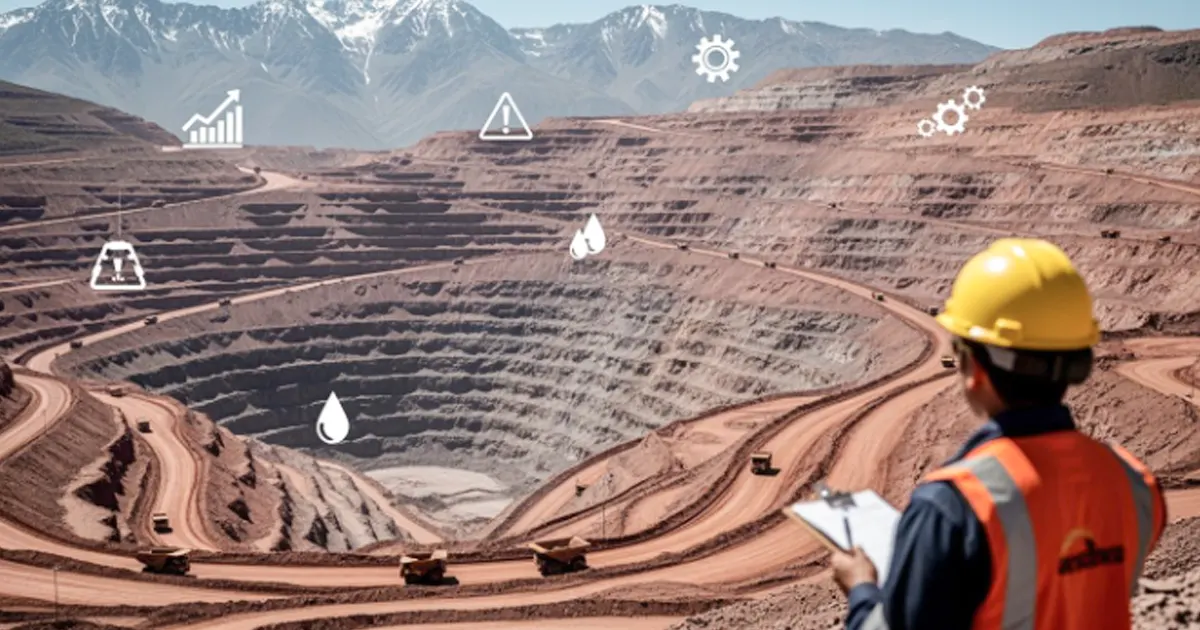
Understanding the key trends and challenges in Chile copper mining helps explain where the industry is heading and why efficient processing solutions matter more than ever.
Key Takeaways
- Chile makes more copper than any other country. It gives about 27-30% of all the copper in the world. Copper mining is very important for Chile’s economy. It makes up 10-15% of the country’s GDP. It is also almost half of what Chile sells to other countries.
- People want more copper now. This is because of electric cars and clean energy. This means mining must be done in a way that does not hurt the planet.
- New technology helps make mining safer and faster. Things like machines and smart computers help a lot.
- There is not enough water for mining. So, using saltwater and cleaning used water is very important.
- More money is going into mining projects. Most of this money is used to make old mines better, not to build new ones.
- There are not enough trained workers. Companies need to teach and train people for these jobs.
- Mining companies must also care about nature and people. They need to talk to people who live nearby and follow the rules.
Chile Copper Mining in the Global Market
Leading Producer Status
Chile is the top country for copper mining. It makes more copper than any other country. Look at this table to see how much copper each country makes:
| Country | Annual Copper Production (Metric Tons) |
|---|---|
| Chile | > 5 million |
| China | 1.0 – 1.5 million |
| Peru | 1.0 – 1.5 million |
| United States | 1.0 – 1.5 million |
| Australia | 1.0 – 1.5 million |
Chile makes about 27–30% of all the copper in the world. That is a really big part! The Escondida mine is in the Atacama Desert. It is the biggest copper mine in the world. This mine gives about 5% of the world’s copper. When you look at the numbers, you can see Chile is the leader.
Economic Impact and Export Role
Copper is very important for Chile’s economy. The numbers show why it matters so much. Copper mining gives Chile about 10–15% of its GDP. It is also almost half of what Chile sells to other countries. Here is a table to help you see:
| Economic Indicator | Contribution | Details |
|---|---|---|
| GDP Contribution | 10–15% | Direct and indirect jobs, services, and industries |
| Export Revenue | ~50% | Copper is almost half of Chile’s exports |
- In 2024, Chile sent out about US$31.3 billion in copper ores and concentrates.
- Copper exports give Chile more than half of its money from selling goods.
If you work in copper mining, you know these numbers are important. They help leaders make choices for the country and for companies.
Supply Chain Importance
Copper is used in many things you use every day. You can find it in smartphones, laptops, and tablets. It is also in electric cars and green energy systems. Chilean copper helps car makers make cleaner cars. It also helps build things for clean travel.
- Copper is needed for solar panels and wind turbines. It helps move electricity well.
- More people want green energy, so copper is needed even more.
- Experts think copper demand could be twice as much by 2035 as countries try to be cleaner.
- Copper is also used in data centers and cloud services, which help technology grow.
You can see that Chile copper mining is important for the world. It helps many industries and supports a cleaner future.
Key Trends in Chilean Copper Mining
Demand and Market Dynamics
Copper is needed more every year. This change shapes the future of chile copper mining. Many things make this happen. Let’s see what is going on now:
- Electric vehicles use more copper than normal cars. More people buy electric cars, so copper demand goes up.
- Renewable energy, like solar panels and wind turbines, needs a lot of copper. Smart grids also need copper to move power.
- Chilean copper mines use better ways to protect nature. This helps the world get enough copper.
- New technology helps mines work faster and safer. It also helps them make more copper.
- Chile sends copper to more countries now. This keeps the market steady and lowers risk.
- Mining companies help local people. They build trust and support towns near the mines.
These trends change chile copper mining and the world market. If you work in mining, you know it is important to watch these changes.
Technology and Innovation
Technology changes how copper is mined. It helps fix problems and make work better. Let’s look at some new tools and ideas.
Automation and Digitalization
Many chilean mines use smart machines and computers. These tools help people work faster and safer. Here is a table with some top new ideas:
| Innovation Type | Description |
|---|---|
| AI-driven Monitoring | Keeps workers safe and follows rules. |
| Machine Learning | Helps you guess where to find more copper. |
| Advanced Drones | Makes mining jobs quicker and easier. |
| Autonomous Equipment | Works well in tough places where people cannot go. |
| Smart Analytics Platforms | Gives you real-time data to boost extraction rates. |
You might see electric trucks and long conveyor belts at mines. These move rocks and ore using less fuel. Big desalination plants give mines enough water to keep working.
Energy Efficiency Solutions
Saving energy is very important in chilean copper mining. Mines want to spend less and help the planet. Here are some ways they do this:
- Use electric trucks instead of diesel ones.
- Put in conveyor systems to move things better.
- Set up water recycling to use less fresh water.
- Try solar or wind power to run the mine.
These changes help mines save money and work better. They also make the mine better for the future.
Sustainability Initiatives
The environment matters a lot. Chilean copper mining companies now care more about nature. They want to help people and protect the land.
Water Scarcity and Desalination
Water is hard to find in many mining places. Mines need lots of water to work. Here is how they fix this problem:
| Method | Description |
|---|---|
| Desalination Plants | Turn seawater into fresh water. Pump it over 100 km inland to the mines. |
| Water Recycling | Reuse up to 85–90% of water in mining. This saves fresh water for others. |
More desalination plants are built every year. These plants help mines keep working when water is low.
Emissions and Green Energy
Cutting emissions is a big goal for chilean mining. Mines want to meet government rules and help the earth. Here is what companies do:
| Strategy/Technology | Description |
|---|---|
| Advanced Desalination and Recycling | Make sure there is enough water and use less local water. |
| Autonomous and Electric Mining Fleets | Use electric trucks and machines to cut fuel use and emissions. |
| Transition to Renewable Energy | Many mines now use only renewable energy. This cuts emissions to zero. |
- Using renewable energy helps reach the 2050 carbon goal.
- Companies now try to lower their total impact on nature, not just use less energy.
These steps make chilean copper mining better for the planet. They also help with future problems.
Investment and Project Pipeline
You might ask how much money is spent on chile copper mining. The answer is a lot! Chile plans to spend USD$ 104.5 billion in the next ten years. This is about USD$ 21 billion more than last year. The amount has grown for two years in a row. This shows the industry has a strong future.
Here is where the money goes:
- Most of the money, about 81%, goes to brownfield projects. These projects make old mines bigger or better.
- Collahuasi and Escondida are getting big upgrades. These mines are known for making lots of copper.
- Companies want to improve what they have instead of starting new mines.
Financing Challenges
Getting money for new mines is not always simple. There are many problems when you want to start or grow a mine in Chile. Here are some main issues:
- Copper prices can change fast. This makes it hard to plan or get money.
- Water is hard to find, especially in dry places. You need smart ideas to keep working.
- New rules or delays can slow down your project. It is hard to plan for the future.
- You must earn trust from local people. This helps your project keep going.
- If your machines break, you lose time and money. You also need to follow environmental rules.
Financing is not just about money. It is also about handling risks and building trust.
Upcoming Copper Projects
Chile has new projects coming soon. These will help meet world demand and support green goals. Look at this table to see what is coming:
| Project Name | Company | Expected Launch/Expansion | Production Capacity (t/y) | Notes |
|---|---|---|---|---|
| Quebrada Blanca Phase 2 | Teck | 2024 – 2026 | 285,000 – 315,000 | Flagship project, big potential for future growth. |
| Los Pelambres Expansion | Antofagasta | 2024 | Increased capacity | Uses desalinated water, helps with drought challenges. |
| Centinela Expansion | Antofagasta | N/A | Close to 900,000 | Second concentrator boosts production at both sites. |
| Mantoverde Development Project | Capstone Copper | Late 2023 | Up to 45,000 | Switches to sulphide mining, may extend mine life. |
| Various Development Activities | Codelco | N/A | N/A | Ongoing projects add to copper production growth. |
| 13 Projects for 2026 | Various | 2026 | 500,000 | Big investment, helps with global supply concerns. |
These projects show chilean mining is still growing. You will see more copper, better tools, and more care for nature.
Human Capital in Chilean Mining
People are very important in every mine. Right now, Chile does not have enough skilled workers. There are big gaps in processing and safety jobs. Companies try hard to find the best workers.
Here is what is happening with workers:
- There are not enough skilled people. This makes it hard to fill important jobs.
- Pay has gone up by 18% because companies need special skills.
- More experts are needed for processing and safety.
If you want to work in mining, now is a good time to learn. The industry needs people for operations, monitoring, and green jobs. You can help shape the future of chile copper mining.
Challenges Facing Chilean Copper Mining
Declining Ore Grades
You might notice that copper mines in Chile do not find as much copper in each ton of rock as they did before. This is what people call declining ore grades. When the ore grade drops, you need to move and process more rock to get the same amount of copper. This means you use more energy and water. You also spend more money on every ton of copper you produce.
This challenge has a direct impact on profitability. Lower ore grades make it harder for mines to maintain strong returns, so operators need to work more efficiently and rely on better technology to stay competitive. When copper prices fall, the pressure becomes even greater. That is why many mining teams pay close attention to costs and look for practical ways to improve performance. More operations are also monitoring each stage of the process to find opportunities to save energy, reduce waste, and control operating expenses.
Lower ore grades also slow down production. You need to process more material, which means more wear on your machines. This can lead to more breakdowns and higher repair bills. If you want to stay ahead, you must invest in new tools and smarter ways to work. The future of chile copper mining depends on how well you handle this challenge.
Water and Energy Constraints
Water and energy are two big challenges for chilean mining. Most copper mines sit in dry places where water is hard to find. You need water to process copper, but you also need to protect the environment. Here is a quick look at the main water and energy issues:
| Key Challenges | Description |
|---|---|
| Water Scarcity | Big problem in the northern deserts. Mines use seawater and recycling to cope. |
| Energy Consumption | Mines need lots of power. Many use renewable energy to cut costs and emissions. |
| Sustainable Practices | Mines use environmental management systems to meet rules and improve efficiency. |
You might wonder how much water mining really uses. Mining takes less than 4% of all water in Chile, and about 75% of that water gets used again. Still, you need to find new ways to save water. Many mines now use desalination plants to turn seawater into fresh water. Closed-loop recycling systems help you use the same water over and over.
Here are some steps you can take to handle these constraints:
- Manage water carefully, especially in dry areas.
- Use closed-loop systems to cut down on water use.
- Make sure you follow environmental rules at every stage.
Energy is another big cost. Mines use a lot of electricity to crush rock and move ore. Many companies now use solar and wind power to help with sustainability. This helps you save money and protect the planet. If you want your mine to last, you need to focus on smart energy use and strong environmental practices.
Operational Costs and Equipment Wear
Running a copper mine costs a lot. You pay for workers, machines, fuel, and repairs. When ore grades drop, you need to move more rock, which means your machines work harder and break down more often. This leads to higher costs and more downtime.
You also face tough conditions in the desert. Dust, heat, and hard rock can wear out your equipment fast. If you do not keep up with maintenance, you risk losing days of production. You need to plan for regular checks and quick repairs. Good monitoring helps you spot problems early and keep your machines running.
Here are some tips to control costs and reduce wear:
- Use strong, reliable machines built for tough jobs.
- Train your team to spot problems before they get big.
- Invest in new technology that helps you track equipment health.
- Look for ways to recycle parts and materials.
If you want your mine to stay competitive in the global market, you must keep costs low and machines in top shape. Smart investment in equipment and people will help you meet future challenges and keep your operations running smoothly.
Environmental and Social Pressures
You face more than just technical problems in copper mining. You also deal with environmental and social pressures every day. People want you to protect nature and respect local communities. These pressures shape how you run your mine.
Many people worry about dust, noise, and water use. They want you to keep the air and water clean. You must follow strict rules from the government. If you do not, you can lose your mining license. You also need to talk with local groups and listen to their concerns.
Here are some common environmental and social challenges you might see:
- People worry about water shortages near mines.
- Dust and noise can bother people who live close by.
- Mining can change the land and hurt plants and animals.
- Local communities want jobs and support from mining companies.
You can build trust by working with local leaders. You can also help schools and health centers. When you show respect, you build strong relationships. This helps your mine last longer.
Tip: If you want to keep your mine running, focus on sustainability. Use less water, recycle more, and protect the land. This helps both your business and the planet.
Financing and Investment Barriers
Money is a big part of mining. You need a lot of cash to start or grow a mine. Right now, getting money is harder than before. Investors want to see safe and steady returns. They also want you to follow environmental rules.
You might face these barriers when you look for money:
- Copper prices go up and down. This makes investors nervous.
- New laws can change how much tax you pay.
- Projects can take years to finish. This means you wait a long time for profits.
- You must spend more on safety and the environment.
- Banks and investors want proof that you can handle risks.
If you want to attract money, show that you have a strong plan. Share how you will manage risks and follow the rules. You can also look for partners who share your values.
Here is a table to help you see the main barriers and possible solutions:
| Barrier | Solution |
|---|---|
| Price swings | Use long-term contracts |
| New regulations | Work with legal experts |
| High upfront costs | Find joint venture partners |
| Social opposition | Build community partnerships |
You can overcome these barriers with good planning and open communication.
Workforce and Skills Shortage
You need skilled people to run a mine. Right now, there are not enough workers with the right skills. This shortage is a big problem for chilean mining. You might find it hard to fill jobs in processing, safety, and technology.
Here is what you might see:
- Fewer young people want to work in mining.
- Many workers are close to retirement.
- New technology needs special training.
- Pay is rising because companies compete for talent.
You can solve this by training your team and working with schools. Offer internships and scholarships. Show young people that mining can be a good career. When you invest in people, you build a strong future for your mine.
Note: The global demand for copper keeps growing. If you want to stay ahead, focus on building a skilled and happy workforce.
Impact on Ore Processing and Plant Efficiency
Crushing and Screening Challenges
Crushing and screening are the first steps in getting copper from rock. You break big rocks into smaller pieces. Then you sort them by size. This sounds simple, but it brings many challenges.
Equipment Wear and Maintenance
Your machines work hard every day. They crush tough rocks and run for long hours. This causes a lot of wear and tear. You need to check your equipment often. If you do not, you might face sudden breakdowns. That means lost time and higher costs. You can keep your machines running by planning regular maintenance. Change worn parts before they break. Train your team to spot problems early. This helps you avoid big repairs and keeps your plant running smoothly.
Screen Media Selection
You use screens to sort crushed rock by size. Picking the right screen matters a lot. If you choose the wrong one, you might get blockages or lose copper. Some screens last longer than others. Rubber screens can handle wet material. Metal screens work well with dry, hard rock. You should match the screen to your ore and conditions. This helps you get more copper and reduces downtime.
Processing Lower-Grade Ores
Lower-grade ores mean you get less copper from each ton of rock. You need to process more material to get the same amount of copper. This uses more energy and water. It also puts more stress on your machines. You must find ways to work smarter. Try using better technology to separate copper from waste. Use sensors to check ore quality in real time. This helps you adjust your process and save resources. When you handle lower-grade ores well, you stay competitive in the global market.
Plant Optimization Strategies
You want your plant to run as efficiently as possible. There are smart ways to do this:
- Recycle and reuse process water with closed-circuit treatment systems. This can cut water use by up to 40%. You save money and help protect the environment.
- Use integrated monitoring systems. These tools let you watch every part of your plant. You can spot problems early and fix them fast. This makes your plant safer and more efficient.
- Train your team to use new technology. Skilled workers can get the most out of your machines.
- Keep good records of your plant’s performance. Look for patterns and make changes to improve results.
Tip: Small changes can make a big difference. When you focus on plant optimization, you use less energy, save water, and lower costs. This helps your mine stay strong for years to come.
Chilean Copper Mining Companies and Competitiveness
Major Industry Players
When you look at chilean copper mining companies, you see some big names. These companies lead the industry and show others what to do. You probably know about Codelco. It is the biggest copper producer in the world. The Chilean government owns Codelco. Codelco runs very large mines like Chuquicamata and El Teniente. BHP is another big company. BHP runs the Escondida mine. Escondida is the largest copper mine on Earth. Antofagasta Minerals is also important. This company owns Los Pelambres and Centinela. Anglo American and Glencore are big too. They both have mines in Chile. These chilean copper mining companies use new technology and care about nature.
Here’s a table that shows the top copper mining companies in Chile:
| Company Name | Major Mine(s) | Ownership Type |
|---|---|---|
| Codelco | Chuquicamata, El Teniente | State-owned |
| BHP | Escondida | Private |
| Antofagasta Minerals | Los Pelambres, Centinela | Private |
| Anglo American | Los Bronces | Private |
| Glencore | Collahuasi | Private |
These chilean copper mining companies want to stay ahead. They use smart machines and green energy. They also care about safety and help local people.
Regional Competition
You might wonder how chilean copper mining companies compare to others nearby. Peru is a strong rival. Peruvian copper mining companies like Southern Copper and Freeport-McMoRan have big mines too. But chilean copper mining companies still make more copper every year.
Copper mining companies in other countries have different problems. Some have strict rules or unstable governments. Chile is a safe place for copper mining companies to grow. This helps chilean copper mining companies get more money and good workers.
Here are some ways chilean copper mining companies stay strong:
- They start new projects and make old mines bigger.
- They use renewable energy to save money.
- They train workers and help local towns.
- They focus on safety and protecting nature.
If you work for chilean copper mining companies, you know the competition is tough. You must keep getting better to stay number one.
Tip: Watch what other copper mining companies do. Learn from what works and what does not. This helps your company stay strong.
Future Outlook for Chilean Mining
You might ask what will happen next for chilean copper mining companies. The future looks good, but there will be new problems. People want more copper every year. Electric cars and green energy need lots of copper. This means copper mining companies must find ways to make more copper.
Chilean copper mining companies plan to use more technology. They want to use more robots and computers. This helps them work faster and safer. You will see more copper mining companies using solar and wind power. This cuts pollution and saves money.
The government helps chilean copper mining companies by making clear rules. This helps copper mining companies plan for, and build, the future. You will see more teamwork between chilean copper mining companies and local people. These teams build trust and create jobs.
Here is what you can expect:
- More money spent on green technology.
- New projects to use lower-grade ores.
- Better training for workers.
- More focus on safety and nature.
If you want to work with chilean copper mining companies, now is a great time. The industry needs smart people who care about the future. You can help shape the next chapter for copper mining companies in Chile.
Conclusion
Chile’s copper mining future depends on solving today’s problems. There is not enough water, energy costs are high, and there are not enough workers. These problems mean you must find new ways to work. Here are some ideas to save water:
| Solution Type | Description |
|---|---|
| Desalination plants | These plants send water through long pipes to mines. |
| Closed-loop water recycling systems | These systems clean and reuse water many times. |
| Seawater use for processing | Using seawater helps save fresh water for other uses. |
You can also work better by using computers and smart tools. Try using green energy like solar or wind power. Make sure everyone follows good safety rules. If you are ready to try new things, you can help make mining in Chile even better.
FAQ
What makes Chile the top copper producer?
Chile has a lot of copper in the ground. The country uses new mining technology. Big companies spend lots of money here. The government is stable and helps mining.
Why is water so important in Chilean copper mining?
Mines need water to get copper from rocks. Many mines are in dry deserts. They must find ways to save and reuse water. Desalination plants and recycling help a lot.
How do mining companies handle environmental concerns?
Companies use green energy and recycle water. They work with local people to protect nature. Mines follow strict rules to keep the land safe.
What jobs can you find in Chilean copper mining?
You can be a machine operator or engineer. You can work as a safety expert or environmental specialist. Many jobs need special training. The industry always needs skilled workers.
How do companies deal with lower ore grades?
They process more rock to get the same copper. Companies use better machines and smart technology. This saves energy and money.
Is copper mining in Chile safe for workers?
Most companies focus on safety. They train workers and use modern equipment. Everyone must follow safety rules every day. This keeps people safe.
What is the future of copper mining in Chile?
You will see more technology and green energy. Companies plan to use robots and smart tools. The industry wants to protect nature and create new jobs.