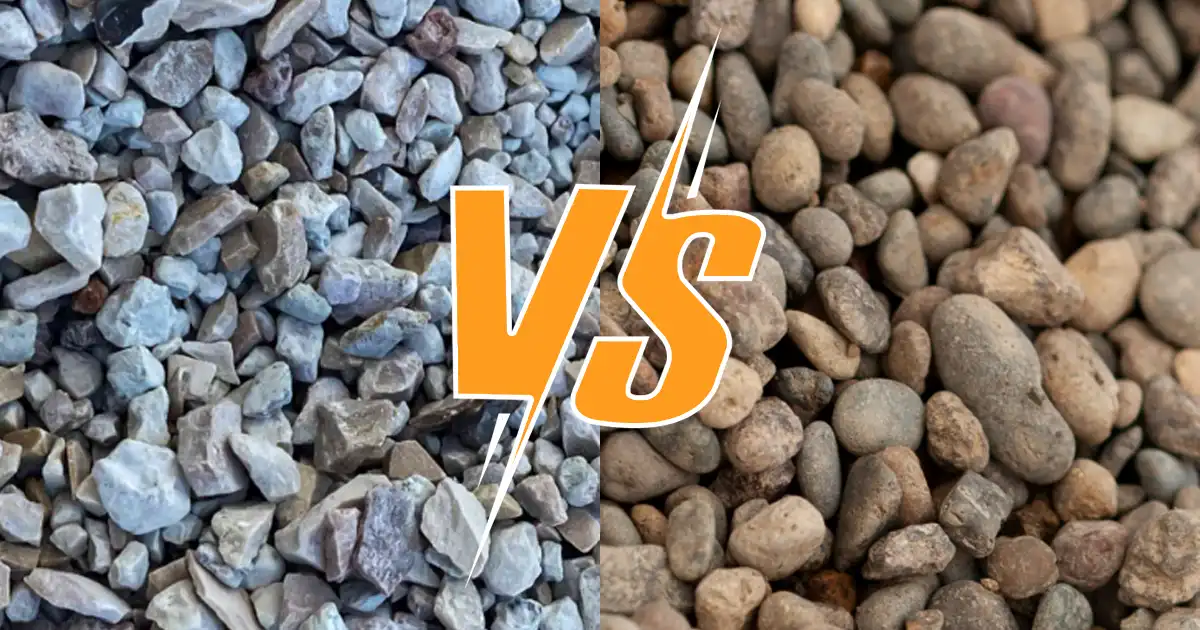
You may ask what makes crushed stone vs gravel different. Crushed stone and gravel are not the same shape or texture. This difference changes how well you can build a strong base for roads or patios. Crushed stone vs gravel is important when you need the ground to stay firm under heavy things. Gravel is better for letting water drain away. Both crushed stone and gravel help make a strong base. The main differences between crushed stone vs gravel change how long your project lasts and how water moves.
Key Takeaways
- Crushed stone is made by breaking big rocks into sharp pieces. Gravel forms in nature and has smooth, round stones.
- Pick crushed stone for strong bases like roads and driveways. It fits together well and holds heavy things.
- Gravel works best for draining water and for pretty yards. Water moves easily between the stones.
- Pea gravel is a kind of gravel that is small and smooth. It is great for walkways and playgrounds where you want comfort.
- Different places use different names, so check with suppliers. This helps you not get confused about what you buy.
- For good drainage, use bigger gravel or crushed stone. They let water move better than small stones.
- When you pick materials, think about what your project needs. You should think about strength, drainage, and how it looks.
- Plan ahead and ask questions to avoid mistakes. This will help your project turn out well.
Definitions
Crushed Stone
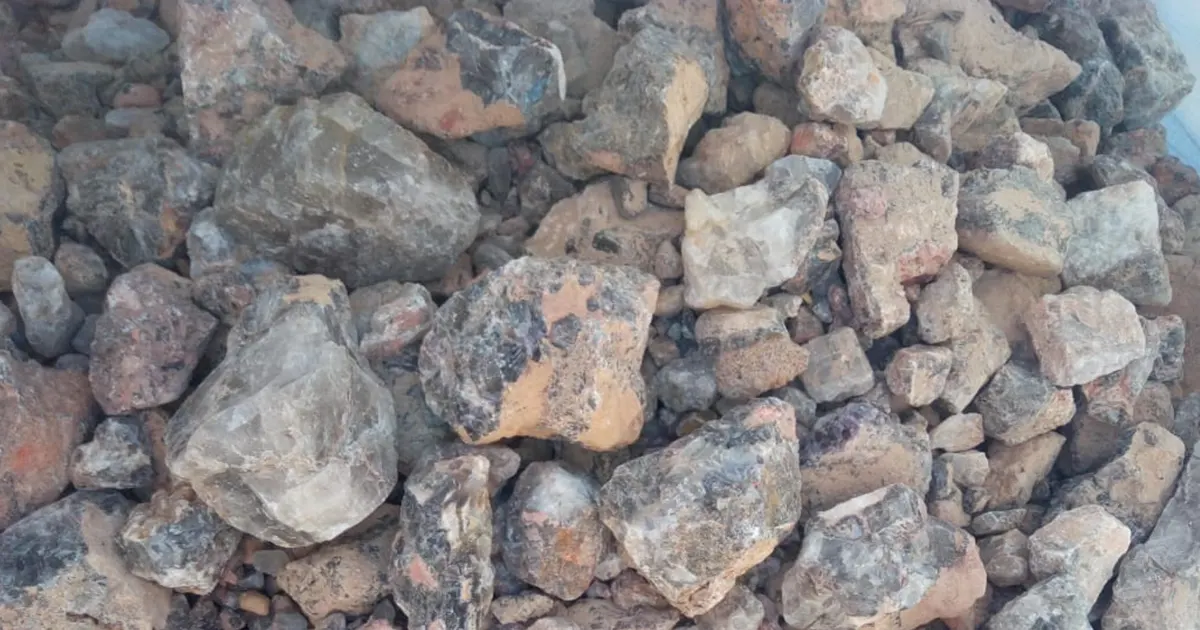
You might see crushed stone almost everywhere. Construction crews use it to build roads, driveways, and strong foundations. Crushed stone comes from breaking down larger rocks into smaller, sharp pieces. You get a rough texture and angular shape. This makes crushed stone perfect for projects where you want the ground to stay firm and not shift. If you walk on a path made with crushed stone, you feel the crunch under your feet. Builders love crushed stone because it locks together well and supports heavy loads. You can find crushed stone in many sizes, from tiny chips to big chunks. The US Geological Survey says crushed stone is made by crushing bigger stones into smaller pieces. You can use crushed stone for drainage, but it works best when you need strength.
Tip: Crushed stone is ideal for driveways and road bases because it packs tightly and stays in place.
Gravel
Gravel is a natural material. Rivers and streams shape gravel over time. You get smooth, rounded stones that feel comfortable underfoot. Gravel comes in many sizes, from fine gravel to coarse gravel. The industry groups gravel by size: fine gravel is bigger than 2mm but smaller than 6.3mm, medium gravel is up to 20mm, and coarse gravel can reach 63mm. Gravel works well for drainage because water flows easily between the stones. You might use gravel for garden paths, landscaping, or under concrete slabs. Gravel does not pack as tightly as crushed stone, so it is better for places where you want water to move away. If you want a softer look for your yard, gravel is a great choice.
- Gravel is perfect for decorative projects.
- You can use gravel for French drains and walkways.
Pea Gravel
Pea gravel is a special kind of gravel. You get small, round stones that look like peas. Pea gravel usually measures between 2mm and 6.3mm. You can use pea gravel for pathways, playgrounds, and garden beds. The smooth texture feels nice if you walk barefoot. Pea gravel does not stick together like crushed stone, so it stays loose. You can spread pea gravel easily and move it around if you need to. Many people use pea gravel for decorative purposes because it looks neat and tidy. Pea gravel also helps with drainage, making it a smart choice for areas where you want water to flow away.
| Type of Material | Definition |
|---|---|
| Fine Gravel (Pea Gravel) | Gravel size greater than 2mm but less than or equal to 6.3mm. |
| Medium Gravel | Gravel size larger than 6.3mm but smaller than or equal to 20mm. |
| Coarse Gravel | Gravel consisting of particles measuring between 20mm and 63mm. |
| Pea Gravel | Small, rounded stones with a smooth texture, suitable for pathways and decorative purposes. |
| Crushed Stone | Gravel grade made by crushing larger stones into smaller, angular pieces, ideal for roads and construction projects. |
Note: Pea gravel is easy to handle and looks great in flower beds or around patios.
Regional Naming
You might think crushed stone and gravel always mean the same thing everywhere. That’s not true. People in different parts of the country use different names for these materials. Sometimes, you hear the same word, but it means something else. This can get confusing if you’re planning a project or talking to suppliers.
Let’s look at some common naming differences:
- East Coast vs. Midwest: On the East Coast, you often hear “crushed stone” for angular rocks used in construction. In the Midwest, people sometimes call the same material “gravel,” even though it’s crushed and not rounded.
- Southern States: In the South, “crusher run” is a popular term. It means a mix of crushed stone and stone dust. You use it for driveways and road bases. If you ask for “gravel,” you might get something different.
- West Coast: Out West, “gravel” usually means natural, rounded stones from riverbeds. “Crushed rock” is the term for angular, machine-made stones.
Tip: Always ask your supplier for a sample or a photo. Names change, but the look and feel of the material tell you what you’re getting.
Here’s a quick table to help you spot the differences:
| Region | Common Name | Description |
|---|---|---|
| East Coast | Crushed Stone | Angular, machine-made, used for roads |
| Midwest | Gravel | Sometimes angular, sometimes rounded |
| South | Crusher Run | Mix of crushed stone and fines |
| West Coast | Gravel | Natural, rounded river stones |
| West Coast | Crushed Rock | Angular, machine-made |
You might also hear names like “pea gravel,” “river rock,” or “stone aggregate.” These names depend on size, shape, and where the material comes from. Pea gravel stays pretty consistent. It means small, round stones, no matter where you live.
If you’re working on a project, you need to know these naming differences. You don’t want to order “gravel” and get crushed stone when you need smooth, rounded rocks. You also don’t want to ask for “crusher run” and get plain gravel. The wrong material can change how your project turns out.
Some suppliers use technical terms like “aggregate” or “base material.” These names sound fancy, but they just mean stone used for construction. If you’re not sure, ask questions. Show pictures. Describe what you need. Suppliers like it when you’re clear.
Note: Regional naming can affect price and availability. If you know the local terms, you can save time and money.
You can avoid mistakes by learning the names in your area. You can also check with local builders or landscapers. They know what works best and what names to use. When you understand the regional naming, you make smarter choices for your project.
Crushed Stone vs Gravel Comparison
Origin
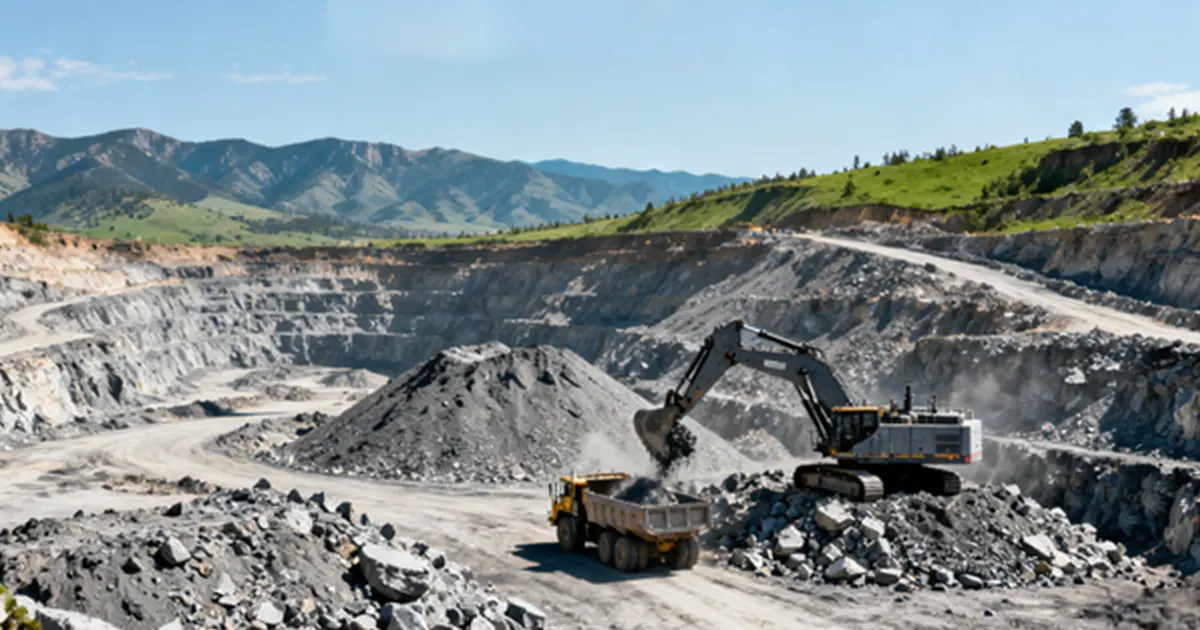
You might wonder where crushed stone and gravel come from. The answer starts with how each material forms. Crushed stone does not happen by itself in nature. Workers mine big rocks from quarries and then crush them into smaller, sharp pieces. This process gives you a product made for construction and landscaping.
Gravel forms in a very different way. Water shapes gravel over many years. Rivers and streams move rocks along, rubbing them together until they become smooth and round. You find gravel in riverbeds or old glacial deposits. Pea gravel is a type of gravel that forms in the same way, but the stones are much smaller and rounder.
Here’s a quick table to help you see the difference:
| Material | Formation Process | Characteristics |
|---|---|---|
| Crushed Stone | Created by mining and crushing rock into angular pieces | Commercial product, angular shape |
| Gravel | Formed through water transport, resulting in rounded shapes | Natural material, rounded shape |
You can see that crushed stone is made by people, while gravel is shaped by nature. Pea gravel is just a smaller, smoother version of regular gravel.
Shape and Texture
The way crushed stone and gravel look and feel makes a big difference in how you use them. Crushed stone has sharp edges and a rough surface. You get this texture because machines break the rocks apart. The pieces fit together tightly, which helps when you need a strong base.
Gravel feels much smoother. Water has rolled these stones around for years, so they lose their sharp edges. When you pick up a handful of gravel, you notice the round shapes and polished surfaces. Pea gravel is even smoother and smaller. It feels almost soft in your hand, which makes it great for playgrounds or garden paths.
The production method changes the shape and texture. Crushing rocks gives you angular pieces with rough surfaces. Nature’s process, like water rolling stones, creates rounded gravel with smooth surfaces. Experts use special tools to measure how angular or smooth each piece is. These details matter when you choose a material for your project.
Tip: If you want a surface that packs tight and stays put, choose crushed stone. For a softer look and feel, go with gravel or pea gravel.
Compaction
Compaction means how well the material packs down and stays in place. Crushed stone does a great job here. The sharp, angular pieces lock together when you press them down. This makes a solid base for roads, driveways, or patios. You can walk or drive on crushed stone, and it will not shift much.
Gravel does not compact as tightly. The round stones roll over each other, so they do not lock together. This makes gravel better for places where you want water to drain away, like French drains or garden beds. Pea gravel is the loosest of all. The tiny, round stones move around easily. You can rake or spread pea gravel without much effort, but it will not stay put under heavy use.
Here are some quick points to remember:
- Crushed stone compacts well and makes a strong base.
- Gravel allows water to flow and does not pack as tightly.
- Pea gravel is easy to move but does not hold its shape under pressure.
Note: If you need a driveway or a patio that lasts, crushed stone is your best choice. For decorative areas or drainage, gravel and pea gravel work better.
Drainage
You want your project to handle water well. Drainage matters for driveways, patios, and garden beds. If water sits on the surface, you get mud, puddles, and damage. Both crushed stone and gravel help water move, but they do it in different ways.
Crushed stone drains fast. The angular shape creates spaces between the pieces. Water flows through these gaps and leaves the surface dry. You see crushed stone used under roads and in drainage trenches. Builders like crushed stone because it stays stable and does not shift when wet. The interlocking edges keep the base strong, even after heavy rain.
Gravel also lets water pass through. The rounded stones leave big spaces for water to move. You find gravel in French drains and garden paths. Natural gravel works well for drainage because it has strong perviousness. If you use larger gravel, water moves quickly. Smaller gravel slows the flow because the spaces get tighter. You need to pick the right size for your project.
Studies show that crushed stone has higher permeability than gravel. The sharp edges and interlocking shapes make crushed stone more effective for drainage. Gravel works well, but its drainage rate drops as the stones get smaller. You need to check the gradation before you buy gravel. If you want fast drainage, choose larger gravel or crushed stone.
Tip: For areas with heavy rain or poor soil, use crushed stone for drainage. If you want a softer look, pick larger gravel. Avoid fine gravel in wet spots because it slows water down.
Here’s a quick comparison:
| Material | Drainage Rate | Best Use |
|---|---|---|
| Crushed Stone | High | Road bases, trenches |
| Large Gravel | Good | French drains, gardens |
| Small Gravel | Moderate to Low | Decorative beds |
You can see that crushed stone works best for drainage and stability. Gravel gives you options for looks and water flow. Always match the material to your project needs.
Aggregate Grading and Fines
Grading Differences
Not all crushed stone and gravel look alike. The size and mix of pieces are important. Grading tells you how many big, medium, or small pieces are in a batch. You can check grading with a sieve test. This test sorts the material by size and shows if it meets rules like ASTM or EN.
Here’s a table showing common grading types:
| Gradation Type | Description |
|---|---|
| Dense or well-graded | Near maximum density; used in hot mix asphalt designs in the U.S. |
| Gap graded | Few mid-size particles; can separate during placement. |
| Open graded | Few small particles; more air spaces, flat curve in small-size range. |
| Uniformly graded | Most particles are similar in size; steep curve, narrow size range. |
You can tell crushed stone and gravel apart by their grading curves. Crushed stone usually has a dense or well-graded mix. Gravel can be open graded or uniformly graded, depending on where it comes from.
Tip: For a strong driveway base, pick dense graded crushed stone. For better drainage, open graded gravel is best.
Fines Content
Fines are tiny pieces that fill spaces between bigger stones. Both crushed stone and gravel have fines, but the amount changes. Too many fines can cause trouble. In concrete or asphalt, lots of fines make the mix weaker.
Here’s a quick look at how fines affect mixes:
| Finding | Description |
|---|---|
| Adverse Influence | More fines reduce compressive and tensile strength in stabilized gravel soil. |
| Mixture Design | New models help predict strength based on fines content, so you need to control it. |
If you use crushed stone with lots of fines, your base may pack tight but not last long. Gravel with too many fines can wash away or make mud. You want just enough fines to help the stones lock together, but not so much that it weakens the mix.
- High air spaces in asphalt can make the surface harden too fast.
- Ravelling and loss of fines happen more with some gravel types.
Impact on Performance
Grading and fines change how your project works. If you pick crushed stone with the right grading, you get a strong, long-lasting base. Gravel with good grading helps water drain and stops ruts from forming.
Research shows grading affects how roads handle water and rutting. Bigger stones in stone mastic asphalt mean less rutting and longer life. Open graded gravel drains well but may need extra care to keep fines from washing away.
| Study | Findings |
|---|---|
| Sangsefidi et al. | Grading affects moisture and rutting resistance in asphalt. |
| Hafeez et al. | Larger aggregates in stone mastic asphalt lower rut values. |
| Kim et al. | Fineness of grading influences rutting, especially for low traffic roads. |
You can see grading and fines are not just technical stuff. They decide how well crushed stone and gravel work in your project. If you want a driveway that lasts or a path that drains, pay attention to grading and fines.
Note: Always ask your supplier about grading and fines. The right mix makes your project stronger and last longer.
Uses in Construction and Landscaping
Structural Applications
You want your project to last a long time. You need a strong foundation for roads, driveways, and patios. Gravel and pea gravel help build solid bases. Different sizes work for different jobs. Crushed stone is used in big projects like road bases and concrete mixes. Builders use #1 Stone for drainage and as a base for large jobs. #2 Stone is good for roads and drainage systems. #3 Stone helps stop erosion and supports heavy pavements. #57 Stone is found in driveways, septic systems, and drainage projects. Gabion stone fills baskets for walls and landscaping. Bank run gravel and dense grade aggregate make strong bases for roads and parking lots.
Here’s a quick list of where these materials work best:
- Road base layers
- Driveway foundations
- Concrete mixes
- Erosion control
- Retaining walls
These materials keep your project stable and strong.
Decorative Applications
You want your yard or garden to look nice. Gravel and pea gravel make spaces pretty and easy to care for. Landscape architects pick materials by color, size, texture, and shape. Earth tones blend with nature. Bright colors stand out and catch your eye. Rough stones give better grip. Smooth stones feel good under your feet. Small stones are good for paths. Large stones support garden beds and borders. Angular stones pack tight for stability. Rounded stones drain well and feel soft.
Here’s a table to help you pick:
| Factor | Description |
|---|---|
| Color | Earth tones blend in; bright colors stand out |
| Texture | Rough surfaces give traction; smooth stones feel comfortable |
| Size | Small stones suit pathways; large stones support beds and borders |
| Shape | Angular stones pack tight; rounded stones drain well and feel soft |
Pea gravel is used for garden paths, playgrounds, patios, and flower beds. Pea gravel stays loose, so you can move it or change your design anytime.
Tip: Use pea gravel for areas where you want a soft look and easy drainage.
Drainage Solutions
Water can cause problems if you don’t plan for drainage. Gravel and pea gravel help water move away from your home or garden. #57 Stone is used for driveways and drainage. French drains need gravel at least 1 inch wide to guide water away. River rock works well for French drains and creek beds. Pea gravel is great for patios and around foundations because it lets water flow and feels nice. Decomposed granite fits plant beds and gardens.
Here’s a table with best ways to use gravel:
| Gravel Type | Recommended Size | Best Use Case |
|---|---|---|
| #57 Stone | ~¾ inch | Driveways, drainage |
| Gravel for French Drains | At least 1 inch | Directing water away |
| Pea Gravel | Small and smooth | Patios, around foundations |
| River Rock | At least 1 inch | French drains, creek beds |
| Decomposed Granite | Varies | Plant beds, gardens |
Note: Always use non-woven geotextile fabric under gravel to keep soil from mixing in.
The right materials solve drainage problems and keep your yard dry. Pea gravel works well for patios, playgrounds, and garden beds. You get comfort, style, and good drainage all together.
Screening and Processing
Screening Challenges
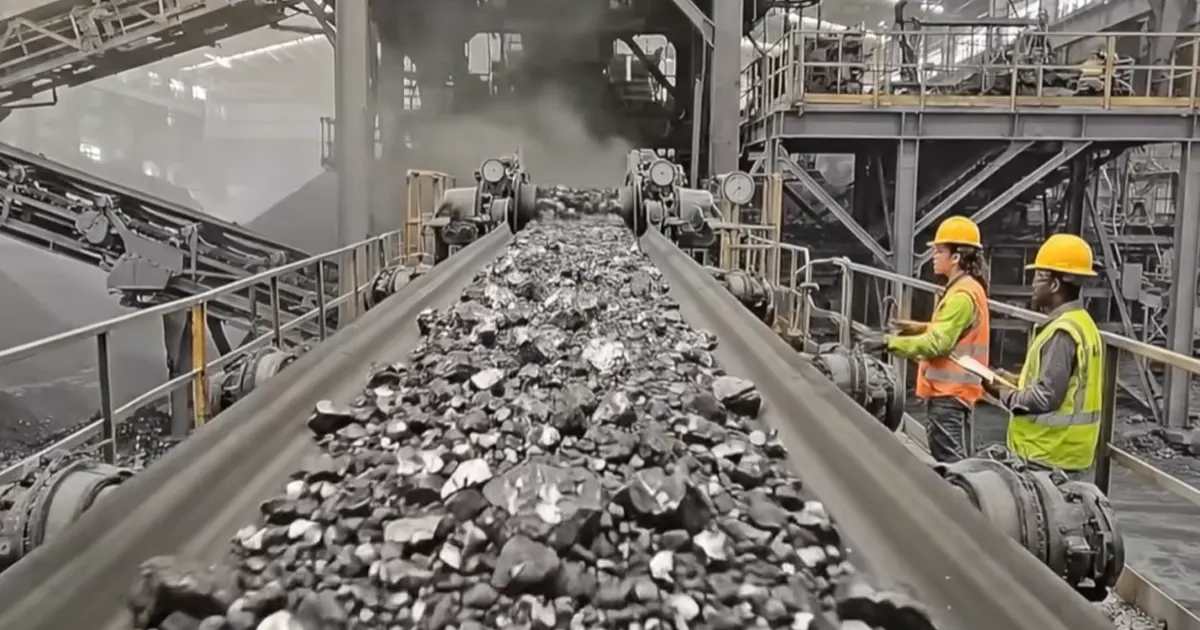
You face many challenges when you screen crushed stone and gravel. The material size changes fast. Sometimes you get big chunks, sometimes you see tiny particles. You need to separate these sizes to get the right product. If you use the wrong screen, you waste time and money. Woven Wire Screens work well for most crushed stone jobs. They handle sharp, angular rocks and keep the process moving. Gravel can be tricky. The round stones roll and bounce. You need screens that catch the right size without letting too much slip through. Self-Cleaning Screens help when you deal with sticky or wet gravel. They shake off the build-up and keep your operation running.
Tip: Always check the moisture level before you start screening. Wet material sticks and slows down your process.
Blinding and Wear
Blinding happens when material blocks the holes in your screen. Wear means the screen gets thin or breaks from too much use. You want to avoid both problems. Crushed stone is rough and sharp. It wears out screens faster than gravel. Gravel is smoother, but it can still cause blinding if you use the wrong screen media.
- Polyurethane and rubber screens handle wear and blinding differently. Polyurethane works well with abrasive materials. Rubber screens are thicker and last longer with bigger stones. They also cut down on noise.
- Engineered screen media fights premature wear and blinding. You can use these screens for heavy bed depths and abrasive fines.
- Rubber screens are best for large top sizes. They give you more durability and less noise than polyurethane.
If you want your screens to last, pick the right material for your job. PU-Mesh Screens work well for tough, abrasive stone. Woven Wire Screens are good for general use. Self-Cleaning Screens help when you deal with sticky gravel.
Throughput and Accuracy
You want your screening process to be fast and accurate. Throughput means how much material you process in a set time. Accuracy means you get the right size every time. If you use the wrong screen, you lose both speed and quality. Woven Wire Screens give you high throughput for crushed stone. They let sharp pieces pass quickly. PU-Mesh Screens offer great accuracy for fine materials. Self-Cleaning Screens keep your process steady when you handle sticky or wet gravel.
| Screen Media Type | Best For | Wear Resistance | Blinding Resistance | Throughput | Accuracy |
|---|---|---|---|---|---|
| Woven Wire Screens | Crushed Stone | Moderate | Moderate | High | Good |
| Self-Cleaning Screens | Wet/Sticky Gravel | Good | Excellent | High | Good |
| PU-Mesh Screens | Abrasive Stone | Excellent | Good | Moderate | Excellent |
| Rubber Screens | Large Gravel | Excellent | Good | Moderate | Good |
Note: Match your screen media to your material. You save time, reduce wear, and get better results.
You can solve screening problems by picking the right screen. You keep your process fast and your products clean. If you want help, ask your supplier for advice.
Screen Media Selection
Woven Wire Screens
You see woven wire screens in many aggregate operations. These screens use strong metal wires woven together to create a mesh. You can pick different mesh sizes for your job. Woven wire screens work well for both crushed stone and gravel. They give you strength and flexibility. You can change the mesh size if you need to screen different materials.
Here’s a quick look at the pros and cons:
| Advantages | Disadvantages |
|---|---|
| Strength | Potential clogging |
| Flexibility | Higher upfront costs |
| Long-lasting durability | Fewer customization options |
| Easy to change mesh sizes |
You get a tough screen that lasts a long time. Woven wire screens handle heavy loads and sharp rocks. You can use them for most crushed stone and gravel jobs. Sometimes, you may see clogging if the material is sticky or wet. The upfront cost can be higher than other screens, but you save money over time because they last longer.
Tip: If you want a reliable, all-purpose screen for most aggregate jobs, woven wire screens are a solid choice.
Self-Cleaning Screens
Self-cleaning screens make your life easier. These screens shake off sticky or wet material by themselves. You do not need to stop and clean them by hand. This means you spend less time on maintenance and more time working.
Let’s compare self-cleaning screens to traditional harp screens:
| Screen Type | Downtime Reduction for Cleaning | Maintenance Time Reduction | Manual Cleaning Requirement |
|---|---|---|---|
| Self-Cleaning Screens | 95% | 50% | No |
| Traditional Harp Screens | N/A | N/A | Yes |
You see a big drop in downtime and maintenance. Self-cleaning screens keep your operation running, even with tough materials like wet gravel or sticky crushed stone. You do not need to stop the machine to clean the screen. This helps you finish jobs faster and keeps your team safe.
Note: If you deal with wet or sticky material, self-cleaning screens help you avoid delays and keep your process smooth.
PU-Mesh Screens
PU-mesh screens use polyurethane, a tough and flexible material. These screens last much longer than traditional screens. In high-wear jobs, PU-mesh screens can last up to five times longer. You get better wear resistance and chemical stability. PU-mesh screens also resist blinding, which means fewer blockages.
Here’s why you might choose PU-mesh screens:
- They last longer in tough jobs.
- They help you recover more valuable minerals.
- They stay flexible and resist chemicals.
- They keep working even when material is sticky.
You can use PU-mesh screens for abrasive stone, heavy-duty gravel, or when you want less downtime. They cost more at first, but you save money because you do not replace them as often.
Tip: For high-wear or abrasive jobs, PU-mesh screens give you the best value and performance.
Selection Checklist
You want to pick the right screen media for your job. Here’s a simple checklist to help you make the best choice every time:
- Know Your Material
- Ask yourself: Is it crushed stone, natural gravel, or pea gravel?
- Check if the material is sharp, round, wet, or sticky.
- Look for the size range you need to separate.
- Think About Wear and Tear
- Crushed stone wears out screens faster because it’s sharp and rough.
- Gravel is smoother but can still cause damage if you use the wrong screen.
- PU-Mesh Screens last longer with abrasive stone. Woven Wire Screens work well for most jobs.
- Check for Blinding Problems
- Wet or sticky material can block your screens.
- Self-Cleaning Screens help keep things moving when you deal with mud or moisture.
- If you see build-up, switch to a screen that resists blinding.
- Decide on Throughput and Accuracy
- Do you need to process a lot of material fast? Woven Wire Screens give you high speed.
- Want perfect sizing? PU-Mesh Screens offer top accuracy.
- For most jobs, balance speed and accuracy based on your needs.
- Match the Screen to the Job
- Use Woven Wire Screens for general crushed stone and gravel.
- Pick Self-Cleaning Screens for wet or sticky loads.
- Choose PU-Mesh Screens for tough, abrasive stone or when you want less downtime.
- Think About Noise and Safety
- Rubber screens cut down on noise and last longer with big stones.
- Less noise means a safer, more comfortable work site.
- Plan for Maintenance
- Ask: How often do you want to change screens?
- PU-Mesh and rubber screens need less maintenance.
- Woven wire may need more checks but is easy to swap out.
Tip: Always talk to your supplier before you buy. Show them a sample of your material. Ask for advice on the best screen media for your job.
Here’s a quick reference table to help you decide:
| Question | Best Choice | Why? |
|---|---|---|
| Is your material sharp/abrasive? | PU-Mesh Screens | High wear resistance |
| Is your material wet/sticky? | Self-Cleaning Screens | Stops blinding |
| Need high speed? | Woven Wire Screens | Fast throughput |
| Want less noise? | Rubber Screens | Quieter operation |
| Need top accuracy? | PU-Mesh Screens | Precise sizing |
You can use this checklist every time you start a new project. It helps you avoid mistakes and keeps your operation running smooth. If you’re not sure, ask for help. The right screen media saves you time, money, and stress.
Cost and Environmental Impact
Material Costs
You probably want to know how much materials cost. Prices change based on where you live and how you buy. In the United States, imports cost about $16 per ton. If you export aggregates, the price goes up to $224 per ton. Shipping and handling make the price higher. Europe shows similar patterns, but local prices can be different. Always ask about the price per ton when you plan your project. You can save money if you buy a lot at once or pick a supplier nearby.
- Local suppliers usually cost less.
- Buying in bulk can save money.
- Exporting materials costs more.
Tip: Compare prices from different suppliers before you decide.
Processing Costs
You might wonder why some materials cost more. Processing is a big reason. Crushed stone costs more to make than gravel. Workers crush big rocks, screen them, and sort them by size. These steps add to the price. Gravel comes from riverbeds and needs less work. You pay less for gravel because it skips crushing. When you pick materials, think about how processing changes the price. If you need a strong base, crushed stone locks together better, but it costs more.
Here’s a simple table to compare:
| Material | Processing Steps | Typical Cost Impact |
|---|---|---|
| Crushed Stone | Crushing, screening | Higher |
| Gravel | Sorting, minimal crushing | Lower |
Note: More processing means higher cost, but you get stronger material for tough jobs.
Sustainability
You care about the planet, so you want to know how your choices affect nature. The environmental impact depends on how you get the material, the type of rock, and how far you move it. Blasting and big machines raise the carbon footprint. Moving materials far away can double the carbon impact. You can lower your environmental cost by picking local suppliers and recycled materials. Life cycle assessments show the real cost of your choices. When you pick materials, think about both the price and the effect on nature.
- Blasting and machines raise carbon cost.
- Transportation can double environmental impact.
- Local and recycled materials lower cost.
Callout: Picking local aggregates lowers both cost and environmental impact. You help your community and the planet at the same time.
Practical Guidance
Choosing the Right Material
You want your project to last and look nice. Picking the right stone or gravel is important. First, think about what you are building. Are you making a driveway, a garden path, or a place for water to drain? Each job needs a different kind of material.
Money matters, but don’t just look at the price. Better gravel costs more at first, but you won’t have to fix things as much later. You save money in the long run if you pick good materials.
Check the drainage: The size and shape of the rock change how water moves. Bigger, sharp crushed stone works best for French drains. Smooth pea gravel is better for dry wells.
You also need to pick the right stone size for your job. If you want a strong base, use bigger, sharp stones. For a softer look in your yard, use pea gravel. Think about the weather where you live. If your ground freezes and thaws, you need gravel that drains well. If you get lots of rain, use bigger stones. Hot places do better with light-colored gravel.
Here’s a simple checklist to help you choose:
- Pick the right size for your project.
- Choose good quality stone.
- Make the base thick enough.
- Protect the environment.
- Check and fix things often.
- Fix or rebuild when needed.
You can use this list to make sure you don’t miss anything. If you are not sure, ask your supplier for help or samples.
Common Mistakes
You might have problems if you don’t plan ahead. Many people make mistakes when picking stone or gravel. You can avoid these problems if you know what to look for.
- Not following the rules can make your project weak.
- Using the wrong materials together can cause problems.
- Forgetting about the weather can hurt the environment.
- Not saying what you need can cause confusion.
- Not checking your supplier can mean bad materials.
- Not talking about delivery can cause delays and cost more.
- Picking the cheapest option can cause big problems later.
- Not talking clearly with your supplier can cause mistakes.
- Spreading the material unevenly can leave empty spots.
- Not getting the ground ready can make things fall apart.
- Using old tools or not checking for water can make things worse.
You can avoid these mistakes by planning, asking questions, and checking your materials before you start. Make sure you talk to your supplier and get clear answers. If you get your site ready and use the right tools, your project will be better.
Tip: Always check the rules, talk to your supplier, and look at your materials before you start. Good planning saves you time and money.
Conclusion
You know crushed stone and gravel are not the same. Each one works best for different jobs. Look at this simple table:
| Feature | Crushed Stone | Gravel |
|---|---|---|
| Shape | Angular, locks together well | Rounded, moves around easily |
| Best Use | Roads, strong bases | Drainage, gardens |
| Maintenance | Needs little care | Needs leveling sometimes |
Choosing the right material and screen helps your project. You can save money and get better results. Anpeng makes strong screens for tough jobs. We offer Woven Wire Screens, Self-Cleaning Screens, and PU-Mesh Screens. These screens work in Aggregate, Mining, Concrete, and Recycling. If you need help, ask Anpeng for advice on your next screening job!
FAQ
What is the main difference between crushed stone and gravel?
Crushed stone comes from machines breaking big rocks into sharp pieces. Gravel forms naturally in rivers and has smooth, rounded shapes. You use crushed stone for strength. You pick gravel for drainage.
Can I use gravel for a driveway?
You can use gravel for driveways. It works well for drainage. If you want a firm base that stays in place, crushed stone is a better choice.
Which material is best for drainage?
For fast drainage, choose larger gravel or crushed stone. Both let water flow, but crushed stone drains faster because the sharp edges leave bigger gaps.
How do I pick the right screen for my material?
- Check if your material is sharp or sticky.
- Use woven wire screens for most jobs.
- Try self-cleaning screens for wet gravel.
- PU-mesh screens last longer with abrasive stone.
Is pea gravel good for landscaping?
Pea gravel looks neat and feels soft. You can use it for garden paths, patios, and playgrounds. It stays loose, so you can move it easily.
Does crushed stone cost more than gravel?
| Material | Typical Cost |
|---|---|
| Crushed Stone | Higher |
| Gravel | Lower |
Crushed stone costs more because it needs extra processing. Gravel is cheaper since it comes from riverbeds.
Are there environmental benefits to using local aggregates?
You help the planet when you pick local aggregates. You lower transportation costs and reduce carbon impact. Local materials also support your community.