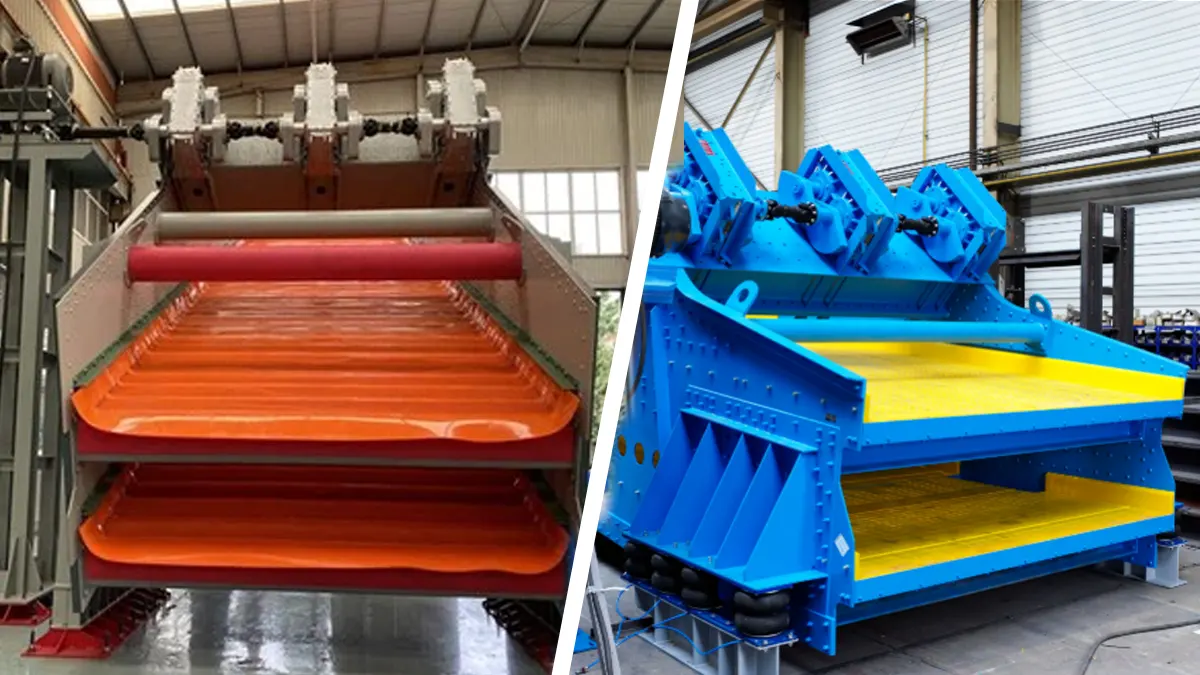
If you handle wet, sticky, or fine materials, a flip flow screen gives you the edge. For dry, free-flowing materials, linear vibrating screens work best. Your choice matters. The right screen boosts plant performance in mining, aggregates, and recycling. Here’s why:
- The way you set up your screen affects how well particles separate.
- Material moisture and density change how efficient your process runs.
- Good maintenance keeps your screen running smoothly and your product quality high.
Flip Flow Screen vs Linear Vibrating Screen—get the right fit for your needs.
Key Takeaways
- Pick a flip flow screen if your material is wet, sticky, or very fine. This helps the machine work better and stops clogging.
- Use a linear vibrating screen for dry and loose materials. This keeps sorting even and means less fixing is needed.
- The way the screen moves is important. Flip flow screens bounce like a trampoline. Linear screens move in a straight line.
- Think about what your material is like. Wetness and size of pieces are very important when picking a screen.
- You must take care of your screens often. Flip flow screens need more care because they are more complicated than linear screens.
- Check how much material you need to sort. Flip flow screens are great for big jobs with hard materials. Linear screens are best for sorting a lot of easy materials.
- The kind of screen mat you use changes how well it works. Polyurethane mats are best for sticky stuff. Wire mesh is good for dry materials.
- Always pick the right screen for your job. This will help your work be faster and your product be better.
Flip Flow Screen Overview
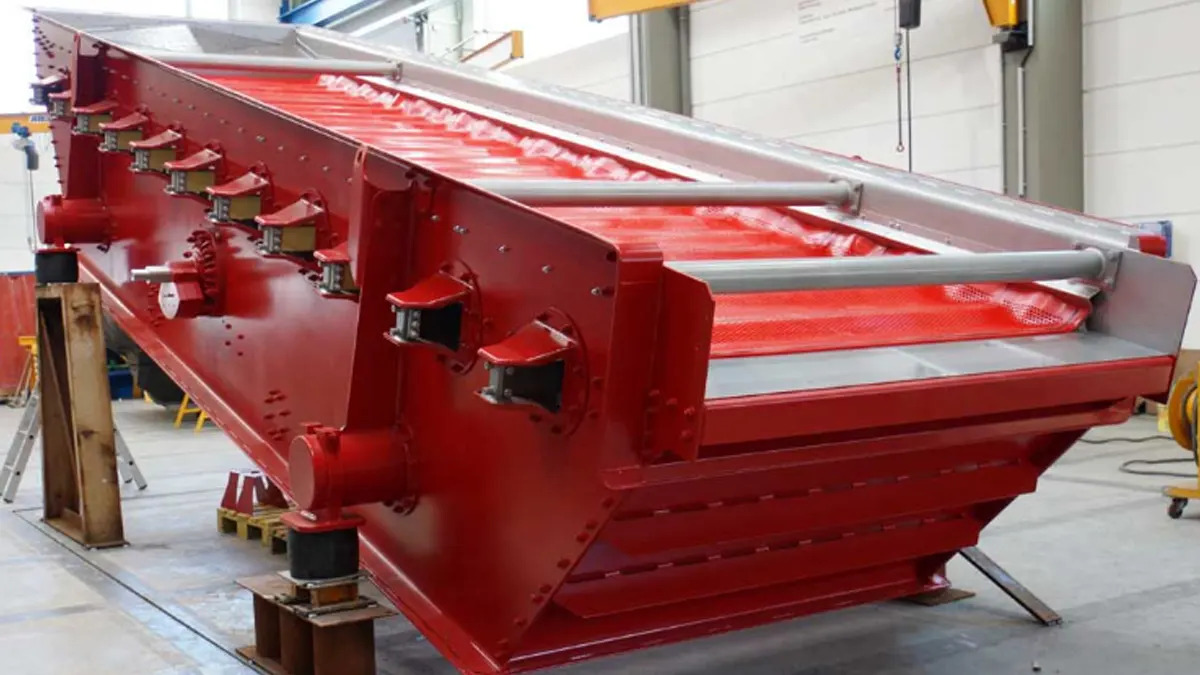
Flip Flow Vibrating Screen Principle
Trampoline-Like Motion
Have you ever seen how a flip flow vibrating screen works? Think about how a trampoline moves. The screen stretches and bounces like that. This helps shake off sticky stuff. An eccentric shaft makes the screen vibrate very fast. The screen moves in two ways at the same time. This double movement helps separate wet and sticky materials better than other screens.
Tip: The flip flow vibrating screen can go up to 50g acceleration. This means even tiny particles get thrown and separated fast.
Elastic Mesh Design
There is an elastic mesh on a strong frame. The mesh bends and relaxes, so things do not block the screen. You can change the vibration for different materials. This design keeps noise and energy use low. Here are some reasons these screens are special:
- High-frequency relaxing motion works well with wet materials.
- The elastic mesh and strong frame stop clogging.
- You can adjust the vibration for each material.
- Low noise and less energy help your plant work better.
Here are some technical details for flip flow screens:
| Specification | Value |
|---|---|
| Feed Size | ≤400mm |
| Motor Power | 5-80KW |
| Processing Capacity | 10-60T/H |
Applications of Flip Flow Screens
Wet and Sticky Materials
Do you have wet or sticky materials? Flip flow screens are great for this. The trampoline-like motion and elastic mesh keep the screen clean. You get better screening and fewer mistakes than with other screens. For example, flip flow screens reach about 77.6% efficiency. Circular vibrating screens only get to 62%. You see fewer missed pieces, so your product is better.
Fine and Difficult Materials
Flip flow screens are good for fine and hard-to-handle materials. You can use them in many fields:
| Industry | Materials Handled |
|---|---|
| Manufacturing | Sand, Concrete, Compost |
| Waste Management | Municipal Solid Waste, Compost, Soil |
| Mining | Minerals, Ores |
| Energy Production | Refuse-Derived Fuel (RDF) |
| Construction | Wood, Gravel |
| Recycling | Inhomogeneous Recyclables, Construction Waste, Biomass |
You get active screening. The frames move back and forth to help with tough materials. Flip flow screens can handle many types of materials, so you can use them for lots of jobs.
If you need a screen for sticky, wet, or fine materials, flip flow vibrating screen is the best choice. You save time, work more efficiently, and keep your plant running well.
Linear Vibrating Screen Overview
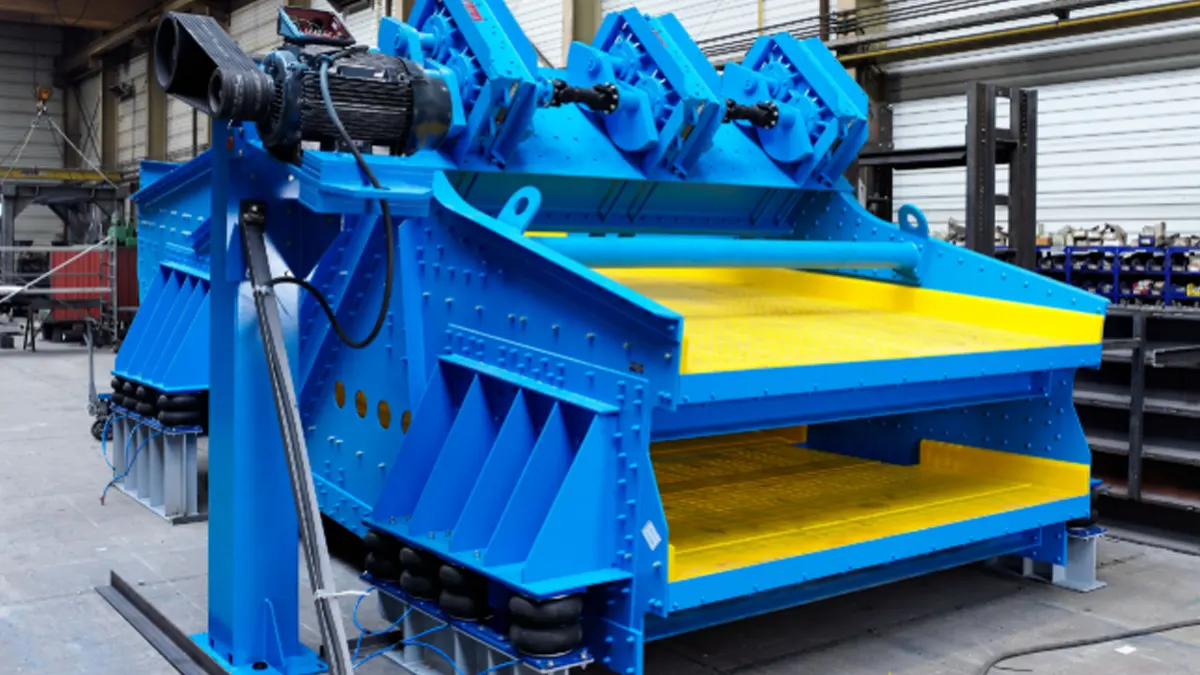
Linear Vibrating Screen Principle
Linear Vibration Motion
Do you know how a linear vibrating screen works? There are two motors, one on each side. The motors spin in opposite ways. This makes the screen move back and forth in a straight line. That is why it is called a linear vibrating screen. When you put material on the screen, it shakes and lifts the pieces. Small pieces fall through the mesh holes. Bigger pieces move forward and fall off the end. This simple movement helps you sort things by size fast and easily.
Tip: You can change the angle and strength of the vibration. This helps the machine work for many different jobs.
Material Movement Efficiency
This design gives you good efficiency. The screen deck vibrates quickly. This keeps the particles moving all the time. The material jumps and spreads out on the screen. Every piece gets to touch the mesh. This helps you separate things well, even with lots of material. The strong build of these screens means you do not need much maintenance. You can spend more time running your plant.
Applications of Linear Vibrating Screens
Dry and Free-Flowing Materials
If you work with dry and loose materials, these screens are great. They are best for sorting minerals, grains, or chemicals. You can use them in many industries because they handle many types of materials. Here are some places you might use them:
| Industry | Types of Materials Processed |
|---|---|
| Mining | Minerals, for classification and dewatering |
| Agriculture | Grains, seeds, ensuring quality and impurity removal |
| Recycling | Plastics, metals, paper, improving recycling quality |
You can also use these screens for fine powders, fertilizers, and chemicals. The design lets you add more decks or change the mesh size. This way, you can sort different sizes at the same time.
Consistent Classification
You want your product to always meet quality rules. Linear vibrating screens help you do this. The straight-line motion treats every particle the same way. You get the same results every time. The strong frame and custom features let you handle tough jobs. Even if the material is rough or can cause rust, these screens work well. You can trust them to keep your plant working and your products the same every time.
Note: These screens need less maintenance and last a long time. This makes them a smart and cheap choice for many plants.
Flip Flow Screen vs Linear Vibrating Screen: Key Differences
Working Principle Comparison
You want to know how these two screens work. The flip flow screen vs linear vibrating screen debate starts with their basic movement. Flip flow screens use a trampoline-like motion. The mesh stretches and bounces. This action throws particles up and down. You get high acceleration, which helps separate sticky and wet materials.
Linear vibrating screens move in a straight line. Two motors push the screen back and forth. The material jumps and slides across the mesh. You see a steady movement. This works well for dry and free-flowing materials.
If you need to handle tough, sticky stuff, the flip flow screen wins. For simple, dry materials, linear vibrating screens make your job easier.
Screen Surface Movement
Let’s look at how the screen surface moves. Flip flow screens have an elastic mesh. The mesh flexes and relaxes. This keeps the screen clean and stops clogging. You can adjust the motion for different materials. The mesh moves fast and with high force. This boosts screening efficiency.
Linear vibrating screens use a rigid mesh. The surface shakes in a straight line. The movement is simple and steady. You get good material flow. The mesh does not flex, so sticky materials can block the holes. You need to clean the screen more often.
Here’s a quick table to show the difference:
| Feature | Flip Flow Screen | Linear Vibrating Screen |
|---|---|---|
| Mesh Type | Elastic, flexible | Rigid, fixed |
| Motion | Trampoline-like, high force | Straight-line, steady |
| Anti-Clogging | Excellent | Moderate |
| Screening Efficiency | High for fines and sticky | Good for dry, free-flowing |
Material Suitability
You need to match the screen to your material. Flip flow screen vs linear vibrating screen is all about what you process. Flip flow screens handle wet, sticky, and fine materials. You get high screening efficiency with compost, coal, or waste. The elastic mesh keeps the screen clear. You spend less time cleaning and more time working.
Linear vibrating screens suit dry, loose, and larger materials. You use them for sand, gravel, or grains. The straight-line motion gives you consistent results. You get good screening efficiency, but not as high as flip flow screens for sticky or fine materials.
Tip: Always check your material’s moisture and size. Flip flow screens shine with tough jobs. Linear vibrating screens are best for simple, dry tasks.
You can see that flip flow screen vs linear vibrating screen is not just about the machine. It’s about your material and your goals. If you want top screening efficiency with sticky or fine materials, flip flow screens are your best bet. For dry and easy materials, linear vibrating screens keep things simple.
Anti-Clogging Performance
You know how frustrating it is when your screen gets clogged. Wet or sticky materials can block the mesh and slow down your process. Flip flow screens solve this problem with their trampoline-like motion. The mesh stretches and bounces, shaking off sticky bits. You spend less time cleaning and more time working.
Linear vibrating screens use a rigid mesh. Dry materials move easily, but sticky or damp materials can cause trouble. The mesh does not flex, so you might see more blockages. You need to stop and clean the screen more often.
Here’s a quick look at anti-clogging performance:
| Feature | Flip Flow Screen | Linear Vibrating Screen |
|---|---|---|
| Mesh Flexibility | High | Low |
| Clogging Risk | Low | Moderate to High |
| Cleaning Frequency | Rare | Frequent |
If you handle sticky or wet materials, flip flow screens keep your process smooth. For dry materials, linear vibrating screens work well, but you may need to clean more often.
Screening Efficiency
You want your screening process to be fast and accurate. Flip flow screens give you high efficiency, especially with fine or sticky materials. The trampoline motion throws particles up and down, so even tiny pieces get separated.
Let’s compare screening efficiency rates:
- Flip flow screens reach about 77.62% efficiency. Only 5.76% of materials get misplaced.
- Circular vibrating screens hit 61.99% efficiency. Misplaced materials go up to 9.82%.
You see the difference. Flip flow screens help you get a cleaner product and waste less material. Linear vibrating screens do a good job with dry, free-flowing materials. You get steady results, but not as high as flip flow screens for tough jobs.
Want better accuracy and less waste? Flip flow screens are your best choice for sticky, wet, or fine materials.
Maintenance and Cost
You need to think about maintenance and cost before choosing your screen. Flip flow screens have an elastic mesh and complex motion. You get high performance, but the parts can wear out faster. Maintenance takes more skill and time. The initial cost is higher, but you save money on cleaning and downtime.
Linear vibrating screens have a simple design. The mesh is rigid, and the motors are easy to access. You spend less on maintenance and repairs. The upfront cost is lower. If you work with dry materials, you save money and keep your plant running longer.
Here’s a quick summary:
| Screen Type | Maintenance Needs | Cost | Lifespan |
|---|---|---|---|
| Flip Flow Screen | Moderate to High | Higher | Moderate |
| Linear Vibrating Screen | Low | Lower | Long |
If you want less maintenance and lower cost, linear vibrating screens are a smart pick for dry materials. Flip flow screens cost more, but they pay off with tough jobs and high efficiency.
Flip Flow Vibrating Screen: Advantages and Limitations
Advantages of Flip Flow Screens
Anti-Blinding and High Efficiency
You want a screen that stays clean and works fast. Flip flow screens do just that. The elastic mesh stretches and snaps back, so sticky bits and near-size particles bounce right off. You do not have to stop your plant to clean the mesh all the time. In one Australian coal plant, workers switched from metal screens to modular polyurethane panels. This simple change cut downtime for cleaning by 80%. The plant ran longer and smoother. Screening efficiency shot up because the mesh did not get blocked.
You can see the difference in other places too. A coal facility in China changed to polyurethane flip flow screens. They saw a 22% jump in throughput. Maintenance labor dropped by 67% each year. You get more product and spend less time fixing things. That means you can count on flip flow vibrating screens for high processing capacity and less hassle.
Tip: If you deal with sticky, wet, or fine materials, flip flow screens help you keep your plant running and your product clean.
Handling Challenging Materials
Flip flow screens shine when you face tough jobs. Wet compost, sticky coal, or fine sand can block other screens. The trampoline-like motion and elastic mesh handle these materials with ease. You do not have to worry about clogs or lost time. You get steady results, even with the hardest materials. This makes flip flow screens a smart choice for recycling, mining, and waste plants.
Limitations of Flip Flow Screens
Higher Cost
You should know that flip flow screens cost more at the start. The elastic mesh and special frame need more money to build. You might also pay more for skilled workers to set up and run the screen. If you only work with dry, easy materials, you may not need this extra power.
Specific Application Needs
Flip flow screens do not fit every job. Here are some common limits you might face:
- Screen plate hole blockage can still happen if you pick the wrong mesh type.
- Excessive wear may occur with very rough or sharp materials.
- Sudden drops in screening efficiency can happen if you do not match the screen to your material.
- You need skilled operators to get the best results.
- Upfront costs are higher than with basic screens.
You should always check your material and process before you choose. Flip flow screens work best when you need high efficiency for sticky, wet, or fine materials. For simple jobs, other screens might save you money.
Linear Vibrating Screen: Advantages and Limitations
Advantages of Linear Vibrating Screens
Robustness and Capacity
You want machines that are strong and last a long time. Linear vibrating screens are built tough. They use strong steel and thick side plates. You can use them in hard places like mines or quarries. These screens can take hits and keep working. You do not have to fix them all the time.
If you need to move lots of material, these screens help. Their design lets you handle big amounts fast. You can sort heavy things like coal or iron ore easily. This is important when your plant needs to work faster. High capacity means you finish jobs quicker. Your business can make more money and work better.
Note: People in mining like linear vibrating screens. They can carry heavy loads and still work well, even in tough spots.
Easy Maintenance
You do not want to spend a lot of time fixing your screen. Linear vibrating screens are easy to take care of. The motors and mesh are simple to get to. You can clean or change parts without special tools. The design is simple, so fewer things break. You save time and money on repairs.
Here’s why maintenance is easy:
- Not many moving parts
- Motors and mesh are easy to reach
- Cleaning and changing parts is quick
- Less time when the machine is off
If you want a screen that keeps working, linear vibrating screens are a good pick.
Limitations of Linear Vibrating Screens
Clogging with Wet Materials
You might have problems if your material is wet or sticky. Linear vibrating screens use a stiff mesh. Wet stuff can block the holes. You have to stop and clean the screen more. This makes your work slower and lowers how much you can do. If you work with sticky things, you may need a different screen.
| Problem | Impact |
|---|---|
| Wet material | Mesh gets blocked |
| Cleaning often | Less work done |
| Machine stops | Not as efficient |
Tip: For wet or sticky materials, try screens with flexible mesh or special anti-clog features.
Lower Efficiency for Fines
You want to catch every small piece. Linear vibrating screens are good for big and dry stuff, but not for tiny pieces. The straight movement does not always sort small bits well. You might miss some material and sorting is less exact. This means you do not get the best results with fine jobs.
If your plant needs to sort small particles very well, look at other screens. Linear vibrating screens are best for big jobs with dry, loose materials.
How to Choose: Flip Flow vs Linear Vibrating Screen
Material Characteristics
Moisture and Stickiness
You should check your material before picking a screen. Is it wet or sticky? These things are important. Wet or sticky materials can block the mesh and slow your work. If you handle clay, compost, or damp waste, you know it can be hard. Flip flow screens work well with these materials. The elastic mesh and trampoline motion help shake off sticky stuff and keep the mesh clean.
Here’s what to look for:
- Wet materials move slowly and stick to the mesh.
- Sticky things like clay or sludge need special mesh to stop clogging.
- Dry materials move easily and do not block the mesh much.
If you want to stop blockages, use a screen with anti-clog mesh like polyurethane. Flip flow screens are best for sticky and wet materials. Linear vibrating screens are better for dry, loose materials.
Tip: Always test your material’s moisture and stickiness first. This step saves time and keeps your plant working.
Particle Size
Particle size changes how you screen your material. Fine particles need a screen that can catch them all. Flip flow screens are great for small and tricky particles. The trampoline motion throws tiny bits up and down. You get high processing capacity and better accuracy.
If you work with bigger particles, linear vibrating screens are good. The straight-line motion sorts big pieces fast. You can pick different mesh sizes for your needs.
Here’s a quick list to help you choose:
- Fine particles: Flip flow screens give high capacity and less waste.
- Large particles: Linear vibrating screens sort them fast and keep things simple.
- Mixed sizes: Multi-deck screens can handle different sizes at once.
Note: Picking the right screen for particle size helps your plant work better and makes your product higher quality.
Application Scenarios
Throughput Needs
You want your plant to work fast and handle lots of material. That is why processing capacity is important. Flip flow screens give high capacity for sticky, wet, or fine materials. They keep the mesh clear so you can run more material without stopping.
Linear vibrating screens give steady capacity for dry and loose materials. You can move big loads like sand or gravel with no problem. If you need to sort heavy materials quickly, linear vibrating screens are a good choice.
Here’s a table to show common uses:
| Screen Type | Application Scenario |
|---|---|
| Flip Flow Screen | Wet or sticky materials (clay, compost) |
| Fine particle separation (sand, silica) | |
| Mining (separating fine ores) | |
| Linear Vibrating Screen | Dry, free-flowing materials (sand, gravel) |
| High-volume sorting (aggregates, minerals) | |
| Consistent grading (recycled metals, grains) |
You can also use flip flow screens for sorting recycled aggregates and metal waste. They work well in mining, recycling, and waste plants.
Screening Accuracy
You want your product to always meet quality rules. Flip flow screens give high accuracy, especially with fine or sticky materials. The elastic mesh and trampoline motion help separate every piece.
Linear vibrating screens give steady accuracy for dry and big materials. The straight-line motion treats each piece the same way. You get reliable results and steady capacity.
Tip: If you need top accuracy for tough materials, flip flow screens are best. For easy jobs, linear vibrating screens keep things simple.
Operational Considerations
Maintenance Budget
You should think about your maintenance budget before picking a screen. Flip flow screens cost more to keep running. The elastic mesh and moving parts wear out faster. You need skilled workers to keep the screen working well. The first cost is higher, but you save money on cleaning and downtime.
Linear vibrating screens have a simple design. You spend less on repairs and upkeep. The mesh and motors are easy to reach. You can clean or change parts quickly. If you want to keep costs low, linear vibrating screens are a smart pick.
Here’s a table to help you plan:
| Consideration | Details |
|---|---|
| Maintenance Planning | Regular checks and part changes keep your screen working well. |
| Cost Analysis | Compare the first cost to ongoing expenses like repairs. |
| Equipment Integration | Good training and teamwork help you use your screen to its best. |
Equipment Integration
You want your new screen to fit into your plant easily. Equipment integration is important. Flip flow screens may need special training and setup. You must check if your plant can work with the new screen. High automation needs strong integration.
Linear vibrating screens are easier to add to most plants. Their simple design fits well with what you already have. You can upgrade your plant without big changes.
Here’s what to check:
- Does your plant have the right systems to talk to the new screen?
- Can your team learn to use the new screen?
- Is your budget ready for new equipment and upgrades?
Note: Planning for equipment integration and maintenance keeps your plant working and helps you process more material.
Selection Checklist
Ready to pick the right screen for your plant? Use this checklist to make your decision simple and clear. You want the best fit for your material, your process, and your budget. Here’s how you can break it down:
- Check Your Material
- Is your material wet, sticky, or fine?
→ Go with a flip flow screen. - Is your material dry and free-flowing?
→ Choose a linear vibrating screen.
- Is your material wet, sticky, or fine?
- Think About Particle Size
- Do you need to separate very small particles?
→ Flip flow screens work best. - Are you sorting larger pieces?
→ Linear vibrating screens handle these well.
- Do you need to separate very small particles?
- Look at Throughput Needs
- Do you need high capacity for tough materials?
→ Flip flow screens keep things moving. - Do you want steady, high-volume sorting for dry materials?
→ Linear vibrating screens are a solid choice.
- Do you need high capacity for tough materials?
- Consider Screening Accuracy
- Is top accuracy with sticky or fine materials important?
→ Flip flow screens give you better results. - Is consistent grading for dry materials your goal?
→ Linear vibrating screens deliver.
- Is top accuracy with sticky or fine materials important?
- Review Maintenance and Cost
- Can you handle higher upfront costs and more maintenance?
→ Flip flow screens pay off for tough jobs. - Do you want lower costs and easy upkeep?
→ Linear vibrating screens save you time and money.
- Can you handle higher upfront costs and more maintenance?
- Plan for Equipment Integration
- Does your plant need special setup or training?
→ Flip flow screens may require more planning. - Do you want a screen that fits right in?
→ Linear vibrating screens are easy to add.
- Does your plant need special setup or training?
Tip: Write down your answers as you go through this list. You will see which screen matches your needs best.
Here’s a quick table to help you compare:
| Question | Flip Flow Screen | Linear Vibrating Screen |
|---|---|---|
| Handles wet/sticky materials? | ✅ Yes | ❌ No |
| Best for fine particles? | ✅ Yes | ❌ No |
| High throughput for tough jobs? | ✅ Yes | ❌ No |
| Easy maintenance? | ❌ No | ✅ Yes |
| Lower upfront cost? | ❌ No | ✅ Yes |
| Simple integration? | ❌ No | ✅ Yes |
If you answer “yes” to more flip flow screen features, that’s your best pick. If you lean toward linear vibrating screens, you know what to choose.
Remember, the right screen makes your plant run smoother and your product better. If you’re still unsure, talk to a vibrating screens expert or your equipment supplier. They can help you match the perfect screen to your operation.
Screen Media and Performance
Flip Flow Screen Media
Polyurethane Mats
When you use a flip flow screen, you usually see polyurethane mats as the main choice for screen media. These mats work well because they are strong and flexible. You can count on them to handle sticky, wet, or even dry materials without getting clogged up. Here’s why polyurethane mats stand out:
- High elasticity lets the mats stretch and snap back, which helps shake off sticky bits.
- Anti-clogging design keeps material from building up, so you spend less time cleaning.
- High tensile strength means the mats can handle heavy loads and tough jobs.
- Excellent wear resistance makes them last longer, even in rough conditions.
- Elastic shock absorption reduces vibration, which helps your equipment last longer.
- Special hole shapes (apertures) improve how well the screen separates materials, especially when things are wet.
You get a screen that stays clean and keeps working, even when you throw tough jobs at it.
Linear Vibrating Screen Media
Polyurethane, Rubber, Wire Mesh, Plates
With a linear vibrating screen, you have more choices for screen media. You can pick what fits your job best. Here are the most common types:
- Polyurethane: Great for wet jobs and lasts a long time.
- Rubber: Absorbs impact and works well with big, heavy pieces.
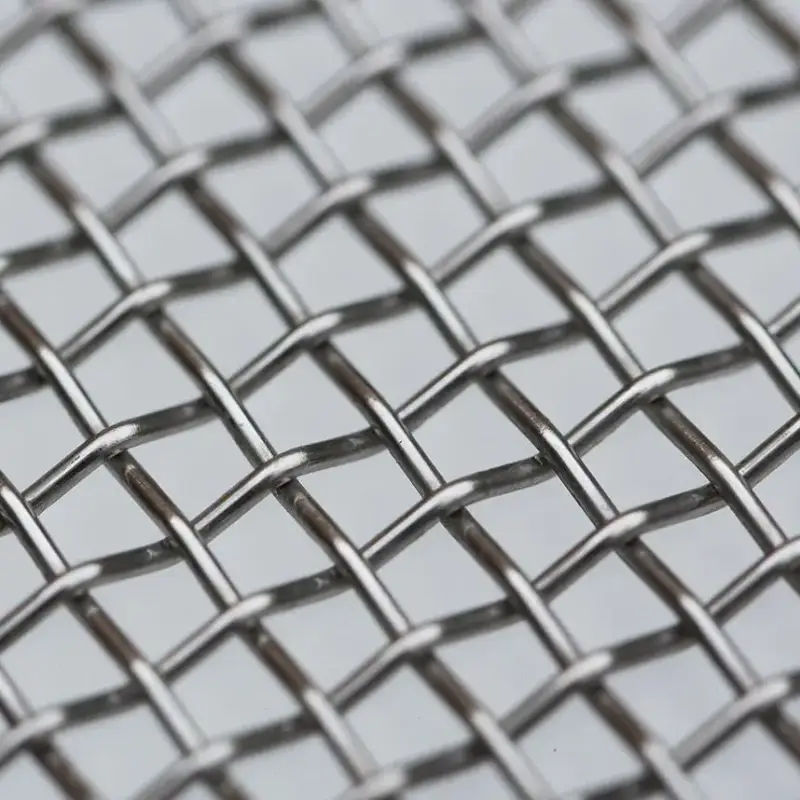
- Woven Wire Mesh: Gives you sharp separation and a high open area, but wears out faster.
- Steel Plates: Good for very coarse or heavy materials.
- Hybrid or Self-Cleaning: Mixes different materials to cut down on clogging and blinding.
Each type has its own strengths. For example, wire mesh gives you sharp cuts but needs more maintenance. Polyurethane and rubber last longer and handle rough work better.
Impact on Efficiency and Maintenance
The screen media you choose changes how well your screen works and how much time you spend on upkeep. Take a look at this table to see how different types stack up:
| Screen Media Type | Efficiency Impact | Maintenance Requirements |
|---|---|---|
| Woven Wire | High open area, sharp separation; best for clean feeds | Short wear life, prone to pegging |
| Rubber | Absorbs impact, handles coarse material | Lower open area, moderate upkeep |
| Polyurethane (PU) | Highly abrasion-resistant, ideal for wet jobs | Longer life, less maintenance |
| Hybrid/Self-Cleaning | Combines durability with less blinding | Good for sticky feeds, easy care |
If you work with dry, free-flowing material, wire mesh or rubber might be enough. For wet or sticky jobs, polyurethane or hybrid mats help you avoid clogs and keep your screen running longer. You also need to think about how you use water. Wet screening can boost efficiency but means you have to handle water and cleanup.
Tip: Pick the right screen media for your job. You’ll get better results and spend less time fixing things.
Case Studies and Best Practices
Flip Flow in Coal and Recycling
When you go to coal or recycling plants, you often see flip flow screens working. These plants deal with wet, sticky, and mixed materials every day. Flip flow screens can handle these hard jobs without slowing down. The material keeps moving, so you do not have to stop often to clean. This means your plant keeps running and you do not waste time on blockages.
- Flip flow screens work well with sticky and wet materials.
- You see more material moving because nothing gets stuck.
- You do not need to stop for cleaning very much, so you save time and money.
- Flip flow screens stay efficient even when things get tough, unlike woven wire screens.
If you work in coal or recycling, you want a screen that does not get blocked. Flip flow screens help your plant stay busy and keep your material sorted.
Linear Vibrating in Aggregates and Sand
You will find linear vibrating screens in sand and aggregate plants. These screens are big and shake strongly. They can move a lot of material fast. The strong design lets them work in rough places like quarries and mines.
- Big screens and strong shaking mean you can move more material.
- The straight movement stops material from sticking or blocking the mesh.
- High G-forces push material forward and help sort it.
- You get better results than with circular or elliptical screens.
- Linear vibrating screens can handle lots of sand and rocks.
- The tough build lasts a long time, even in hard places.
- You can trust these screens to give you the right sizes and last for years.
If you need to sort sand or gravel quickly, linear vibrating screens give you the strength and dependability you need.
Lessons from Real Plants
You can learn a lot from what real plants do. Studies show that new composite vibrating screens help sort fine particles better. These screens fix problems with material sticking to the mesh. Plants using these new screens see better sorting and faster movement. The new screens work better than old linear vibrating screens. You get more accurate sorting and higher capacity. Trying new screen designs can help your plant work better and fix old problems.
Tip: Always look for ways to make your screening equipment better. Real plants show that the right screen can really improve how well your plant works and the quality of your product.
Expert Tips for Screening Success
Regular Maintenance
You want your equipment to last and work well every day. Regular maintenance keeps your screen running smoothly. Start by checking the mesh for wear or damage. Clean the mesh after each shift. Look for loose bolts or parts. Tighten them right away. Lubricate the motors and moving parts. If you see strange noises or vibrations, stop and inspect the machine. Make a simple checklist for your team. Here’s an example:
- Inspect mesh for holes or tears.
- Clean off stuck material.
- Check and tighten bolts.
- Lubricate moving parts.
- Listen for odd sounds.
Tip: Set a routine for maintenance. You will catch problems early and avoid costly downtime.
Optimizing Screen Media
Choosing the right screen media makes a big difference. You can pick polyurethane, rubber, wire mesh, or hybrid mats. Each type works best for certain materials. Polyurethane mats handle sticky and wet jobs. Wire mesh sorts dry and free-flowing material. Rubber absorbs impact from heavy loads. Try different media to see what fits your plant. If you notice clogging, switch to self-cleaning mats. You can also change the hole size or shape for better sorting.
Here’s a quick table to help you decide:
| Media Type | Best For | Benefit |
|---|---|---|
| Polyurethane | Wet, sticky materials | Less clogging |
| Wire Mesh | Dry, loose materials | Sharp separation |
| Rubber | Heavy, coarse material | Impact resistance |
| Hybrid | Mixed feeds | Easy cleaning |
Note: Test new media on a small batch first. You will see how it affects your results.
Equipment Upgrades
You can boost your plant’s performance with smart upgrades. Add vibration sensors to monitor the machine. Upgrade to stronger motors for more capacity. Install automatic cleaning systems to save time. If your plant handles new materials, consider a new screen design. You can also add extra decks for sorting more sizes at once. Ask your supplier about the latest technology. Upgrades help you stay ahead and keep your plant running longer.
Callout: Small upgrades can make a big impact. You will see better efficiency and less downtime.
Conclusion
For the best results, choose the screen that matches your material and plant conditions. If you handle wet, sticky, or fine materials, a flip flow screen is usually a better choice. For dry and easy screening jobs, a linear vibrating screen may work well.
As a screen mesh manufacturer, we can provide custom polyurethane screen panels, rubber screen panels, and flip flow screen mats for different screening equipment and working conditions.
Not sure which solution fits your plant? Contact us for expert advice and custom screen mesh solutions.
FAQ
What is the main difference between a flip flow screen and a linear vibrating screen?
You get a flip flow screen for sticky, wet, or fine materials. You use a linear vibrating screen for dry, free-flowing materials. The flip flow screen uses a trampoline-like motion. The linear vibrating screen moves in a straight line.
Can I use a flip flow screen for dry materials?
Yes, you can. Flip flow screens work best with sticky or wet materials, but they also handle dry materials. You may not need the extra anti-clogging features for dry jobs, though.
How do I know which screen media to choose?
You pick screen media based on your material. Use polyurethane for sticky or wet feeds. Try wire mesh for dry, clean materials. Rubber works well for heavy, coarse material. Ask your supplier for advice if you feel unsure.
Do flip flow screens need more maintenance?
Flip flow screens need more care than linear vibrating screens. The elastic mesh and moving parts wear out faster. You should check them often and replace worn parts to keep your screen running smoothly.
Can I upgrade my old linear vibrating screen to a flip flow screen?
You can upgrade, but you may need changes to your plant setup. Flip flow screens use different motion and mesh. Check with your equipment supplier to see if your plant can handle the upgrade.
Which screen gives better accuracy for fine particles?
Flip flow screens give you better accuracy for fine particles. The trampoline motion helps separate even the smallest bits. You get cleaner products and less waste.
What industries use flip flow and linear vibrating screens?
You find flip flow screens in recycling, mining, and waste plants. Linear vibrating screens work in sand, aggregates, mining, and agriculture. Each screen fits different jobs.