Hot-dip galvanizing is a crucial galvanizing process that applies a strong layer on steel to prevent rust. In this process, steel is immersed in very hot zinc, creating a hard cover that protects the steel from corrosion. You can find galvanized wire mesh in various locations, including building sites, farms for fencing, and factory screens. Many industries utilize the galvanizing process to enhance the longevity of their products, particularly in construction, car manufacturing, and renewable energy.
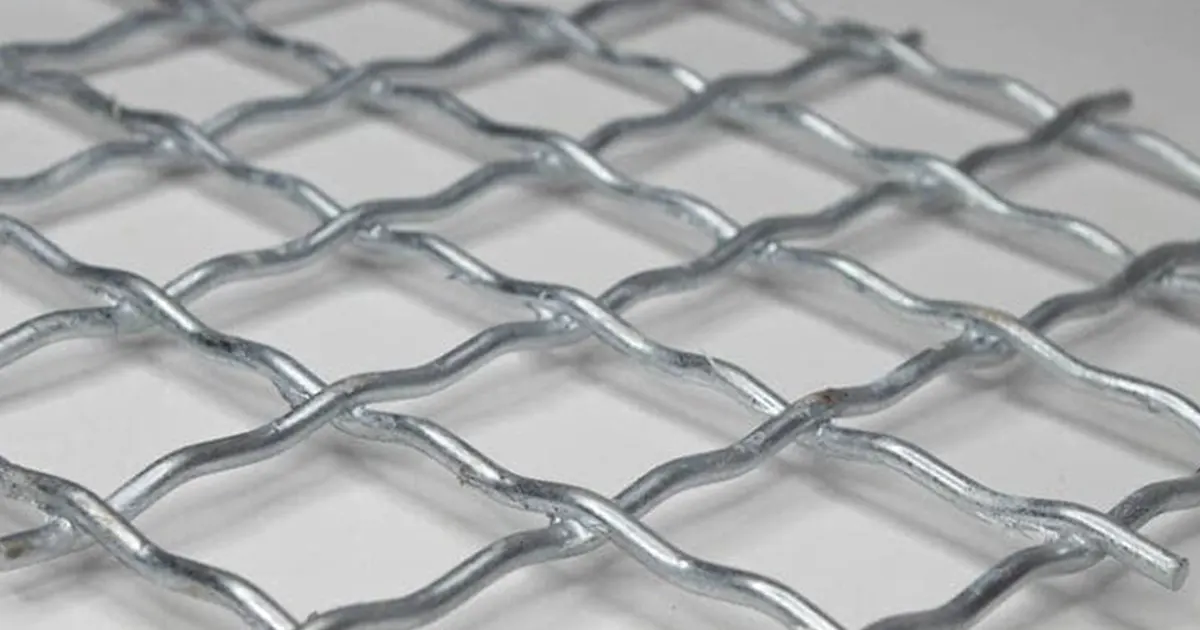
Why does this matter? By getting the temperature, dipping time, and coating thickness right during the galvanizing process, you can effectively prevent rust and minimize material waste.
Here’s how hot-dip galvanizing is significant globally:
| Category | Statistic |
|---|---|
| Projected growth rate | Almost 8% CAGR for renewable energy uses |
| Projected growth rate | 6.7% CAGR for duplex coating systems |
| Leading region | Asia Pacific in amount and value |
| Key sectors | Construction, Car manufacturing, Renewable Energy |
| Emerging trends | Increased demand for duplex systems and recycling |
Key Takeaways
- Hot-dip galvanizing keeps steel from rusting. It does this by making a strong zinc layer. The steel goes into hot, melted zinc.
- Getting the surface ready is very important. Clean steel helps the zinc stick better. This makes the coating last longer.
- Keep the zinc bath heat between 450°C and 530°C. This gives the best coating quality and thickness.
- Watch how long the steel stays in the zinc. If it is too long, you waste materials. If it is too short, the coating may not cover well.
- Check the steel carefully after galvanizing. Look for problems like bare spots or uneven layers before using it.
- Use rules like ASTM A123. This makes sure your galvanized steel is safe and good quality.
- Pick galvanized mesh for outside or tough places. This helps it last longer and stops rust.
- Be gentle with galvanized items. This keeps the zinc layer safe. It helps them work well for a long time.
Galvanizing Process Overview
What Is Hot-Dip Galvanizing
You might wonder what makes the hot-dip galvanizing process so special. When you use this method, you dip steel or iron into a bath of molten zinc. This creates a tough, protective layer that fights off rust and damage. Unlike other zinc coating methods, hot-dip galvanizing gives you a stronger bond and better coverage, even on complex shapes or large pieces.
Let’s compare hot-dip galvanizing with zinc plating so you can see the difference:
| Aspect | Hot-Dip Galvanizing | Zinc Plating |
|---|---|---|
| Application Process | Immerses metal in molten zinc for a metallurgical bond | Uses electricity for a weaker bond |
| Coverage | Great for complex shapes and large structures | Hard to cover tricky designs |
| Environmental Impact | Uses pure zinc, more eco-friendly | Uses harmful chemicals |
| Corrosion Resistance | Stands up in tough environments | Not as strong in harsh conditions |
| Self-Healing Properties | Can self-repair minor damage | Does not self-heal |
You get a coating that lasts longer and protects better with hot-dip galvanizing. That’s why so many industries trust this process for their most important projects.
Main Steps in the Galvanizing Process
You can break down the galvanizing process into three main stages: surface preparation, galvanizing, and inspection. Each stage plays a big role in making sure your coating is strong and long-lasting.
Tip: If you skip or rush any stage, you risk weak spots or coating failures. Take your time with each step for the best results.
Here’s a quick look at what each stage does for your steel:
| Stage | Contribution to Coating Quality and Durability |
|---|---|
| Surface Preparation | Makes sure the steel is clean so the zinc sticks well. This stops coating failures from dirt or oil. |
| Galvanizing | Builds a tough, zinc-iron layer that fights off rust and damage. This is where the real protection happens. |
| Inspection | Checks the finished product for quality. You can catch any missed spots or thin areas before the steel leaves the plant. |
Let’s walk through the steps you’ll see in a typical hot dip galvanizing process:
- Degreasing: You remove grease and oil with a hot cleaning solution.
- Rinsing: You wash away any leftover cleaner.
- Pickling: You dip the steel in acid to get rid of rust and scale.
- Rinsing After Pickling: You rinse off any acid or iron salts.
- Pre-Fluxing: You clean the surface one more time with a hot flux.
- Zinc Bath: You dip the steel into molten zinc to form the protective layer.
- Finishing: You cool and inspect the steel, making sure it’s ready for use.
Each step builds on the last. If you follow the process, you get a coating that stands up to weather, chemicals, and time. That’s the power of galvanizing.
Surface Preparation Steps
Before you put steel in molten zinc, you must get it ready. This is called surface preparation. It is the most important part of hot-dip galvanizing. If you skip or hurry these steps, the zinc will not stick well. Your coating will not last long.
Surface preparation helps the coating stick and work well. Bad sticking happens if the surface is too smooth. It also happens if there are leftover zinc salts or chemicals that block the zinc.
Surface Inspection
First, you look closely at the steel. You check for things that could cause problems later. These things are oil, grease, stickers, paint, and welding slag. You also check for holes for venting and drainage. These holes stop dangerous pressure from building up inside the steel.
Here is a table that shows what you check and why it matters:
| Checkpoint | Description | Impact on Coating Quality |
|---|---|---|
| Contaminant Removal | Take off oil, stickers, and heavy grease | Stops coating problems and helps sticking |
| Venting and Drainage | Make sure holes are there | Stops trapped liquid and explosions |
| Surface Preparation | Blast cleaning to remove sand and mold release agents | Makes the surface rough for better coating |
| Welding Residue Removal | Take away slag and flux | Stops bare spots in the coating |
| Inspector Qualification | Use trained inspectors | Makes sure checks are done right |
If you do not check the steel, you might miss something. This can ruin the final coating.
Cleaning and Degreasing
Next, you clean the steel. You want to take off all oils, greases, and organic stuff. You can use hot cleaning solutions, solvents, or blast cleaning. Each way has its own good points.
| Method | Advantages |
|---|---|
| Abrasive Blast Cleaning | Takes off old coatings, rust, and scale; makes a rough surface |
| Degreasing | Removes oils and grease; gets steel ready for acid pickling |
You must remove every bit of oil and dirt. If you leave anything, the zinc will not stick well. Degreasing is simple, but it is very important.
- The surface must not have oil, grease, metal oxides, mill scale, or rust for good galvanizing.
- Degreasing takes away organic stuff and gets the steel ready for the next step.
Acid Pickling
Now, you do acid pickling. This step uses hydrochloric or sulfuric acid to take off rust and iron oxides. You dip the steel in acid, and it cleans the surface to bare metal. After that, you rinse the steel with clean water to wash off any acid left.
Here is how acid pickling works:
- Dip the steel in an acid solution.
- The acid takes off rust and oxides.
- Rinse the steel with water before the next step.
A clean surface lets the zinc stick well to the steel. Acid pickling also stops problems like bare spots or uneven layers. If you do this right, you get a galvanized product that lasts longer and fights rust.
Surface preparation is not just a step. It is the base for a strong, long-lasting galvanized coating.
Rinsing
After acid pickling, you need to rinse the steel. This step might seem simple, but it plays a huge role in the hot-dip galvanizing process. If you leave any acid on the steel, it can cause big problems later. The zinc coating might not stick well, or you could see spots where the coating fails.
Here’s why rinsing matters:
- You wash away all acid residues that could stop the zinc from bonding.
- You help prevent unwanted chemical reactions in the zinc bath.
- You make sure the steel is truly clean for the next step.
If you skip a good rinse, you risk ruining your hard work during surface preparation. Always use clean water and check that every part of the steel gets rinsed. Some plants use spray systems, while others dip the steel in large tanks. Either way, you want to see water running clear before you move on.
Tip: Take your time with rinsing. A few extra minutes here can save you from costly coating failures later.
Fluxing
Now you’re ready for fluxing. This step is the last part of surface preparation before you dip the steel in molten zinc. Fluxing does more than just clean. It prepares the steel for a strong, even zinc coating.
Here’s what fluxing does for you:
- It helps the molten zinc spread evenly over the steel.
- It removes any leftover oxides or dirt from the surface.
- It keeps the steel from re-oxidizing before it hits the zinc bath.
- It blocks impurities from getting into the zinc bath.
You usually use a special mix for fluxing. Most plants use a blend of zinc chloride and ammonium chloride. This mix melts at a low temperature, usually between 140–160°C. When you heat it, the flux turns into a liquid that covers the steel. This liquid layer protects the steel and makes sure the zinc sticks well.
If you want a coating that lasts, don’t rush the fluxing step. Make sure every piece of steel gets full coverage. Good fluxing means fewer defects and a better finish.
Note: The right surface preparation, including rinsing and fluxing, sets you up for a strong, durable galvanized coating.
Hot-Dip Galvanizing Step
When you finish surface preparation, you move to the heart of the hot dip galvanizing process. This is where you dip steel into molten zinc and create a tough, protective layer. Let’s break down each part so you know what happens and why it matters.
Zinc Bath Immersion
You lower the steel into a bath of molten zinc. The zinc bath sits at a high temperature, and this heat helps the zinc bond to the steel. The reaction starts right away, and the coating forms as the steel stays in the bath.
Galvanizing Temperature
You need to keep the zinc bath at the right temperature. If you get this wrong, the coating won’t form as it should. Here’s what you should know:
- Optimal zinc bath temperatures for galvanizing are between 450 and 530 °C.
- Maximum coating thickness happens at 480 °C.
- Coating formation changes with temperature:
- At 450–470 °C, you get a compact ζ layer on top of a δ layer.
- Around 480 °C, the ζ phase mixes with pockets of liquid zinc.
- Above 500 °C, the coating mostly has the δ phase.
If you control the temperature, you get a strong, even coating. Too low or too high, and you risk weak spots or brittle layers.
Immersion Time
How long you leave the steel in the zinc bath matters, too. The longer the steel stays, the thicker the coating gets. But there’s a limit.
As the galvanizing reaction is a diffusion process, higher zinc bath temperatures and longer immersion times generally will produce somewhat heavier alloy layers. Like all diffusion processes, the reaction proceeds rapidly at first and then slows as layers grow and become thicker. However, continued immersion beyond a certain time will have little effect on further coating growth.
You want to find the sweet spot. If you leave the steel in too long, you waste time and energy. If you pull it out too soon, the coating might be thin or patchy.
Withdrawal and Drainage
After immersion, you pull the steel out of the zinc bath. This step is called withdrawal. You need to drain off extra zinc so the coating stays even.
Proper withdrawal and drainage are crucial for a quality coating. You remove excess zinc through drainage methods. The metallurgical reaction continues after withdrawal. If you don’t cool large, thick parts quickly, you may see voids in the coating. These voids can lead to peeling and rough finishes. You must follow the right procedures to keep the coating strong and prevent defects.
ASTM A385 gives rules for venting and drainage. These rules help hollow sections get full zinc coverage. If you don’t drain well, air and cleaning solutions can get trapped. This hurts coating quality and can be dangerous.
Inadequate drainage can cause steam pressure to build up during zinc immersion. This pressure can lead to failures. Good venting and drainage keep the process safe and make sure zinc coats every surface.
Here’s a quick table to show why withdrawal and drainage matter:
| Step | What You Do | Why It Matters |
|---|---|---|
| Withdrawal | Pull steel from zinc bath | Starts cooling and coating finish |
| Drainage | Remove extra zinc | Keeps coating uniform |
| Venting | Allow air to escape | Prevents trapped air and hazards |
Quenching and Cooling
Once you drain the steel, you cool it down. This step is called quenching. You might use water or let the steel air cool. Cooling affects how the coating looks and how tough it is.
- The cooling process changes the microstructure and forms different alloy phases. This affects mechanical properties.
- Thicker zinc coatings don’t always mean longer life. Sometimes, thick layers can be brittle and crack.
- Alloy layers can be hard and brittle. If you apply force, cracks may spread.
You want the coating to be strong but not brittle. If you cool too fast or too slow, you might see cracks or rough spots. Good cooling gives you a smooth, shiny finish and a tough coating.
Tip: Always check the cooling method for each job. Some parts need slow cooling, while others do better with a quick quench.
You now see how each step in the galvanizing process builds a strong, lasting coating. If you control temperature, immersion time, withdrawal, drainage, and cooling, you get steel that stands up to weather and wear.
Inspection and Quality Control
Final Inspection
You want your galvanized steel to look nice and work well. The final inspection is your last chance to find problems before shipping. You look for blisters, sharp points, spots with no coating, and leftover stuff. If you find a problem, you can fix it right away. This step helps stop complaints and keeps customers happy.
Here’s a table that shows what you check during inspection:
| Inspection Method | Details |
|---|---|
| Visual Inspection | Look for blisters, sharp points, bare spots, and residues. |
| Coating Thickness Requirements | Check if the coating is thick enough for the steel and its use. |
| Renovation Rules | See how much you can repair and what methods are allowed. |
You follow rules like ASTM A123 and ISO 1461. These rules tell you what to check and how to measure quality. If you find bare spots, you can fix them with approved ways. You must follow the rules so the steel stays strong and safe.
Coating Thickness Measurement
You need to check the coating thickness to make sure it meets the rules. The most common tool is a magnetic thickness gauge. This tool is easy to use and does not hurt the steel. You put it on the steel, and it tells you the thickness right away.
Here are the main tools you can use:
- Magnetic thickness gauge is easy and does not damage the steel.
- Optical microscopy is a test that cuts the steel and is only used for big problems.
- There are three types of magnetic gauges: pencil-style, banana, and electronic. They are different in how easy they are to use and how correct they are.
Here is a table to show the differences:
| Method | Description |
|---|---|
| Pencil-Style Gauge | Has a spring and needs flat surfaces for good readings. |
| Banana Gauge | Works in any position and does not need to be reset often. |
| Electronic Gauge | Gives digital numbers and does not need to be reset a lot. |
| Magnetic/Electromagnetic | Follows ASTM E 376 rules for good measurements and avoids edges and rough spots. |
Magnetic thickness gauges are the most used and do not damage the steel. ASTM E 376 gives rules for good measurements. You should not measure near edges or rough spots to get the best results.
Tip: Always check your gauge before you start. Make sure it works and gives the right numbers.
Adhesion and Appearance Checks
You want the galvanized coating to stick well and look nice. Adhesion checks help you find places where the zinc might peel or flake off. You can use a hammer or bend the steel to see if the coating stays on. If you see cracks or peeling, something went wrong in the process.
Appearance checks are important too. You look for smoothness, shine, and even coverage. If you see rough spots, drips, or dull areas, you may need to fix them. Good looks mean your steel will last longer and look better when used.
Note: If you follow all these inspection steps, you get strong and reliable galvanized steel every time.
Acceptance Criteria
When you finish the inspection of hot-dip galvanized steel, you need to know if the coating meets the right standards. These acceptance criteria help you decide if your work is good enough to send out or if you need to fix something. Let’s break down what you should look for.
First, you want to check three main things: adhesion, appearance, and thickness. Each one matters for how well your galvanized steel will last and perform.
If you follow these criteria, you can trust that your steel will stand up to tough jobs and harsh weather.
Here’s a simple table to show you what to check and what the requirements are:
| Criteria Type | Requirements |
|---|---|
| Adhesion | Coating should resist removal without flaking or peeling. You should look for any signs of delamination. |
| Appearance | Check for full coverage, evenness, and no big defects. The coating should look uniform and complete. |
| Thickness | Use a magnetic thickness gauge (like ASTM E376). The coating should meet the minimums set by ASTM A123, usually between 2.0 and 3.5 mils. |
Let’s talk about each one:
- Adhesion: You want the zinc coating to stick well. Try to scratch or tap the surface gently. The coating should not peel or flake off. If you see any spots where the zinc lifts away, you need to fix those areas.
- Appearance: Look at the steel from all sides. The coating should cover every part. You should not see bare spots, big drips, or rough lumps. A good coating looks smooth and even. Small bumps or color changes are okay if they do not affect how the steel works.
- Thickness: Use your magnetic gauge to measure the coating. Take readings in different spots. The numbers should meet the minimum required by the job or by ASTM A123. If the coating is too thin, it might not protect the steel. If it is too thick, it could crack or peel.
You should also remember that some repairs are allowed. If you find a small bare spot, you can fix it with approved methods like zinc-rich paint or a special repair stick. Always check the rules for your project before making repairs.
Tip: Keep a checklist for every batch you inspect. This helps you catch problems early and keeps your quality high.
If you follow these acceptance criteria, you can feel confident that your galvanized steel will last a long time and keep your customers happy.
Key Galvanizing Parameters
Bath Temperature
You need to pay close attention to the bath temperature during galvanizing. The temperature of the molten zinc bath changes how the coating forms on your steel. If you set the bath too hot, you get a thick alloy layer with big zinc crystals. If you keep it cooler, you see more aluminum-rich areas and a thinner layer. These changes affect how well your steel fights off rust. Finer grain sizes can help with corrosion resistance, but if the grains get too fine, the coating might not last as long because it becomes more active. You want to find the right balance for the best protection.
Tip: Most plants keep the bath between 450°C and 460°C for strong, even coatings.
Immersion Time
How long you leave the steel in the zinc bath matters a lot. The longer you keep it in, the thicker the coating gets. For some types of steel, this relationship is like a straight line—the more time, the more zinc sticks. For other steels, the effect slows down after a while. You need enough time for the zinc to cover every part and for air to escape from any hollow spots. If you rush this step, you might see thin or patchy coatings. If you wait too long, you waste time and zinc.
- For most jobs, a few minutes is enough.
- Always check that the whole surface is wet and shiny before you pull the steel out.
Steel Chemistry
The mix of elements in your steel changes how it reacts in the galvanizing bath. Silicon and phosphorus are the two most important elements to watch. If you have too much silicon or phosphorus, you get thick, rough, or dull coatings. If you keep these elements low, you get smooth and bright results.
Here’s a quick table to help you see how silicon affects the coating:
| Silicon Equivalent Range | Coating Characteristics |
|---|---|
| <0.04% | Thin, bright coating |
| 0.04%–0.15% | Unpredictable thickness and look |
| 0.15%–0.22% | Normal thickness and appearance |
| >0.22% | Thick, matte-gray coating |
You should remember these points:
- Keep silicon below 0.04% or between 0.15% and 0.22%.
- Keep phosphorus below 0.04%.
- High phosphorus can make the coating rough and thick.
If you know your steel’s chemistry, you can predict how it will behave in hot-dip galvanizing. This helps you avoid surprises and get the coating you want.
Surface Cleanliness
You want your steel to be as clean as possible before you dip it in zinc. If you leave oil, dirt, or rust on the surface, the zinc cannot stick well. This can cause the coating to peel or flake off later. A clean surface lets zinc ions grab onto the steel and form a strong bond. You get a smooth, even layer that protects your steel from rust. If you skip cleaning, you might see rough spots or thin areas in the coating. These weak spots can let water and air reach the steel, which leads to rust. Always make sure you finish pretreatment steps like degreasing and pickling. This helps you get a tough, even coating that lasts a long time.
Flux Condition
You need to keep your flux in good shape for the best results. The flux helps the zinc stick to the steel and keeps the surface clean right before dipping. Here’s what you should watch:
- Keep the flux temperature between 60°C and 80°C. This helps stop zinc splashes and cuts down on ash.
- Make sure the chemical mix in your flux is balanced. Too many iron ions can pollute the bath and make extra ash and dross.
- Check the iron content and pH often. If you control these, you keep the process running smoothly and waste less zinc.
If you take care of your flux, you get a cleaner bath and a better coating. You also save money because you use less zinc and have fewer problems to fix.
Withdrawal Speed
How fast you pull the steel out of the zinc bath changes the coating. If you move too quickly, the coating gets thinner. A withdrawal speed around 4 meters per minute can make the zinc layer much thinner. This matters because a thin coating might not protect the steel as long. If you go too slow, you might get drips or a rough finish. You want to find the right speed for your job. This helps you control the coating thickness and keeps your costs down. Always check your withdrawal speed to make sure you get the finish and protection you need.
Bath Composition
You might think all zinc baths are the same, but the mix inside the bath changes everything. The main ingredient is zinc, but you often add other metals to make the coating better. These extra elements help you get a smoother finish, stronger protection, and less waste.
Let’s look at what happens when you add different metals:
| Alloying Element | Effect on Coating Quality | Impact on Corrosion Resistance |
|---|---|---|
| Al (Aluminum) | Protects against oxidation | Improves overall durability |
| Ni (Nickel) | Limits steel reactivity | Enhances protective properties |
| Pb, Bi, Sn | Improves fluidity | Reduces zinc consumption |
You can see that each element has a special job. Aluminum helps stop the surface from oxidizing. Nickel keeps the steel from reacting too much, which means you get a more even layer. Lead, bismuth, and tin make the zinc flow better, so you use less zinc and get fewer drips.
Here’s what else you should know:
- Alloying elements change how the zinc forms a protective film on the steel.
- Some baths use copper or titanium. These metals give you similar rust protection as copper alone.
- Scientists are still learning exactly how these metals work together, but you can trust that the right mix gives you a tougher, longer-lasting coating.
If you want the best results, always check your bath composition. A good mix means fewer problems and better steel.
Cooling Method
After you pull your steel from the zinc bath, you need to cool it down. The way you cool the steel changes how the coating looks and how strong it is. You can use water, air, or a mix of both.
Here’s how each method works for you:
- Water quenching: This cools the steel fast. You get a shiny finish, but sometimes the coating can be a little brittle.
- Air cooling: This takes more time. The coating gets a matte look and is usually tougher.
- Mixed cooling: Some plants use both. You get a balance between shine and strength.
If you cool too fast, you might see cracks or flakes. If you cool too slow, you could get a rough surface. You want to pick the right method for your job. For thin wire mesh, fast cooling works well. For thick beams, slow cooling helps prevent cracks.
Tip: Always match your cooling method to the steel’s size and shape. This helps you avoid defects and keeps your coating strong.
Target Coating Thickness
You need to hit the right coating thickness for your steel to last. If the layer is too thin, rust can sneak through. If it’s too thick, the coating might crack or peel. Standards help you know what thickness to aim for.
Check out this table for common targets:
| Application Type | Recommended Thickness Range (μm) |
|---|---|
| General Coatings | 25–75 |
| Powder Coating | Varies by substrate and process |
| Conformal Coating | 25–75 |
Most jobs use a range of 25 to 75 microns. For special uses, like aerospace or defense, you might see the MIL-I-46058C standard. This rule says you need a dry film thickness between 25 and 75 microns.
For applications requiring high reliability, such as in aerospace or defense, the MIL-I-46058C standard is often referenced, emphasizing a dry film thickness range of 25–75 μm.
You should always measure before and after curing if you use powder coatings. ASTM standards help you check your work and make sure you meet the rules.
- The American Society for Testing and Materials (ASTM) gives you the tools to measure thickness.
- Always check your coating in several spots to make sure it’s even.
If you follow these targets, your galvanized steel will stand up to tough jobs and harsh weather.
Standards and Application Needs
You want your galvanized steel to last. You also want it to meet the rules for your project. That’s where standards come in. These rules tell you how thick the coating should be, how to test it, and what to look for during inspection. If you follow the right standard, you get steel that works for your job and passes every check.
Let’s look at some of the main standards you might see:
| Standard | Description |
|---|---|
| ISO 1461:2022 | Sets the basic rules for hot-dip galvanized coatings on iron and steel. It covers how to test the coating and what properties to check. Some products have their own rules, but many use this as a base. |
You might also see different standards for different products. Here’s a quick guide:
| Standard | Application | Key Requirements |
|---|---|---|
| ASTM A123/A123M | General galvanizing | Sets minimum coating thickness, smooth finish, and strong bond. |
| ASTM A153/A153M | Hardware (like bolts, nuts) | Similar to A123, but also covers threads and brittle spots. |
| ASTM A767/A767M | Rebar (reinforcing bars) | Coating thickness depends on bar size. Also covers passivation and tracking. |
Tip: Always check which standard your project needs before you start. This saves you time and money.
You might wonder why these standards matter. They help you pick the right coating for your job. For example, a fence post needs a different coating than a bridge beam. If you use the wrong standard, your steel might rust too soon or fail inspection.
Here’s how you can match your needs to the right standard:
- Construction projects: Use ASTM A123 for beams, columns, and plates.
- Hardware and fasteners: Go with ASTM A153 for bolts, nuts, and small parts.
- Reinforcing steel: Pick ASTM A767 for rebar in concrete.
- General use: ISO 1461 works for most other steel parts.
You should also think about where you will use the steel. Wet, salty, or industrial places need thicker coatings. If you work in a dry area, a thinner layer might be enough. Always check the rules for your country or industry.
Note: If you follow the right standard, you get steel that lasts longer and keeps people safe.
When you know your application needs, you can talk to your galvanizer and ask for the right coating. This helps you avoid problems and makes your project a success.
Common Galvanizing Defects
When you work with hot-dip galvanizing, you want a smooth, shiny, and tough coating. Sometimes, things don’t go as planned. You might see some common defects pop up. Let’s look at three of the most frequent ones: bare spots, ash inclusions, and dross pimples.
Bare Spots
Bare spots are places where the zinc coating didn’t stick to the steel. You can spot these as shiny steel patches with no zinc on them. Bare spots happen when the steel isn’t clean enough before dipping. Grease, oil, welding slag, or even stickers can block the zinc from sticking.
Here’s what usually causes bare spots:
- You skip or rush surface cleaning.
- There’s leftover oil, paint, or rust on the steel.
- The steel has rough patches or sharp edges.
If you find bare spots, don’t worry. You can fix them. For small spots, the zinc around them might heal the area on its own. For bigger spots, you can use zinc-rich paint or a zinc-based spray to cover the steel. Always check the size of the bare area before you repair it. Make sure your fix meets the rules for your project.
Tip: Always clean your steel well before galvanizing. Good cleaning stops bare spots and gives you a strong, even coating.
Ash Inclusions
Ash inclusions look like gray or black specks stuck in the tap of the zinc coating. These come from zinc ash, which forms on the surface of the molten zinc bath. If you don’t skim off the ash before dipping, it can stick to your steel.
Why do ash inclusions happen?
- You don’t remove ash from the bath surface.
- The steel moves too fast through the bath.
- The bath gets disturbed during dipping.
Ash inclusions don’t just look bad. They can also make the coating weaker in those spots. You can prevent this by skimming the bath often and moving the steel slowly and smoothly. If you see ash on your finished part, you can sometimes brush it off. For deeper inclusions, you may need to touch up the area with zinc paint.
Dross Pimples
Dross pimples are little bumps or dimples on the galvanized surface. They feel rough and look like tiny warts. These come from dross, which is a zinc-iron mix that settles at the bottom of the bath. If you stir up the bath or the steel scrapes the bottom, dross can float up and get trapped in the coating.
Dross is the zinc-iron alloy that settles at the bottom of the metal bath. Dross can become agitated during the dipping process and end up trapped in the coating. This produces little dimples or protrusions on the metal’s surface.
You can stop dross pimples by:
- Keeping the bath clean and calm.
- Watching the bath temperature and dipping time.
- Making sure the steel doesn’t scrape the bottom.
If you see dross pimples, they usually don’t hurt the steel’s strength, but they can look ugly. For important jobs, you might need to grind or sand them off.
Here’s a quick table to help you remember:
| Defect | Main Cause | How to Prevent or Fix |
|---|---|---|
| Bare Spots | Poor cleaning | Clean steel well, repair with zinc paint |
| Ash Inclusions | Ash left on bath surface | Skim bath, move steel slowly |
| Dross Pimples | Dross stirred up in bath | Keep bath calm, control dipping |
If you watch out for these defects and follow good practices, you’ll get a better, longer-lasting galvanized finish every time.
Runs and Drips
You might notice runs and drips on galvanized steel. These look like streaks or thick drops of zinc that hang from the surface. They happen when too much molten zinc sticks to the steel as you pull it out of the bath. Sometimes, the steel shape or the way you move it causes zinc to collect in corners or at the bottom.
Why do you get runs and drips? Here are the main reasons:
- You pull the steel out too slowly or at an angle.
- The steel has pockets or corners where zinc pools.
- The bath temperature is too low, so zinc does not drain well.
Runs and drips do not always hurt how the steel works, but they can look messy. If you want a smooth finish, you need to control how you lift the steel and check the bath temperature.
Tip: Try to design your parts with smooth edges and good drainage holes. This helps zinc flow off easily and gives you a cleaner look.
If you see big drips, you can file or grind them off after the steel cools. For small runs, a wire brush often works.
Flaking and Peeling
Flaking and peeling look like pieces of the zinc coating are coming off the steel. You might see shiny flakes or dull patches where the zinc has lifted away. This problem means the coating did not bond well to the steel.
What causes flaking and peeling?
- The steel cooled too fast or too slow.
- The steel has too much silicon or phosphorus.
- The surface was not clean before dipping.
Flaking and peeling can make your steel rust faster. Water and air can reach the bare spots and start to corrode the metal. You want to avoid this problem by checking your steel’s chemistry and making sure you clean it well.
Here’s a quick table to help you remember:
| Cause | How to Prevent |
|---|---|
| Fast or slow cooling | Use the right cooling method |
| High silicon or phosphorus | Check steel chemistry |
| Poor cleaning | Clean steel before dipping |
If you find flaking, you can repair small areas with zinc-rich paint. For large spots, you may need to re-galvanize the part.
Rough or Uneven Coating
Sometimes, you see a rough or uneven coating on galvanized steel. The surface might feel bumpy, gritty, or have thick and thin patches. This happens when the steel is not clean, or the bath has too much iron or other metals.
You get rough coatings when:
- The steel has rust, scale, or old paint.
- The bath has too much dross or ash.
- The steel stays in the bath too long.
A rough coating can still protect the steel, but it does not look as nice. It can also make it hard to paint or weld the steel later.
Note: Always check your cleaning steps and keep the zinc bath clean. This helps you get a smooth, even finish.
If you need a better look, you can sand or buff the surface after galvanizing. For most jobs, a little roughness is okay as long as the coating covers the steel.
Excessive Thickness
Have you ever noticed a galvanized coating that looks way too thick or heavy? That’s what you call excessive thickness. This defect means the zinc layer on your steel is much thicker than it should be. You might think a thicker coating is always better, but that’s not true. Too much zinc can actually cause problems.
Why does excessive thickness happen?
You usually see this defect when something goes wrong during the galvanizing process. Here are some common reasons:
- The steel has a high amount of silicon or phosphorus. These elements make the zinc react faster and build up more.
- You leave the steel in the zinc bath for too long.
- The bath temperature is too high.
- You pull the steel out too slowly, letting more zinc stick to the surface.
- The steel surface is rough or uneven, which holds extra zinc.
Tip: Always check your steel’s chemistry before galvanizing. If you know it has a lot of silicon or phosphorus, you can adjust your process to avoid thick coatings.
How can you spot excessive thickness?
You can see and feel this defect. The coating looks bulky, rough, or even lumpy. Sometimes, you see drips or runs that have hardened on the surface. If you measure the thickness with a gauge, the numbers will be much higher than the standard.
Why is excessive thickness a problem?
A thick coating might sound strong, but it can actually be weak. Here’s why:
- Thick zinc layers can crack or peel off, especially if you bend or hit the steel.
- The coating can hide defects or trap ash and dross inside.
- It makes welding, painting, or fitting parts together harder.
- You waste zinc, which costs more money.
How do you prevent or fix it?
You can avoid this problem if you control your process. Here’s a quick table to help you remember:
| Cause | Prevention/Correction |
|---|---|
| High silicon/phosphorus | Use low-silicon steel or adjust time |
| Long immersion time | Shorten dipping time |
| High bath temperature | Lower the temperature |
| Slow withdrawal | Increase withdrawal speed |
| Rough steel surface | Smooth or blast-clean steel |
If you already have a part with excessive thickness, you can sometimes grind or sand down the coating. For small parts, you might need to re-galvanize them with better controls.
Note: Always follow the standards for coating thickness. This keeps your steel strong, safe, and looking good.
Remember, the right thickness gives you the best protection. Too much zinc can cause trouble, so keep an eye on your process and measurements!
Safety and Environmental Notes
Acid Handling
You work with strong acids in hot-dip galvanizing. These acids clean steel before you dip it in zinc. You need to handle them with care. If you spill acid, it can burn your skin or eyes. It can also damage the floor and equipment.
Here’s how you can stay safe:
- Always wear gloves, goggles, and acid-resistant aprons.
- Use face shields if you pour or mix acids.
- Store acids in special tanks or containers. Make sure they have labels.
- Keep a spill kit nearby. You want to clean up spills fast.
- Never mix acids with other chemicals unless you know it’s safe.
Tip: If you get acid on your skin, rinse with lots of water right away. Tell your supervisor as soon as possible.
You should also check your acid tanks for leaks. Small leaks can turn into big problems. If you see rust or stains around a tank, report it. You help keep everyone safe when you act fast.
Fume Control
You see fumes when you work with hot acids and molten zinc. These fumes can bother your nose, throat, and lungs. Some fumes, like hydrochloric acid mist or zinc oxide smoke, can make you sick if you breathe them in.
You can control fumes with these steps:
- Turn on exhaust fans before you start work.
- Use fume hoods or covers over acid tanks.
- Open windows or vents to let fresh air in.
- Wear a mask or respirator if you work near fumes for a long time.
Here’s a quick table to help you remember:
| Fume Source | Control Method |
|---|---|
| Acid tanks | Exhaust fans, hoods |
| Zinc bath | Local ventilation |
| Cleaning stations | Open windows, fans |
Note: If you feel dizzy or your eyes burn, step outside for fresh air. Tell your team leader right away.
Waste Treatment
You make waste when you clean steel and use chemicals. This waste can harm the environment if you don’t treat it right. You want to keep your plant safe and follow the rules.
Here’s what you can do:
- Collect used acids and rinse water in special tanks.
- Neutralize acids before you throw them away.
- Filter out solids and metals from waste water.
- Send waste to a licensed treatment center.
You should never pour acids or chemicals down the drain. This can pollute rivers and hurt fish and plants. Always follow your plant’s waste rules.
Remember: Good waste treatment keeps your plant clean and protects nature. You help your community when you handle waste the right way.
Operator Safety
You play a big role in keeping the galvanizing plant safe. Every day, you face hot metal, strong chemicals, and heavy equipment. You need to stay alert and follow good safety habits. Here’s how you can protect yourself and your team.
Wear the Right Gear
Personal protective equipment (PPE) is your first line of defense. You should always wear:
- Safety glasses or goggles to shield your eyes from splashes and sparks.
- Acid-resistant gloves to protect your hands from chemicals.
- Long-sleeve shirts and pants made from flame-resistant material.
- Steel-toe boots to guard your feet from falling objects.
- Hearing protection if you work near loud machines.
- Respirators or masks when you handle powders or work near fumes.
Tip: Check your gear before every shift. Replace anything that looks worn or damaged.
Stay Aware of Your Surroundings
You need to watch out for moving cranes, forklifts, and other workers. Always walk in marked areas. Never rush or take shortcuts. If you see a spill or a broken tool, report it right away.
Follow Safe Work Habits
You can avoid most accidents by sticking to safe routines. Here are some habits to remember:
- Keep your work area clean and dry.
- Use tools for their intended purpose only.
- Lift with your legs, not your back.
- Never eat, drink, or smoke in the work area.
- Wash your hands after handling chemicals or zinc.
Know What to Do in an Emergency
Emergencies can happen fast. You should know where to find:
- Emergency showers and eye wash stations.
- Fire extinguishers and alarms.
- First aid kits and exits.
Practice emergency drills with your team. If someone gets hurt, call for help and follow your plant’s safety plan.
Quick Reference Table: Operator Safety Essentials
| Safety Area | What You Should Do |
|---|---|
| PPE | Wear all required gear |
| Housekeeping | Keep work area clean |
| Lifting | Use proper lifting techniques |
| Chemical Handling | Follow instructions and use PPE |
| Emergency Response | Know locations of safety equipment |
Remember: You are the most important part of plant safety. Speak up if you see something unsafe. Help your team stay alert and follow the rules. When you work safely, everyone goes home healthy.
Hot-Dip Galvanizing for Wire Mesh
Wire Diameter and Open Area
When you choose wire mesh for hot-dip galvanizing, you need to think about the wire diameter and the open area. These two things change how the zinc coating forms on your mesh.
Wire diameter means how thick each wire is. Thicker wires hold more zinc. Thin wires get a lighter coating. If you use very thin wire, the zinc can cover too much and fill in the gaps. This makes your mesh less open and can block material from passing through.
Open area is the space between the wires. You want enough open area so your mesh does its job. If the zinc builds up too much, the holes get smaller. This can cause clogging, especially if you use the mesh for screening or filtering.
Here’s a quick table to help you see the effect:
| Wire Diameter | Open Area Before | Open Area After Galvanizing | Risk of Clogging |
|---|---|---|---|
| Thin | High | Lower | High |
| Medium | Medium | Slightly Lower | Medium |
| Thick | Low | About the Same | Low |
Tip: Always check your mesh size before and after galvanizing. This helps you avoid surprises.
Coating Buildup Risks
Hot-dip galvanizing gives you a strong coating, but sometimes the zinc builds up too much. This is called coating buildup. You see this most on wire mesh because the wires are thin and close together.
Too much zinc can fill in the mesh openings. This makes your mesh heavy and less flexible. It can also cause the wires to stick together. If you use the mesh for screening, you might see clogging or poor performance.
You can lower the risk by:
- Choosing the right wire diameter for your job.
- Using mesh with larger openings if you need a thick coating.
- Talking to your galvanizer about your needs.
Note: If you see too much buildup, you can sometimes brush or shake the mesh to remove extra zinc.
Handling and Damage Prevention
Galvanized wire mesh is tough, but you still need to handle it with care. The zinc coating can get scratched or chipped if you drop or drag the mesh.
Here’s how you can protect your mesh:
- Lift mesh panels instead of dragging them.
- Use gloves to keep your hands safe and avoid leaving marks.
- Store mesh on flat, clean surfaces.
- Keep mesh dry to stop white rust from forming.
If you see damage, you can fix small spots with zinc-rich paint. For big areas, you may need to re-galvanize the mesh.
Remember: Careful handling keeps your mesh strong and looking good. You get the most life out of your galvanized mesh when you treat it right.
When to Use Galvanized Mesh
You might wonder if galvanized mesh is the right pick for your project. Let’s break it down so you can decide with confidence.
Galvanized mesh works best when you need strong rust protection. You see it used in places that get wet, dirty, or exposed to chemicals. If you work in construction, mining, farming, or even landscaping, you probably need mesh that lasts. Galvanized mesh gives you that extra layer of defense.
Here are some common situations where you should use galvanized mesh:
- Outdoor Fencing: You want your fence to stand up to rain, snow, and sun. Galvanized mesh keeps rust away and stays strong for years.
- Aggregate Screening: You need to sort rocks, gravel, or sand. Galvanized mesh handles rough materials and keeps working, even in wet or muddy conditions.
- Animal Enclosures: You want to keep animals safe and stop predators. Galvanized mesh won’t break down or corrode, even if animals chew or scratch it.
- Industrial Filters: You need to filter liquids or air in a factory. Galvanized mesh resists chemicals and keeps its shape.
- Gabion Baskets: You build retaining walls or erosion barriers. Galvanized mesh holds rocks in place and doesn’t rust away.
Tip: If you see water, chemicals, or outdoor weather in your project, galvanized mesh is usually the smart choice.
You might ask, “When should I skip galvanized mesh?” If you work indoors and don’t expect moisture, plain steel mesh might be enough. If you need a super-smooth finish or plan to paint the mesh, you may want to look at other coatings.
Here’s a quick table to help you decide:
| Application | Galvanized Mesh Needed? | Why? |
|---|---|---|
| Outdoor Fence | Yes | Fights rust and weather |
| Indoor Shelf | No | No moisture, low risk |
| Quarry Screen | Yes | Handles rocks and water |
| Animal Cage | Yes | Resists chewing and rust |
| Decorative Panel | Maybe | Depends on look and use |
You should also think about how long you want your mesh to last. Galvanized mesh costs a bit more up front, but you save money on repairs and replacements. You get peace of mind knowing your mesh will not fail when you need it most.
Note: Always check your project’s needs before you buy. If you’re not sure, ask your supplier for advice. They can help you pick the right mesh for your job.
In short, use galvanized mesh when you need strength, durability, and rust protection. It’s a smart investment for tough jobs and harsh environments.
Conclusion
You saw how every step in the galvanizing process matters. When you control hot-dip galvanizing, you get strong steel that lasts. Careful inspection of hot-dip galvanized steel helps you catch problems early. If you check coating thickness, you know your steel will stand up to tough jobs. Process control saves money and keeps you in line with industry standards.
If you need galvanized screening media for harsh aggregate or mining conditions, contact us for technical support and sourcing. As a screening media manufacturer, we supply woven wire screens and related screen mesh options with custom apertures, wire diameters, and panel formats to match your deck and duty. Tell us your material, moisture, and target cut size—and we’ll recommend the right galvanized solution for longer wear life and more stable performance.
FAQ
What is hot-dip galvanizing?
Hot-dip galvanizing means you dip steel into molten zinc. The zinc forms a protective layer. This stops rust and makes your steel last longer.
How thick is the zinc coating?
The coating usually measures between 2 and 3.5 mils thick. You can check it with a magnetic gauge. Thicker coatings protect better but can crack if too heavy.
Can you paint over galvanized steel?
Yes, you can paint over galvanized steel. Just make sure you clean and prime the surface first. This helps the paint stick well.
Why does my galvanized steel look dull or gray?
A dull or gray look means the steel has more silicon or phosphorus. This does not hurt the protection. The coating still works well.
How long does galvanized steel last outdoors?
Galvanized steel can last 20 to 50 years outside. The life depends on the weather and how thick the coating is. Wet or salty air can shorten its life.
Is hot-dip galvanizing safe for the environment?
Yes, hot-dip galvanizing is safe when you follow rules. Plants treat waste and control fumes. Zinc is not harmful in small amounts.
What should I do if I see a bare spot?
You can fix small bare spots with zinc-rich paint or a repair stick. For large spots, ask your supplier for help. Always check the repair meets your project’s standards.