When people search “gold mining equipment list,” they usually want something simple: what equipment is used, and where it fits in the process. But most lists throw everything into one pile—prospecting tools, crushers, lab items, and random add-ons—so it’s hard to tell what you actually need.
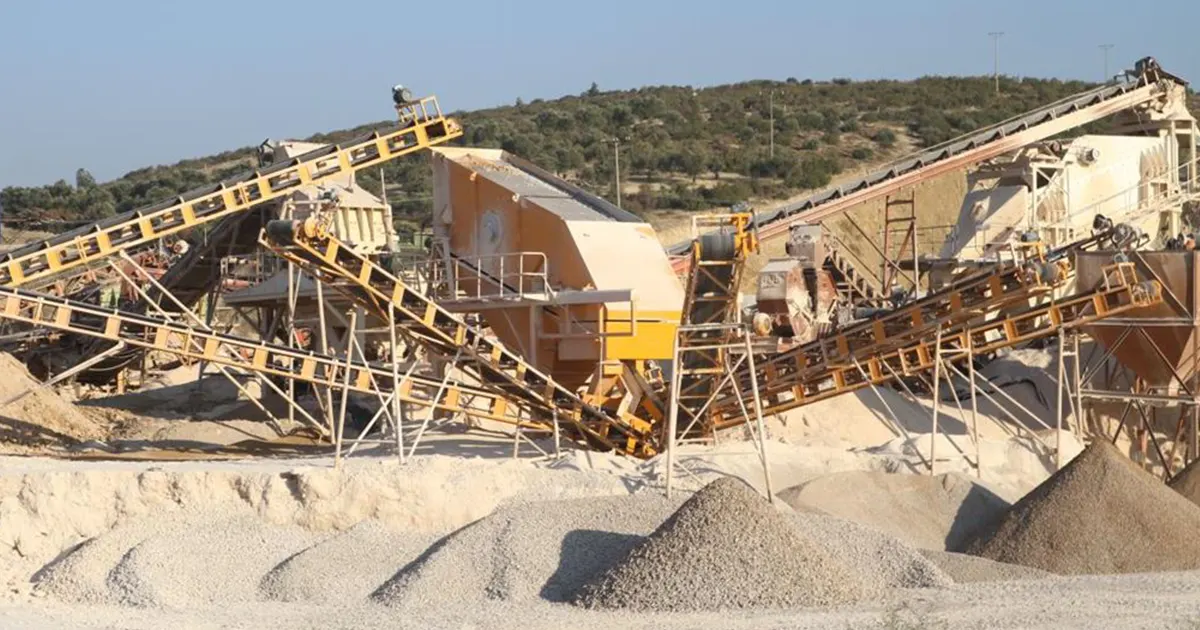
In this guide, the equipment is grouped the way a real operation runs: crushing, screening, and recovery, plus the support gear that keeps material moving. Use the tables to quickly match equipment to your setup—whether you’re running a small placer job or a full hard-rock plant.
Key Takeaways
- The best equipment list is organized by process stage, not by brand or random categories.
- Your ore type matters: placer/alluvial setups look very different from hard rock plants.
- Screening and classification control your feed size—if sizing is unstable, recovery suffers.
- Wet clay and slimes can kill screening efficiency fast, so plan for them early.
- Recovery equipment depends heavily on feed size and mineral behavior, not just “gold is gold.”
- Don’t buy machines first—start with sample info: throughput, size range, moisture/clay.
Gold Mining Process Stages (Quick Overview)
Most gold operations—small or large—follow a similar logic:
- Prospecting & sampling (figure out what you actually have)
- Crushing & grinding (liberate gold from rock)
- Screening & classification (control size so downstream steps work)
- Recovery (gravity, flotation, and other separation steps)
- Dewatering & water management (keep material handleable, recycle water)
- Material handling & support (feeders, conveyors, pumps, power, safety)
Here’s the quick “what do I need” table to anchor everything.
Gold mining equipment list by process stage
| Stage | Equipment | What it does | When you need it |
|---|---|---|---|
| Prospecting & sampling | Gold pan, sluice box, metal detector | Fast field checks | Early exploration, small-scale work |
| Prospecting & sampling | Auger/core sampler, sample bags, riffle splitter | Gets representative samples | Before you design or scale up |
| Crushing | Jaw crusher | Breaks large rock down | Hard rock operations |
| Crushing | Cone crusher / impact crusher | Further size reduction | Higher throughput or tighter sizing |
| Grinding | Ball mill / rod mill | Liberates gold in hard rock | When gold is locked in ore |
| Screening | Vibrating screen | Size separation | Almost every plant |
| Screening | Grizzly/scalper | Removes oversize early | Protects crushers/screens |
| Screening | Trommel screen | Coarse sizing, common in placer | Alluvial/placer feeds |
| Classification | Hydrocyclone | Fine sizing in wet circuits | When running slurry |
| Recovery (gravity) | Jig, spiral, shaking table | Separates by density | Free-milling gold, coarse/fine gravity |
| Recovery (gravity) | Centrifugal concentrator | High-grade concentrate | When gold is fine or recovery needs boost |
| Recovery | Flotation cells | Sulfide-associated gold | When gold is in sulfides |
| Dewatering | Dewatering screen, thickener | Removes water | Wet plants, tailings handling |
| Dewatering | Filter press | Produces drier cake | When water is limited or disposal requires it |
| Support | Pumps, conveyors, feeders | Moves material and slurry | Every operation |
| Support | Generator, controls, guarding | Keeps site running safely | Remote sites and plant safety |
Prospecting & Sampling Equipment (Short List)
Even if your main focus is crushing and recovery, don’t skip sampling. A “perfect” equipment list means nothing if it’s built on bad sample data.
Small-scale / hobby tools
- Gold pan (simple and effective for quick checks)
- Sluice box (lets you process more material than panning)
- Metal detector (useful depending on ground and target)
- Hand tools (shovel, pick, classifier screens)
Plant-scale sampling essentials
- Auger or core sampling tools (depends on deposit type)
- Sample bags, tags, and logging gear (boring but necessary)
- Riffle splitter (to reduce samples without bias)
- Basic scale and moisture checks
Simple rule: if you want trustworthy results, take samples in a repeatable way and don’t “cherry pick” the good-looking rocks.
Crushing & Grinding Equipment
Crushing and grinding are mainly for hard rock gold. If you’re working placer/alluvial material, you might not need heavy crushing at all.
Common crushing equipment
- Jaw crusher: your typical primary crusher—handles big feed.
- Cone crusher: good for secondary/tertiary crushing and consistent sizing.
- Impact crusher / hammer mill: can work in certain applications, but wear and feed characteristics matter.
Grinding equipment
- Ball mill: very common for liberation.
- Rod mill: sometimes used for different grinding behavior.
The key question is: Do you need liberation?
If gold is locked in rock, you usually need grinding. If it’s mostly free gold, you may be able to recover earlier with gravity and avoid over-grinding.
Crushing and grinding selection quick guide
| Equipment | Best for | Key notes | Common mistakes |
|---|---|---|---|
| Jaw crusher | Primary reduction | Simple, rugged | Feeding too fine or uneven |
| Cone crusher | Secondary/tertiary | Consistent output | Running with wrong closed-side setting |
| Impact/hammer | Certain softer feeds | Can create fines fast | Excess wear on abrasive ore |
| Ball mill | Liberation | Works in many circuits | Grinding too fine and hurting gravity recovery |
| Rod mill | Specific grind needs | Different product shape | Using it when ball mill is simpler |
Screening & Classification Equipment (Where Sizing Happens)
This is the stage a lot of plants underestimate. But sizing is a big deal because recovery equipment likes stable feed.
Core screening/classification equipment
- Vibrating screen: the workhorse for sizing.
- Grizzly / scalper: removes oversize early and protects downstream gear.
- Trommel screen: common in placer operations and sticky feeds.
- Hydrocyclone: wet classification for fine sizing in slurry circuits.
Screen media basics (this is where performance really changes)
The screen machine matters, but screen media often decides whether you’re fighting downtime or running smoothly.
- Woven wire: high open area, sharp sizing, great for throughput.
- Self-cleaning wire: helps reduce blinding/pegging in wet or near-size conditions.
- PU panels: longer wear life, modular replacement, good in abrasion-heavy zones.
- Rubber panels: strong impact resistance, often used at the feed end.
Screening equipment and best-fit screen media (quick match)
| Equipment | Typical duty | Common issues | Media suggestion |
|---|---|---|---|
| Vibrating screen | Standard sizing | Blinding, pegging, wear | Woven wire (dry); self-cleaning (wet); PU for wear zones |
| Grizzly/scalper | Pre-screening | Impact damage | Rubber/PU in impact areas; heavy-duty wire where suitable |
| Trommel | Placer sizing | Plugging with clay | Larger openings, anti-blind designs, correct water use |
| Dewatering screen | Water removal | Fine carryover | PU panels or wedge-profile style where applicable |
| Hydrocyclone | Fine classification | Misclassification if poor feed | Stable slurry, correct pressure, not media-based |
Gold Recovery Equipment (Concentration & Separation)
Recovery is where you actually “make gold,” but it only works well if the feed size and conditions are right.
Gravity recovery (very common)
- Jig: good for certain size ranges and density separation.
- Spiral concentrator: continuous gravity separation.
- Shaking table: great for cleaning up concentrates.
- Centrifugal concentrator: strong for fine gold, often used to boost recovery.
Flotation (when gold is tied to sulfides)
- Flotation cells: used when gold is associated with sulfide minerals.
A simple way to think about it:
- If the gold is free, gravity often shines.
- If gold is locked or tied to sulfides, flotation may be needed.
Dewatering & Water Management
If you run wet screening or wet recovery, water control becomes part of your equipment list.
Common tools:
- Dewatering screen: removes water quickly from product streams.
- Thickener: concentrates solids, helps recycle water.
- Filter press: produces drier cake for disposal or transport.
- Pumps and spray systems: keep the circuit moving and screens clean.
A small tip: many screening problems aren’t “screen problems”—they’re water balance problems.
Support Equipment (Often Forgotten but Critical)
These aren’t exciting, but they make or break uptime:
- Feeders: keep feed steady and reduce surges.
- Conveyors: move material between stages.
- Pumps: move slurry and process water.
- Magnets/metal removal: protect crushers and conveyors from tramp metal.
- Power & controls: generators, MCCs, basic monitoring.
- Safety: guards, emergency stops, dust control where needed.
How to Choose the Right Setup (Two Quick Scenarios)
Scenario A: Placer / alluvial (small-scale)
A basic, realistic setup might look like:
- Sluice box or small trommel
- Water pump
- Classifier screen
- Shaking table (optional upgrade)
- Basic sampling tools (pan + splitter for consistent tests)
Scenario B: Hard rock (plant-scale)
Typical chain:
- Primary crusher (jaw)
- Screening (scalping + sizing)
- Secondary/tertiary crushing (as needed)
- Closed-circuit screening
- Grinding (ball mill)
- Recovery (gravity + flotation depending on ore)
Notice how screening shows up multiple times. That’s why screen performance and media choice matter so much.
Checklist: What to Collect Before Buying Equipment
Before you buy anything, collect these basics:
- Throughput (tph) target and expected peaks
- Ore type: placer vs hard rock, and basic hardness/abrasiveness
- Moisture and clay/slimes level (especially seasonal changes)
- Target product sizes (cut sizes)
- Water availability and site limitations (space, power, maintenance access)
If you don’t have this info, you can still build a list—but it won’t be the right list.
Conclusion
A solid gold mining equipment list isn’t about owning more machines. It’s about matching equipment to the process—crushing for liberation, screening for size control, and recovery for separation—and then supporting it with stable feeding and water management.
If screening is part of your setup (it usually is), the right screen media can make day-to-day operation much smoother. As a screening media manufacturer, we can help you match screen media and opening sizes to your feed conditions. Share your throughput, target cut size, moisture/clay level, screen type, and current media life, and we can suggest a practical option for your operation.
FAQ
What equipment do you need to start gold mining?
It depends on your deposit. For simple prospecting, you can start with a gold pan, a classifier screen, and a small sluice. For hard rock, you’ll need crushing and (often) grinding before recovery makes sense.
What’s the difference between placer (alluvial) and hard rock equipment?
Placer/alluvial operations usually focus on washing + screening + gravity recovery. Hard rock operations usually need crushing + grinding to free the gold before recovery.
Do I always need a crusher for gold mining?
Not always. If you’re working placer material (sand/gravel), crushing may be unnecessary. If gold is locked in rock, a crusher (and likely a mill) is usually required for liberation.
Why is screening such a big deal in gold mining?
Because recovery equipment likes stable feed. If your sizing is inconsistent, you’ll see lower recovery, more circulating load, and more downtime—especially when clay or slimes are involved.
What does “scalping” mean in screening?
Scalping is a pre-screen step. It removes big lumps or trash before the main crusher or sizing screen, so downstream equipment is protected and runs more smoothly.
What causes screen blinding and pegging?
Blinding is when wet fines or clay coat the openings. Pegging is when near-size particles wedge into the openings. Both reduce open area, lower throughput, and make separation less accurate.
What screening equipment is common for gold plants?
Vibrating screens are the most common. Grizzlies/scalpers are used for pre-screening. Trommels are common in placer setups. Hydrocyclones are used for wet classification (fine sizing in slurry).
Which recovery equipment is most common?
Gravity equipment is very common: jigs, spirals, shaking tables, and centrifugal concentrators. Flotation is used when gold is tied to sulfide minerals. The “best” option depends on gold size and how it’s hosted in the ore.
Do I need dewatering equipment?
If your circuit is wet, usually yes. Dewatering screens, thickeners, and filter presses help you handle product and tailings better, recycle water, and reduce transport or disposal headaches.
What information should I collect before buying equipment?
At minimum: throughput (tph), ore type, top size, target cut sizes, moisture/clay/slimes level, and site limits (space, power, water). These basics prevent overbuying and help you build the right circuit.