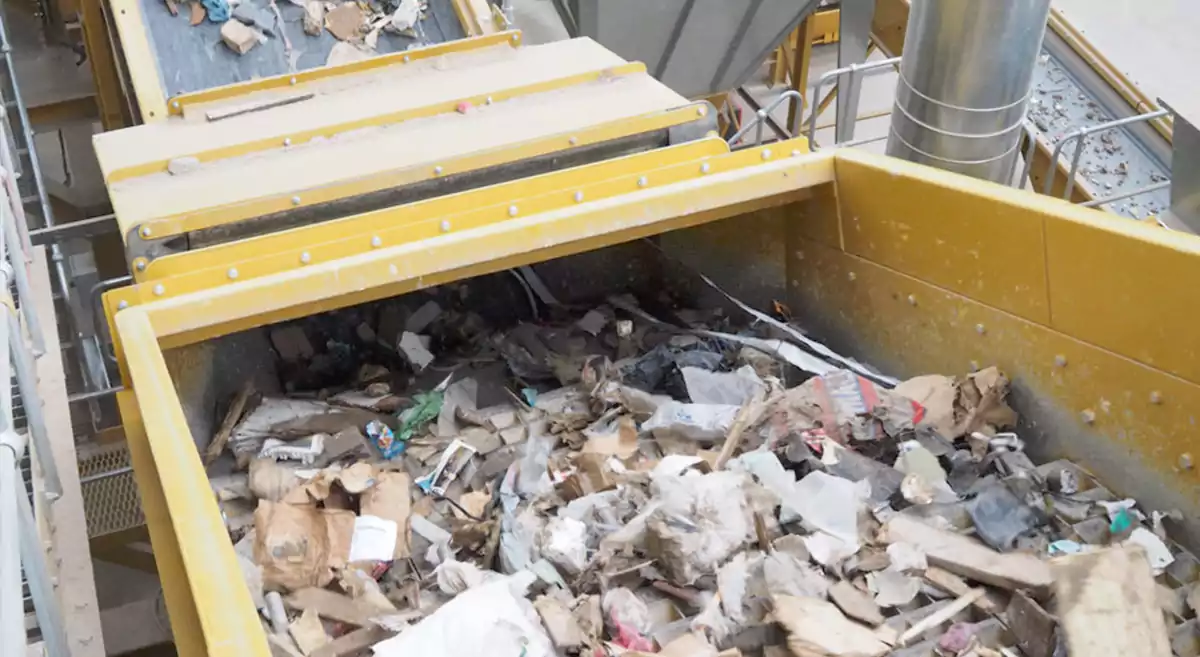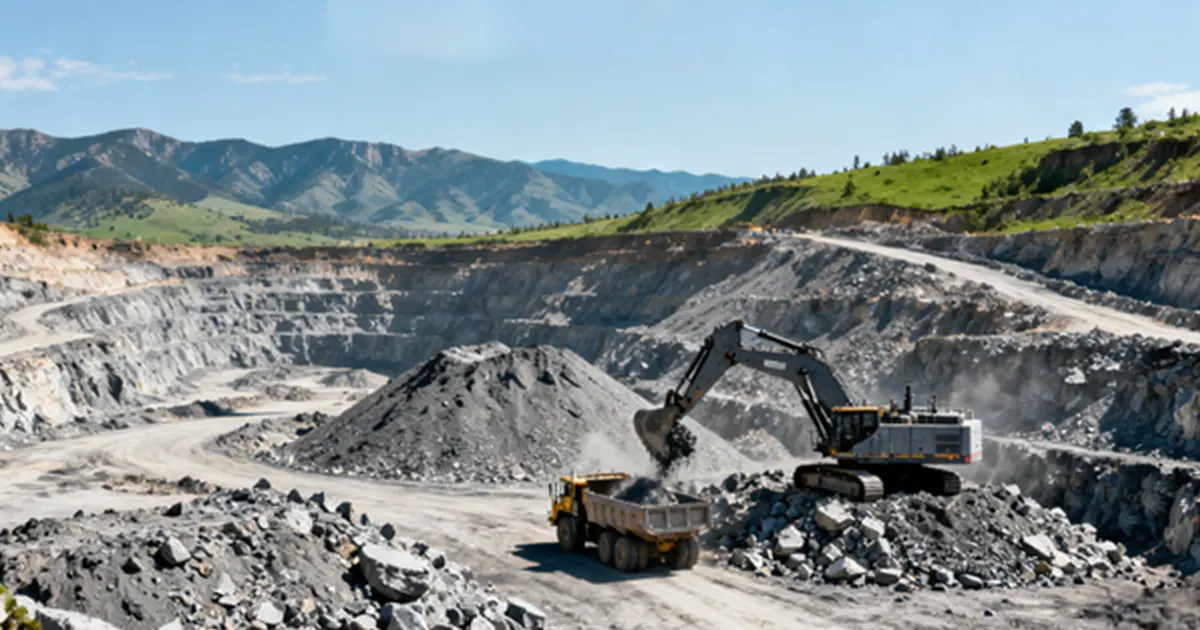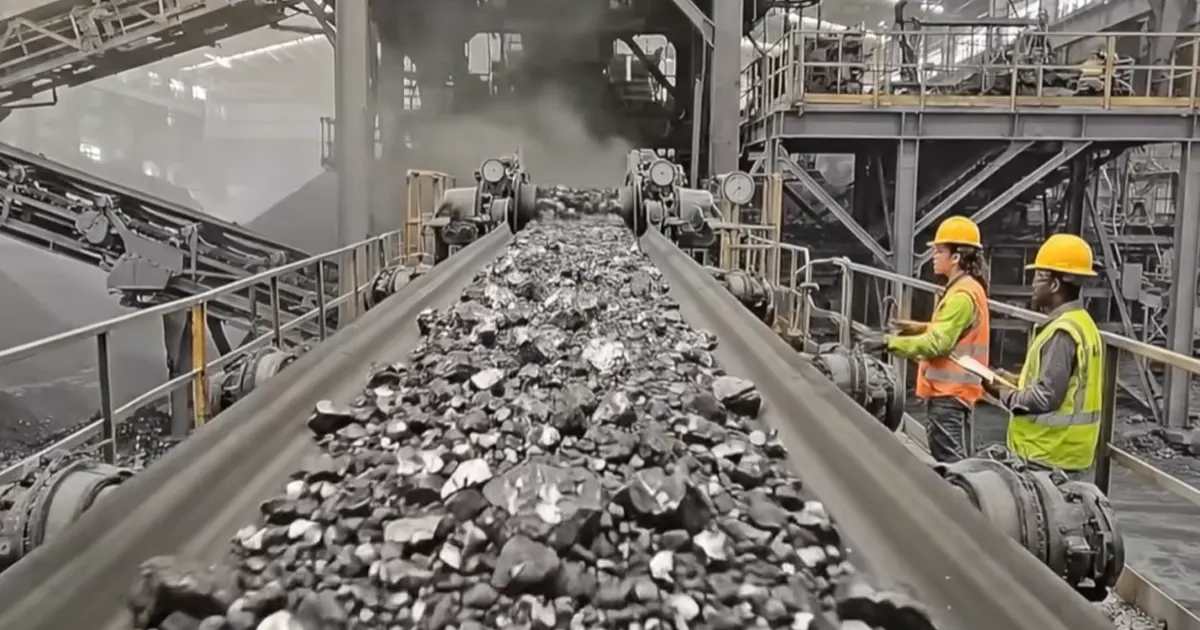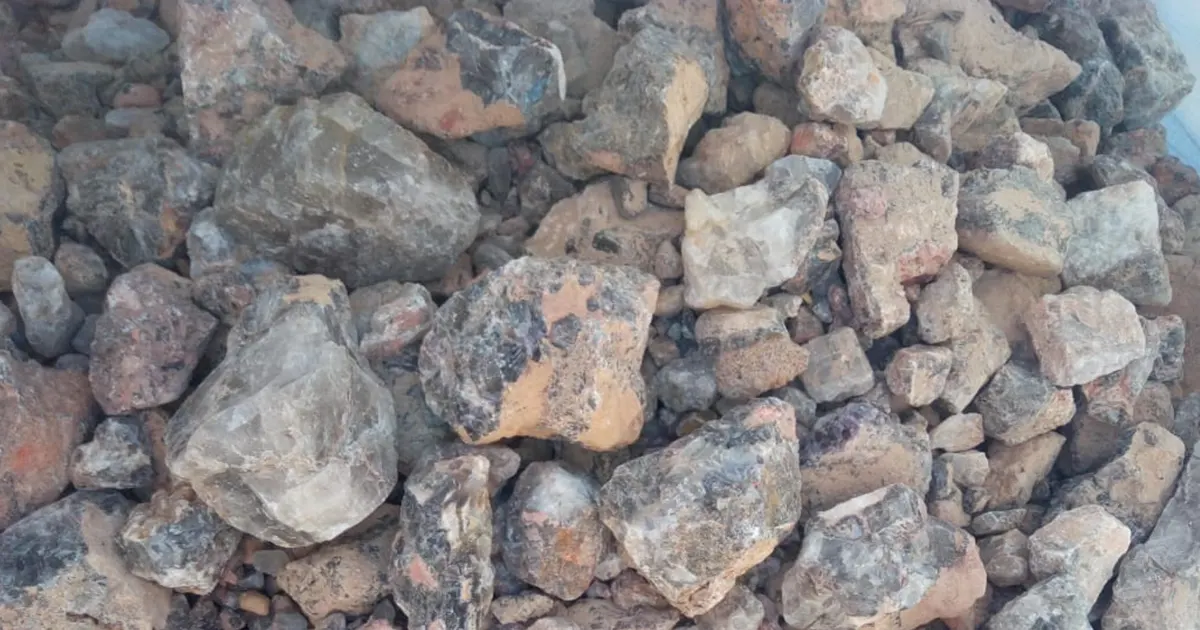
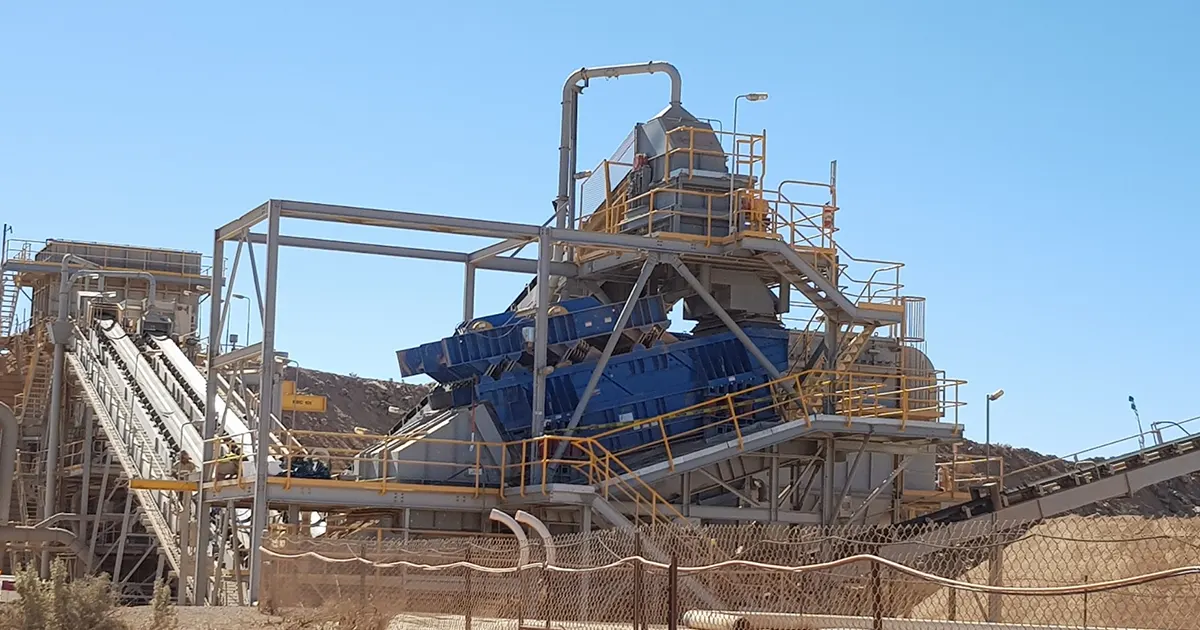
You want gold ore screening to work well, right? Gold ore screening helps you sort and size your material exactly. You keep your equipment safe and get more gold when you use gold ore screening. Good sample preparation helps you do well in gold ore screening. If you pick the best screening methods, gold ore screening gets easier and works better.
- Gold ore screening helps you stop expensive errors.
- Gold ore screening lets you control your process more.
Key Takeaways
- Gold ore screening is important for getting more gold and keeping equipment safe.
- Controlling the size during screening stops gold from being lost and makes the process work better.
- Keeping screens in good shape helps avoid expensive problems like clogging and damage.
- Use the best screening methods to handle changes in ore and moisture.
- Set up a step-by-step screening process to keep things running well and get more gold.
- Pick the right screen media for the ore type to make things work better and have less downtime.
- Watch important numbers like how much goes through and how wet it is to make your screening work best.
- Use good practices and checklists to stay efficient and get more gold.
Why Gold Ore Screening Matters
Size Control for Gold Recovery
You want to get the most gold out of your ore, right? Size control is a big part of that. When you screen your ore, you separate big rocks from small particles. This helps you send the right size material to the next step. If you skip this, you might lose gold or make your process less efficient.
Take a look at this table. It shows how different particle sizes can change how well you recover gold using flotation:
| Comminution Method | Particle Size (µm) | Flotation Efficiency |
|---|---|---|
| VSI | 600 | 4241 |
| VSI | 425 | 4174 |
| VSI | 300 | 3315 |
| HPGR | N/A | N/A |
You can see that as the particle size gets smaller, the flotation efficiency drops. If you control the size, you keep your recovery rates high.
Screening also helps you deal with changes in your ore. Sometimes the feed rate, moisture, or the mix of materials changes. Good screening systems handle these changes and help you keep more gold in your process.
- Stratification depends on feed rate, screen movement, moisture, and the size of particles. If you do not watch these, you might lose gold.
- Mobile screening plants can boost recovery and help you mine in a way that is better for the environment.
Protecting Equipment and Throughput
Screening does more than just help you get gold. It also protects your machines. When you remove big rocks and debris early, you stop them from damaging crushers and mills. This keeps your plant running longer and cuts down on repairs.
You also keep your process moving. If you let oversized material through, it can slow everything down. Screening keeps your throughput steady and helps you avoid blockages.
Tip: Always check your screens for wear and damage. A small tear can let big rocks through and cause big problems later.
Common Screening Issues
Even with good screening, you might run into some problems. Here are a few you should watch for:
Blinding
Blinding happens when fine, sticky material covers the screen openings. This blocks the flow and makes your screen less effective. You might see wet clay or slimes causing this.
Pegging
Pegging is when small rocks or particles wedge into the screen holes. These stuck pieces block the openings and reduce your screening efficiency.
Wear
Screens take a lot of abuse. Over time, the wires or panels wear out. If you do not replace them, you risk letting oversized material through or even damaging your equipment.
Note: Regular checks and cleaning can help you avoid most of these issues.
Gold Ore Screening Process Overview
You might wonder what actually happens during gold ore screening. Let’s break it down so you can see each step and why it matters. When you start with raw ore, you need to get it ready for the rest of your plant. Screening helps you do that by sorting the material by size. This way, you send the right stuff to the right machines and keep your process smooth.
Here’s a simple look at the main steps in the screening process:
- Feed Preparation
You begin by making sure the ore feeds onto the screen evenly. If you dump everything in one spot, you get poor results. Spread the material out so every part of the screen gets used. - Scalping
This step removes the biggest rocks and debris. You don’t want these to go further because they can damage your crushers or mills. Scalping screens have large openings and handle heavy loads. - Primary Screening
Now, you separate the ore into different size fractions. The screen lets smaller particles fall through while bigger ones move on for more crushing. This step helps you control the size of material that goes to the next stage. - Secondary or Tertiary Screening
Sometimes, you need more than one screening step. Secondary screens catch any material that still isn’t the right size. You keep recirculating the oversized pieces until they fit your needs. - Dewatering and Desliming
If you use water in your process, you need to remove excess moisture and fine slimes. Dewatering screens help you dry the ore, while desliming screens get rid of the tiny clay particles that can mess up your gold recovery.
Tip: Always check your screens for blockages or wear. Clean screens work better and last longer.
Here’s a quick table to help you remember the main steps:
| Step | Purpose |
|---|---|
| Feed Preparation | Even distribution |
| Scalping | Remove large debris |
| Primary Screening | Size separation |
| Secondary/Tertiary | Further sizing |
| Dewatering/Desliming | Remove water and slimes |
You can see how each step builds on the last. If you skip a step, you risk losing gold or damaging your equipment. When you follow the process, you set yourself up for better recovery and smoother plant operation. Screening isn’t just about sorting rocks—it’s about making sure every ounce of gold gets a fair shot at recovery.
Where Screening Fits in Gold Circuits
You might wonder where screening actually happens in a gold plant. Screening is not just one step. You see it at several points in the gold circuit. Each spot has a different job, but all help you get more gold and protect your equipment.
Gold Plant Flow
Let’s walk through a typical gold plant. You start with raw ore and end up with gold bars. Screening helps you at every stage.
ROM to Crushing
You begin with Run-of-Mine (ROM) ore. This is the raw material straight from the ground. It can have rocks, clay, wood, and even bits of plastic. You do not want all that junk in your crushers. So, you use a coarse screen right after the ROM pad. This screen removes big debris and tramp materials. You protect your crushers and make sure only the right size rocks go forward.
Screening Stage
After crushing, you get a mix of particle sizes. Some rocks are still too big. You use another screen here. This one sorts the crushed ore by size. The small pieces move on to the next step. The big ones go back for more crushing. This keeps your process smooth and helps you control the size of material going into the mill.
Tip: Always check your screens for blockages. A blocked screen can slow down your whole plant.
Recirculation and Milling
Now, your ore goes to the mill. Sometimes, you need to screen again. You want to make sure only the right size particles go into the leaching tanks. Oversized pieces can cause problems later. You send them back for more grinding. This recirculation step helps you get the most gold out of every ton of ore.
Dry vs Wet Screening
You can screen gold ore in two ways: dry or wet. Dry screening works well when your ore is not sticky. It is simple and uses less water. Wet screening helps when you have clay or fine slimes. Water washes the ore and keeps the screen from clogging. Wet screening also helps you remove slimes before leaching. You choose the method based on your ore and your plant setup.
Screening Points in Gold Plants
Here’s a quick look at where you use screening in a gold plant and what each step does:
| Stage | Function |
|---|---|
| Before Leaching | Screening removes tramp oversize materials (plastics, wood, debris) to ensure a clean feed for leaching. |
| In CIP/CIL Processes | Screening occurs to separate carbon from the pulp, optimizing gold recovery and minimizing losses. |
Screening is not just about sorting rocks. You use it to protect your machines, keep your process running, and make sure you recover as much gold as possible. If you pay attention to each screening point, you set yourself up for better results and fewer headaches.
Ore Sampling Methods and Preparation
Sampling Techniques
You want your gold assay results to be correct, right? How you collect your sample matters a lot. There are different ore sampling methods you can use. Each method changes how accurate your assay is.
100% Collection Systems
If you want the best results, use 100% collection systems. These systems take all the material from your stream. You do not miss gold and make fewer mistakes. Mechanical sampling lets you take many samples from waste piles. This helps you know more about the average properties and deal with differences in the ore. You also need to stop pollution and keep your sample the same.
- Portable XRF, AI-powered analytics, and hyperspectral imaging help you find gold spots faster and with more accuracy.
- The 1,000g LeachWELL bottle roll method gives better results and higher recovery than old ways.
Drilling vs Alternative Methods
Drilling is a common way to get a sample. You drill into the ore and take out material for assay. You can also use grab-sampling or shovel-sampling. Grab-sampling means you take a small piece from a pile or stream. Shovel-sampling uses a shovel to get material from one spot. These ways are good for quick checks, but drilling gives you more information. Saw-cut channel samples are the best for quality and have the lowest mistakes. You get better results in your assay when you use these ways.
Tip: Always make sure your sample shows the whole deposit. If you only grab-sample from one place, you might miss important gold areas.
Sample Preparation
After you collect your sample, you need to get it ready for assay. Good sample preparation is important for getting correct results.
Crushing and Grinding
First, you crush your sample. You break it into smaller pieces so you can grind it. Grinding makes your sample a fine powder. This step helps make your assay more correct.
Homogenization
After grinding, you mix your sample well. Homogenization spreads the gold evenly in the sample. You avoid mistakes and make your assay more correct.
Note: Testing samples again with a bigger sub-sample and the LeachWELL method can find more gold and make your assay better.
Lab Testing Steps
You want your assay to be trusted. You need to follow clear steps in the lab.
Sampling
You collect a sample that shows what your ore is really like. It is important to be fair.
Preparation
You get your sample ready for testing. You crush, grind, and mix it.
Analysis
You test your sample to see how much gold is in it. You use ways like fire assay or bottle roll.
Quality Control
You check your results to make sure they are right. You use blanks, standards, and repeats to make sure your assay is good.
Reporting
You write down your assay results. You add sample details and your ideas for resource checks.
| Step | Description |
|---|---|
| Sample Collection | Collecting samples that show what the gold mine is really like. |
| Sample Preparation | Getting the samples ready for testing in the lab. |
| Analytical Testing | Doing tests to find out the gold content and other things in the samples. |
| Quality Control | Making sure the test results are correct and can be trusted. |
| Reporting | Writing down the results, including sample details and ideas for checking resources. |
You can see how each step builds on the last one. If you follow these ore sampling methods, you get better results in your assay and feel more sure about your gold recovery.
Step-by-Step Checklist
You want your gold analysis to be spot-on, right? A good checklist helps you avoid mistakes and keeps your results accurate. If you follow each step, you can trust your sample and feel confident about your gold recovery numbers.
Here’s a simple checklist you can use every time you work with a gold ore sample:
| Step | What You Need To Do |
|---|---|
| 1. Plan Your Sampling | Decide where and how you will collect your sample. Make sure you cover the whole area. |
| 2. Collect the Sample | Use the right tools. Take enough material so your sample shows what the ore is really like. |
| 3. Label the Sample | Write down the date, location, and any notes. Good labels stop mix-ups later. |
| 4. Transport the Sample | Move your sample carefully. Keep it dry and safe from contamination. |
| 5. Prepare the Sample | Crush and grind your sample. Mix it well so gold spreads evenly. |
| 6. Quality Control Checks | Add blanks, standards, or repeats. These checks help you spot errors early. |
| 7. Analyze the Sample | Use trusted lab methods. Follow the same steps each time for reliable results. |
| 8. Record and Report | Write down your results. Include all details about your sample and how you tested it. |
Tip: Never skip quality control checks. These steps catch mistakes before they mess up your results. If you miss this, your sample might not tell the real story.
You can use this checklist as a quick guide every time you handle a gold ore sample. If you stick to these steps, you lower your risk of errors. Poor sampling or sloppy handling can ruin your results, especially with tricky gold deposits. Good sample protocols and regular checks keep your data strong and your gold estimates on target.
If you want to get the most out of your gold ore, always treat your sample with care. Each step matters, from the first scoop to the final report. This checklist helps you stay organized and keeps your gold analysis on track.
Gold Ore Screening Process Steps
Feed Preparation
Distribution
You want your screening process to start strong. That means you need to spread your ore evenly across the screen. If you dump everything in one spot, you overload part of the screen and leave the rest empty. This uneven feed causes poor separation and can wear out your equipment faster. Use feeders or chutes to help you get a nice, even layer. When every part of the screen gets used, you get better results and less downtime.
What to Watch
Keep an eye on how the ore lands on the screen. If you see piles building up or bare spots, you know something is off. Watch for clumps or sticky patches, especially if your ore has clay or moisture. These can block the screen and slow everything down. Listen for strange noises, too. Sometimes a feeder or chute shakes loose and starts to rattle. That’s a sign you need to check your setup.
Best Practices
- Always start with a clean screen.
- Adjust your feeders so the ore spreads out from edge to edge.
- Check for blockages or build-up at the feed point.
- Use water sprays if your ore is sticky or dusty.
- Train your team to spot uneven distribution early.
Tip: A well-prepared feed keeps your whole screening process running smoother and helps you recover more gold.
Scalping and Primary Screening
Purpose
Scalping is your first line of defense. You use it to remove the biggest rocks and debris before the ore goes to the crusher. This step protects your machines and makes the next steps easier. Primary screening comes next. Here, you separate the ore into different size groups. The right-sized pieces move forward, while the big ones go back for more crushing. This helps you control the size of material that enters the mill.
Checks
You need to check a few things to make sure your scalping and primary screening work well:
| Key Consideration | What to Look For |
|---|---|
| Purpose of Vibrating Screens | Are you removing undersized material before crushing? |
| Hole Size of the Mesh | Does the mesh size match your target separation size? |
| Efficiency | Are you getting close to 90% efficiency in real-world use? |
| Shape of the Mesh Hole | Are you using square holes for standard jobs, or elongated holes for tough spots? |
| Free Surface of the Mesh | Is there enough open area for good throughput? |
| Type of the Mesh | Does your mesh type fit your ore and screening needs? |
| Function of Vibrating Screens | Are you separating ore into the right size fractions for the mill? |
| Benefits of Proper Screening | Are you avoiding over-crushing and reducing the load on your grinding equipment? |
Check your screens often. Look for worn mesh, blocked holes, or uneven wear. If you spot problems early, you save time and money.
Tips
- Pick the right mesh size for your ore.
- Use square holes for most jobs. Try elongated holes if you have sticky or odd-shaped material.
- Clean your screens regularly to prevent blinding and pegging.
- Watch your throughput. If it drops, check for blockages or worn mesh.
- Remember, good scalping and screening protect your crushers and mills and help you get more gold from every ton.
Note: Most screens reach about 90% efficiency in real plants. If you get close to this, you’re doing well.
Closed-Circuit and Final Sizing
Secondary/Tertiary Screening
After primary screening, you may need more steps to get the size just right. Secondary and tertiary screens catch any pieces that are still too big. You send these oversized chunks back for more crushing or grinding. This loop is called closed-circuit screening. It helps you keep tight control over the final product size.
Closed-circuit screening makes sure only the right-sized material moves forward. This protects your downstream equipment from wear and tear. You also avoid sending oversized rocks to the mill, which can slow down your process and waste energy.
Control
You want to keep your screening process under control. Watch your screen performance and adjust as needed. If you see too much oversized material getting through, check your mesh for wear or blockages. Use sensors or cameras to monitor the flow if you have them. Keep records of your throughput and screen life. This data helps you spot trends and fix problems before they get big.
- Only send fine slurry or the right-sized ore to the next step.
- Separate material by size to keep your grinding process efficient.
- Protect your equipment by catching oversized pieces early.
Pro Tip: Closed-circuit screening helps you get the most out of your gold ore and keeps your plant running smoothly.
Dewatering and Desliming
Wet Screening
You want to get rid of extra water and fine particles in your gold ore, right? Wet screening helps you do that. You feed your slurry onto a steep, downward screen. This setup lets water drain away fast. The screen shakes with special motors that move in opposite directions. This motion pushes the solids forward and helps water flow out.
You can use dewatering screens for this job. These screens work well because they separate fine particles from liquids. If you set up your screen the right way, you can get your ore almost dry—sometimes with only 7% moisture left. That means less water in your next step and less mess in your plant.
Here’s what you should do for the best wet screening:
- Use a steep screen to help water drain quickly.
- Pick dewatering screens with strong, counter-rotating motors.
- Keep a thick layer of ore on the screen. This helps trap fine gold and lets water pass through.
- Check your screen often for blockages or wear.
Tip: If you see water pooling on the screen, check your setup. You might need to adjust the angle or clean the mesh.
Slimes Removal
Slimes are tiny clay or silt particles that can mess up your gold recovery. You want to get rid of them before they reach your leaching tanks. Desliming screens help you do this. These screens wash out the slimes and let you keep the good ore.
You feed your ore with water to help break up clumps. The screen lets the slimes and water pass through while keeping the bigger gold-bearing pieces on top. This step is important because slimes can block your screens, slow down your process, and even trap gold so you can’t recover it.
Here’s how you can remove slimes better:
- Use plenty of water to wash the ore.
- Watch for clay build-up on the screen.
- Clean the screen often to keep it working well.
- Check the overflow for lost gold. If you see gold in the slimes, you might need to adjust your process.
Note: Removing slimes early helps you get more gold and keeps your plant running smooth.
Screening Process Checklist
You want a quick way to check if your screening process is on track. Use this checklist to make sure you cover every step:
| Step | What to Do | What to Watch For |
|---|---|---|
| Feed Preparation | Spread ore evenly on the screen | Piles, bare spots, clumps |
| Scalping | Remove large rocks and debris | Blocked mesh, uneven wear |
| Primary Screening | Separate ore by size | Throughput, blinding, pegging |
| Closed-Circuit Screening | Recirculate oversize for more crushing | Oversize in fines, screen wear |
| Dewatering | Drain water from ore using steep, vibrating screens | Pooling water, high moisture |
| Desliming | Wash out slimes and fine clay | Clay build-up, gold in overflow |
Pro Tip: Check each step often. Small problems can turn into big ones if you miss them.
Screen Media Selection for Gold Ore
Picking the right screen media makes gold ore screening easier. It also helps you get more gold and keeps your screens working longer. You will not have to fix things as often. Let’s see the main types of screen media and how they work.
Media Types and Performance
Woven Wire
Woven wire screens are used a lot. They work for many jobs and give sharp size separation. These screens have lots of open space. You can clean them easily. But they wear out fast with heavy or rough ore. If you want to change screens quickly and do not mind fixing them often, woven wire is a good pick.
Self-Cleaning Wire
Self-cleaning wire screens help stop blinding and pegging. They use special shapes and flexible wires to shake off sticky stuff. This means better flow and less time stopped. These screens are good if your ore has clay or is wet. You spend less time cleaning and more time screening.
Polyurethane (PU)
Polyurethane screens last longer than wire screens. They do not wear out fast and can handle tough ore. You do not need to change them as much. At Coeur Wharf, using synthetic media got 10% more gold. You can plan when to fix them, so you do not get surprise problems. PU screens cost more at first, but you save money later.
Rubber
Rubber screens take in hits and make less noise. They work well with heavy, sharp rocks. You get long wear life and less shaking. Rubber screens are best for scalping and primary screening. If you want a quieter plant and longer screen life, rubber is a smart choice.
Tip: If you want less downtime and more gold, try synthetic media like polyurethane or rubber.
Here is a table that shows how different screen types work:
| Screen Type | Motion Type | Efficiency Characteristics | Applications |
|---|---|---|---|
| Freely Vibrating | Various vibrations | Efficiency changes with loading and angle. | General screening |
| Circular Motion | Circular | Higher capacity, lower efficiency; angle helps move material. | Many industries |
| Linear Motion | Linear | High efficiency; good for final and fine screening. | Final screening |
| Trommel Screens | Rotational | Great for big particles; helps layer material and remove fines. | Aggregates, composts, ores |
Key Terms Explained
Aperture
Aperture means the size of the holes in your screen. You pick the right aperture to match your gold particle size.
Open Area
Open area is the space where ore can go through. More open area means more material passes and better efficiency.
Near-Size
Near-size particles are almost the same size as your cut size. They can cause blinding or pegging if your screen is not right.
Impact Zone
Impact zone is where ore hits the screen first. You need strong media here to handle heavy loads and stop early wear.
Here is a table with important terms you should know:
| Term | Description |
|---|---|
| Sizing | Separating particles by size. |
| Classification | Grouping particles by size and other features. |
| Gravity Concentration | Using density to separate gold from waste. |
| Screen Blinding | Fine particles block holes, lowering efficiency. |
| Moisture Control | Managing water to stop clumping and improve flow. |
Screen blinding and media wear can slow your process. Changes in moisture can make ore stick together.
Media Selection Matrix
You want to pick the best screen media for your gold ore. Use this matrix to help you choose:
| Media Type | Best For | Wear Life | Maintenance | Gold Recovery | Noise Level |
|---|---|---|---|---|---|
| Woven Wire | Sharp sizing, dry ore | Low | High | Good | High |
| Self-Cleaning | Wet, sticky ore | Medium | Medium | Better | Medium |
| Polyurethane | Tough, abrasive ore | High | Low | Best | Low |
| Rubber | Heavy impact, scalping | High | Low | Good | Lowest |
If you want more gold and less downtime, try synthetic media. You get longer screen life and smoother operation.
Best Practices and Troubleshooting
You want your screening process to run smoothly and give you the best results. Let’s look at some ways you can boost efficiency and fix common problems before they slow you down.
Improving Screening Efficiency
Even Feed
Make sure you feed your screen evenly. If you pile ore in one spot, you get poor separation and wear out your screen faster. Use feeders or chutes to spread the material. This helps every part of the screen do its job.
Bed Depth
Keep the right amount of ore on your screen. Too much ore creates a thick bed and blocks the holes. Too little means you miss out on good separation. Check the bed depth often and adjust your feed if you see problems.
Stratification
Stratification helps you separate particles by size. When the screen shakes, small pieces move down and big ones stay on top. If you want better stratification, make sure your screen vibrates well and your feed is not too wet or dry.
Water Use
Water can help you wash away slimes and keep your screen clear. Use sprays if your ore is sticky or has a lot of clay. Wet screening works best when you want to remove fine particles before the next step.
Impact Protection
Heavy rocks can hit your screen hard. Use impact pads or rubber liners in the feed zone. This protects your screen media and helps it last longer.
Tensioning/Sealing
Tight screens work better. Check the tension often and fix any loose spots. Good sealing stops leaks and keeps fine material from escaping.
Tip: Regular maintenance, like vibration checks and condition monitoring, helps you spot issues early and avoid downtime.
Here are some proven ways to improve your screening efficiency:
- Try double eccentric equipment to increase your screening area and boost productivity.
- Use polyurethane screen media to reduce blinding and pegging.
- Keep up with regular maintenance to catch problems before they grow.
Common Problems and Fixes
Blinding
Blinding happens when fine, sticky material covers the holes. You can fix this by using self-cleaning screens or adding water sprays. Clean your screens often to keep them open.
Pegging
Pegging means small rocks get stuck in the holes. Try screens with flexible wires or change your vibration settings. Polyurethane screens also help reduce pegging.
Carryover
Carryover is when material that should pass through the screen stays on top. Check your feed rate and screen tension. Make sure your screen is not worn out.
Wear
Screens wear out over time, especially in the impact zone. Inspect your screens often and replace worn panels. Using tougher media like polyurethane or rubber can help.
Leakage
Leaks let fine material escape and mess up your sample results. Check seals and side panels. Tighten or replace them if you see leaks.
If you catch these problems early, you save time and protect your gold recovery.
Mini-Glossary
Here’s a quick table to help you with key terms in gold ore screening:
| Term | Definition |
|---|---|
| Cyanidation | A method of extracting gold, copper, or silver by dissolving it in a weak cyanide solution. |
| Concentrate | A fine, powder-like product with most waste removed, containing valuable ore minerals. |
| Flotation | A process where valuable mineral particles attach to bubbles and float, while others sink. |
| Heap leaching | Extracting gold by piling broken ore on pads and applying a cyanide solution to dissolve the metal. |
| Metallurgy | The science of extracting metals from ores and preparing them for use. |
| Gravity Circuit | A process that separates heavier material from lighter material in gold mills. |
Keep this glossary handy when you review your sample results or troubleshoot your plant.
Data Checklist for Optimization
You want your gold ore screening process to run at its best. To do that, you need to track the right data. This checklist helps you focus on what matters most. If you keep an eye on these points, you can spot problems early and make smart changes.
Throughput (TPH)
Throughput means how much ore you move through your screen every hour. You measure it in tons per hour (TPH). If you know your throughput, you can pick the right equipment and keep your plant running smoothly. For example, a 5 TPH gold trommel can handle five tons of ore each hour. That works well for small or medium mines.
But your real throughput can change. Wet or clay-heavy ore slows things down. Sometimes, you lose up to 30% of your throughput if your material is sticky. You also need to think about how your screen is set up. Using several screen sections with smaller holes helps you separate more gold. If you use trommels with replaceable screens, you spend less time on repairs.
| Aspect | Details |
|---|---|
| Production Capacity | 5 TPH trommel = 5 tons per hour |
| Effective Throughput | Changes with feed, moisture, and ore type |
| Impact of Material Type | Wet, clay-heavy ore can cut throughput by 30% |
| Screen Configuration | More sections and smaller holes improve separation |
| Maintenance | Replaceable screens lower repair time |
Tip: Always check your throughput when you collect a sample. If your numbers drop, look for blockages or sticky ore.
Top Size and Cut Size
Top size is the biggest piece of ore in your feed. Cut size is the smallest size you want to keep. These two numbers help you pick the right screen and get the best gold recovery. If you let big pieces through, you can hurt your equipment. If you let small pieces go to the mill, you waste energy.
| Aspect | Description |
|---|---|
| Top Size | Picks your equipment and helps with good separation |
| Cut Size | Sets the line for what gets separated and boosts your recovery rate |
You want to keep undersized material out of your ball mills. Early gravity separation works better if you control your sizes. This also helps you meet environmental rules and save money. When you take a sample, check both top size and cut size. If your sample has too many fines or big rocks, adjust your screen.
- Size classification keeps small pieces out of mills.
- Early gravity separation means more gold.
- Good sizing lowers costs and meets standards.
Moisture and Slimes
Moisture and slimes can cause big problems. Slimes are tiny, sticky particles that use up more chemicals and lower your gold recovery. Too much moisture makes your screens blind, so nothing gets through. If you do not manage slimes and moisture, your screening process slows down.
- Slimes in your sample can lower recovery and use more reagents.
- Moisture causes blinding and hurts separation.
- Managing slimes and moisture helps you get more gold from every sample.
Note: Always check your sample for slimes and moisture before you start screening. If you see sticky patches or water pooling, adjust your process.
If you track these data points with every sample, you can fix problems fast and keep your gold recovery high.
Screen Type and Media Life
You want your gold ore screening to last as long as possible, right? Picking the right screen type makes a big difference. Each screen type works best for certain jobs. Some screens handle heavy rocks. Others work better with fine particles. If you use the wrong screen, you might wear it out too fast or miss gold in your sample.
Let’s look at the main screen types you might use:
- Woven wire screens: These are common. They give sharp cuts and work well for dry ore. You can swap them out fast, but they wear down quickly if your ore is rough.
- Polyurethane screens: These last longer. They handle tough jobs and do not wear out as fast. You pay more at first, but you save money because you do not change them as often.
- Rubber screens: These are great for heavy impacts. They make less noise and last a long time. You might use them for scalping or when your sample has big rocks.
- Self-cleaning screens: These help if your ore is sticky or wet. They shake off clumps and keep your sample moving.
You should always check your screens for wear. If you see holes or thin spots, swap them out. A worn screen can let big pieces through and mess up your sample. You want your sample to show the real gold content, so keep your screens in good shape.
Here’s a quick table to help you pick the right screen:
| Screen Type | Best Use | Life Span |
|---|---|---|
| Woven Wire | Dry, sharp sizing | Short |
| Polyurethane | Tough, abrasive ore | Long |
| Rubber | Heavy impact, scalping | Long |
| Self-Cleaning | Wet, sticky ore | Medium |
Tip: Keep a log of when you change your screens. This helps you spot patterns and plan for new screens before you run into trouble with your sample.
Plugging and Wear Points
Plugging and wear can slow down your gold ore screening. Plugging happens when rocks or clay get stuck in the screen holes. This blocks the flow and can ruin your sample. If you see your sample moving slower or notice piles building up, you might have plugging.
Wear points are spots where your screen gets thin or damaged. These usually show up where the ore hits first. If you do not fix worn spots, you risk losing gold in your sample or even breaking your screen.
How can you stop plugging and wear from hurting your sample?
- Use self-cleaning screens if you have sticky ore.
- Check your screens every shift for plugged holes.
- Clean your screens with water sprays if you see build-up.
- Rotate your screens or flip them if you see wear in one spot.
- Replace worn panels before they break and mess up your sample.
Note: A clean, well-kept screen gives you a better sample and helps you recover more gold. If you ignore plugging or wear, your sample might not tell the real story.
If you track your screen type, media life, plugging, and wear, you can keep your sample quality high and your plant running smooth.
Conclusion
You want your gold screening and sampling to always give good results. If you follow clear steps, your plant works better and you get more gold. You can use easy tools like a prospecting pan. You can also mix old ways with new technology. Both experts and beginners need to do fast checks and careful tests to trust their results.
- Taking samples in order and using green methods gives better results.
- Using new tools and checking data helps you do better.
- Getting help from pro assayers and doing surveys gives you results you can trust.
Share your throughput, target cut size, moisture or clay level, screen type, and how long your current media lasts. As a screening media manufacturer, we can recommend the right screen media and opening to match your ore conditions—so you get steadier throughput, fewer plugging issues, and longer service life. If you’d like, send those details and we’ll point you to a practical option.
FAQ
What is gold ore screening?
Gold ore screening means you sort rocks by size before processing. You use screens to separate big pieces from small ones. This step helps you recover more gold and keeps your equipment safe.
Why does my screen get blocked?
Sticky clay or wet material can block your screen. You should clean your screen often. Try water sprays or self-cleaning screens if you see build-up.
How do I choose the right screen media?
You pick screen media based on your ore type. Woven wire works for dry ore. Polyurethane lasts longer with tough material. Rubber helps with heavy impacts. Self-cleaning screens stop blinding.
Can I use wet screening for all ores?
Wet screening works best with sticky or clay-rich ores. If your ore is dry, you can use dry screening. Wet screening helps remove slimes and improves gold recovery.
What is the best way to collect a sample?
You should use 100% collection systems for accurate results. Mechanical samplers and channel samples give you better data. Always label and handle your sample with care.
How often should I check my screens?
You need to check your screens every shift. Look for wear, blockages, or loose panels. Regular checks help you avoid downtime and keep your process running.
What do I do if I see gold in the overflow?
If you spot gold in the overflow, adjust your screen angle or water flow. You may need to change your mesh size. Always check for lost gold during slimes removal.
Can I use the same screen for all steps?
You should not use the same screen for every step. Scalping needs tough screens. Final sizing works better with fine mesh. Pick screens based on the job and ore type.
Tip: Keep a checklist for your screening process. This helps you catch problems early and recover more gold.