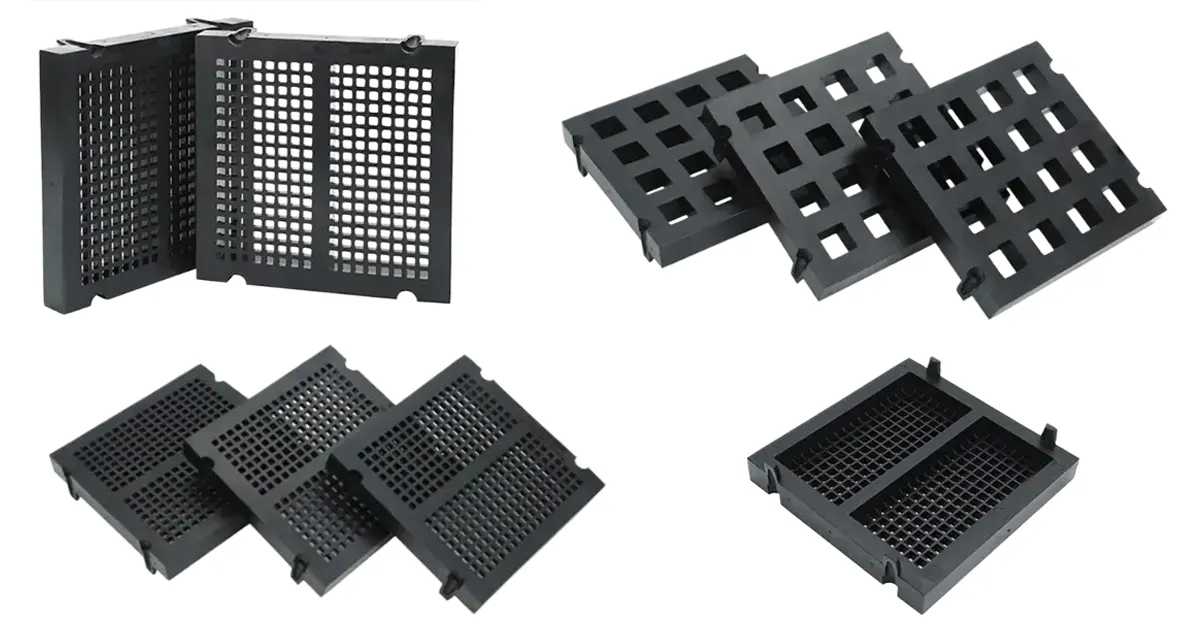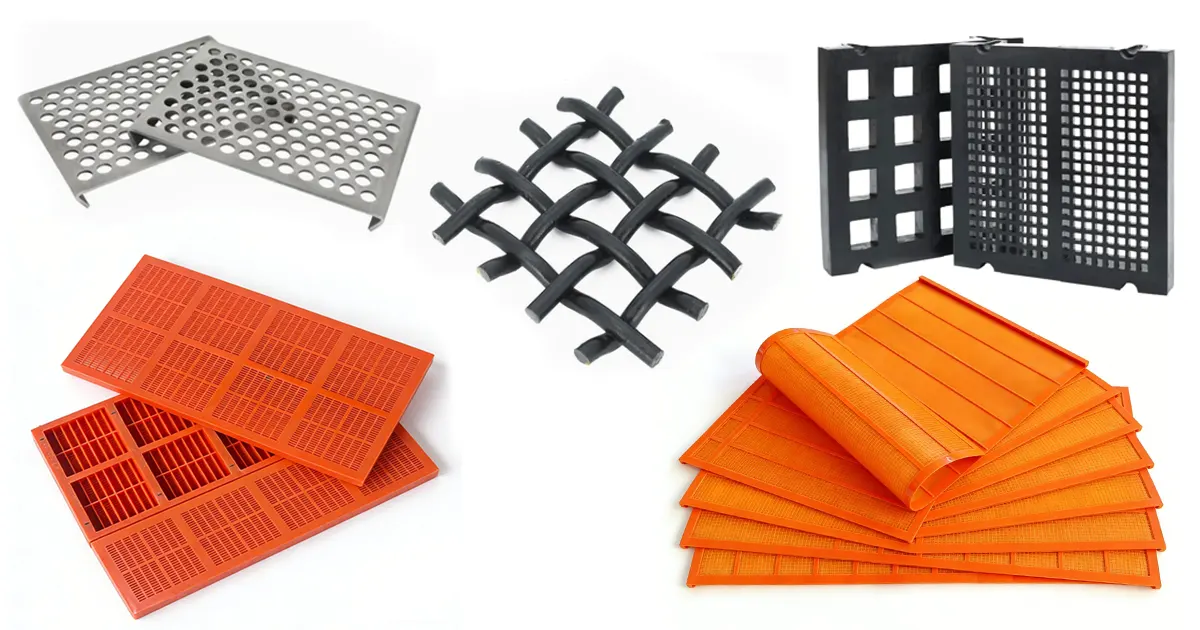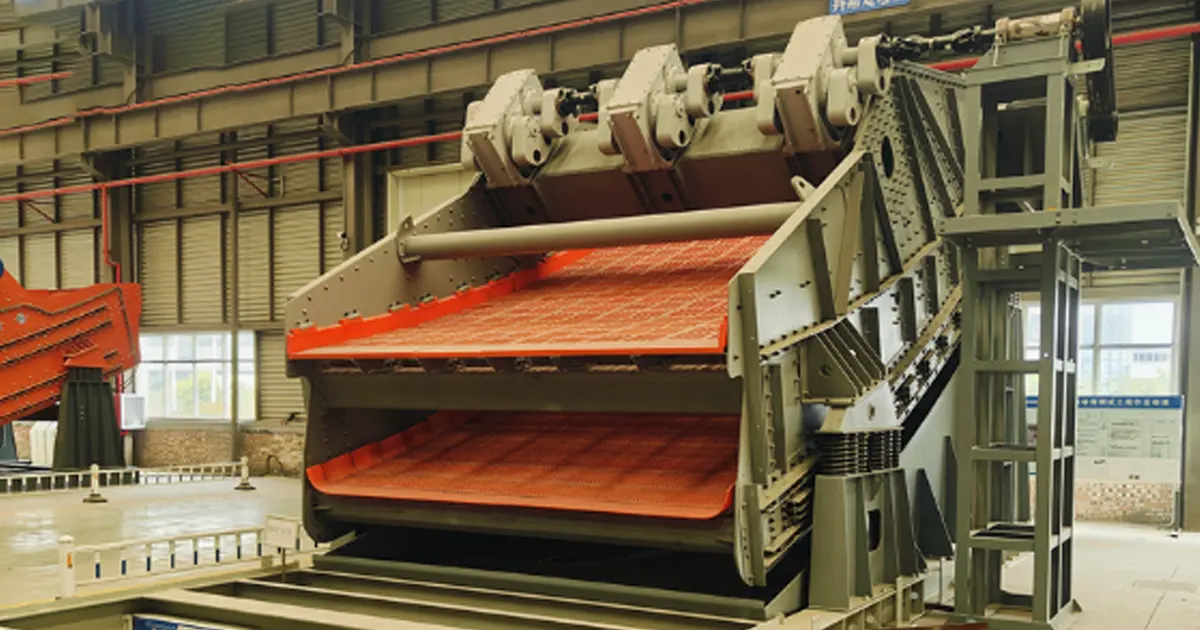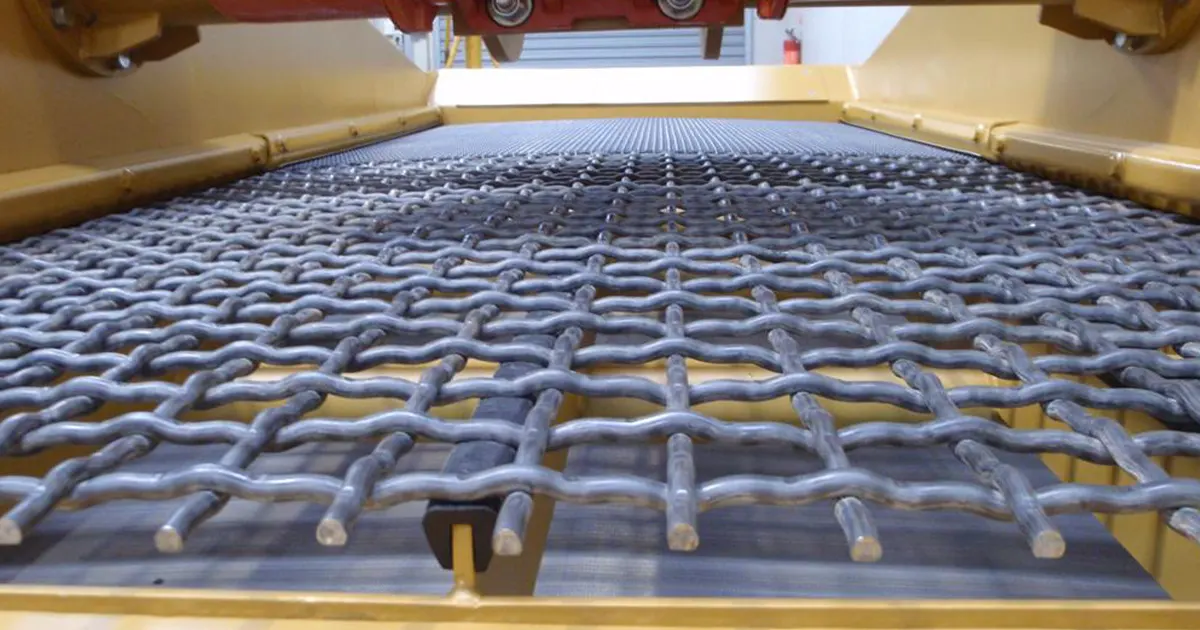
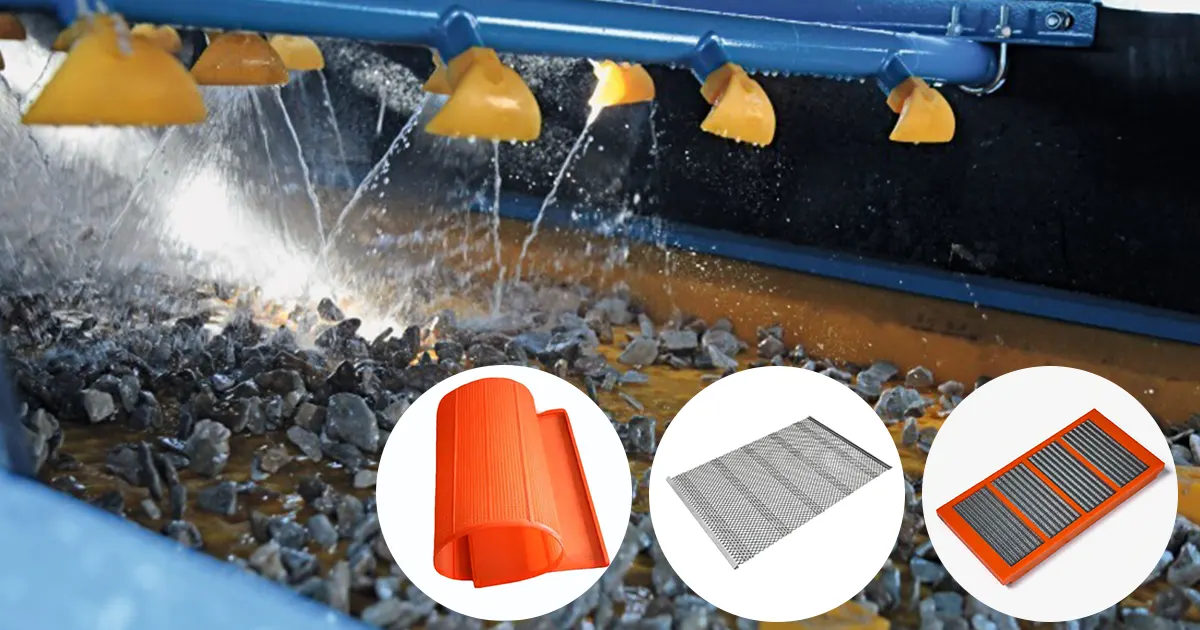
Choosing the right screen media for fine screening is crucial for optimizing your process. It enhances accuracy and prolongs the lifespan of your machines. You want to achieve high capacity while minimizing downtime for repairs. Understanding how to choose screen media for fine screening is essential, as different screening phases require specific types of screen media:
| Screening Phase | Key Considerations | Recommended Media Type |
|---|---|---|
| Layered Phase | Needs to last long, not about open area | Polyurethane screen, heavy-duty punch plate |
| Basic Phase | Needs to last and have enough open area | Depends on what you need |
| Sharp Phase | Needs lots of open area, good separation, lasts long | Special screen media for accuracy |
Regularly check your screens for broken wires and blinding to prevent costly issues. When determining how to choose screen media for fine screening, consider your material, your process, and the specific needs of your operation.
Key Takeaways
- Picking the right screen media is very important. It helps your screening process work better and gives good results.
- Each screening step needs a certain type of media. For example, use polyurethane if you want something strong in layered steps.
- Check your screens often for damage or blinding. This stops expensive breaks and keeps things running well.
- Know what your material is like. Sharp or sticky materials need special screen media. This stops clogging and helps with good separation.
- Think about aperture size and wire diameter. The right mix helps with how much you can screen and how long it lasts.
- Self-cleaning screens can cut down on cleaning time. They also make screening better, especially for half-wet or sticky materials.
- Always look at the total cost of screen media, not just the first price. Good quality media can save you money over ten years.
- Ask experts for help if you are not sure what to pick. They can help you find the best products for your needs.
Fine Screening Overview
What Is Fine Screening
Fine screening is a process that helps you separate small particles from larger ones. You use this step when you want to get the right size material for your project. In quarry screening, you often need to remove dust or tiny stones from sand or gravel. This makes sure your final product meets the right standards.
You might see different words when you talk about screening. People use terms like aperture size, mesh opening, or sieve size. These words all describe the holes in your screen media. The size of these holes decides what stays on top and what falls through. If you want to follow industry rules, you should know about standards like ASTM and ISO. These standards tell you how big the holes should be and how much they can change.
Here’s a quick look at some common standards:
| Standard | Description |
|---|---|
| ASTM | Sets rules for aperture size, mesh, and how much the size can vary. |
| ISO | Gives similar rules, but uses metric units and matches global requirements. |
| Sieve Sizes | Counts holes per inch or measures them in millimeters or microns. |
Fine screening helps you get the right separation for your material. You want to use the best screening media for your job. This makes your quarry screening process smooth and keeps your products high quality.
Common Applications
You see fine screening in many industries. Quarry screening is important in mining, construction, and recycling. You also find it in wastewater treatment and food processing. Each industry uses screening media to get the right separation and meet strict rules.
Here are some common places where you use fine screening:
- Mining and minerals: You separate fine ores and recover metals.
- Construction: You classify sand, gravel, and recycled materials.
- Wastewater treatment: You remove small solids from water.
- Food and pharmaceuticals: You control the size of powders and grains.
- Recycling: You sort plastics, glass, and metals.
| Industry | Typical Applications |
|---|---|
| Mining & Minerals | Separating fine ores, recovering metals, dewatering slurries |
| Construction | Classifying sand, gravel, recycled aggregates |
| Wastewater Treatment | Removing fine solids, meeting environmental rules |
| Food & Pharmaceuticals | Getting the right size for powders, grains, and granules |
| Recycling | Sorting plastics, glass, and metals for reuse |
You use quarry screening to get the right separation in each of these jobs. The right screen media helps you work faster and keeps your machines running longer.
Why Media Choice Matters
Choosing the right screening media is a big deal. You want your quarry screening to be accurate and fast. The wrong screen media can cause problems like blinding, pegging, or even machine damage. You might lose time and money if you pick the wrong type.
Screening media affects how well you get separation. The right choice gives you clean products and less waste. You also spend less time fixing your equipment. When you match your screen media to your material, you get better results in quarry screening.
Tip: Always check your screen media for wear and damage. This keeps your screening process smooth and helps you avoid costly shutdowns.
You can see that fine screening is more than just shaking rocks. It’s about using the right tools for the job. When you understand your screening media, you make better choices for your quarry screening and get the best separation every time.
Screening Challenges
Fine screening comes with its own set of challenges. You want your screening process to run smoothly, but sometimes things get in the way. Let’s look at the main obstacles you might face and see how your choice of screen media can make a big difference.
Blinding and Pegging
Blinding and pegging are two of the most common problems in fine screening. Blinding happens when small particles get stuck in the holes of your screen media. This blocks the openings and stops smaller particles from passing through. Pegging is when larger particles wedge themselves into the holes and stay there. Both problems slow down your screening and make it less accurate.
You will notice these issues more if your material has a lot of moisture or clay. Wet or sticky material can turn into a thick mass that covers the screen media. This makes screening even harder. If you ignore blinding and pegging, you will see your screening capacity drop and your final product quality suffer.
Tip: Check your screens often for signs of blinding or pegging. Cleaning or changing your screen media at the right time keeps your screening on track.
Wear and Durability
Wear and durability matter a lot in fine screening. Your screen media faces constant rubbing and impact from the material. Over time, this can cause holes to get bigger or wires to break. If you use the wrong screen media, you might need to replace it more often. That means more downtime and higher costs.
The right screen media can handle tough jobs and last longer. Some types of screen media are made for high vibration. These can boost your screening throughput by up to 40%. They also help reduce blinding and pegging. You can make your screen media last even longer by picking the right type for your material and by installing it correctly. If you keep your screen media tight and check it often, you will avoid early breakage.
Capacity and Accuracy
You want your screening to be fast and accurate. Capacity means how much material you can screen in a set time. Accuracy means how well you separate the sizes you want. If your screen media gets blocked or wears out, your screening slows down. You might also get the wrong size material in your final product.
Choosing the right screen media helps you keep your screening capacity high and your results sharp. When you match your screen media to your material and process, you get better performance. You also spend less time fixing problems and more time getting the job done.
| Screening Challenge | What Happens | How Screen Media Helps |
|---|---|---|
| Blinding & Pegging | Blocked holes, less capacity | Use self-cleaning or high-vibration media |
| Wear & Durability | Holes get bigger, wires break | Pick durable media, check tension often |
| Capacity & Accuracy | Slow screening, wrong sizes | Match media to material and process |
Screening can be tricky, but you can handle these challenges. The right screen media gives you better results and keeps your screening running strong.
Types of Screen Media
When you look at screen media types for fine screening, you have several choices. Each type has its own strengths and weaknesses. Picking the best screen media depends on your material, your process, and the desired separation size. Let’s break down the main options so you can make the right call for your screening needs.
Woven Wire Screens
Woven wire screens is one of the most common screen media types. You see it in many screening setups because it offers a good balance of open area and accuracy.
Pros and Cons
- Pros:
- High open area (usually 45% to 60%), which means more material passes through.
- Great for sharp, accurate screening.
- Works well with many materials, including food and pharmaceuticals.
- Easy to install and replace.
- Cons:
- Wears out quickly, especially with abrasive materials.
- Short lifespan (about 1.5 to 2.5 months).
- Can suffer from blinding and pegging if you screen wet or sticky material.
Note: Woven wire screens gives you the most open area, but you may need to replace it more often if your material is tough on screens.
Best Uses
You should use woven wire screens when you want high accuracy and need to hit a specific desired separation size. It works best for dry, clean materials and when you need to change screen media openings often.
Polyurethane Media
Polyurethane media is a popular choice for tough screening jobs. It stands up well to wear and lasts much longer than wire screens.
Pros and Cons
- Pros:
- Long lifespan (12 to 18 months).
- Strong wear resistance, even with abrasive or wet materials.
- Handles high vibration and impact without breaking.
- Reduces noise during screening.
- Cons:
- Lower open area (about 25% to 40%), so you may see less capacity.
- Not ideal for very fine separations (usually best for openings above 1 mm).
- Can cost more upfront than wire screens.
| Screen Media Type | Lifespan | Wear Resistance | Open Area Percentage |
|---|---|---|---|
| Woven Wire Screens | 1.5–2.5 months | Low | 45%–60% |
| Polyurethane Screens | 12–18 months | High | 25%–40% |
| Rubber Screens | N/A | High | Lower than Polyurethane |
Best Uses
Polyurethane media works best when you screen abrasive or wet materials. You should choose it if you want less downtime and longer wear life. It’s a smart pick for high-volume screening where you don’t need the finest separation.
Rubber Media
Rubber media is another strong option for screening, especially when you deal with impact and sticky materials.
Pros and Cons
- Pros:
- Excellent impact resistance.
- High wear resistance, especially with wet or sticky materials.
- Reduces noise and vibration.
- Resists blinding better than wire screens.
- Cons:
- Lower open area than polyurethane or wire screens, so you may see less capacity.
- Not suitable for very fine screening or when you need a tight desired separation size.
- Can be heavier and harder to handle.
Tip: Rubber media shines when you need to screen tough, sticky material and want your screens to last.
Best Uses
You should use rubber media for screening wet, sticky, or heavy materials. It’s great for applications where impact and wear are big concerns, but not when you need the best screen media for fine separations.
When you compare these screen media types, think about your material, your process, and how often you want to change screens. The right choice helps you get the most out of your screening and keeps your operation running smoothly.
Self-Cleaning Screens
Self-cleaning screens can make your screening process much easier. You might notice that regular screen media often gets clogged with sticky or wet material. This slows down your screening and makes you spend more time cleaning or replacing screens. Self-cleaning screens use special designs to keep the holes clear. You get better performance and less downtime.
Pros and Cons
Let’s look at the good and bad sides of self-cleaning screens. You want to know if they fit your screening needs.
Pros:
- You spend less time cleaning screens. The wires move and shake, so material does not stick.
- You get higher screening capacity. More material passes through because the holes stay open.
- You see fewer problems with blinding and pegging. This means your screening stays accurate.
- You can use self-cleaning screens with many types of material. They work well with wet, sticky, or fine particles.
- You save money on maintenance. You do not need to change screens as often.
Cons:
- You pay more for self-cleaning screens than basic screen media. The special design costs extra.
- You might see a little less open area compared to woven wire screens. This can lower your screening speed.
- You need to check the screens often. The moving wires can wear out faster if you use them with very abrasive material.
Tip: If you want to boost your screening efficiency and cut down on cleaning time, self-cleaning screens are a smart choice.
Here’s a quick table to compare self-cleaning screens with other screen media:
| Screen Media Type | Blinding Resistance | Maintenance Needs | Open Area | Cost |
|---|---|---|---|---|
| Woven Wire Screens | Low | High | High | Low |
| Polyurethane Media | Medium | Low | Medium | Medium |
| Rubber Media | Medium | Low | Low | Medium |
| Self-Cleaning Screens | High | Low | Medium | High |
Best Uses
You should use self-cleaning screens when you deal with tough screening jobs. If your material is wet, sticky, or has lots of fine particles, these screens help you keep your screening on track. You see them in mining, recycling, and construction. They also work well in food processing and wastewater treatment.
- You want to screen wet sand or gravel? Self-cleaning screens keep the holes clear.
- You need to screen sticky clay or soil? These screens handle it without clogging.
- You work with fine powders or grains? Self-cleaning screens give you accurate results.
You can use self-cleaning screens for almost any screening job where blinding is a problem. You get more uptime, better screening accuracy, and less hassle. If you want to improve your screening process, try self-cleaning screens and see the difference.
How to Choose Screen Media for Fine Screening
Choosing the right screen media can feel overwhelming, but you can break it down into simple steps. When you know how to choose screen media for fine screening, you get better results, less downtime, and a smoother process. Let’s walk through the steps together.
Identify Screening Type
First, you need to figure out what kind of screening you’re doing. Each type has its own needs, and knowing this helps you pick the best screen media. Here’s a quick table to help you decide:
| Screening Category | Description | Key Considerations |
|---|---|---|
| Coarse Screening | Removes fines before crushing. | Needs tough media like steel-reinforced rubber. |
| Multiple Decks | Sends material to different crushers. | Free-fall screens work well here. |
| Closed Circuit | Recycles oversize material back to the crusher. | Must remove undersize particles efficiently. |
| Final Product | Focuses on quality and accuracy. | Needs anti-blinding features for tough jobs. |
If you want to know how to choose screen media for fine screening, start by matching your screening type to your process. For example, if you’re making a final product, you need screen media that keeps blinding to a minimum and gives you clean, accurate results.
Key Selection Factors
Once you know your screening type, you can look at the main factors that help you choose the best screen media. Here’s what you should think about:
Aperture Size
Aperture size means the size of the holes in your screen media. This is one of the most important things to get right in screening. If the holes are too big, unwanted material slips through. If they’re too small, your screen clogs up and slows down the process.
| Aperture Issue | Consequences | Real-World Impact |
|---|---|---|
| Too Large | Bad filtration; unwanted stuff gets through. | Dirty products, like sediment in drinks or impurities in medicine. |
| Too Small | Blocks flow, builds up pressure. | Slower work, more energy used, possible equipment damage. |
| Too Small (again) | Clogs up fast. | More cleaning, higher costs, less work done. |
Particles close in size to the aperture are the hardest to screen. You’ll notice that pieces between 0.75 and 1.5 times the hole size cause the most trouble. When you learn how to choose screen media for fine screening, always check your aperture size first.
Wire Diameter
Wire diameter affects how strong your screen media is. Thicker wires last longer and handle tough jobs, but they block more space, so less material gets through. Thinner wires let more material pass but can break more easily.
| Wire Diameter | Durability and Resistance | Open Area Impact |
|---|---|---|
| Thicker Wires | Last longer, good for rough jobs. | Less open space, slower flow. |
| Thinner Wires | More open space, faster flow. | Easier to bend or break. |
You want to balance strength and flow. If you need your screen to last, go thicker. If you want speed, go thinner—but watch for breakage.
Open Area
Open area is the percentage of your screen that’s open for material to pass through. More open area means faster screening and higher capacity. Less open area makes your screen stronger but can slow things down.
- More open area = more material passes, better efficiency.
- Less open area = stronger screen, but can clog or slow down.
When you think about how to choose screen media for fine screening, always check the open area. It’s a key part of getting the right balance between speed and durability.
Material Properties
The material you’re screening matters a lot. Some materials are sharp or abrasive. Others might be sticky or even corrosive. You need screen media that matches your material.
| Factor | Description |
|---|---|
| Screen Panel Life Expectancy | How long your screen lasts before you need to replace it. |
| Open Area | How much of the screen lets material through. |
| Material Characteristics | What your material is like—sharp, sticky, or corrosive? |
- Abrasive materials need tough media like polyurethane or hardened steel.
- Corrosive materials need special options like stainless steel or certain plastics.
Wear Resistance
Wear resistance tells you how well your screen media stands up to tough jobs. If you screen sharp rocks or heavy loads, you want something that won’t wear out fast. Polyurethane and rubber are great for this. They last longer and save you money on replacements.
Screening Accuracy
Screening accuracy means how well your screen separates the sizes you want. If you need a very clean product, you want screen media that gives you sharp, accurate cuts. Woven wire screens is great for this, but it may wear out faster. Polyurethane and rubber last longer but might not be as precise.
Compare Media Options
Now that you know the key factors, you can compare your options. Here’s a simple way to look at it:
- Think about your screening type. Are you making a final product or just removing big pieces?
- Check your material. Is it sharp, sticky, or corrosive?
- Pick your aperture size and wire diameter. Get the right balance for your job.
- Look at open area and wear resistance. Decide if you want speed or strength.
- Choose the screen media that fits best. Woven wire for accuracy, polyurethane for tough jobs, rubber for sticky stuff, or self-cleaning screens for tricky materials.
Tip: If you’re not sure how to choose screen media for fine screening, talk to a screen media expert. They can help you match your needs to the right product.
When you follow these steps, you’ll know how to choose screen media for fine screening every time. You’ll get better results, save money, and keep your screening process running smoothly.
Matching Media to Application
Assess Material and Process
You need to look at your material and process before you pick screen media. Every screening job is different. Some materials are sharp and abrasive. Others are sticky or wet. You want to match your screen media to what you’re screening. If you work with sand, gravel, or crushed stone, you need tough screen media that can handle rough particles. Sticky clay or wet soil needs screen media that resists blinding. Fine powders call for accurate screening and smooth flow.
Ask yourself these questions:
- What size particles do you want to separate?
- Is your material dry, wet, or sticky?
- Does your process need high capacity or sharp accuracy?
- How often do you change your screen media?
If you know your material and process, you can choose the right screen media for your screening. This helps you get better results and keeps your machines running longer.
Panel Thickness and Configuration
Panel thickness plays a big role in screening. Thinner panels give you higher capacity and better accuracy. They let more material pass through and help you get sharp cuts. Thicker panels last longer and reduce how often you need to replace them. You trade some efficiency for longer wear life.
Here’s a quick look at how panel thickness affects screening:
| Panel Thickness | Capacity | Accuracy | Wear Life | Aperture Size |
|---|---|---|---|---|
| Thinner | High | Better | Shorter | Smaller |
| Thicker | Lower | Less | Longer | Larger |
- Thinner panels boost your screening speed and accuracy.
- Thicker panels cut down on downtime and replacement costs.
- You need to balance efficiency and wear life for your screening job.
If you screen sharp, abrasive material, thicker panels may save you money. If you want fast, accurate screening, thinner panels work best. Think about your process and how often you want to change your screen media.
Tip: Thinner panels help you avoid blinding, but you may need to replace them more often. Thicker panels last longer, but you might lose some accuracy.
Hole Shape and Size
Hole shape and size matter a lot in screening. The shape of the holes in your screen media affects how well material passes through and how long your screen lasts. Square holes give you accurate sizing for general aggregates. Slotted holes stop blinding and work well with wet or sticky material. Round holes help fine materials flow smoothly but don’t give sharp cuts.
Here’s a table to help you choose the best hole shape for your screening:
| Hole Shape | Best For | Pros | Cons |
|---|---|---|---|
| Square | General aggregates | Accurate sizing | Can blind with sticky material |
| Slotted | Wet, sticky, long particles | Stops blinding | Less exact sizing |
| Round | Fine materials | Smooth flow | Not for sharp cuts |
If you screen sticky material, slotted holes keep your screen media clear. Square holes work well for most screening jobs, but you need to watch for blinding. Round holes help with fine screening, but you may not get the sharp separation you want.
You want to match hole shape and size to your material and process. This helps you get the best screening results and keeps your screen media working longer.
Deck Setup Compatibility
You want your screening deck and screen media to work well together. If you set up your deck the right way, you get better results. You also have less downtime. Deck setup compatibility means your screen media fits your deck, your material, and your process.
Let’s break this into simple steps. You need to check a few things before you put in your screen media. Each thing you check can change how well your screening works. If you skip these steps, you might get poor separation. Your screening could slow down or even break your equipment.
Here’s a table to help you see what to poll:
| Factor | Description |
|---|---|
| Material Characteristics | Things like moisture, stickiness, and shape change how your deck works. |
| Throughput Requirements | If you screen a lot, you may need more decks or tandem screens. |
| Environmental Conditions | Outdoor decks need screen media that can handle weather. |
| Regulatory Compliance | Food and pharma decks must be clean and use safe parts. |
| Maintenance Accessibility | Fast-change screen media and modular decks save time. |
| Mesh Size | Match the openings to your material for good screening. |
| Material of Construction | Pick screen media that lasts, costs less, and fits your site. |
| Vibration Type | Choose deck motion that fits your material for better results. |
| Load Bearing Capacity | Make sure your deck can hold the weight of your job. |
| Customization | Change your deck and screen media for your special needs. |
You might ask why these things matter. If your material is sticky, you need a deck for self-cleaning screen media. If you screen a lot, you want decks that let you change panels fast. Outdoor decks need screen media that can handle rain, dust, and sun.
Let’s look at some real-life examples. If you screen wet sand in a quarry, you need a deck that works with self-cleaning screen media and does not rust. If you screen fine powders in a food plant, your deck must be easy to clean and use safe screen media. If you screen heavy rocks in mining, your deck needs strong screen media and must handle lots of shaking.
Tip: Always check your deck’s load capacity before you add new screen media. If your deck is not strong enough, it could break and stop your work.
You can make your screening better by matching your deck to implied screen media. Modular decks let you change panels quickly. Custom decks help you screen tricky materials. If you want smooth screening, make sure your deck and screen media fit together.
You do not have to figure this out alone. Many experts can help you pick the right deck setup for your screen media. If you get this right, you save time, spend less money, and get better screening results.
Cost, Maintenance, Troubleshooting
Cost vs. Performance
You want your screening process to run smoothly and save money. Sometimes, you pay more for screen media up front, but you get better performance and longer life. Woven wire screens cost less, but you need to change them often. Polyurethane and rubber screens cost more, but they last longer and need less maintenance. Self-cleaning screens help you avoid downtime from clogging, so you spend less time fixing problems.
Think about how much you spend on replacements and repairs. If you choose screen media that fits your material, you can cut costs in the long run. You also get better screening results and less waste. It’s smart to look at the total cost, not just the price tag. Ask yourself, “Will this screen media help me avoid extra work and keep my screening on track?”
Tip: Don’t pick screen media just because it’s cheap. You might pay more later for repairs and lost screening time.
Maintenance Needs
You need to keep your screening equipment in good shape. Different screen media types need different care. Woven wire screens need frequent changes and cleaning. Polyurethane screens last longer and need less attention. Rubber screens have the longest lifespan and rarely clog. Self-cleaning screens reduce maintenance because they keep the holes clear.
Here’s a table to help you compare maintenance needs:
| Screen Media Type | Maintenance Requirements | Lifespan | Noise Level | Clogging Risk |
|---|---|---|---|---|
| Woven Wire Screens | Frequent changes needed | Short | High | Common |
| Polyurethane Screens | Less frequent maintenance | Long | Low | Rare |
| Rubber Screens | Less frequent maintenance | Longest | Low | Rare |
| Self-Cleaning Screens | Reduced maintenance needs | Varies | Low | Less common |
You want to check your screens often for damage or clogging. Clean them when you see blinding or pegging. If you use polyurethane or rubber, you spend less time on maintenance. Self-cleaning screens help you focus on screening, not fixing problems.
Common Issues
You might run into problems during screening. Blinding and pegging are common. These happen when material sticks or gets stuck in the screen media. You lose capacity and accuracy. Woven wire screens clog easily, so you need to clean them often. Polyurethane and rubber screens resist clogging, but you should still check them for wear.
Noise can be a problem, too. Woven wire screens make more noise. Polyurethane and rubber screens run quieter. If you want a quieter screening process, pick screen media that reduces noise.
Sometimes, you see broken wires or panels. Replace damaged screen media right away. If you ignore these issues, your screening slows down and your final product suffers.
Quick Fix: If you see blinding, try self-cleaning screens. If you hear too much noise, switch to rubber or polyurethane. Always check your screens before and after screening.
You can solve most screening problems by picking the right screen media and keeping up with maintenance. This helps you get the best results and keeps your screening process running strong.
Common Mistakes in Screening Media Selection
Ignoring Material Properties
You might think all screen media works the same, but that’s not true. Every material acts differently during screening. If you ignore material properties, you risk poor results and wasted money. Sharp rocks can tear up screens fast. Sticky clay causes blinding and slows down your screening. Fine powders need accurate separation, or you end up with mixed sizes. When you skip checking material properties, you choose the wrong screen media. That leads to more downtime and lower quality.
Ask yourself these questions before you start screening:
- Is your material abrasive or soft?
- Does it stick or flow easily?
- Are you dealing with wet or dry material?
If you match your screen media to your material, you get better screening and longer-lasting screens. You avoid common headaches and keep your process running smoothly.
Overlooking Maintenance
Maintenance matters a lot in screening. If you forget about it, your screen media wears out faster and your screening slows down. You want your screens to last and your process to stay efficient. Regular maintenance keeps everything working right.
Here’s what happens when you overlook maintenance:
- Regular cleaning stops particles from building up and clogging the screen media. This keeps your screening efficient.
- Inspecting the screen mesh helps you spot tears or blockages early. You fix problems before they hurt your output quality.
- Upgrading to better mesh materials boosts durability and performance. You spend less time fixing screens and more time screening.
Tip: Make a habit of checking your screen media after every screening job. Clean, inspect, and upgrade when needed. This saves you money and keeps your screening strong.
Choosing by Price Only
You might want to save money, but picking screen media just because it’s cheap can cost you more in the long run. Low-cost screens often wear out fast. You spend more time replacing them and less time screening. Cheap screen media can break, clog, or give you poor separation. That means more downtime and lower quality.
Here’s a quick table to show what happens when you choose by price only:
| Choice | Short-Term Result | Long-Term Result |
|---|---|---|
| Cheapest Option | Save money now | More repairs, downtime |
| Quality Option | Pay more upfront | Better screening, less hassle |
You want to look at the total cost, not just the price tag. Quality screen media lasts longer and gives you better screening. You spend less on repairs and get more work done.
Remember: Good screen media selection means thinking about material, maintenance, and quality—not just price.
Misjudging Application Needs
You might think all screening jobs are the same, but they’re not. Every application has its own needs. If you misjudge what your process really requires, you can end up with poor results and wasted time. You want your screening to run smoothly, so you need to match your screen media to your actual job.
Let’s say you’re working in a quarry. You might need to separate fine sand from gravel. If you pick screen media that’s too coarse, you’ll miss the fine particles. Your screening won’t give you the clean product you want. On the other hand, if you use very fine screen media for a job that handles big rocks, your screens can clog or break. That means more downtime and less screening.
Here are some common ways you might misjudge your application needs:
- You choose screen media based on what worked for another job, not your current material.
- You forget to check if your screening process needs high accuracy or just high capacity.
- You ignore the moisture level or stickiness of your material.
- You don’t think about how often you need to change your screens.
Tip: Always ask yourself, “What am I really trying to achieve with this screening?” Write down your goals before you pick your screen media.
Check out this table to see how different needs call for different choices:
| Application Goal | Best Screen Media Choice | Why It Works |
|---|---|---|
| High accuracy | Woven wire or self-cleaning | Gives sharp cuts, less blinding |
| High capacity | Polyurethane or rubber | Handles more material, lasts longer |
| Wet or sticky | Self-cleaning or slotted panels | Stops clogging, keeps flow steady |
| Heavy impact | Thick rubber or polyurethane | Resists wear, handles big loads |
You want your screening to fit your real-world needs. If you’re not sure, talk to a screening expert or test a few options. Don’t guess—your process will thank you.
Remember, every screening job is unique. The right screen media for one job might not work for another. Take time to understand your material, your process, and your goals. When you match your screen media to your application, you get better screening, less downtime, and higher quality results.
Conclusion
You can improve screening performance by starting with the right match between your material, process conditions, and screen type. When the screen is properly selected, it helps deliver more accurate separation, steadier operation, and better final product quality. As a screen media manufacturer, we supply screening solutions for different materials and working conditions, and we work with customers to choose products that better fit their actual process needs. With the right product and proper support, your screening operation can run more efficiently and more reliably.
FAQ
What is the best screen media for wet or sticky material?
You should try self-cleaning screens or rubber panels. These options help stop blinding and keep your screening running. Wet or sticky material can clog other screens fast.
How often should I check my screen media for wear?
Check your screens at least once a week. If you screen tough or abrasive material, look every day. Quick checks help you spot problems before they stop your work.
Can I use the same screen media for all materials?
No, you can’t. Each material acts differently. Sharp rocks need tough screens. Sticky clay needs screens that resist blinding. Always match your screen media to your material.
How do I know when to replace my screen media?
Look for broken wires, holes that got bigger, or panels that sag. If you see blinding or pegging that won’t go away, it’s time to change your screen media.
Does thicker screen media last longer?
Yes, thicker screens last longer. They handle heavy loads and sharp material better. You might lose some accuracy or speed, though. Pick what fits your job best.
What does “open area” mean in screening?
Open area means the part of the screen that lets material pass through. More open area gives you faster screening. Less open area makes your screen stronger but can slow things down.
Why does my screen keep getting clogged?
Your screen might clog because the holes are too small, or your material is wet or sticky. Try self-cleaning screens or change the hole shape to fix this problem.