You want to know how to cut wire mesh without risking injury or wasting time. The secret starts with three basics: pick the right tool for your mesh, put on gloves and goggles, and set up a sturdy work surface. Wire mesh edges can be sharp, and flying bits cause trouble if you skip protection. Here’s what you need to stay safe:
- Safety glasses shield your eyes from flying debris.
- Cut-resistant gloves keep your hands safe from scrapes and cuts.
- Thick work clothing guards against sharp edges.
If you follow these steps, you avoid common injuries like eye damage or cuts. With the right gear and workspace, you get a clean cut and a professional finish every time.
Key Takeaways
- Always wear safety gear like gloves and goggles. This keeps you safe from sharp edges and flying pieces.
- Pick the right tool for the wire mesh thickness. Use heavy-duty scissors for thin mesh. Use tin snips for medium mesh. Use bolt cutters for thick mesh.
- Make sure your workspace is stable and has good light. Clamp the mesh tightly so it does not move when you cut.
- Measure and mark where you want to cut. Check your measurements again to avoid mistakes.
- Cut slowly and carefully on the marked line. Do not rush, or you might get jagged edges or hurt yourself.
- After cutting, smooth out sharp edges with a file or sandpaper. This helps stop injuries.
- For big projects or hard cuts, use pre-cut panels or ask a professional. This saves time and makes sure the job is done well.
- Always clean up your workspace after you finish cutting. Throw away sharp scraps safely so no one gets hurt.
How to Cut Wire Mesh: Safety First
Before you grab your tools, you need to think about safety. Wire mesh can be sharp and tough. If you skip safety steps, you risk cuts, scrapes, or even worse injuries. Let’s break down what you need to stay safe and work smart.
Essential Safety Gear
Gloves
You should always wear gloves when cutting wire mesh. Choose cut-resistant gloves made from Kevlar, leather, or even “wire mesh gloves.” These protect your hands from sharp edges and help you grip the mesh without slipping. Some jobs, like working with heavy or thick mesh, call for gloves with extra padding or metal mesh built in.
Tip: Never use thin cotton gloves. They tear easily and won’t protect you from cuts.
Safety Glasses
Your eyes need protection from flying bits of wire. Safety goggles or a full-face shield work best. If you use power tools, sparks can fly, so goggles are a must. You don’t want to risk eye injuries.
Protective Clothing
Wear long sleeves and thick work clothing. This keeps your arms and body safe from scratches and pokes. For heavy-duty jobs, a leather or wire mesh apron adds another layer of protection. Steel-toe boots protect your feet if you drop tools or mesh.
Here’s a quick look at recommended PPE:
| Type of PPE | Purpose |
|---|---|
| Wire mesh or leather gloves | Protects hands from cuts and punctures |
| Safety goggles/face shield | Shields eyes from flying debris |
| Long-sleeve clothing | Guards arms and body from sharp edges |
| Leather/wire mesh apron | Adds extra protection for torso |
| Steel-toe boots | Prevents foot injuries from falling objects |
Preparing Your Workspace
Stable Surface
Set up your mesh on a sturdy, flat surface. A wobbly table makes cutting harder and more dangerous. Clamp the mesh down so it doesn’t move. This gives you better control and helps you make straight cuts.
Good Lighting
You need to see what you’re doing. Work in a bright area. Good lighting helps you spot your cutting line and avoid mistakes. If you can, use a work lamp to shine light right on your project.
Clear Area
Keep your workspace tidy. Move flammable materials and clutter away from your cutting area. Make sure no one stands nearby, especially kids or pets. Check your tools before you start. Look for cracks or worn parts. Safe tools make safe cuts.
Remember: A clean, well-lit, and stable workspace keeps you focused and accident-free.
By following these steps, you protect yourself and make the job easier. You’ll handle sharp edges with confidence and avoid common accidents. Safety always comes first.
Choose the Right Tool for Wire Mesh

Cutting wire mesh gets much easier when you choose the right tool for the job. You want clean cuts, less effort, and safe hands. The best tools for cutting depend on the thickness and type of mesh you have. Let’s break down how you can figure out what you need.
Identify Mesh Thickness
Before you start, you need to know how thick your wire mesh is. This helps you pick the proper tools and avoid damaging the mesh or your hands.
Gauge Measurement
Wire mesh comes in different gauges. The gauge tells you how thick the wire is. A lower gauge means thicker wire, while a higher gauge means thinner wire. You can use a micrometer to measure the diameter of the wire. This tool gives you a precise reading, so you know exactly what you’re working with.
Here’s a quick guide:
| Gauge | Diameter (inches) | Diameter (mm) |
|---|---|---|
| 10 | 0.102 | 2.59 |
| 12 | 0.080 | 2.03 |
| 14 | 0.064 | 1.63 |
You might hear people use “gauge” and “diameter wire” as if they mean the same thing. Always check which system your mesh uses. If you measure with a micrometer, you can match the number to the right gauge.
Visual Check
Sometimes you don’t have a micrometer handy. You can still get a good idea by looking at the mesh. Thicker wires feel stiff and hard to bend. Thinner wires feel flexible and easy to cut. If you’re not sure, compare your mesh to a known sample or ask at your local hardware store.
Here’s a simple table to help you match gauge to common uses:
| Gauge Number | Wire Thickness | Application |
|---|---|---|
| Higher | Thicker wire | Fencing, pest control |
| Lower | Thinner wire | Filters, screens |
Best Tools for Cutting by Thickness
Now that you know your mesh thickness, you can pick the best tools for cutting. Each tool works best for certain types of mesh.
Heavy-Duty Scissors for Light Mesh
If your mesh is thin, like what you find in window screens or craft projects, heavy-duty scissors work well. They cut through light wire easily and give you good control. You don’t need much force. Just make sure your scissors are sharp and strong.
Tip: Don’t use regular kitchen scissors. They can break or get dull fast.
Tin Snips for Medium Mesh
Tin snips are great for medium-thickness mesh, up to 18 gauge. They look like big scissors but have stronger blades. Tin snips give you clean, accurate cuts and work well in tight spaces. You can use them for detailed work, like cutting around corners or making small shapes.
- Tin snips work best for sheet metals and mesh that aren’t too thick.
- They leave a smooth edge and help you avoid jagged cuts.
Bolt Cutters for Thick Mesh
When you face thick or heavy-duty mesh, bolt cutters are your friend. These tools have long handles and strong jaws. You can cut through tough wire with less effort. Bolt cutters are perfect for fencing, animal cages, or any mesh with thick wires.
- Bolt cutters give you the power to cut heavy-gauge metals.
- They save your hands from strain and make the job faster.
Rotary Tools for Heavy Mesh
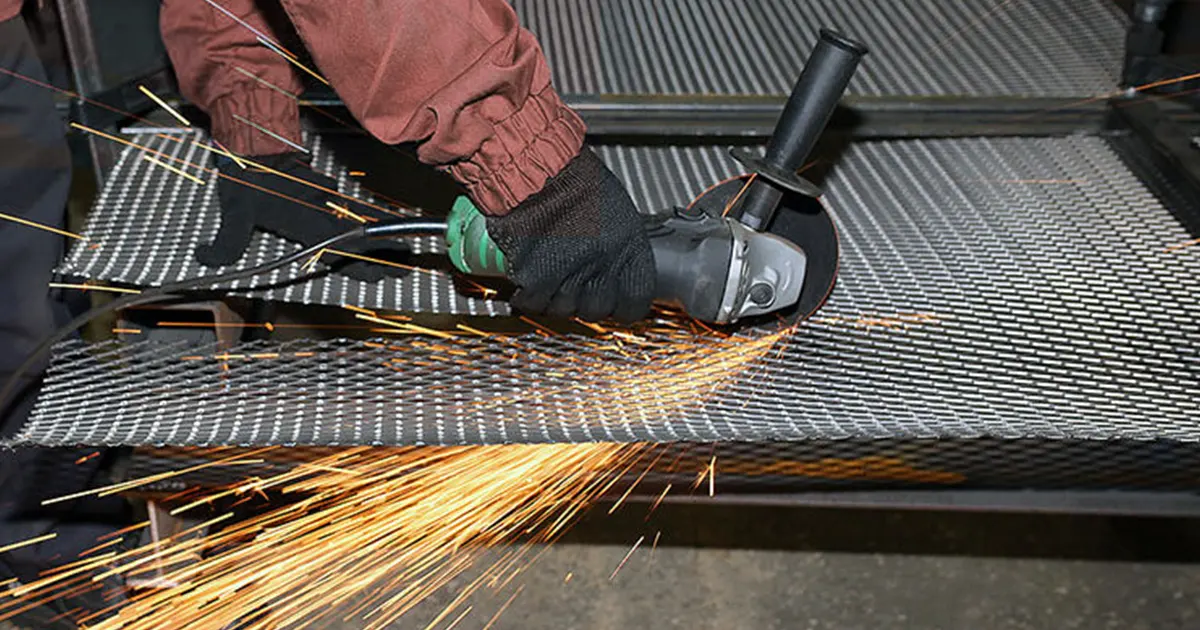
For the thickest mesh or when you want a super clean cut, rotary tools like angle grinders work best. Attach a metal-cutting disc for precise cuts. These tools slice through heavy-duty mesh quickly and leave a neat edge. Always clamp your mesh down before using power tools.
Here are some things you might use with rotary tools:
- Angle grinder: Great for clean, precise cuts.
- Metal-cutting disc: Helps you waste less material.
- Clamps: Hold your mesh steady while you cut.
Safety Reminder: Always wear gloves, goggles, and ear protection when using power tools.
Long-Handled Cutters for Leverage
Long-handled cutters make a big difference when you cut thick wire mesh. The extra length gives you more leverage, so you use less force. You get better control and keep your hands away from sharp edges.
Here’s a quick look at how long-handled cutters compare to short-handled ones:
| Feature | Long-Handled Cutters | Short-Handled Cutters |
|---|---|---|
| Ergonomics | Reduces risk of hand and wrist injuries | Can cause nerve and tendon strain |
| Force Distribution | Spreads force across your whole hand | Focuses force on one spot |
| Control | Gives you a better grip and more control | Harder to control, less leverage |
If you want to stay safe and work efficiently, always reach for long-handled cutters when you deal with thick mesh. They make tough jobs easier and help you avoid injuries.
Note: Using the proper tools for your mesh type saves time and gives you a professional finish. Take a moment to match your tool to the job, and you’ll get better results every time.
Cutting Steps for Different Mesh Types
Mark and Measure
Before you start to cut wire mesh, you need to mark and measure your material. This step helps you avoid mistakes and wasted mesh. You want your cuts to be straight and accurate, so take your time here.
Use a Straightedge
Grab a tape measure and a straightedge. Lay your wire mesh flat on your workbench. Place the straightedge along the spot where you want to cut. Use a marker or chalk to draw a clear line. If you need a long, straight cut, a chalk line works well. This makes it easy to see where your cutter should go.
Double-Check Lines
Always double-check your measurements before you start cutting the mesh. Look at your marked line and make sure it matches your project’s needs. If you rush this step, you might end up with the wrong size or shape. Measure twice, cut once. This saves you time and keeps your wire mesh looking professional.
Tip: Accurate marking is the secret to a clean cut. You avoid costly mistakes and get the results you want.
Cut Thin Mesh
Thin wire mesh is common for window screens, craft projects, and small repairs. You can use heavy-duty scissors or tin snips as your cutter. These tools work well for thin wires and give you good control.
Scissors Technique
Here’s how to cut wire netting when it’s thin:
- Put on your gloves and safety goggles.
- Lay the mesh flat and clamp it to your work surface. This keeps it from moving.
- Use your cutter to follow the marked line. Cut slowly and apply even pressure. Don’t rush or twist the wire.
- If you reach a corner, turn the mesh instead of bending your wrist. This helps you keep a straight cut.
- After cutting the mesh, use a file or sandpaper to smooth any rough edges.
Note: If your mesh is very thin, heavy-duty scissors work best. For slightly thicker mesh, tin snips are a better choice.
Safety Tips
You want to stay safe while you cut wire netting. Here are some simple safety tips:
- Always wear gloves and goggles. Thin wires can still poke or scratch you.
- Make sure your cutter is sharp. Dull blades slip and cause accidents.
- Clamp the mesh tightly to your workbench. This stops it from moving and keeps your hands safe.
- Cut slowly and steadily. Fast cuts can bend the wire and leave jagged edges.
- Smooth sharp edges with a file or sandpaper. This prevents injuries later.
Alert: Never use your bare hands to handle freshly cut wire mesh. The edges can be sharp and dangerous.
Cut Medium Mesh
Medium-thickness wire mesh is tougher than thin mesh. You need a stronger cutter, like tin snips, to get the job done right.
Tin Snips Method
Tin snips are perfect for cutting medium wire mesh. Here’s how to use them:
- Put on your gloves and goggles before you start.
- Clamp the mesh to a flat, stable surface. This keeps it from bending or warping.
- Use your tin snips to cut close to the weld points. This gives you better precision and helps you avoid loose wires.
- Cut slowly and follow your marked line. Tin snips may leave burrs, so handle the edges carefully.
| Step | Action |
|---|---|
| 1. Safety | Wear gloves and goggles |
| 2. Support | Clamp mesh to workbench |
| 3. Cutting | Use tin snips, cut near weld points |
| 4. Finishing | Smooth burrs with file or sandpaper |
Supporting the Mesh
Supporting your mesh is important when you cut wire netting. If you don’t clamp it down, the mesh can bend or warp. Use clamps to hold the mesh tight to your workbench. Make sure the clamps are snug but not too tight. You want the mesh to stay flat without getting damaged.
Tip: A stable work surface and tight clamps help you make straight cuts and keep your mesh in good shape.
You now know how to cut wire mesh for thin and medium types. With the right cutter and proper techniques, you get clean edges and avoid injuries. Take your time, measure carefully, and always support your mesh before cutting.
Cut Thick or Heavy Mesh
Thick wire mesh can look intimidating, but you can handle it with the right tools and a little know-how. You want strong hands, sharp tools, and a steady work surface. Let’s break down the best ways to tackle heavy mesh and get clean results.
Bolt Cutters Use
Bolt cutters are your go-to tool for thick wire mesh. These cutters have long handles and powerful jaws. You get more leverage, so you use less effort. Here’s how you can use bolt cutters like a pro:
- Put on your gloves and safety glasses. Thick mesh can snap or send bits flying.
- Lay your mesh flat on a sturdy table. Clamp it down so it doesn’t move.
- Line up the jaws of your bolt cutters with the wire you want to cut. Squeeze the handles together with steady pressure.
- Move along your marked line, cutting one wire at a time. Don’t rush. You want each cut to be clean.
- After you finish, check for sharp ends. Use a file or pliers to bend them down.
Tip: If you feel resistance, don’t force the cutters. Adjust your grip or try a different angle.
Bolt cutters work best for fencing, animal cages, and industrial mesh. You get straight cuts and save your hands from strain.
Rotary Tool Method
Sometimes, bolt cutters aren’t enough. If your mesh is extra thick or you want a super smooth edge, grab a rotary tool like an angle grinder. These tools slice through heavy wire with ease.
Here’s a simple way to use a rotary tool:
- Put on your gloves, goggles, and ear protection. Rotary tools make noise and sparks.
- Clamp your mesh tightly to your workbench. You want it steady while you work.
- Attach a metal-cutting disc to your grinder. Check that it’s secure.
- Turn on the tool and guide it slowly along your marked line. Let the tool do the work. Don’t push too hard.
- After cutting, inspect the edge. Use a file to smooth out any rough spots.
| Tool | Best For | Safety Gear Needed |
|---|---|---|
| Bolt Cutters | Thick wire, fencing | Gloves, goggles |
| Angle Grinder | Extra thick mesh, clean edges | Gloves, goggles, ear protection |
Note: Always keep your hands away from the cutting disc. Sparks can fly, so clear your workspace before you start.
Rotary tools give you precise cuts and help you avoid jagged edges. You get a professional finish every time.
Preventing Jagged Edges
Jagged edges can ruin your project and cause injuries. You want smooth, safe edges on your wire mesh. Here are some easy ways to prevent rough cuts:
- Clamp Your Mesh: Secure your mesh before you cut. This keeps it flat and helps you make straight cuts.
- Score Before Cutting: For very thick mesh, use a grinder or saw blade to score along your cutting line. This makes the final cut easier and cleaner.
- Take Your Time: Rushing leads to jagged edges and wasted material. Move slowly and follow your marked line.
Alert: Always check your finished edge. If you see sharp points or burrs, use a file or sandpaper to smooth them out.
You can avoid accidents and get a neat result by following these steps. Smooth edges look better and keep your hands safe.
Now you know how to cut thick or heavy wire mesh. Use bolt cutters for most jobs, switch to a rotary tool for extra tough mesh, and always clamp your material. Take your time, score your lines, and finish with a file. You’ll get clean, safe edges every time.
Cut Galvanized Wire Mesh Cleanly
Galvanized wire mesh has a special zinc coating that protects it from rust. When you cut galvanized wire mesh, you want to keep this coating in good shape. If you damage the coating, the mesh can rust faster and lose its strength. Let’s look at how you can get clean cuts and keep your mesh protected.
Special Considerations for Galvanized Mesh
Avoiding Coating Damage
You need to take extra care when you cut galvanized wire mesh. The zinc coating is tough, but it can chip or peel if you use the wrong tools or rough techniques. Here are some ways to protect the coating:
- Use sharp, proper tools for the job. Dull blades can crush the wire and scrape off the coating.
- Make your cuts smooth and steady. Quick, rough cuts can fray the ends and damage the zinc layer.
- Always support the mesh on a flat, secure surface. This keeps the mesh from bending and helps you cut at the right angle.
Tip: If you see any bare spots after you cut galvanized wire mesh, you can touch them up with cold galvanizing spray to keep rust away.
Filing Sharp Edges
After you cut galvanized wire mesh, you might notice sharp or rough edges. These can scratch you or catch on things. You should always file down these edges. Use a metal file or sandpaper to smooth them out. This step also helps keep the zinc coating from peeling back at the cut.
- Wear gloves while you file to protect your hands.
- Check each edge and corner for burrs or sharp points.
- Wipe away any dust after you finish.
Supporting and Securing During Cut
You get the best results when you keep your mesh steady. If the mesh moves or bends, your cuts can turn out jagged and the coating might get damaged. Here’s how you can support and secure your mesh:
- Clamp the mesh tightly to a workbench or table. This stops it from shifting while you cut galvanized wire mesh.
- Use a flat, stable surface to keep the mesh level.
- For tighter weaves, you’ll find it easier to cut galvanized wire mesh cleanly. Wider weaves may need extra clamps to hold them in place.
- Choose cutting techniques that give you sharp, clean cuts. This helps keep the mesh strong and the coating intact.
Note: Take your time and double-check your setup before you start to cut galvanized wire mesh. A little extra care goes a long way.
When you follow these steps, you protect the zinc coating and get a neat, safe edge. Your galvanized mesh will last longer and look better.
Finishing Tips After Cutting
You’ve made your cuts and shaped your wire mesh. Now, you want to make sure the edges are safe and the workspace stays tidy. Sharp ends can cause injuries, and leftover scraps can clutter your area. Let’s walk through some simple finishing steps that help you get a professional result.
Fold or Cover Sharp Ends
Wire mesh often leaves sharp points after cutting. You don’t want anyone to get scratched or poked. You can fold or cover these ends to make your project safer.
Using Pliers
Grab a pair of pliers. Hold the sharp wire end with the jaws. Bend the wire back toward the mesh or twist it into a loop. This keeps the point from sticking out. You can also tuck the wire behind the mesh if possible. Pliers give you control and help you avoid hurting your fingers.
Tip: Always wear gloves when you use pliers. Even a small wire can poke through thin fabric.
Edge Trim Options
You have a few ways to finish the edges and make them look neat. Here’s a quick table with some options:
| Edge Trim Option | How It Helps |
|---|---|
| Plastic edge trim | Covers sharp wires, adds color |
| Metal channel | Holds mesh tight, looks professional |
| Electrical tape | Quick fix, softens edges |
| U-shaped molding | Snaps over mesh, easy to install |
If you want a really smooth finish, follow these steps:
- Check the edge for fraying or loose wires.
- Use wire cutters to snip off any stray pieces.
- File or sand the edge until it feels smooth.
- Add sealant or use a soldering iron if you need extra strength.
Note: Edge trims not only protect hands but also give your project a clean look.
Clean Up and Inspect
A tidy workspace keeps you safe and helps you find your tools next time. Cleaning up after cutting wire mesh is easy if you follow a routine.
Safe Disposal of Offcuts
Wire scraps and offcuts can be sharp. Sweep them into a sturdy container or bucket. Don’t leave them on the floor. You can recycle metal mesh at most scrap yards. If you have small pieces, wrap them in newspaper before tossing them out. This keeps garbage handlers safe.
- Collect all offcuts in one place.
- Check for tiny bits that might hide under your workbench.
- Dispose of them responsibly.
Tool Storage
You want your tools ready for the next project. Wipe them down with a cloth to remove dust and metal shavings. Store cutters, pliers, and files in a toolbox or hang them on a pegboard. Keep safety gear like gloves and goggles in a clean, dry spot.
Alert: Sharp tools can rust if left wet. Dry them before you put them away.
A clean finish and organized space show you care about your work. You protect yourself and others, and your wire mesh project looks great.
Common Mistakes to Avoid
Wrong Tool Choice
Picking the wrong tool for cutting wire mesh can turn a simple job into a headache. You might think any cutter will work, but that’s not true. If you use the wrong tool, you can end up with messy edges and even hurt yourself. For example, using regular scissors on thick mesh will leave you with frayed wires and uneven cuts. These rough edges can unravel and poke out, making your project unsafe.
Here’s what can happen when you use the wrong tool:
- Frayed edges create sharp points that can scratch or cut you.
- Uneven cuts make the mesh look sloppy and can cause it to unravel.
- You need more force, which increases the risk of slipping and injury.
- The wrong technique can damage the mesh and waste material.
If you want a neat finish, always match your tool to the mesh thickness. Heavy-duty scissors work best for thin mesh. Tin snips handle medium mesh. Bolt cutters or rotary tools tackle thick mesh. When you use the right tool, you get clean edges and a safer result.
Tip: Take a minute to check your mesh and pick the right cutter. You’ll save time and avoid trouble.
Skipping Safety Gear
You might feel tempted to skip gloves or goggles, especially for a quick cut. That’s a big mistake. Wire mesh has sharp edges that can slice skin or send tiny bits flying. If you don’t wear safety gear, you put yourself at risk for cuts and eye injuries.
Here are some dangers you face without protection:
- Cuts and scrapes from sharp wire ends.
- Eye injuries from flying wire fragments.
- Bruises or stubbed toes if you drop tools or mesh.
Wearing gloves, long sleeves, safety glasses, and sturdy shoes keeps you safe. You protect your hands, eyes, and body from accidents. Even if you’re in a hurry, don’t skip this step.
Alert: Safety gear isn’t optional. It’s your best defense against injuries.
Rushing the Process
Trying to cut wire mesh quickly often leads to mistakes. You might skip measuring, use too much force, or ignore sharp edges. Rushing can bend the mesh, leave jagged cuts, and even cause accidents.
Slow down and follow each step:
- Measure and mark your cutting line.
- Clamp the mesh securely.
- Cut along the line with steady pressure.
- Smooth out sharp edges before finishing.
When you take your time, you get straight cuts and avoid injuries. Your project looks better, and you stay safe.
Note: Patience pays off. Careful work gives you professional results and keeps you out of harm’s way.
Ignoring Sharp Edges
You might think you finished the job once you cut the wire mesh. But if you ignore the sharp edges, you set yourself up for trouble. Those edges can cut skin, snag clothing, and even damage nearby materials. Many people forget this step, but it makes a big difference in safety and quality.
Sharp edges are sneaky. Sometimes you cannot see them right away. You might only notice when you run your hand along the mesh or when you try to move it. If you skip checking for sharp points, you risk injury every time you handle the mesh.
Alert: Even a small wire sticking out can cause a deep scratch or puncture. Always check your work before you call it done.
Here’s what can happen if you ignore sharp edges:
- You or someone else can get cut while moving or installing the mesh.
- Pets or children might get hurt if they touch the exposed wires.
- The mesh can catch on clothing or work gloves, causing tears or snags.
- Sharp ends can scratch walls, floors, or other surfaces during installation.
You can avoid these problems with a few simple steps. After you finish cutting, run your gloved hand along the edge. Feel for any wires that stick out or feel rough. If you find any, grab your pliers and bend them back toward the mesh. You can also twist the ends into small loops to keep them from poking out.
Filing the edges is another smart move. Use a metal file or some sandpaper to smooth down any burrs or sharp points. This step takes only a few minutes but makes your project much safer.
Here’s a quick checklist to help you deal with sharp edges:
| Step | What to Do | Why It Matters |
|---|---|---|
| Inspect the edge | Run your gloved hand along the cut | Find hidden sharp points |
| Bend or loop wires | Use pliers to fold sharp ends | Prevent cuts and snags |
| File rough spots | Smooth with file or sandpaper | Make edges safe to touch |
| Add edge trim | Use plastic or metal trim | Extra protection |
Tip: If you plan to use the mesh in a place where people or pets might touch it, always add an edge trim or cover. This small step can prevent accidents and keep everyone safe.
Don’t let sharp edges ruin your hard work. Take a few extra minutes to check and finish the edges. You’ll protect yourself, your family, and your project.
When to Use Pre-Cut Panels or Professional Help
Sometimes, cutting wire mesh by hand is not the best idea. You might have a big job or need perfect edges. Maybe you want to save time. In these cases, pre-cut panels or professional help can make things much easier.
Benefits of Pre-Cut Mesh
Pre-cut mesh panels have many good points for DIY and work jobs. You get panels that fit your project with no extra cutting. Machines make these panels fast, so you do not spend hours measuring and cutting. This speed helps lower the cost for each panel. You also waste less material because machines cut very carefully. Fewer mistakes mean you save money and avoid getting upset.
Wire mesh panels make concrete stronger and help spread out stress. This makes your project safer and tougher. You do not need to buy extra mesh, and custom orders come quickly. There are no hidden costs or special fees for custom sizes.
Here are some reasons why pre-cut mesh panels are smart:
- You save money because you waste less.
- Custom sizes come fast, sometimes faster than cutting yourself.
- No extra fees for special sizes.
- You do not have to lift heavy mesh as much, which keeps you safe.
- Moving and putting in panels is quicker and easier.
Tip: Pre-cut panels can make your project go up to 20% faster. You spend less time working with raw mesh and more time finishing your project.
When to Outsource Cutting
You might ask when it is better to let experts do the cutting. If you need lots of panels or your mesh is thick and hard, hiring help saves time and energy. Professionals use special tools and machines that cut faster and more neatly than hand tools. You do not risk getting hurt and you get a smoother edge.
Outsourcing is a good idea when:
- You have a short deadline.
- You need exact cuts for machines or building.
- Your project needs special shapes or sizes.
- You want to avoid lifting heavy mesh.
Professional cutting services also help you spend less on workers. Fewer people can run more machines, so you save money. You get the same good results every time.
ANPENG’s Industrial Solutions
If you want the best wire mesh panels, ANPENG has many services. You get careful cutting, edging, welding, and framing that fit your machine’s size. Their team gives you help any time, day or night, so you always have support. ANPENG takes care of shipping, making sure your panels get to you on time and ready to use. You also get clear steps for putting in and taking care of your panels.
Here is a table that shows how ANPENG is different from regular DIY ways:
| Service Type | ANPENG Services | Standard DIY Methods |
|---|---|---|
| Custom Fabrication | Precision cutting, edging, welding, and framing tailored to machine dimensions. | Generic cutting tools and methods. |
| Technical Support | 24/7 assistance for product selection, customization, and troubleshooting. | Limited or no support available. |
| Logistics Solutions | Comprehensive logistics for efficient delivery and installation. | Self-managed logistics, often inefficient. |
| Installation Guidance | Detailed mounting instructions and maintenance tips provided. | DIY installation with no guidance. |
Note: If you want great results and less stress, think about ANPENG’s industrial solutions. You get expert help, advanced tools, and service you can count on.
Conclusion
You now know how to cut wire mesh safely and efficiently. Always wear your safety gear, pick the best tool for your mesh, and support your work for straight cuts. Finish the edges so nobody gets hurt. If you want professional results or need pre-cut panels, ANPENG can help with edge finishing and custom sizes. Remember, learning how to cut wire mesh the right way keeps your project safe and looking sharp.
Ready to upgrade your next job? Reach out to ANPENG for expert solutions and top-quality wire mesh panels.
FAQ
What is the safest way to cut wire mesh?
You should wear gloves and safety glasses. Use the right tool for your mesh thickness. Clamp the mesh to a stable surface. Cut slowly and check for sharp edges when you finish.
Can I use regular scissors to cut wire mesh?
Regular scissors work only for very thin mesh. Heavy-duty scissors or tin snips give you better results. If you use kitchen scissors, they might break or leave rough edges.
How do I keep wire mesh from fraying when I cut it?
Cut along the weld points if possible. Use sharp tools. After cutting, bend or loop the wire ends with pliers. You can also add edge trim for extra protection.
What should I do with leftover wire mesh pieces?
Collect all scraps in a sturdy container. Recycle metal mesh at a scrap yard. Wrap small pieces in newspaper before throwing them away to keep others safe.
How do I smooth sharp edges after cutting wire mesh?
Use a metal file or sandpaper. Wear gloves while you work. Run the file along the edge until it feels smooth. You can also cover the edge with plastic trim.
Do I need special tools for galvanized wire mesh?
You should use sharp cutters to protect the zinc coating. Tin snips or bolt cutters work well. If you see bare spots, use cold galvanizing spray to prevent rust.