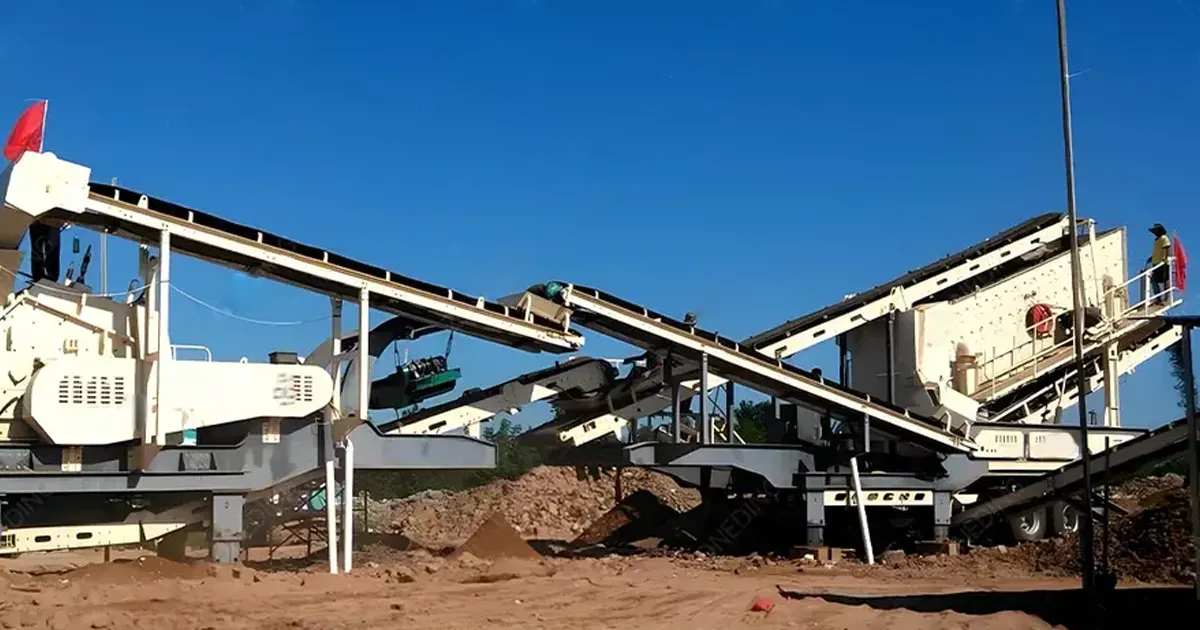
You need the right equipment and screening setup if you want to start a quarry business that runs smoothly. Getting a quarry off the ground takes a lot of money, careful planning, and the right permits. Many people who start up worry about picking the right machines and how to avoid costly problems. Here’s what new quarry owners often face:
- Picking the best screening equipment for your material matters a lot.
- Using the wrong screens can slow you down or even cause safety issues.
- You might see screens clog with rocks or dirt, but you can fix this by choosing the right screen media.
Learning how to start a quarry business means thinking ahead, making smart choices, and setting yourself up for success.
Key Takeaways
- Pick a good spot for your quarry. Find places with lots of materials and easy roads for trucks.
- Do a study to check costs, equipment, and if people want your product. This helps you not make big mistakes.
- Get all the permits and licenses you need before you start. This stops legal trouble and fines.
- Make a clear business plan. This is your guide and helps you get investors and partners.
- Buy the right equipment, like crushers and screens, for good work and quality products.
- Check how things are going often. Use information to find problems and work better.
- Set up a plan to keep equipment in good shape. This helps machines work well and stops surprise breakdowns.
- Work on making screening better. Good screens that are the right size and cared for help use more material and make less waste.
How to Start a Quarry Business: Key Steps
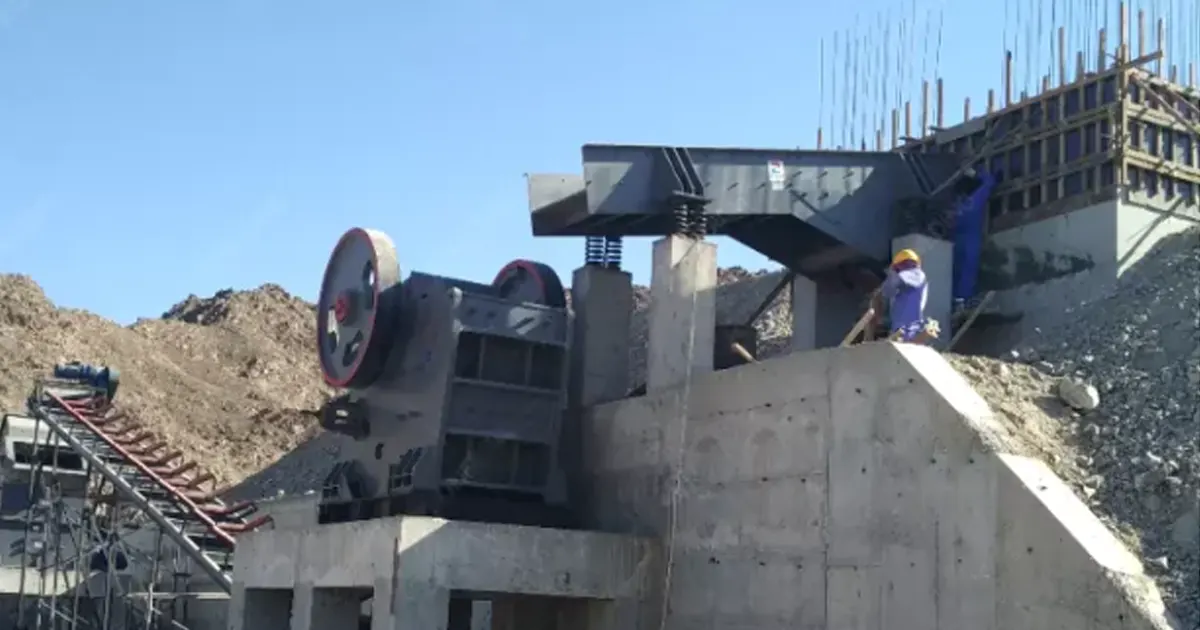
Site Selection
Picking the right location is the first big step when you want to start a quarry business. You need to look for a spot with plenty of the material you want to mine. Think about how easy it is to get trucks and equipment in and out. You also want to check if there are roads or railways nearby to move your products. Before you make a decision, ask yourself these questions:
- Is there a strong demand for the material in this area?
- Does the site have good quality and enough quantity of rock or stone?
- Are there any local rules or zoning laws that could stop you?
- Will you need to do an environmental study before you start up?
You should also look at the land around your site. Make sure you will not run into problems with neighbors or protected areas. If you pick the wrong location, you might face high costs or even legal trouble later.
Feasibility Study
A feasibility study helps you figure out if your quarry business idea will work. This step saves you from wasting money on a project that might not succeed. You will want to look at several things:
- Can you afford the investment and start up costs?
- Do you have the right equipment and technology?
- Are there any legal issues that could block your plans?
- Will the quarry run smoothly with the resources you have?
- Is there a real market for your product?
You should also estimate how long it will take to get started and how much everything will cost. Try to spot any risks early. This way, you can plan for them and avoid surprises. A good feasibility study lines up your goals with what is possible at your chosen location.
Permits and Licenses
You cannot start a quarry without the right permits and licenses. Every region has its own rules, so you need to check with local and state offices. Here is a table to help you see what you might need:
| Requirement | Description |
|---|---|
| Mining/Quarrying Permit | Gives you the right to extract minerals from the land. |
| Environmental Impact Assessment | Checks how your quarry will affect the environment. |
| Land Use / Zoning Approval | Makes sure your site follows local land use laws. |
| Blasting Permit | Needed if you plan to use explosives. |
| Water Protection Permit | Lets you manage and discharge water safely. |
| Air Pollution Control Permit | Makes sure you meet air quality standards. |
| Land Reclamation Permit | Tells you how to restore the land after mining. |
You may also need to meet with officials before you apply. They will want to see your plans and make sure you follow all the rules. Getting these permits can take time, so start early. If you skip this step, you could face fines or be forced to shut down your quarry.
Business Plan
You can’t skip the business plan when you’re figuring out how to start a quarry business. This step helps you see the big picture and keeps you focused. A business plan acts like your roadmap. It shows where you want to go and how you’ll get there. You’ll use it to convince investors, banks, or partners that your quarry idea makes sense.
Let’s break down what you need in your business plan:
- Executive Summary
Start with a short overview. Explain what your quarry will do and why it matters. - Market Analysis
Look at who needs your stone or gravel. Check out local demand, competition, and pricing. - Operations Plan
Describe how you’ll run the quarry day-to-day. Include details about equipment, staff, and safety. - Financial Plan
Show your startup costs, expected income, and how you’ll manage expenses. Investors want to see numbers. - Permits and Compliance
List the permits you need and how you’ll follow the rules. - Risk Management
Point out possible problems and how you’ll handle them.
You might wonder about the money side. Starting a quarry takes a big investment. Here’s a table that shows the average costs for each category:
| Category | Estimated Cost Range |
|---|---|
| Land purchase/lease | $50,000 – $500,000 |
| Permits and licensing | $50,000 – $150,000 |
| Site infrastructure | $100,000 – $500,000 |
| Primary crushing plant | Starting from $200,000 |
| Earthmoving equipment | No less than $150,000 |
| Transportation fleet | Average $50,000 each |
| Staff housing | $50,000 – $100,000 |
Tip: Write your business plan with clear goals and numbers. This helps you stay on track and makes it easier to get funding.
You don’t have to do this alone. You can ask experts for help or use templates online. Make sure your plan fits your site, your market, and your budget. If you skip planning, you might run into trouble later. A strong business plan helps you avoid mistakes and keeps your quarry running smoothly.
When you know how to start a quarry business, you can use your business plan to guide every step. It’s not just paperwork—it’s your tool for success.
Quarry Business Models and Types
Open Pit Quarries
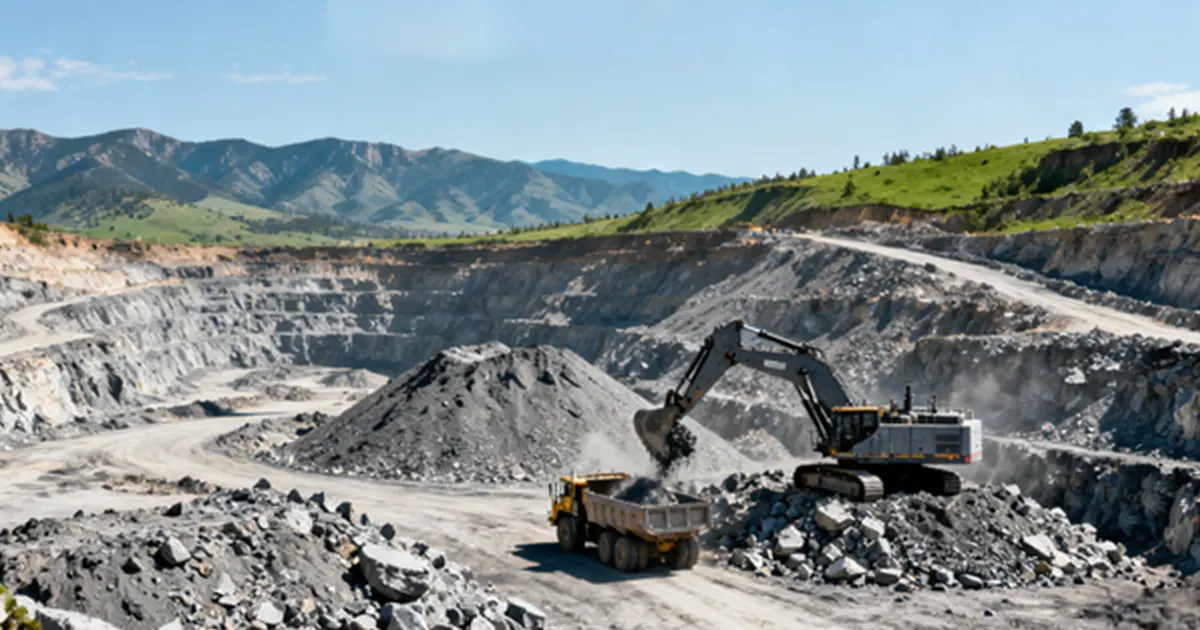
You will see open pit quarries almost everywhere. This type is the most common in the quarry business. You dig a large hole in the ground and remove the material layer by layer. You can use big machines to scoop out rock, sand, or gravel. Open pit quarries are easy to set up and manage. You can watch your workers and equipment from above, which helps keep things safe.
Did you know?
About 70% of minerals mined worldwide come from open pit methods. This shows that most quarry owners choose this model because it is simple and cost-effective.
Open pit quarries work well for sites with lots of material near the surface. You can expand the pit as you need more stone. If you want to start a quarry business, open pit mining is a good choice for beginners.
Underground Quarries
Sometimes, the best stone sits deep underground. You cannot reach it with an open pit. In these cases, you need to dig tunnels and shafts. Underground quarries are less common, but they can be very profitable if you find high-value materials.
You will need special equipment and skilled workers. Safety matters a lot in underground quarries. You must plan for ventilation, lighting, and emergency exits. Underground quarries cost more to start, but you can get rare stone that sells for a high price.
If you want to run an underground quarry, you should learn about mining laws and safety rules. You will also need to invest in strong support systems to keep the tunnels safe.
Boulder Quarries
Boulder quarries focus on large rocks and blocks. You can use these for building, landscaping, or special projects. Boulder quarries are different from other types because you do not crush the stone right away. You cut or split the boulders and sell them as they are.
Here are some materials you might find in boulder quarries:
- Granite
- Limestone
- Marble
- Slate
- Sandstone
- Gabbro
- Quartz
- Gypsum
- Travertine
- Chert
- Flint
- China clay
- Clay
- Coal
- Construction aggregate (sand and gravel)
- Ores
- Phosphate rock
- Cinder
- Coquina
- Gritstone
You can see that boulder quarries offer a wide range of products. If you want to supply unique stone for construction or art, this model could fit your quarry business.
Aggregate Quarries
If you want to help build big projects, aggregate quarries are a good choice. These quarries make crushed stone, sand, and gravel. You see these materials in roads, bridges, buildings, and gardens. Aggregate quarries are important in our daily lives.
You may ask why aggregate quarries matter so much. The reason is easy to understand. They give builders the main materials for many jobs. When you run an aggregate quarry, you help shape cities and towns.
Aggregate quarries keep construction going. Without them, builders would have trouble finding strong materials.
Let’s see how aggregate quarries help different industries:
- Concrete needs aggregates. They make concrete stronger and help it last longer.
- Road construction uses lots of aggregates. These materials make roads strong and help water drain away.
- Builders use aggregates to fill spaces around foundations. This keeps buildings steady and protects pipes underground.
- Asphalt for roads needs aggregates. They make surfaces tough and long-lasting.
- Landscapers use aggregates for gardens and paths. These materials help water drain and make spaces look nice.
- Aggregates stop flooding by helping water drain better.
You can see that aggregate quarries do more than supply rocks. They help fix real problems. If you start an aggregate quarry, you become part of every new highway, school, or shopping center.
Here’s a simple table to show where aggregates go:
| Use Case | Why Aggregates Matter |
|---|---|
| Concrete | Makes concrete strong and stops cracks |
| Roads & Highways | Gives roads strength and drainage |
| Foundations | Fills gaps and protects pipes |
| Asphalt | Makes surfaces last longer |
| Landscaping | Helps water drain and looks good |
You don’t need fancy machines to begin, but you do need good crushers and screens. These machines break big rocks into smaller pieces. You can sort the material by size and quality. This helps you give customers what they want.
Tip: If you want your quarry to be special, focus on quality control. Clean, well-sized aggregates sell faster and bring buyers back.
Aggregate quarries are busy places. Trucks come and go all day. You need to plan for safe traffic and easy loading. Good planning keeps your site working well.
If you want to start a quarry business, aggregate quarries have steady demand. Builders, road crews, and landscapers always need more material. You can grow your business by giving them what they need.
You don’t just dig up rocks. You help build the world around you.
Equipment Needed to Start a Quarry Business
Starting a quarry business means you need tough machines that can handle heavy work every day. Picking the right equipment helps you run your site safely and keeps your costs under control. Let’s look at the main machines you’ll need.
Crushers
Crushers break big rocks into smaller pieces. You need them to turn raw stone into products you can sell. The type of crusher you pick depends on your material and how much you want to produce. Here are the main types:
- Jaw Crushers
These are good for breaking large, hard rocks. They work well in most quarries. You can expect to pay between $30,000 and $150,000 for a small to medium jaw crusher. - Cone Crushers
Cone crushers handle tough jobs and give you fine material. They cost more, usually from $150,000 up to $1 million. If you need a medium stationary cone crusher, prices range from $60,000 to $120,000. - Impact Crushers
These crushers work fast and are great for softer rocks. Medium stationary impact crushers cost between $50,000 and $110,000. - Full Crushing Plants
If you want a complete setup with primary and secondary crushers plus screens, you might spend $200,000 to over $1 million.
Here’s a table to help you compare crusher prices:
| Crusher Type & Configuration | Price Range |
|---|---|
| Medium Stationary Cone Crusher | $60,000 – $120,000 |
| Medium Stationary Impact Crusher | $50,000 – $110,000 |
| Jaw Crushers (small/medium) | $30,000 – $150,000 |
| Full Plant (Prim + Sec + Screen) | $200,000 – $1,000,000+ |
Tip: Choose a crusher that matches your production goals and material type. If you pick the wrong size, you might waste money or slow down your operation.
Screens
Screens help you sort crushed rock by size. You need them to make sure your products meet customer needs. The right screen boosts your efficiency and keeps your quarry running smoothly.
There are several types of screens:
| Screen Type | Description | Impact on Material Separation |
|---|---|---|
| Static Screens | Catch large materials, let smaller particles pass. | Good for first sorting, not best for fine material recovery. |
| Scalping Screens | Shake hard to remove big rocks and debris fast. | Speedy, clears unwanted material quickly. |
| Precision Screens | Use gentle motion for accurate sizing. | Perfect for final product, gives uniform size. |
| Trommel Screens | Spin in a drum, let small pieces fall through. | Great for wet or fragile materials. |
| Star Screens | Use star-shaped wheels for soft or odd-shaped materials. | Not good for hard rocks, best for softer stuff. |
Different screens affect how fast you work and the quality of your products. Heavy-duty screens last longer in tough conditions. Wet screening works best for sticky or fine materials. If you use the right screen, you get more usable material and less downtime.
Note: Always check your screen type against your material. If you use the wrong screen, you might lose money or slow down your quarry.
Loaders
Loaders move material around your site. You use them to fill trucks, feed crushers, and stack piles. Picking the right loader helps you work faster and safer.
Here’s what you should think about:
- Loader size and bucket capacity must fit your production needs and match your crushers and trucks.
- Cycle time and payload per cycle matter. These depend on your material, pile height, and site layout.
- Bucket fill factor and breakout force affect how well you load and move material.
- Site conditions like floor quality, material size, and pile shape help you decide between wheel loaders and hydraulic excavators.
- Operator comfort and safety boost productivity. Ergonomic controls and clear views help your team work better.
- Computer programs and simulations can help you pick the best loader for your site. They look at haul roads, fuel use, and equipment life.
- Good loading procedures and proper geometry make your operation smoother.
- Costs, maintenance, and warranties matter. You want a loader that works hard but doesn’t break the bank.
- Material properties like cohesion, density, and fragment size affect how you handle and load rocks.
- The way you break up rocks changes the size you need to move. This matters for loader choice.
Tip: Match your loader to your production goals. If you pick a loader that’s too small, you waste time. If it’s too big, you spend extra money for no reason.
Here’s a quick table showing common equipment and what they do:
| Equipment Type | Function |
|---|---|
| Drills | Drill holes for blasting |
| Crushers | Break rocks into smaller sizes |
| Dozers | Move earth and materials |
| Excavators | Dig and load materials |
| Trucks | Transport materials |
| Wheel Loaders | Load materials onto trucks and equipment |
When you start your quarry business, you need to plan for the right machines. If you choose wisely, you save money and keep your site running well.
Conveyors
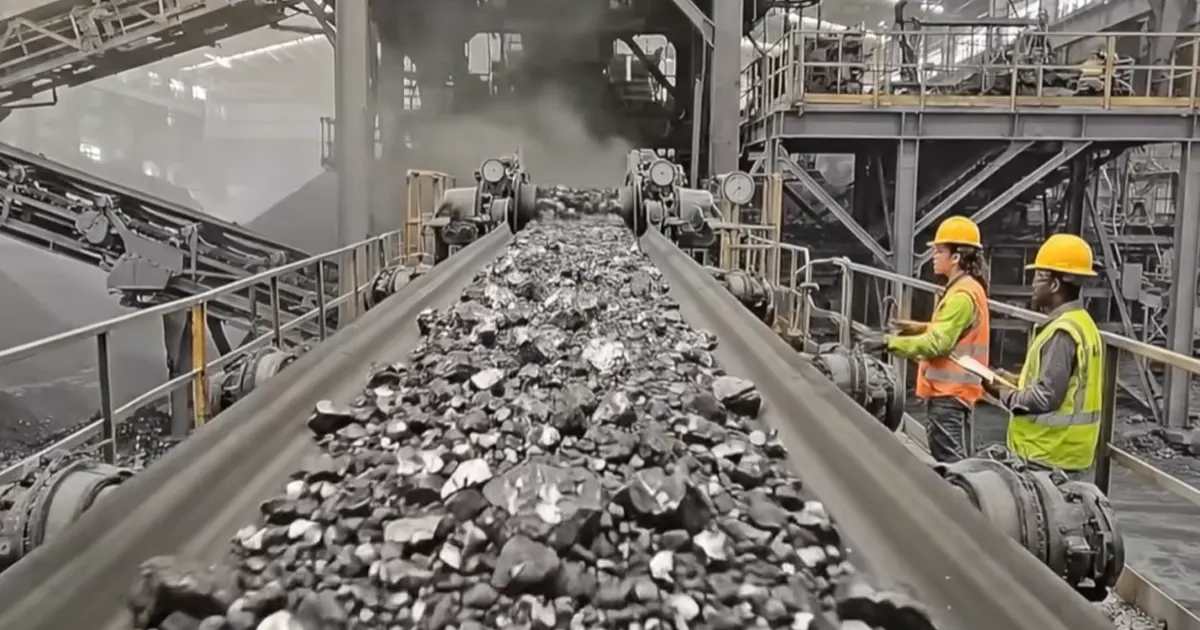
Conveyors help your quarry work better. They move crushed rock, gravel, or sand across your site. You do not need to use trucks or loaders for every job. Conveyor belts save time and lower fuel costs. They also help you move more material each hour.
There are many kinds of conveyors in a quarry. Some are short and move things between machines. Others go all the way across your site. You might use:
- Belt conveyors for most jobs. These are common and work for long distances.
- Stacker conveyors to pile up finished products.
- Radial conveyors swing around to make big piles.
- Transfer conveyors link crushers, screens, and other machines.
When you choose a conveyor, think about what you need to move. Also, think about how far it must go. Pick a system that fits your goals. If your conveyor is too small, work slows down. If it is too big, you waste money on power and repairs.
Tip: Plan your conveyor setup before you buy. A good plan means less work and fewer problems.
Conveyors need regular care to keep working well. If you skip maintenance, you could have breakdowns that stop your work. Here is a table that shows what to check and why:
| Maintenance Requirement | Description |
|---|---|
| Regular Inspections | Check belt tracking, tension, pulley and roller wear, lubrication, alignment, and motor health. |
| Preventive Maintenance | Set up checks and oiling to stop surprise problems. |
| Predictive Maintenance | Use sensors to watch for vibration and heat so you find issues early. |
| Maintenance Costs | Chain & sprocket systems cost more and need more care. Direct drive systems are cheaper and work better. |
A smart care plan saves you trouble. Here is what happens when you keep up with maintenance:
- You have fewer breakdowns. One quarry had 30% fewer breakdowns with a good care plan.
- You find problems early. Digital logs helped a quarry spot a bad drive pulley before it broke.
- You spend less on overtime and emergency fixes.
You should also think about the drive system. Chain and sprocket systems cost more to fix. Direct drive systems are easier and cheaper to keep running.
If you want your quarry to work well, do not skip conveyor care. Make a schedule, train your team, and use digital tools to track repairs. This keeps your material moving and your costs low.
Note: Good conveyors help you deliver on time and keep customers happy.
Conveyors are key to your quarry. With the right setup and good care, you move more material, work faster, and make more money.
Screening Process in Quarry Operations
Screening is very important in your quarry. You want your products to look good and meet standards. If you screen well, your materials become more valuable. Let’s see how screening works and what you should watch for.
Sizing and Separation
You need to sort materials so customers get what they want. Screening helps you separate rocks by size and shape. This makes your products useful for building and keeps you ahead.
- Screening gives your materials the right traits.
- You meet industry standards and sell more.
- You can sell almost everything if you screen well.
There are different ways to size and separate materials. Here’s a table showing the main types and their pros and cons:
| Method Type | Description | Advantages | Disadvantages |
|---|---|---|---|
| Circle throw | Uses gravity and stops plugging. | Low energy use, good for gravity movement. | Can blind easily with lower stroke. |
| Straight line | Efficient and accurate in horizontal screens. | High efficiency and accuracy. | Can plug up sometimes. |
| Oval stroke | Highest efficiency, common in horizontal mounting. | Great efficiency, resists pegging and blinding. | Needs careful management to avoid wear. |
| Speed considerations | Speed changes how material moves and capacity. | Better carrying capacity and travel rate. | Can stress equipment and shorten bearing life. |
| Stroke considerations | Measures vertical movement; too long or short causes issues. | Improves carrying capacity, reduces plugging. | Can be inefficient if not set right. |
Tip: Try different screening methods to find what works best. Adjust speed and stroke to get better results.
Efficiency and Downtime
You want your screens to work well and not break down. Downtime costs money and slows your site. Using strong, well-made screens lowers maintenance costs and keeps you working.
Here’s how to keep screening efficient:
- Pick the right screen media and install it correctly.
- Check your equipment often and fix problems early.
- Use vibration analysis to find issues before shutdowns.
If you want to boost efficiency, follow these steps:
- Use heavy-duty steel for screens that last longer.
- Design deck openings to make screening stronger.
- Add liners to protect surfaces from wear.
Note: Regular maintenance and checks help you avoid downtime. Train your team to spot trouble early.
Material Flow
Material flow is about how rocks move through your screening system. If you set up your machines right, you get more material and waste less.
- Align and lay out machines to help material move smoothly.
- Stop spillage to keep efficiency high.
- Adjust speed, stroke, rotation, and angle to improve screening.
You can change your setup to get the best flow. Try changing the angle or speed if you see slow spots. Keep your site clean and organized so material moves easily.
Tip: Good material flow means more output and happy customers. Watch your system and make changes when needed.
Screening is key to your quarry’s success. If you size, separate, and move material well, you get better products and more profit.
Choosing Screen Media for Quarry Business
Woven Wire Mesh
Woven wire mesh is a popular screen choice. It works well for sorting rocks of different sizes. You can pick fine or coarse openings, from 0.5mm to 100mm. This helps you match your screen to your material. Wire mesh can handle high heat and does not rust easily. It costs less, so you save money on replacements. You get good control over product size, which makes customers happy. But wire mesh wears out fast with rough materials. Sticky or wet rocks can block the holes and slow your work. Heavy loads might stretch or break the wires.
Here are the pros and cons:
| Advantages | Disadvantages |
|---|---|
| Strong and flexible | Gets blocked with sticky or wet materials |
| Lets you pick the right opening size | Wires can stretch or break with heavy loads |
| Works for fine or coarse screening | Wears out faster with rough materials |
| Saves money for general screening | |
| Handles heat and resists rust |
Tip: If you change products often, wire mesh lets you swap screens fast. This keeps your quarry working well.
Polyurethane Screens
Polyurethane screens are tough and last a long time. You use them when you want screens that are easy to care for. These screens work best in wet jobs, like dewatering or when water is used. Polyurethane screens handle sticky materials well and resist wear better than wire mesh. You can install polyurethane screens in sections. This makes replacement quick and easy. You spend less time fixing screens and more time moving material. Polyurethane screens cost more at first, but you replace them less and have less downtime.
Let’s compare polyurethane screens to rubber screens:
| Criteria | Rubber Screen Media | Polyurethane Screen Media |
|---|---|---|
| Impact Resistance | Excellent | Good |
| Abrasion Resistance | Good | Excellent |
| Noise Reduction | Very high | Moderate to high |
| Wet Applications | Not as effective | Excellent |
| Throughput | Higher for coarse sizing | Better for fines and sticky feed |
| Cost | Lower upfront | Higher upfront, longer ROI |
| Maintenance | Needs more replacements | Needs fewer replacements |
Note: Polyurethane screens need replacement only half as often as rubber screens. This saves money and keeps your quarry running.
Rubber Screens
Rubber screens are strong and handle tough jobs. You use them for dry jobs or when you deal with fine or sticky materials. Rubber screens clean themselves well, so clogging is not a big problem. They also cut down on noise, making your site safer and more comfortable. Rubber screens last longer than wire mesh. You replace them less often, which saves time and money. Polyurethane screens last even longer, but rubber screens still give you good value.
Here is what rubber screens offer:
- Last longer than wire mesh
- Need fewer replacements
- Save time and money for your quarry
Tip: If you want screens that last and need less care, rubber screens are a smart choice for many quarry jobs.
Picking the right screen media helps you work faster and save money. Think about your material, how rough it is, and what you need to produce. Choose the screen that fits your quarry best.
Self-Cleaning Screens
If you work with wet or sticky materials in your quarry, you know how fast regular screens can clog up. Self-cleaning screens solve this problem. These screens use special wires or woven patterns that flex and move as your machine runs. This movement breaks up clumps and shakes off sticky bits, so your screen stays clear and keeps working.
You will notice a big difference when you switch to self-cleaning screens. They help you keep your operation running, even when the weather changes or your material gets wetter than usual. You do not have to stop as often to clean or change out clogged screens. That means you spend more time making products and less time fixing problems.
Here’s what you get when you use self-cleaning screens:
- Less downtime from mesh blinding or plugging
- Better handling of fines and moisture that usually cause trouble
- More stable uptime, even when your feed material changes
- Faster recovery of screen capacity after rain or moisture spikes
Self-cleaning screens really shine when you deal with tough feed conditions. If you have clay, wet sand, or sticky gravel, these screens keep your material moving. The flexible wires flex and snap back with each vibration. This action shakes off anything that tries to stick. You do not have to worry about big piles of blocked material slowing you down.
Tip: If you see your screens clog up after a rainstorm, try switching to self-cleaning media. You will notice your machines run smoother and your team spends less time on maintenance.
You can find self-cleaning screens in many styles and sizes. Some use crimped wires, while others use special patterns that move in different ways. Pick the one that matches your material and your machine. You will see better results right away.
Maintenance is simple. You just check for worn wires and swap out sections as needed. Most self-cleaning screens last longer than regular wire mesh, especially in sticky jobs. You save money on replacements and keep your quarry running strong.
If you want to boost your screening efficiency and cut down on headaches, self-cleaning screens are a smart choice. They help you handle tough materials and keep your operation on track, rain or shine.
Operational Tips for Starting a Quarry Business
Running a quarry business takes more than just buying machines and picking a good location. You need smart habits to keep your site safe, productive, and profitable. Here are some tips to help you get the most from your investment and keep your start up on track.
Maintenance Planning
You want your equipment to last and avoid surprise breakdowns. Preventive maintenance is your best friend. Set up a schedule for regular checks and stick to it. Use a maintenance management system if you can. This helps you plan oil changes, inspections, and repairs before things go wrong.
- Check machines often for wear and tear.
- Use high-quality lubricants to cut down on friction and rust.
- Watch oil levels and look for leaks.
- Train your team to spot problems early.
If you keep up with maintenance, you spend less on emergency repairs and keep your crew safe. Well-cared-for machines work better and last longer, which saves you money in the long run.
Tip: Don’t wait for something to break. Fix small issues before they turn into big, costly problems.
Performance Monitoring
You can’t improve what you don’t measure. Use technology to track how your machines and workers perform. Real-time data shows you where you lose time or waste fuel. GPS and sensors help you see which trucks sit idle and which ones work hard.
- Watch for long idle times and cut them down.
- Track fuel use and find ways to save.
- Use data to plan better routes and schedules.
- Check how much each loader or truck moves every day.
When you monitor performance, you spot problems fast. You can fix them before they hurt your bottom line. Predictive maintenance tools warn you about issues before they stop your work. This keeps your quarry running smoothly and helps you meet your business plan goals.
Cost Control
Keeping costs low means more profit for you. Start with good sales forecasting. Look at past sales to guess what you’ll need next month. This helps you avoid making too much product or running out when demand spikes.
- Use drones or other tools to measure inventory.
- Set target ranges for each product so you don’t overproduce.
- Match production to what your customers want.
- Plan your spending and stick to your budget.
A smart cost control plan helps you avoid waste and keeps your investment safe. When you balance production with market demand, you keep your quarry business healthy and ready for growth.
Note: Good planning and smart tracking make your operation more efficient and less stressful.
If you want to know how to start a quarry business and keep it running well, focus on these daily habits. They help you save money, boost output, and build a strong future.
Maximizing Productivity in Quarry Business
Screening Efficiency
You want your quarry to run at its best. Screening efficiency plays a big role in making that happen. When you use the right screens and set them up properly, you get more usable material and less waste. You can boost your output without spending extra money. If you notice your screens clogging or slowing down, try changing the angle or speed. Sometimes, swapping out the screen media helps too.
Here are a few ways to improve screening efficiency:
- Check your screens often for wear or damage.
- Adjust the vibration settings to match your material.
- Clean screens regularly to prevent buildup.
- Use self-cleaning screens if you deal with sticky or wet material.
Tip: If you see a drop in production, look at your screening setup first. Small changes can make a big difference.
You can also track how much material passes through each screen. If you spot a problem, fix it right away. This keeps your quarry business running smoothly and helps you meet customer demands.
Equipment Optimization
Optimizing your equipment means getting the most out of every machine. You want loaders, crushers, and conveyors to work together. If you match the size and speed of each machine, you avoid bottlenecks and downtime. You save on fuel and reduce wear, which lowers your overall cost.
Let’s look at a simple table for equipment checks:
| Equipment | What to Check | Why It Matters |
|---|---|---|
| Loader | Bucket size, cycle time | Faster loading |
| Crusher | Feed rate, settings | Better crushing |
| Conveyor | Belt speed, alignment | Smooth material flow |
You should train your team to spot issues early. If a machine sounds strange or slows down, fix it before it breaks. Use maintenance logs and performance data to plan repairs and upgrades. This protects your investment and keeps your quarry working hard.
Note: Well-maintained equipment lasts longer and costs less to run.
When you optimize your setup, you get more material out of every hour. You spend less on repairs and fuel. Your quarry becomes more productive and profitable. If you want to grow your quarry business, focus on screening efficiency and equipment optimization. These steps help you get the most from your investment and keep your costs under control.
Conclusion
You need a solid plan if you want your quarry business to succeed. Choosing the right equipment and screening systems helps you work faster and keeps costs low. Careful preparation makes your quarry safer and more productive. If you want to know how to start a quarry business, start by looking at your needs and setting clear goals. Take action now and build a strong foundation for your quarry.
FAQ
What equipment do you need to start a quarry?
You need crushers, screens, loaders, and conveyors. Drills and trucks help too. Pick machines that fit your site and material. Start with basics, then add more as your quarry grows.
How much money do you need to open a quarry?
You need at least $500,000 for land, permits, and equipment. Costs depend on your site and production goals. Plan for extra expenses like repairs and staff training.
How do you choose the right screen media?
Look at your material type and size. Wire mesh works for most jobs. Polyurethane and rubber screens last longer. Self-cleaning screens help with sticky or wet material.
What permits do you need for a quarry?
You need mining permits, environmental approvals, zoning clearance, and blasting permits. Check with local and state offices. Start early to avoid delays.
How can you keep your quarry running smoothly?
Set up regular maintenance checks. Train your team to spot problems. Use performance tracking tools. Keep your site clean and organized.
What is the best way to control costs in a quarry?
Track your inventory with drones or software. Match production to demand. Plan your spending. Fix small issues before they become big problems.
How do you handle downtime from equipment failure?
Keep spare parts on hand. Use preventive maintenance. Train your crew to fix simple issues. Monitor equipment with sensors to catch problems early.
Can you start a quarry business with no experience?
You can, but you should ask experts for help. Use online guides and templates. Start small and learn as you go. Focus on safety and quality.