When you look at modular vs tensioned polyurethane screens, you see real differences in how they work and how they fit your needs. Picking the right type matters a lot. The right screen can boost efficiency and save you money over time. Polyurethane screens stand out because they have great elasticity and strength. These features help them last longer and handle tough jobs with less wear. If you want to cut down on maintenance and keep your operation running smoothly, you need to match your screen choice to your exact job.
Key Takeaways
- Modular polyurethane screens let you change panels fast. This saves time and money.
- Tensioned polyurethane screens are very strong. They work well for sorting heavy stuff.
- Pick modular screens for sticky or wet jobs. This helps stop clogging and lessens downtime.
- Tensioned screens are best when you need quick mesh changes. They also sort things the same way every time.
- Both screen types last longer than metal screens. This means you do not need to fix them as much.
- Think about your job needs, like what you are sorting and how often you change screens, before you pick a screen.
- Check your screens often to stop problems and make them last longer.
- Picking the right screen can save you a lot of money over time.
Modular vs Tensioned Polyurethane Screens Overview
Key Differences Summary
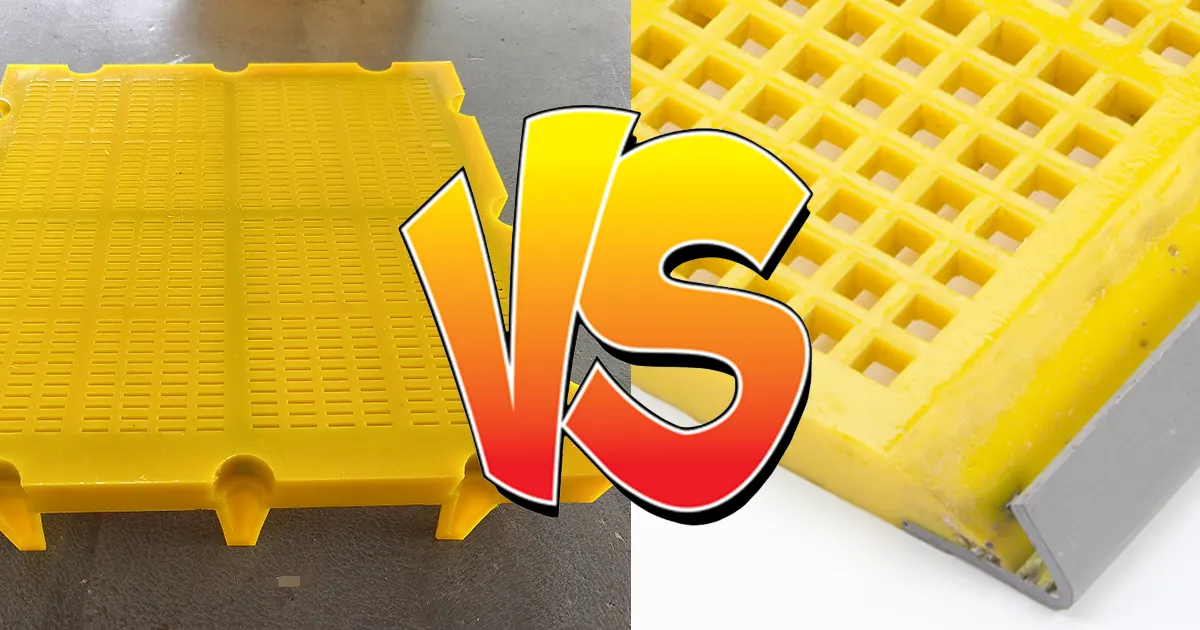
When you look at modular vs tensioned polyurethane screens, you notice some big differences. They both use polyurethane. This makes the screens strong, bendy, and last a long time. But how you use and take care of them can change your work a lot.
Modular polyurethane screens are made of small panels. If one panel wears out, you can just switch it. You do not need to buy a whole new screen. This saves you money and time. These screens use a clip rail and a frame you can use again. They do not need steel stiffeners, so they are not heavy. You can use them for heavy jobs and for sticky or wet stuff. If you want less downtime and fast repairs, modular polyurethane screens are a good choice.
Tensioned polyurethane screens are different. You pull the polyurethane tight with hooks or clamps. They have a strong base and steel rope for more strength. When the top wears out, you can change it without changing the whole thing. These screens are good at sorting and work with many types of rocks. You might have to work harder to keep them up, and sometimes you must change the whole mesh. Still, tensioned polyurethane screens let you make changes fast and keep working.
You may ask which one is better. It depends on what you need. If you want fast repairs and less waste, modular polyurethane screens are best. If you want to use them for many things and need good sorting, tensioned polyurethane screens are better. Many people in the industry say modular vs tensioned polyurethane screens both have good uses. You should pick the one that fits your job and your work style.
Tip: Think about what you are screening, how often you need to change screens, and how much downtime you can handle. Picking the right one can save you time and money.
Quick Comparison Table
Here is a quick table to show the main differences between modular vs tensioned polyurethane screens. This table helps you see what matters most for your work.
| Feature | Modular Polyurethane Screens | Tensioned Polyurethane Screens |
|---|---|---|
| Panel Replacement | Only change worn panels, saves time and money | Sometimes need to change the whole mesh or big parts |
| Structure | Uses clip rail and frame you can use again, no steel stiffeners | Polyurethane pulled tight over hooks, has steel rope |
| Weight | Light and easy to move | Heavier because of steel parts |
| Maintenance | Fast repairs, less downtime | Fast changes possible, but full replacement takes more work |
| Load Handling | Handles heavy loads, good for sticky or wet stuff | Good for many rocks, but load handling can be different |
| Waste Management | Less waste, only change what you need | Made to save money, but you may change more material |
| Screening Accuracy | Stays the same, even with sticky or wet stuff | Very good accuracy, best for dry rocks |
| Installation | Simple, put in one panel at a time | Needs hooks or clamps, more steps |
| Downtime | Not much, since you can change panels fast | May take longer if you need to change the whole mesh |
| Application Suitability | Best if you need to change screens a lot or handle tough stuff | Great for many types of rocks and when you want fast mesh changes |
You can see modular vs tensioned polyurethane screens both have good points. Modular polyurethane screens are great for fast fixes and less waste. Tensioned polyurethane screens are best for sorting and using with many things. You should think about what you need before you pick.
- Modular Polyurethane Screens:
- Easy and fast to fix.
- Strong for heavy jobs.
- Good for sticky or wet stuff.
- Tensioned Polyurethane Screens:
- Fast changes with good sorting.
- Needs hooks or clamps to set up.
- May take longer to change the whole mesh.
If you work with sticky or wet stuff, modular polyurethane screens help you stop clogs and keep working. If you need to sort many kinds of rocks and want good sorting, tensioned polyurethane screens may be best. Both types use polyurethane, so they are strong and last a long time.
Now you know the basics of modular vs tensioned polyurethane screens. Next, you will learn more about how long they last, how well they work, and how to pick the right polyurethane screens for your job.
Durability and Wear Resistance
Modular Screens Durability
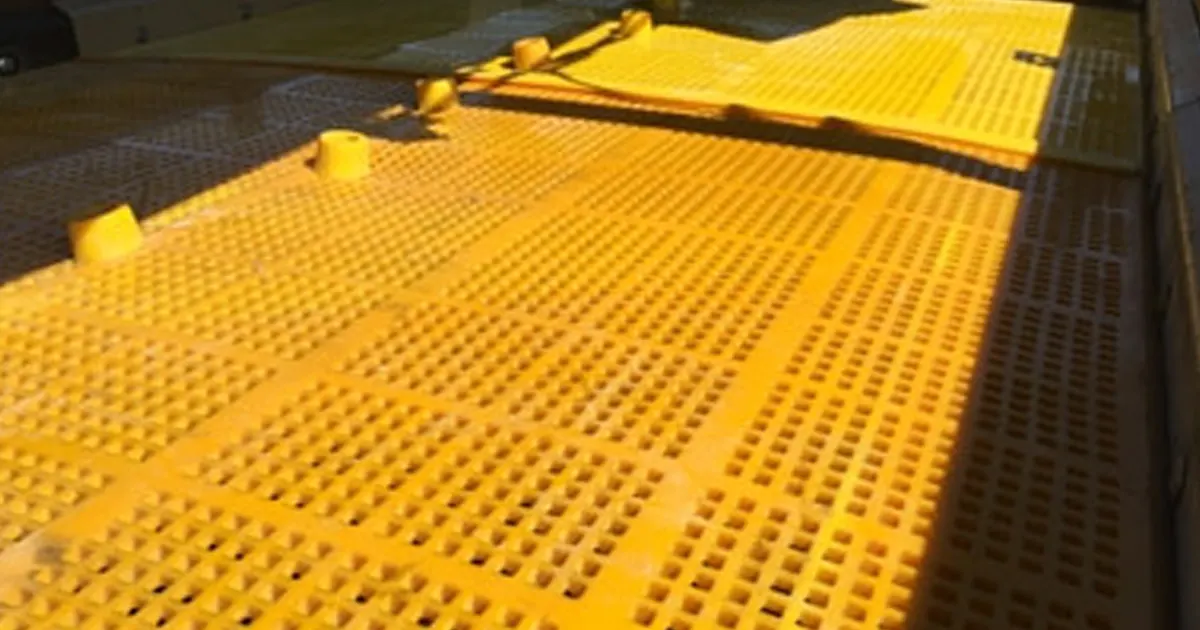
Modular screens are made to last a long time. They work well for tough jobs every day. The polyurethane makes them strong against hits. Heavy rocks will not crack or break them. These screens also do not wear out fast. You can use sticky or rough stuff without worry.
Panel Replacement
You do not have to buy a new screen if one panel breaks. Just take out the bad panel and put in a new one. This saves you money and keeps things moving. You can change panels fast, so you do not stop work for long. Busy plants will see less waiting and more work done.
Tip: Modular screens help your system keep going. You only change what is needed, so you do not waste extra material.
Abrasion Resistance
Polyurethane helps modular screens fight wear from rough stuff. You can use them for sand, gravel, or other hard things. The panels do not break or get weak easily. They last longer and need fewer fixes. Modular screens also take hits from heavy loads. You can trust them to last many times.
Tensioned Screens Durability
Tensioned screens also use polyurethane, so they are tough. These screens are pulled tight on the frame. This helps them wear out evenly. Tensioned screens can hold heavy loads well. You can sort rocks or minerals without damage.
Uniform Wear
Tensioned screens wear out the same all over. You will not see weak spots or sudden breaks. The design spreads out the hits across the whole screen. You get steady work and fewer problems.
Handling Heavy Loads
Tensioned screens can take heavy loads. You can run big rocks or hard stuff without losing power. Polyurethane gives strong wear and hit resistance. These screens last longer than metal ones. You do not have to change them as much.
- Polyurethane screens can last up to 10 times longer than woven wire screens.
- You spend less time fixing them because they do not clog or stop often.
- Polyurethane screens do not break down fast. You get longer use and save money.
Service Life Comparison
You want screens that last a long time. Both modular and tensioned screens are very strong. Polyurethane gives them good hit and wear resistance. Modular screens let you swap panels fast, so you keep working. Tensioned screens wear out evenly and hold heavy loads. You get less waiting and fewer changes.
| Screen Type | Service Life | Maintenance Needs | Impact Resistance | Abrasion Resistance |
|---|---|---|---|---|
| Modular Screens | Long, panel-based | Quick panel swaps | High | High |
| Tensioned Screens | Long, mesh-based | Full mesh changes | High | High |
Both screens last longer than metal ones. You save money and keep your work going. If you want less waiting and strong screens, polyurethane screens are a smart pick.
Screening Performance
When you use screens in your plant, you want them to work well. Both modular and tensioned polyurethane screens can help, but they do it in different ways. Let’s look at what each type does during screening.
Throughput and Efficiency
You want your screens to move stuff fast and keep things going. Modular polyurethane screens are very good at this. They let material go through easily and stop clogs before they start. You can choose from many sizes and shapes to fit your job. This means you get better work and less waiting.
Here’s a quick look at how modular screens compare:
| Feature | Modular Polyurethane Screens |
|---|---|
| Enhanced Screening Efficiency | Helps material flow well, so there is less clogging. |
| Customization | Comes in many sizes, thicknesses, and hole shapes. |
| Durability | Good for tough jobs and lasts a long time. |
| Cost-Effectiveness | You do not need to replace them often, so you save money. |
Tensioned polyurethane screens also move material well. They work with many kinds of rocks and can handle heavy loads. If you use sticky or wet stuff, you might see more clogging, but they still work well most of the time.
Blinding and Pegging
Blinding and pegging can slow down your work. You want screens that stay open and keep working. Modular screens are good at this. Their design stops stuff from getting stuck in the holes. You spend less time cleaning and more time working.
- Modular screens are good for gravel, sand, and crushed stone.
- They let material flow well and stop clogging.
- You get better work and higher quality products.
Tensioned screens are good for dry material. If you use wet or sticky stuff, you might see more clogging. But they are strong and last a long time, even when things get hard.
Tip: If you use a lot of wet or sticky stuff, modular screens can help you stop clogs and keep your plant working.
Particle Separation Consistency
You want your screens to sort stuff the same way every time. This means you get the right size product and less waste. Modular screens keep their shape and size, so you get steady results. Their open design helps keep the holes clear, even when things are tough.
Tensioned screens also sort well, especially with dry rocks. They stay tight and keep the mesh even, so you get good sorting. If you want the best screen work, both types can help, but modular screens give you more control.
Anti-blinding screening media is a good example. It keeps the holes open, gives you more screen area, and helps you get good products. You stop less and make more. When you pick the right screens, you help your plant work better and keep your screening going strong.
Installation and Maintenance
Modular Screens Installation
You want a setup that saves time and keeps things simple. Modular screens make installation easy. You do not need special tools or heavy lifting. You can pick from different methods, like expansion nail, bolt, or rail seat types. Here’s a quick look at how you can install these screens:
| Method Type | Tools/Specs | Steps |
|---|---|---|
| Expansion Nail Type | 305×305×30 panels | 1. Place screen on support beam. 2. Align holes. 3. Hammer nails in. |
| Bolt Type | M12, M14, M16 bolts | 1. Arrange screens. 2. Align holes. 3. Secure with bolts. |
| Rail Seat Type | Rail seats (manufacturer) | 1. Fix rail seats. 2. Align grooves. 3. Press screens into place. |
You can swap out one panel at a time. This means you do not have to stop everything when one part wears out. The lightweight design helps you move panels fast. You can finish the installation in less time and get back to work.
Tip: Modular screens let you replace only what you need. You save money and cut down on waste.
Tensioned Screens Installation
When you use tensioned screens, you need to focus on proper setup. You have two main types: end tension screens and side tension screens. Both types need you to pull the screens tight across the frame. This step is important for effective tensioning. If you do not get it right, you might see early wear or even screen failure.
End tension screens use hooks at the ends. You pull the screen tight from both sides. This helps the screen stay flat and strong. Side tension screens use hooks or clamps on the sides. You need to make sure the sides are tight and even. Both types need careful work during installation. If you rush, you might have to stop later for repairs.
You may spend more time on installation with tensioned screens. But if you do it right, you get longer life and fewer problems. You want to check the tension often, especially with side tension screens. This keeps your screens working well.
Maintenance and Downtime
You want to keep your plant running. Modular screens help you do that. You can change one panel at a time. This means less downtime and faster maintenance. The panels resist clogging, so you do not have to clean them as much. You spend less time fixing and more time working.
Side tension screens and end tension screens need more checks. You must look for loose hooks or worn spots. If you see a tear, you may need to change the whole screen. This can take more time and labor. Still, if you keep up with maintenance, you can avoid big problems.
Here’s a table to show common issues and how they affect downtime:
| Issue Type | Description | Impact on Downtime |
|---|---|---|
| Blinding | Fine stuff blocks holes | Stops work until cleared |
| Pegging | Rocks get stuck in holes | Needs manual clearing |
| Premature Wear | Wrong screens wear out fast | More frequent maintenance needed |
| Screen Tearing | Holes or rips in screens | Stops production for repairs |
| High-Performance Media | Premium screens resist problems | Less downtime, more uptime |
You want to pick screens that fit your job. Modular screens give you quick fixes and less downtime. Side tension screens and end tension screens need more care, but they can last if you keep up with maintenance. Always check your screens and fix small problems before they grow.
Note: Good maintenance keeps your screens working longer and your plant running smooth.
Cost and Value
Initial Cost
When you look at new screens for your plant, the first thing you notice is the initial cost. Modular screens usually have a higher price tag up front. You pay more for each panel, but you get strong material and a smart design. Tensioned screens often cost less at the start. You buy one big mesh, and you do not need as many parts.
Here is a quick table to help you compare:
| Screen Type | Initial Cost | What You Get |
|---|---|---|
| Modular Screens | Higher | Strong panels, easy swaps |
| Tensioned Screens | Lower | One mesh, simple setup |
Note: The initial cost is just the first step. You need to think about what happens after you start using the screens.
Operating Costs
You want to keep your plant running without spending too much. Modular screens help you save money over time. When one panel wears out, you only replace that part. This keeps your cost low. You do not throw away good panels. You also spend less on labor because you can change panels fast.
Tensioned screens can cost more to keep up. If the mesh breaks, you may need to change the whole thing. This means you pay for more material and more work. You also lose time when you stop to fix the screens. If you use your screens a lot, these costs can add up.
Here are some ways you can lower your operating cost:
- Check your screens often.
- Replace only what you need.
- Use the right screen for your job.
ROI Analysis
You want to get the most value for your money. This is where you look at return on investment, or ROI. Modular screens may cost more at first, but you save money over time. You spend less on repairs and downtime. Your plant keeps working, and you do not waste money on full replacements.
Tensioned screens give you a lower starting cost. If you do not need to change screens often, this can be a good deal. But if you run your plant hard, the cost of full mesh changes can hurt your ROI.
Tip: Think about how often you need to change your screens. If you want less downtime and lower long-term cost, modular screens may give you better value.
You can see that both screens have their place. If you want to save on cost over time, modular screens often win. If you need a lower cost up front, tensioned screens might fit your budget. Always look at the full picture before you choose.
Application Suitability
When to Use Modular Polyurethane Screens
You want to choose the best screens for your plant. Modular polyurethane screens are great when you need to change things quickly. You can swap panels fast, so you fix problems without waiting. These screens work in many places, especially with sticky, wet, or rough materials.
You see modular screens in lots of jobs. They help you finish hard work and keep things running. Here are some common ways people use modular screens:
- Aggregate processing
- Washing applications
- Cement manufacturing
- Food processing
- Chemical plants
- Water treatment
- Mining and quarrying
- Recycling and waste management
- Metallurgy and steel plants
You can use modular screens for sizing, scalping, dewatering, and sorting. They do not rust and can handle harsh stuff. If you need to change your setup a lot or want less downtime, modular screens are a good pick. You can even change your deck at the job site, so you do not need new machines.
| Application Area | Description |
|---|---|
| Mining and Quarrying | Used for sizing, scalping, dewatering, and washing of minerals and aggregates. |
| Chemical and Fertilizer Industry | Screens fertilizers and chemicals, resists corrosion from harsh substances. |
| Food and Grain Processing | Sorts grains and food products, keeps things clean and safe. |
| Metallurgy and Steel Plants | Screens ores and sizes materials in steel production. |
| Recycling and Waste Management | Separates materials in recycling facilities and waste sorting plants. |
| Aggregate Processing | Handles aggregates for construction and other applications. |
| Washing Applications | Works well in washing processes across industries. |
| Cement Manufacturing | Used in cement production and processing. |
| Water Treatment | Filters solids in water treatment systems, boosts efficiency. |
Tip: If you need screens for quick changes, tough jobs, or field fixes, modular polyurethane screens are a smart choice.
When to Use Tensioned Polyurethane Screens
Tensioned polyurethane screens are good for jobs that need strong mesh and quick setup. You pull these screens tight with hooks or clamps, so they stay flat and strong. You see tensioned screens in busy screening jobs. They work well for sorting dry rocks, grading ores, and handling heavy loads.
You find tensioned screens in places like mining, coal, and chemical plants. They help you keep working, even with wet, sticky, or small materials. If you want to make your screening better and faster, tensioned screens can help.
| Industry | Application Description |
|---|---|
| Mining industry | Great for ore grading, dewatering, fine screening, and other high-intensity screening operations. |
| Coal industry | Optimizes coal screening and boosts production efficiency. |
| Chemical and building materials | Screens wet, sticky, and particulate materials to keep production going. |
You can use tensioned screens for quick mesh changes and good sorting. They work best when you need strong tension and steady results. If your job needs fast setup and you work with dry or sticky stuff, tensioned screens are a good fit.
Note: Tensioned screens are best for big jobs and when you need to change mesh fast.
Decision Checklist
You want to make the right choice for your screens. Here is a checklist to help you pick between modular and tensioned polyurethane screens. Look at your job and match your needs to the right screen.
| Criteria | Description |
|---|---|
| Output Size | Pick smaller holes for fine stuff and bigger ones for large pieces. |
| Purity Standards | Use small holes to meet strict rules and catch unwanted bits. |
| Deck Configuration | Match hole size to deck setup; single and double decks work differently. |
| Vibration Settings | Change frequency and strength to help screens work better and stop clogging. |
| Throughput Needs | Bigger holes move material faster; small holes are better for accuracy. |
| Temperature and Humidity | High heat can weaken screens; humidity can make things stick and slow work. |
| Maintenance | Think about how often you need to clean and fix screens based on hole size and material type. |
- Do you need to change screens often or fix them in the field?
- Are you working with sticky, wet, or rough materials?
- Is your job high-intensity, like ore grading or coal screening?
- Do you want less downtime and lower labor costs?
- Are purity rules important for your products?
- Does your plant get hot or humid?
Tip: If you said yes to quick changes, tough jobs, or field fixes, modular screens are best. If you need to move lots of material and change mesh fast, tensioned screens are better.
You can help your plant work better by picking the right screens. Modular screens give you more ways to use them and easy upgrades. Tensioned screens give you strong tension and steady sorting. Choose the screens that help you reach your goals and keep your plant running.
Common Myths About Polyurethane Screens
Durability Myths
You might hear people say that polyurethane screens only work in dry places. Others claim these screens are just for wet jobs. Both ideas miss the mark. Polyurethane screens perform well in both dry and wet conditions. You can use them in many types of plants, from mining to recycling. These screens stand up to tough jobs and last a long time. Some people think wire mesh screens always last longer. In reality, polyurethane screens resist wear and tear better in many cases. You do not have to worry about cracks or breaks as much. These screens keep working, even when you use them every day.
Performance Misconceptions
Many believe wire mesh screens always work better because they have more open space at first. This sounds good on paper, but real life is different. Wire mesh screens can get clogged with rocks or sticky material. When this happens, you lose efficiency fast. Polyurethane screens have a flexible design. This helps them clean themselves as they move. You get steady performance, even with tough materials. The open area stays clear longer. You do not have to stop your plant as often to clean the screens. This means you keep your work going and get better results over time.
Note: Polyurethane screens can handle both fine and coarse materials. You get reliable sorting and less downtime.
Cost-Effectiveness Myths
Some people think polyurethane screens cost too much. They look at the price tag and worry about spending more. The truth is, these screens can save you money in the long run. For example, TH48-30 polyurethane screen panels can cut costs by 35% compared to some traditional options. These screens last longer, with up to 600 hours of wear resistance. You do not have to replace them as often. The modular design lets you swap out only the worn parts. You also get to pick the right size holes for your job. This makes your plant more efficient and keeps costs down.
Here’s a quick list of why polyurethane screens are cost-effective:
- Lower replacement costs over time
- Longer wear life
- Customizable for your needs
- Less downtime for repairs
You can trust polyurethane screens to give you value and strong performance. They help you keep your plant running and your costs under control.
Expert Recommendations
Key Factors to Consider
When you choose screens for your plant, you want to make sure you get the best fit. Industry experts say you should look at several important factors before you decide. Here’s a table that shows what matters most:
| Factor | Description |
|---|---|
| Material Characteristics | Highly abrasive materials need durable screens like polyurethane. Wet materials work better with screens that prevent clogging. |
| Screening Purpose | Fine and precise screening often needs woven wire cloth. Heavy-duty jobs call for strong screens, like perforated plate screens. |
| Operational Environment | Rubber screens help reduce noise. Polyurethane screens last longer and cut down on maintenance downtime. |
| Cost Efficiency | Polyurethane screens might cost more at first, but they save money over time. |
You should also think about these points when picking screens:
- Look at your whole screening circuit to find the best media.
- Decide if your material is wet or dry.
- Check if blinding or pegging happens often.
- Think about how weather or climate affects your screens.
- Figure out how abrasive your material is.
If you work with wet material, you need screens that stop clogging. For dry and rough jobs, you want screens that can take a beating. Polyurethane screens handle both well and last longer than many other types. You save time and money because you do not have to change screens as often.
Tip: Always match your screens to your material and your plant’s needs. This helps you get the best results and keeps your operation running smoothly.
Consultation and Support
You do not have to make these choices alone. Polyurethane screen manufacturers offer many types of support to help you pick the right screens and keep your plant working. Here’s a table that shows what you can expect:
| Type of Support | Description |
|---|---|
| Pre-sales consultation | Get help before you buy screens. |
| Products details communication | Learn about screen specifications and options. |
| Technology support | Get answers for technical questions about screens. |
| After-sales service | Receive support after you buy screens. |
You can ask questions about screens before you buy. You get details about how screens work and what makes them different. If you need help with installation or fixing screens, you can reach out for technical support. After you buy screens, you get after-sales service to solve any problems.
Note: Good support makes it easier to choose screens and keep your plant running. You can trust experts to help you find the best screens for your job.
If you want to get the most from your screens, talk to experts and use the support offered. This helps you avoid mistakes and keeps your plant working at its best.
Conclusion
You now know the key differences between modular and tensioned polyurethane screens. Modular screens let you swap panels fast, while tensioned screens give you strong mesh for many jobs. Both screens last longer than wire cloth and work well in tough conditions. Check out this quick guide:
| Feature | Modular Screens | Tensioned Screens |
|---|---|---|
| Panel Swap | Easy | Full mesh change |
| Best For | Sticky, wet jobs | Dry, heavy loads |
When you pick screens, think about durability, performance, cost, maintenance, and how you use them. Polyurethane screens resist wear, clean easily, and fit many jobs. Our company makes both screens and helps you choose the right one. Want expert advice? Contact us for the best screens for your plant.
FAQ
What are modular polyurethane screens?
Modular polyurethane screens come in small panels. You can swap out one panel if it wears out. These screens help you save time and money. You get less downtime and easy repairs.
How do tensioned polyurethane screens work?
Tensioned polyurethane screens stretch tight across a frame. You use hooks or clamps to hold them in place. These screens handle heavy loads and give you steady sorting for rocks and minerals.
Which screens last longer?
Both screens last longer than metal ones. Modular screens let you replace panels, so you keep working. Tensioned screens wear evenly and handle tough jobs. You get strong performance from both types.
Can I use screens for wet materials?
Yes, you can use screens for wet materials. Modular screens work well with sticky or wet stuff. Tensioned screens also handle wet jobs, but you may see more clogging. Pick the right screens for your material.
Are screens easy to install?
You can install modular screens quickly. You just snap panels into place. Tensioned screens need hooks or clamps. You must pull them tight. Both screens have simple steps, but modular screens are faster.
How often should I replace screens?
You should check screens often. Replace panels on modular screens when they wear out. For tensioned screens, change the mesh if you see damage. Regular checks help you keep your screens working.
What jobs need modular screens?
You use modular screens for jobs with sticky, wet, or rough materials. These screens fit plants that need quick changes. You see them in mining, recycling, food processing, and water treatment.
Do screens help reduce downtime?
Yes, screens help you cut downtime. Modular screens let you swap panels fast. Tensioned screens give you steady sorting. You spend less time fixing screens and more time working.