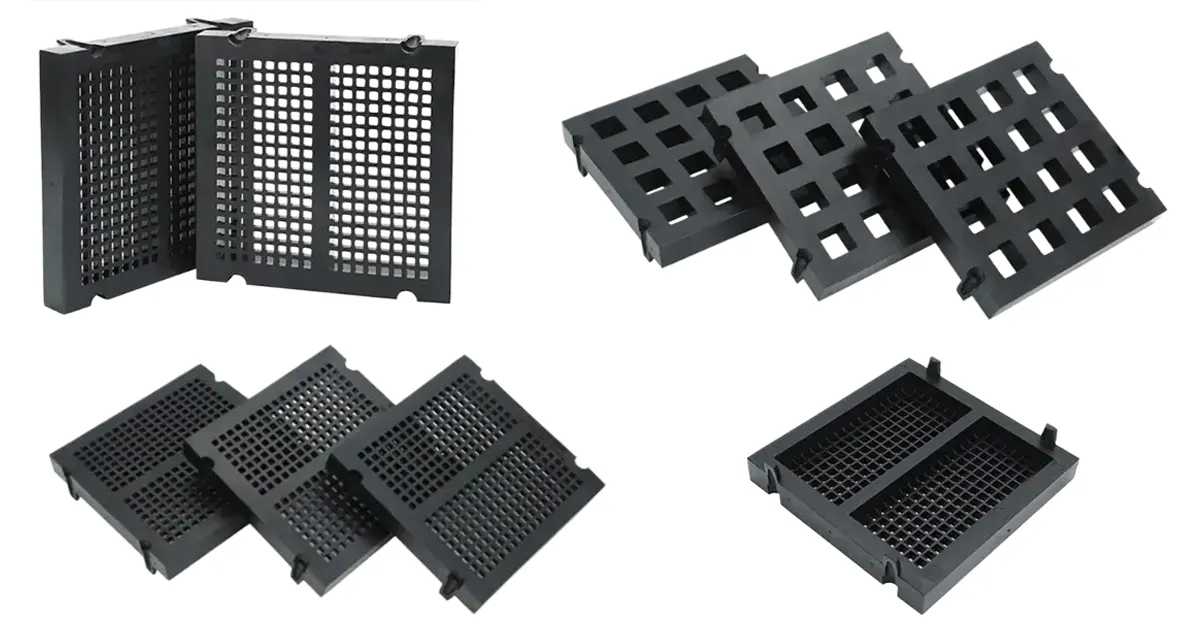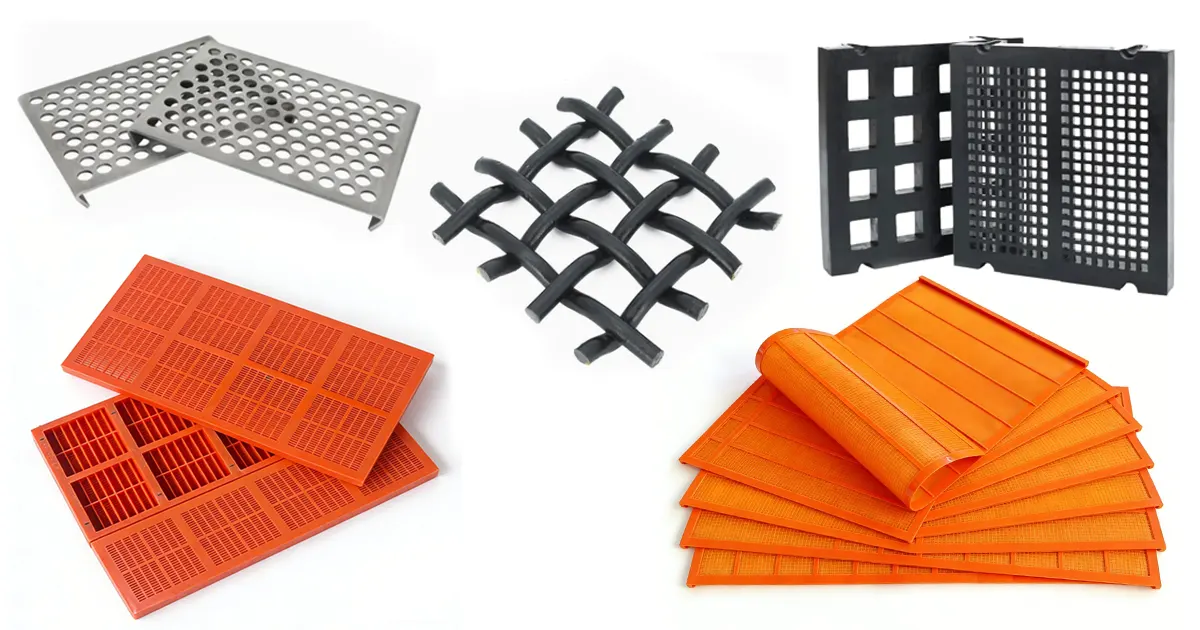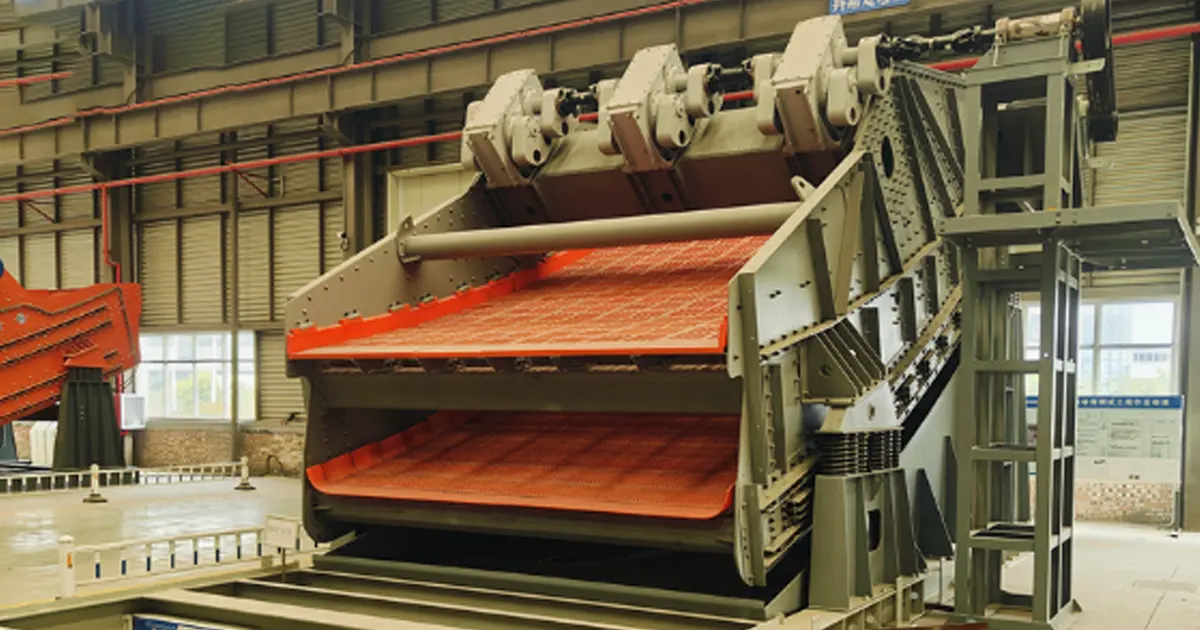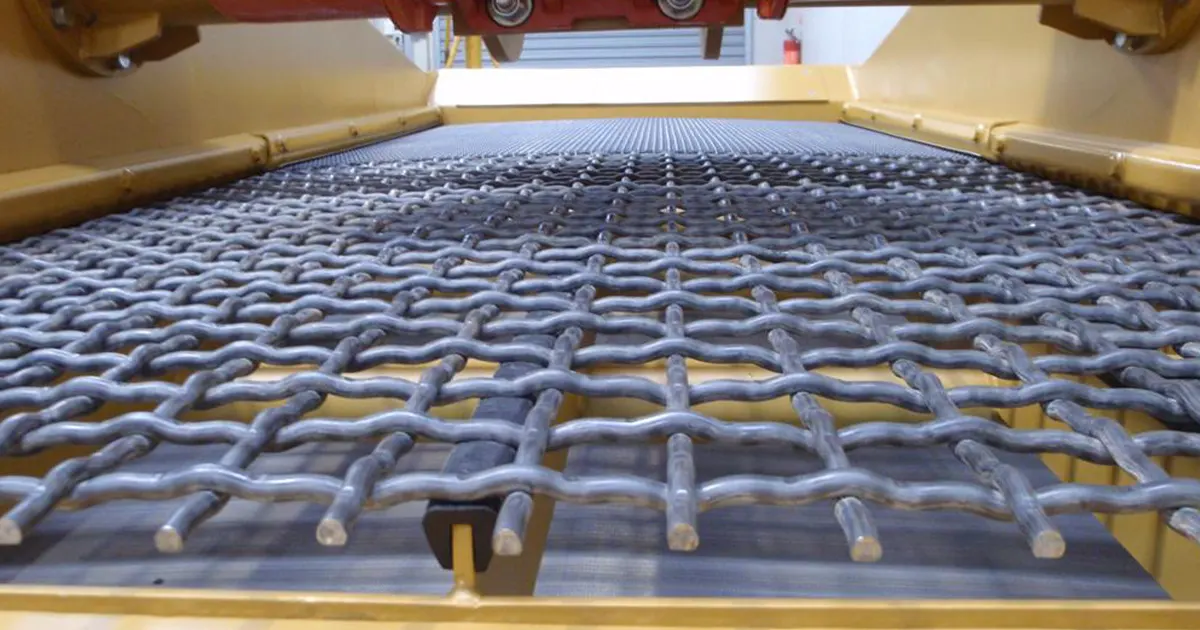
You probably see polyurethane screens used everywhere in screening jobs because they offer some unique strengths and a few drawbacks. Many people pick them since they last much longer than metal screens, cut down on noise, and make handling easier. You might notice they help with precise screening and can work in all sorts of places. If you want to weigh the pros and cons of polyurethane screens for your own needs, this guide will help you make a smart choice.
Key Takeaways
- Polyurethane screens last longer than metal screens. This makes them a good choice for saving money over time.
- These screens lower noise by 15 to 20 decibels. This helps make work safer and more comfortable.
- Polyurethane screens do not wear out fast. They resist damage from rubbing and chemicals. This makes them good for hard jobs in many industries.
- They work better with wet and sticky materials than regular screens. This means less clogging and less time spent cleaning.
- They cost more at first, but they last longer. You will not need to replace or fix them as often. This saves money later.
- Polyurethane screens are light. This makes them easier to put in and move than heavy metal screens.
- Think about what your job needs before picking a screen. You should look at the type of material and the work conditions.
- Take care of your screens and install them the right way. This will help them last longer and work better.
What Are Polyurethane Screens?
Basic Structure
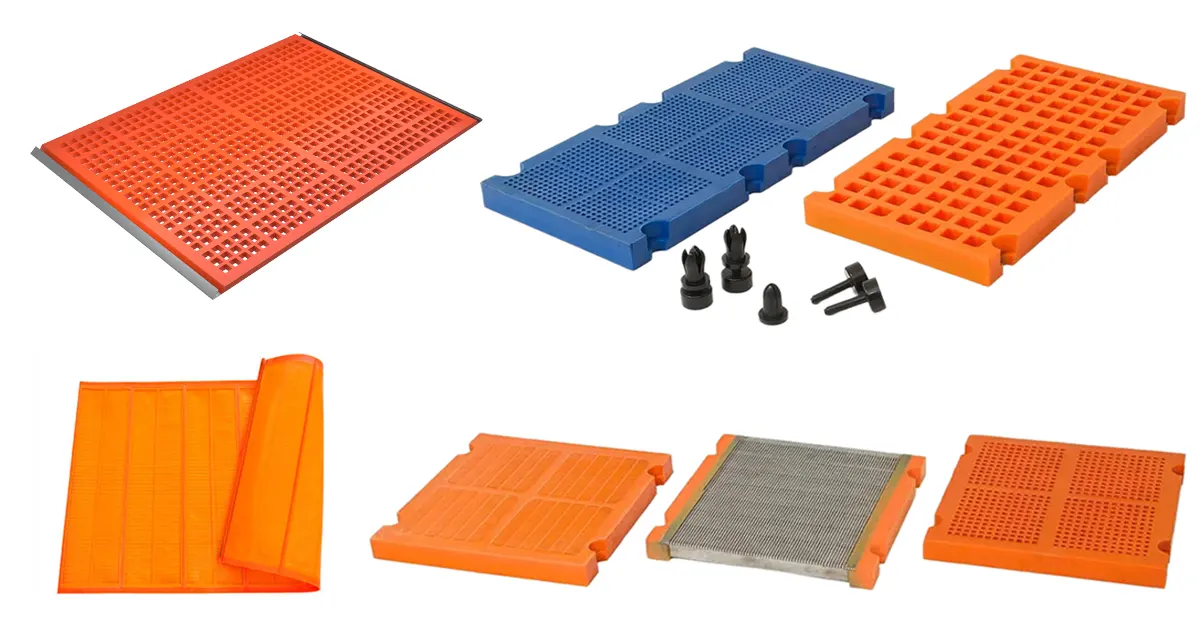
A polyurethane screen plate is strong and bends easily. It is made for sorting and filtering things. The main part is polyurethane. This comes from mixing two chemicals called diisocyanate and polyol. Makers add other things to make it stronger and more bendy. The material can be soft like foam or hard like plastic. It depends on what you need.
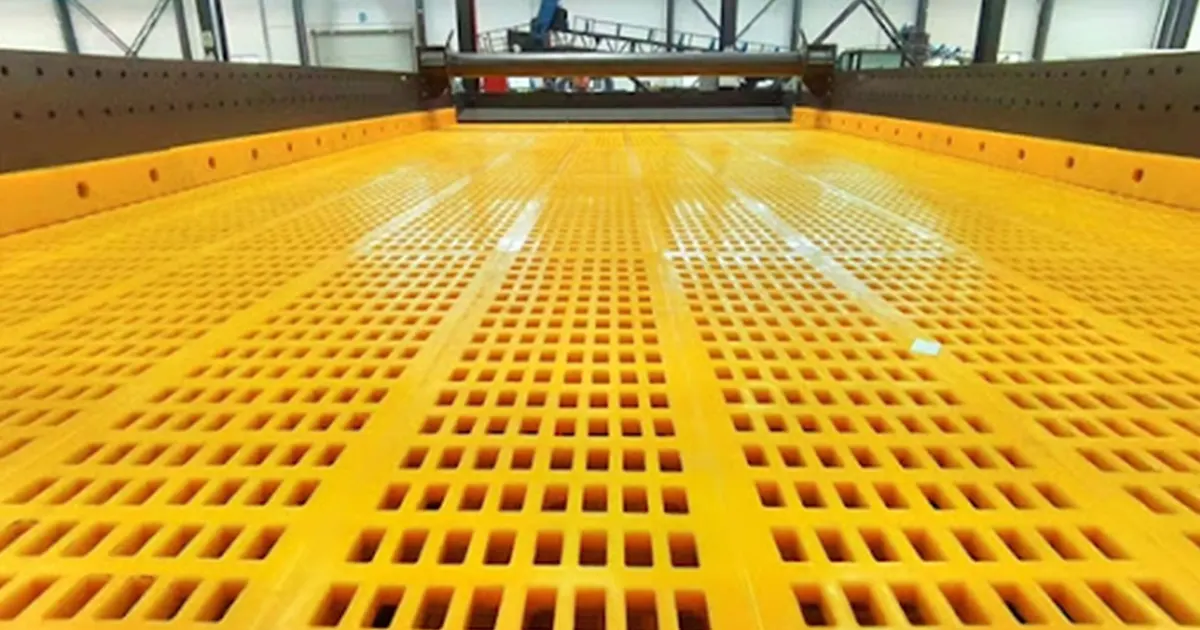
Most plates have a metal frame inside. Steel wires hold the edges together. This gives the plate its shape and extra support. The holes in the plate can be very small or big. They range from 0.08 mm up to 180 mm. You can pick the right plate for your job. It works for catching fine sand or bigger rocks.
The plate does not wear out fast. Polyurethane does not scratch or break easily. It lasts longer than many other screens. It bends without snapping. This helps when you need something that moves a lot.
- Polyurethane screen plates:
- Made from mixed chemicals for strength
- Have a metal frame for support
- Come in many hole sizes
- Resist damage and last a long time
Common Uses
You see polyurethane screen plates in many industries. They help separate, filter, or sort things by size. Here are some places where you use them:
| Industry/Application | Description |
|---|---|
| Mining and Quarrying | Separates different-sized particles from coal, ore, and other mined materials. |
| Construction and Aggregate | Helps process sand, gravel, and stone for building projects. |
| Recycling Facilities | Sorts plastics, metals, and other materials by size and shape. |
| Food and Beverage | Filters and sieves food products, with some plates safe for food contact. |
| Water Treatment | Removes solids from liquids in wastewater treatment. |
| Filtration Applications | Handles tough jobs in chemical plants and other harsh settings. |
| Automotive | Cleans air by filtering out particles in car systems. |
| Modular Screens and Panels | Offers flexible solutions for many industrial needs. |
| Agriculture | Protects crops and sorts soil or seeds, even outdoors. |
You can see that a polyurethane screen plate fits almost any job. It is strong and reliable for screening.
Manufacturing Process
Making a polyurethane screen plate takes many steps. Each step helps make sure the plate works well and lasts long.
- Raw Material Preparation: Makers pick the best chemicals and clean the resins.
- Molding: They mix the resin and push it into molds with high pressure.
- Cutting and Trimming: Workers cut off extra material and shape the plate.
- Surface Treatment: They add coatings or textures to make the plate tougher.
- Quality Check: Every plate gets checked for strength and flaws.
- Packing: Finished plates are packed safely for delivery.
Tip: Careful checks and measuring help your polyurethane screen plate sort and filter just right.
You can trust that each plate goes through strict tests. Makers check wire thickness, hole size, and strength before sending it out. This careful work means you get a plate that works well and lasts through tough jobs.
Pros and Cons of Polyurethane Screens
When you look at the good and bad sides of polyurethane screens, you can see why many people use them for hard jobs. Let’s go over the main ups and downs so you can decide if a polyurethane screen plate works for you.
Main Advantages
Wear and Abrasion Resistance
You need a screen that can handle rough work. Polyurethane screen plate is very tough. It deals with heavy loads and sharp stuff without breaking quickly. In tests, polyurethane screens lost less than 0.8 mm after 500 hours under pressure. They kept their shape with less than 5% change after 106 cycles at 2 G. PUD-based specimens lasted up to 100,000 cycles before wearing out, while neat PP only lasted 5,000 cycles. That shows how much stronger polyurethane screens are.
| Test Parameter | Standard Value | Performance Benchmark |
|---|---|---|
| Dynamic Load Resistance | 106 cycles at 2 G | <5% permanent deformation |
| Wet Abrasion Resistance | 500 hrs @ 50 PSI | <0.8 mm material loss |
| Material Type | Abrasion Cycles to Deteriorate | Abrasion Cycles to Break |
|---|---|---|
| Neat PP | 5,000 | 25,000 |
| PUD-based Specimens | 100,000 | N/A |
This means you use each polyurethane screen plate longer, saving money and time.
Oil, Ozone, and Aging Resistance
Some places have oil, ozone, or sunlight that can hurt equipment. Polyurethane screen plate stands up to these things. It stays strong and bendy even after a long time outside. Here’s how it does:
| Property | Description |
|---|---|
| Oil Resistance | Polyurethane elastomers resist oil very well. |
| Ozone Resistance | They resist ozone, so they last longer outdoors. |
| Aging Resistance | They keep their strength even with UV and weather. |
- Polyurethane has a UV absorbent that stops oxidation, so screens last longer.
- You can trust these screens to work well, even in tough places.
Corrosion and Chemical Resistance
If you need screens that don’t rust, polyurethane screen plate is a good pick. It doesn’t break down like metal screens. This makes it smart for jobs with acids, alkalis, or salty water.
| Chemical Type | Resistance Description |
|---|---|
| Dilute Acids | Handles acids without swelling or damage |
| Alkalis | Stays strong when exposed |
| Salts | Doesn’t corrode or break down |
| Organic Solvents | Doesn’t swell or fall apart |
| Oxidation | Stops oxidation, so it doesn’t break |
| Hydrolysis | Doesn’t break in wet places |
| Corrosion | No corrosion, so you avoid contamination |
You get a screen that keeps working when others fail.
Noise Reduction
Loud machines can be hard to work around. Polyurethane screens cut noise by 15 to 20 decibels compared to metal screens. This makes your work area safer and more comfortable. You will notice the quieter space right away.
Wet and Sticky Material Handling
Wet or sticky stuff can clog regular screens. Polyurethane screen plate stays flexible and shakes off stuck bits. You get less clogging, so you spend less time cleaning. Wire screens can’t bend like this and clog up faster.
- Polyurethane screens bend to let go of stuck material.
- You spend more time working and less time cleaning.
- This gives you better screening, especially in wet jobs.
Reduced Plugging and Blinding
You want screens that don’t get blocked. Polyurethane screen plate resists plugging and blinding better than other types. The flexible surface lets particles move through, so you get better results and waste less time.
Long Service Life
You want your screens to last. Polyurethane screens last longer than rubber and wire screens. In fine jobs, they last two to three times longer than rubber. Open cast polyurethane lasts 1.5 to 2 times longer than injection-molded screens. Even though they cost more at first, you save money because you replace them less often.
- Polyurethane screens last longer in tough jobs.
- You pay less per ton, even with a higher starting cost.
- Less downtime means you get more work done.
Lightweight and Easy Handling
Polyurethane screen plate is lighter than metal screens. This makes it easier to move, install, and replace. You don’t need heavy tools or extra help.
| Feature | Polyurethane | Metal |
|---|---|---|
| Weight | Lightweight | Heavy |
- You can change screens faster and with less effort.
- Lighter screens use less energy and help motors last longer.
- You get quicker changes and less downtime, which saves money.
Main Disadvantages
Lower Open Area for Fine Mesh
One downside is that polyurethane screens have less open area, especially for fine mesh. This means less material goes through at once. If you need lots of material to pass, this can be a problem.
Throughput Limitations
Because of less open area, polyurethane screen plate sometimes can’t match wire screens for speed. You might see slower processing, especially with fine materials. This matters if you need high volume.
Application Limits (e.g., Not for High Temp)
Polyurethane screens work best in normal temperatures. They handle -45°C to 90°C for regular use, and up to 120°C for short times. If your job is hotter than 105°C (220°F), these screens may not last. Urethanes lose strength and bendiness at high heat, so you need another material for those jobs.
Initial Cost
Polyurethane screen plate costs more at first than wire or rubber screens. Here’s a quick look:
| Screen Type | Initial Cost Comparison | Key Characteristics |
|---|---|---|
| Polyurethane Screens | Higher | Great abrasion resistance, lasts longer |
| Woven Wire Screens | Lower | More open area, less tough in hard jobs |
| Rubber Screens | Moderate | Good for big sizes, handles impacts well |
Even though you pay more at first, the long life and less fixing can make up for it.
Maintenance and Repair
Polyurethane screens need care to last. If you install them wrong or mix old and new panels, they wear out faster. Keep the deck clean and check for damage often. Using the wrong panel or storing them in sunlight can cause problems.
- Wrong installation or tensioning makes screens fail early.
- Dirty decks cause shaking and stress.
- Mixing old and new panels makes uneven bending.
- Picking the wrong panel type can cause cracks.
- Skipping checks lets small problems get bigger.
- Damaged frames cause uneven loading.
- Bad storage or cleaning can weaken the screens.
If you take care of them, you get the most from your polyurethane screen plate.
Tip: Think about the good and bad sides before you choose. Look at your material, environment, and budget. The pros and cons of polyurethane screens depend on what you need.
Polyurethane Screens vs. Other Screen Types
When you pick a screen, you want to know how polyurethane compares to others. Let’s see how polyurethane screens match up with woven wire, rubber, and perforated plate screens. This helps you choose the best one for your job.
Woven Wire Screens
Woven wire screens are used a lot. They cost less at first and let lots of material through. But they do not last as long as polyurethane screens in tough jobs.
Here’s a simple table showing the differences:
| Attribute | Polyurethane Screens | Woven Wire Screens |
|---|---|---|
| Wear Life | Lasts longer, stays strong in cold | Can break in cold |
| Open Area | Higher open area | Lower open area |
| Cost-Effectiveness | Costs more at first, fewer changes | Cheaper at first, needs more changes |
Polyurethane screens cost more at first, but you save money later. You do not have to change them as often. Polyurethane screens stay strong in cold weather. Wire screens can crack or break when it gets cold.
Tip: If you want less downtime and fewer changes, polyurethane screens are a smart choice.
Rubber Screens
Rubber screens are good for big, heavy stuff. They take hits without tearing. But if you need fine screening or want screens to last longer, polyurethane is better.
Look at this table for the main differences:
| Feature | Polyurethane Screens | Rubber Screens |
|---|---|---|
| Screening Efficiency | 70% to 85% open area, very good | 40% to 60% open area, less good |
| Durability | Lasts 1.5 to 3 times longer | Wears out faster |
| High-Temperature Resistance | Works from -40°C to 80°C | Handles up to 120°C or 150°C |
| Tear Resistance | Can tear under sharp loads | Strong, resists tearing |
| Initial Cost | 30% to 50% more expensive | Cheaper to buy |
| Weight | Lightweight, easy to move | Heavier, harder to move |
| Noise Level | Quieter operation | Louder, may not meet noise rules |
Polyurethane screens give you better screening and last longer. Rubber screens can take more heat and hits. If you want a quiet, light screen that lasts, polyurethane is a good pick.
Perforated Plate Screens
Perforated plate screens are strong and handle heavy loads. You see them where big rocks or sharp stuff hit the screen. But they do not last as long as polyurethane screens in tough jobs.
Here’s a table to compare:
| Performance Aspect | Polyurethane Screens | Perforated Plate Screens |
|---|---|---|
| Wear Resistance | Lasts 3–5 times longer | Wears out faster |
| Impact Durability | Absorbs shock, does not crack | Can break under heavy loads |
| Corrosion Resistance | Stays strong in chemicals | Can rust or corrode |
| Vibration Fatigue Resistance | Handles shaking | May fail with lots of shaking |
Polyurethane screens last much longer in rough jobs. They do not rust or break easily. If your job has lots of shaking or harsh chemicals, polyurethane screens keep working. Plate screens may need repairs.
Note: Always pick the right screen for your job. Polyurethane screens give you strength, long life, and easy handling.
Where Polyurethane Screens Work Best
Ideal Applications
You want to get the most out of your screening equipment. Polyurethane screens shine in certain jobs. They work best when you need something tough, quiet, and long-lasting. You will see them in places where other screens wear out too fast or make too much noise.
Here’s a quick look at where polyurethane screens really stand out:
| Application Type | Benefit Description |
|---|---|
| Vibrating Screens | Flexibility and bounce help the screen last longer, even with heavy use. |
| Chemical Exposure Applications | Polyurethane stands up to harsh chemicals, so it keeps working in tough environments. |
| Noise Reduction in Equipment | The material absorbs sound, making your work area much quieter. |
| Screening Efficiency | Strong and elastic screens mean less downtime and fewer repairs, so you get more done. |
You will notice these screens in mining, recycling, and water treatment plants. They handle sharp rocks, sticky materials, and even chemicals without breaking down. If you need a screen that keeps going and helps you avoid constant repairs, polyurethane is a smart pick.
Tip: If you want less noise and longer screen life, polyurethane screens are a great choice for your operation.
Where They May Not Be Suitable
Polyurethane screens do not fit every job. You need to know where they might let you down. Some environments or needs call for a different type of screen.
Here are some common limits you should watch for:
- Polyurethane screens can catch fire, so you need extra fire safety steps in some places.
- The way they are made and thrown away can raise environmental concerns because of the chemicals involved.
- You might find that standard sizes and shapes limit your design choices, especially in construction.
- Sunlight can damage polyurethane screens over time. If you use them outside, they may break down faster.
- Water-rich places, like coal washing plants, can cause the material to weaken because polyurethane does not like too much water.
- Polyurethane screens do not handle high heat well. If your job gets very hot, these screens may not last as long or work as well.
You should think about these points before you choose polyurethane screens. If your job site has lots of heat, water, or sunlight, you may want to look at other options. Also, if you need a custom shape or size, check if polyurethane can meet your needs.
Note: Always match your screen choice to your work environment. The right screen will save you time, money, and stress.
Key Factors Before Choosing
Material and Screening Needs
You want your screen to match your job. Start by thinking about what you need to screen. Is it sharp rock, sticky clay, or fine sand? Each material acts differently on a screen. Polyurethane screens come in many types, so you can pick one that fits your needs.
Take a look at these important characteristics:
| Characteristic | Description |
|---|---|
| Durability | Polyurethane screens last longer than most. They handle tough jobs and resist wear and tear. |
| Flexibility | These screens bend and flex. They work well for many types of materials and screening jobs. |
| Hardness | You can choose from soft to hard screens (Shore A 60-95). Pick softer for gentle jobs, harder for rough stuff. |
| Temperature Resistance | Polyurethane screens work from -40°C to +80°C. They stay strong in cold or hot places. |
| Compatibility | Make sure the screen fits your machine. Check the size, shape, and how it mounts. |
Tip: If you screen sharp or heavy material, pick a harder screen. For sticky or fine stuff, a softer, more flexible screen works better.
Operating Environment
Your work site matters a lot. Polyurethane screens do well in many places, but you need to think about what they face every day.
- Polyurethane screens resist many chemicals. You can use them in factories or plants with harsh liquids.
- Ether-based polyurethane handles water and wet jobs better than ester-based types.
- If your site has lots of moisture, pick high-quality polyurethane. It will not break down as fast.
- Strong acids, bases, or solvents can still damage the screen over time.
- Ester-based screens may wear out faster in humid places.
If you work in a wet or chemical-heavy spot, ask your supplier for the right type. You want your screen to last as long as possible.
Note: Always check what kind of chemicals or moisture your screen will face. The right choice keeps your screen working longer.
Budget and Lifecycle
You might look at the price tag first, but think about the whole picture. Polyurethane screens cost more at the start, but they save you money over time.
- Polyurethane screens last longer. You do not have to replace them as often.
- They need less fixing and fewer shutdowns for repairs.
- Steel screens cost less at first, but you may need to change them every week or two.
- Polyurethane and rubber screens cost more, but you get more life and less hassle.
If you want fewer headaches and less downtime, polyurethane screens are a smart investment. You spend more now, but you save on replacements and repairs later.
Quick tip: Think about how often you want to stop your machine for repairs. Polyurethane screens help you keep working longer and save money in the long run.
Maintenance
You want your polyurethane screens to last as long as possible. Good maintenance makes a big difference. If you take care of your screens, you save money and avoid sudden breakdowns. You also get better screening results every day.
Start by making a habit of checking your screens. Look for signs of wear, loose parts, or anything that seems off. If you spot a problem early, you can fix it before it gets worse. Here’s a simple table to help you remember what to check and how often:
| Maintenance Practice | Frequency |
|---|---|
| Inspect tension | During each shift |
| Measure wear | Weekly |
| Fully tighten connectors | Monthly |
| Apply heat-resistant protective agents | As needed in high-temperature areas |
Let’s break these down:
- Inspect tension during each shift. If your screen feels loose, it won’t work right. A loose screen can wear out faster or even break. Give it a quick check at the start of your shift. Tighten it if needed.
- Measure wear every week. Use a simple tool to check how much material has worn away. If you see deep grooves or thin spots, it’s time to plan a replacement. This step helps you avoid sudden failures.
- Tighten connectors once a month. Connectors hold your screen in place. If they get loose, your screen can move or shake too much. Take a few minutes each month to make sure every connector is tight.
- Apply heat-resistant protective agents as needed. If you work in a hot area, special sprays or coatings can help your screen last longer. You don’t need to do this all the time—just when you notice extra heat or after a big temperature change.
Tip: Keep a simple checklist for your team. When everyone follows the same steps, your screens stay in top shape.
Don’t forget to clean your screens. Dirt and sticky material can build up fast. Use a soft brush or low-pressure water to wash away debris. Avoid harsh chemicals that might damage the polyurethane.
If you see cracks, tears, or broken frames, replace the screen right away. Waiting too long can cause bigger problems for your whole machine.
You can also talk with your supplier about the best cleaning products or protective sprays. They know what works best for your type of screen and your work site.
Taking care of your polyurethane screens does not have to be hard. With regular checks and a little cleaning, you get more life from every screen. You also keep your operation running smoothly and safely.
Summary of Advantages and Disadvantages
Quick Comparison Table
You want to see how polyurethane screens stack up against other options. Here’s a simple table that lays out the main points. This makes it easy for you to compare and decide what fits your job best.
| Material Type | Advantages | Limitations |
|---|---|---|
| Polyurethane | Long wear life, flexible, resists chemicals, quiet | Higher initial cost, less open area for fine mesh, heat limits |
| Woven Wire | High open area, low cost, good for fine screening | Wears out faster, noisy, can break in cold |
| Punch Plates | Very strong, takes high drops, protects mesh below | Not as exact as wire mesh or PU, best for big hits |
| Rubber Panels | Takes heavy hits, stops shaking, safer to handle | Not good for small stuff, can clog, less open space |
| Perforated Plate | Handles heavy loads, strong, simple to clean | Can rust, wears out faster, less flexible |
Note: Polyurethane screens give you a balance of strength, quiet operation, and long life. Other screens may cost less or work better for certain jobs, but they often need more repairs or replacements.
When to Choose Polyurethane Screens
You might wonder if polyurethane screens are the right pick for your operation. Here’s a quick guide to help you decide. Think about these key points before you make your choice:
- Check Screen Size and Customization
Polyurethane screens come in many shapes and sizes. You can get them made to fit your machine. This helps you avoid problems during installation. - Look at Material and Hardness
The type of polyurethane matters. Some screens are softer and bend more. Others are harder and last longer. Pick the one that matches your material—soft for sticky stuff, hard for sharp rocks. - Make Sure It Fits Your Equipment
Always check if the screen works with your current setup. A good fit keeps your machine running smooth and helps the screen last longer. - Think About Vibration and Load
Polyurethane screens handle shaking and heavy loads well. If your job has lots of movement, these screens keep their shape and keep working. - Check the Open Area
If you need to move a lot of material fast, look at the open area. Polyurethane screens sometimes have less open space, so they may slow down fine screening.
Tip: Choose polyurethane screens when you want less downtime, quieter work, and longer screen life. They shine in tough jobs with lots of wear, chemicals, or noise. If you need high speed or work in very hot places, you might want to look at other options.
You can always talk to your supplier about your needs. They can help you pick the right screen for your job. With the right choice, you get better results and save money over time.
Conclusion
You’ve seen the main pros and cons of polyurethane screens. They last long, cut noise, and handle tough jobs, but they cost more and don’t work well in high heat. Your best choice depends on your job. Think about these tips:
- Check if your material is wet, dry, or sticky.
- Pick the right mesh size for your output.
- Know how fast your material moves.
Want help picking the right screen? Reach out to our team for friendly advice or a quick quote!
FAQ
What makes polyurethane screens different from metal screens?
Polyurethane screens last longer than metal screens. They are lighter and easier to move. These screens make less noise when you use them. You do not need to fix them as often. Metal screens cost less money at first. But metal screens wear out faster and need more repairs.
Can you use polyurethane screens outdoors?
Yes, you can use polyurethane screens outside. Sunlight can make them break down after a while. You should ask your supplier for UV-resistant screens. These screens last longer in the sun.
How do you clean polyurethane screens?
Clean polyurethane screens with a soft brush or low-pressure water. Do not use strong chemicals because they can hurt the screen. Cleaning helps your screens work better and last longer.
Are polyurethane screens safe for food processing?
Some polyurethane screens are safe for food jobs. Always check with your supplier before you buy. Look for screens that meet FDA or food-grade rules.
Do polyurethane screens handle sticky materials well?
Polyurethane screens work well with sticky or wet stuff. They bend and shake off things that get stuck. This means you do not have to stop and clean as much.
What is the average lifespan of a polyurethane screen?
Most polyurethane screens last two to three times longer than wire or rubber screens. Some screens last for months. Others last for years. It depends on how you use them.
Can you recycle polyurethane screens?
Some recycling centers take polyurethane screens. Check the rules in your area. You can also ask your supplier how to recycle them.