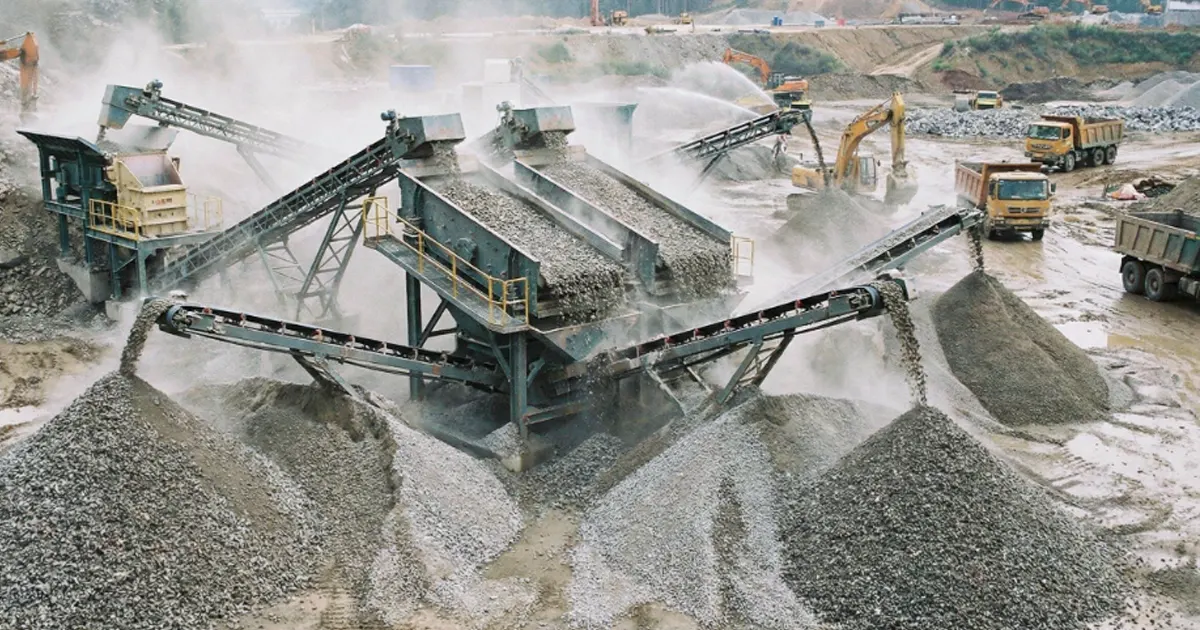
You want the best results from rock screening, so you need the right screen mesh. Start with correct selection. When you match the screen mesh to the type of rock and your equipment, you get better product quality and longer machine life. The right screen mesh design helps your screen separate materials well and keeps your screening running smoothly. Using the right screen also means less wear and tear. If you pick the wrong mesh, you might see more breakdowns and poor results.
- Matching screen mesh to rock type improves separation and gives you a higher-quality final product.
- The right screen mesh reduces machine damage and helps your equipment last longer.
Key Takeaways
- Pick the right screen mesh for your rock type. This helps separate rocks better and makes your product higher quality.
- Using the correct mesh stops your equipment from wearing out fast. It makes your equipment last longer and saves you money.
- Check your screen mesh often for damage or wear. This stops expensive breaks and keeps your system working well.
- Make sure the mesh tension is set right. This helps your machine run smoothly and stops early damage.
- Choose the mesh material that fits your screening conditions. Think about if your process is wet or dry.
- Keep your screening system clean. This stops clogging and keeps it working its best.
- Talk to your mesh supplier for special solutions. They can help with your rock screening needs.
- Try small changes, like using a different mesh type. This can make your screening work much better.
Why Rock Screening Mesh Matters
Screening Efficiency
You want your screening system to work at its best. The right screen mesh makes a big difference in how well your screen separates rock. When you use a high-quality screen mesh, you get more accurate sorting and less waste. Small changes in your setup can boost your results. For example, studies show that adding an extra screen can improve screening efficiency from 92.4% to 96.5%. That means you get more usable material with each pass.
Several factors affect how well your screen mesh works. These include the angle of your screen, how much it shakes, and how many layers you use. The best results often come from an amplitude of 10 mm, a frequency of 24 Hz, a screen angle of 15°, and a direction angle of 30°. If you set up your screening system with these numbers, you can see better performance and less downtime.
- A good screen mesh helps you process more rock in less time.
- You get fewer blockages and smoother operation.
- Your screening system stays reliable, even with tough materials.
Product Quality
You care about the quality of your final product. The screen mesh you choose controls what size rocks pass through and what stays behind. If you use the wrong mesh, you might get rocks that are too big or too small for your needs. This can hurt your reputation and cost you money.
Here’s a quick look at how screen mesh affects quality:
| Aspect | Influence on Quality |
|---|---|
| Screening Efficiency | Affects how well materials are sorted, which impacts final product consistency. |
| Material Throughput | Controls how much rock you process, which changes your production rates. |
| Wear Resistance | A strong mesh lasts longer, so you spend less time on repairs and more on production. |
| Maintenance Frequency | Durable mesh means less downtime and steady quality. |
| Mesh Opening Size | Makes sure only the right size rocks pass through, giving you the product you want. |
| External Factors | Moisture and temperature can change how your mesh works and how long it lasts. |
You should always match your screen mesh to the type of rock you process. Granite and basalt need tougher mesh. If you want a certain output size, pick a mesh with the right opening. Wet conditions may need a special mesh to stop clogging. The right choice gives you a steady supply of high-quality material.
Equipment Longevity
Your equipment works hard every day. The screen mesh you use can help your machines last longer. A good mesh reduces wear and tear on your screen and other parts. When you pick the right mesh for your rock and your screening system, you avoid costly repairs and keep your operation running.
- The right screen mesh protects your screen from damage.
- You spend less on maintenance and replacements.
- Your screening system stays in top shape for longer.
If you want your screening system to last, always check your screen mesh and replace it when needed. This simple step can save you time and money in the long run.
Common Issues
When you work with rock screening mesh, you might run into a few common problems. These issues can slow down your operation, lower your product quality, and even damage your equipment. Knowing what to watch for helps you fix problems fast and keep your screening system running smoothly.
Here are some of the most common issues you might face:
- Blinding: Fine particles or sticky materials can clog the mesh openings. When this happens, your screen cannot separate rocks properly. You might see a drop in efficiency and more waste.
- Pegging: Larger rocks or odd-shaped pieces can get stuck in the mesh. This blocks the flow of material and can cause uneven screening.
- Premature Wear: If you use the wrong mesh material or size, your screen can wear out quickly. Sharp or abrasive rocks make this worse. You might need to replace your mesh more often, which costs time and money.
- Incorrect Sizing: If your mesh openings are too big or too small, you will not get the product size you want. This can lead to poor quality and unhappy customers.
- Compatibility Problems: Sometimes, the mesh does not fit your equipment well. Loose or poorly installed mesh can vibrate too much or even tear.
Tip: Check your mesh often for signs of wear, clogging, or damage. Early action can save you from bigger problems later.
Quick Troubleshooting Table
| Issue | What You See | What You Can Do |
|---|---|---|
| Blinding | Clogged mesh, less output | Clean mesh, use anti-blinding mesh |
| Pegging | Rocks stuck in mesh | Try slotted mesh, adjust vibration |
| Premature Wear | Holes or tears in mesh | Use tougher material, check rock type |
| Incorrect Sizing | Wrong product size | Pick correct mesh opening size |
| Compatibility | Mesh moves or tears | Check fit, tighten mesh, use right panel |
You can avoid many of these issues with regular checks and by choosing the right mesh for your job. If you notice a problem, act quickly. Sometimes, a small change—like switching to a different mesh shape or material—can make a big difference.
Remember, your screening system works best when you keep it in good shape. Stay alert for these common issues, and you will see better results every day.
Screen Mesh Selection Factors
Mesh Material Types
When you choose a screen mesh for your screening system, you need to look at the material first. Each type has its own strengths and weaknesses. Let’s break down the main options:
Steel
Steel screen mesh is common in rock screening. You get a tough mesh that handles simple jobs well. Steel works best when you need a basic screen for less abrasive rocks. It wears out quickly if you use it for heavy-duty screening. Steel breaks easily under strong impacts, so you might need to replace it more often.
Rubber
Rubber screen mesh bends and flexes. You can use it when you want to resist chemicals or need a softer touch. Rubber does not absorb impacts well, so it is not the best choice for hard or sharp rocks. You might see less efficiency compared to other materials.
Polyurethane
Polyurethane screen mesh lasts two to three times longer than steel. You get superior strength, flexibility, and efficiency. Polyurethane works well for tough screening jobs and handles abrasive rocks. You spend less time on maintenance and get more reliable performance.
Here’s a quick comparison:
| Material | Durability | Performance |
|---|---|---|
| Polyurethane Mesh | Lasts 2-3 times longer than steel | Superior strength, flexibility, and efficiency |
| Steel | Breaks easily under impact | Suitable for simple tasks, wears out quickly |
| Rubber | Bends but does not absorb impacts well | Resists chemicals but not as efficient as polyurethane |
Mesh Size and Shape
You need to match the mesh size and shape to your screening job. The right screen mesh helps you sort rocks faster and keeps your screening system running smoothly.
Square vs. Slotted
Square mesh openings give you even sorting. You get consistent rock sizes and steady flow. Slotted mesh works better for sticky or wet materials. It helps prevent clogging and keeps your screen clear. If you deal with odd-shaped rocks, slotted mesh can reduce pegging.
Aperture Size
Aperture size controls what rocks pass through your screen mesh. You need to pick the right size for your application. For concrete, you might use 10mm or 20mm mesh. For foundations, you need 40mm or larger. The mesh type affects screening efficiency, material throughput, and maintenance frequency. Hard and abrasive rocks need tougher mesh with the right aperture.
- The mesh shape and size impact how well your screen separates materials.
- You get better wear resistance and less downtime with the right choice.
Wire Diameter and Panel Thickness
Wire diameter and panel thickness matter when you want a strong screen mesh. Thicker wires last longer and handle heavy rocks. Thin wires work for light screening jobs. You need to match the wire size to your rock type and screening conditions. Flatness and proper hemming help keep your screen mesh tight and prevent looseness.
Tip: Always check that your screen mesh fits your tension plate and screen frame. A flat mesh with parallel sides gives you better results.
| Factor | Description |
|---|---|
| Material Composition | Use special wear-resistant steel wire with high C and Mn content, and low Si, P, and S levels. |
| Weaving Form | Ensure the steel wire is tightly woven to prevent looseness. |
| Dimensions | Match overall dimensions and hemming shape with the tension plate and screen frame. |
| Flatness | The screen mesh should be flat with parallel opposite sides. |
| Hemming Form | A reasonable hemming form is essential for proper tensioning of the screen mesh. |
You can boost your screening system’s performance by picking the right screen mesh material, size, and thickness. Take time to match your mesh to your rocks and your equipment. You will see better results and fewer problems.
Mesh Tension Adjustment
You want your screen mesh to work hard and last long. Mesh tension plays a big role in that. If your mesh is too loose, rocks can bounce and cause uneven wear. If it’s too tight, the mesh might snap or tear. You need to find the sweet spot.
Start by checking your mesh tension before you run your screening equipment. Use your hand or a simple tool to press on the mesh. It should feel firm but not stiff. If you hear a dull thud instead of a sharp sound, your mesh might be too loose.
Here’s a quick way to check mesh tension:
- Turn off your screening machine.
- Press down gently on the mesh with your palm.
- Listen for a clear, tight sound.
- Adjust the tension bolts if the mesh feels loose or too tight.
Tip: Check mesh tension every day, especially after heavy use or when you change mesh panels. Small adjustments can prevent big problems.
Proper tension helps your mesh last longer. You get better screening results and fewer breakdowns. When you keep your mesh tight and even, rocks move smoothly across the screen. You also avoid tears and holes that can slow down your work.
Mesh and Equipment Compatibility
You want your screen mesh to fit your equipment like a glove. A good fit means better performance and less downtime. If your mesh does not match your machine, you might see gaps, loose panels, or even safety risks.
Here’s what you should focus on to make sure your mesh and equipment work well together:
- Pick the right material for your rock type. Hard rocks need tough mesh. Softer rocks can use lighter mesh. Always match the mesh to the job.
- Use precision engineering for a perfect fit. Make sure your mesh lines up with your screen frame and tension plates. A snug fit stops the mesh from moving or tearing.
- Keep safety first. A well-fitted mesh reduces the risk of accidents. You protect your team and your equipment.
If you want to avoid problems, always double-check your mesh size and shape before installation. Ask your supplier for help if you are not sure. A little planning goes a long way.
Note: When you match your mesh to your equipment, you get smoother operation, better results, and a safer workplace. Don’t skip this step!
Choose the Right Screen for Rock Screening
Assess Screening Type (Wet or Dry)
You need to start by looking at your screening type. Is your process wet or dry? This step matters because it changes how your screen mesh works. Wet screening uses water to help move rocks and wash away fine particles. Dry screening does not use water. Each method has its own challenges.
If you use wet screening, you need a screen mesh that resists rust and handles moisture. Polyurethane and rubber mesh work well here. They last longer and do not clog as much. Wet screening helps reduce dust and can make your screening system more efficient. You also get cleaner rock.
Dry screening works best with steel mesh. You want a strong screen that can handle heavy rocks and lots of vibration. Dry screening can create more dust, so you need to check your mesh often for wear. If you see clogging, try a slotted mesh to keep your screen clear.
Tip: Always check your screening equipment after switching between wet and dry screening. Water can cause rust if you do not clean your screen.
Define Product Specs
You need to know what size and type of rock you want at the end. This step helps you choose the right screen mesh for your job. Think about your final product specs. Do you need small gravel for concrete? Are you making large stones for foundations? Each job needs a different screen.
Write down the size range you want. For example, you might need rocks between 10mm and 20mm. You also need to think about shape. Some jobs need round stones, while others need sharp edges. Your screen mesh must match these specs.
Here is a simple table to help you:
| Product Type | Mesh Opening Size | Mesh Shape |
|---|---|---|
| Concrete Aggregate | 10-20mm | Square |
| Road Base | 20-40mm | Square |
| Drainage Rock | 40mm+ | Slotted |
| Decorative Gravel | Custom | Square/Round |
If you want high-quality results, always match your screen mesh to your product specs. This step helps you avoid waste and keeps your customers happy.
Match Mesh to Rock Size and Shape
You need to look at the rocks you want to screen. Are they big or small? Are they round or sharp? The size and shape of your rocks change how your screen mesh works. If you use the wrong mesh, you might get blockages or poor sorting.
For large rocks, you need a heavy-duty screen mesh. Thicker wires and bigger openings help your screening equipment handle the load. For small rocks, use a finer mesh. This helps you catch more material and get a cleaner product.
If your rocks have odd shapes, try a slotted mesh. This type of screen lets flat or long rocks pass through without getting stuck. Square mesh works best for even, round rocks. You want your screening system to run smoothly, so always check your mesh before you start.
Note: If you see rocks getting stuck, switch to a different mesh shape. This small change can make your screening much easier.
When you match your mesh to your rock size and shape, you get better results. You also help your screening equipment last longer. Take time to choose the right screen for your job. Your screening system will thank you.
Select Mesh for Application
You want your screen mesh to fit your job. Every application needs a different mesh. If you pick the right one, you get better results and less trouble.
Let’s look at some common rock screening jobs and the best mesh for each:
| Application | Best Mesh Type | Mesh Opening Size | Why It Works |
|---|---|---|---|
| Concrete Aggregate | Square, Steel | 10-20mm | Gives even size for strong concrete |
| Road Base | Square, Polyurethane | 20-40mm | Handles heavy loads, lasts longer |
| Drainage Rock | Slotted, Polyurethane | 40mm+ | Stops clogging, lets water flow |
| Decorative Gravel | Square, Rubber | Custom | Gentle on rocks, keeps shape |
| Foundation Stones | Heavy-Duty Steel | 40mm+ | Handles big rocks, resists wear |
How do you pick the right mesh for your job?
- Think about your end product. Do you need small, even stones or big, rough rocks?
- Check your rock type. Hard rocks like granite need tough mesh. Softer rocks can use lighter mesh.
- Look at your screening conditions. Wet jobs need anti-clogging mesh. Dry jobs can use steel.
- Match mesh shape to material flow. Square mesh sorts evenly. Slotted mesh helps with sticky or odd-shaped rocks.
Tip: If you see lots of clogging or rocks getting stuck, try switching to a slotted or polyurethane mesh. You might see a big improvement.
Quick Guide:
- Use square mesh for most jobs. It gives you even sorting.
- Try slotted mesh for wet or sticky materials.
- Pick polyurethane if you want long life and less maintenance.
- Choose rubber for gentle handling of decorative stones.
- Go with heavy-duty steel for large, sharp, or abrasive rocks.
You do not have to guess. Ask your mesh supplier for advice if you are not sure. They can help you pick the best mesh for your application. The right choice saves you time, money, and headaches.
Preventing Clogging and Wear
Avoiding Blinding
Blinding can slow down your work and make your screen less effective. You want to keep your mesh clear so rocks move through easily. Different tools and tricks can help you stop blinding before it starts. Here’s a quick look at some popular options:
| Technique | Description |
|---|---|
| Kleen Screen Rings | These rings help reduce blinding, especially with sticky materials. |
| Rotating Brushes | Brushes wipe and shear off particles that stick to the mesh. |
| Bouncing Rubber Balls | Rubber balls bounce under the mesh and knock loose coarse particles. |
| Grounding the Screening Deck | This step cuts down on blinding from static electricity. |
You can try one or more of these methods to keep your mesh working well. If you see your mesh clogging up, check if you can add brushes or rubber balls. Sometimes, just grounding your deck makes a big difference.
Tip: Clean your mesh often and watch for signs of blinding. Quick action keeps your screening system running smoothly.
Reducing Wear and Tear
You want your screen mesh to last as long as possible. Rocks can be tough on your equipment, but you can fight back. Here are some simple ways to cut down on wear and tear:
- Pick the right material for your mesh. Polyurethane, rubber, and wire mesh each have their strengths.
- Make sure your equipment fits the job. If your screen is too small, it will wear out faster.
- Keep your machines in good shape. Lubricate moving parts and clear away debris after each use.
When you follow these steps, you help your mesh last longer. You also save money on repairs and downtime.
Remember, a little care goes a long way. Your mesh will thank you!
Installation Tips
Good installation makes a big difference. If you rush or skip steps, you might see more problems later. Here’s how you can set up your mesh for success:
- Lay your mesh flat and check for any bends or damage.
- Make sure the mesh fits your frame with no gaps or loose spots.
- Tighten the mesh evenly. If one side is loose, rocks can slip through or cause tears.
- Double-check all bolts and fasteners before you start screening.
You can also ask your supplier for help if you’re not sure about the setup. A well-installed mesh gives you better results and fewer headaches.
Note: Take your time during installation. Careful work now means less trouble later.
Maintenance and Troubleshooting
Routine Inspection
You want your screening equipment to run smoothly every day. Routine inspection helps you catch problems early and avoid costly downtime. Start by looking over your screens before and after each shift. Check for small tears, worn spots, or loose wires. If you see anything unusual, fix it right away.
Here’s a simple checklist for your routine inspection:
- Look for tears, holes, or worn areas in the mesh.
- Check for loose wires, bends, or broken panels.
- Make sure the mesh stays tight and secure.
- Listen for strange noises from your screening equipment.
- Watch for uneven vibration or shaking.
Set up a regular schedule for these checks. Don’t wait for a problem to show up. Early action keeps your screening equipment in top shape and helps you avoid bigger repairs later.
Tip: Spread out the feed material so it doesn’t hit one spot over and over. This small step helps your mesh last longer.
Cleaning and Care
Clean screens work better and last longer. Dirt, dust, and rock pieces can build up fast. If you let debris pile up, your screening equipment won’t work as well. You can keep your mesh in good shape with a few simple cleaning and care steps.
| Cleaning and Care Practice | Description |
|---|---|
| Routine Inspection | Spot wear and damage early to prevent bigger issues. |
| Proper Cleaning Protocols | Remove debris and buildup to keep screening equipment efficient. |
| Galvanization | Use zinc coating to stop rust in humid places. |
| Polymer Coatings | Lower friction and block chemical attacks. |
| Hardenening Treatments | Make the surface tougher to resist sharp rocks. |
| Anti-static Additives | Stop dust from sticking and improve flow. |
| UV Stabilizers | Protect non-metal screens from sun damage. |
Always clean your mesh after each use. Use brushes or air to clear out stuck material. If you work in wet or humid places, consider galvanized or coated mesh. These options help your screening equipment fight rust and last longer.
When to Replace Mesh
Sometimes, cleaning and repairs aren’t enough. You need to know when it’s time to swap out your mesh. Watch for these signs:
- Big holes or tears in the mesh.
- Worn spots that look thin or weak.
- The steel frame shows through the mesh.
- Bridges between holes look thin or stretched.
- Mesh sags in the middle or modules droop.
- Quality checks show your product isn’t right.
If you see any of these problems, replace your mesh right away. Waiting too long can damage your screening equipment and lower your product quality. Fresh mesh keeps your operation safe and efficient.
Note: Don’t wait for a total breakdown. Quick replacement saves you time and money.
Troubleshooting Issues
You will run into problems with your screen mesh from time to time. That’s normal. The good news? You can fix most issues quickly if you know what to look for. Let’s walk through some common problems and how you can solve them.
1. Mesh Blinding or Clogging
You might notice your screen mesh fills up with fine material. This stops rocks from passing through. Your output drops. Here’s what you can do:
- Stop your machine and clean the mesh with a brush or air hose.
- Try using anti-blinding devices like rubber balls or brushes.
- Switch to a slotted mesh if you screen wet or sticky material.
Tip: Clean your mesh often. Don’t let buildup get out of hand.
2. Pegging
Sometimes, rocks get stuck in the mesh holes. This is called pegging. It slows down your screening and can damage your mesh.
- Check if your mesh opening matches your rock size.
- Use slotted mesh for odd-shaped rocks.
- Increase vibration if your equipment allows.
3. Premature Wear
You may see holes, tears, or thin spots in your mesh. This means your mesh wears out too fast.
- Make sure you use the right mesh material for your rock type.
- Check tension. Loose mesh wears out faster.
- Spread feed material evenly across the screen.
4. Incorrect Sizing
If your product size is off, your mesh might not match your needs.
- Double-check your mesh opening size.
- Replace worn mesh panels.
- Adjust your feed rate for better sorting.
5. Loose or Noisy Mesh
You might hear rattling or see the mesh move too much.
- Tighten all bolts and fasteners.
- Check for broken tension rails.
- Replace damaged panels right away.
Here’s a quick reference table for troubleshooting:
| Problem | What You See | What To Do |
|---|---|---|
| Blinding | Clogged mesh | Clean, use anti-blinding devices |
| Pegging | Rocks stuck in mesh | Try slotted mesh, adjust vibration |
| Premature Wear | Holes, tears, thin spots | Use tougher mesh, check tension |
| Incorrect Sizing | Wrong product size | Check mesh size, replace panels |
| Loose Mesh | Rattling, movement | Tighten, replace damaged parts |
Note: If you try these steps and still have trouble, call your mesh supplier. They can help you find the right solution.
Stay alert for these issues. Fix small problems before they grow. Your screening system will run better and last longer.
Real-World Rock Screening Examples
Aggregate Applications
You get real results when you pick the right screen mesh for rock screening in aggregate plants. Many companies use advanced screens to help their work. Here are some examples:
- In Kuwait, a pulp plant needed to take out wood and plastic from their material. They used HT Linear Motion Vibrating Machines with tough coatings and sealed vibrators. These machines worked with different screen panels. The plant got better separation and cleaner products.
- Another customer in Kuwait used the HT-DWG-1130 model for trash screening and wet scalping. This screen mesh helped sort material in their mill’s cyclone circuit. They could process 50-80 cubic meters per hour. That means they moved more material in less time.
- In wastewater treatment, workers use these screens to keep out trash. The right screen mesh keeps the system working and cuts down on downtime.
You can see how the right screen mesh helps a lot. You get better results, less waste, and smoother work.
Mining and Quarrying
Mining and quarrying sites have tough jobs. Rocks are heavy, sharp, and sometimes sticky. You need a strong screen mesh for these jobs.
- At an iron ore mine in Australia, the team had cracked metal panels and lots of downtime. They switched to new polyurethane screens from HUATAO Group. They also used AI vibration analysis to adjust their setup. The results were great: screening efficiency went up by 40%, throughput reached 8 metric tons per day, and energy use dropped by 18%.
- In coal processing, workers use screens with special coatings to stop wear. These screens last longer and handle heavy loads.
You can learn from these stories. The right screen mesh and smart tools can fix big problems in mining and quarrying.
Lessons Learned
You want your rock screening to go well. Here are some important tips from real cases:
- Always match your screen mesh to your material and job.
- Try new materials like polyurethane for longer life and better results.
- Use technology, like vibration analysis, to find problems early.
- Check and clean your screen often to keep it working well.
- Ask your supplier for help if you need it. They know what works.
Remember: The right screen mesh can help you get more done, save energy, and cut downtime. Small changes can make a big difference.
Conclusion
You want the best results from your screen mesh. Start with correct selection. Check your rock type, product specs, and screening conditions. The right screen mesh boosts efficiency, protects your screen, and keeps quality high. If you have questions, talk to a screen mesh manufacturer. You can get custom solutions for your aggregate, mining, or quarrying needs. Our team uses advanced R&D to deliver proven performance and innovation.
FAQ
What mesh size should I use for concrete aggregate?
You want a mesh opening between 10mm and 20mm for concrete. This size gives you even, strong stones. Always check your project specs before you choose.
How often should I replace my screen mesh?
Check your mesh every week. If you see holes, tears, or sagging, replace it right away. Fresh mesh keeps your screening system safe and efficient.
Can I use the same mesh for wet and dry screening?
You can, but it’s not ideal. Wet screening works better with polyurethane or rubber mesh. Dry screening usually needs steel mesh. Pick the right one for your job.
Why does my mesh keep clogging?
Sticky or wet material often causes clogging. Try slotted mesh, use anti-blinding devices, or clean your mesh more often. These steps help keep your screen clear.
What’s the best way to prevent premature wear?
Pick the right mesh material for your rock type. Keep your mesh tight and spread feed evenly. Regular checks and cleaning also help your mesh last longer.
How do I know if my mesh fits my equipment?
Lay the mesh flat on your frame. There should be no gaps or loose spots. Tighten all bolts. If you see movement or hear rattling, adjust the fit.
Can I get custom mesh sizes?
Yes! Most suppliers offer custom mesh sizes and shapes. Just tell them your specs. Custom mesh gives you better results for special jobs.
What should I do if rocks keep getting stuck in the mesh?
Switch to slotted mesh or increase vibration. Odd-shaped rocks pass through slotted mesh more easily. You can also ask your supplier for advice.