Choosing the right vibrating screen mesh is important. It helps your machine work better and last longer. There are many types and materials of vibrating screen mesh you can buy. Each one is good for different jobs. What makes them different? The answer depends on what you need and what problems you have. Some things to think about are:
- Material characteristics
- Moisture content
- Size of particles to be separated
- Screen clogging
- Fine particles slipping through
- Difficulties in water removal
Learning about the Types and Materials of Vibrating Screen Mesh helps you fix these problems. It also helps you choose the best one for your work.
Key Takeaways
- Picking the right vibrating screen mesh helps the machine work better and last longer.
- There are different mesh types like woven wire, perforated plate, polyurethane, and rubber. Each type is good for certain jobs.
- Woven wire mesh is used a lot because it works for many things. Polyurethane mesh is strong and bends easily, so it is good for tough jobs.
- Rubber mesh makes less noise and absorbs shocks. It is best for places with heavy hits or sticky stuff.
- Stainless steel mesh works well where things can rust. High-carbon steel mesh is very strong but needs care to stop rust.
- You should check and clean your mesh often. This helps it last longer and work better.
- You need to pick the right mesh for the material, particle size, and where you use it. This helps the machine work its best.
- Good mesh may cost more at first, but it saves money later. You will spend less on repairs and have less downtime.
Types of Vibrating Screen Mesh
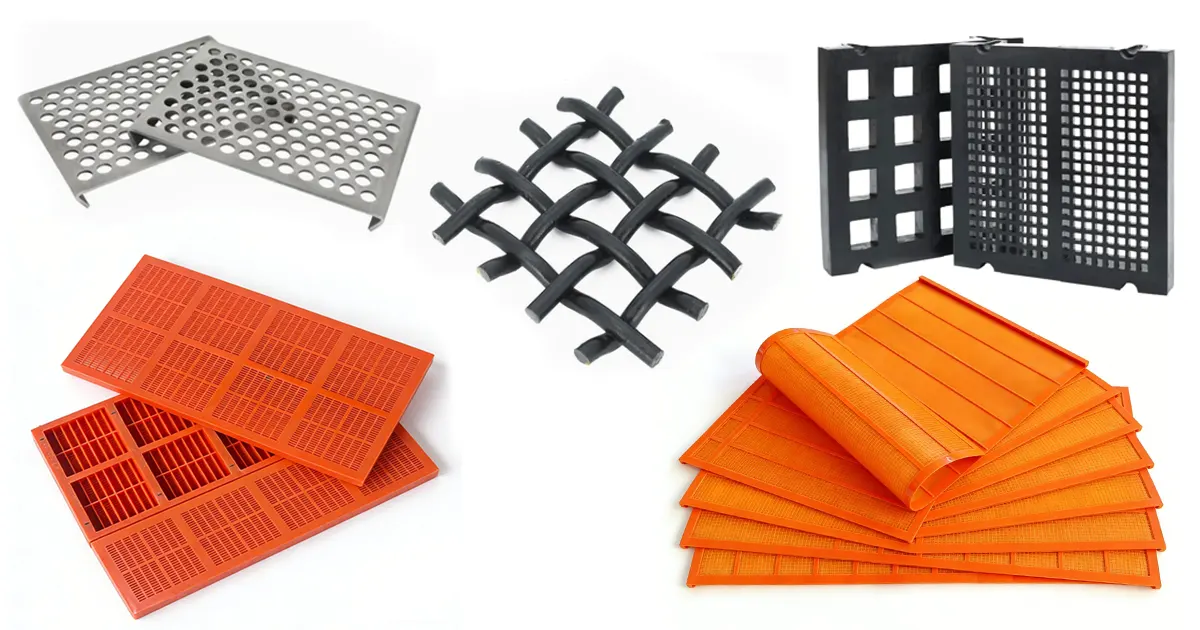
When you look at vibrating screens, you will find several main types of mesh. Each type has its own structure and works best for certain jobs. Let’s break down the most common types you might see in industrial settings.
| Type | Description |
|---|---|
| Woven Wire Mesh | Made by weaving metal wires together, versatile for various applications. |
| Perforated Plate Mesh | Metal sheets with holes of different shapes and sizes for specific patterns. |
| Polyurethane Mesh | Durable and flexible, great for high-wear jobs. |
| Rubber Screen Mesh | Good for reducing noise and handling impact. |
Woven Wire Mesh
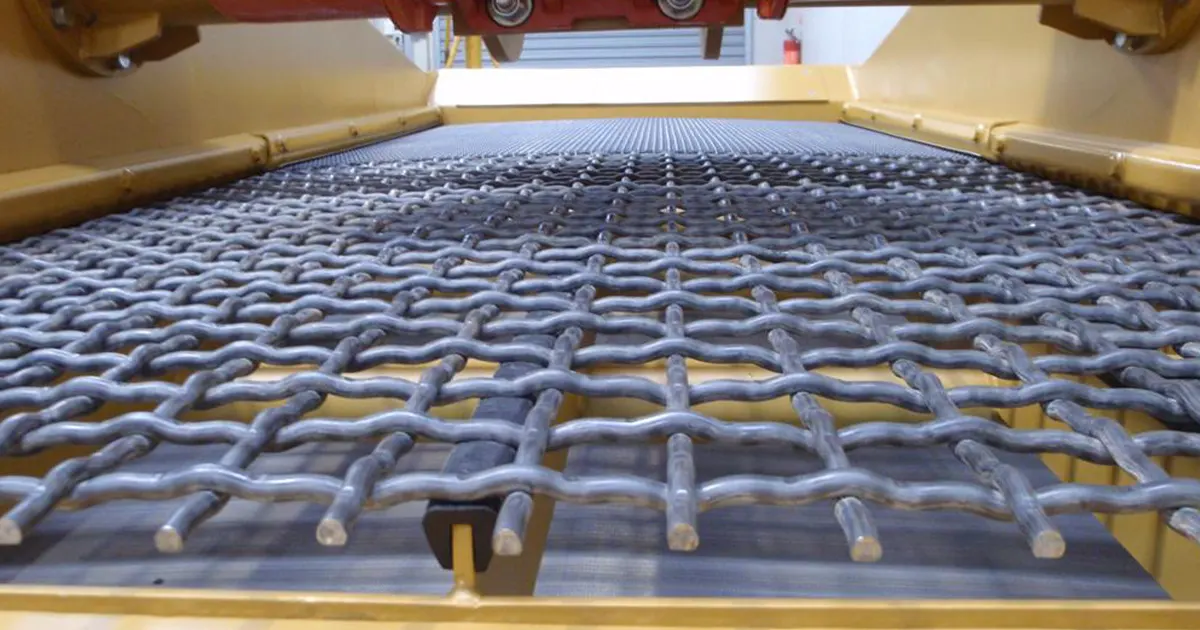
Woven wire mesh is one of the most widely used screening media in aggregate, mining, and industrial processing. It is made by weaving metal wires into a stable screening surface, giving it a good balance of accuracy, open area, and durability. Because it is available in different wire diameters, opening sizes, and weave types, woven wire mesh can be adapted to many screening tasks, from fine sizing to heavy-duty scalping. It is commonly used for aggregates, minerals, sand, gravel, and other bulk materials.
Perforated Plate Mesh
Perforated plate mesh is another common type. You get this mesh by punching holes into metal sheets. The holes can be round, square, or even custom shapes. Perforated plate mesh stands out because it is strong and easy to clean. Stainless steel versions resist rust and wear, so they work well in harsh places like offshore drilling or high-pressure jobs. Carbon steel versions cost less but need more care to avoid rust.
Tip: Use stainless steel perforated plate mesh for tough, corrosive environments. Choose carbon steel if you want to save money and do not need as much corrosion resistance.
Polyurethane Mesh
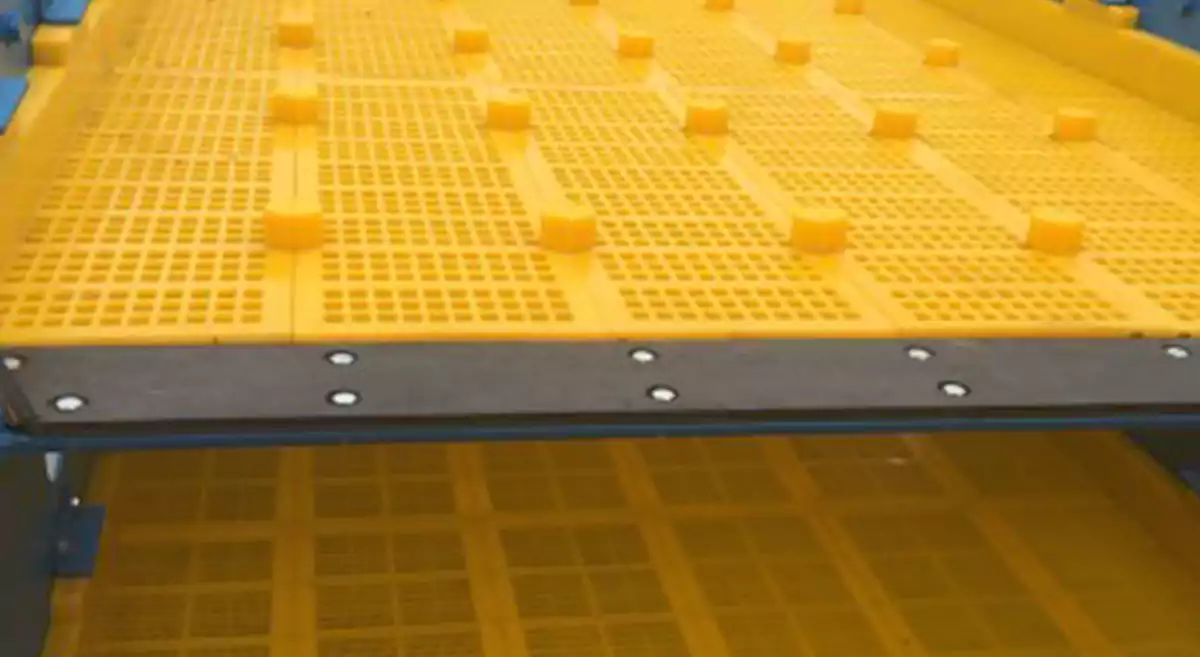
Polyurethane mesh is tough and flexible. It lasts longer than many other types, sometimes up to 50% longer than woven wire mesh. Polyurethane absorbs impacts and spreads out the force, so it does not crack or break easily. You will want this mesh if you need something that can handle lots of wear and tear.
Rubber Mesh
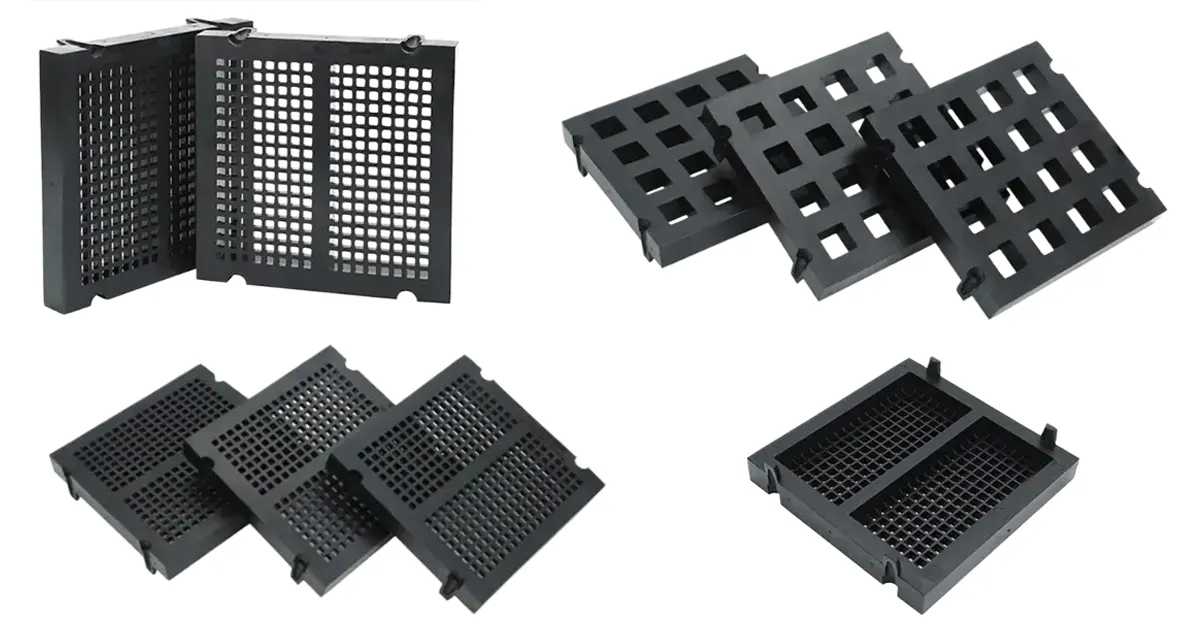
If you want a screen mesh that can handle tough jobs and keep things quiet, you should look at rubber mesh. This type of mesh uses strong, flexible rubber instead of metal or plastic. You get a screen that bends and absorbs shocks. That means less noise and less damage to your equipment.
Rubber mesh stands out because it does more than just separate materials. It protects your vibrating screen from hard impacts. When rocks or heavy materials hit the mesh, the rubber stretches and bounces back. You do not have to worry about cracks or breaks as much as you would with metal screens.
You will notice a few big advantages when you use rubber mesh:
- Noise Reduction: Rubber mesh makes your work area quieter. The rubber absorbs sound, so you do not hear as much banging or rattling.
- Shock Absorption: Heavy or sharp materials can damage metal screens. Rubber mesh takes the hit and keeps working.
- Clogging Resistance: Sticky or wet materials often clog metal mesh. Rubber mesh flexes and shakes, so most materials fall through without blocking the holes.
- Longer Life: Rubber mesh lasts longer in tough jobs. You do not need to replace it as often, which saves you time and money.
Tip: If you work in a place where noise is a problem, or if you handle sharp, heavy, or sticky materials, rubber mesh can make your job easier and safer.
You will see rubber mesh used in many industries. Mining and quarrying sites use it to screen rocks and minerals. Recycling plants use it to sort glass, metal, and plastic. Even food processing plants use rubber mesh to handle products that might damage other screens.
Here is a quick look at how rubber mesh compares to other types:
| Feature | Rubber Mesh | Woven Wire Mesh | Polyurethane Mesh |
|---|---|---|---|
| Noise Level | Low | High | Medium |
| Wear Resistance | High | Medium | High |
| Clogging | Rare | Common | Rare |
| Cost | Medium | Low | High |
| Flexibility | High | Low | High |
You do not have to worry about rust with rubber mesh. It does not corrode like metal. You can use it in wet or chemical-heavy environments without problems.
When you choose rubber mesh, think about your main challenges. Do you need less noise? Do you want to stop clogging? Do you want a screen that lasts longer? Rubber mesh could be the answer. It gives you a strong, quiet, and reliable way to keep your operation running smoothly.
Types and Materials of Vibrating Screen Mesh
When you look at the types and materials of vibrating screen mesh, you’ll see that each one brings something special to the table. The right choice can make your screening job easier, help your equipment last longer, and even save you money on repairs. Let’s break down three of the most popular options you’ll find in the world of vibrating screens.
Stainless Steel Mesh
If you want a mesh that can handle almost anything, stainless steel mesh is a top pick. You’ll see it used in food processing, chemical plants, and even water treatment. Why do so many industries trust this material? Here’s what makes it stand out:
- You can get stainless steel mesh in many weave types, like plain or twill. This means you can pick the right style for your job.
- The openings in the mesh can be super tiny—down to just a few microns. That’s perfect if you need to separate really fine particles.
- Twill weave works well when you need thicker wires but still want small openings. This keeps the mesh strong and steady.
- Some special weaves, like Dutch or Hollander, give you even more strength or let you screen out the tiniest bits.
Stainless steel mesh is tough, but it’s also flexible. It resists rust and stands up to harsh chemicals. If you work in a place where moisture or chemicals are a problem, this mesh won’t let you down. You’ll spend less time worrying about corrosion and more time getting the job done.
Tip: Stainless steel mesh is your best friend in wet or corrosive environments. It keeps working even when other materials start to break down.
High-Carbon Steel Mesh
High-carbon steel mesh is all about strength. If you need to screen heavy rocks, gravel, or other tough stuff, this is the mesh for you. Here’s why you might choose high-carbon steel:
- It’s stronger than stainless steel, so it can carry heavier loads.
- You’ll pay less for high-carbon steel mesh, which helps if you’re watching your budget.
- This mesh is very wear-resistant, so it stands up to lots of pounding and scraping.
But there’s a catch. High-carbon steel mesh doesn’t like moisture. It can rust if you don’t take care of it, especially in humid places. You’ll need to check it often and keep it clean to make it last. If you work in a dry spot and need something strong, high-carbon steel mesh is a smart choice.
Here’s a quick look at how stainless steel and high-carbon steel compare:
| Feature | Stainless Steel Mesh | High-Carbon Steel Mesh |
|---|---|---|
| Corrosion Resistance | Excellent | Poor |
| Strength | Good | Excellent |
| Cost | Higher | Lower |
| Maintenance | Low | High |
| Best Use | Wet/Corrosive Areas | Heavy, Dry Materials |
Note: High-carbon steel mesh can carry up to 30% more load than stainless steel mesh, but you’ll need to keep an eye out for rust.
High Tensile Spring Steel Mesh
If you want a mesh that bends but doesn’t break, high tensile spring steel mesh is a great pick. This type of mesh is made to handle lots of shaking and bouncing without wearing out. You’ll see it in places where the screen takes a beating every day.
Here’s what makes high tensile spring steel mesh special:
- It has enhanced fatigue resistance, so it lasts longer even when the screen vibrates all day.
- The mesh is flexible, which helps it handle all those vibrations without snapping.
- You won’t see wires breaking as often, even if you’re screening heavy or sharp materials.
Check out this table to see how the mechanical properties help the mesh last longer:
| Mechanical Property | How It Helps You |
|---|---|
| Enhanced fatigue resistance | Mesh lasts longer under constant use |
| Improved flexibility | Mesh adapts to vibrations easily |
| Reduced wire breakage | Fewer failures, less downtime |
When you choose from the types and materials of vibrating screen mesh, think about what matters most for your job. Do you need something that fights off rust? Do you need a mesh that can take a lot of weight? Or do you want a screen that keeps working even after thousands of shakes? The right mesh material can make all the difference.
Remember, the types and materials of vibrating screen mesh affect not just how well your screen works, but also how often you’ll need to fix or replace it. Stainless steel mesh gives you peace of mind in tough environments. High-carbon steel mesh saves money and handles heavy loads, but needs more care. High tensile spring steel mesh keeps going strong, even when the work gets rough.
If you match the right mesh to your needs, you’ll get better performance, fewer breakdowns, and a smoother operation every day.
Manganese Steel Mesh
If you need a screen mesh that is very strong, manganese steel mesh is a good pick. You will see this mesh in places where rocks or gravel hit the screen many times. Manganese steel mesh is special because it is tough and can bend without breaking. This means your screen lasts longer.
Let’s see what makes manganese steel mesh different:
| Property | Description |
|---|---|
| Manganese Content | It has 11% to 14% manganese. This makes the mesh very tough and hard to wear out. |
| Tensile Strength | It has high tensile strength (800 – 1200 MPa). This helps the mesh hold heavy loads without snapping. |
| Impact Resistance | It can take big hits—up to 20 joules—without bending or breaking. |
| Corrosion Resistance | It does not rust, even after 1000 hours in salt spray tests. This is better than many other metal meshes. |
You will see that manganese steel mesh lasts a long time in hard jobs. It does not wear out quickly, even if you use it every day. If you work in mining or quarrying, this mesh can save you money and time because you do not need to replace it often.
Tip: If you want a mesh that can take hard hits and still work in wet or salty places, manganese steel mesh is a smart choice.
Polyurethane and Rubber Mesh Materials
If you need a screen mesh for chemicals, water, or tough jobs, polyurethane and rubber mesh materials are good options. These materials are strong, flexible, and can handle harsh places.
Here’s why you might pick polyurethane mesh:
- Polyurethane meshes do not break down when they touch acids or bases. This means they last longer in chemical plants or sewage treatment.
- These screens do not get damaged by many chemicals, like acids, alkalis, and solvents. You can use them in chemical processing or wastewater treatment.
- Polyurethane elastomers do not react much with mineral oils or fuel oils. They last longer than rubber in places with lots of oil or fuel.
- In places with a pH between 3 and 11, polyurethane keeps over 90% of its normal life.
Rubber mesh is also useful. It absorbs shocks, makes less noise, and does not clog easily. You will like rubber mesh if you work with sticky or sharp materials. Both polyurethane and rubber mesh materials help you spend less on repairs and replacements.
If you want a mesh that can handle chemicals, lasts a long time, and keeps your work running well, try polyurethane or rubber mesh. They work well in places where metal screens would rust or wear out too fast.
Vibrating Screen Mesh Performance Comparison
Screening Efficiency
You want your screening to work well. Screening efficiency shows how well your mesh separates things. The right mesh gives you more good product and less waste. Both mesh type and material matter for efficiency. Woven wire mesh has lots of open space, so more material goes through fast. Polyurethane mesh helps stop blinding and keeps things moving, even with sticky stuff.
To get the best screening, pick mesh with the right size and shape holes. Stainless steel mesh is good for fine filtering and steady screening. Polyurethane and rubber meshes help with wet or sticky materials because they do not clog. Clean your mesh often and pick a design that fits your needs to keep screening working well.
Tip: If your screening is not working as well, look for clogging or blinding. Cleaning the mesh or changing the type can help your screening work better.
Durability and Wear Resistance
Durability and wear resistance help your mesh last longer. Heavy jobs put a lot of stress on screens. Stainless steel and high manganese steel are strong for tough jobs. Stainless steel is strong and resists wear, so it works in hard places. High manganese steel is even tougher. It handles hits and rubbing, so it lasts longer than regular screens.
Mesh type also changes how long it lasts. Woven wire mesh wears well, but polyurethane and rubber meshes last longer when things are rough. These materials take in shocks and lower direct hits, so they wear out slower. A mesh that costs more at first but lasts longer can save you money by lowering downtime and fewer replacements.
Pick a mesh that matches your job. If you screen sharp rocks or heavy things, choose a mesh with high wear resistance. This keeps your screening going and stops lots of repairs.
Maintenance and Replacement
Maintenance and replacement are important for good screening. The mesh you use changes how often you clean or replace it. Stainless steel and polyurethane meshes need less cleaning because they do not clog or rust. Rubber mesh helps too because it bends and shakes off sticky stuff.
Let’s look at some numbers. If your mesh costs $50 per square meter and your screen is 2 square meters, replacing it every 3 months costs $400 a year. If you use a stronger mesh, you might only replace it once a year. That means less downtime and lower costs.
- Stainless steel and polyurethane meshes let you wait longer between maintenance.
- High manganese steel can make your screen last twice as long in hard jobs.
- Cleaning the mesh often helps stop blockages and keeps screening working well.
You want to spend less time fixing things and more time screening. Pick a mesh that fits your material and place, and you will save money and work over time.
Cost and Value
When you pick a vibrating screen mesh, you want to know if you’re getting your money’s worth. The price tag is important, but you should also think about how much you’ll spend over time. Some screens cost more at first, but they save you money later. Others seem cheap, but you end up paying more for repairs and energy.
Let’s look at a simple example. You might choose between a 3 deck screen and a 4 deck screen. Here’s how they compare:
| Screen Type | Purchase Price | Installation Cost | Plant Changes Needed |
|---|---|---|---|
| 3 Deck | Lower | Lower | Rarely |
| 4 Deck | Higher | Higher | Sometimes |
A 3 deck screen costs less to buy and set up. You usually don’t need to change your plant much. This means you save money right away. A 4 deck screen costs more, and you might need to make changes to your plant. That adds to your bill.
But cost isn’t just about buying the screen. You also need to think about how much it costs to run and keep up. Here’s what you get with a 3 deck screen:
- You use less power because there are fewer decks. Your energy bills go down.
- There are fewer parts, so you spend less on screen panels and bolts.
- You spend less time fixing things. That means lower labor costs.
A 3 deck screen gives you steady performance and doesn’t need much upkeep. You spend less on repairs and don’t lose time when the screen is down. Over the years, these savings add up. You keep more money in your pocket.
A 4 deck screen costs more at first, but it gives you more options. You can make more types of products. If your business grows, you might earn more money because you can offer more to your customers. Sometimes, paying more at the start helps you make more in the future.
So, how do you decide? Think about what matters most for your work. Do you want to save money now, or do you want to be ready for bigger jobs later? Look at the total cost, not just the price tag. The right mesh gives you good value, saves you money, and helps your business grow.
Tip: Always check how much you’ll spend on energy, parts, and repairs before you buy. A smart choice now can save you a lot later.
Applications of Vibrating Screen Wire Mesh
Mining and Quarrying
You see vibrating screen wire mesh everywhere in mining and quarrying. These industries need to separate rocks, minerals, and ores by size. If you work in mining, you know how important it is to get the right size material for the next step. Vibrating screen mesh helps you do that quickly and with less waste.
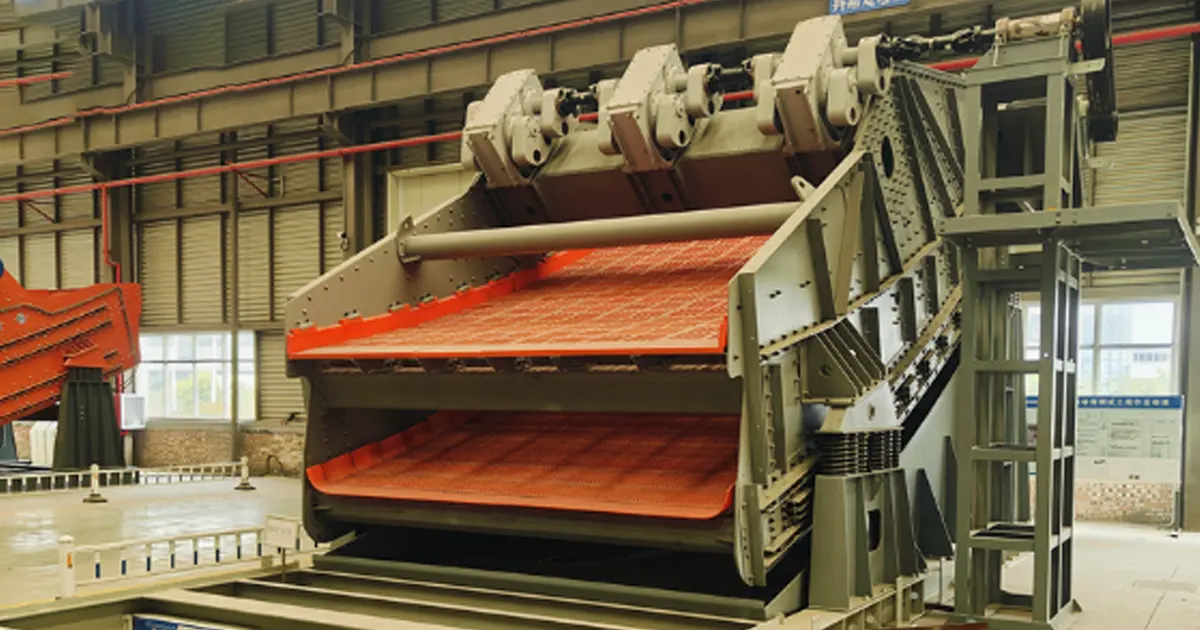
In mining and quarrying, you often use two main types of vibrating screens:
- Horizontal vibrating screens move back and forth. You find these in smaller mines or quarries. They work well when you do not need very precise sizing.
- Inclined vibrating screens use a circular motion. These are more common in big mining operations. They handle large amounts of ore and sort different sizes better.
You pick the screen type based on your job. If you run a small quarry, a horizontal screen might be enough. If you work in a large mine, you probably use inclined screens because they are faster and more efficient.
The mesh itself matters, too. Woven wire mesh is popular because it is strong and easy to replace. Sometimes, you need a mesh that can handle sharp rocks or heavy loads. In that case, you might choose high-carbon steel or manganese steel mesh. These materials last longer and save you money on repairs.
Tip: Always check your mesh for wear and tear. Replacing it before it breaks keeps your operation running smoothly.
Aggregate and Sand Production
You also find vibrating screen wire mesh in aggregate and sand production. Here, you need to sort gravel, crushed stone, and sand into different sizes. Construction companies use these materials to make concrete, roads, and buildings. If you want clean, uniform products, you need the right mesh.
In this field, you often use woven wire mesh or polyurethane mesh. Woven wire mesh gives you sharp cuts and clear separation. Polyurethane mesh works well if you deal with wet or sticky materials. It resists clogging and lasts longer in tough conditions.
You can choose mesh with different opening sizes. If you want fine sand, pick a mesh with small holes. For bigger stones, use a mesh with larger openings. Changing the mesh is easy, so you can adjust your setup for each job.
The applications for vibrating screen mesh in these industries are huge. You can boost your output, reduce waste, and keep your equipment safe. When you pick the right mesh, you get better results and spend less time on maintenance.
Note: If you notice your product is not as clean as you want, try changing the mesh size or type. Sometimes a small change makes a big difference.
Recycling and Waste Management
Food and Chemical Processing
You might not think about it, but vibrating screen mesh plays a big role in the food you eat and the chemicals you use every day. In food and chemical processing, you need to keep things clean, safe, and efficient. The right mesh helps you do all that.
When you work with food, you must use materials that are safe and easy to clean. Stainless steel mesh is the top choice here. It does not rust, and it stands up to cleaning chemicals. You can find stainless steel mesh in juice production, flour milling, sugar refining, and even in spice sorting. In chemical plants, you also need mesh that can handle strong acids or bases. Stainless steel works well, but sometimes you might use polyurethane or rubber mesh for special jobs.
Let’s look at what you need for food and chemical processing:
| Material Type | Mesh Size Options | Additional Notes |
|---|---|---|
| 304 or 316 Stainless Steel | 24, 40, 60, 80 | Food-grade materials required; explosion-proof motor recommended. |
You often see mesh sizes like 24, 40, 60, or 80 in these industries. Smaller mesh sizes help you filter out tiny particles, which is important for making products pure and safe.
Here are some mesh materials you might use:
- Stainless Steel: This is tough and resists rust. It is perfect for food processing because it keeps your products clean.
- High-Carbon Steel: You use this when you need something strong for heavy-duty jobs.
- Polyurethane: This mesh is flexible and good for fine screening. It works well if you need to separate small particles.
- Rubber: Rubber mesh is great for sticky or moist items. It bends and does not clog easily.
Tip: Always check if your mesh is food-grade before using it in food processing. This keeps your products safe and meets health rules.
You also need to think about safety. In chemical plants, you might need explosion-proof motors with your vibrating screens. This helps prevent accidents when working with flammable powders or liquids.
If you want your food or chemical plant to run smoothly, pick the right mesh. Stainless steel mesh gives you a clean and safe product. Polyurethane and rubber mesh help when you deal with sticky or fine materials. High-carbon steel mesh is best for tough jobs. The right choice keeps your operation safe, clean, and efficient.
Choosing the Right Vibrating Screen Mesh
Material Characteristics
When you pick a vibrating screen mesh, you need to look at what your material is like. Hardness, moisture, and how rough your material feels all matter. If your material is tough and abrasive, you want a mesh that can handle the job. Softer materials need less strength, but sticky materials need screens that resist clogging.
- Choose screen media that matches how hard and rough your material is.
- Use liners to protect your screens from wearing out.
- Stronger parts help your screens do tough jobs.
You also want to think about these material traits:
- Material abrasiveness
- Hardness
- Friability (how easily it breaks)
- Specific gravity (how heavy it is)
If your material is coarse and abrasive, you need heavy-duty screens and wear-resistant mesh. Moisture makes things tricky. Wet materials can clog screens, so you might want self-cleaning mesh or rubber screens. Always match your mesh to your material’s characteristics. This keeps your equipment safe and your screening efficient.
Tip: If your material is sticky or wet, try a mesh that flexes or shakes off clogs. Polyurethane or rubber mesh works well for these jobs.
Particle Size and Separation Needs
You want your screen mesh to separate particles just right. If you need to sort big rocks, you pick a mesh with large openings. For tiny particles, you need fine mesh. The shape and size of the mesh holes decide what gets through and what stays out.
- Woven Wire Mesh: You see this everywhere. It comes in different shapes and strengths. You can pick the weave that fits your job.
- Self-Cleaning Screens: These screens stop clogging. You don’t have to clean them as often, so your work keeps moving.
- Polyurethane Screens: These last longer and handle tough jobs. You use them when you need durability.
Think about what you want to separate. If you need clean cuts and sharp separation, woven wire mesh is a good choice. For sticky or wet materials, self-cleaning or polyurethane screens help you avoid downtime.
Note: Always check the mesh opening size before you start. The right size gives you better results and less waste.
Operating Environment
Your work environment changes what mesh you need. If you deal with high temperatures, chemicals, or lots of moisture, you must pick a mesh that can handle it. Some materials work better in certain places.
| Material | Features | Advantages | Disadvantages |
|---|---|---|---|
| Stainless Steel | Resists corrosion, durable, easy to clean | Great for food, chemicals, and wet places | Costs more, heavier |
| Carbon Steel | Strong, cheaper than stainless | Good for dry, heavy jobs | Rusts easily, needs coatings |
| Polyurethane | Flexible, resists abrasion and corrosion | Lightweight, good for tough jobs | Doesn’t last as long, sensitive to heat |
| Nylon | Light, resists abrasion and chemicals | Works well for light jobs | Doesn’t like moisture or heat |
If you work in a food plant or chemical factory, stainless steel mesh is your best friend. For dry and heavy jobs, carbon steel saves money. Polyurethane and nylon work well for special jobs, but you need to watch out for heat and moisture.
Tip: Always check your environment before you choose a mesh. The right material keeps your screen working longer and saves you money.
Maintenance Considerations
When you choose a vibrating screen mesh, you want it to last and work well. Maintenance plays a big role in how long your mesh stays in good shape. If you ignore maintenance, you might face more breakdowns, lower screening efficiency, and higher costs. Let’s talk about what you should keep in mind to make your mesh last longer and your operation run smoother.
You should always check your screen mesh for signs of damage. Tears, holes, or worn spots can let unwanted material slip through. If you spot these problems early, you can fix or replace the mesh before it causes bigger issues. Regular inspection keeps your screening process on track.
Here’s a simple checklist to help you stay on top of maintenance:
- Inspect screen panels for damage. Look for tears, holes, or worn areas. Replace damaged panels right away to keep your screening sharp.
- Monitor and adjust tension. Loose mesh can sag and let material pass through the wrong spots. Tighten the mesh as needed to keep it flat and effective.
- Clean the screen decks. Material can build up on the mesh and block the openings. Clean your screens often to prevent clogs and keep the material flowing.
Tip: Set a regular schedule for inspections and cleaning. This helps you catch problems early and avoid costly downtime.
Choosing the right material for your mesh can also make maintenance easier. Polyurethane and rubber meshes stand up to wear and vibration better than many metal options. These materials last longer and need fewer replacements, especially in high-frequency operations. If you work with abrasive or sticky materials, these meshes can save you time and money.
Let’s compare how different mesh materials affect maintenance:
| Mesh Material | Wear Resistance | Cleaning Frequency | Replacement Rate |
|---|---|---|---|
| Stainless Steel | Good | Medium | Medium |
| High-Carbon Steel | Fair | High | High |
| Polyurethane | Excellent | Low | Low |
| Rubber | Excellent | Low | Low |
You want to spend less time fixing screens and more time getting the job done. By picking a mesh that matches your needs and keeping up with simple maintenance, you can boost your screening efficiency and lower your costs.
Remember: A little care goes a long way. Regular checks, proper tension, and the right material choice keep your vibrating screen mesh working its best.
Comparative Table of Mesh Types and Materials
Picking the right vibrating screen mesh can seem hard. You want a mesh that fits your job and lasts a long time. It should also help your work go smoothly. A table can help you see the differences quickly. You can find what works best for your material, your workplace, and your budget.
Here is a table to help you compare the most common mesh types and materials:
| Mesh Type | Screen Angle | Open Area | Handles Moisture | Vibration Response | Particle Size Range | Particle Shape Handling | Best Deck Use |
|---|---|---|---|---|---|---|---|
| Woven Wire | Adjustable | High | Fair | Good | Coarse to Medium | Good | Top |
| Polyurethane | Fixed | Medium | Excellent | Great | Medium to Fine | Excellent | Bottom |
| Rubber | Adjustable | Low | Good | Good | Coarse | Good | Top |
| Self-Cleaning | Adjustable | High | Excellent | Excellent | Fine | Excellent | Bottom |
| Punch Plate | Fixed | Low | Fair | Good | Coarse | Fair | Top |
Tip: Check this table when you need to match your mesh to your material. If you work with wet or sticky stuff, polyurethane or self-cleaning mesh helps stop clogs.
You can also look at the good and bad points for each type:
- Woven Wire: Easy to change and has lots of open space. It works for many jobs, but it can clog with wet material.
- Polyurethane: Lasts a long time and handles water well. It costs more, but you do not need to replace it often.
- Rubber: Makes less noise and takes in shocks. It is good for tough jobs, but it has less open space.
- Self-Cleaning: Stays clear even with fine or sticky stuff. It is great for bottom decks where clogging happens a lot.
- Punch Plate: Very strong and good for big, heavy things. It does not work well for fine screening.
When you use this table, you can see which mesh fits your needs fast. You do not have to guess or waste time. Just check the features that matter most to you, like how it handles water, particle size, or deck spot.
Note: The right mesh saves you money, lowers repairs, and keeps your work running well. If you are not sure, start with this table and ask a mesh expert for help.
Quick Reference Table
Here is an easy way to compare mesh types, their uses, and what makes them special:
| Types of Screens | Description | Pros and Cons | Applications |
|---|---|---|---|
| Woven Wire | Metal wires woven together for flexible screens | 👍 High open area, easy to replace 👎 Can clog with wet material | Mining, sand, aggregates |
| Polyurethane | Molded plastic panels, tough and flexible | 👍 Handles moisture, long life 👎 Higher cost | Wet screening, recycling |
| Rubber | Flexible rubber panels for shock absorption | 👍 Quiet, resists impact 👎 Lower open area | Quarrying, recycling |
| Self-Cleaning | Special wires that move to clear blockages | 👍 No clogging, great for fine material 👎 More expensive | Fine screening, sticky materials |
| Punch Plate | Solid metal sheets with holes punched out | 👍 Very strong, handles heavy loads 👎 Not for fine screening | Heavy-duty, top decks |
Use this quick table when you need to pick a mesh. It helps you find the best one fast—no guessing! smile
Conclusion
Choosing the right vibrating screen mesh makes your job easier and your equipment last longer. You should think about things like feed rate, moisture, and particle size. Here’s a quick look at what matters:
| Factor | Why It Matters |
|---|---|
| Feed rate | Affects how well you separate material |
| Moisture | Can cause clogs or blockages |
| Aperture size | Needs to match your material size |
If you want the best results, talk with a mesh expert. We can help you pick the perfect mesh for your needs. As a vibrating screen mesh manufacturer, we offer custom solutions. Reach out to us for advice and a quote!
FAQ
What is the best mesh for wet materials?
You should try polyurethane or rubber mesh. These types resist clogging and handle moisture well. They also last longer in wet jobs.
How often should I replace my vibrating screen mesh?
Check your mesh every month. If you see holes, tears, or worn spots, replace it right away. Using strong mesh can help you go longer between changes.
Can I use stainless steel mesh for food processing?
Yes! Stainless steel mesh works great for food. It resists rust and is easy to clean. Always pick food-grade stainless steel for safety.
Why does my mesh keep clogging?
Sticky or wet materials often cause clogs. Try self-cleaning mesh or switch to polyurethane or rubber mesh. These options help keep your screen clear.
How do I choose the right mesh opening size?
Look at the size of the particles you want to separate. Pick a mesh with openings just smaller than your target size. This gives you better results.
Is woven wire mesh better than punch plate mesh?
Woven wire mesh gives you more open area and works for many jobs. Punch plate mesh is stronger and handles heavy loads. Choose based on your material and job needs.
What is the main reason for mesh failure?
Most mesh fails from wear and tear. Heavy impacts, sharp materials, or poor maintenance can cause damage. Inspect your mesh often to catch problems early.
Can I use the same mesh for all materials?
No. Different materials need different mesh types and materials. Hard, sharp, or wet materials need special mesh. Always match your mesh to your job for the best results.