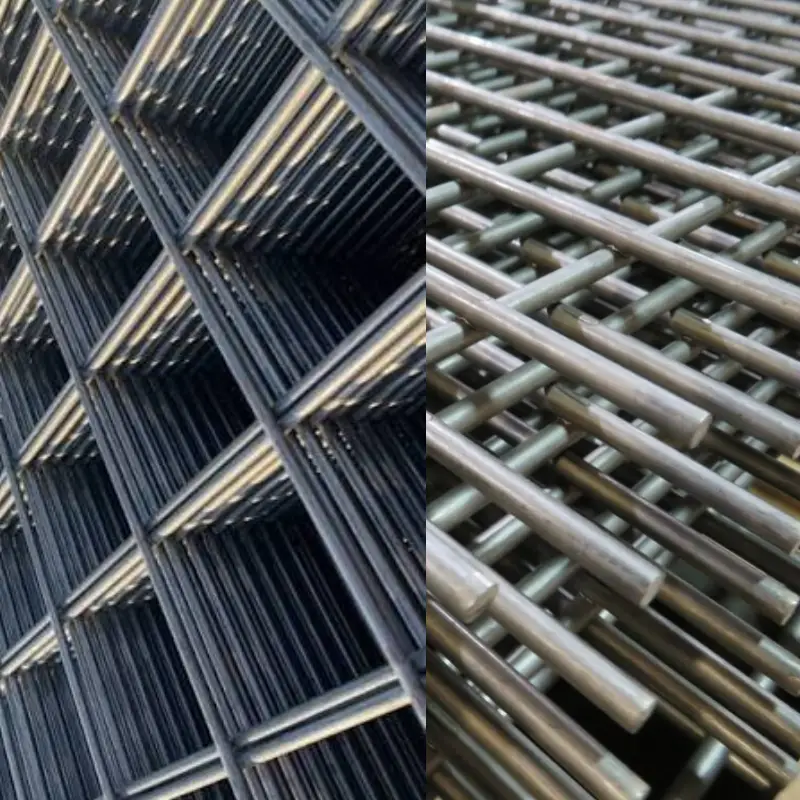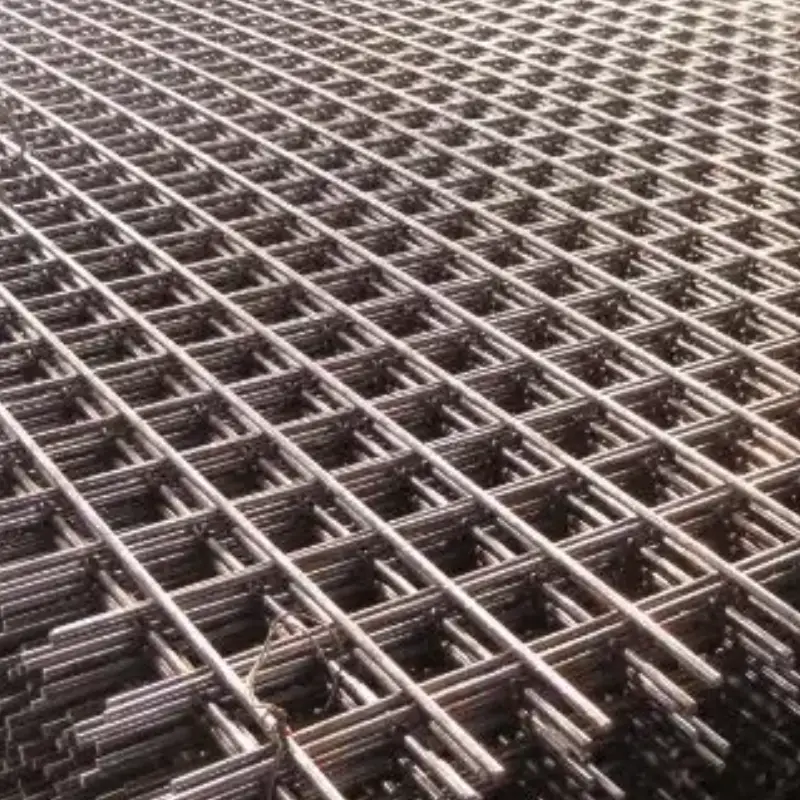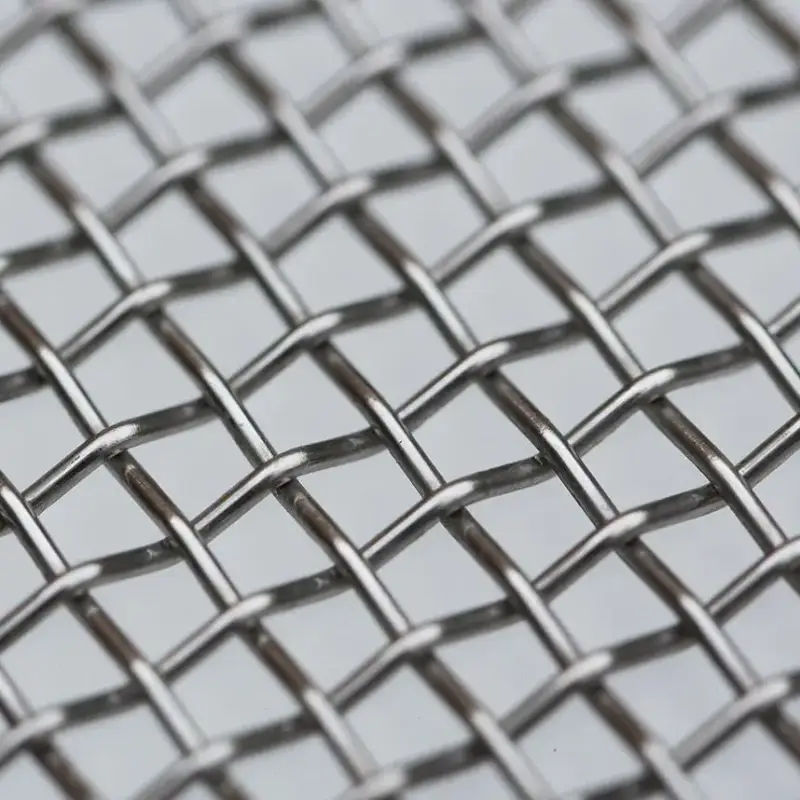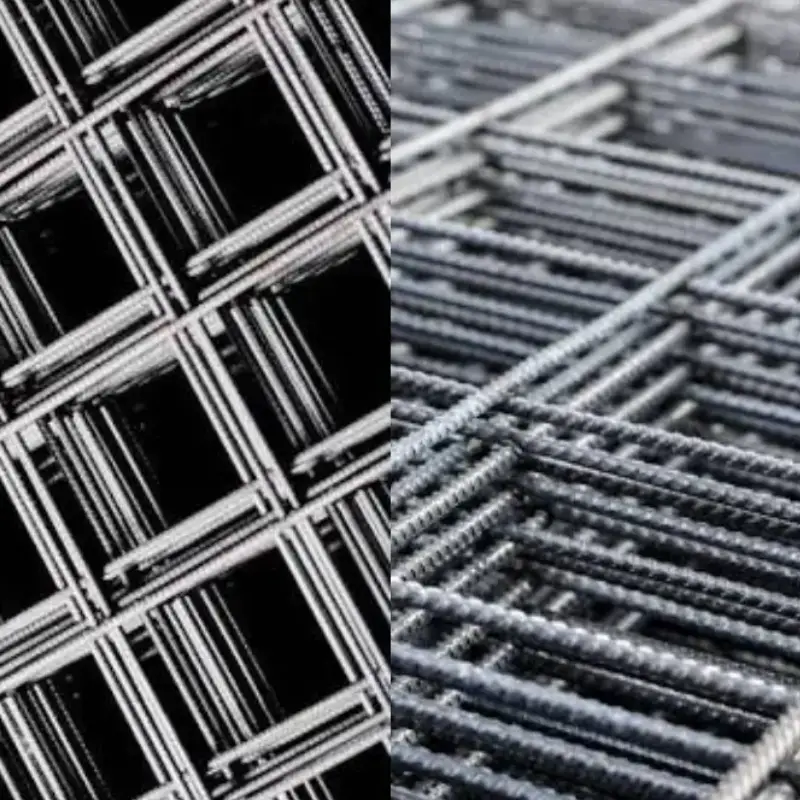
You probably see wire mesh everywhere, from fences to window screens. People make it by weaving or welding metal wire together. To get the right thickness, manufacturers pull metal rods through special dies. Wire mesh stands out for its strength and flexibility. You find it in construction, farming, and even art projects. The global demand keeps rising, especially in Asia-Pacific, thanks to booming cities and big building projects. If you want to know how to make wire mesh, you need to understand these basic steps.

Key Takeaways
- Wire mesh is a useful material. It is made by weaving or welding metal wires. People use it in building and for filtering things.
- Woven wire mesh bends easily. It works well for filtering. Welded wire mesh is stiff. It is good for strong barriers like fences.
- Making wire mesh starts with picking the right metal rods. Most times, low-carbon steel is used. The rods are pulled into thin wires.
- Galvanization puts a zinc layer on wire mesh. This helps stop rust. It makes wire mesh good for outdoor use.
- Picking the best mesh means thinking about opening size. You also look at wire thickness and what the mesh is made of. This helps match your needs.
- Woven mesh comes in different patterns. Some are plain and some are twill. Each pattern gives different strength and flexibility.
- Welded mesh is very strong and steady. It is a good choice for tough jobs.
- Always look for industry rules and quality checks. This makes sure the wire mesh fits your project.
What Is Wire Mesh
Definition
You may ask what wire mesh is. Wire mesh is a grid made by weaving or welding metal wires. It looks like squares or rectangles. Sometimes, it looks like a net or a screen. People use different mesh types for different jobs. Each type has its own name and special features.
Here are some technical words you might hear about mesh:
| Term | Definition |
|---|---|
| Bolting Cloth | Made from thin wire woven in a plain square mesh. Used for sifting and screen printing. |
| Calendering | A process that rolls wire cloth to make it smoother. It flattens where the wires cross. |
| Crimp | Bends in the wires that help hold them together. |
| Double Crimp Wire | Both warp and shute wires are bent at crossings to hold them. |
| Edge Finish | Shows if a wire mesh does not have a raw edge. |
| Fill Wire | Also called Shute Wire, runs across the width of the cloth. |
| Filter Cloth | Cloth used for filtering liquids, made of tightly woven fabric. |
| Hardware Cloth | Plain weave square mesh cloth of light wire, galvanized after weaving. |
| Weave Types | The pattern in which wires are woven together. |
| Weft Wire | Also called Shute Wire, runs along the width of the mesh. |
| Welded Wire Cloth | Warp and fill wires lay flat, no bends; welded at each crossing. |
| Wire Diameter | How thick the wires are in the mesh. |
ASTM E2016 is the main rule for industrial wire cloth. It gives strict rules for mesh counts, wire thickness, and opening sizes. This helps you get the right mesh every time.
When you buy wire mesh, you can pick the opening size, wire thickness, and metal type. This helps you choose the best mesh for your needs.
Common Uses
You see mesh in many places. It is used in homes, factories, farms, and art. Here is a table with some common uses:
| Application Type | Specific Uses |
|---|---|
| Filtration Systems | Used in many filtering jobs |
| Fencing | Used for farm fences and security barriers |
| Construction | Used to make concrete stronger and for industry |
| Conveyor Systems | Used in factory belts and machine covers |
| Architectural Designs | Used in furniture and decoration |
| Food and Beverage | Used for sifting and sorting food |
| Pharmaceutical | Used for air flow and filtering in making medicine |
| Automotive | Used in many car parts |
You might see mesh in window screens, garden fences, or cars. Mesh keeps things in or out. It lets air move and makes buildings stronger. Machines use mesh to sort or filter things. Mesh is everywhere because it is strong, bends easily, and is simple to shape.
How Wire Mesh Is Made
You might wonder, how is wire mesh made? The answer starts with turning thick metal rods into thin, flexible wire. This process shapes the wire so it can be woven or welded into mesh. Let’s break down each step so you can see how wire mesh is made from start to finish.
Wire Drawing Process
Metal Rod to Wire
First, you need to pick the right metal rod. Most manufacturers use low-carbon steel because it gives the wire strength and flexibility. Sometimes, you might see copper, bronze, or aluminum used for special jobs.
Here’s how the process works:
- Wire Rod Selection: You start by choosing high-quality rods. The metal type matters because it affects the mesh’s strength and use.
- Wire Drawing: Next, you pull the rod through a series of dies. Each die makes the wire thinner and longer. This step boosts the wire’s strength and makes it easier to shape.
- Annealing: After drawing, you heat and cool the wire. This step, called annealing, helps the wire stay flexible and less likely to snap.
- Galvanization: If you want the mesh to resist rust, you add a zinc coating. This step comes after drawing and annealing.
Did you know? Drawing the wire through dies not only makes it thinner but also makes it stronger and more flexible. This is why wire mesh can handle heavy loads and tough jobs.
Dies and Diameter Control
Dies play a big role in how is wire mesh made. Each die has a hole that controls the wire’s thickness. You start with a thick rod and pull it through smaller and smaller dies. This lets you control the final diameter with great accuracy.
Here’s a quick look at common metals used for wire drawing:
| Metal | Properties | Applications |
|---|---|---|
| Steel | Strong, durable, and tough. | Most wire mesh jobs. |
| Copper | Flexible, conducts heat and electricity well. | Electrical mesh, Faraday cages. |
| Bronze | Tough, resists corrosion. | Durable mesh needs. |
| Aluminum | Light, easy to bend, resists rust. | Non-ferrous mesh, lightweight uses. |
You can see that the choice of metal changes how wire mesh is made and what it can do.
Galvanized Wire Mesh
Zinc Coating
If you want your mesh to last outdoors or in wet places, you need galvanized wire mesh. This means you coat the wire with zinc. The zinc layer sticks to the wire and keeps out moisture. This step happens after drawing and annealing.
Tip: Galvanized wire mesh works best for fences, cages, and screens that face rain or humidity.
Application Benefits
Why pick galvanized wire mesh over regular mesh? Here’s a quick comparison:
| Property/Benefit | Galvanized Wire Mesh | Non-Galvanized Wire Mesh |
|---|---|---|
| Corrosion Resistance | Zinc layer protects against rust and moisture | Can rust and corrode |
| Strength and Durability | Handles heavy loads, resists impacts | May sag or break easier |
| Versatility | Fits many jobs, indoors and outdoors | Fewer uses |
You get more life and better performance from galvanized mesh, especially in tough environments.
Note: Making wire mesh uses a lot of energy and can affect the environment. The process needs heat and chemicals, and shipping heavy mesh adds to air pollution. The good news? Steel mesh lasts a long time and you can recycle it when you’re done.
Now you know how wire mesh is made, from metal rod to finished mesh. The process shapes the wire, adds coatings, and gets it ready for any job you have in mind.
Wire Mesh Manufacturing Methods
Woven vs Welded Overview
When you look at steel wire mesh, you will notice two main types: woven and welded. Each type uses a different manufacturing process. You might wonder how these methods of making steel wire mesh compare. Let’s break it down:
- Woven mesh is made by weaving steel wires over and under each other. This method creates a flexible but strong mesh. It looks a lot like fabric, but it is made from steel.
- Welded mesh is made by welding steel wires together at each intersection. This process forms a rigid grid that keeps its shape, even under heavy loads.
- Woven mesh gives you uniform openings and can bend without breaking. You can use it when you need the mesh to move or flex.
- Welded mesh stays firm and does not bend easily. It works best when you need a strong, sturdy barrier.
- You will find that welded mesh is perfect for fences or cages, while woven mesh fits jobs that need more flexibility, like screens or filters.
Tip: If you need a mesh that can handle movement, go with woven. If you want something that stands strong and does not change shape, welded mesh is your best bet.
Materials Used
You have many choices when it comes to the materials for making wire mesh. The material you pick changes how the mesh performs and where you can use it. Here are the most common options:
- Steel is the top choice for most steel wire mesh. It gives you strength and can take a hit without breaking. You will see plain carbon steel used when you need impact resistance.
- Stainless steel is another popular pick. It resists rust and works well in places with lots of moisture or high heat.
- Copper and its alloys, like brass and bronze, show up in mesh when you need good electrical conductivity or a special look.
- Nickel and nickel alloys are used for mesh that needs to last a long time or stand up to tough conditions.
Here’s a quick table to help you compare:
| Material | Key Features | Common Uses |
|---|---|---|
| Steel | Strong, impact-resistant | Fencing, construction |
| Stainless Steel | Rust-resistant, handles high heat | Food, medical, outdoors |
| Copper | Conducts electricity, flexible | Electronics, art |
| Brass/Bronze | Decorative, resists corrosion | Filters, design |
| Nickel Alloys | Durable, resists chemicals | Industrial, harsh settings |
When you choose a material for steel wire mesh, think about where you will use it and what you need it to do. The right choice makes your mesh last longer and work better. The manufacture of mesh always starts with picking the best material for the job.
How to Make Woven Wire Mesh
You might wonder how to make wire mesh that’s flexible and strong. Woven wire mesh stands out because you weave wire together, much like making fabric, but with steel. Let’s walk through the steps so you can see how weaving wire into mesh works in an industrial setting.
Weaving Steps
Threading Wire
When you start making woven wire mesh, you need to get the wires ready. Here’s what happens:
- You attach and arrange each wire on a special unit called a creel. This keeps the wires lined up and easy to handle.
- You wind the wires onto a warp beam. This step wraps the right length of wire so you can weave without stopping.
- Each wire gets threaded through its own heddle in a frame. You also pass the wires through reed openings. This keeps the wires in order and sets up the pattern.
- You move the warp beam and heddle frame to the weaving hall. Here, you assemble the rest of the loom.
- You check every wire to make sure it’s threaded correctly. Accuracy matters because it affects the mesh size and strength.
- You start the loom. The warp beam unwinds a bit, feeding wires forward. The front take-up mechanism winds the same amount to keep tension steady.
- The heddle frames shift. One frame lifts half the wires, while the other pushes the rest down. This creates the space for weaving.
Tip: If you pay close attention during threading, you get a mesh with perfect openings and strong structure.
Weaving Patterns
You have several choices for weaving patterns. Each pattern changes how the mesh looks and works. Here’s a table to help you compare:
| Weaving Pattern | Description | Applications |
|---|---|---|
| Plain Weave | Each warp wire crosses over and under each weft wire, making neat squares. | Used in commercial jobs and high-flow filtration. |
| Twill Weave | Warp wires cross over and under every two weft wires. | Handles heavier wire, good for tough jobs. |
| Crimped Weave | Wires are bent before weaving, adding grip and strength. | Popular in mining and heavy industry. |
| Dutch Weave | Warp and weft wires have different sizes, making a dense mesh. | Best for fine filtration tasks. |
You pick the pattern based on what you need. Plain weave gives you simple, strong mesh. Twill weave lets you use thicker wire. Crimped weave adds extra hold. Dutch weave makes the mesh tighter for filtering tiny particles.
Machinery
You need the right machines to make woven wire mesh quickly and accurately. Modern weaving machines use automation to boost output and cut down on mistakes. Here’s how the machinery helps:
- Wire mesh weaving machines can increase production by up to 50% because they work fast and don’t get tired.
- Automated weaving machines raise productivity by about 40% compared to doing it by hand.
- Smart technology, like sensors and IoT, lets you monitor the process in real time. This means you catch problems early and keep quality high.
- Automation also lowers labor costs and reduces human error. You get consistent mesh with a 95% success rate.
- These machines can switch between patterns and mesh counts easily. You get flexibility for different jobs.
| Machinery Type | Impact on Production Efficiency |
|---|---|
| Wire Mesh Weaving Machine | Increases output by up to 50% through automation |
| Automated Weaving Machines | Productivity increase of approximately 40% compared to manual methods |
| Smart Technology Integration | Up to 30% reductions in energy consumption and improved efficiency |
Woven Mesh Features
When you look at woven wire mesh, you notice several features that make it special. Here’s what you get:
| Feature/Characteristic | Description |
|---|---|
| Construction | Woven wire mesh uses interlaced wires to create even openings. This gives you strength and flexibility. |
| Weave Patterns | You can choose plain, twill, or Dutch weave. Each pattern offers different benefits for your job. |
| Material Selection | You can pick stainless steel for rust resistance, carbon steel for strength, or special alloys for tough conditions. |
| Applications | Woven wire mesh works in screening, filtration, material handling, and even architecture. It’s very versatile. |
| Performance Characteristics | Mesh count, wire diameter, and opening size decide how well the mesh filters and how strong it is. |
You get a mesh that’s strong but flexible. You can use it for filtering, screening, or even as part of a building’s design. The choice of steel or other metals changes how the mesh performs. If you need mesh that bends but doesn’t break, woven wire mesh is your best bet.
If you want to know how to make wire mesh for a specific job, start by picking the right wire, pattern, and machine. You’ll get mesh that fits your needs, whether you want flexibility or strength.
Now you know how to make wire mesh using the woven process. You’ve seen how threading, weaving patterns, and machinery all come together to create mesh that’s ready for anything. Whether you use steel or another metal, woven wire mesh gives you options for every project.
How to Make Welded Wire Mesh
If you want a mesh that stays firm and holds its shape, welded wire mesh is the way to go. You use steel wires and join them together at every crossing point. This process makes a grid that is strong and reliable. Let’s walk through how you make welded wire mesh in a factory.
Welding Steps
Arranging Wires
You start with steel wire rods. These rods go through cold rolling, which squeezes the metal and makes it smooth. Next, you straighten and cut the wire to the right length. You lay out the wires in two directions—one set runs lengthwise, and the other runs across. You line up each wire carefully so the grid will be even.
Welding Intersections
Now, you use automatic welding machines. These machines weld the wires together at every spot where they cross. You set the machine to control the spacing between wires. The welding happens fast and makes strong joints. After welding, you cut and bend the mesh to the size you need. Sometimes, you add a coating like zinc or PVC to protect the mesh from rust or weather.
Here’s a simple step-by-step list for making welded wire mesh:
- Pick low carbon steel wire rods.
- Cold roll the rods to shape the wire.
- Straighten and cut the wire to the right length.
- Arrange the wires in a grid pattern.
- Weld the intersections using automatic machines.
- Cut and bend the mesh to your required size.
- Add a protective coating if needed.
Tip: Automatic welding machines help you make mesh quickly and keep every joint strong.
Machinery
You need special machines to weld wire mesh. These machines let you adjust wire diameter, mesh size, and welding speed. You can make mesh with different hole sizes and widths. Some machines use water cooling to keep things running smoothly. Here’s a look at what these machines can do:
| Specification | Value |
|---|---|
| Wire diameter | 2mm to 5mm (Adjustable) |
| Mesh hole size | 1 inch to 4 inch (Adjustable) |
| Mesh width | Up to 2 meters |
| Welding speed | 40–80 welds per minute |
| Mesh rolling length | 100 meters |
| Welding transformer power | Up to 150kVA |
You can also find machines that handle mesh widths up to 2500mm and use steel wire from coils. The welding speed can reach 45 to 80 times per minute, depending on the mesh size. These machines help you make welded wire fabric for big projects like fences or concrete reinforcement.
Welded Mesh Features
Welded wire mesh stands out for its strength and stability. You get a grid that does not bend easily. The welded joints hold up under heavy loads. You can use this mesh for fencing, cages, or building support. The mesh comes in many sizes, so you can pick what fits your job.
| Feature | Description |
|---|---|
| Strength | Welded joints make the mesh rigid and tough |
| Stability | Mesh keeps its shape under pressure |
| Custom sizes | You can choose wire diameter and grid spacing |
| Protective coatings | Zinc or PVC coatings help prevent rust |
| Uses | Fencing, welded wire fabric, cages, construction |
If you need a mesh that stays firm and lasts a long time, welded wire mesh is a smart choice. You get a product that works for many jobs and stands up to tough conditions. Unlike woven wire mesh, welded mesh does not flex much, so it is perfect for barriers and support.
Steel Wire Mesh Comparison
Woven vs Welded Pros & Cons
When you need to pick between woven and welded mesh, it helps to see how they stack up. Each type has its own strengths and weaknesses. You can check out the table below to get a quick overview:
| Category | Welded Wire Mesh | Woven Wire Mesh |
|---|---|---|
| Advantages | High structural strength, holds shape, easy to install, strong corrosion resistance | Great for filtering and screening, very breathable, fits many uses |
| Disadvantages | Not flexible, costs more, can be tricky to move or ship | Not as rigid, may lose shape under heavy loads |
You might notice that welded mesh stands out for its strength. It keeps its shape even when you put a lot of weight on it. This makes it perfect for jobs where you need a sturdy barrier. On the other hand, woven mesh shines when you need something flexible. It works well for filtering, screening, or even as a decorative piece.
Here’s another way to look at it:
| Best Use | Welded Wire Mesh | Woven Wire Mesh |
|---|---|---|
| Fencing | Yes | No |
| Concrete Support | Yes | No |
| Filtration | No | Yes |
| Decorative Uses | No | Yes |
Tip: If you want a mesh that stays put and supports heavy things, welded is your best bet. If you need something that bends or filters, woven is the way to go.
Application Guide
Choosing the right mesh for your project can feel tricky, but you can make it easier by thinking about a few key factors. Take a look at this table to help you decide:
| Factor | Welded Wire Mesh | Woven Wire Mesh |
|---|---|---|
| Strength and Durability | Strong and rigid, great for support | Flexible, handles movement well |
| Flexibility and Adaptability | Not flexible, keeps its shape | Very flexible, easy to shape |
| Applications | Best for security fencing, concrete, cages | Top choice for filters, screens, and art |
| Maintenance and Longevity | Needs little care, stays stable | May need more checks if used in moving parts |
You should also think about cost. Woven mesh usually costs less because machines make it with lighter wire. Welded mesh costs more since it uses thicker wire and takes more work to make.
- Woven mesh is made with lighter wire and lots of automation, so it’s budget-friendly.
- Welded mesh uses thicker wire and more hands-on work, which raises the price.
When you pick your mesh, ask yourself what matters most. Do you need strength, flexibility, or a certain look? Once you know your needs, you can choose the mesh that fits your project best.
Quality Standards
Industry Standards
You want your wire mesh to be high quality. Different groups make rules so you get good mesh. These rules cover how mesh is made and how it is tested. This makes sure the mesh is strong and works right.
Here are some main standards you should know:
- ANSI:AWCI 01
- ASTM E11
- ASTM E2016
- ASTM E437
- ISO 9044:1999 044
- PR-W-360A
Each standard has its own job. ANSI:AWCI 01 is from the American National Standards Institute. It covers mesh for factories and machines. ASTM E11 tells how to make test sieves. ASTM E2016 gives rules for mesh used in screening. ASTM E437 is for wire cloth and screens in industry. ISO 9044:1999 lists tests for woven wire cloth. These rules help you trust your mesh will work well.
Tip: Always check if your wire mesh supplier follows these rules. This helps you avoid problems with bad mesh.
Inspection & Testing
You want your wire mesh to last and work well. Makers check and test the mesh many times. They do these checks from start to finish.
Here is what happens during inspection and testing:
- Check the metal to make sure it is good.
- Watch wire thickness so it stays the same.
- Check mesh openings to make sure they are right.
- Test for strength and rust resistance.
- Test the wire to make sure it is good.
- Measure wire diameter very carefully.
- Look for any surface problems.
- Test welded spots by picking random samples.
- Check raw materials from trusted suppliers.
- Check wire size and weaving during making.
- Test the finished mesh for size and strength.
Makers use tools like calipers and micrometers to measure wire. They also check mesh holes to match the design. Some companies pull on the mesh to see how strong it is. Others check if the mesh can handle rain or water.
Note: If you buy mesh for a big job, ask for test reports. These reports show your mesh passed all the checks.
You can feel sure when you pick mesh that meets these rules and passes tests. This means your mesh will work well for fences, screens, or support.
Choosing the Right Wire Mesh
Selection Factors
Picking the right mesh for your project can feel tricky, but you can break it down into simple steps. You want to match the mesh to your material, moisture level, cut size, throughput, and even your screen model. Here’s a table to help you see what matters most:
| Selection Factor | Description |
|---|---|
| Opening Size | Choose a mesh opening that fits the size of the particles you need to filter or screen. |
| Wire Diameter | Thicker wire gives you more strength and durability. Thinner wire lets more material pass through. |
| Material | Stainless steel works best in wet or corrosive places. Galvanized steel saves money for dry jobs. |
| Open Area Percentage | More open area means better flow, but it might not catch tiny particles as well. |
| Mesh Type | Woven mesh bends and flexes. Welded mesh stays firm and stable. |
You should also think about your environment. If you work in a humid place, stainless steel or galvanized mesh will last longer. For dry indoor jobs, carbon steel or aluminum works fine. Here’s a quick look:
| Environment | Recommended Mesh Types | Why It Works |
|---|---|---|
| High Humidity | Stainless Steel, Galvanized | Resists rust and lasts longer |
| Chemical Areas | Stainless Steel | Stays strong against chemicals |
| Saltwater | Stainless Steel | Handles salty air and water |
| Dry Indoor | Carbon Steel, Aluminum | Good if there’s no moisture |
If you need mesh for electrical jobs, copper is a smart choice. For decorative uses, aluminum or fiberglass mesh looks great and resists corrosion.
Tip: Always match your mesh to your material and environment. This helps your mesh last longer and work better.
Expert Advice
You want your mesh to fit your job perfectly. Start by thinking about how much material you need to move. Bigger mesh sizes let more material flow, while smaller mesh sizes catch tiny particles. If you need to screen wet or sticky material, pick a mesh that resists rust and stands up to moisture.
Here’s a quick checklist to guide you:
- Check if your job needs corrosion resistance. Stainless steel or galvanized mesh works best in wet places.
- Look at the strength you need. Thicker wire handles heavy loads.
- Think about conductivity. Copper mesh is best for electrical jobs.
- Decide if you need flexibility or stability. Woven mesh bends; welded mesh stays firm.
- Match your mesh to your screen model and deck layout for the best fit.
If you feel unsure, you can always ask for expert help. As a manufacturer of industrial screening media, ANPENG can recommend the right specification based on your material, moisture, target cut size, throughput, and screen model/deck layout.
Note: The right mesh saves you time and money. It keeps your process running smoothly and helps you get the results you want.
Conclusion
Woven wire mesh bends easily and looks nice. Welded wire mesh is stiff and strong. Here’s a simple table to compare:
| Feature | Woven Wire Mesh | Welded Wire Mesh |
|---|---|---|
| Flexibility | Flexible, decorative | Rigid, strong |
| Best Use | Dynamic, decorative | Structural, fencing |
Knowing how each mesh is made helps you choose the right one. If you are not sure, ask an expert for help. ANPENG can suggest the best mesh for your material, moisture, cut size, how much you need to move, and your screen model.
FAQ
What is the difference between woven and welded wire mesh?
Woven mesh uses wires that cross over and under each other, like fabric. Welded mesh joins wires at every crossing with welds. Woven mesh bends easily. Welded mesh stays firm.
Can I use wire mesh outdoors?
Yes, you can use wire mesh outside. Choose galvanized or stainless steel mesh for outdoor jobs. These types resist rust and last longer in rain or humidity.
How do I pick the right wire mesh size?
You should match the mesh opening to the size of what you want to filter or block. Smaller openings catch tiny particles. Bigger openings let more material pass through.
Is wire mesh safe for pets and animals?
Wire mesh works well for cages and fences. Pick welded mesh for strong barriers. Make sure the openings are small enough so pets cannot escape or get stuck.
Can I cut wire mesh myself?
Yes, you can cut wire mesh with wire cutters or tin snips. Wear gloves to protect your hands. Measure and mark before you cut for best results.
Does wire mesh rust over time?
Wire mesh can rust if it is not coated or made from stainless steel. Galvanized mesh has a zinc layer that helps prevent rust. Stainless steel mesh resists rust best.
What are common uses for wire mesh at home?
You can use wire mesh for window screens, garden fences, pet cages, and even craft projects. It keeps bugs out, protects plants, and helps build strong barriers.