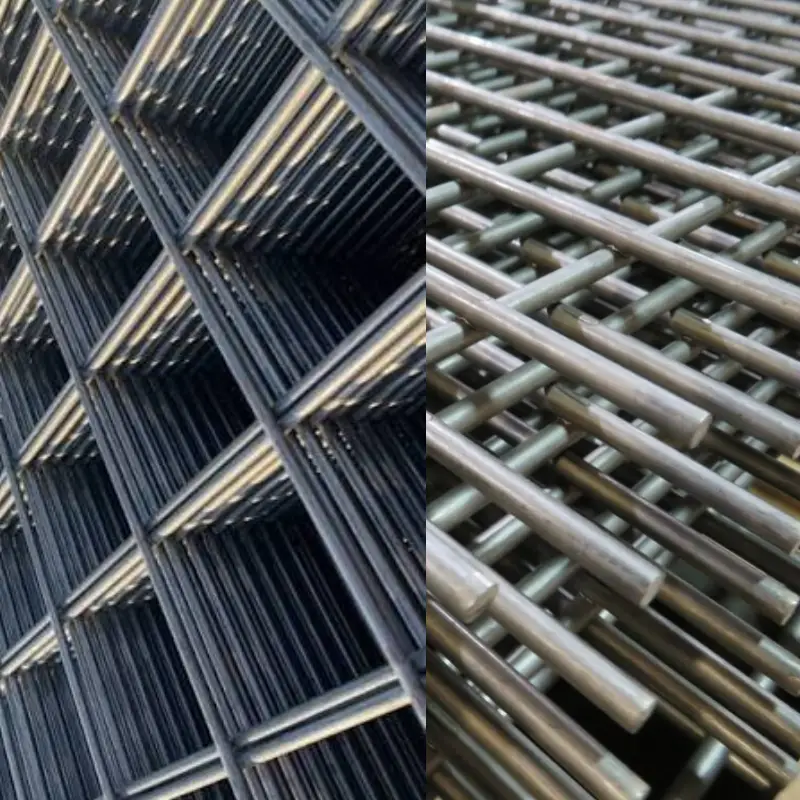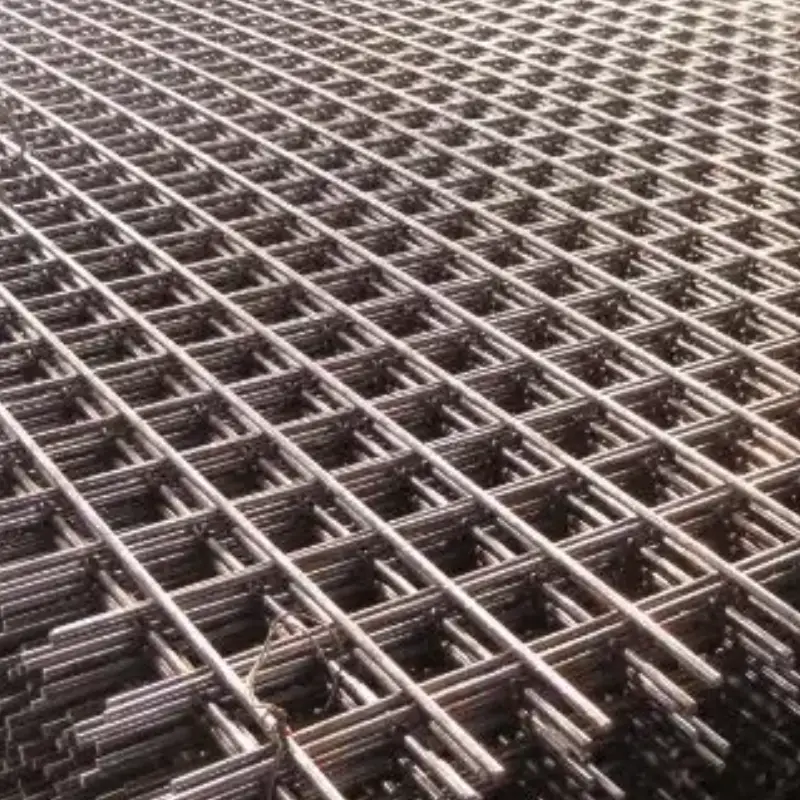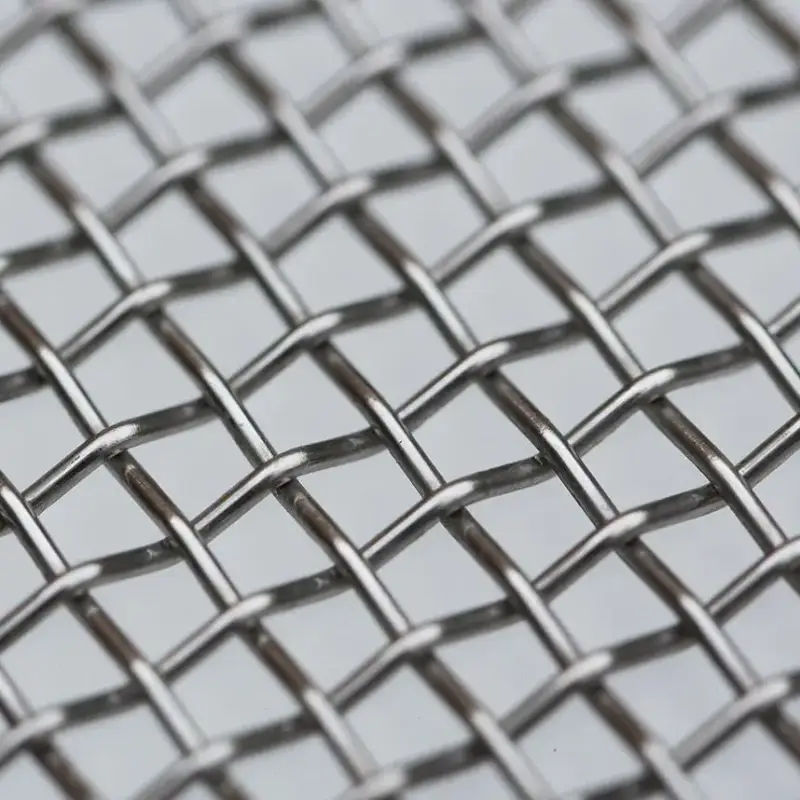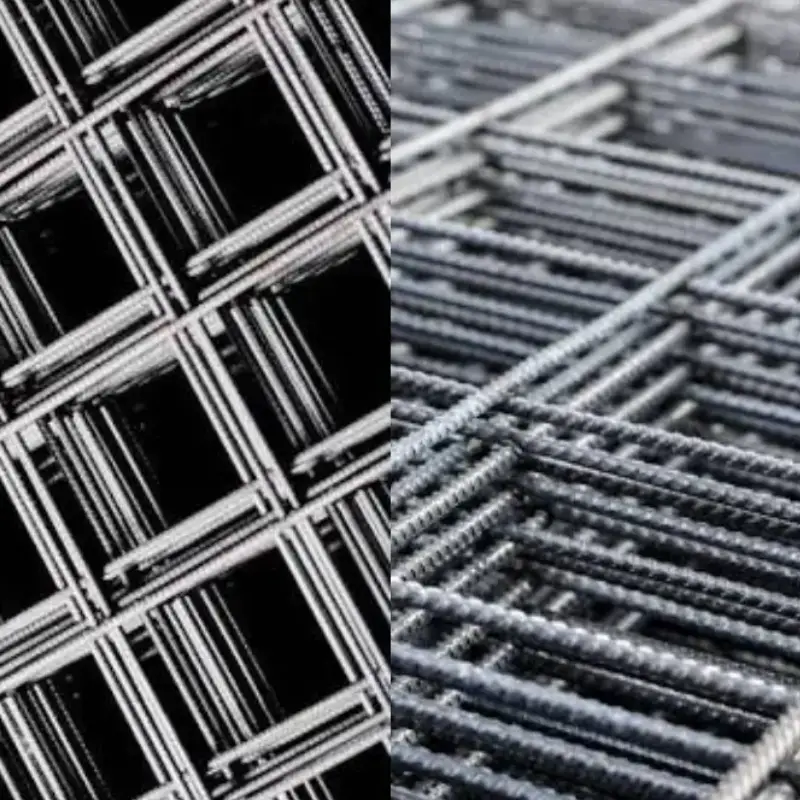
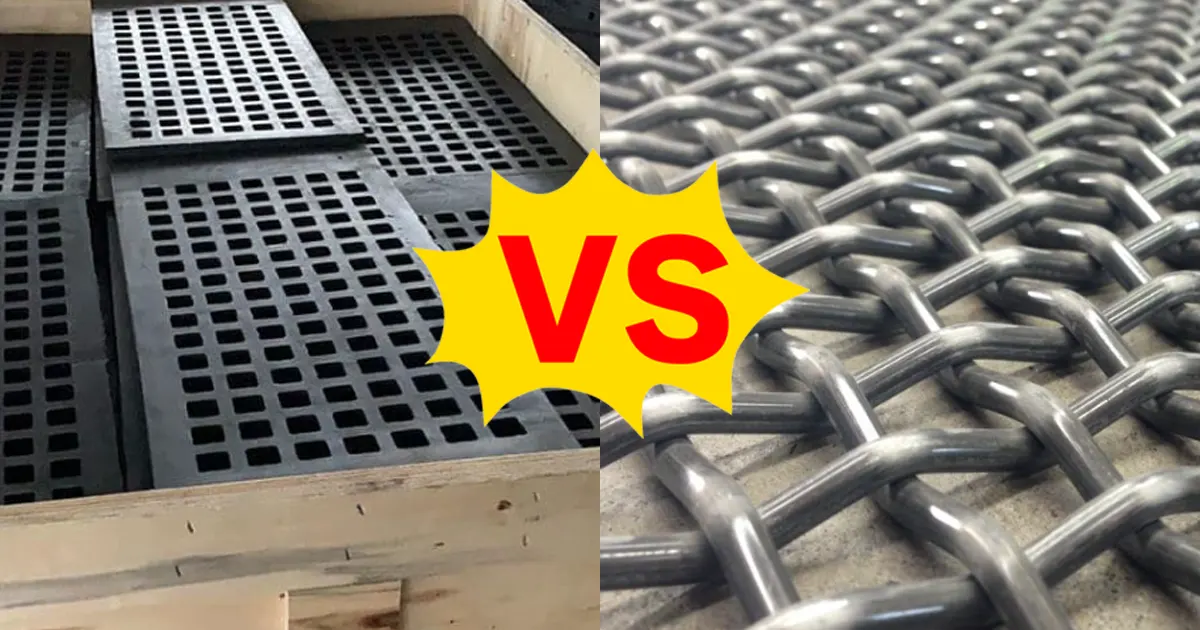
You need tough and reliable screens for your quarry or mining site. When comparing rubber screens vs wire mesh screens, you notice significant differences in their longevity, cost, and performance. Rubber screens tend to last longer and produce less noise, while wire mesh screens offer more open space, allowing material to move through more quickly. Anpeng is a leading manufacturer of screening media and can assist you in selecting the right option. It’s important to consider the location of your deck, the type of material you are working with, and how you utilize your equipment before making your choice.
Key Takeaways
- Rubber screens last longer than wire mesh screens. They also need less fixing. This makes them a smart way to save money over time.
- Wire mesh screens let materials move faster because they have bigger holes. This helps sort different sizes quickly.
- Pick rubber screens for hard jobs and places with lots of hits. They help lower noise and make work safer.
- Think about the material and deck spot when picking screens. This helps them work better and faster.
- Check and fix your screens often. This stops problems like pegging and blinding. These problems can slow down your work.
- Buying strong screens like rubber or polyurethane saves money in the long run. It cuts down on stopping work and buying new screens.
- Using different screen types on each deck can help sort better. It also helps with special job needs.
- Talk to companies like Anpeng for custom help. They can give you the best screens for your work and help you get more done.
Rubber Screens vs Wire Mesh Screens: Quick Comparison
Which Screen Is Better?
You want the best screen for your quarry or mine. Both rubber screens and wire mesh screens have good points. Rubber screens last longer and need less fixing. Wire mesh screens let more stuff pass through fast. If you want strong screens and less stopping, rubber screens are better. If you want to move lots of different sizes, wire mesh screens may be best. Your choice depends on where your deck is, what material you use, and your goals.
Tip: Rubber screens are great for tough jobs and big pieces. Wire mesh screens work for many sizes and can sort small pieces.
Rubber vs Wire: Comparison Table
Check the table below to see how rubber screens and wire mesh screens compare for cost, strength, and how they work. This table helps you spot the main differences quickly.
| Feature | Rubber Screens | Wire Mesh Screens |
|---|---|---|
| Initial Cost | Costs more at first | Costs less at first |
| Service Life | Lasts longer, needs fewer changes | Lasts less, needs more changes |
| Maintenance Costs | Needs less fixing | Needs more fixing |
| Impact Resistance | Handles hits well | Handles hits less well |
| Energy Absorption | Bounces back and absorbs energy | Absorbs less energy |
| Noise Reduction | Makes less noise | Can make more noise |
| Suitability | Best for big pieces | Good for many sizes |
| Installation | Easier to put in, less stopping | Harder to put in |
| Quality of End Products | Cleaner, better quality | May be lower quality |
Key Differences Overview
When you look at rubber screens and wire mesh screens, you see some big differences. Here are the main things to think about:
- Rubber screens last longer and wear out slower than wire mesh screens.
- Wire mesh screens let more stuff go through fast because they have bigger gaps.
- You spend less time and money fixing rubber screens.
- Rubber screens take hits and make less noise, so your work area is safer and quieter.
- Wire mesh screens work for more sizes, even tiny pieces.
- Rubber screens are easier to put in and change, so you stop working less.
- Wire mesh screens need to be changed more often, which can cost more.
Always pick the screen that fits your needs. Think about your material, deck spot, and how much stopping you can handle. Choosing rubber screens or wire mesh screens changes how well your plant works and how much you spend over time.
Types of Screens in Quarry & Mining
Rubber Screens Overview
Rubber screens are used in many quarry and mining places. These screens have thick rubber panels for hard jobs. You pick rubber screens when you need to sort big rocks or pieces over 12 inches. The holes in these screens can be bigger than 4 inches. Rubber screens work well where there is lots of shaking and strong hits. The thick rubber makes less noise and soaks up energy. This helps keep your work area safer. Rubber screens do not wear out fast, even in rough spots. You can put these screens in easily and change them quickly. This saves you time when you fix things.
Tip: Rubber screens help make work quieter and keep workers safe from flying bits.
Woven Wire Screens Overview
Woven wire screens are a popular choice for quarry and mining work. These screens are made from steel wires woven into a grid. This lets you sort many sizes, from tiny sand to bigger stones. Woven wire screens have lots of open space, so stuff moves through fast. You use these screens for regular jobs and when you need to sort different sizes. But wire screens wear out faster if you work with sharp or heavy stuff. You may need to change them more often in tough places. Still, wire screens work well and can be used for many jobs.
- Woven wire screens are best for sorting small and medium pieces.
- You can pick different wire thicknesses and hole sizes for your needs.
Polyurethane Screens Context
Polyurethane screens are another choice for hard jobs. These screens use special polyurethane that lasts longer than rubber or wire mesh. You pick polyurethane screens when you need strong screens that resist wear, hits, and chemicals. These screens handle heavy stuff and tough places easily. Polyurethane screens last 1.5 to 3 times longer than rubber screens with rough materials. They also have lots of open space, usually between 70% and 85%. This helps you sort things faster. Many mining sites use polyurethane screens for high speed and long life.
| Material | Typical Use Cases | Key Features |
|---|---|---|
| Rubber Screens | Big pieces, hard jobs | Thick, strong, less noise, easy to put in |
| Woven Wire Screens | Regular sorting, many sizes | Lots of open space, flexible, wears out faster |
| Polyurethane Screens | Rough, tough places | Lasts long, works fast, strong against wear |
| Perforated Steel Plates | Heavy jobs, big holes | Custom thickness, special holes, does not clog easily |
You can pick the best screens by looking at your material, job, and how often you want to change panels. Each screen type gives you special benefits for your quarry or mining site.
Durability of Screens
Wear Resistance
You want screens that last a long time. Wear resistance means how well a screen handles rubbing and hitting. Each screen type deals with wear in its own way.
Abrasion & Impact
Rubber screens take strong hits and rough stuff well. Thick rubber soaks up shocks and stops damage. You see less cracking and tearing with rubber screens. Wire mesh screens are good for lighter jobs. They wear out faster with sharp or heavy rocks. Steel wires can break or bend if hit hard.
Polyurethane screens are the toughest. These screens fight both abrasion and impact. You use polyurethane screens for wet or rough jobs. They do not blind or peg easily. Some polyurethane screens, like NexGen panels, last six times longer than regular rubber or wire mesh screens. In coal plants, NexGen polyurethane panels lasted ten weeks. Regular polyurethane lasted only five weeks. Longer wear life means less fixing and more working.
- Polyurethane screens last longest in hard jobs.
- Rubber screens soak up shocks and lower noise.
- Wire mesh screens fit many sizes but wear out faster.
Replacement Cycle
You need to know how often to change your screens. The replacement cycle depends on the screen material and your job. Rubber screens last longer than wire mesh screens. You change rubber screens less, so you save time and money. Polyurethane screens last even longer. You may only need to change polyurethane screens half as often as rubber screens. Wire mesh screens need more changes, especially in tough jobs. More changes mean more downtime and higher costs.
Screens with high durability help your plant work better. You spend less time fixing things. Your machines run smoothly.
Common Failures
Screens can fail in many ways. Knowing common problems helps you stop damage and keep things safe. Here is a table showing typical failures for rubber screens and wire mesh screens:
| Failure Mode | Description |
|---|---|
| Incorrect assembly | Screens may not work right if installed wrong. |
| Contamination of lubrication | Dirty oil makes moving parts wear out faster. |
| Accumulation of material | Build-up causes overloads and hurts the screen. |
| Broken belts | Belts break and stop the screen from working. |
| Faulty bearings | Bad bearings slow work and can break down. |
| Structural cracks in the screening deck | Cracks make the screen weak and less useful. |
| Breakage of the screening mesh | Broken mesh stops screening and causes more trouble. |
| Fatigue of the suspension springs | Worn springs lower performance and may break. |
| Feed overloads | Too much material strains the screen and its parts. |
You can stop many failures by checking screens often and doing good maintenance. Pick screens with high durability to lower breakdowns and help your plant work better.
Tip: Check your screens often and install them right to make them last longer.
Cost Efficiency & Analysis
Initial Cost
When you choose screens for your quarry or mining site, you notice a big difference in initial cost. Rubber screens usually cost more at the start. Wire mesh screens cost less upfront, so you spend less money right away. You can see the comparison in the table below:
| Screen Type | Initial Cost | Long-term Benefits |
|---|---|---|
| Rubber | Higher | Durability, lower maintenance needs |
| Wire Mesh | Lower | Standard performance, higher maintenance |
Rubber screens have a higher price tag because they use thick, tough materials. Wire mesh screens use steel wires, which are cheaper to make. If you want to save money at first, wire mesh screens seem like a good choice. However, you should think about more than just the initial cost.
Note: Rubber screens cost more at first, but they can help you save money over time.
Maintenance & Replacement
You need to think about how often you will fix or replace your screens. Rubber screens last longer and need fewer repairs. Wire mesh screens wear out faster, especially when you use them with sharp or heavy rocks. You may need to replace wire mesh screens more often, which increases your total cost.
Every time you replace a screen, you lose production time. Workers must stop machines, remove old panels, and install new ones. This downtime costs you money because your plant is not working. You also spend money on labor and maintenance supplies. If you choose screens that last longer, you reduce these costs and keep your plant running smoothly.
- Rubber screens need less fixing and fewer replacements.
- Wire mesh screens need more frequent changes, which raises your cost.
- Less downtime means you save money and keep your team focused on important jobs.
Long-Term Cost Efficiency
You want your plant to run well and save money over time. Cost efficiency means you get the best value for your money. Rubber screens give you better cost efficiency because they last longer and need less maintenance. You spend more at first, but you save money by reducing downtime and replacement costs.
Frequent replacements of wire mesh screens lead to higher costs. Every minute spent changing screens means lost production and more labor expenses. Durable screens, like rubber or polyurethane, help you avoid these problems. Polyurethane screens can even save energy, which lowers your yearly cost. Some plants save thousands of dollars each year by choosing screens with better cost efficiency.
Tip: Investing in durable screens helps you lower your total cost and improve your plant’s cost efficiency.
You should look at both the initial cost and the long-term savings. Durable screens help you avoid frequent repairs and keep your plant working longer. This approach gives you the best cost efficiency for your quarry or mining operation.
Screen Performance Factors
Open Area & Throughput
You want your quarry or mine to work well. Open area is the space in the screen that lets stuff go through. More open area means you can move more material at once. Wire mesh screens have the most open area. This helps you process things faster and makes your plant work better.
Rubber screens have less open area than wire mesh screens. You might see slower throughput with rubber panels, especially with small pieces. Polyurethane screens give a good mix of open area and strength. Pick screen media with the right open area for your job. If you want high speed, wire mesh screens are a good choice. If you want screens that last longer, rubber or polyurethane screens may be better.
Tip: Look at the open area percentage before you choose your screen media. More open area means faster work, but you should also think about how quickly screens wear out.
Cut Accuracy
Cut accuracy means how well your screen separates material by size. You want your screens to sort things into the right sizes. Wire mesh screens have even openings, so they give sharp cut accuracy. You can sort material into exact sizes and help your plant work better.
Rubber screens may not be as accurate, especially with small pieces. Rubber can bend and change the shape of the holes. Polyurethane screens often give good cut accuracy and last longer. Match your screen media to what you need. If you want tight control of sizes, wire mesh screens are best. For tough jobs, rubber or polyurethane screens still work well.
| Screen Media Type | Open Area | Cut Accuracy | Best Use Case |
|---|---|---|---|
| Wire Mesh | High | Precise | Fast sorting, fine material |
| Rubber | Medium | Moderate | Large rocks, impact zones |
| Polyurethane | Medium | Good | Wet material, long wear life |
Noise & Vibration
You want your work area to be safe and comfortable. Screens make noise and shake when you use them. Rubber screens soak up vibration and lower noise. Your plant is quieter and workers’ ears are safer. Wire mesh screens make more noise and shake more. This can make your work area loud and wear out your machines faster.
Polyurethane screens also help lower noise and vibration. Think about these things when you pick screen media. Less noise and shaking make your plant safer and help your team work better. Machines last longer in a quieter place.
Note: Rubber and polyurethane screen media help you follow safety rules and keep your plant working well.
You can make your plant work better by picking screen media with the right open area, cut accuracy, and noise control. Always choose screens that fit your material and your goals.
Blinding & Pegging
You want your screens to keep working without getting clogged. Blinding happens when small particles cover the holes in your screen. Pegging means bigger pieces get stuck in the holes. Both problems slow down your work and lower your plant’s output.
Rubber screens help you fight blinding and pegging. The flexible rubber bends and moves when the screen shakes. This action helps pop out any material that gets stuck. You see less clogging with rubber screens, especially when you process wet or sticky materials. Rubber screens can also have blank spots between the holes and supports. These blank areas stop rocks from getting wedged in tight spaces.
Wire mesh screens are not as flexible. The steel wires stay stiff, so they cannot push out stuck material as easily. You may notice more pegging with wire mesh screens, especially if you handle sticky or damp material. Some wire mesh screens use high vibration to shake loose the stuck pieces. The wires move quickly and help clear the holes, but this does not always work for every job.
Polyurethane screens give you another way to reduce blinding and pegging. These screens use a special material that bends and flexes like rubber. Polyurethane screens can release particles that get stuck, so you see less clogging. The flexibility of polyurethane screens helps them pop out lodged material. You can use polyurethane screens for wet or sticky jobs and get better results than with wire mesh.
You should look at these points when you choose your screen:
- Rubber screens and polyurethane screens both flex to push out stuck material.
- Polyurethane screens work well with wet or sticky materials and help you avoid blinding.
- Wire mesh screens can clog more often, but high-vibration types can help clear the holes.
- Polyurethane screens last longer and keep working even when you process tough materials.
- You can use polyurethane screens on top, middle, or bottom decks for many types of material.
- Polyurethane screens help you keep your plant running with less downtime.
- You get better performance and fewer problems with polyurethane screens in tough jobs.
Tip: If you process wet or sticky material, try polyurethane screens or rubber screens to keep your plant working smoothly.
Application Suitability
Best Deck Positions
You need to pick the right screen for each deck. Each deck does a different job and faces its own problems. The table below shows which mesh types work best for each deck. It also lists their main features.
| Deck Position | Suitable Mesh Types | Key Features |
|---|---|---|
| Top Deck | Woven wire mesh | Lots of open space, works well |
| Rubber panels | Absorbs hits, lasts long | |
| Punch plates | Strong for big pieces | |
| Bottom Deck | Polyurethane mesh | Good for small pieces, handles wet stuff |
| Self-cleaning mesh | Stops clogging with sticky stuff | |
| Hybrid mesh | Strong and lots of open space |
Top Deck (Scalping)
The top deck takes big hits from large rocks. Rubber panels are good here because they soak up shocks and last longer. Woven wire mesh also works well on the top deck. It has lots of open space for fast sorting. Punch plates are strong and help with very big pieces.
Tip: Use rubber panels on the top deck if you want less noise and longer life.
Middle Deck (Sizing)
The middle deck sorts things by size. You need screens that are tough and accurate. Woven wire mesh gives you exact sizing and lots of open space. Rubber panels help if you expect strong hits or want less noise. Polyurethane mesh is good for wet or sticky stuff.
Bottom Deck (Final Screening)
The bottom deck does the final sorting. It handles small pieces and often gets wet. Polyurethane mesh works best here because it does not clog and handles wet stuff. Self-cleaning mesh stops holes from getting blocked by sticky material. Hybrid mesh is strong and has lots of open space for hard jobs.
Impact vs Abrasion
You need to match your screen to the kind of wear it faces. Some decks get hit hard, others get rubbed a lot.
- Rubber screens are best for places with lots of hits. They are tough and make less noise. These screens last longer when rocks hit them.
- Wire mesh screens are better for places with lots of rubbing. You can pick different wire types and thicknesses. These screens keep their holes and resist sharp stuff.
- Rubber panels are picked for handling hard hits and lowering noise.
- Wire mesh panels are picked for resisting wear and keeping holes in rough spots.
Note: Use rubber screens if your deck gets hit hard. Use wire mesh screens if your deck gets rubbed and scraped a lot.
Wet vs Dry Material
You need screens that work well with both wet and dry stuff. Rubber modular screens work in both wet and dry jobs. Their bendy design helps stop clogging, which happens with wire mesh screens. You see fewer problems with blocked holes when you use rubber screens, especially with sticky or wet stuff.
Rubber screens are great for big hits and sticky, wet material. You get less clogging than with wire mesh. This means you change screens less and spend less money. Your plant works better and you stop less often.
Tip: If you handle wet or sticky stuff, rubber screens help your plant run with fewer stops.
Selection Guide & Checklist
Quick Selection Checklist
You want to pick the right screen for your quarry or mining site. Use this checklist to help you make a smart choice. Look at each point and decide what matters most for your job.
- Check the climate at your site. Think about sun, rain, and humidity. Rubber screens handle UV rays and wet weather better.
- Look at the environment. If you see lots of insects or animals, choose screens that resist damage.
- Decide what you need the screen to do. If you want high airflow or need to keep out small debris, rubber screens work well. Wire mesh screens help with larger debris and fast sorting.
- Think about how strong the screen needs to be. Rubber screens last longer and resist wear. Wire mesh screens work for many jobs but may need more changes.
- Choose a screen that matches your plant’s look. Rubber screens and wire mesh screens come in different styles. Pick one that fits your design.
- Ask yourself how often you want to replace screens. Rubber screens need fewer changes. Wire mesh screens may need more attention.
- Consider your budget. Rubber screens cost more at first but save money over time. Wire mesh screens cost less upfront.
Tip: Write down your answers for each point. This helps you see which screen fits your needs best.
Application Comparison Table
You can use this table to compare rubber screens and wire mesh screens. Look at each attribute and see which screen matches your job.
| Attribute | Rubber Screens | Wire Mesh Screens |
|---|---|---|
| Structure | Flexible and can fit many shapes | Rigid and keeps its shape |
| Performance | Stops small debris and handles tough jobs | Removes large debris and sorts fast |
| Application | Works well in places with high flow rates | Fits many industrial jobs |
| Features | Durable, resists wear, and lasts longer | Gives excellent flow and easy sorting |
You can use this table to match your needs with the right screen. If you want a screen that bends and lasts, pick rubber. If you need fast sorting and lots of open space, wire mesh may be better.
Note: Always check your site’s needs before you choose. The right screen helps your plant work better and saves you money.
Troubleshooting Screens
Wire Breakage
Wire breakage can stop your work fast. This problem happens a lot with woven wire screens. The main reasons are not putting the screen in right and not tightening it enough. If you do not check the tension often, wires can snap early. Broken equipment also makes breakage more likely. Clamp bars that do not fit right can wear out the screen media faster. You should look at your screens often and make sure the tension is correct. Use the right clamp bars and fix broken parts before you start. This helps you stop wire breakage and keeps your plant working.
Tip: Always check the tension of your wire screens before your shift. Good tension helps stop early wire breakage.
Pegging & Blinding
Pegging and blinding slow down your screening work. Pegging happens when pieces get stuck in the screen holes. Blinding is when fine material covers the holes and blocks them. Many things can cause these problems:
- Wet material makes fine pieces stick together, causing blinding.
- Clay can coat the screen and fill the holes, causing pegging.
- Pieces that are almost the same size as the holes can get stuck.
- The shape of the pieces changes how they move through the screen.
- How fast you feed material changes how it lays on the screen, which can cause more pegging and blinding.
- If fines do not reach the holes, blinding can happen.
- Bad vibration settings let material settle and block the screen.
- The shape of the holes can trap pieces that are almost the same size.
- Thick wires mean less open space, so blinding happens more.
- Loose screens let material bounce and settle in holes, causing pegging and blinding.
You can lower pegging and blinding by changing vibration, controlling moisture, and picking screens with the right hole shapes. Cleaning and checking your screens often also helps keep them clear.
Note: If you work with wet or sticky material, check your screens often for pegging and blinding.
Panel Tearing
Panel tearing happens most with rubber screens. Rips and tears let big pieces get through, which lowers your fines pile quality. You should check your screens often, especially when sorting rocks. Look for any damage or wear. Doing these things helps you stop panel tearing:
- Sort out bad stuff and big rocks before screening.
- Check screens before each shift for rips or tears.
- Change broken panels fast to keep your product good.
If you see a tear, fix it right away. This keeps your screening safe and working well.
Alert: Checking your screens often helps you find panel tearing early and keeps your product quality high.
Delamination
Delamination happens when layers of your screen media start to separate. You see this problem most often with rubber and polyurethane screens. The layers peel apart because of heavy use, strong impacts, or poor bonding during manufacturing. Delamination weakens your screen panels. When this happens, your screens cannot handle heavy loads or sharp rocks. You may notice loose pieces or bulges on the surface. These signs mean your screen is not working as it should.
You can spot delamination early if you check your screens often. Look for bubbles, cracks, or spots where the layers do not stick together. If you find these problems, you should replace the damaged panels right away. Using screens with delamination can lead to bigger failures and more downtime.
Tip: Always inspect your screens after heavy storms or when you process very tough material. Early checks help you avoid bigger problems.
Fixes & Prevention
You can stop many screen failures before they start. Good habits and regular checks keep your screens working longer. Here are some smart ways to fix and prevent common problems:
- Install your screen media the right way. Follow the instructions from the manufacturer. A good installation helps your screens last longer.
- Check the tension and condition of your screens often. Tight screens work better and do not wear out as fast.
- Train your team on how to install and care for screens. Training helps everyone spot problems early and fix them before they get worse.
- Store your screens in a dry, safe place. Keep them away from sunlight, rain, and heavy equipment. Good storage keeps your screens strong.
- Clean your screens after each shift. Dirt and debris can cause damage if left too long.
- Replace worn or damaged panels quickly. Do not wait for a full breakdown.
- Use the right screen for your material and deck position. Matching the screen to the job lowers the risk of failure.
Note: Regular checks and good storage can save you money and reduce downtime. A well-trained crew helps your plant run smoothly.
You can use this table to remember the best ways to prevent screen problems:
| Prevention Method | Why It Works |
|---|---|
| Proper installation | Reduces stress and early wear |
| Regular tension checks | Keeps screens tight and effective |
| Crew training | Helps spot and fix issues early |
| Safe storage | Prevents weather and equipment damage |
If you follow these steps, you keep your screens in top shape. You spend less time fixing problems and more time getting work done.
When to Upgrade Screens
Switch from Wire to Rubber
You may notice your wire mesh screens wearing out quickly. If you see frequent breakage or downtime, it might be time to upgrade to rubber screens. Rubber screens work well in dry, high-impact jobs. They also perform effectively when you screen wet material, especially natural sand and gravel. You get longer service life and less noise in your plant.
Here is a table that shows when rubber screens work best:
| Condition | Rubber Screens Effectiveness |
|---|---|
| Dry, high-impact jobs | Excellent |
| Wet screening | Effective, especially for natural sand and gravel |
If you want to reduce maintenance and improve safety, rubber screens offer a strong solution. You spend less time changing panels and more time running your plant.
Tip: Upgrade to rubber screens if you handle large rocks or wet material often. You will see fewer breakdowns and a quieter work area.
Switch from Rubber to Wire
Sometimes, you need to switch back to wire mesh screens. Wire mesh works well when you change screen media often or need to sort many different sizes. You get more open area, which helps you process material faster. Wire mesh screens also offer many opening styles, so you can match them to your product needs.
Use this table to compare when wire mesh or rubber screens fit your job:
| Material Type | Application Suitability | Key Benefits |
|---|---|---|
| Wire Cloth | Frequent media change-outs, varying product specifications | Corrosion prevention, anti-blinding, various opening styles |
| Rubber | Dry, high-impact applications, wet screening for natural sand and gravel | Durability, self-cleaning, modular systems for high open area design |
If your plant needs to sort many sizes or you want to prevent blinding, wire mesh screens may be the better choice. You can swap them out quickly and keep your plant flexible.
Note: Choose wire mesh screens if you need fast sorting and frequent changes. They help you keep up with changing product demands.
Evaluating Needs
You should look at your plant’s needs before you upgrade your screens. Ask yourself these questions:
- Do you handle large rocks or wet material?
- Does your plant stop often for repairs?
- Do you need to sort many different sizes?
- Is noise a problem in your work area?
- How often do you change screen panels?
If you answer yes to handling tough material or want less downtime, rubber screens may help. If you need flexibility and fast sorting, wire mesh screens could be better. You can also mix screen types on different decks to match each job.
Tip: Write down your plant’s main problems and goals. This helps you pick the right screen and improve your operation.
You make your plant stronger and more efficient when you choose the right time to upgrade your screens. Look at your material, deck position, and how often you want to change panels. The right choice helps you save money and keep your plant running smoothly.
Why Choose Anpeng
Manufacturing Expertise
You want screens that work well and last a long time. Anpeng uses advanced technology and strict quality control to make every screen panel. Skilled workers check each step, from choosing raw materials to finishing the product. You get screens that handle tough jobs in quarries and mines. Anpeng tests screens for strength, wear resistance, and safety. You can trust that each screen meets high standards.
Tip: When you choose Anpeng, you get products made by experts who understand quarry and mining needs.
Anpeng’s team studies new materials and designs. You benefit from screens that use the latest improvements. The company invests in research to make sure you get the best performance. You see fewer breakdowns and longer service life.
Customization
You need screens that fit your plant and your job. Anpeng offers many options for size, shape, and opening style. You can ask for screens that match your deck position or material type. The company listens to your needs and helps you pick the right screen media.
- Choose from rubber, wire mesh, or polyurethane panels.
- Select hole sizes for fine or coarse material.
- Request special shapes for unique machines.
Anpeng’s engineers work with you to design custom solutions. You get screens that fit your equipment and improve your plant’s output. This versatility helps you handle different materials and change your process when needed.
| Custom Option | Benefit |
|---|---|
| Material choice | Matches your job’s demands |
| Hole size | Improves sorting accuracy |
| Panel shape | Fits your machine perfectly |
Support
You want help when you have questions or problems. Anpeng gives you strong support before and after you buy. The team answers your questions and helps you choose the best screen. You get advice on installation and maintenance. If you need help with troubleshooting, Anpeng’s experts guide you step by step.
Note: Good support means you spend less time fixing problems and more time running your plant.
Anpeng offers training for your crew. You learn how to install screens the right way and keep them working longer. The company provides fast delivery and clear instructions. You can reach out anytime for help or advice.
You get a partner who cares about your success. Anpeng helps you keep your plant safe, efficient, and productive.
Conclusion
You want screens that last, save money, and work well. Rubber screens give you strong durability and lower maintenance. Wire mesh screens offer fast sorting and high open area. Match your screen to your deck position and material for best results.
- Choose rubber for tough jobs and less downtime.
- Pick wire mesh for quick sorting and flexible sizing.
Anpeng helps you find the right screen. Send your needs for a custom recommendation and quote.
FAQ
What makes rubber screens last longer than wire mesh screens?
Rubber screens absorb impact and resist abrasion. You see less cracking and tearing. The thick rubber material helps your screens handle tough jobs and stay strong over time.
Can you use rubber screens for wet material?
Yes, you can use rubber screens for wet or sticky material. The flexible design helps prevent blinding and pegging. You keep your plant running smoothly with fewer stops.
How often should you check your screens for damage?
You should inspect your screens before each shift. Look for tears, broken wires, or loose panels. Regular checks help you spot problems early and avoid costly downtime.
Which screen type gives you the best cut accuracy?
Wire mesh screens give you sharp cut accuracy. The even openings sort material into exact sizes. You get precise results for fine and medium pieces.
Do rubber screens reduce noise in your plant?
Yes, rubber screens lower noise levels. The material absorbs vibration and sound. You create a safer and quieter work area for your team.
What is the main reason to upgrade from wire mesh to rubber screens?
You upgrade to rubber screens when you want longer service life and less maintenance. Rubber screens handle big impacts and wet material better. You spend less time replacing panels.
Can you mix different screen types on one deck?
You can mix screen types on different decks. Use rubber panels for impact zones and wire mesh for sizing. This approach helps you match each deck to its job.
How do you prevent pegging and blinding?
Use flexible screens like rubber or polyurethane. Adjust vibration settings and control moisture. Clean screens often to keep holes clear.