You see stainless steel mesh almost everywhere. People pick it for tough jobs because it lasts a long time and stays strong, even when things get wet or dirty. Here’s why so many industries trust it:
- It resists rust and chemical damage.
- It’s easy to clean and keeps things hygienic.
- It’s eco-friendly since you can recycle it.
- It works well in food, labs, and even construction.
Uses for Stainless Steel Mesh cover everything from filtering water to keeping spaces safe. You’ll find tips here to help you match the right mesh to your needs.
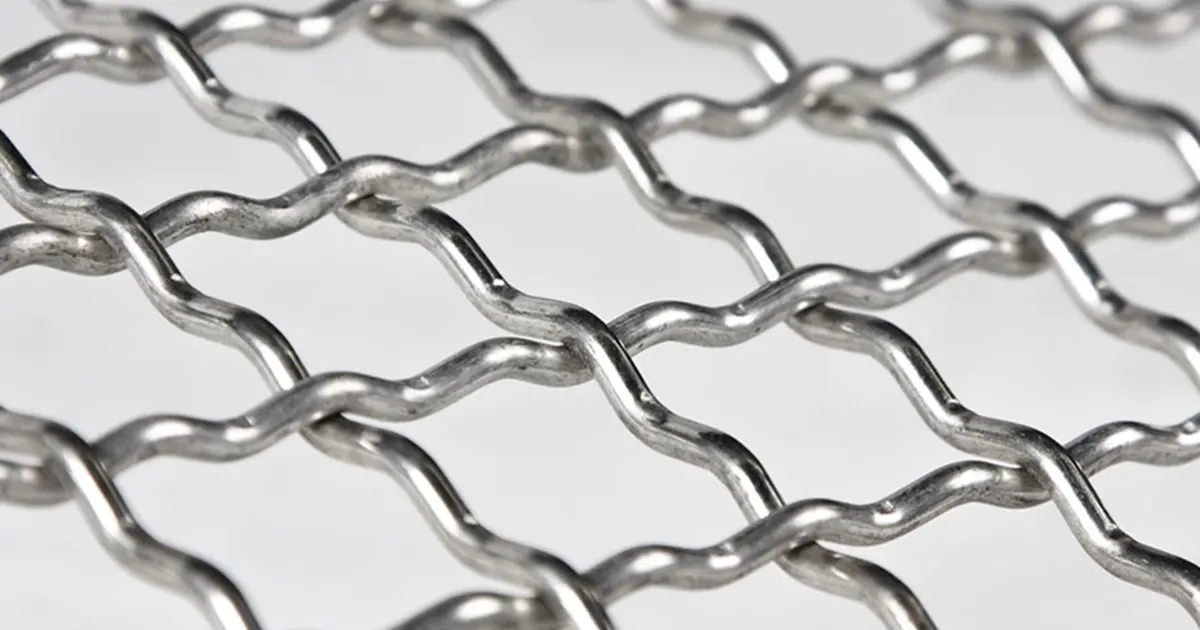
Key Takeaways
- Stainless steel mesh is strong and does not rust. This makes it good for hard places. It lasts a long time.
- You can clean it easily. It is simple to take care of. This helps keep things clean in food and science labs.
- There are different kinds of stainless steel mesh. Some are woven, expanded, or perforated. Each kind works best for certain filtering jobs.
- Picking the right type of stainless steel is important. Grades like 304 or 316 help stop rust in many places.
- Stainless steel mesh can be used in many ways. People use it for cleaning water, safety walls, and even building designs.
- Cleaning and taking care of the mesh often helps it last longer. It also keeps it working well.
- When you pick a mesh, think about things like mesh count, wire size, and open space. These help you choose what you need.
- Stainless steel mesh can be recycled again and again. This makes it a good choice for the planet and many businesses.
What Is Stainless Steel Mesh
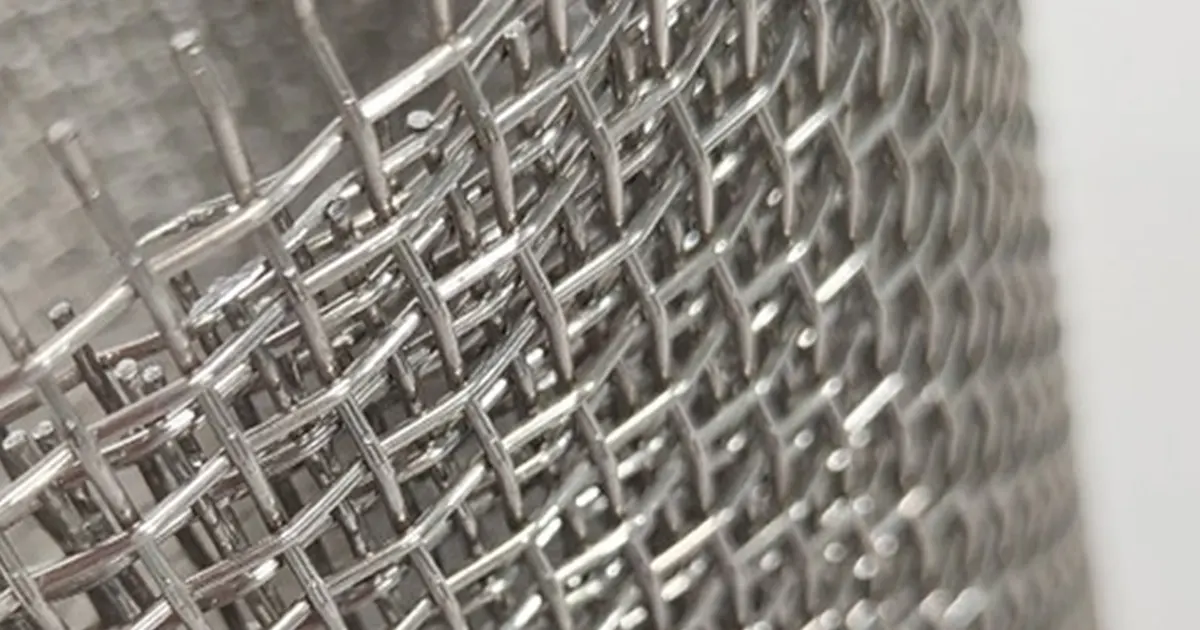
Stainless steel mesh is a tough and bendy grid. It is made from thin wires or sheets of stainless steel. You see it in lots of places because it works well for hard jobs. It keeps its shape even if things get messy or hot. There are different types, and each one is good for something special.
Woven Mesh Overview
Woven mesh looks like a tiny fence or a window screen. People make it by weaving thin stainless steel wires over and under each other. This makes a pattern with small, even holes. Air, water, or other things can go through, but bigger stuff gets blocked. Woven mesh is used for filtering, sifting, or keeping equipment safe.
Many people pick woven mesh for good reasons:
- Corrosion resistance stops it from rusting, even in wet or rough places.
- High tensile strength means it does not break or stretch easily.
- Impact resistance helps it handle bumps and hits.
- You can get it in many sizes and shapes for your project.
- Cleaning is easy, which is important for food or lab work.
- It looks modern, so architects use it for style and function.
Expanded vs Perforated Stainless Steel Mesh
You might wonder how woven mesh is different from other types. Expanded and perforated mesh both start as solid sheets. They get their holes in different ways. Here is a quick look:
| Mesh Type | Structure Description | Advantages | Limitations |
|---|---|---|---|
| Woven Wire Mesh | Interlaced stainless steel wires make a grid pattern. | Good for sorting by size, lets air flow, you can change the size. | Not as strong, can bend if pushed hard. |
| Expanded Metal Mesh | Cut and stretched solid stainless steel sheet, stays in one piece. | Very strong, no welds, light but can hold weight. | Holes are not as exact, costs more. |
| Perforated Steel Mesh | Flat stainless steel sheet with even holes punched out. | Exact hole shapes, good airflow, looks nice. | Makes waste, not as bendy as woven mesh. |
Woven mesh gives you the best control over hole size. This helps when you need to filter or sort things by size. Expanded mesh is stronger and can hold heavy things. Perforated mesh looks neat and modern. People like it for design or when they want perfect holes.
Tip: Think about what you need most—exact holes, strength, or style—before you choose your mesh.
Types and Grades of Stainless Steel Mesh
When you pick stainless steel mesh, you need to know about the different weave types and grades. Each one works best for certain jobs. Let’s break it down so you can choose the right one for your project.
Weave Types
You’ll see three main weave types in most industries. Each weave changes how the mesh looks, feels, and works.
Plain Weave
Plain weave is the most common. Wires go over and under each other, just like a basket. This makes a simple, strong grid. You can use plain weave for sieving, filtering, or even as a protective cover. It’s a great choice if you want something basic but tough.
Twill Weave
Twill weave looks a bit fancier. Wires cross over two and under two, making a diagonal pattern. This weave gives you a smoother surface and lets you use thicker wires. You might pick twill weave if you need more strength or want to filter smaller particles.
Dutch Weave
Dutch weave mixes things up. The wires are packed closer together in one direction. This makes the holes smaller and the mesh tighter. Dutch weave works well for super fine filtration, like in labs or chemical plants.
Here’s a quick table to help you see the differences:
| Weave Type | Description | Typical Uses |
|---|---|---|
| Plain Weave | Simple over-under pattern | Sieving, filtering, covers |
| Twill Weave | Diagonal, over-two-under-two pattern | Fine filtration, high strength |
| Dutch Weave | Tighter, packed wires for tiny openings | Ultra-fine filtration, labs |
Tip: If you need to filter really small stuff, go for Dutch weave. For general jobs, plain weave is usually enough.
Grades: 304, 316, 316L
Not all stainless steel is the same. The grade tells you how it handles rust, chemicals, and strength.
- 304 is the most popular. It has 18% chromium and 8% nickel. You get good corrosion resistance and strength. Use it for fencing, baskets, or construction.
- 316 adds molybdenum. This helps fight off rust from salt and chemicals. It’s perfect for marine or chemical jobs.
- 316L is like 316 but with less carbon. It’s even better for welding and medical uses because it won’t crack or rust easily.
Here’s a table to compare them:
| Grade | Best For | Corrosion Resistance | Strength | Special Notes |
|---|---|---|---|---|
| 304 | General use, fencing | Good | Moderate | Most common, affordable |
| 316 | Marine, chemical, food | Excellent | High | Handles salt and chemicals |
| 316L | Medical, welding, labs | Excellent | High | Low carbon, easy to weld |
Note: If you work near the ocean or with harsh chemicals, pick 316 or 316L. For most indoor jobs, 304 will do the trick.
You can match the weave and grade to your job. This helps you get the best results and keeps your mesh working longer.
15 Uses for Stainless Steel Mesh
1. Water Filtration
You see stainless steel mesh working hard in water treatment plants, factories, and even in your home’s drinking water system. It’s one of the top uses for stainless steel mesh because it keeps water clean by trapping dirt, algae, and other unwanted stuff. You can count on it to last a long time, even when water is full of chemicals or salt.
Here’s why you want stainless steel mesh for water filtration:
- It doesn’t rust, even in harsh or salty water.
- It stands up to strong cleaning and chemicals.
- You can use it again and again—just wash and reuse.
- It works in big city water plants and small home filters.
When you pick mesh for water, you need to match the right specs to your job. Here’s a quick guide:
| Specification | Details |
|---|---|
| Material | Stainless Steel |
| Applications | Municipal and Industrial Water Systems |
| Advantages | Removes solids, algae, debris; durable and versatile |
Tip: For seawater or chemical-heavy water, choose grade 316 mesh. It fights off rust and lasts longer.
2. Oil and Fuel Filtration
Oil refineries, car engines, and even airplanes rely on stainless steel mesh to keep oil and fuel clean. This is another popular use for stainless steel mesh because it handles tough jobs where other filters fail. You get steady performance, even when things get hot or messy.
Why pick stainless steel mesh for oil and fuel?
- It doesn’t clog up fast, so you don’t have to change it often.
- It’s strong and keeps its shape, even under high pressure.
- You can clean it and use it again, saving money.
- It stands up to chemicals and heat better than plastic or paper filters.
You want to check these things when choosing mesh for oil and fuel:
- Mesh count: Finer mesh for small particles, coarser for bigger stuff.
- Wire diameter: Thicker wires for high pressure.
- Grade: 316 for harsh chemicals, 304 for regular oil.
Note: Stainless steel mesh doesn’t add anything weird to your oil or fuel. It keeps everything pure and safe.
3. Air and Vent Filtration
You breathe cleaner air at home, in schools, and in factories thanks to stainless steel mesh. HVAC systems, air conditioners, and vents all use it to trap dust, pollen, and even bugs. This is one of the most common uses for stainless steel mesh because it’s easy to shape and lasts a long time.
You’ll find different types of mesh in air and vent filtration:
| Type of Wire Mesh | Characteristics | Applications in HVAC Systems |
|---|---|---|
| Woven Wire Mesh | Precision filtration, many weave types | Traps fine dust and particles |
| Perforated Metal Mesh | Lets lots of air through, neat hole patterns | Used in air diffusers and vents |
| Expanded Metal Mesh | Super strong, great airflow | Used in big HVAC units and industrial vents |
When you pick mesh for air, think about:
- Mesh count: Finer mesh for tiny dust, coarser for bigger particles.
- Strength: Expanded mesh for heavy-duty jobs.
- Grade: 304 works for most air systems, but 316 is better if there’s moisture or chemicals.
Tip: Stainless steel mesh doesn’t break down or get moldy like some other materials. That means cleaner air for longer.
You can see that the uses for stainless steel mesh cover everything from water to oil to air. It’s a smart choice for filtration systems in almost any setting.
4. Chemical Processing
You see stainless steel mesh everywhere in chemical plants. It keeps things safe and pure. You need equipment that can handle strong acids, bases, and high temperatures. Stainless steel mesh does the job because it stands up to harsh chemicals and keeps working for years.
Here’s a quick look at why you want stainless steel mesh in chemical processing:
| Feature | Benefit |
|---|---|
| Corrosion resistance | Withstands aggressive environments, so you don’t worry about rust. |
| Precise filtration | Keeps particles out, which means your chemicals stay pure. |
| Durability | Handles extreme pH and heat, so you get less downtime. |
| Uniform flow distribution | Spreads liquids evenly, making your process more efficient. |
| Applications | Used in reactors, distillation columns, and purification systems. |
You’ll find stainless mesh in reactors, distillation towers, and purification lines. It filters out unwanted particles and keeps your chemicals clean. You can trust it to last, even when things get tough.
Tip: For chemical plants, pick 316 or 316L mesh. These grades fight off corrosion from acids and salts better than 304.
5. Laboratory Sieves
If you work in a lab, you know how important it is to separate powders and particles by size. Stainless steel mesh sieves help you do this with accuracy. You can use them for soil, sand, flour, pigments, or even nanomaterials.
Check out this table to see common mesh sizes and what they’re used for:
| Mesh Number | Opening Size (inches) | Opening Size (microns) | Typical Applications |
|---|---|---|---|
| 4 | 0.187 | 4750 | Rough aggregate, large particles |
| 20 | 0.033 | 850 | Sand, coarse powders |
| 60 | 0.0098 | 250 | Flour, pigments, pharmaceuticals |
| 100 | 0.0059 | 149 | Fine powders, spices, cement |
| 200 | 0.0029 | 74 | Ultra-fine powders, API screening |
| 400 | 0.0015 | 37 | Lab analysis, nanomaterials |
You can pick the right mesh by matching the mesh number to the particle size you want. Higher mesh numbers mean smaller openings. For most lab work, stainless steel mesh is best because it doesn’t react with chemicals and is easy to clean.
Note: Always check the mesh number and opening size before you start your test. This helps you get accurate results every time.
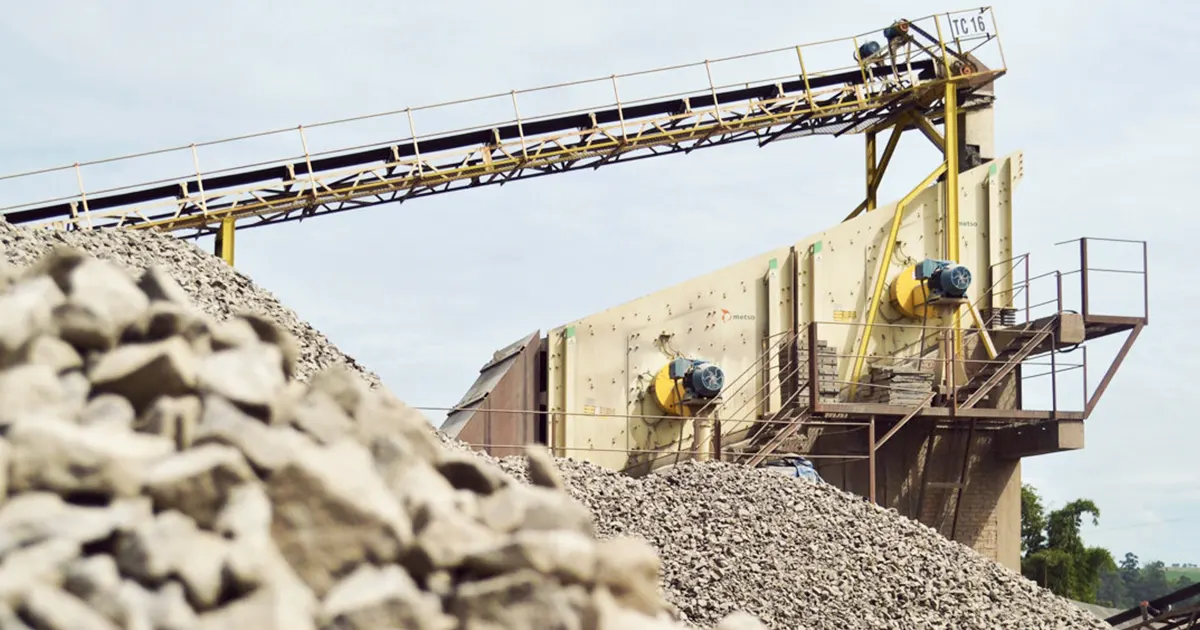
6. Mining and Aggregate Screening
Mining is tough on equipment. You need screens that can handle rocks, gravel, and sand all day long. Stainless steel mesh is a top choice because it lasts a long time and doesn’t wear out fast.
Here’s what you can expect from stainless steel mesh in mining:
- Mesh can last 10 to 20 years if you take care of it.
- In harsh mining jobs, well-managed screens usually last 3 to 5 years.
- Lighter-duty jobs can see mesh last over 10 years.
You’ll find stainless mesh in vibrating screens, crushers, and sorting machines. It sorts out big rocks from small ones and keeps your operation running smoothly. You can pick different mesh counts for different sizes of stone or sand.
Tip: Choose a thicker wire diameter for heavy loads. For wet or salty conditions, go with 316 mesh to prevent rust.
7. Food Processing and Sifting
You see stainless steel mesh in many food factories and bakeries. It helps sift flour, sugar, spices, and grains. The mesh keeps food clean and safe. It does not rust or break down, even after lots of washing. This means you can trust it every time.
Food machines use mesh screens to sort and filter ingredients. You want to stop germs and follow safety rules. Stainless steel mesh makes this simple. You can clean it fast, and it does not hold old food or bacteria.
Here’s how stainless steel mesh helps with hygiene and safety:
| Aspect | Benefit |
|---|---|
| Durable construction | Lasts a long time and needs less fixing |
| Easy maintenance | Quick-release screens are easy to clean and stop germs from spreading |
| Compliance | Helps you follow strict food safety rules |
You also get these good things:
- Food-grade stainless steel meets tough food safety laws.
- It stays clean, even when it touches food all the time.
When you pick mesh for sifting food, check these things:
- Mesh count: Use fine mesh for flour and spices, bigger mesh for grains.
- Wire diameter: Thicker wires last longer and bend less.
- Grade: 304 is good for most foods, but 316 is better for salty or sour foods.
Tip: Clean your mesh screens after each batch. This keeps your food safe and your machines working well.
8. Plastics and Pellet Screening
You find stainless steel mesh in plastic factories and recycling plants. It sorts pellets and takes out bad pieces. You want your products to be the same size and have no mistakes. Mesh screens help you separate the right size pellets from ones that are too big or too small.
Mesh details are important in plastics and pellet screening. If you pick the wrong mesh, you might clog the screen or lose good pellets. You need to match the mesh to your job.
Here’s a table to show what to check:
| Parameter | Description | Importance |
|---|---|---|
| Mesh Size | Number of holes per inch, changes how fine the sorting is. | Stops small bits from getting through or clogging the screen. |
| Screen Size | How big the screen is, changes how much you can sort at once. | Bigger screens are better for sorting lots of pellets. |
| Layer Configuration | How many layers you use, lets you sort different sizes at the same time. | Makes sorting faster and better. |
| Screening Efficiency | How many good pellets go through the screen. | High efficiency means less waste and better products. |
| Maintenance Practices | Cleaning and checking screens often to stop clogging. | Keeps the screen working well and sorting fast. |
You often see screens with more than one layer:
- Top Deck: Takes out big pieces using 5–6 mesh (4.0–3.35 mm holes).
- Bottom Deck: Takes out small pieces with 10–12 mesh (2.0–1.68 mm holes).
- Collection Pan: Catches the good pellets that pass both layers.
Pick stainless steel mesh for plastics because it lasts a long time. You can clean it easily, and it keeps your machines running.
Tip: Check your screens often. Clean them so they do not clog and your pellets stay the right size.
9. Pharmaceutical Filtration
You need clean products in medicine making. Stainless steel mesh helps filter liquids and gases to keep out dirt. You can trust it to catch tiny bits, even ones you cannot see. This is very important for safe medicine.
Stainless steel mesh also helps clean and purify tools. It keeps your workspace clean and helps make sterile rooms. You see mesh in HVAC systems for cleanrooms, stopping dust and germs from getting in.
Here’s how stainless steel mesh helps stop contamination:
- Stainless steel wire mesh is used to filter out dirt from liquids and gases, keeping products pure.
- The mesh can catch very small particles, which is important for medicine.
- It is also used to clean and purify equipment, helping keep factories clean.
- Mesh is used in cleanrooms’ HVAC systems to stop dust and germs.
When you pick mesh for medicine, check these things:
- Mesh count: Higher counts are better for tiny particles.
- Grade: 316L is best for medical and sterile jobs.
- Cleaning: Pick mesh that is easy to clean and sterilize.
Note: Always match your mesh to the level of purity you need. This keeps your products safe and your factory following the rules.
10. Machine Guards and Safety Barriers
You want to keep people safe around machines. Stainless steel mesh does a great job as a guard or barrier. You see it in factories, workshops, and even schools. It covers moving parts on machines, so hands and tools stay out. It also stops flying bits from hurting anyone nearby.
Why do people pick stainless steel mesh for safety? It’s strong and hard to break. It doesn’t rust, even if things get wet or oily. You can see through it, so you can check the machine without taking off the guard. Cleaning is simple, which helps in places where dust or oil builds up.
Here’s what you should check when picking mesh for guards:
| Feature | Why It Matters |
|---|---|
| Wire Diameter | Thicker wires give more strength |
| Mesh Count | Small openings stop fingers and tools |
| Grade | 304 works for most, 316 for wet or chemical jobs |
Tip: Always measure the gap size. Make sure it’s small enough to keep out fingers but big enough to see inside.
11. Security Screens for Doors and Windows
You want to feel safe at home or work. Security screens made from stainless steel mesh help protect doors and windows. They keep out intruders, bugs, and even flying debris during storms. You still get fresh air and a clear view outside.
Stainless steel mesh works well for security screens because it’s tough to cut or break. It stands up to weather, so it won’t rust or weaken over time. You can trust it to last for years, even in harsh sun or rain.
When you choose mesh for security screens, look at these things:
- Mesh count: Finer mesh keeps out bugs, but you still want to see through it.
- Wire diameter: Thicker wires make it harder to cut.
- Grade: 316 is best for coastal areas or places with lots of rain.
Note: Security screens give you peace of mind without blocking your view or airflow.
12. Vent, Rodent, and Bird Guards
You don’t want pests getting into your vents or ducts. Stainless steel mesh is perfect for vent guards. It blocks rodents, birds, and even insects from sneaking in. You see these guards on roof vents, chimneys, and air intakes.
Stainless steel mesh lasts a long time because it doesn’t rust or break down. Its fine structure blocks even tiny insects, so it easily stops bigger pests like mice or birds. This keeps your ventilation system working well and your building safe from damage.
Here’s a quick checklist for vent and pest guards:
- Mesh count: Fine mesh keeps out small bugs and dust.
- Wire diameter: Pick a size that’s strong enough to stop chewing or pecking.
- Grade: 304 is good for most vents, but use 316 if you live near the ocean.
Tip: Check your vent guards every few months. Clean off leaves or dirt so air can flow freely.
13. Perforated Stainless Steel Mesh in Acoustics
Perforated stainless steel mesh helps control sound in buildings. You see it in theaters, schools, and restaurants. It makes rooms quieter and more comfortable. The mesh looks nice and helps improve how you hear things.
You can use this mesh in panels, ceilings, and walls. It absorbs sound and stops echoes. This lets you hear music and voices better. You also get less background noise, so it is easier to focus.
Here’s how perforated stainless steel mesh helps in different places:
| Application Type | Acoustic Benefit |
|---|---|
| Acoustic Panels | Absorb sound waves |
| Ceilings | Reduce noise levels |
| Walls | Enhance sound absorption |
When you pick mesh for acoustics, check these things:
- Hole size and pattern: Small holes absorb high sounds. Big holes work for low sounds.
- Open area: More open space means better sound absorption.
- Thickness: Thick mesh blocks more noise.
Tip: Match the mesh pattern to the room’s shape and size. This helps you get the best sound.
Perforated stainless steel mesh lasts a long time. It does not rust or stain, even in busy places. You can clean it easily, so it always looks good. If you want a modern look and better sound, this mesh is a smart choice.
14. Decorative Metal Mesh for Architecture
Decorative metal mesh is used in modern building designs. It covers facades, wraps balconies, and divides rooms. You can make cool patterns, shadows, or shiny effects on walls. This mesh gives you lots of ways to make your space special.
Architects like decorative metal mesh because you can change the size and pattern. You can pick patterns that change with the light during the day. You see this mesh on walls and screens in hotels and offices.
Here are popular uses for decorative metal mesh in buildings:
- Decorative facades
- Balustrades
- Room dividers
- Lighting fixtures
- Ceiling panels
You can pick different finishes to match your style:
- Brushed
- Polished
- Matte
Decorative metal mesh works inside and outside. It stands up to weather, so you can use it on fancy buildings. It is strong, easy to clean, and always looks new.
When you pick decorative metal mesh, check these things:
- Pattern: Choose a design that fits your building.
- Mesh size: Small mesh gives more privacy. Big mesh lets in more light.
- Finish: Pick a finish that matches your style.
Note: Decorative metal mesh is not just for looks. It also protects your building and helps control sunlight and air.
You can use decorative metal mesh to make any project look great. It brings beauty, strength, and smart design together.
15. EMI/RFI Shielding in Electronics
You want your electronics to work well. Perforated stainless steel mesh blocks signals that can cause problems. You see this mesh in computers, medical tools, and airplanes. It keeps signals clean and protects important parts.
Perforated stainless steel mesh is strong and easy to shape. You can use it in small spaces or big panels. It does not rust, so you can trust it in tough places.
Here’s what to check when picking mesh for electronics:
- Mesh count: Fine mesh blocks more signals.
- Wire diameter: Thick wires give better shielding.
- Grade: Use 316 for harsh or outdoor places.
You can use this mesh in server racks, control panels, and medical rooms. It keeps your data safe and your equipment working well. The mesh lasts for years and needs little care.
Tip: Match the mesh size to the signal you want to block. This gives you the best protection for your electronics.
Perforated stainless steel mesh is a smart choice for anyone who wants strong shielding and long-lasting performance.
Quick Selection Guide
Mesh Count and Aperture
When you pick stainless steel mesh, you need to know about mesh count and aperture. Mesh count tells you how many openings sit in one inch of mesh. Aperture means the size of each opening. These two things decide what can pass through the mesh and what gets blocked.
Here’s what you should look at:
- Mesh Count: This number shows how many holes fit in one inch. A higher mesh count means smaller holes.
- Opening Size: This is the space between wires. It tells you what size particles can pass through.
- Wire Diameter: Always check this with mesh count. Thicker wires make smaller openings.
- Filtration Needs: Match the mesh to the size of the particles you want to catch.
- Flow Rate and Pressure Drop: Think about how fast you need things to move through the mesh. Smaller holes slow things down.
- Support Structures: Fine mesh can bend under pressure. You might need extra support.
- Cleanability: Make sure you can clean or replace the mesh easily.
Tip: Always check both mesh count and wire diameter. This helps you avoid mistakes and get the right fit for your job.
Wire Diameter and Strength
Wire diameter changes how strong and tough your mesh is. If you pick a thicker wire, your mesh will last longer and stand up to more wear. But, thick wires also make the holes smaller and let less stuff through.
Here’s how wire diameter affects your mesh:
- Thicker wires give you more strength and better abrasion resistance.
- Thicker wires make the mesh less flexible and reduce the open area.
- Thinner wires let more air or liquid pass through, but they wear out faster.
- You need to balance strength and flow. Too thick, and you lose flow. Too thin, and the mesh might break.
Note: For heavy jobs, like mining or machine guards, go with thicker wires. For fine filtration, thinner wires work better.
Open Area and Flow
Open area means the percentage of the mesh that is open space. This number tells you how much air, water, or other material can move through the mesh.
- More open area means higher flow rates. This works well for jobs like screening rocks or sand.
- Less open area is better for catching tiny particles. It slows down the flow but gives you better filtration.
- You need to balance open area with strength. Too much open space can make the mesh weak.
Here’s a quick table to help you:
| Open Area (%) | Best For | Flow Rate | Strength |
|---|---|---|---|
| High (60–80%) | Screening, ventilation | Fast | Lower |
| Medium (40–60%) | General filtration | Moderate | Moderate |
| Low (20–40%) | Fine filtration | Slow | Higher |
Tip: Think about what matters most—flow or filtration. Pick your open area to match your process.
Now you know the basics. Mesh count, wire diameter, and open area all work together. When you get these right, your mesh will do its job well and last longer.
Rule of Thumb Tips
You want to pick stainless steel mesh that works for your job and lasts a long time. Sometimes, the choices feel overwhelming. Let’s make it simple with some easy rules you can follow every time.
1. Start with your goal.
Ask yourself, “What do I need this mesh to do?” If you want to filter water, catch dust, or keep out pests, your mesh needs will change. Write down your main goal before you look at specs.
2. Match mesh count to your needs.
Higher mesh counts mean smaller holes. If you need to catch tiny particles, go for a fine mesh. If you want fast airflow or big pieces to pass through, pick a lower mesh count.
3. Check wire diameter.
Thicker wires give you more strength and durability. You need thick wires for heavy jobs like mining or machine guards. For light jobs, thinner wires work fine and let more air or water through.
4. Choose the right grade.
Grade 304 works for most indoor jobs. If you deal with salt, chemicals, or outdoor weather, pick grade 316 or 316L. These grades fight rust and last longer.
5. Think about open area.
More open space means faster flow. Less open space catches smaller particles. Balance what you need—speed or filtration.
6. Don’t forget the weave type.
Plain weave is good for general jobs. Twill weave gives you more strength. Dutch weave is best for super fine filtration.
7. Size matters.
Order mesh that fits your equipment. Standard sizes might not work for your project. Measure twice before you buy.
Tip: Always check wire diameter, opening size, and weave type together. This helps you avoid picking mesh that’s too weak or too tight for your job.
Here’s a quick table to help you remember:
| What to Check | Why It Matters | When to Use It |
|---|---|---|
| Mesh Count | Controls particle size and flow | Filtration, screening |
| Wire Diameter | Adds strength and durability | Heavy-duty, safety barriers |
| Grade | Fights rust and chemicals | Outdoor, marine, lab work |
| Open Area | Changes speed and filtration | Ventilation, sieving |
| Weave Type | Affects strength and filtration | Fine or general filtration |
| Mesh Size | Fits your equipment | Custom projects |
8. Don’t compromise quality for cost.
Cheap mesh might save money now, but it can break or rust fast. You want mesh that lasts and keeps your process safe.
9. Clean and check your mesh often.
Regular cleaning keeps your mesh working well. Look for signs of wear or clogging. Replace mesh before it causes problems.
10. Ask for help if you’re unsure.
If you feel stuck, talk to a mesh expert. You can get advice that saves time and money.
Remember: The right mesh makes your job easier and safer. Use these tips every time you choose mesh for your project.
Conclusion
Picking the right stainless steel mesh matters—mesh size, wire diameter, and grade all affect performance and service life. Start with your process needs: what you’re handling, target particle size or flow rate, temperature, corrosion exposure, and how the mesh will be installed.
As a stainless steel mesh manufacturer, we produce woven wire mesh to specification and can customize mesh count, wire diameter, material grade (304/316/316L), and sheet or roll sizes to fit your project. Share your application and key parameters, and we’ll recommend a mesh option that matches your job.
FAQ
Can I use stainless steel mesh outdoors?
Yes, you can! Stainless steel mesh stands up to rain, sun, and snow. It does not rust easily. For salty air or wet places, pick grade 316 or 316L. These grades last longer outside.
How do I keep stainless steel mesh clean?
You can clean mesh with warm water and a soft brush. For tough dirt, use mild soap. Rinse well and let it dry. Avoid steel wool. Regular cleaning keeps your mesh shiny and strong.
How can I stop stainless steel mesh from rusting?
Pick the right grade for your job. Grades 316 and 316L fight rust best. Clean your mesh often. If you see brown spots, wash them off right away. This helps your mesh last longer.
How do I know I’m buying high-quality stainless steel mesh?
Ask your supplier for a material certificate. Check for even holes and smooth wires. The mesh should feel strong and not bend easily. Buy from a trusted company with good reviews.
What if I need a special size or shape?
You can order custom mesh. Measure your space and tell the supplier what you need. Custom mesh may cost more, but it fits your project perfectly.
Is stainless steel mesh safe for food contact?
Yes! Food-grade stainless steel mesh does not add taste or chemicals to food. You can clean it easily. It meets safety rules for kitchens and food factories.