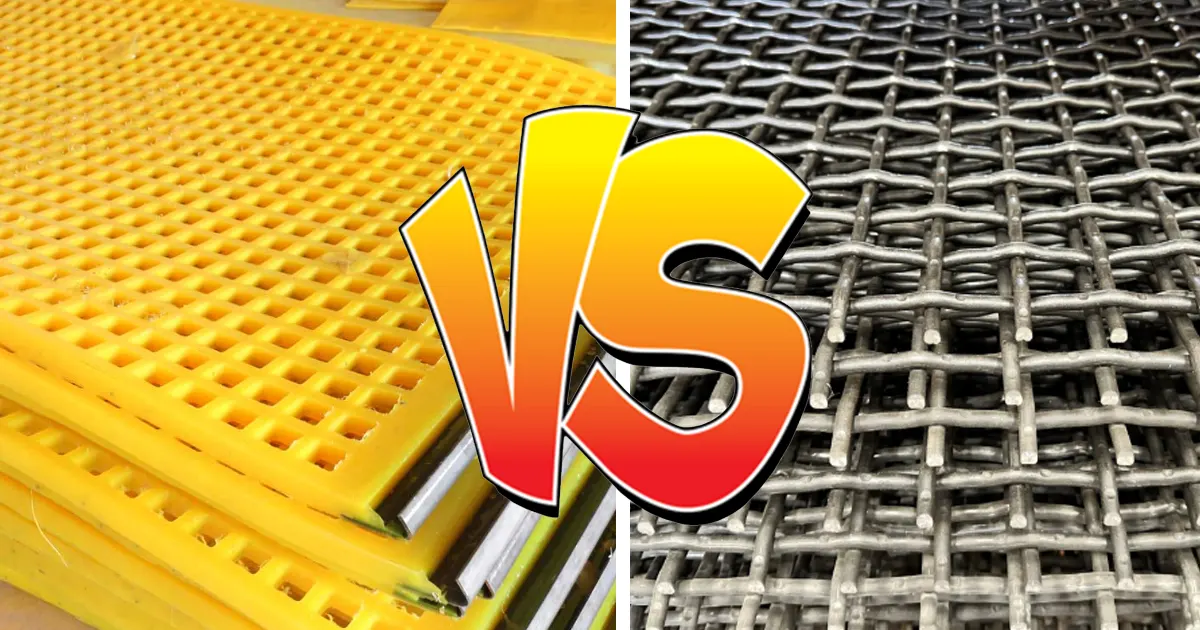
If you want a screen that lasts longer and works better, PU tension screens are usually the best choice when comparing PU tension screens vs wire mesh screens. PU tension screens last up to 6 times longer than metal screens and 3 times longer than stainless steel screens. Here is a quick comparison:
| Screen Type | Service Life Comparison |
|---|---|
| Polyurethane Elastic Screen | 3-6 times longer than ordinary wire mesh screen |
| 3 times longer than stainless steel screen | |
| 3.5 times longer than rubber screen |
Durability, performance, maintenance, cost, and how well the screen fits your needs are important when picking a screen. This blog shows clear differences with facts and data, especially when considering PU tension screens vs wire mesh screens.
Key Takeaways
- PU tension screens last much longer than wire mesh screens. This means you do not have to replace them as often.
- These screens work better with wet or sticky stuff. They help stop clogging and cut down on downtime.
- It is easier to take care of PU tension screens. You do not need to clean them as much.
- There are also fewer emergency repairs. Buying PU tension screens can save you money over time.
- This is because they are strong and work well. PU screens also make the work area quieter.
- They soak up sound and vibration. Picking PU tension screens can help your plant work better.
- They let you move more material and stop work from being interrupted. Wire mesh screens work well for dry materials.
- But they may not last as long in tough places as PU screens. Think about what materials you use and how much care you want to give. This will help you choose between PU tension and wire mesh screens.
PU Tension Screens vs Wire Mesh Screens Overview
Key Differences
When you look at pu tension screens and wire mesh screens, you can spot some big differences. Both types help you sort materials, but they do it in their own ways. Here’s a simple look at what makes them different:
| Feature | Wire Mesh Screens | Polyurethane Screens |
|---|---|---|
| Material | Made from woven steel wire | Molded or cast into panels with fixed apertures |
| Open Area | High open area for excellent throughput | Reduced open area due to thicker panel construction |
| Performance with Wet Material | Prone to blinding when wet or contains fines | Better performance with wet or sticky material |
| Wear Characteristics | Wears through abrasion and metal fatigue | Excels in abrasive applications with predictable wear |
| Maintenance Frequency | Requires frequent panel replacement and tension checks | Longer panel life with fewer emergency replacements |
| Installation Considerations | Requires proper installation to maximize efficiency | Heavier panels may require more time for changeouts |
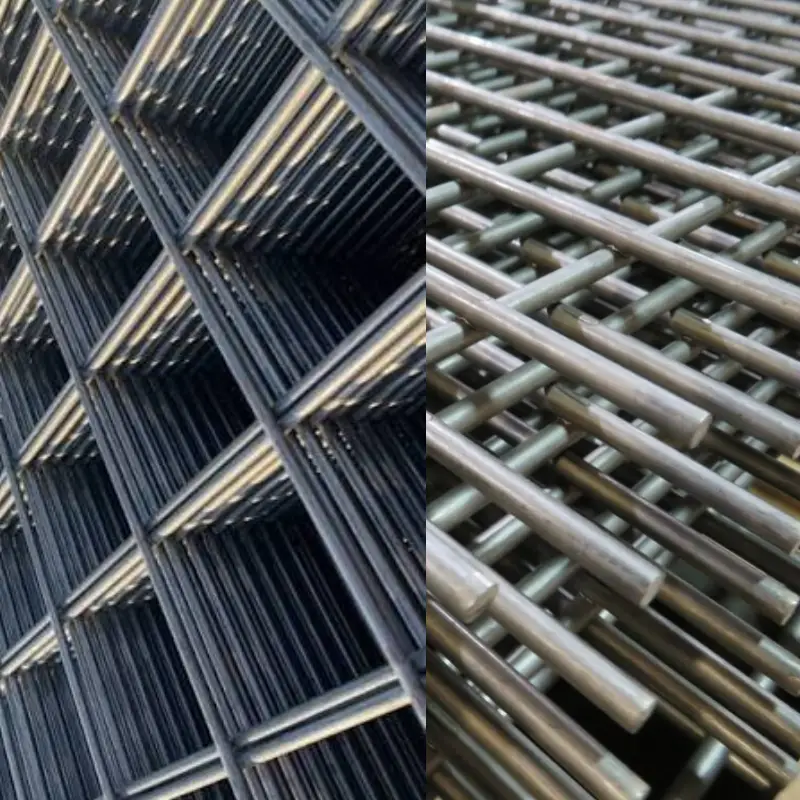
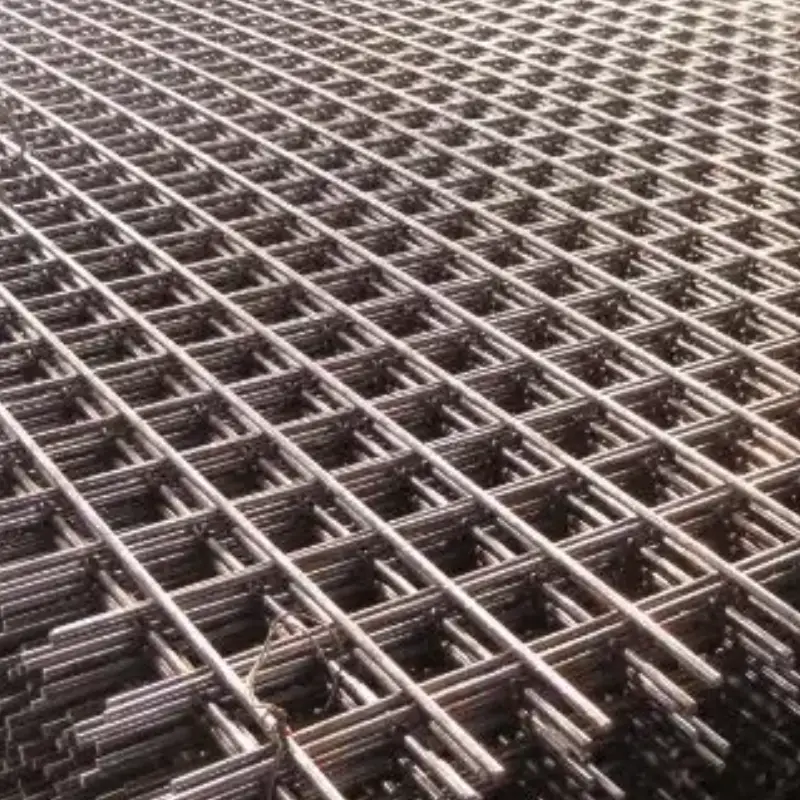
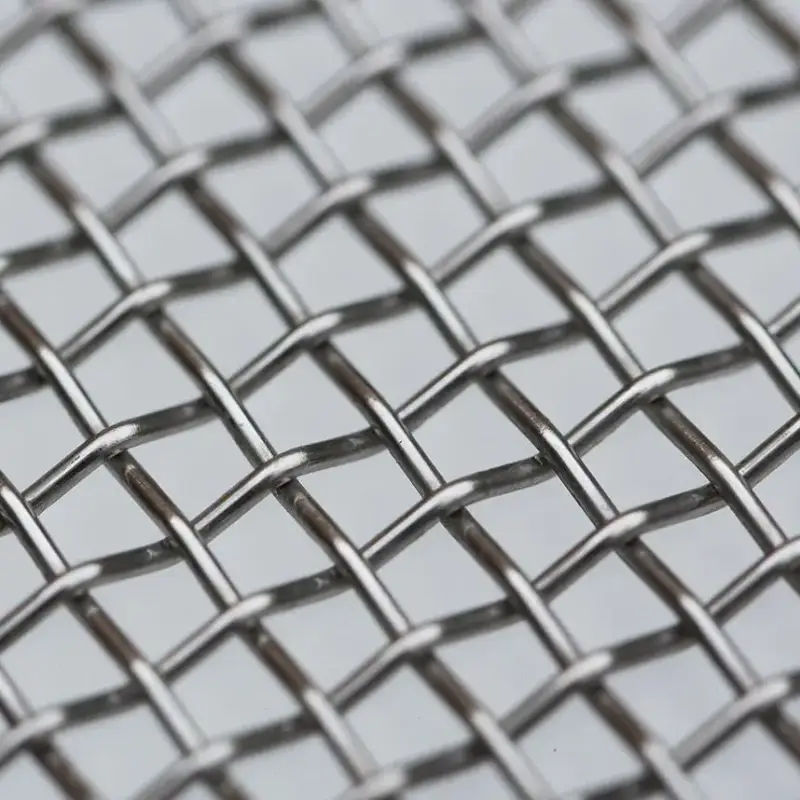
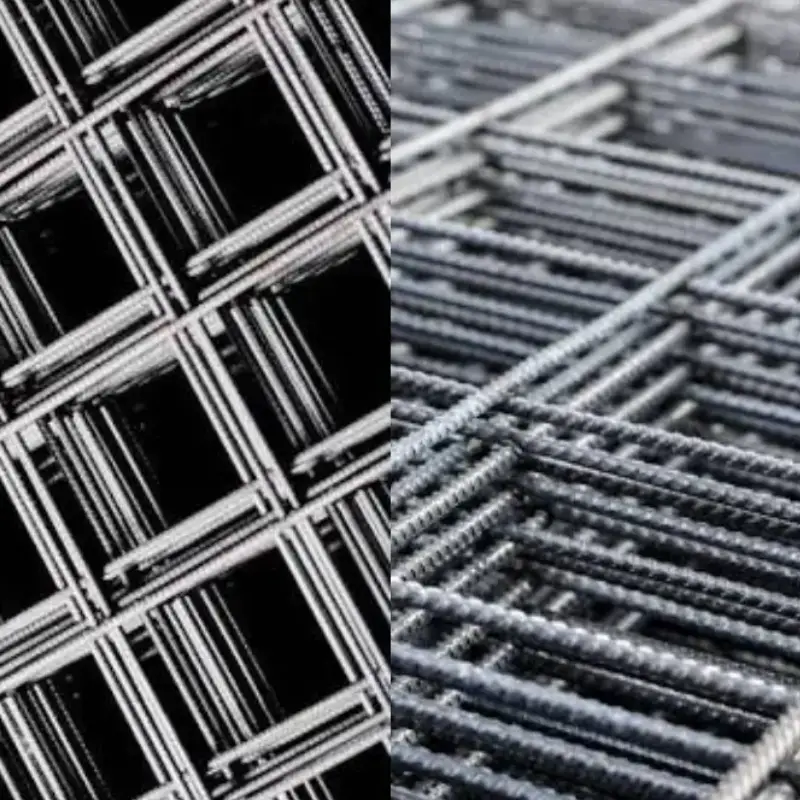
Wire mesh screens use steel wires that are woven together. This gives them lots of open space, so more material can go through fast. But these screens can wear out quickly, especially if you use them with rough or wet stuff. You might have to change them often and check the tension to keep them working right.
Polyurethane screens are made by molding or casting. They have set holes for material to pass through. The panels are thicker, so there is less open space, but they last much longer. If you work with sticky or wet material, polyurethane screens do a better job and don’t get blocked as easily. You won’t need to change them as much, which saves you time and work.
How Each Screen Works
Let’s see how pu tension screens and wire mesh screens work in your plant. Both types need to be tight to work well. When the screen is tight, it separates things better and gives you more accurate results. This also helps the screens last longer because they don’t wear out as fast.
Wire mesh screens stay flat and stiff. They are good for dry and loose material. But if you use them with heavy or sharp rocks, the wires can break or wear down fast. You might have to stop working to fix or change them more often.
Polyurethane screens are different. They bend and take hits without breaking. This helps them last two to three times longer than steel screens. You will have less downtime and fewer repairs. Polyurethane screens also do better with hard jobs, like sorting wet or sticky materials, than wire mesh screens.
When you think about pu tension screens and wire mesh screens, remember your material, how often you do maintenance, and how often you want to change screens. Both types can be useful, but polyurethane screens usually give you more value and less trouble, especially when the work is tough.
Durability Comparison
When you pick a screen for your plant, you want it to last. A strong screen saves you time and money. Let’s see how polyurethane vibrating screens and wire mesh screens compare for durability, wear resistance, and how long they last.
Exceptional Wear Resistance
Polyurethane Vibrating Screen Longevity
Polyurethane vibrating screens are very tough. They can handle hard jobs and do not break easily. These screens use a special mix of materials that makes them both strong and bendy. Tests in labs and real plants show this is true.
| Aspect | Polyurethane Screens | Woven Wire Screens |
|---|---|---|
| Material Composition | Unique blend enhancing toughness | Made from steel |
| Lifespan Comparison | Lasts 50% longer than wire screens | Shorter lifespan |
| Maintenance Needs | Requires less frequent replacements | More frequent repairs |
| Performance in Industry | Lasted 12 months in mining | Needed replacement after 8 months |
| Temperature Integrity | Retains integrity at -30°C | Becomes brittle at low temperatures |
Polyurethane vibrating screens last longer than wire mesh screens. In mining, they can work for a year before you need to change them. Wire mesh screens may only last eight months. The special material helps them stay strong, even when it is very cold. You do not have to fix or replace them as much. This means your plant can keep working longer.
Here are some facts:
- PU-mesh screens are made from polyurethane, so they last longer.
- They need less fixing than wire mesh screens.
- PU screens do not wear out fast and do not clog easily. They work well with sticky or rough stuff.
- Their strength makes them a good choice for tough jobs.
- PU screens are built for hard work, so they last longer.
- Many people pick them when they need something strong.
In one copper mine, using polyurethane screens helped move 40% more material. It also cut down on surprise stops by 67%. Some places use polyurethane screens for over fourteen months without changing them. This shows how strong and useful these screens are.
Wire Mesh Screen Wear Patterns
Wire mesh screens are useful, but they do not last as long as polyurethane vibrating screens. Steel wires can wear out from rubbing and bending. If you use them with sharp or heavy things, the wires can break and holes can form. In cold weather, wire mesh screens can get weak and break faster.
In hard jobs, you might have to fix or change wire mesh screens every few months. This means you stop work more and spend more money. They let a lot of material through, but they do not last as long. They are not the best for really tough or rough jobs.
Impact and Chemical Resistance
A good screen needs to handle more than just wear. It should also stand up to hits and chemicals, especially in mining, building, or waste jobs.
| Application Area | Material Used | Performance Characteristics |
|---|---|---|
| Mining Industry | 65Mn crimped wire mesh | Exceptional resistance to impact and abrasion in harsh environments. |
| Construction and Infrastructure | 65Mn crimped wire mesh | Provides tensile strength and corrosion resistance for long-term structural integrity. |
| Wastewater Treatment and Landfills | 65Mn crimped wire mesh | Effective filtration and solids separation in chemically aggressive waste management applications. |
| Chemical, Food, and Metallurgical Sectors | 65Mn crimped wire mesh | Maintains performance under mechanical stress and exposure to aggressive substances. |
Polyurethane vibrating screens are even stronger. They can take hits from big rocks and sharp things. You can use them where chemicals or water would hurt metal screens. These screens keep their shape and strength, even with acids or strong cleaners. This means they last longer and you do not have to worry about them breaking suddenly.
Wire mesh screens made from 65Mn steel are also strong. They work well in many places, like mining and cleaning water. But if you need a screen that can handle lots of wear, hits, and chemicals, polyurethane vibrating screens are the best.
Tip: If you work with sticky, rough, or strong chemicals, a polyurethane vibrating screen will last longer and work better for you.
Performance Factors
When you pick a screen for your plant, you want more than just a long life. You want it to work well, move lots of material, and keep your workplace safe and quiet. Let’s see how PU tension screens and wire mesh screens do in real jobs.
Screening Efficiency
A good screen should sort materials fast and right. PU tension screens are great at this. They keep working even when things are sticky or wet. You do not need to stop often to clean them. This helps you finish more work in less time.
- In a copper mine in Yunnan, workers used PU tension screens. The screening efficiency went up from 78% to 93.73%. Clogging dropped by 20%. Downtime went down by 70%.
- At a coal washing plant in Indonesia, PU screens made the work twice as efficient. The screens lasted 8 months and downtime was cut by 60%.
Wire mesh screens are good with dry stuff. But they clog when things are wet or sticky. You may spend more time cleaning and less time working. If you want better results and less trouble, PU tension screens are a better choice.
Tip: If you want fewer stops and steady results, PU tension screens are smart for screening efficiency.
Throughput and Material Flow
Throughput means how much material your screen can handle. You want steady throughput to keep your plant running well. PU tension screens help you do this, especially with wet or tough material.
Here is a quick look at how each screen type handles throughput and material flow:
| Screen Type | Throughput Characteristics | Material Flow Characteristics |
|---|---|---|
| PU Tension Screens | Last longer and handle moisture better. | Sorts material well, even when wet. |
| Wire Mesh Screens | Good for open area and cost. | Can clog or slow down, which hurts flow. |
PU tension screens keep moving, so they do not clog easily. This means you get steady throughput, even if things change. Wire mesh screens can move a lot at first, but they may slow down if they clog. You might need to stop and clean them.
In mining and aggregate plants, people say PU tension screens give steady throughput and less downtime. You can count on these screens to keep your plant working, even when things get hard.
Noise and Vibration
Noise is important at work. Too much noise can make it hard to focus and can hurt your ears. PU tension screens help lower noise because the polyurethane absorbs sound and vibration. This makes your work area quieter and safer.
Wire mesh screens can be loud. The metal wires shake and make noise, especially when rocks hit them. This can make your plant noisy and less nice for workers.
Note: If you want a quieter plant and less shaking, PU tension screens are the better choice.
Let’s sum up the performance differences with a simple table:
| Performance Aspect | PU Tension Screens | Wire Mesh Screens |
|---|---|---|
| Durability | Lasts longer because it resists wear | Wears out faster over time |
| Impact Resistance | Bends and goes back to shape | Can break if hit hard |
| Chemical Resistance | Stands up to many chemicals | Can rust or break down |
| Fatigue Resistance | Handles repeated use well | Can crack after lots of use |
| Cost-Effectiveness | Costs more at first, saves money later | Cheaper at first, but does not last as long |
You want a screen that works well, keeps moving material, and lasts a long time. PU tension screens do all these things. They keep moving, do not wear out fast, and help you get more from your plant. If you want less noise, fewer fixes, and more work time, PU tension screens are the best pick.
Maintenance and Lifespan
Cleaning and Blockage
You want a screen that stays clean and keeps working. PU tension screens make this easy. The smooth surface of polyurethane helps stop material from sticking. You will notice less buildup, even when you work with wet or sticky stuff. That means you spend less time cleaning and more time running your plant.
Wire mesh screens can clog fast, especially with fine or damp material. You might have to stop often to clear blockages. This slows down your work and can get frustrating. PU screens handle these problems better. You do not need to clean them as much, so you get more done each day.
Tip: If you want fewer cleaning breaks, PU tension screens are a smart choice.
Replacement Frequency
How often do you want to change your screens? Most people say, “Not very often!” PU tension screens help you with that. They last much longer than wire mesh screens. In many plants, polyurethane screens last up to 10 times longer. You will not need to replace them as much, which saves you time and money.
Here’s a quick look at how often you might need to replace each type:
| Screen Type | Typical Replacement Frequency | Impact on Operations |
|---|---|---|
| PU Tension Screens | Every 12-18 months | Less downtime, lower cost |
| Wire Mesh Screens | Every 2-6 months | More downtime, higher cost |
You will see that PU screens keep working, even in tough jobs. They do not get brittle or break down easily. Companies that switch to polyurethane screens often report lower maintenance costs and better productivity. You can focus on your work, not on changing screens all the time.
Long-Term Reliability
You want a screen you can trust. PU tension screens give you that peace of mind. They resist wear and fatigue, so cracks and breaks are rare. You do not need to worry about surprise failures. The panels stay strong, even when you use them every day.
Let’s look at why PU screens are so reliable:
- Polyurethane panels last longer and need fewer emergency replacements.
- You spend less time on inspections and repairs.
- PU screens handle vibration and heavy loads without cracking.
- They keep their shape and strength, even after months of use.
Wire mesh screens do not offer the same reliability. They can wear out fast, especially in high-vibration jobs. You might see cracks or holes after just a few months. This means more repairs and more downtime.
Note: If you want a screen that works hard and lasts, PU tension screens are the way to go.
You get more uptime, less hassle, and a smoother operation with PU tension screens. That’s why so many plants choose them for long-term success.
Cost-Effectiveness
Initial vs Total Cost
You probably want to know how much you will spend when you buy a new screen. The price matters, but you also need to think about how long the screen will last. If you look at the numbers, wire mesh screens cost less at first. You can get a wire mesh screen for $40 to $120. A pu screen costs more, usually between $80 and $200 for standard types. Heavy-duty pu screens can go up to $350.
Here’s a quick table to show the difference:
| Screen Type | Initial Cost Range | Typical Lifespan |
|---|---|---|
| Wire mesh — mild steel | $40 – $120 | 2–6 weeks |
| Polyurethane — standard | $80 – $200 | 3–8 months |
| Polyurethane — heavy duty | $150 – $350 | 6–14 months |
You pay more for a pu screen, but it lasts much longer. Wire mesh screens wear out fast. You might need to replace them every few weeks. A pu screen can keep working for months, even in tough jobs. If you add up the cost of buying and replacing wire mesh screens, you will see that pu screens save you money over time.
If you want fewer replacements and less downtime, a pu screen is a smart investment.
ROI Over Time
You want your money to work for you. When you use a pu screen, you get more than just a longer life. You also get better performance and lower costs in the long run. Here are some ways a pu screen helps you save:
- You can cut energy use by up to 20% because pu screens work better and need less maintenance.
- Less moisture stays in your material, so you spend less on drying and transport.
- The parts of a pu screen last longer, so you spend about 30% less on replacements over five years.
- If your plant handles more than 500 tons a day, you can get your money back in just 3 to 6 months. That’s because you spend less on repairs and get more work done.
A pu screen keeps your plant running smoothly. You spend less time fixing things and more time making products. You also save money on energy and transport. Over time, the savings add up. You get a better return on your investment.
Choosing a pu screen means you get more value for your money. You spend less, work more, and worry less.
If you want a screen that pays off, a pu screen is the best choice. You get a longer life, lower costs, and a faster return. That’s why so many plants switch to pu screens for their toughest jobs.
Application Suitability
Best Uses for PU Tension Screens
You want a screen that can handle tough jobs and keep working, right? PU tension screens shine in heavy-duty environments. If you work in mining or aggregate plants, you’ll see these screens everywhere. They last a long time, even when you deal with sharp rocks or wet, sticky material.
Here’s a quick look at where PU tension screens work best:
| Application Type | Advantages |
|---|---|
| Mining Screen Panels | Long wear life, stable sizing, great for wet screening, many opening patterns |
| Mining Screen Media | Key for grading, screening, dewatering; boosts efficiency, reduces clogging |
- You’ll find PU panels in mining because they resist wear and keep their shape.
- They work well when you need to screen wet or abrasive materials.
- PU screen media helps you grade, screen, and dewater materials with less downtime.
If you want less clogging and more uptime, PU tension screens are a smart pick. They’re also great when you need consistent sizing and fewer maintenance stops.
Best Uses for Wire Mesh Screens
Wire mesh screens are a classic choice for many jobs. You might pick them if you need something lightweight and flexible. They’re easy to install and cost less up front. Wire mesh screens work well when you need high throughput and fast material flow.
Check out this table to see where wire mesh screens fit best:
| Percentage of Open Area | Best Use Cases |
|---|---|
| Above 50% | Airflow, filtration, sieving |
| 30% – 50% | Safety guards, light screens |
| Below 30% | Security, fine particle block |
- You’ll like wire mesh screens for sorting dry materials by size or density.
- They’re popular in mining, food processing, and even for safety guards.
- You can move a lot of material quickly because of the high open area.
Wire mesh screens are also easy to handle and swap out. If you want a screen that’s simple and budget-friendly, wire mesh is a solid choice.
Decision Guide
Not sure which screen to choose? Let’s break it down. You should think about your material, how often you want to do maintenance, and your budget.
Here’s a handy table to help you decide:
| Factor | PU Tension Screens | Wire Mesh Screens |
|---|---|---|
| Material Type | Great for abrasive, wet, or sticky stuff | Best for dry, free-flowing materials |
| Aperture Size | Stable, less likely to clog | High open area, good for fast flow |
| Wear Resistance | Excellent, lasts longer | Wears faster, needs more replacements |
| Cost Efficiency | Higher upfront, saves money over time | Lower upfront, more frequent changes |
| Maintenance | Less cleaning, fewer replacements | Needs more cleaning and checks |
Tip: If you want long life and less hassle, go with PU tension screens. If you need something quick, light, and affordable, wire mesh screens will do the trick.
Think about your plant’s needs. If you handle tough jobs or wet material, PU tension screens will save you time and money. For simple, dry screening, wire mesh screens are easy and cost-effective. The right choice helps your plant run smoother every day.
Real-World Case Studies
Industry Testimonials
You might wonder what people in the industry really think about PU tension screens and wire mesh screens. Here’s what users say after working with both types:
- Many plant managers love PU tension screens because they stand up to moisture and chemicals. You can use them in tough places like mines or chemical plants without worrying about rust or damage.
- Operators say the thicker panels on PU screens make them stronger. You do not have to stop your plant as often for repairs. This means you get more work done and lose less time.
- Maintenance teams like the modular design of PU screens. You can swap out panels quickly. This makes your job easier and keeps your machines running.
- Some users mention that PU tension screens cost more at first. You might need to plan for a bigger budget when you buy them.
- A few people say installing PU screens can be tricky. Sometimes you need a pro to help you set them up right.
Wire mesh screens get praise for their low price and easy setup. You can install them fast and start working right away. But many users notice they wear out faster, especially with wet or sharp materials. You may need to replace them more often, which can slow you down.
Note: If you want less maintenance and more uptime, PU tension screens get the thumbs up from most users. If you need a quick, low-cost fix, wire mesh screens still have a place.
Field Trial Results
Let’s look at what happens when you put these screens to the test in real plants.
In a gold mine in Australia, workers switched from wire mesh screens to PU tension screens. The PU screens lasted almost a year before needing a change. The old wire mesh screens only lasted about three months. The plant saw 60% less downtime and saved money on repairs.
A sand and gravel plant in the United States tried both types. The PU tension screens handled wet, sticky sand without clogging. Workers spent less time cleaning and more time running the plant. The wire mesh screens clogged often and needed cleaning every shift.
In a coal washing plant, PU tension screens boosted screening efficiency by 20%. The plant moved more material each day. The screens also made the work area quieter, which workers liked.
Here’s a quick summary table:
| Plant Type | PU Tension Screens Result | Wire Mesh Screens Result |
|---|---|---|
| Gold Mine | 4x longer life, less downtime | Frequent changes, more repairs |
| Sand & Gravel | No clogging, easy cleaning | Clogs often, more cleaning |
| Coal Washing | Higher efficiency, less noise | Lower efficiency, noisy |
You can see that PU tension screens help you work faster, safer, and with fewer headaches. If you want to boost your plant’s performance, these real-world results show why many operators make the switch.
Conclusion
You’ve seen that PU tension screens last longer, improve material flow, and help reduce noise. Wire mesh screens are still a good choice for dry, fine materials and applications that need quick replacement.
The right screen depends on your material, working conditions, and production goals. As a manufacturer of PU tension screens and wire mesh screens, we can provide custom solutions to match your equipment and screening needs. Contact our team for reliable products, factory-direct support, and expert advice to help you choose the best screen for your plant.
FAQ
What makes PU tension screens last longer than wire mesh screens?
You get more durability because polyurethane resists wear and tear. It bends instead of breaking. Wire mesh screens can snap or rust faster.
Can I use PU tension screens for wet materials?
Yes, you can. PU tension screens handle wet and sticky materials well. They do not clog easily. You spend less time cleaning.
Are wire mesh screens easier to install?
Wire mesh screens are lighter and flexible. You can install them quickly. PU screens are heavier. You may need extra help for setup.
How often should I replace each screen type?
| Screen Type | Typical Replacement Cycle |
|---|---|
| PU Tension Screens | Every 12–18 months |
| Wire Mesh Screens | Every 2–6 months |
Do PU tension screens reduce workplace noise?
PU tension screens absorb vibration and sound. You notice a quieter work area. Wire mesh screens make more noise when rocks hit them.
Which screen is better for high throughput?
PU tension screens keep material moving, even when it’s wet. Wire mesh screens work well with dry material. You get steady flow with PU screens.
Are PU tension screens worth the higher price?
You pay more upfront, but you save money over time. PU screens last longer and need fewer replacements. You get better value for your plant.