You want the molybdenum mining process to get the most recovery. Screening is very important for this. If you control particle size, you make flotation work better. New studies show fine particles in moraines can make pulp thicker. This causes more gangue minerals to mix in and lowers molybdenum ore recovery. Using sodium silicate helps separate molybdenum from unwanted material. This gives you better results in your mining process.
Key Takeaways
- Screening is very important for getting more molybdenum. It sorts the ore by size. Only the right particles go to flotation.
- Controlling particle size makes flotation work better. Try to keep sizes between 27 and 55 microns. This helps get the most molybdenum.
- Use self-cleaning or polyurethane screens to stop wear and clogging. This keeps the process smooth. It also makes the product better.
- Watch screening settings carefully. Change them based on particle size and solid amounts. This helps you get more molybdenum.
- Combine screening and flotation steps. Use real-time data to change how things run. This makes everything work better.
- Test different flotation reagents. Find the best mix to separate molybdenum. This improves the concentrate quality.
- Use two-stage regrinding to control particle size better. This method gets more molybdenum and cuts down waste.
- Check and fix your screening equipment often. Finding problems early stops downtime. It keeps performance steady.
Screening’s Role in Molybdenum Flotation
Screening and Flotation Efficiency
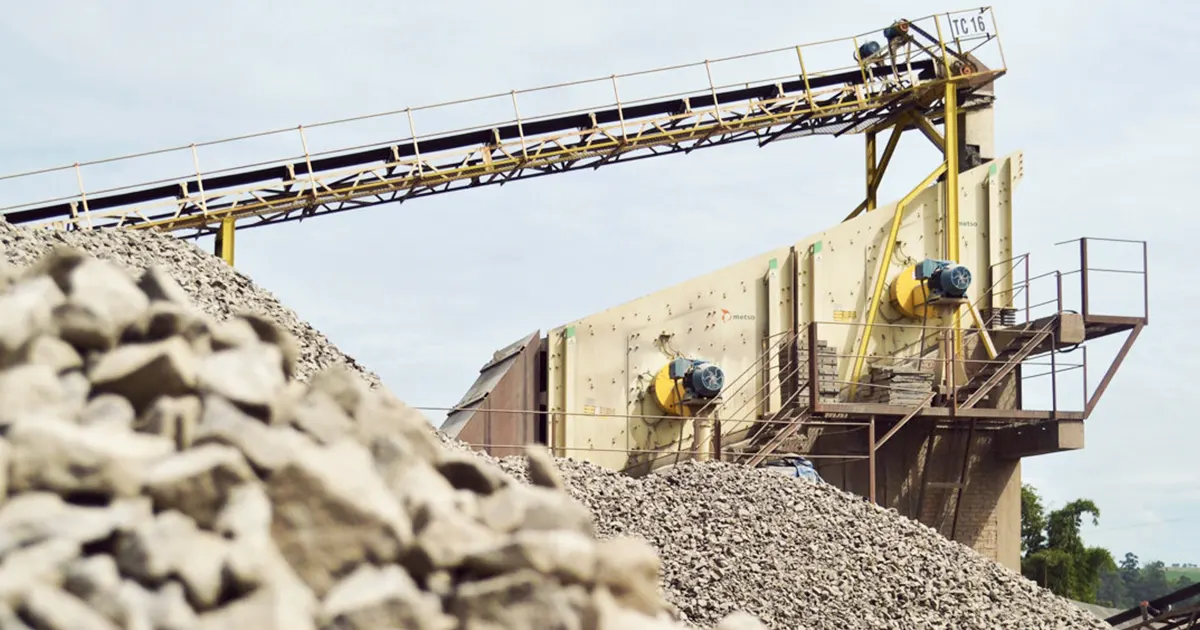
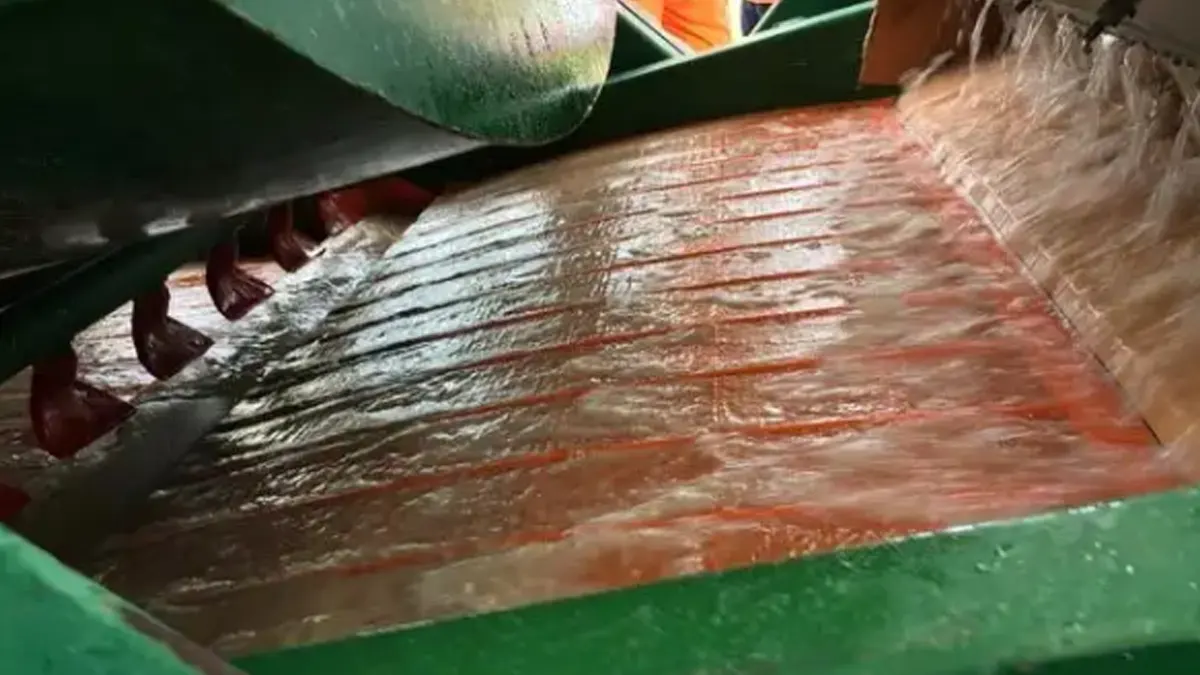
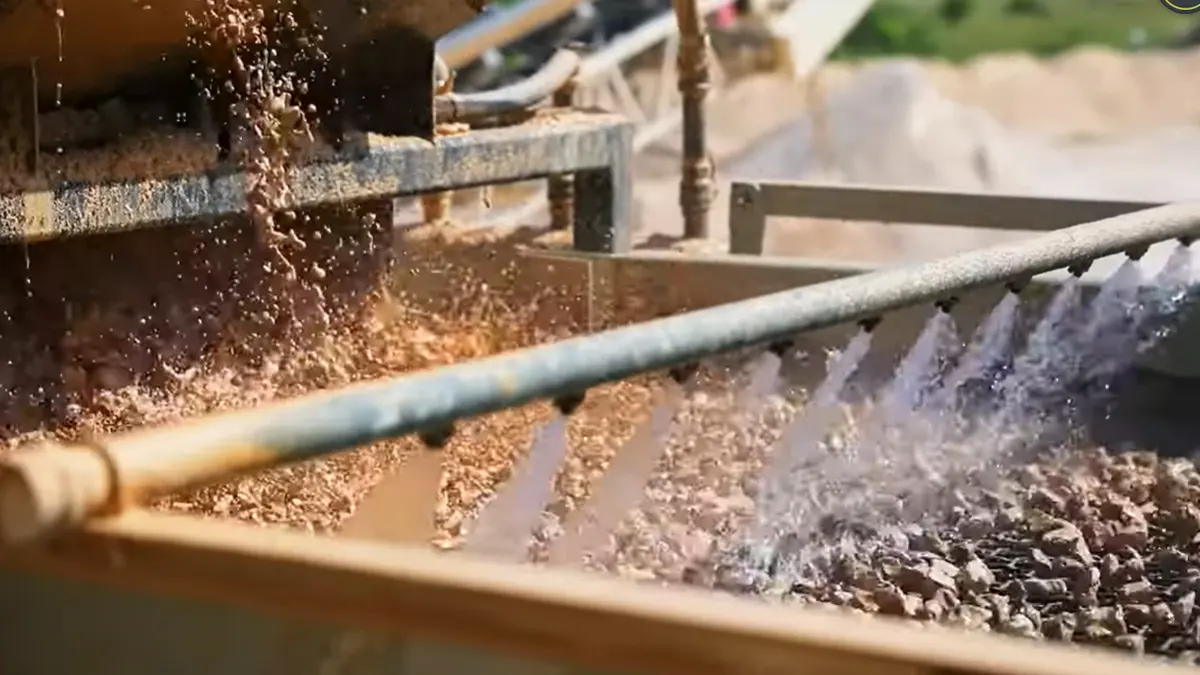
You want to get the best results from your molybdenum mining process. Screening helps you do this job well. When you screen ore, you sort it by size. This step makes molybdenum flotation work better. Sending the right size particles to flotation cells helps you recover more and makes separation work well.
Let’s see what happens when you use good screening:
| Parameter | Result |
|---|---|
| Recovery of −38 + 19 μm molybdenite | 8.5% increase |
| Recovery of −19 μm molybdenite | 14% increase |
Screening helps you get more molybdenite, especially the small pieces. It also keeps the process smooth. At pH 11, which is normal for flotation, both molybdenite and quartz have a negative charge. This means small particles can stick together or float away, so you need to control their size. If you use superhydrophobic magnetic carriers, you can get 14% more fine molybdenite. That is a big improvement.
Particle Size Control in Molybdenum Mining
You must watch particle size closely. If you don’t, you lose molybdenum. Most molybdenite grains are smaller than 10 microns. If you feed the flotation process with particles around 135 microns (P80), you get about 56% of the molybdenite free. Bigger pieces can work too, but you still need to check the size.
Here are some things to remember:
- Particle size changes how much molybdenum you recover.
- Recovery drops fast for particles smaller than 19 microns.
- It is hard to get back particles smaller than 10 microns with regular flotation.
- Small particles do not stick to bubbles well because they are light.
- You can get better recovery by making bubbles smaller or mixing the pulp more.
If you control the size, you get better results. You also make sure the flotation process works its best.
Common Screening Challenges
Screening can be hard. There are some big problems in molybdenum mining. Here is a quick look:
| Screening Challenge | Description | Frequency Impact |
|---|---|---|
| Rapid Wear of Steel Screens | Molybdenum ore’s abrasiveness causes premature aperture deformation. | Significant disruption to operations. |
| Blinding Issues | Fine molybdenite particles clog steel apertures. | Affects recovery rates. |
| Contamination Risk | Iron contamination from worn screens affects final product purity. | Impacts product quality. |
| Maintenance Intensity | Frequent replacements disrupt continuous processing. | Leads to operational inefficiencies. |
Your screens might wear out fast because molybdenum ore is rough. Small particles can block the screen holes, which lowers your recovery. If your screens wear down, iron can mix with your molybdenum and hurt the quality. You also spend more time and money fixing things.
Tip: Try self-cleaning or polyurethane screens to stop blocking and wear. This helps your process run well and keeps your product clean.
When you know these problems, you can plan better and keep your molybdenum flotation process working well.
Molybdenum Mining Process Overview
Key Steps in Molybdenum Mining
You may wonder how the molybdenum mining process works. Let’s look at the main steps:
- Crushing and grinding: First, big rocks get broken into small pieces. This helps you get the molybdenum out.
- Sizing and classification: Next, screens sort the crushed material by size. This is where screening is used.
- Concentration: Then, you separate molybdenum from other minerals. This step makes the molybdenum stronger.
- Dewatering: Last, you take water out of the concentrate. Now the molybdenum is ready for the next step or to sell.
Each step helps you get closer to pure molybdenum concentrate. Screening is very important in the sizing and classification step. You want only the right-sized pieces to move on.
Screening in the Process Flow
Screening is not just done once in the molybdenum mining process. You use it at different times to keep things working well. After crushing and grinding, screens separate fine pieces from big chunks. Small pieces go to the next step. Big pieces go back for more grinding.
You also use screening when you clean and re-clean the ore. This helps you get as much molybdenum as you can. If you skip screening, you might lose molybdenum. You could also send the wrong size to flotation. This can make recovery rates worse.
Tip: Good screening gives you more molybdenum and less waste. You also save time and energy in the molybdenum process.
Crushing, Screening, and Flotation Link
It is important to see how crushing, screening, and flotation work together. Crushing breaks the ore into smaller pieces. Screening sorts the pieces by size. Flotation separates molybdenum from other minerals.
Here’s how these steps fit together:
| Step | What You Do | Why It Matters |
|---|---|---|
| Crushing | Break ore into smaller pieces | Gets ore ready for screening |
| Screening | Sort by particle size | Sends right size to flotation |
| Flotation | Separate molybdenum from gangue | Gives you a better concentrate |
If you get the size right with screening, flotation works better. You get more molybdenum and less waste. The molybdenum mining process is also more efficient.
When you follow these steps, you do better in mining. You get a better product, save resources, and improve recovery rates. That is why screening is so important in the molybdenum mining process.
Screening Equipment and Techniques
Woven Wire Screens
You see woven wire screens in many mining operations. These screens use steel wires woven together to make a strong mesh. You can choose different wire sizes and shapes to fit your needs. Woven wire screens work well for sorting large and medium-sized particles. You get good accuracy and fast screening. If you want a simple and reliable option, woven wire screens are a solid choice.
You can clean these screens easily. You just brush or wash them. They last a long time if you handle them right. Sometimes, you notice the wires wear out quickly when you process rough ore. You may need to replace them more often in heavy-duty jobs. Still, woven wire screens give you a good balance between cost and performance.
Self-Cleaning Screens
You want your screening process to run smoothly. Self-cleaning screens help you do that. These screens use wires that vibrate on their own. This keeps the screen clear and stops material from building up. You spend less time fixing clogs and more time getting results.
Here’s what you get with self-cleaning screens:
- You prevent material buildup because the wires move independently.
- You reduce clogging, which is a big problem with traditional screens.
- You extend the lifespan of your screens by three to five times compared to regular steel screens.
- You lower maintenance costs and keep your operation running longer.
If you work with molybdenum ore, you know how sticky and fine the particles can be. Self-cleaning screens keep your process efficient and help you avoid downtime. You get more out of your equipment and save money in the long run.
PU-Mesh Screens
PU-mesh screens use polyurethane instead of steel. You notice these screens are lighter and quieter. They handle tough jobs and resist abrasion well. You can use them for molybdenum screening when you want high efficiency and less noise.
Let’s look at the benefits and limitations:
| Benefits | Limitations |
|---|---|
| High screening efficiency | Limited high-temperature tolerance |
| Superior abrasion resistance | Lower tear strength |
| Lightweight design | Higher upfront cost |
| Strong chemical resistance | |
| Low-noise operation |
You get strong chemical resistance and low noise with PU-mesh screens. They last longer when you work with rough materials. You pay more at first, but you save on repairs and replacements. If you need to screen molybdenum in a harsh environment, PU-mesh screens are a smart pick. Just remember, they don’t handle high heat as well as steel screens.
Tip: Try mixing different screen types in your process. You can match the right screen to each stage and boost your efficiency.
Screening Parameters
You want your molybdenum flotation process to work at its best. To do that, you need to pay close attention to screening parameters. These are the key settings and measurements that control how well your screens sort the ore. If you get these numbers right, you send the perfect particle sizes to the next step. That means you recover more molybdenum and waste less material.
Let’s break down the most important screening parameters you should watch:
| Parameter | Value |
|---|---|
| Fine product < 20 microns | 70.0% |
| Fine product < 10 microns | 40.0% |
| Particles < 7 microns | 25.0% |
| Hydrocyclone cut size | 38.0 microns |
| d90 of hydrocyclone feed | 62.0 microns |
| d90 of hydrocyclone overflow | 55.0 microns |
| d90 of hydrocyclone underflow | 68.0 microns |
| Solid percentage of feed | 12.0% |
| Solid percentage of underflow | 15.0% |
You can see from the table that a lot of your product ends up as very fine particles. For example, 70% of your screened product is smaller than 20 microns. That’s a big deal! If you send too many fine particles to flotation, you might lose molybdenum because these tiny pieces don’t float well. You want to keep an eye on the hydrocyclone cut size, too. This number tells you the size where the screen splits the material. In this case, it’s 38 microns.
You also need to check the solid percentage in your feed and underflow. If you have too much water, your screens won’t work well. If you have too little, the material can clog up. Try to keep your feed around 12% solids and your underflow at 15%. This helps your screens run smoothly and keeps your process stable.
Tip: Adjust your screening parameters often. Small changes can make a big difference in how much molybdenum you recover.
Here’s a quick checklist to help you stay on track:
- Watch the size of your fine product.
- Set your hydrocyclone cut size for your target particle range.
- Balance your solid percentages for smooth screening.
- Check your d90 values to see if your screens are working right.
When you control these screening parameters, you set yourself up for better flotation results. You get more molybdenum, less waste, and a process that runs like clockwork. Keep testing and adjusting, and you’ll see the benefits in your recovery rates.
Particle Size Optimization for Flotation
Uniform Particle Size Benefits
You want your flotation process to work as well as possible. Getting a uniform particle size helps you do that. When you send particles of the same size to flotation, you make it easier for bubbles to pick up the right minerals. This means you recover more valuable material and waste less. Uniform size also keeps your equipment running smoothly. You spend less time fixing clogs or dealing with uneven flow.
A steady particle size helps you control the whole process. You can set your machines to work at their best. You also get more reliable results from your beneficiation testing. When you know what size you are working with, you can trust your test results and make better decisions.
Tip: Try to keep your particle size between 27 and 55 microns. This range gives you the best chance for high recovery in flotation.
Oversized and Undersized Effects
If your particles are too big or too small, you run into problems. Oversized particles do not float well. They are heavy and sink to the bottom. You lose valuable molybdenum this way. Undersized particles, on the other hand, can stick to unwanted minerals or get lost in the water. They do not attach to bubbles easily.
Let’s look at what happens:
| Particle Size | What Happens in Flotation | Result for Recovery |
|---|---|---|
| Too large (>135µm) | Sinks, hard to float | Lower recovery |
| Too small (<19µm) | Stays in water, hard to collect | Lower recovery |
| Just right (27–55µm) | Attaches to bubbles, floats well | Higher recovery |
You want to avoid both extremes. If you have too many big or tiny particles, your beneficiation results will not be as good. You might see a drop in both molybdenite and copper recovery when your size range is off.
Achieving Optimal Size Distribution
You can reach the best size distribution by using a few smart steps. First, crush and grind your ore finely. This helps free up the molybdenite from the rock around it. Next, use screens and cyclones to sort the particles by size. Aim for a flotation feed size of about 135 microns (P80). At this size, you can get a liberation rate of 56%, which is enough for good flotation.
Here are some ways to get the right size:
- Crush and grind the ore until most particles are between 27 and 55 microns.
- Use screens to remove oversized pieces.
- Adjust your grinding settings based on your beneficiation testing results.
- Check your particle size often and make changes as needed.
Remember: The right size means better flotation, less waste, and a smoother beneficiation process.
When you focus on particle size, you set yourself up for success. You get more value from your ore and make your whole operation more efficient.
Molybdenum Flotation Process and Reagents
Flotation Separation Principles
You want to get as much molybdenum concentrate as you can. The flotation process helps you do this. It works by using differences in how minerals act on their surfaces. In molybdenum flotation, you separate good minerals from waste. Some particles become water-repellent, which means they do not mix with water. These water-repellent particles stick to air bubbles. They float to the top, and you can collect them as concentrate.
Let’s see how different reagents help in this process:
| Reagent | Mechanism | Effectiveness |
|---|---|---|
| TGA | Inhibitor | Works well for separating molybdenite because it is more water-repellent |
| BX | Collector | Good at helping minerals float in flotation |
| AHS | Depressant | Strongly stops chalcopyrite from floating, but does not affect molybdenite much |
You use these reagents to control what floats and what stays. For example, AHS sticks to chalcopyrite and keeps it from floating. This gives you a cleaner molybdenum concentrate. TGA is a good depressant, especially when the pH is between 8 and 9. Molybdenite’s strong bonds also help it float better than other minerals.
Tip: Always check your pH and reagent mix. This helps you get the best recovery.
Flotation Agents and Collectors
You need the right agents and collectors to get better molybdenum flotation results. These chemicals help you get more concentrate and make your product better.
Xanthates and Dithiophosphates
Xanthates and dithiophosphates are common collectors in flotation. They stick to molybdenite and make it more water-repellent. This helps the mineral stick to bubbles and float up. But studies show xanthates and dithiophosphates do not always give you the best concentrate grades. They work, but sometimes you get lower quality compared to using vapor oil or other collectors.
| Collector Type | Impact on Recovery Rates |
|---|---|
| Xanthate | Can replace vapor oil, but gives lower concentrate grades |
| Dithiophosphates | Not very good as collectors |
You might try xanthates if you want to use something instead of vapor oil. But you should watch your concentrate quality.
Pine Oil and Dodecylamine (DDA)
Pine oil and DDA do different jobs. Pine oil is a frother. It helps make bubbles that carry molybdenum to the top. DDA is an amine-based chemical. It can act as a depressant, which means it keeps unwanted minerals from floating. If you use too much DDA, you might get less recovery, so you need to balance your mix.
Here is a quick list of common agents and what they do:
- Pine oil: Makes bubbles for flotation.
- DDA: Stops unwanted minerals from floating, but too much lowers recovery.
- Kerosene and diesel: Help molybdenite float by making it more water-repellent.
Note: Try batch flotation tests to see which mix works best for your ore.
Superhydrophobic Magnetic Carriers (SMC)
You can get more molybdenum concentrate by using superhydrophobic magnetic carriers. These special materials grab fine molybdenite particles that are hard to catch in regular flotation. SMCs have a strong magnetic center and a water-repellent outside. They pick up tiny molybdenum particles and help them float with bubbles. This method helps you recover more, especially for small particles.
If you want to get the most from your ore, try adding SMCs to your process. You will see better results in your batch flotation tests and get higher molybdenum concentrate grades. It is easier to float only the minerals you want, and you waste less valuable material.
Remember: The right reagents and new techniques can really help your molybdenum flotation results.
Two-Stage Regrinding
You want to get the most molybdenum out of your ore. Two-stage regrinding helps you do that. This method means you grind the ore, float it, and then grind it again before a second round of flotation. You break down the ore in two steps instead of one. This gives you better control over particle size.
Here’s how it works. First, you grind the ore and send it through the first flotation. You collect the rough concentrate. Then, you grind this concentrate again. The second grinding makes the particles even smaller. Now, you send the fine material to another flotation cell. This second round helps you catch the molybdenum that did not float the first time.
Why does this matter? Some molybdenum sticks to other minerals or stays locked in bigger pieces. The first grind frees a lot of it, but not all. The second grind breaks up the rest. You get more molybdenum in your final product. You also make your concentrate cleaner. This means less waste and higher profits.
Tip: Check your particle size after each grind. If you see too many big pieces, adjust your grinding time or settings.
You can use two-stage regrinding in both small and large mines. It works well when you want high recovery and good concentrate quality.
Laboratory Flotation Testing
You want to know if your flotation process works before you use it on a big scale. Laboratory flotation testing helps you do that. You can test small samples and see what works best.
Here’s a simple way to run these tests:
- Sample preparation: Start by crushing and grinding your ore sample. You want to free the molybdenite from the waste rock. This step makes sure your test results are true.
- Conditioning phase: Mix your sample with water and add different chemicals. Try out various collectors and frothers. Watch how each one changes the recovery and grade of your concentrate.
- Flotation process: Run the flotation test. Adjust the air flow and mixing speed. See how well the bubbles pick up the molybdenum. Fine-tune these settings to get the best results.
- Analysis: Look at your results. Check how much molybdenum you recovered and how pure your concentrate is. Use this data to improve your process for the next test.
You can repeat these steps with different settings. Each test helps you learn more. You find the best way to recover molybdenum from your ore. You also save time and money by fixing problems before you scale up.
Note: Good lab testing leads to better decisions in your plant. You get higher recovery and better concentrate quality.
When you use these methods, you set yourself up for success in the flotation process.
Optimizing Screening and Flotation
Equipment Selection
You want your molybdenum mine to work well. The equipment you pick is very important. It helps your process run better and faster. You need to choose screens and flotation cells that fit your ore and particle size. Woven wire screens are good for big particles. Self-cleaning screens are best for sticky or tiny pieces. PU-mesh screens last longer and do not wear out fast, even in tough places.
When you pick flotation cells, think about their size and shape. Some cells are better for small particles. Other cells are good for bigger pieces. You also need pumps and cyclones to keep things moving. If your equipment matches your process, you get better results. You also have fewer problems and breakdowns.
Tip: Check your equipment often for damage. Change old parts before they break. This keeps your process working well and your product clean.
Process Control and Automation
You can make your flotation process better with smart controls. New technology lets you watch and change your system right away. Here are some good tools you can use:
| Technology Type | Description |
|---|---|
| Instrumentation | Sensors check pulp levels and chemical amounts for better control. |
| Machine Vision | Cameras and software watch flotation cells and find problems early. |
| Multivariate Predictive Control | Models change settings to keep the process steady and working well. |
| Artificial Intelligence Methods | AI uses data to help you make better choices and improve results. |
| Advanced Control Techniques | Smart controls handle hard jobs and make mineral separation better. |
| Traditional PID Controllers | Old controllers are okay for easy jobs but not for fast-changing systems. |
| Base Level Process Control | Simple controls keep pulp levels and chemicals steady. |
| Instrumentation Advances | New sensors measure air recovery and other things for better flotation. |
| Control Levels | Different control layers help you manage machines and keep things running smoothly. |
| Model Predictive Methods | These methods help when you need to change things quickly. |
These tools help your mine work better. Machine vision and AI find problems before they get big. Predictive controls keep your system working its best. If you want more molybdenum, try using automation.
Note: Add new sensors and software to your plant. You will see better results in your tests and daily work.
Troubleshooting and Best Practices
You will have problems with screening and flotation sometimes. Knowing how to fix them helps you do a better job. Here are some ways to solve common problems:
| Strategy | Description | Impact |
|---|---|---|
| Managing pH levels | Add lime to make pH higher and stop pyrite in Cu-Mo circuits. | Stops unwanted minerals from floating and makes your concentrate better. |
| Optimizing grind size | Grind the ore fine enough to free molybdenite from waste rock. | Stops losing molybdenum and avoids too many tiny pieces that hurt flotation. |
| Controlling pulp density | Keep the mix just right for good particle movement. | Helps bubbles and particles meet and gives enough time in flotation cells. |
| Using chemical depressants | Use special chemicals for carbon-rich materials and talc. | Cuts down on contamination and makes your final product better. |
| Adjusting flotation time | Give enough time for bubbles to grab the particles. | Stops missing molybdenum and keeps your concentrate grade high. |
Check your pH often. Change your grind size if your tests say so. Keep pulp density steady for the best results. Use the right chemicals to keep your concentrate clean. Give your flotation enough time to work. These tips help you get more molybdenum and keep your mine running well.
Tip: Make a checklist for daily checks. This helps you find problems early and keeps your mineral separation working well.
Integrating Screening and Flotation
You want your molybdenum recovery to reach its highest potential. To do this, you need to connect your screening and flotation steps. When you link these two parts, you create a smooth process that gives you better results and less waste.
Start by thinking about your process as a team. Screening gets the right particle size. Flotation separates the valuable molybdenum from the rest. If you send the wrong size to flotation, you lose molybdenum. If you screen well, you give flotation the best chance to work.
Let’s break down how you can connect these steps:
- Set up feedback loops: Use sensors to check particle size after screening. If you see too many big or small pieces, adjust your screens or grinding settings.
- Balance your flows: Make sure the amount of material going to flotation matches what your cells can handle. Too much or too little can hurt your recovery.
- Use real-time data: Watch your process with cameras and sensors. Change your settings as soon as you see a problem.
Tip: Try to keep your particle size steady. This helps your flotation cells work at their best.
You can also learn from real mines. In Chile, a copper processing plant used screening and flotation together to recover more molybdenum. They crushed slag, screened it, and sent the right size to flotation. This helped them find more molybdenum in the tailings. The process showed that when you connect screening and flotation, you get more value from your ore.
Here’s a simple table to show how integration helps:
| Step | What You Do | Benefit |
|---|---|---|
| Screening | Sort particles by size | Send best size to flotation |
| Flotation | Separate molybdenum | Higher recovery, less waste |
| Feedback/Adjustment | Use data to tweak process | Keep everything running smooth |
You can also set up meetings with your team. Talk about what works and what needs fixing. Share your data and ideas. When everyone works together, you solve problems faster.
Remember, integration is not just about machines. It is about people, data, and action. When you connect your screening and flotation, you make your whole process stronger. You get more molybdenum, save money, and help your mine succeed.
Note: Start small. Make one change at a time. Watch your results and keep improving. Integration is a journey, not a one-time fix.
Conclusion
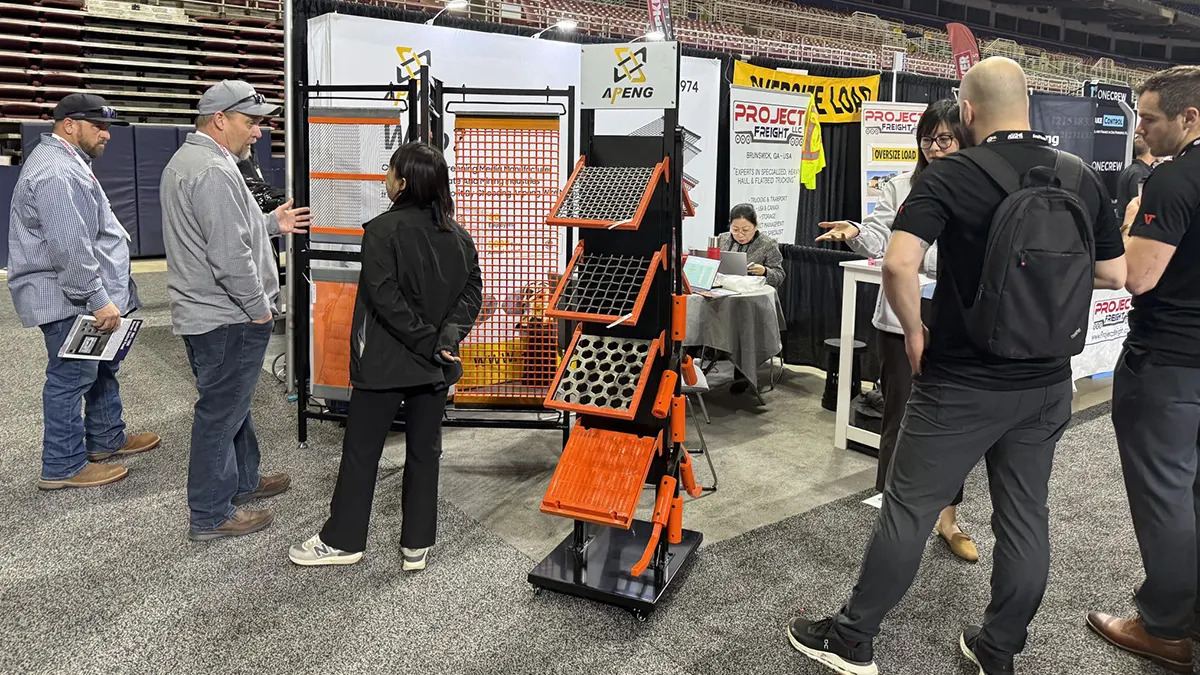
You can get more molybdenum ore if you use smart screening and good flotation steps. Choosing the right equipment helps you collect more molybdenum concentrate. Using process control also helps you reach the best recovery. If you want to recover a lot in mining, try new flotation ideas and keep your process working well. For hard jobs, Anpeng Wire Mesh Filter Equipment Co., Ltd. has strong screening tools. Look at their products and see where you can use them:
| Product Range | Application Areas |
|---|---|
| Industrial Woven Wire Mesh | Mining |
| Screening Media | Aggregate Processing |
| Self-Cleaning Screens | Concrete |
| Polyurethane Screening Solutions | Recycling |
| Custom Screening Media Solutions | Broader Industrial Sectors |
Keep learning and use smart ways to work. You will get better recovery and cleaner molybdenum concentrate.
FAQ
What is the main goal of screening in molybdenum mining?
You want to sort the crushed ore by size. This helps you send only the right-sized particles to the flotation process. Good screening means you recover more molybdenum and waste less material.
Why does particle size matter for flotation?
If your particles are too big, they sink. If they are too small, they float away or stick to the wrong minerals. You get the best recovery when your particles are just the right size.
How often should you check your screening equipment?
Check your screens every day. Look for holes, wear, or blockages. Quick checks help you catch problems early and keep your process running smoothly.
What are the signs of a clogged screen?
You might see less material passing through. The screen may look dirty or blocked. Your recovery rates can drop. If you notice these signs, clean or replace your screen right away.
Can you use different screen types in one plant?
Yes! You can mix woven wire, self-cleaning, and PU-mesh screens. Each type works best at different stages. Mixing them helps you get better results and longer equipment life.
What chemicals help molybdenum flotation?
You use collectors like xanthates, frothers like pine oil, and depressants like DDA. These chemicals help separate molybdenum from other minerals. Try different mixes to see what works best for your ore.
How does automation improve the process?
Automation uses sensors and smart controls. You get real-time data and can adjust settings fast. This keeps your screening and flotation working at their best, even if things change.
Who can help with tough screening jobs?
You can reach out to Anpeng Wire Mesh Filter Equipment Co., Ltd. They offer strong and reliable screening solutions for mining and other heavy-duty industries.