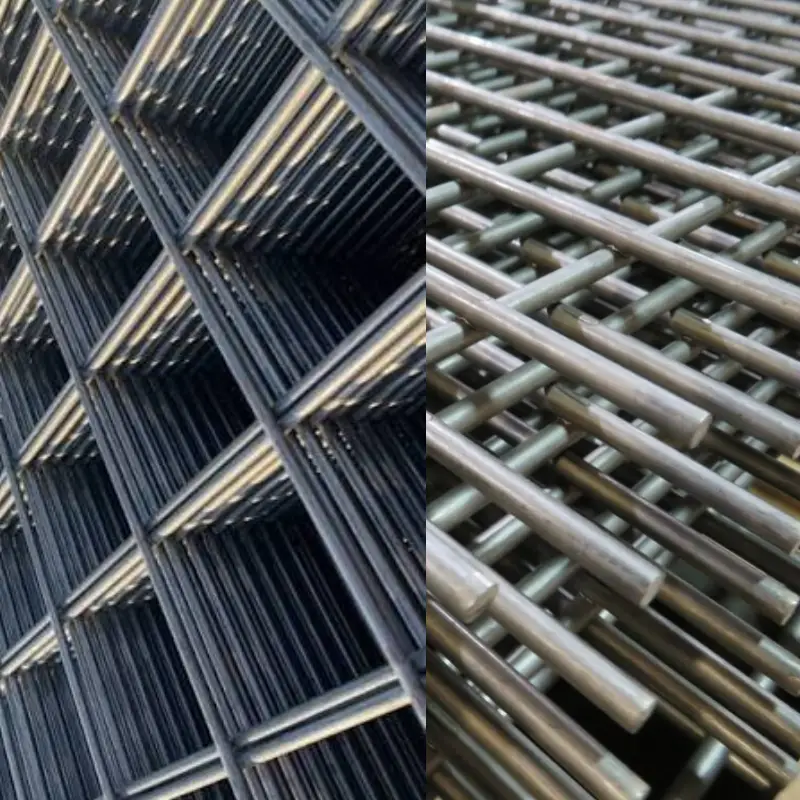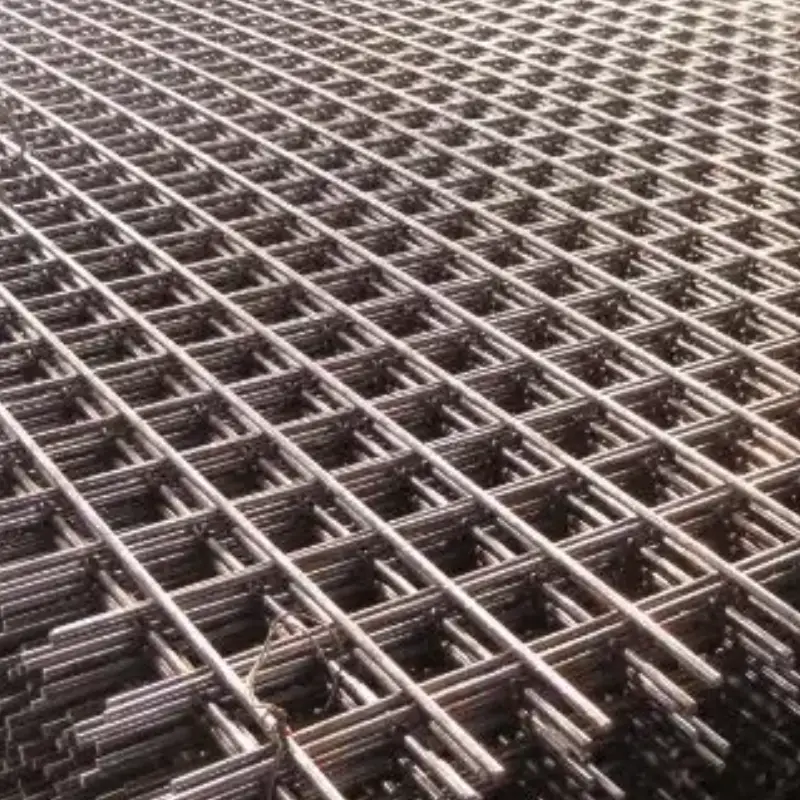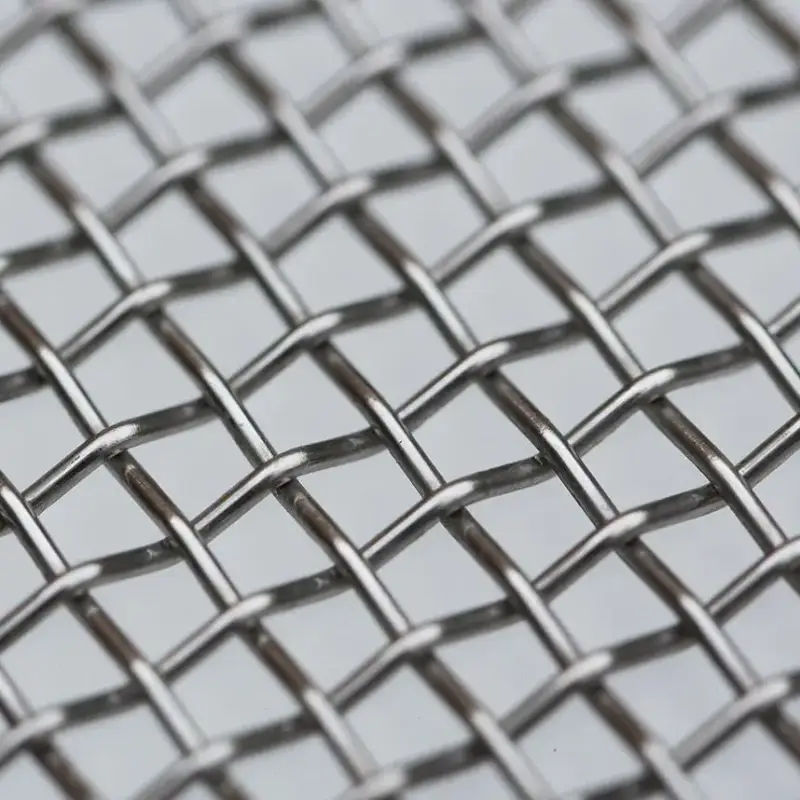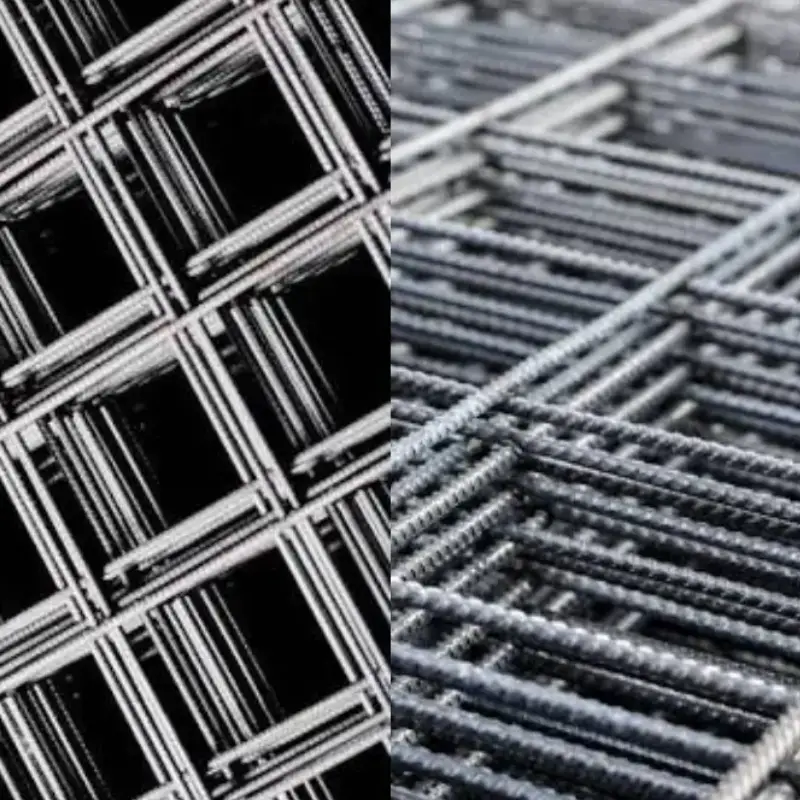
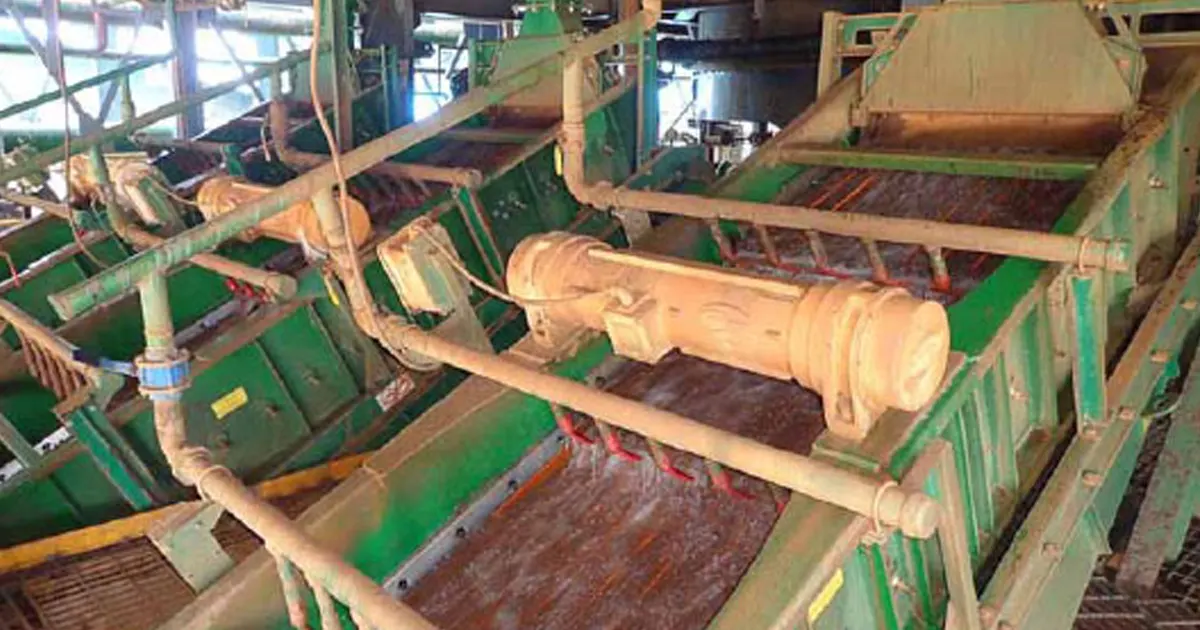
Wet screening can be very annoying when things get sticky and wet. Mesh blinding makes your work slower and less efficient. Operators notice screens get blocked, particles stick, and product quality goes down. If moisture is over 17%, it gets even worse. Screens clog more and particles move less. You can fix this by picking the right mesh, adjusting tension, and using cleaning tools. These easy fixes help you work faster and keep your screening results good.
Key Takeaways
- Screen blinding makes your work slower and lowers product quality. Fix it fast to keep things running well.
- High moisture makes materials sticky and causes screen blinding. Watch moisture levels to stop clumps from forming.
- Pick the right screen media, like polyurethane panels or self-cleaning screens. This helps stop blinding and lets more material pass through.
- Check and clean screens often. Look for blockages every shift to keep things working smoothly.
- Change the stroke and speed of vibrating screens to work better. Find the best setting for your material.
- Use ball trays and anti-blinding devices to keep screens clear. These tools help things move and lower downtime.
- Spread feed evenly across the screen deck for best results. Do not let material pile up in one spot to help separation.
- Watch your screens closely. Fix small problems fast to stop bigger issues and save time.
Wet Screening Challenges
Causes of Screen Blinding
You might wonder why screen blinding happens so often in wet screening. The main reasons come from the material, how you run your equipment, and the type of screen media you use. Take a look at this table to see the most common causes:
| Category | Cause Description |
|---|---|
| Material Factors | High moisture content leads to fine particles sticking together and coating the screen. Clay acts like glue, coating the screen and filling openings. Near-size particles can wedge in. |
| Operating Factors | Excessive feed rate creates a thick bed, making it harder for fines to reach openings. |
| Media Factors | The shape of screen holes affects blinding; square holes can trap near-size particles, while slots reduce pegging. |
When you deal with wet conditions, you see particles stick together and block the screen. If you push too much material onto the deck, the bed gets thick and particles cannot move freely. The wrong screen shape can also make screen blinding worse. Square holes often trap near-size particles, while slots help reduce screen plugging.
Impact of Moisture and Sticky Material
Wet conditions make everything harder. When you add moisture, sticky material forms clumps. These clumps coat the screen and fill the openings. You see screen blinding get worse as particles glue themselves to the mesh. This leads to screen plugging, which slows down your process.
- Sticky materials and damp feeds clump together and blind the screen.
- Wet conditions cause particles to stick, making it tough for them to pass through.
- You notice more screen plugging when you handle clay or fine particles.
If you do not control moisture, you lose throughput and your separation accuracy drops. Wet screening needs careful attention to water content and feed consistency.
Near-Size Particles and Pegging
Near-size particles cause some of the biggest headaches. These particles are almost the same size as the screen openings. They wedge themselves in and cause screen blinding and screen plugging. You see this problem most with particles that are 0.75 to 1.5 times the size of the opening.
- Near-size particles are hard to screen because they fit just right to get stuck.
- Pegging happens when these particles jam into the holes and block other particles.
- Wet conditions make pegging worse, as sticky particles hold each other in place.
You need to watch for these challenges every day. If you ignore them, you will see lower throughput and poor separation. Wet screening works best when you manage moisture, feed rate, and screen design to keep particles moving and reduce screen blinding.
Screen Blinding and Efficiency Loss
Throughput Reduction
You want your vibrating screen efficiency to stay high, but screen blinding gets in the way. When you run vibratory screens, you notice that wet, sticky material blocks the openings. This blockage means less material passes through. Your vibrating screen efficiency drops fast. You see piles of unscreened material building up. The vibrating action can’t push the particles through if the holes are blocked. You might try to increase the speed or shake the deck harder, but that only helps a little. The real problem is that screen blinding cuts down the open area. Less open area means less throughput. Your vibratory screens slow down, and your plant’s performance suffers.
Let’s say you run a sand plant. If your vibrating screens blind, you get a backup on the feed conveyor. You have to stop the line and clean the deck. Every time you stop, you lose production. Vibrating screen efficiency drops, and you miss your targets for the day. You want to keep your vibratory screens clear to keep your throughput up.
Product Quality Issues
Screen blinding does more than slow you down. It hurts your product quality, too. When you use vibratory screens, you want clean separation. If the screen blinding gets bad, you see more oversize or undersize material in your final product. Your vibrating screen efficiency drops, and your customers notice the difference.
Here’s what happens when screen blinding affects your screening efficiency:
- The available screening area shrinks, so you get less production and lower vibrating screen efficiency.
- Clogged screen holes from near-size particles or fibrous material cause partial blinding. This makes it hard to predict throughput.
- The final product quality drops because the vibrating screens can’t separate materials the right way.
You want your vibratory screens to deliver top performance. If you ignore screen blinding, you risk sending out batches that don’t meet specs. That means more complaints and possible returns.
Increased Maintenance
Screen blinding also means more work for you and your crew. When your vibratory screens blind, you have to stop and clean them. This takes time and effort. You might need to swap out panels or use special tools to clear the deck. Every time you stop your vibrating screens, you lose valuable production time. Your vibrating screen efficiency drops, and your costs go up.
You also put more stress on your equipment. When your vibratory screens run with blocked holes, the motors and bearings work harder. This can lead to breakdowns and more repairs. You want to keep your vibrating screen efficiency high to avoid these problems. Regular cleaning and checks help, but the best way is to prevent screen blinding in the first place.
Tip: Watch your vibrating screens closely. If you see throughput dropping or hear strange noises, check for screen blinding right away. Quick action keeps your screening efficiency and performance on track.
You can’t ignore the impact of screen blinding on vibrating screen efficiency. It cuts throughput, lowers product quality, and increases maintenance. If you want top screen performance, you need to keep your vibratory screens clear and running smoothly.
Solutions to Reduce Blinding
Ball Trays and Anti-Blinding Devices
You want something easy that works fast. Ball trays and anti-blinding devices help keep screens clear. These tools sit under the screen deck. When the screen shakes, balls made of rubber or polyurethane bounce around. They hit stuck particles and knock them loose. This keeps holes open so more material can go through.
- Ball trays are good for materials that are a little sticky.
- You can put anti-blinding devices on most vibrating screens.
- These tools help you avoid stopping work and keep things moving.
If you work in a plant, you know screens can blind and waste time. Ball trays and anti-blinding devices fix this problem quickly. You spend less time cleaning and more time making products. This helps your wet screening work stay fast and efficient.
Polyurethane Mesh and Self-Cleaning Screens
You need screens that can handle tough jobs. Polyurethane mesh and self-cleaning screens are strong choices for wet screening. They help with sticky or rough material and stop blockages.
Here’s a simple table showing how they compare:
| Feature | Polyurethane Mesh | Self-Cleaning Screens |
|---|---|---|
| Durability | Lasts 40-60% longer | Not listed |
| Flow Rates | Up to 20% more material goes through | Keeps flow steady |
| Resistance to Clogging | Flexible design stops clogging | Special wires and shapes stop clogging |
| Maintenance Requirements | Needs less cleaning | Less time spent cleaning |
- Polyurethane mesh lasts longer and does not wear out fast.
- You get better flow rates, so your line does not slow down.
- The flexible design helps stop clogging before it happens.
Self-cleaning screens use special wires and shapes. These features stop clogging and keep your process going. You get steady flow and less downtime. If you work with sticky or wet material, self-cleaning screens are a smart choice.
A coal plant in Indonesia switched to polyurethane panels. They ran for over two months without stopping. The plant got 15% more processing and saved 40% on maintenance costs. This real example shows how picking the right solution can change your results.
Anti-Blinding Rods and Decks
You want to keep screens clear and your plant working. Anti-blinding rods and decks are another good solution. These rods move and shake when the screen vibrates. They knock loose particles that try to stick to the mesh.
- Anti-blinding rods and decks stop clogging during wet screening.
- Strong rods and screens handle sticky material without breaking.
- Polyurethane rods shake loose small pieces and stop blinding.
- You spend less time fixing screens and more time processing material.
When you use anti-blinding rods, your mesh stays clear. You avoid shutdowns and keep efficiency high. This solution works well for wet screening and tough jobs.
Regular Inspection and Cleaning
You can’t skip regular inspection and cleaning if you want your screens to work well. Wet screening gets messy fast. Sticky material and moisture build up on your mesh. If you don’t check your screens often, blinding sneaks up on you and slows everything down.
Here’s what you should do:
- Check Screens Every Shift
Walk around your plant and look at each screen. Use a flashlight to spot blocked holes or sticky patches. If you see buildup, clean it right away. Don’t wait for a shutdown. - Clean Mesh and Decks
Use a brush, scraper, or water hose to clear off stuck material. For tough spots, try a pressure washer. Make sure you clean both the top and bottom of the mesh. If you only clean one side, blinding can come back fast. - Inspect for Damage
Look for tears, worn spots, or broken wires. Damaged mesh blinds faster and lets bad material through. Replace broken panels before they cause bigger problems. - Check Tension and Fasteners
Loose mesh sags and blinds more easily. Tighten bolts and clamps so the screen stays flat. If you hear rattling or see movement, fix it right away. - Watch for Odd Noises or Vibrations
Listen to your screens. Strange sounds can mean something is stuck or broken. If you notice anything weird, stop and check before it gets worse.
Tip: Set a reminder on your phone or write a checklist for your crew. Regular checks keep everyone on track and help you catch problems early.
Here’s a quick checklist you can use every day:
| Task | How Often | Tools Needed |
|---|---|---|
| Visual inspection | Every shift | Flashlight |
| Mesh cleaning | Every shift | Brush, scraper, hose |
| Tension check | Weekly | Wrench, gloves |
| Damage check | Weekly | Flashlight, gloves |
| Listen for odd noises | Every shift | Your ears |
You don’t need fancy tools to keep your screens clear. Just pay attention and act fast. When you make inspection and cleaning a habit, you stop blinding before it starts. Your screens last longer, your product stays on spec, and your plant runs smoother.
Remember: A few minutes spent cleaning now can save you hours of downtime later. Stay ahead of blinding, and you’ll see better results every day.
Choosing Screen Media for Wet Screening
Woven Wire Mesh
You probably know woven wire mesh as the classic choice for screen media. It works well when you need sharp cuts and high accuracy. You get a lot of open area, so material passes through quickly. This makes it a favorite for many operators who want fast results. Woven wire mesh is easy to install and replace. You can find it in many sizes and shapes.
But you should watch out for a few things. Woven wire mesh wears out faster in tough jobs, especially with wet or abrasive material. You might see rust if you use it in wet screening without stainless steel. It can also blind quickly when you deal with sticky or fine particles. If you need to change screens often, wire mesh is a good pick. If you want something that lasts longer, you might want to look at other options.
Tip: Use woven wire mesh when you need high precision and you don’t mind changing screens more often.
Polyurethane Panels
Polyurethane panels are a game changer for many wet screening jobs. You get a screen media that lasts much longer than wire mesh. Polyurethane resists abrasion and tearing, so you don’t have to replace it as often. It also runs quieter, which makes your work area less noisy. The flexible openings in polyurethane panels help stop blinding and pegging. You’ll notice less downtime and more steady production.
Here’s a quick look at how polyurethane panels compare to woven wire mesh:
| Feature | Polyurethane Panels | Woven Wire Mesh |
|---|---|---|
| Wear Life | Very long | Shorter |
| Noise Level | Low | High |
| Resistance to Blinding | High | Moderate |
| Open Area | Lower | Higher |
| Maintenance | Less frequent | More frequent |
You should know that polyurethane panels have a smaller open area. This means you might get a little less throughput compared to wire mesh. But the longer life and lower maintenance often make up for it. Polyurethane panels work best when you handle sticky, abrasive, or high-moisture material. You can expect them to last at least twice as long as wire screens. Many operators see up to 20% more consistent performance with this screen media.
Self-Cleaning Screens
If you want to fight blinding and keep your process moving, self-cleaning screens are a smart choice. These screens use special wires or shapes that move and flex as the screen vibrates. This action knocks loose any particles that try to stick. You get less downtime and more steady flow.
Self-cleaning screens work well with wet, sticky, or fine material. You don’t have to stop as often to clean the deck. They fit many types of screen media, so you can use them in different machines. If you want to boost efficiency and cut down on manual cleaning, self-cleaning screens are worth a look.
Note: Always match your screen media to your material and process. The right choice can save you time, money, and headaches.
Perforated Plate
You can find perforated plate screens in many wet screening plants. These screens use metal plates with holes cut or punched in them. The holes can be round, square, or slotted. Perforated plate is tough and strong. It handles heavy loads and rough material well.
Why choose perforated plate?
You want a screen that is strong. Perforated plate stands up to big rocks and sharp edges. It works well with high-impact material. If you deal with large, abrasive, or heavy feed, this screen lasts a long time. You do not have to worry about wires breaking or mesh tearing.
Here’s a simple table showing how perforated plate compares to other screen media:
| Feature | Perforated Plate | Woven Wire Mesh | Polyurethane Panels | Self-Cleaning Screens |
|---|---|---|---|---|
| Strength | Very high | Moderate | High | Moderate |
| Wear Life | Long | Short | Very long | Long |
| Open Area | Lower | High | Moderate | High |
| Blinding Resistance | Moderate | Low | High | Very high |
| Best For | Heavy, abrasive feed | Fine, clean material | Sticky, abrasive | Wet, sticky, fine |
Where does perforated plate work best?
Perforated plate works best for screening large rocks, gravel, or heavy ore. It is great for the top deck of multi-deck screens. You can use it as a scalping screen to remove big lumps before finer screening. If you run a quarry, mine, or recycling plant, you probably use perforated plate already.
Tip: Put perforated plate on the top deck. It protects the finer screens below. This saves money on maintenance and keeps your process running longer.
What are the limitations?
Perforated plate does not have as much open area as wire mesh or self-cleaning screens. You might see lower throughput. If you need to screen fine or sticky material, you may notice more blinding. The holes can plug up faster, especially with wet clay or near-size particles.
Perforated plate is heavier than other screen media. You may need stronger support frames and more powerful drives. If you want to change screen panels quickly, perforated plate can slow you down.
When should you pick something else?
If you screen mostly fine, wet, or sticky material, try polyurethane panels or self-cleaning screens. These options give you better blinding resistance and higher efficiency for small particles.
In summary:
Perforated plate gives you strength and long life for tough jobs. It works well with heavy, abrasive material. Just remember, it is best for large particles and top-deck applications. If you need more open area or handle sticky feeds, look at other screen media.
Note: Always match your screen media to your material and process. The right choice keeps your plant running smooth and your product on spec.
Operational Tips for Vibrating Screen Efficiency
Adjusting Stroke and Speed
You can boost your vibrating screen efficiency by tuning the stroke and speed. The stroke is how far the screen moves with each shake. A longer stroke helps break up sticky material and moves particles faster. But if you go too far, you might damage your screen media. If the stroke is too short, material can get stuck and slow down your process.
Speed matters, too. Higher vibration speed works best for fine and wet materials. It helps keep the screen clear and stops blinding. Lower speed fits dry and coarse material. When you adjust the speed, you can prevent pegging and keep your vibrating screen efficiency high.
Here’s a quick list to help you remember:
- Use a longer stroke for sticky or wet material.
- Don’t set the stroke too high or you risk damage.
- Increase speed for fine, wet feeds.
- Lower speed for dry, coarse feeds.
- Watch for changes in throughput and adjust as needed.
When you find the right balance, your vibrating screen efficiency improves. You get better separation and less downtime.
Optimizing Water Spray
Water spray can make a big difference in wet screening. You want to add just enough water to help move fines off the screen. Place spray bars about 150 to 300 mm above the screen surface. Space the nozzles every 150 to 200 mm across the width. Use full-cone nozzles with a 60 to 90-degree angle for even coverage.
Aim the spray at the feed zone. This helps wash away unwanted fines and keeps your vibrating screen efficiency up. Avoid spraying at the discharge end. Too much water there adds moisture to your finished product and can cause problems.
Tip: Adjust the water flow based on your material. If you see blinding, try increasing the spray at the feed end first.
Feed Distribution and Deck Configuration
How you feed material onto the vibrating screen affects everything. You want an even spread across the whole deck. If material piles up in one spot, you lose vibrating screen efficiency. Use a feed box or impact area to spread material before it hits the screen media.
Check your deck configuration. The angle and type of screen media matter. A good setup helps material stratify and separate better. Control the bed depth. If it’s too deep, fines can’t reach the openings. If it’s too shallow, you don’t use the full capacity.
Here’s a table to guide you:
| Task | Why It Matters |
|---|---|
| Even feed distribution | Maximizes surface area and efficiency |
| Proper deck angle | Improves separation and flow |
| Manage bed depth | Prevents loss of fines and capacity |
| Use feed box/impact area | Spreads material evenly |
When you pay attention to feed and deck setup, you keep your vibrating screen efficiency high. You get better results and fewer problems with blinding.
Monitoring and Troubleshooting
You want to keep your vibrating screen efficiency high every day. The best way to do this is by watching your equipment and fixing problems fast. If you ignore small issues, they can turn into big headaches. Let’s talk about how you can monitor your vibrating screens and troubleshoot common problems.
Start by checking your vibrating screens during every shift. Look for signs that your vibrating screen efficiency is dropping. If you see material building up or hear odd noises, you know something is wrong. Use a flashlight to spot blocked holes or stuck particles. If you catch these early, you can stop blinding before it hurts your vibrating screen efficiency.
Keep an eye on your throughput numbers. If you notice a sudden drop, check your vibrating screens right away. Sometimes, a small blockage can cause a big loss in vibrating screen efficiency. You should also watch for changes in vibration patterns. If the vibrating action feels weak or uneven, you might have a loose bolt or worn part.
Here’s a simple troubleshooting checklist you can use:
| Problem | What to Check | Quick Fix |
|---|---|---|
| Low vibrating screen efficiency | Look for blinding or pegging | Clean mesh, adjust stroke |
| Odd noises | Check for loose bolts or panels | Tighten bolts, replace panels |
| Uneven vibrating | Inspect springs and supports | Replace worn parts |
| Drop in throughput | Check feed distribution | Adjust feed box or deck angle |
| Frequent blinding | Review water spray and mesh type | Change nozzles or screen media |
Tip: Keep a logbook for your vibrating screens. Write down any changes in vibrating screen efficiency, repairs, or odd sounds. This helps you spot patterns and fix problems faster.
You should also train your crew to spot trouble. If everyone knows what to look for, you catch issues before they slow down your vibrating screen efficiency. Make sure your team knows how to check for blinding, listen for strange noises, and report problems.
Don’t forget to schedule regular audits. Walk around your plant and inspect each vibrating screen. Look for signs of wear, loose parts, or blocked mesh. If you find something, fix it right away. Regular checks keep your vibrating screen efficiency high and your plant running smooth.
If you run into a problem you can’t solve, call your screen supplier. They can help you troubleshoot and get your vibrating screen efficiency back on track. Remember, fast action saves you time and money.
Note: The more you watch and listen to your vibrating screens, the better your results. Stay alert, act fast, and you’ll keep your vibrating screen efficiency at its best.
Conclusion
You can make wet screening work better by using pu declogging rods and self-cleaning screens. Picking the right screen media, like polyurethane panels, helps you spend less time fixing things and keeps your process running smoothly. Changing the speed, feed, and moisture can really help. Our team makes woven wire mesh, polyurethane panels, self-cleaning screens, and perforated plate for your needs.
| Benefit | How It Helps |
|---|---|
| Material Stratification | Separates materials better |
| Prevention of Blinding | Keeps screens working well |
| Increased Wear Life | Screens last longer |
Tell us about your material, how wet it is, feed size, and what you want to separate. We will help you pick the best option.
FAQ
What causes screen blinding in wet screening?
You see blinding when sticky material, high moisture, or near-size particles block the screen holes. Clay and fines stick together and coat the mesh. Too much feed also makes blinding worse.
How can I prevent blinding on my screens?
You can use ball trays, anti-blinding rods, or self-cleaning screens. Regular inspection and cleaning help a lot. Adjusting stroke and speed keeps material moving and stops buildup.
Which screen media works best for wet, sticky material?
Polyurethane panels and self-cleaning screens handle sticky feeds well. They resist clogging and last longer. Woven wire mesh works for dry material but blinds faster with moisture.
Tip: Match your screen media to your material and moisture level for best results.
How often should I inspect and clean my screens?
Check your screens every shift. Clean mesh and decks daily. Inspect for damage and tension weekly. Quick checks prevent downtime and keep your plant running smoothly.
| Task | Frequency |
|---|---|
| Visual inspection | Every shift |
| Mesh cleaning | Daily |
| Damage check | Weekly |
Can water spray help reduce blinding?
Yes! Water spray washes fines off the screen and keeps holes clear. Place spray bars at the feed zone. Adjust flow based on material. Too much water can cause other issues, so watch your product.
What should I do if my screen keeps blinding?
Try changing your screen media or adding anti-blinding devices. Adjust stroke and speed. Clean the mesh right away. If problems continue, ask your supplier for advice.