When you want to sort materials by size quickly and correctly, double deck vibrating screen design helps a lot. It gives you two screening levels in one machine. This means you can work faster and use less space. Here are some main benefits:
| Advantage | Description |
|---|---|
| Increased Efficiency | You do two screenings at once. This saves time and energy. |
| Space-Saving Design | Two screens are in one unit. This is good for small spaces. |
| Higher Throughput | It handles more material each hour. It still keeps accuracy high. |
You find these screens in mining, aggregates, recycling, food, and medicine. Regular care keeps them working well. Some models need very little care, even far from cities.
Key Takeaways
- Double deck vibrating screens help save time. They let you screen two things at the same time. This makes work faster and more efficient.
- These screens do not take up much space. They put two screening levels in one machine. This is good for small work areas.
- Higher throughput lets you handle more material fast. This helps you get more done and waste less.
- You must do regular maintenance for best results. Check the screens every day for damage or blockages.
- Double deck screens can be used in many ways. They are good for mining, recycling, food processing, and other jobs.
- These screens are made to last a long time. Strong frames and tough materials mean you do not need to fix them often.
- Feeding the screen the right way and setting it up well helps sorting work better and faster.
- Picking the right screen surface, like woven wire mesh or polyurethane, is important. This helps you handle different kinds of materials.
What Is a Double Deck Vibrating Screen?
Structure and Function
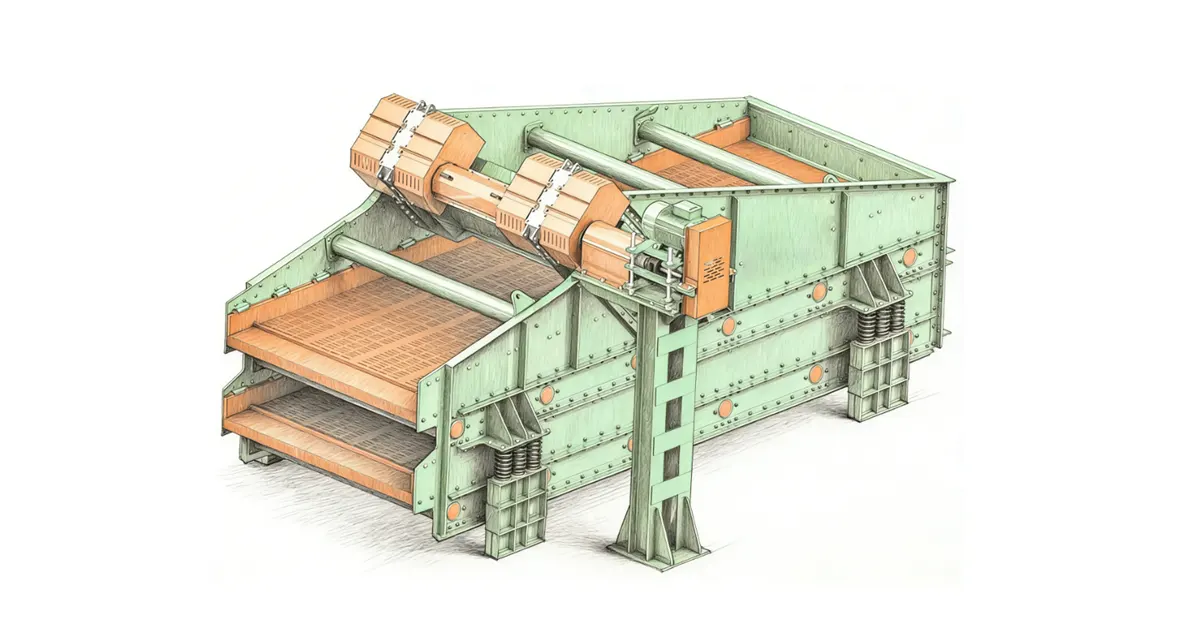
A double deck vibrating screen is not like a regular screen. It has two screens, one on top of the other. Each screen sorts things by size. The top screen catches big pieces. The bottom screen takes care of smaller pieces. This way, you can sort things into more than one size at once.
Look at this table to see the difference between double deck and single deck screens:
| Feature | Double Deck Screen | Single Deck Screen |
|---|---|---|
| Number of Layers | Two layers of screens | One layer of screen |
| Number of Outlets | Three outlets for separation of materials | Two outlets for separation |
| Sorting Efficiency | Can achieve over 96% sorting efficiency | Limited to single impurity screening |
| Protection Mechanism | Upper sieve protects lower sieve; allows for timely replacement | No such protective mechanism |
| Screening Capability | Can screen multiple materials simultaneously | Limited to one type of material at a time |
Double deck screens sort better and protect the screens more. This design helps you work faster and keeps your machine safe.
How Double Decks Operate
When you put material on the screen, the machine shakes. The shaking moves the material over both screens. Big pieces stay on the top screen. Small pieces fall through to the bottom screen. Each screen has its own mesh size. This lets you sort things into two or more groups at once.
Tip: If you need to remove bad pieces or sort by size, a double deck screen can do it in one step.
You can use double deck vibrating screens for sorting, drying, and cleaning. The screens shake so small bits fall through fast. This makes your work quick and keeps your products clean.
Typical Use Cases
Double deck screens are used in many jobs. They help sort rocks in mines. They separate sand in building work. They help find good stuff in recycling. Farmers use them to sort seeds. Food companies use them to sort food before packing. Chemical plants use them to keep particle sizes the same.
Here is a table that shows what these screens can do:
| Function/Application | Description |
|---|---|
| Efficient classification | Splits materials into different sizes for better sorting. |
| Enhancing throughput | Lets you process more material in less time. |
| Improving product quality | Makes sure final products meet rules and standards. |
| Recycling | Finds useful things in waste, so less goes to the dump. |
| Agriculture | Sorts seeds and grains so they grow better. |
| Food processing | Sorts food by size to keep it clean and safe. |
| Chemical manufacturing | Keeps particle sizes the same for good products. |
You get more use from your materials and make less waste. Double deck vibrating screens give you speed and choices. You can use them with sticky, wet, or dry stuff. You also keep your products the same and meet tough rules.
Key Advantages of Double Deck Screens
Screening Efficiency
You want your screening to be quick and correct. Double deck vibrating screen design helps with this. Two layers work together to sort materials by size. You can separate more groups in one try. This makes your screening better. Double deck screens are about 7% more efficient than single deck screens. For example, if both screens get the same material, the double deck might reach 61.9% efficiency. The single deck only gets to 56.7%. This extra efficiency means you get more good product and less waste.
Tip: When your screen is more efficient, you save time and energy. You also get cleaner and more even results.
Space and Cost Savings
Work sites and plants often have little space. Double deck screens help you use your space well. You get two screening levels in one machine. You do not need to use many single deck units. This saves floor space and keeps things simple.
Here’s a quick look at how double deck screens help you save:
| Benefit | Description |
|---|---|
| Space Savings | Double deck screens take up less room than many single deck screens. |
| Operational Cost Reduction | You need fewer machines, so you spend less money. |
| Enhanced Throughput | You can sort more material at once, which saves time. |
You also spend less money. Fewer machines mean you buy less equipment. You use less power and need less care for your machines. You can process more material at the same time. This helps you finish your work faster.
- You sort materials into different sizes at once.
- You use less equipment and less energy.
- You help recycling and waste reduction by sorting better.
Versatility and Material Quality
Double deck vibrating screen design works in many jobs. You can use these screens in mining, sand, recycling, and food. They can do hard jobs like crushing stone. They can also do gentle jobs like sorting seeds or pet food.
Here are some industries and materials that benefit:
- Mining and mineral processing
- Sand and aggregate production
- Quarry and stone crushing plants
- Recycling and waste separation
- Construction material classification
- Food industry
- Pharmaceuticals
- Lithium processing
- Agriculture
- Pet food and litter
You also get better material quality. The two decks let you control the size of your final product. This means your products meet strict rules. This is true for building materials or food. You can trust your screen to give you the right results every time.
Durability and Reduced Maintenance
When you choose equipment for your plant or job site, you want something that lasts. You do not want to spend your time fixing machines or replacing parts. That is where double deck vibrating screen design really shines. These screens are built tough. They handle heavy loads, rough materials, and long hours without breaking down.
You might wonder what makes them so strong. The answer is in the way they are made. Manufacturers use high-quality steel for the frame. They add extra support in key spots. The screens themselves often use wear-resistant materials like polyurethane or special alloys. This means the screens do not wear out fast, even if you run them all day with sharp rocks or sticky materials.
Note: If you work in mining, recycling, or construction, you know how hard materials can be on equipment. Double deck vibrating screen design helps you avoid costly downtime.
Let’s look at some ways these screens help you save on maintenance:
- Fewer Breakdowns: The strong frame and tough screen surfaces mean you do not have to stop work for repairs as often.
- Easy Access: Many models let you reach the screens quickly. You can clean or swap out panels without taking the whole machine apart.
- Longer Wear Life: The materials used for the screens last longer. You do not need to replace them as much.
- Less Vibration Damage: Good design spreads out the shaking force. This keeps bolts, joints, and welds from coming loose.
Here’s a quick table to show how durability and maintenance compare with other screens:
| Feature | Double Deck Vibrating Screen | Standard Single Deck Screen |
|---|---|---|
| Frame Strength | High | Medium |
| Wear Life | Long | Shorter |
| Maintenance Frequency | Low | Higher |
| Downtime | Minimal | More Frequent |
You also get peace of mind. When your screen works day after day, you can focus on your main job. You do not have to worry about sudden breakdowns or lost time. This is a big deal if you run a busy plant or need to meet tight deadlines.
If you want to make your operation smoother, pick a screen that is built to last. Double deck vibrating screen design gives you the strength and reliability you need. You spend less time fixing things and more time getting work done.
Applications and Working Conditions
Mining and Aggregates
You find double deck vibrating screen design at many mining sites. These screens help sort rocks, minerals, and ores quickly. They separate big pieces from small ones in one step. This saves time and keeps your work moving.
Check out this table to see how these screens help in mining and aggregates:
| Application Type | Description |
|---|---|
| Mining / Minerals / Ore Recovery | Two-Mass Screens work better and use less power. They can screen more material at once. |
| Aggregate Screening | Portable screens are easy to set up. You can move them around and use them before other machines. |
You get more out of your materials. You also spend less on energy. If you work with mining or aggregates, these screens help you meet tough jobs.
Recycling and Waste
If you work in recycling or waste, sorting is very important. Double deck vibrating screens make sorting easier. The top deck catches big junk and large pieces. The bottom deck grabs small things like compost or tiny recyclables. This helps you sort waste into useful groups.
When you use double deck screens, you recycle more and send less to the landfill. You get cleaner recyclables that are ready to sell.
Modern recycling plants use these screens first. They sort by size before other machines do more work. This makes the whole system better. You can change the screens to get the best results. The strong design lets you handle rough and mixed waste without problems.
Food and Pharmaceuticals
You need to be exact and clean in food and drug making. Double deck vibrating screen design gives you both. These screens help sort powders, grains, and tablets by size. They keep out big pieces and protect your products.
Here’s a table showing what matters in food and pharma screening:
| Requirement | Description |
|---|---|
| Precision sieving | Splits particles to meet strict size rules for tablets or mixes. |
| Contamination prevention | Stops big pieces from getting into your product. Keeps batches safe and follows rules. |
| GMP compliance | Uses stainless steel and sealed parts to meet Good Manufacturing Practice rules. |
| Clean-in-place (CIP) compatibility | Lets you clean screens fast. This saves time and keeps things clean. |
| Hygienic features | Stainless steel and easy-to-take-apart screens help you keep everything clean. |
| Quality assurance | Makes sure every batch has the right size. This helps products dissolve and work right. |
You can trust these screens to keep your products safe and high quality. You also follow strict rules and keep your plant clean.
Wet and Dry Screening
You might wonder if double deck vibrating screens can handle both wet and dry materials. The answer is yes! These screens work well in many conditions. You can use them for wet slurries or dry powders. Each situation brings its own challenges, but you can get great results with the right setup.
When you screen wet materials, water makes things stick together. You need a screen that shakes hard enough to break up clumps. Wet screening often uses special mesh or panels that resist clogging. You can also use spray bars to wash material as it moves across the screen. This helps keep the mesh clear and improves separation.
Dry screening is a bit easier. You deal with dust and fine particles. The screen needs to move fast to keep material flowing. You can use woven wire mesh or perforated plates for dry jobs. These surfaces let air pass through and help prevent blinding.
Here’s a quick table to show the differences:
| Screening Type | Challenges | Solutions |
|---|---|---|
| Wet | Clumping, clogging | Strong vibration, spray bars, self-cleaning mesh |
| Dry | Dust, static, blinding | Fast vibration, open mesh, dust covers |
Tip: If you switch between wet and dry materials, choose screens that are easy to clean and swap out. This saves you time and keeps your results consistent.
You can use double deck screens for dewatering, washing, or drying. In mining, you might screen wet ore. In food, you might sort dry grains. The screen’s angle and vibration settings matter a lot. If you set the angle too flat, wet material pools and clogs. If you set it too steep, dry material moves too fast and misses the mesh.
Here are some things you can do to get the best results:
- Adjust vibration strength for the material type.
- Use the right screen surface for wet or dry jobs.
- Clean screens often to prevent buildup.
- Check for wear and replace panels as needed.
You get more control over your process. You can handle sticky wet slurries or light dry powders. Double deck vibrating screens give you flexibility and speed. You can trust them to work in tough conditions and keep your products clean.
Key Factors in Double Deck Vibrating Screen Design
Deck Arrangement
How you set up your decks makes a big difference in how well your screen works. You want to get the most out of every run, so let’s look at what matters.
Top vs Bottom Deck
You have two decks, but each one does a different job. The top deck takes care of the big stuff. It catches oversized pieces and keeps them from going further. The bottom deck handles the smaller pieces. It sorts what’s left into the right sizes for your needs.
Here’s a simple table to show how each deck works:
| Deck Type | Function | Mesh Size Impact |
|---|---|---|
| Top Deck | Removes oversized materials | Filters out large particles, improves output quality |
| Bottom Deck | Sorts remaining materials by size | Smaller mesh openings boost accuracy, may slow throughput |
If you want clean, high-quality output, you need both decks working together. The top deck protects the bottom one from big, damaging pieces. The bottom deck gives you the fine sorting you need for your final product.
Opening Sizes and Sequence
The size of the openings in each deck matters a lot. You need to pick the right mesh size for each deck. If you use a big opening on top and a smaller one below, you get better separation. The top deck lets only the right size fall through. The bottom deck then does the fine sorting.
Think about what you’re screening. If you have sticky or wet material, you might need bigger openings to stop clogging. For dry, fine material, smaller openings work best. The order of the mesh sizes also matters. Always start with the largest on top and go smaller as you move down.
Screen Area and Utilization
The size of your screen area decides how much material you can process at once. A bigger area means you can handle more material, but you also need to use that space well. If you overload one part of the screen, you get uneven wear and poor sorting. If you underuse it, you waste energy and time.
Here are some things to keep in mind:
- Spread material evenly across the whole screen.
- Don’t pile too much in one spot.
- Check for dead zones where material doesn’t move.
You want every inch of your screen working for you. Good double deck vibrating screen design helps you use all the space, so you get more done with less effort.
When you plan your screen area, think about the type of load you’ll handle. There are two main types:
| Factor | Description |
|---|---|
| Load Capacity Types | Know the difference between dead load (fixed) and live load (moving). This keeps your screen safe. |
| Deck Layout Considerations | The size and layout affect how much weight your screen can hold. More decks may need extra support. |
| Selecting Load-Bearing Materials | Strong materials like Ipe or Cumaru wood last longer under heavy loads. |
| Joist and Beam Spacing | Keep beams close enough (about 16 inches apart) for heavy loads. |
| Support Posts and Footings | Make sure posts and footings are strong and spaced right for a solid base. |
| Soil Type Requirements | If your screen sits on clay or sand, you may need deeper footings to stop sinking. |
If you get these things right, your screen lasts longer and works better.
Feed Distribution
How you feed material onto your screen changes everything. If you dump it all in one spot, you get clogs and uneven wear. If you spread it out, you get better sorting and longer screen life.
Let’s see what happens with different feed types:
| Finding | Description |
|---|---|
| Effect of Obstructive Particles | More big, blocky pieces can actually boost screening efficiency from 50.39% to 69.47%. |
| Effect of Refractory Sieve Particles | Too many tough, hard-to-screen pieces drop efficiency from 67.95% to 45.04%. |
| Comparison of Screening Efficiency | Double deck screens beat single deck screens in 96.6% of tests, hitting 61.9% efficiency compared to 56.7%. |
You want to keep your feed steady and even. Use chutes, spreaders, or feeders to help. If you notice one side of your screen wearing out faster, check your feed. You might need to adjust how you load material.
Tip: A good feed setup means less downtime, better sorting, and longer screen life.
If you pay attention to deck arrangement, screen area, and feed distribution, you get the most out of your double deck vibrating screen design. You save time, money, and headaches.
Material Flow and Retention
You want your material to move smoothly across both decks. Good flow means better sorting and less waste. If material piles up or moves too slowly, you lose efficiency. If it moves too fast, you might miss some pieces that should be sorted.
Think about how your material acts. Sticky or wet material can clump together. Dry, fine particles might bounce or blow away. You need to match your screen setup to your material. Here are some things you can do:
- Use the right screen surface. Woven wire mesh works for most dry materials. Polyurethane panels help with sticky or wet stuff.
- Adjust the feed rate. Too much material at once can cause blockages. Too little means you waste space.
- Watch for dead zones. These are spots where material stops moving. You want to avoid them because they lower your throughput.
Retention time is also important. This is how long the material stays on the screen. If it stays too long, you slow down your process. If it moves off too quickly, you might not get good separation. Try to find a balance that fits your needs.
Tip: Check your screen often. If you see material building up or not moving, you may need to adjust the angle or vibration.
Vibration Parameters
Vibration is what makes your screen work. The right vibration helps move material and separate it by size. If you get the vibration wrong, you can have problems like poor sorting, screen damage, or even machine failure.
There are three main things to look at:
- Amplitude: This is how far the screen moves up and down. Bigger amplitude helps with heavy or sticky material. Smaller amplitude works better for fine or light material.
- Frequency: This is how fast the screen shakes. High frequency is good for small particles. Low frequency helps with bigger pieces.
- Direction: The angle of vibration affects how material moves. Straight up and down shakes can help break up clumps. Angled vibration moves material across the screen.
Here’s a table to help you see what works best:
| Material Type | Amplitude | Frequency | Best For |
|---|---|---|---|
| Heavy/Sticky | High | Low | Breaking up clumps |
| Fine/Light | Low | High | Fast, gentle movement |
| Mixed/General | Medium | Medium | Most screening jobs |
You can change these settings on most machines. Try different setups to see what gives you the best results. If you hear odd noises or see uneven movement, stop and check your settings.
Note: Good vibration settings help your double deck vibrating screen design last longer and work better.
Screen Angle and Drive
The angle of your screen changes how fast material moves. A steep angle makes material move quickly. A flat angle slows it down and gives more time for sorting. Most screens use an angle between 15° and 25°. You can adjust this to fit your material.
The drive is the part that makes the screen shake. There are different types, like electric motors or mechanical shakers. Some drives let you change the speed or direction. This helps you fine-tune your process.
Here are some things to remember:
- Steeper angles work well for wet or heavy material. They help prevent clogging.
- Flatter angles are better for dry, fine material. They give more time for sorting.
- Make sure your drive is strong enough for your load. If it is too weak, you get poor movement. If it is too strong, you can damage the screen.
If you want the best results, check your angle and drive settings often. Small changes can make a big difference in how your double deck vibrating screen design performs.
Frame Strength
When you pick a double deck vibrating screen, you want it to last. The frame is the backbone of your machine. If the frame is weak, the whole screen can fail. You might see cracks, loose bolts, or even broken parts. That means more downtime and higher repair costs. You do not want that.
A strong frame keeps your screen steady. It holds up under heavy loads and constant shaking. You get better results and fewer problems. The right frame also helps your screen handle tough jobs, like sorting rocks or sticky materials.
Here’s why frame strength matters for you:
- Longer Life: A tough frame stands up to years of use. You do not have to replace your screen as often.
- Less Vibration Damage: A solid frame absorbs the shaking. It protects the rest of your machine from wear and tear.
- Better Accuracy: When the frame stays firm, the screens stay in place. You get more accurate sorting and cleaner products.
- Safety: A strong frame keeps everything together. You lower the risk of accidents or sudden breakdowns.
Let’s look at what makes a frame strong:
| Feature | Why It Matters |
|---|---|
| High-Quality Steel | Resists bending and cracking |
| Reinforced Joints | Stops weak spots from forming |
| Welded Connections | Holds parts together better than bolts alone |
| Extra Support Beams | Spreads out the load and reduces stress |
| Rust Protection | Keeps the frame strong, even in wet conditions |
You should check the frame before you buy or install a screen. Look for thick steel, tight welds, and extra supports. If you see thin metal or sloppy welds, walk away. That screen will not last.
Tip: If you work with heavy or abrasive materials, ask your supplier about extra frame reinforcements. It can save you money in the long run.
Frame strength also affects maintenance. A weak frame can twist or sag. That makes it hard to change screens or keep everything lined up. You might spend more time fixing problems than running your plant.
When you think about double deck vibrating screen design, never ignore the frame. It is the foundation of your whole operation. A strong frame means less stress, more uptime, and better results every day.
Deck Arrangement and Screening Results
Material Speed and Accuracy
How you set up your double deck vibrating screen changes how fast things move and how well you sort sizes. If you use a linear screen, material moves in a straight line. This is good for things that need to move fast and evenly. Circular screens work better for odd-shaped pieces or things that roll. This setup can make your sorting almost 30% better. You get more accurate results and waste less. If you want better accuracy and efficiency, watch how you arrange your decks. The right setup helps you reach your quality goals every time.
Tip: If your material moves too slow or does not sort well, try changing your deck arrangement. Even a small change can help a lot.
Retention and Throughput
You want your screen to handle lots of material, but each piece needs enough time to be sorted. Many things affect how long material stays on the screen and how much you can process:
- Screen Angle: A steeper angle makes things move faster but gives less time to sort.
- Open Area: More open mesh lets more material go through.
- Moisture: Wet material can stick together and is harder to sort.
- Vibration: How your screen shakes changes how things move.
- Bed Depth: If you pile material too deep, small pieces cannot reach the mesh.
- Feed Rate: If you add material too fast, the screen gets too full and does not work well.
If you want to process more, watch these things. Change them to fit your material and what you want. Sometimes slowing the feed or changing the angle gives you cleaner results.
Deck Utilization Issues
Even with a good setup, problems can hurt your screen’s work. Here are some common issues and ways to fix them:
| Problem | What You See | How to Fix It |
|---|---|---|
| Loose mesh | Mesh shakes or sags | Tighten mesh and fasteners |
| Wrong mesh size | Poor separation, leaks | Check specs, order correct mesh |
| Bad hook alignment | Mesh shifts, tears | Realign hooks, use right type |
| Overlapping sections | Material gets stuck | Adjust mesh, remove overlap |
| Missing fasteners | Mesh lifts or rattles | Install and tighten fasteners |
Sticky material can block holes and cause clogging. Small pieces can get stuck and cause blinding. Using the wrong mesh, letting heavy stuff cut the mesh, or not keeping it tight can cause trouble. If you see poor sorting, check your mesh size and setup. Fixing these things helps your double deck vibrating screen work its best.
Multi-Size Separation
You want to sort materials into more than just two sizes. Double deck vibrating screens let you do that in one go. Each deck has its own mesh size. The top deck catches the biggest pieces. The bottom deck grabs the medium ones. The smallest bits fall through and collect underneath. You get three groups from one machine. That saves you time and keeps your process simple.
Let’s say you work in a quarry. You need gravel in three sizes: large, medium, and fine. You feed the raw material onto the screen. The top deck stops the big rocks. The medium pieces drop to the second deck. The fine particles pass through both decks. You collect each size in a separate bin. You don’t need extra machines or extra steps.
Here’s a table to show how multi-size separation works:
| Deck Level | Mesh Size | Output Fraction | Typical Use |
|---|---|---|---|
| Top Deck | Largest | Oversize | Road base, riprap |
| Bottom Deck | Medium | Mid-size | Concrete, asphalt |
| Under Deck | Smallest | Fine fraction | Sand, filler |
You can change the mesh sizes to fit your needs. If you want four sizes, you can add another deck. Some screens have three or even four decks. You get more sorting power without making your setup complicated.
Tip: If you need to separate sticky or wet materials, use self-cleaning mesh on one deck. That keeps your screen from clogging and helps you get accurate results.
Multi-size separation helps you meet strict quality standards. You can sell each size for a different purpose. That means more profit and less waste. You also keep your customers happy because they get the exact size they want.
Here are some ways to make your multi-size separation work better:
- Adjust feed rate so material spreads evenly.
- Check mesh tension often. Loose mesh lowers accuracy.
- Clean screens regularly. Build-up can block openings.
- Use the right mesh type for each material.
You get more control over your process. You can handle tough jobs like sorting crushed stone or gentle jobs like separating grains. Double deck vibrating screens give you flexibility and speed. You can trust them to deliver clean, sorted material every time.
Common Design Mistakes
Poor Feed Distribution
You might think loading material onto your screen is simple, but poor feed distribution can ruin your results. If you dump everything in one spot, you get uneven wear and bad sorting. Materials often pile up in streams instead of spreading out. This causes some parts of your screen to work too hard while others barely do anything.
Here are some common mistakes you should watch for:
- Improper design or placement of the feed chute leads to uneven material spread.
- Some materials flow in a stream and concentrate in one area, missing the rest of the screen.
- You forget to use distribution plates or deflectors, so material piles up instead of spreading.
Tip: Adjust the angle and height of your feed chute. Try using distribution plates to help spread material evenly. This keeps your screen working longer and gives you better sorting.
Wrong Deck Openings
Choosing the right deck openings matters more than you might think. If you pick the wrong size, you can face plug blinding. This means the holes in your screen get blocked, and the open area shrinks. Fine materials cannot pass through, so your screening performance drops.
Here’s what can go wrong:
- Plug blinding reduces the effective open area of your screen.
- Fine materials stay stuck on the deck instead of falling through.
- Irregularly shaped particles block openings more easily, making the problem worse.
You want to match your deck openings to your material. If you see blinding or poor separation, check your mesh size. Sometimes, changing the opening size fixes the issue fast.
Note: Regularly inspect your screen for plugged holes. Clean or replace mesh as needed to keep your process smooth.
Overload and Underuse
You need to balance how much material you put on your screen. If you overload it, you risk damaging the equipment. Too much material causes uneven wear, clogs, and poor sorting. On the other hand, underusing your screen wastes energy and space. You pay for a big machine but only use part of it.
Overloading can lead to excessive vibration and structural stress. This makes your screen wear out faster and can even cause safety hazards. If your screen area is too small or your frame is weak, you face costly repairs and downtime. You want your screen to last, so always check your load and make sure your frame is strong enough.
Keep your feed steady and within the recommended limits. This helps your screen work efficiently and keeps your operation safe.
| Mistake | What Happens | How to Fix It |
|---|---|---|
| Overloading | Excessive wear, breakdowns | Reduce feed, check frame |
| Underuse | Wasted energy, poor results | Adjust feed, use full area |
You get the best results when you avoid these mistakes. Your double deck vibrating screen will last longer and give you cleaner, more accurate sorting.
Insufficient Area or Weak Frame
Have you ever wondered why your double deck vibrating screen just doesn’t keep up? Sometimes, the problem isn’t with the mesh or the motor. It’s the size of the screen area or the strength of the frame. If you don’t get these right, your whole operation can slow down or even stop.
Why does screen area matter?
If your screen is too small, you can’t process enough material. Material piles up. The screen gets overloaded. You see more blockages and less sorting. You waste time clearing jams. You also lose money because you can’t meet your production goals.
Here’s what can happen when you use a screen with not enough area:
- Material builds up and spills over the sides.
- Fine particles don’t get enough time to separate.
- You see more wear in certain spots.
- The screen blinding happens more often.
Tip: Always match your screen area to your feed rate. If you plan to process more material, choose a bigger screen.
Frame strength is just as important.
A weak frame can’t handle the constant shaking and heavy loads. Over time, you might notice cracks, loose bolts, or even broken welds. The screen starts to vibrate in odd ways. You hear rattling or banging. Sometimes, the whole machine shakes too much and becomes unsafe.
Let’s look at some signs of a weak frame:
| Problem | What You Notice |
|---|---|
| Cracks in the frame | Visible splits or lines |
| Loose bolts | Parts move or make noise |
| Bent supports | Frame looks twisted or uneven |
| Excessive vibration | Machine shakes more than normal |
If you ignore these signs, you risk a total breakdown. Repairs can cost a lot. You might even need a new screen.
How can you avoid these mistakes?
- Pick a screen with enough area for your job.
- Check the frame for thick steel and strong welds.
- Ask your supplier about extra reinforcements if you handle heavy or abrasive materials.
- Inspect your screen regularly for cracks or loose parts.
- Don’t overload your screen. Follow the manufacturer’s limits.
Note: A strong frame and the right screen area keep your operation running smoothly. You get better results, less downtime, and a safer workplace.
If you pay attention to these details, your double deck vibrating screen will last longer and work better. You’ll spend less time fixing problems and more time getting the job done.
Screen Surface Selection
Choosing the right screen surface for your double deck vibrating screen can make a big difference in how well your machine works. You want to get the best results, so you need to think about what you are screening and how your screen will handle it. Let’s look at some popular options and what makes each one special.
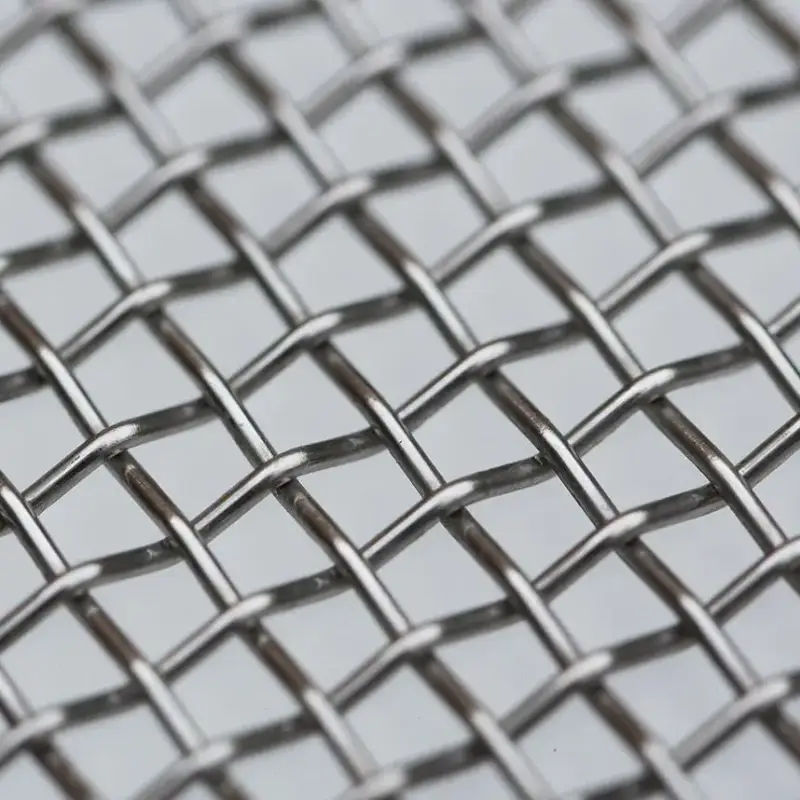
Woven Wire Mesh
Woven wire mesh is a classic choice for many screening jobs. You see it in mining, sand, and even food processing. This mesh uses metal wires woven together to create a grid. You can pick from many opening sizes, so you get the right fit for your material.
Why do people like woven wire mesh? It gives you sharp and accurate cuts. You can see what is happening on the screen. If you need to change the mesh, you can do it quickly. This mesh works well for dry, clean materials. It also handles high vibration and heavy loads.
Tip: If you deal with sticky or wet material, you might see clogging. In that case, you may want to try a different surface.
Here’s a quick look at when woven wire mesh works best:
| Feature | Benefit |
|---|---|
| Many mesh sizes | Fits many materials |
| Easy to replace | Less downtime |
| Good for dry screening | Sharp separation |
Polyurethane Panels
Polyurethane panels are tough and flexible. You see them in places where wear and tear happen fast. These panels last longer than wire mesh, especially if you screen sharp or abrasive materials. Polyurethane bends but does not break. It also resists chemicals and water.
You get less noise with polyurethane panels. They absorb vibration, so your plant stays quieter. These panels are easy to clean. They do not clog as much as wire mesh. You can use them for wet or sticky materials.
Note: Polyurethane panels may cost more at first, but they save you money over time because they last longer.
Here’s why you might pick polyurethane panels:
- Long wear life for tough jobs
- Lower noise in your plant
- Good for wet or sticky materials
Self-Cleaning Screens
Self-cleaning screens help you when you deal with tough materials that like to stick or clog. These screens use special wires or shapes that move as the screen vibrates. This movement shakes off stuck material and keeps the openings clear.
You do not have to stop your machine as often to clean the screen. You get steady performance and better separation. Self-cleaning screens work well for materials with high moisture or odd shapes.
If you want less downtime and more consistent results, self-cleaning screens are a smart choice.
When you pick a screen surface, think about these key factors:
- Material Compatibility: Make sure your screen matches what you are screening. This keeps your process clean and efficient.
- Vibration Type and Amplitude: Some surfaces work better with certain vibration settings.
- Deck Design and Configuration: The right mesh size and deck setup help you get the best separation.
- Load Capacity and Durability: Pick a surface that can handle your workload without wearing out fast.
- Customization Options: Look for screens you can adjust or swap to fit your needs.
Mesh selection matters a lot. If you choose the right type and size, you avoid clogging and get better results. Always match your screen surface to your material and your process.
Perforated Plate
You might wonder what a perforated plate is and why you would use it on your double deck vibrating screen. A perforated plate is a flat sheet of metal with holes punched through it. These holes can be round, square, or even slotted. You pick the shape and size that fits your job best.
Perforated plates work well when you need something strong and long-lasting. You see them a lot in heavy-duty jobs. If you handle big rocks, sharp gravel, or scrap metal, this type of screen can take the hit. The thick metal stands up to wear and tear better than wire mesh.
Here are some reasons you might choose a perforated plate:
- High strength: The solid metal sheet resists bending and breaking.
- Long wear life: It lasts longer when you screen rough or sharp materials.
- Custom hole shapes: You can pick round, square, or slotted holes for special jobs.
- Easy to clean: The flat surface makes it simple to brush or wash off stuck material.
Tip: If you deal with sticky or wet material, slotted holes help prevent clogging. They let material pass through more easily.
Let’s look at a quick table to compare perforated plates with other screen surfaces:
| Feature | Perforated Plate | Woven Wire Mesh | Polyurethane Panel |
|---|---|---|---|
| Strength | ⭐⭐⭐⭐⭐ | ⭐⭐⭐ | ⭐⭐⭐⭐ |
| Wear Resistance | ⭐⭐⭐⭐⭐ | ⭐⭐ | ⭐⭐⭐⭐ |
| Customization | ⭐⭐⭐⭐ | ⭐⭐⭐⭐⭐ | ⭐⭐⭐ |
| Weight | Heavy | Light | Medium |
| Cost | Medium | Low | High |
You might notice that perforated plates weigh more than other options. This extra weight means your screen needs a strong frame and drive. If you use a lighter screen, you save energy. But if you need toughness, the plate is worth it.
Perforated plates do not flex like wire mesh. This means they keep their shape, even after months of use. You get steady performance and fewer surprises. If you want sharp cuts and exact sizing, though, wire mesh might do a better job.
You can use perforated plates on the top deck to take the first hit from big, rough material. Then, use wire mesh or polyurethane on the lower deck for finer sorting. This combo gives you both strength and accuracy.
Note: Always check your screen for wear and cracks. Even tough plates need care to last.
If you want a screen that stands up to tough jobs and lasts a long time, try a perforated plate. You get strength, easy cleaning, and custom options for your toughest screening needs.
Conclusion
A well-planned double deck vibrating screen design can improve separation, reduce waste, and make better use of your screening area. But good machine design alone is not enough. Screen mesh selection also plays a major role in product quality, throughput, and service life. As a screen mesh manufacturer, we produce woven wire mesh, self-cleaning screens, polyurethane panels, and perforated plate for different double deck screening duties. If you share your material, feed size, and required separation sizes, we can suggest a more suitable screen mesh option for your application.
FAQ
What is a double deck vibrating screen?
You get two screening levels in one machine. The top deck removes big pieces. The bottom deck sorts the rest by size. This setup helps you separate materials faster and more accurately.
How do I choose the right screen surface?
Think about your material. Use woven wire mesh for dry jobs. Pick polyurethane panels for sticky or abrasive stuff. Self-cleaning screens help with clogging. If you need strength, try a perforated plate.
Can I use a double deck screen for wet materials?
Yes, you can. Wet screening works well with the right mesh and vibration settings. Use spray bars or self-cleaning panels to stop clogging. Adjust the angle if you see pooling.
How often should I check or maintain my screen?
Check your screen every day for wear, loose bolts, or blockages. Clean the mesh often. Replace worn parts quickly. Regular care keeps your screen running smoothly and helps you avoid breakdowns.
What causes screen blinding or clogging?
Fine, sticky, or wet materials often block the mesh. Irregular shapes can also cause trouble. Try self-cleaning screens or larger openings if you see this problem.
How do I improve screening efficiency?
Spread material evenly across the screen. Adjust vibration settings for your material. Use the right mesh size. Keep the screen clean. Watch for dead zones where material does not move.
Can I separate more than two sizes with a double deck screen?
Yes! You get three size groups with two decks. Add another deck if you need more. Each deck sorts a different size. You collect each group in a separate bin.
What should I do if my screen shakes too much?
Check the frame for cracks or loose bolts. Make sure the drive matches your load. Adjust vibration settings if needed. If you still see problems, call an expert for help.