You want to pick the right inclined vibrating screen for your job. This choice affects how much material you can process, how well your system runs, and how long your equipment lasts. If you use the wrong vibrating screen, you may see more wear and higher costs. When you pick screens with modular parts, you can cut down on maintenance time and expenses. Regular checks and cleaning keep your screen working well and help you catch problems early.
Key Takeaways
- Pick the right inclined vibrating screen to help process materials better and spend less money.
- Learn about your material, like how heavy it is and how wet it is, so you can choose the best screen.
- Multi-deck screens can separate different sizes at the same time. This saves both time and space.
- Doing regular maintenance and checks can make your vibrating screen last longer and stop expensive breaks.
- Make sure the screen angle matches your material type for the best separation.
- Choose the right screen media, such as woven wire mesh or polyurethane, based on what your material is like.
- Think about the size you want to separate and how much material you need to handle. This helps stop blockages and keeps things working well.
- Talk to suppliers for expert help on picking and setting up your screen so it works the best.
What Is an Inclined Vibrating Screen
Basic Function and Design
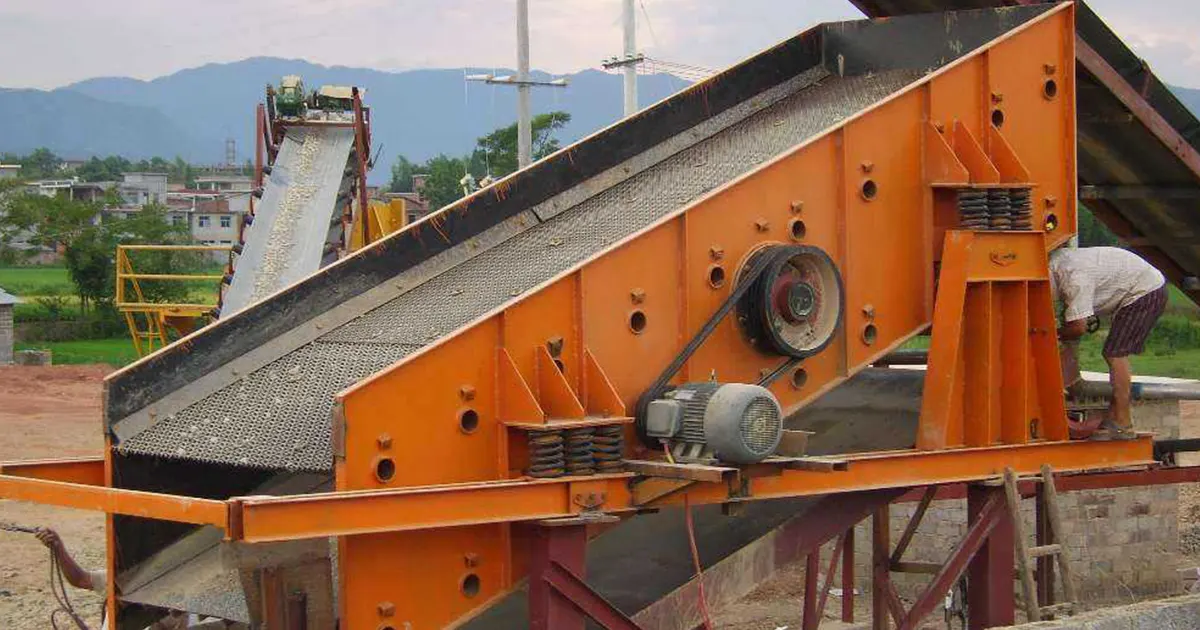
An inclined vibrating screen helps you separate materials by size. You see these machines in places like mines, quarries, and sand plants. The screen sits at an angle, usually between 15° and 25°. This angle lets materials move down the screen with help from gravity and vibration. The design makes it easy for you to process both wet and dry materials.
Here’s a quick look at what sets inclined vibrating screens apart from other vibrating screening equipment:
| Feature | Description |
|---|---|
| Angle of Inclination | Usually set between 15° and 25°, which helps materials move smoothly. |
| Motion Type | Uses a circular stroke, powered by an unbalance mechanism. |
| Multi-deck Capability | Can have more than one deck, so you can separate materials into many sizes. |
You get a machine that works well for many jobs. If you need to sort rocks, sand, or gravel, this design gives you flexibility and good results.
How It Works
You feed material onto the top of the vibrating screen. The machine shakes in a circular motion. This movement comes from a special motor with an unbalanced weight. As the screen vibrates, smaller pieces fall through the openings, while bigger pieces move down to the end.
Think of it like shaking a strainer full of sand and rocks. The sand falls through, but the rocks stay on top. The circular vibrating screen does this job much faster and on a bigger scale.
Tip: If you want to separate more than one size, you can use a screen with several decks. Each deck catches a different size.
Key Components
You will find a few main parts on every inclined vibrating screen:
- Screen Box: Holds the screen media and moves during operation.
- Screen Media: The mesh or panels that let smaller material pass through.
- Vibration Mechanism: Usually a motor with an unbalanced weight that creates the shaking motion.
- Support Frame: Keeps the whole machine steady and at the right angle.
- Drive System: Powers the vibration mechanism.
Each part plays a role in making sure your vibrating screen works smoothly. When you know these parts, you can spot problems early and keep your equipment running longer.
Where Inclined Vibrating Screens Are Used
Mining and Quarrying
You see inclined vibrating screens working hard in mining and quarrying. These machines help you sort and clean up materials fast. When you mine coal, you want to separate the good coal from rocks and dirt. The vibrating screen does this job and gives you cleaner coal. In iron ore mining, you use the screen to split the ore into different sizes. This step makes the next process easier and saves energy. Gold mining also uses vibrating screening equipment. Here, you remove big rocks and keep the gold-rich material moving forward. Copper mining needs a circular vibrating screen to pull out the right size copper pieces. This step helps you get better results when you use flotation to collect copper.
Here are some common jobs for inclined vibrating screens in mining:
- Coal mining: Separates valuable coal from impurities, making your product cleaner.
- Iron ore mining: Sorts ore into size groups for better processing.
- Gold mining: Removes oversized rocks and boosts gold recovery.
- Copper mining: Splits copper particles for better flotation.
You can count on these screens to handle big jobs. Some screens can process up to 3,000 tons per hour. Take a look at this table:
| Type of Screen | Max Capacity (TPH) |
|---|---|
| Inclined Vibrating Screen | 3,000 |
Aggregates and Sand
If you work with sand, gravel, or crushed stone, you need a vibrating screen. These machines help you get the right size for every job. When you screen sand and gravel, you make sure your product meets building codes. You also keep your customers happy because they get what they need. The screen can handle both wet and dry material. You can use it to sort out rocks, pebbles, and fine sand. This step keeps your operation running smoothly.
Tip: Use a multi-deck screen if you need to separate more than one size at once. This setup saves you time and space.
Bulk Material Processing
Bulk material processing covers many industries. You might work with fertilizer, salt, or even recycled materials. An inclined vibrating screen helps you sort and clean these products. You can use the screen to remove dust, lumps, or unwanted pieces. This step makes your final product better and keeps your machines safe from damage. The screen works well with many types of bulk materials. You can adjust the setup to fit your needs.
No matter what you process, a vibrating screen gives you control over size and quality. You get a machine that fits many jobs and keeps your operation moving.
How to Choose the Right Inclined Vibrating Screen
Material Type and Weight
When you pick an inclined vibrating screen, think about your material. Every material acts in its own way on the screen. Some materials are heavy and dense. Others are light and fluffy. You might work with rocks, sand, coal, or fertilizer. Each material needs a special plan.
- The material type helps you choose the best screen model.
- Weight changes how fast material moves and how well it separates.
- Particle size, bulk density, and flow matter a lot.
- Chemical properties, like acidity or alkalinity, can change how long the screen lasts.
To get the best screening, match your screen to your material. Heavy materials need a strong screen with a tough frame. Light materials need a screen with softer vibration. Check if your material is sticky or rough. This helps you stop early wear and keeps your screening accurate.
Here’s a simple table to show what matters most:
| Factor | Description |
|---|---|
| Material Type | Rocks, sand, coal, fertilizer, etc. Each needs a different screen setup. |
| Weight | Heavy materials need stronger screens. Light materials need gentler vibration. |
| Particle Size | Fine or coarse particles change the screening effect and accuracy. |
| Bulk Density | Dense materials move differently than fluffy ones. |
| Chemical Properties | Acidic or alkaline materials can damage certain screen media. |
Feed Gradation and Size
Feed gradation means the mix of sizes in your material. If you have big and small pieces, you need a screen that can handle both. You should know the largest and smallest sizes in your feed. This helps you pick the right mesh and deck.
- Lots of fine particles need a screen with small holes.
- Mostly large pieces need bigger mesh sizes.
- Mixed feed needs a multi-deck screen to sort each size.
Screening accuracy depends on matching mesh size to your feed. If you use the wrong mesh, you lose efficiency and waste energy. You might clog the screen or let bad material pass through. Always check your feed gradation before you pick your screen.
Surface Moisture
Surface moisture can change how your screen works. Wet or sticky materials, like clay-rich ores, can block the screen. This lowers screening efficiency and hurts performance. You need to know how much moisture your material has.
- Moisture affects how well the screen separates material.
- Sticky feed can blind the screen and stop filtration.
- Wet materials may need self-cleaning screen media, like polyurethane panels.
You want to keep your screening accurate, even with wet feed. If you ignore moisture, you risk downtime and bad results. Pick a screen that handles moisture and keeps your operation running. Always check material and moisture before you decide.
Tip: If you work with sticky or wet materials, ask your supplier about self-cleaning screens. These help you keep your screen frequency steady and stop blockages.
By focusing on material type, feed gradation, and surface moisture, you get better screening and higher production. You pick the right inclined vibrating screen for your job and keep your process smooth.
Desired Separation Size
You need to know the exact size you want to separate before you choose a vibrating screen. This is called the desired separation size. If you want to get the best screening accuracy, you must match the mesh opening to the size you want. For example, if you want to catch everything bigger than 10 mm, you need a mesh with 10 mm openings.
The angle of your inclined vibrating screen also changes how well you separate materials. Take a look at this table:
| Angle Range | Effect on Material Movement and Separation Efficiency |
|---|---|
| 10° – 15° | Longer retention time, good for fine materials and higher screening efficiency. |
| 15° – 20° | Faster material movement, better for heavy, free-flowing materials. |
If you want to catch fine particles, use a lower angle. This gives the material more time on the screen and boosts screening accuracy. For bigger pieces, a steeper angle works better. You get faster movement and less chance of clogging.
Tip: Always check your product specs. If you need tight control over size, pick a screen with the right mesh and angle. This helps you get the right screening effect and keeps your production efficiency high.
Capacity (Tons per Hour)
Capacity means how much material you want to process every hour. You need to match your vibrating screen to your target tons per hour. If you pick a screen that is too small, you will get blockages and lose time. If you pick one that is too big, you waste money and space.
Here’s how you can make the right choice:
- Figure out your peak load. How much material do you need to move at your busiest time?
- Check the feed rate. Make sure your vibrating screen can handle it without slowing down.
- Look at the screen width and area. Bigger screens can process more material, but you need to balance size with cost.
- Think about the vibrating screen frequency. Higher frequency can help with fine materials, but may not work for heavy loads.
If you want to boost screening accuracy and production efficiency, always pick the right screening equipment for your needs. This keeps your operation smooth and helps you get the most out of your vibrating screen performance.
Screening Stage (Primary, Secondary, Final)
You need to know where your vibrating screen fits in your process. The screening stage changes what kind of screen you should use.
- At the primary stage, you use large scalping screens. These remove fine material before it reaches the crusher. This protects your crusher from wear and helps it last longer.
- After the primary stage, you use screens with multiple decks. These separate your material into different sizes. This step is key for further processing and better screening accuracy.
- Circular-motion screens work well for big pieces. If you have fine or wet material, you may need to add water spray or use a different screen type.
- Linear-motion screens help stop blinding and pegging. They work well for many materials and give you better control over how material moves.
- Elliptical-motion screens mix the best parts of linear and circular screens. You get good efficiency and easy material handling.
Note: Always match your vibrating screen to the stage in your process. This helps you get the right screening efficiency and keeps your equipment running longer.
When you understand your screening stage, you can choose the right inclined vibrating screen for your job. This makes sure you get the best screening accuracy and the highest vibrating screen performance.
Wet vs Dry Screening
You must pick if you want to screen wet or dry material. This choice changes how your vibrating screen works. Wet screening uses water to separate materials. Dry screening does not use water. It only uses vibration.
Wet screening is good for sticky or clay-rich materials. Water keeps the screen clean and stops blockages. Wet screening gives better accuracy with fine or damp material. Dry screening works best for dry materials like crushed stone or sand. You can use higher frequency and amplitude to move dry material faster.
Think about these points:
- Wet screening needs special screen media like polyurethane panels or self-cleaning screens.
- Dry screening lets you use woven wire mesh for sharp separation.
- Wet screening helps with fine particles but may need extra water management.
- Dry screening gives higher throughput and less mess.
Tip: If your feed is sticky, wet screening can boost efficiency and keep your inclined vibrating screen running longer.
Screen Angle and Decks
The angle of your vibrating screen and the number of decks are important. You want the right setup for your material and process. The screen angle controls how fast material moves and how well it separates.
A steeper angle makes material move faster. You get higher throughput but lower accuracy. A smaller angle keeps material on the screen longer. This improves efficiency but can cause buildup if the angle is too low.
You can use one deck or several decks. Multi-deck screens let you separate material into different sizes in one pass. You save space and time.
Here’s a table to show how angle and decks affect your process:
| Key Influences | Description |
|---|---|
| Material flow velocity | Larger angles increase speed but reduce accuracy. |
| Screening efficiency | Smaller angles increase retention time but risk buildup. |
| Design Range | Screen deck angle ranges from 10° to 35°, depending on material. |
Match the angle and number of decks to your material. If you work with fine material, use a lower angle and more decks. For coarse material, a steeper angle and fewer decks work better.
- Material characteristics affect angle selection for good separation.
- The angle of inclination impacts efficiency and material layering.
- Typical angle range is between 10 to 25 degrees, depending on the job.
Note: Always check your material and process needs before you set the angle and decks. This helps you get the right screening equipment and keeps your screening effect strong.
Screen Width and Area
Screen width and area decide how much material you can process at once. If you want high capacity, you need a wider vibrating screen. A bigger screen area gives more space for material to spread out. This improves accuracy and helps you reach your goals.
Look at your feed rate and desired throughput. If you have a lot of material, choose a screen with enough width and area. Too small a screen causes blockages and slows your process. Too big a screen wastes money and space.
- Wider screens handle more material and boost capacity.
- Larger screen area improves accuracy and reduces oversize material.
- You need to balance screen size with cost and available space.
Tip: Always match screen width and area to your feed rate and capacity needs. This keeps your vibrating screen working well and helps you get the right results.
Select Vibrating Screen Parameters for Your Application
Matching Screen Type to Material
You want your vibrating screen to match your material. If you work with sharp rocks, you need a tough screen. If you handle sand or fertilizer, you need a screen that can handle fine particles. You should select vibrating screen parameters based on what you process every day. Some screens use woven wire mesh. Others use polyurethane panels or rubber. Each type works best with certain materials.
- Woven wire mesh suits dry, abrasive materials like gravel.
- Polyurethane panels work well for wet, sticky materials.
- Rubber screens help with dry, soft materials.
You can boost efficiency and reduce downtime by picking the right screen type. If you choose the wrong screen, you may see more wear and blockages. You want to avoid that.
Fine vs Coarse Screening
You need to decide if you want to screen fine or coarse material. Fine screening means you separate small particles. Coarse screening means you sort bigger chunks. The vibrating screen setup changes for each job.
| Screening Type | Best Screen Media | Decks Needed | Angle Range |
|---|---|---|---|
| Fine | Polyurethane, wire mesh | 2-3 | 10°-15° |
| Coarse | Rubber, wire mesh | 1-2 | 15°-25° |
If you screen fine material, use smaller mesh openings and lower angles. This gives particles more time to pass through. For coarse material, use bigger mesh and steeper angles. You get faster movement and less chance of clogging.
Tip: Always check your feed size before you select vibrating screen parameters. This helps you get the best results for your process.
High-Capacity vs Precision Needs
You must balance capacity and precision. If you want to process a lot of material, you need a wide vibrating screen and bigger mesh. If you need tight control over size, use smaller mesh and more decks. Sometimes you want both high capacity and precision. You can adjust the angle and deck setup to fit your needs.
- High-capacity screens move material fast but may miss small particles.
- Precision screens catch every size but process less material at once.
You can optimize your screen for both efficiency and extending equipment lifespan. Choose the right screen media and install it correctly. For example, high-tensile wire can boost wear resistance by up to 40%. Proper installation can make your screen last much longer. In one case, wear life jumped from four weeks to fourteen weeks just by optimizing setup.
Flexible screen media can stop particles from getting stuck. Polyurethane works well for wet jobs. Rubber suits dry conditions. If you pick the right media, you avoid pegging and blinding. This keeps your vibrating screen running smoothly and helps you get the best performance.
Note: Always match your screen setup to your material and process needs. This helps you save money and keeps your operation efficient.
Adjusting Angle and Decks
You want your vibrating screen to work as hard as you do. Adjusting the angle and the number of decks helps you get the best results for your material and process. Let’s break down how you can make smart choices.
Screen Angle
The angle of your vibrating screen changes how fast material moves and how well it separates. If you set a steep angle, material travels quickly across the screen. This works well for heavy, free-flowing material. If you use a shallow angle, material stays longer on the screen. This gives you better separation, especially for fine particles.
Here’s a quick table to help you decide:
| Angle Range | Best For | Screening Effect |
|---|---|---|
| 10°–15° | Fine, sticky material | Higher accuracy |
| 15°–25° | Coarse, dry material | Faster throughput |
You can adjust the angle to match your feed. If you see too much oversize material, try lowering the angle. If your screen clogs, raise the angle a bit.
Number of Decks
Decks are layers on your vibrating screen. Each deck separates material into a different size. If you need several sizes, use more decks. If you only want one size, stick with a single deck.
- Single deck: Good for simple jobs and high capacity.
- Double deck: Lets you sort two sizes at once.
- Triple deck: Handles three sizes, great for complex jobs.
Tip: More decks mean more separation, but also more maintenance. Check your material and process needs before you add extra decks.
When you select vibrating screen parameters, always look at your material type and desired output. Adjusting the angle and decks helps you boost efficiency and extend wear life. You can test different setups to see what works best. If you notice your vibrating screen isn’t catching the right sizes, tweak the angle or add a deck.
You don’t need fancy tools to make these changes. Most screens let you adjust the angle with simple bolts or levers. Decks can be added or removed based on your needs. If you’re not sure, ask your supplier for advice. They can help you select vibrating screen parameters that fit your operation.
Remember, the right angle and deck setup keeps your vibrating screen running smoothly. You save time, reduce downtime, and get the best screening effect for your material.
Why Screen Mesh Choice Matters
Woven Wire Mesh
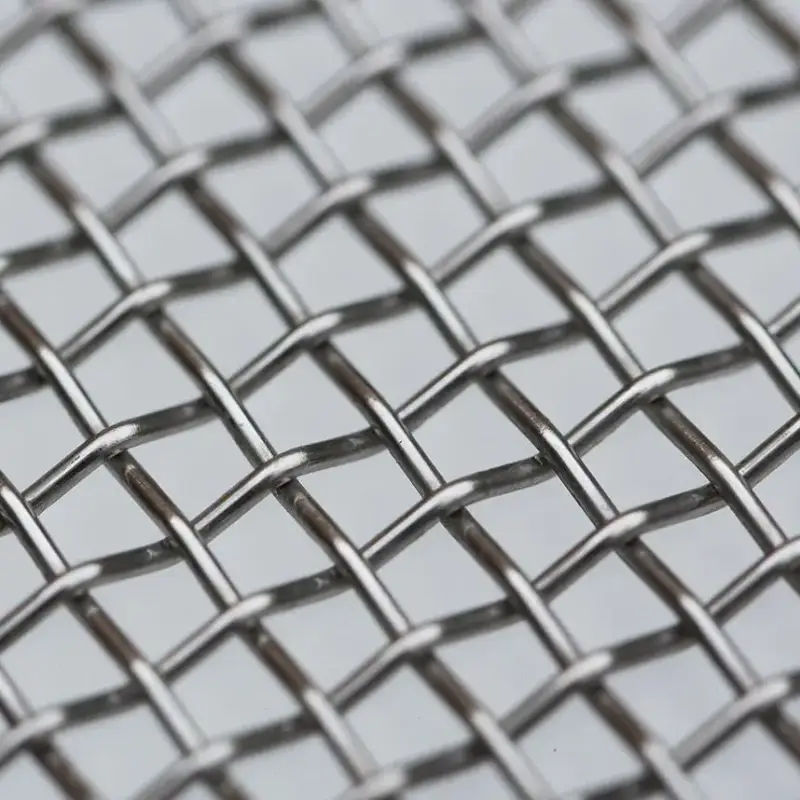
Woven wire mesh is common on vibrating screens. It is light and lets lots of material pass through. This helps you screen faster and more efficiently. If you need to sort sand, gravel, or crushed stone, woven wire mesh gives sharp results.
Check this table to see how woven wire mesh compares to polyurethane panels:
| Material Type | Advantages | Disadvantages |
|---|---|---|
| Woven Wire Mesh | Lightweight, high opening rate, improves screening efficiency | Shorter lifespan |
| Polyurethane Panels | High wear resistance, elasticity, longer service life | Higher production costs, less flexibility in dimensions |
Woven wire mesh works best for dry and rough materials. You can change the mesh size easily to fit your job. The downside is it wears out quickly with heavy or sharp material. You may need to replace it often, but you get more material screened.
Tip: If you want quick screening and easy changes, woven wire mesh is a good pick for your inclined vibrating screen.
Polyurethane Panels
Polyurethane panels are strong and last longer on vibrating screens. They resist damage and bounce back after heavy loads. If you work with wet or sticky material, polyurethane panels help stop blockages.
Polyurethane panels cost more and are not as flexible in size. Still, you save money because you do not need to change them often. If you want less downtime and longer use, polyurethane panels are smart.
- High wear resistance means fewer fixes.
- Elasticity helps panels handle tough jobs.
- Longer service life lowers maintenance costs.
You might pick polyurethane panels for jobs with lots of moisture or sharp rocks. They keep your inclined vibrating screen working longer and help you avoid shutdowns.
Self-Cleaning Screens
Self-cleaning screens fix a big problem for many people. If you deal with sticky or wet material, screens can clog fast. Self-cleaning screens use special designs to shake off buildup. You spend less time cleaning and more time working.
- Self-cleaning screens cut downtime.
- You get steady performance, even with tough feeds.
- These screens help you avoid clogs and repairs.
When you match your screen mesh size to your material, you work more efficiently and cut maintenance. Picking the right mesh for your inclined vibrating screen keeps your operation smooth. If you use the wrong mesh, you get poor separation and clogs. The right mesh lowers downtime and repair costs.
Note: Always check your material and process needs before you pick a screen mesh. The right choice makes your vibrating screen work better and last longer.
Perforated Plate
You might want a tough and long-lasting option for your vibrating screen. Perforated plate could be the answer. This screen media uses steel plates with holes punched through them. You get a strong surface that stands up to heavy and sharp materials. If you work with large rocks or need to handle high-impact loads, perforated plate gives you extra strength.
Here are some reasons you might pick perforated plate for your inclined vibrating screen:
- Handles heavy, abrasive materials without wearing out fast.
- Offers many hole shapes and sizes, so you can match your screen mesh size to your job.
- Stays flat and keeps its shape, even after lots of use.
- Works well in both wet and dry screening.
You can choose round, square, or slotted holes. Each shape changes how material moves across the screen. For example, round holes give you even wear and good flow. Slotted holes help with sticky or long materials. You can talk to your supplier about the best hole pattern for your needs.
Note: Perforated plate is heavier than wire mesh or polyurethane panels. You may need a stronger support frame for your vibrating screen if you use this option.
A quick table can help you compare perforated plate to other screen media:
| Screen Media | Best For | Lifespan | Flexibility in Size |
|---|---|---|---|
| Perforated Plate | Heavy, sharp materials | Very Long | High |
| Woven Wire Mesh | Fine, dry materials | Short | Very High |
| Polyurethane Panel | Wet, sticky materials | Long | Medium |
Mesh Selection and Performance
Choosing the right screen mesh size and type makes a big difference in how your vibrating screen works. If you pick the wrong mesh, you might see clogs, poor separation, or even damage to your equipment. The right mesh helps you get clean, accurate results and keeps your operation running smoothly.
Here’s what you should think about when picking mesh:
- What size do you want to separate? Match the mesh opening to your target size.
- What is your material like? Sticky, wet, or sharp materials need special mesh types.
- How much material do you need to process? Higher capacity may need a bigger mesh or stronger material.
You can use this checklist to help you decide:
- Check your material type and size.
- Decide on your desired product size.
- Pick the mesh type that fits your process (wire, polyurethane, rubber, or plate).
- Think about how often you want to change the mesh.
- Ask your supplier for advice if you are not sure.
Tip: Test a small batch with your chosen mesh before you commit to a full order. This helps you avoid costly mistakes.
When you match your mesh to your process, you get better performance from your inclined vibrating screen. You also reduce downtime and save money on repairs. The right mesh choice means you spend less time fixing problems and more time getting the job done.
Step-by-Step Guide: How to Choose the Right Screen
Assess Material and Process Needs
Start by thinking about your material and how you will use the vibrating screen. This helps you stop screen blinding and keeps screening efficient. Follow these steps:
- Check your material’s physical properties:
- Look at the size of the particles and how they are spread.
- Find out how much water is in your material.
- Measure how dense your material is.
- Notice the shape of each particle.
- Think about how rough or sharp your material is.
- See if your material flows easily or not.
- Choose vibrating screen settings for your material:
- Use low frequency and high amplitude for big pieces.
- Use high frequency and low amplitude for small powders.
- Change settings for moisture:
- Make vibration stronger if your material is sticky.
- Think about bulk density:
- Use medium frequency and higher amplitude for heavy materials.
- Test your setup:
- Run a small batch to check if your settings work.
Tip: Try testing your material before you start full production. This helps you find problems early and keeps your process smooth.
Compare Machine Specs
Next, compare different machines. Each vibrating screen has its own features. You want to match these features to your needs. Look at the angle of inclination. This angle changes how fast material moves and how well it separates. Screening efficiency depends on how much the screen shakes and how often. Separation efficiency tells you how much material you remove compared to what you expect.
Check these things:
- The most tons per hour the machine can handle.
- The mix of sizes in your feed material.
- The type and weight of your material.
- The size you want to separate.
- How much moisture is on your material.
If you want high screening efficiency, pick a machine that fits your material and goals. Don’t forget to check the screen mesh size. This helps you get the right separation and keeps your operation running well.
Evaluate Screen Media
Pick the right screen media for your job. Screen media is the part that touches your material. It can be wire mesh, polyurethane, rubber, or perforated plate. Each type works best with certain materials and conditions.
Here’s a table to help you compare:
| Characteristic | Description |
|---|---|
| Chemical Inertness | The media should not react with your material. |
| Surface Roughness Control | Smooth or rough surfaces change how material moves and sticks. |
| Flexibility | Flexible media works better for some jobs. |
| Environmental Stability | Stable media handles changes in humidity and temperature. |
| Pretreatment Requirements | Some media need extra steps before use. |
| Multi-layer Integration Complexity | More layers mean you need careful setup to avoid problems. |
Note: Always check if your screen media matches your material and process. The right choice keeps your vibrating screen running longer and helps you avoid downtime.
Consult with Suppliers
You’ve looked at your material, checked machine specs, and picked your screen media. Now, you need to talk to suppliers. This step helps you avoid mistakes and get the best vibrating screen for your job.
Suppliers know a lot about vibrating screens. They see many types of material and setups every day. You can ask them about problems like screen blinding or how to boost efficiency. When you reach out, bring your notes and questions. Suppliers want to help you find the right solution.
Here’s how you can make your conversation with suppliers more useful:
- Share Your Material Details
Tell the supplier about your material. Give them the size, shape, moisture, and flow rate. If you have trouble with sticky material or screen blinding, mention it. Suppliers can suggest special screen media or cleaning systems. - Explain Your Process Goals
Let them know what you want to achieve. Are you looking for high capacity or precise separation? Do you need a vibrating screen for wet or dry material? Suppliers can match their products to your needs. - Ask About Custom Options
Many suppliers offer custom screens. You can ask about deck numbers, mesh sizes, and angles. If you need a unique setup, suppliers can build it for you. - Request Performance Data
Suppliers often have test results and case studies. Ask for data on throughput, efficiency, and wear life. This info helps you compare options and pick the best vibrating screen. - Discuss Maintenance and Support
Find out how easy it is to clean and maintain the screen. Ask about spare parts and service. Good support keeps your operation running and cuts downtime.
Tip: Bring photos or samples of your material when you meet with suppliers. This helps them see your challenges and offer better advice.
You can use a simple checklist when you talk to suppliers:
- Material type and properties
- Desired separation size
- Capacity needs
- Screening stage
- Wet or dry process
- Screen blinding issues
- Maintenance plans
Suppliers can help you solve tough problems. If you face screen blinding, they might suggest self-cleaning screens or special mesh. If you need a vibrating screen for a tricky material, they can recommend the right setup.
You don’t have to guess. Suppliers want you to succeed. Ask questions, share your goals, and listen to their advice. You’ll get a vibrating screen that fits your process and keeps your operation smooth.
Common Mistakes When Selecting Inclined Vibrating Screens
Ignoring Material Properties
Not all materials behave the same on a vibrating screen. If you ignore this, you will have problems. Some materials can cause damage or blockages. Sharp rocks wear out screens quickly. Sticky clay can clog the mesh and slow things down.
- Abrasive materials can harm your screen and make it last less.
- Sticky or wet materials can block the screen and lower accuracy.
- Heavy materials need strong screens. Light materials need softer handling.
You can use liners or overlay plates to help your screen last longer. These upgrades cut down carry-back and keep things running well. Always match your screen to your material. If you skip this, you will have more downtime and spend more money.
Tip: Test your material with a small batch before you pick your vibrating screen. This helps you find problems early.
Overlooking Screen Media
Screen media is the part that sorts the material. If you forget about this, you can have big problems. Picking the wrong screen media can mix up materials and cause bad separation. You might also see uneven material if you install the media wrong.
Here are some common mistakes with screen media:
- Picking the wrong screen media for your material.
- Installing the screen media wrong, which causes alignment problems.
- Feeding material unevenly, which leads to clogging and low output.
- Running the vibrating screen at the wrong speed or angle, which can make material bounce or pile up.
- Skipping maintenance, which can cause safety issues and lower efficiency.
If you want your vibrating screen to work well, pay attention to your screen media. The right choice keeps your process smooth and your results correct.
Underestimating Capacity
You need to know how much material you want to process. If you guess too low, you will have delays and spend more money. Your production slows down, and you might miss deadlines. Customers could go to other companies if you cannot deliver on time.
Here is what happens when you do not plan for enough capacity:
- Delays in production and longer wait times.
- Higher costs from overtime or wasted material.
- Lost sales if customers go somewhere else.
- More waste and idle workers because of bottlenecks.
- Unplanned downtime that stops your process.
- Lower employee satisfaction from stress and pressure.
You can avoid these problems by matching your vibrating screen size and setup to your real needs. Do not let wrong settings slow you down. Plan for growth and keep your operation strong.
Note: Always check your numbers and talk to your team before you pick your screen. A little planning now saves a lot of trouble later.
Mismatching Screen Setup
You might think any vibrating screen will do the job, but that’s not true. If you mismatch your screen setup, you can run into a lot of trouble. You want your screen to fit your process, your material, and your goals. If you skip this step, you could see poor results, wasted energy, and more downtime.
Let’s look at what happens when you mismatch your setup:
- You pick the wrong angle for your screen. Material moves too fast or too slow. You lose good material or clog the mesh.
- You use too many decks or not enough. You end up with mixed sizes and unhappy customers.
- You choose the wrong mesh size. Oversized pieces slip through, or fine material piles up on top.
- You set the wrong vibration speed. Material either bounces off or sits still, hurting your efficiency.
Here’s a quick table to show what can go wrong:
| Mistake | What Happens | How It Hurts You |
|---|---|---|
| Wrong angle | Poor separation, blockages | Lower quality, more waste |
| Too many/few decks | Mixed sizes, lost product | Customer complaints |
| Wrong mesh size | Bad separation, clogs | Downtime, extra cleaning |
| Wrong vibration speed | Material loss, slow process | Lower output, higher cost |
You want to avoid these headaches. Here’s how you can match your setup to your needs:
- Check your material. Is it fine, coarse, wet, or sticky? Each type needs a different setup.
- Know your goal. Do you want high capacity or perfect separation? Pick your screen settings based on what matters most.
- Test and adjust. Run a small batch. Watch how the material moves. Change the angle, deck number, or mesh size if you see problems.
- Ask for help. If you’re not sure, talk to your supplier. They can help you set up your vibrating screen the right way.
Tip: Don’t just copy someone else’s setup. Your material and process are unique. Take time to get your screen settings right.
When you match your vibrating screen setup to your job, you get better results. You save money, reduce downtime, and keep your operation running smoothly. A little planning now can save you a lot of trouble later.
Conclusion
Choosing the right inclined vibrating screen helps improve efficiency, product quality, and overall screening performance. To get the best results, the machine and screen mesh should both match the material, application, and operating conditions. Factors such as motion type, aperture size, screen surface material, angle, and maintenance all play an important role.
As a screen mesh manufacturer, we produce woven wire mesh, polyurethane panels, self-cleaning screens, and perforated plate for different screening duties. If you share your material, feed size, and target separation, we can suggest a more suitable option for your application.
FAQ
What is the best screen mesh for wet material?
You should use polyurethane panels or self-cleaning screens. These help stop clogging and keep your screen working longer. Wet material moves better with these options.
How often should you check your vibrating screen?
You need to check your screen every day. Look for wear, blockages, and loose parts. Regular checks help you catch problems early and avoid downtime.
Can you use one screen for different materials?
You can use one screen, but you may need to change the mesh or deck setup. Different materials need different mesh sizes and screen angles for best results.
How do you stop screen blinding?
Try self-cleaning screens or add water sprays. You can also adjust vibration settings. These steps help keep your screen clear and boost efficiency.
What does “deck” mean on a vibrating screen?
A deck is a layer where material gets sorted. More decks let you separate material into different sizes at the same time.
How do you pick the right screen angle?
You should match the angle to your material. Use a lower angle for fine particles and a steeper angle for coarse material. Ask your supplier for advice if you are not sure.
Is maintenance hard for inclined vibrating screens?
Maintenance is easy if you check your screen often. Clean the mesh, tighten bolts, and replace worn parts. Good maintenance keeps your screen running smoothly.
What happens if you use the wrong mesh size?
You may get poor separation and blockages. Oversized pieces can slip through, or fine material can pile up. Always match mesh size to your material and process.