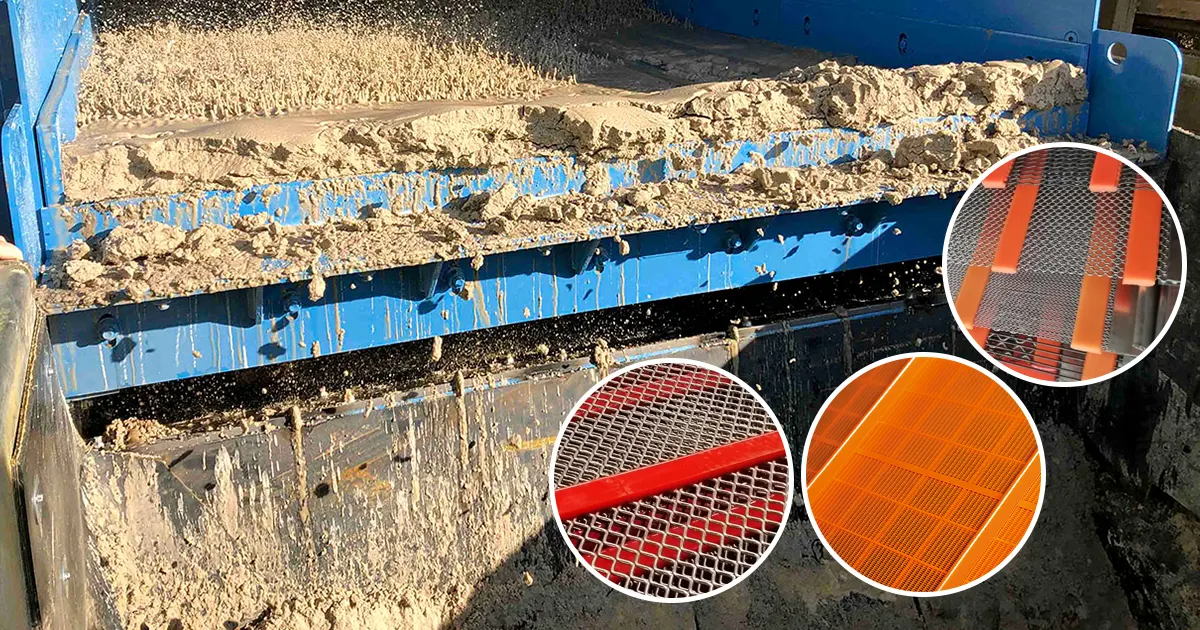
If you want to stop blinding during Sticky Material Screening, you should use the right screen media and make smart changes. Self-cleaning screens and polyurethane mesh are good because they bend and let sticky pieces fall off. You can also make screening better by doing easy things, like changing how fast you feed material or using ball decks. When you choose flexible screens like rubber or polyurethane, you get less clogging and fewer stuck pieces than with wire cloth.
- Rubber and polyurethane screens bend to shake off wet pieces.
- Thinner and softer screens help stop blinding.
- Having fewer blank spots means less sticky stuff can build up.
Checking your screens often and fixing problems quickly helps them last longer and saves you trouble later.
Key Takeaways
- Use self-cleaning screens or polyurethane mesh to stop blinding and pegging. These materials shake off sticky pieces well.
- Change your feed rate and how you spread material to stop clogs. Spread material evenly on the screen for better flow.
- Check and clean your screens often to find sticky buildup early. Clean screens work better and last longer.
- Try drying or crushing materials before screening them. This makes them less sticky and helps them move faster.
- Try changing the screen angle and aperture size. Small changes can help material flow better and stop blockages.
- Use PU declogging rods to help keep the screen surface clearer during operation.
- Watch key performance indicators (KPIs) to find problems early. Track throughput and separation efficiency for best results.
- Replace screens on a regular schedule to keep them working well. Changing screens on time stops bigger problems and saves money.
Understanding Blinding and Pegging
What Is Screen Blinding?
You might notice that your screen stops working as well when sticky material builds up. This is called screen blinding. Screen blinding happens when fine particles or sticky materials cover the openings in your screen. When this happens, the screen cannot separate materials like it should. You see less material passing through, and your product quality drops. Screen blinding is a big problem in many screening operations. If you let screen blinding go unchecked, you will spend more time cleaning and less time getting work done.
Screen blinding often starts when you deal with high moisture materials. Water makes fine particles stick together. These clumps then coat the screen and block the holes. Clay is another troublemaker. It acts like glue and covers the screen surface. When you have a lot of clay or high moisture, screen blinding gets worse. Even if you use a good screen, screen blinding can still happen if you do not manage these sticky materials.
What Is Pegging?
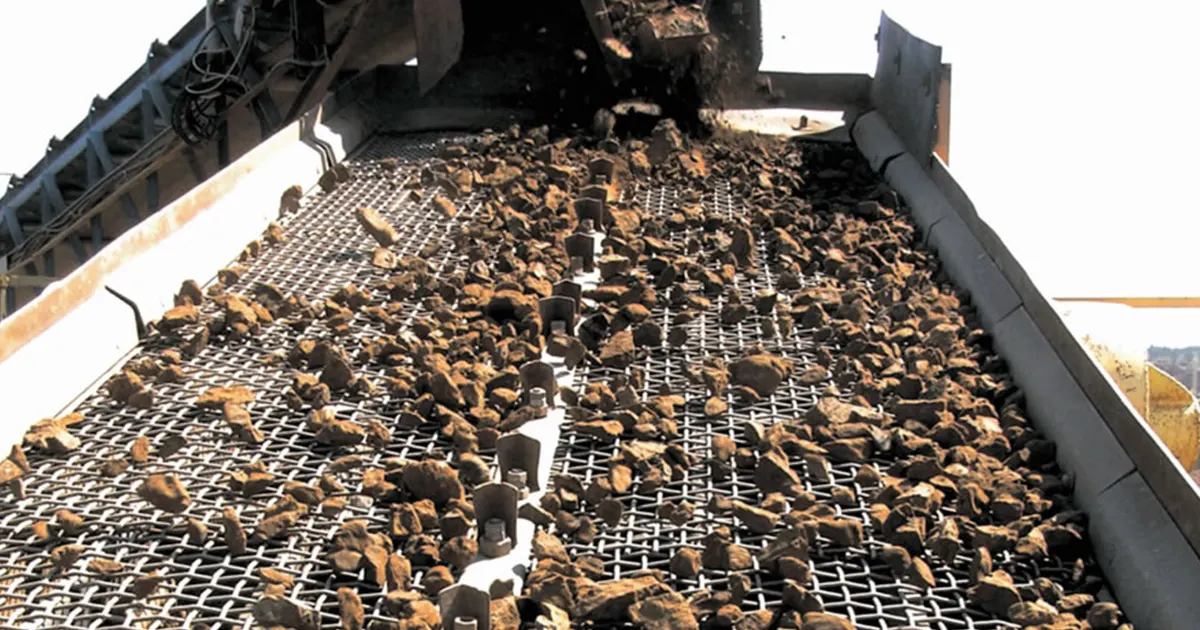
Pegging is another headache you might face. Pegging happens when larger pieces of material get stuck in the screen holes. These pieces wedge themselves in and will not come out easily. Pegging is different from screen blinding because it is not a layer of fine material. Instead, you see single pieces jammed in the openings. Pegging blocks the flow and makes your screen less effective.
You often see pegging when you screen materials with near-size particles. These are pieces that are almost the same size as the screen holes. Irregular shapes, like flat or angular pieces, get stuck more often than round ones. If you have high moisture, pegging can get even worse. Wet particles stick together and push into the holes, making pegging a bigger problem.
Why Sticky Materials Cause Problems
Sticky materials make screening tough. When you work with high moisture, clay, or fine particles, you see more screen blinding and pegging. Here are some common troublemakers:
- High moisture: Makes fine particles stick together and coat the screen, leading to screen blinding.
- Clay: Acts like glue, covering the screen and filling holes. This causes both screen blinding and pegging.
- Near-size particles: Wedge into the screen holes and cause pegging.
- Irregular shapes: Flat or angular pieces get stuck more easily than round ones.
Tip: If you notice screen blinding or pegging, check your material for high moisture or clay content first. These are the main reasons you see problems.
Screen blinding and pegging slow down your work. You get less material through the screen, and you spend more time on maintenance. If you want to keep your screening operation running smoothly, you need to watch out for these issues. Managing high moisture and sticky materials is the first step to reducing screen blinding and pegging.
Causes of Screen Blinding and Pegging
Material and Moisture Factors
You deal with sticky materials every day, and you know how much trouble they can cause. Some materials just love to cling to your screens. Here are the main culprits:
- High moisture content makes fine particles stick together. These clumps coat your screen and block the holes.
- Clay acts like glue. It fills the openings and creates stubborn blockages.
- Near-size particles wedge themselves into the screen holes. This makes blinding and pegging worse.
If you notice your screen getting clogged, check your material first. Wet, clay-rich, or near-size particles usually cause the most problems. You can’t always change what you’re screening, but you can adjust your process to handle these sticky materials better.
Tip: If you see more blinding or pegging after rain or during humid days, moisture is likely the main issue.
Screen Aperture and Shape
The shape and size of your screen holes matter more than you might think. Pegging happens when particles are almost the same size as the screen’s holes. These pieces wedge in and won’t budge. The vibration of your screen can push these particles deeper, making the blockage worse.
Blinding is a bit different. Moisture and sticky particles create a film that covers the screen. Instead of single pieces getting stuck, you see a layer that stops everything from passing through.
Let’s look at how the angle of your screen changes things:
- A more horizontal screen makes the holes look bigger to the material. You get more particles passing through.
- An inclined screen shrinks the effective hole size. Near-size particles struggle to pass, so pegging and blinding increase.
You can experiment with screen angles and aperture shapes to find what works best for your material. Sometimes, a small change in angle or hole pattern can make a big difference.
Operational Factors
You control many factors that affect blinding and pegging. Here’s a quick look at the most important ones:
| Factor | Description |
|---|---|
| Panel Thickness | Thinner panels resist blinding and pegging. Thicker panels need bigger holes, which can lead to more blockages. |
| Deck Inclination | Steeper decks require larger holes for the same separation. This increases the risk of blinding and pegging. |
| Hole Size | Bigger holes help thicker panels and steeper decks, but they also let more sticky material clog the screen. |
| Aperture Shape | Certain shapes and patterns reduce blinding and pegging. Choosing the right shape improves efficiency. |
You can adjust feed rate, deck angle, and panel thickness to reduce problems. Try changing one factor at a time and watch how your screen performs. Small tweaks often lead to big improvements.
Note: If you keep your panels thin and your deck angle moderate, you’ll see fewer blockages and smoother screening.
Impacts on Sticky Material Screening
Reduced Throughput
You want your screening operation to run fast and smooth. When blinding and pegging happen, your throughput drops. Sticky material clogs the screen holes. This slows down the flow of material. You see less product coming out, and your equipment works harder. If you feed material unevenly, blinding and pegging get worse. Clogged screens block the path, so you process less material every hour. You spend more time waiting for the screen to clear. This means you lose production and waste energy.
If you notice your output slowing down, check for blinding and pegging first. These problems often cause the biggest drop in throughput.
Lower Product Quality
You want clean, consistent product. Blinding and pegging make this tough. When the screen holes fill up, fine material stays on the deck. You get oversized pieces mixed in with your final product. This lowers your quality and makes your customers unhappy. Pegging lets near-size particles slip through, so you see more contamination. If you screen sticky material, you might see lumps or clay in your finished product. This can lead to complaints or rejected loads.
Here’s a quick look at how blinding and pegging affect quality:
| Problem | Result |
|---|---|
| Blinding | Oversized material in product |
| Pegging | Contaminated final product |
| Sticky buildup | Inconsistent sizing |
You want to avoid these issues. Clean screens mean better quality and happier customers.
Increased Maintenance
Blinding and pegging make you work harder. You spend more time cleaning screens and fixing blockages. If you ignore these problems, your equipment wears out faster. You might need to replace panels or mesh more often. Maintenance costs go up, and you lose valuable time. You also risk damaging your screen deck if you force material through clogged holes.
Regular inspection and cleaning help you catch problems early. If you keep your screens clear, you save money and reduce downtime.
Blinding and pegging don’t just slow you down. They cost you money and make your job tougher. If you manage sticky material well, you keep your operation efficient and your costs low. Clean screens mean more throughput, better quality, and less maintenance.
Screen Equipment Solutions
Self-Cleaning Screens
You want your screens to work without stopping all the time. Self-cleaning screens help with this problem. These screens have special wires or shapes that move when the screen shakes. This movement helps knock off sticky pieces that would stick to the mesh. You get fewer blockages and less time when the screen is not working.
Self-cleaning screens are great for wet, sticky, or fine materials. The shaking makes leftover material fall off and keeps the screen clean. You do not need to stop and clean the screen as much. This means your work stays steady and your product stays good.
You can use self-cleaning screens with many types of screen media. This makes them useful for different jobs. You get the same good results, even with sticky materials. If you want to stop blinding and pegging, self-cleaning screens are a top choice.
Here is why self-cleaning screens work well:
- Special wires bend and move to shake off sticky pieces.
- The screen’s shaking stops material from building up.
- You clean less by hand, so you work more.
- They fit many kinds of screen media.
- Your screening stays steady and works well.
If you have trouble with blinding and pegging, try self-cleaning screens. You will see fewer stops and smoother material flow.
Polyurethane Mesh and Panels
You need screens that can handle sticky and tough materials. Polyurethane mesh and panels are good for this job. Polyurethane is stretchy, so the screen can bend and make small shakes. These shakes help knock off stuck pieces, like a self-cleaning screen. You get fewer blockages, even with wet or fine materials.
Polyurethane mesh is made to fight blinding and pegging. The way these panels are built makes them better than regular screens. You get better screening and less time when the screen is not working. Polyurethane panels last longer because sticky materials do not wear them out fast.
When you use polyurethane mesh, you also get its flexibility. The panels bend and shake off wet pieces, just like self-cleaning screens. You spend less time cleaning and more time screening. Polyurethane mesh is a good anti-blinding device, especially for clay or wet material.
Here is why polyurethane mesh and panels are good for sticky material screening:
- Stretchy panels make shakes that knock off stuck pieces.
- The design stops blinding and pegging better than wire mesh.
- Panels last longer and do not wear out fast.
- Flexible panels shake off sticky material.
- They work well for hard screening jobs.
Polyurethane mesh and panels help keep your screens clear. If you want less cleaning and more work done, try polyurethane.
PU Declogging Rods
PU declogging rods are flexible polyurethane cleaning tools used to help keep filtration and screening surfaces clear. They are designed for easy installation on industrial screens and can be linked with standard pins to create full, tangle-free coverage across the deck. This makes them a practical option for screening applications where buildup, clogging, or blocked openings can reduce performance.
As the screen vibrates during operation, the rods move and bounce actively against the screen surface. This repeated contact helps dislodge trapped particles, loosen sticky buildup, and prevent material from staying lodged in the openings. By keeping the screen surface cleaner, PU declogging rods can support smoother material flow and more stable screening performance.
Their flexible polyurethane construction also gives them good resilience and durability in demanding working conditions. Compared with manual cleaning, they provide a more continuous way to help maintain screen efficiency during operation. For applications where screen blockage is a concern, PU declogging rods can be a useful addition to the overall screening setup.
Operational Adjustments to Reduce Blinding and Pegging
Feed Rate and Distribution
You can make a big difference in your screening results by adjusting how much material you feed onto the screen and how you spread it out. If you overload the screen, sticky material builds up fast. This causes blinding and makes it hard to reduce pegging. You want to match the feed rate to the size of your deck and the motion of your screen. When you do this, you keep the material moving and prevent blockages.
You also need to spread the material evenly across the screen. If you pile it up in one spot, you get more wear and more clogs. Uniform feed distribution helps you use the whole screen area. This means you get better separation and fewer problems with sticky material.
Here’s what you should remember:
- Match feed rate to deck area and screen motion.
- Spread material evenly across the screen width.
- Keep an eye on material flow to spot trouble early.
Tip: If you notice clogs in certain spots, check your feed distribution first. Small changes can reduce pegging and blinding.
Water Spray and Improved Drainage
Water spray can help you handle sticky materials. Wet screening uses water to wash the material as it moves along the deck. This keeps the screen clean and helps reduce pegging. Water spray breaks up clumps and washes away fine particles that might block the holes.
You also need good drainage. If water pools on the deck, sticky material sticks even more. Make sure your screen lets water drain quickly. This keeps the material moving and stops buildup.
Wet screening works well for clay-rich or moist materials. You get better sorting and less plugging. Water spray and drainage together help you keep your screens clear and your operation running.
Note: If you screen sticky material, try adding water spray and check your drainage. You’ll see fewer blockages and more throughput.
Aperture Size and Deck Angle
Changing the size of your screen holes and the angle of your deck can help you reduce pegging. Bigger apertures let more material pass through, but you need to balance this with your product size. If you make the holes too big, you lose quality. If they’re too small, you get more blockages.
Deck angle matters too. Inclined screens move material faster. Gravity helps push sticky pieces off the deck. This reduces the time material spends on the screen and helps reduce pegging. Horizontal screens make the holes look bigger to the material, which can improve efficiency. Inclined screens make the holes look smaller, so near-size particles are less likely to pass through.
Here’s a quick table to help you decide:
| Adjustment Type | Description |
|---|---|
| Aperture Size | Adjust hole size to improve material flow and reduce pegging. |
| Deck Angle | Increase angle to speed up material movement and minimize sticking. |
Try changing one thing at a time. Watch how your screen performs. Small tweaks can make a big difference.
If you want to reduce pegging and blinding, experiment with aperture size and deck angle. You’ll find the best setup for your material.
Material Pre-Treatment
You can make your screening job easier by treating sticky material before it even hits the screen. Material pre-treatment helps you fight blinding and pegging right from the start. You don’t have to wait for problems to show up. You can take action early and keep your screens clear.
Let’s look at some ways you can pre-treat material:
- Drying: If you deal with wet material, drying it can help. You can use air blowers, heated drums, or even sunlight. Dry material sticks less and flows better. You see fewer clogs and less buildup.
- Crushing and Sizing: You can break up big lumps and clumps before screening. Crushers and mills turn sticky chunks into smaller pieces. Smaller particles move through the screen more easily. You get less pegging and more throughput.
- Mixing with Additives: Sometimes, you can mix in sand, lime, or other dry materials. These additives soak up moisture and reduce stickiness. You can also use anti-caking agents. They stop clay and fines from clumping together.
- Pre-Washing: You can wash material before screening. Water jets or spray bars remove clay and sticky fines. Clean material flows better and causes fewer blockages.
Tip: If you notice blinding after rain or during humid weather, try drying your material first. You might see a big improvement.
You can also use chemical treatments. Some operations use surfactants or wetting agents. These chemicals change how water sticks to the material. You get less clumping and better flow. Always check with your supplier before using chemicals. You want to make sure they’re safe for your process.
Here’s a quick table to help you pick the right pre-treatment:
| Pre-Treatment Method | Best For | How It Helps |
|---|---|---|
| Drying | Wet, sticky material | Reduces moisture and stickiness |
| Crushing/Sizing | Large lumps, clumps | Makes particles smaller |
| Additives | Clay-rich material | Absorbs moisture, stops clumping |
| Pre-Washing | Clay, fines | Removes sticky particles |
| Chemical Treatment | Fine, wet material | Changes water behavior |
You don’t have to use every method. Pick the one that fits your material and your operation. Sometimes, a simple change makes a big difference.
You can set up pre-treatment equipment upstream from your screen. You might use a conveyor with a dryer, a crusher, or a mixing drum. You can add spray bars or water jets for washing. You can even set up a station for adding dry materials or chemicals.
Note: If you treat your material before screening, you spend less time cleaning screens. You get more throughput and better product quality.
Material pre-treatment gives you control. You don’t have to fight sticky material on the screen. You can stop blinding and pegging before they start. Try one or two methods and see how your screening improves. You’ll save time, reduce maintenance, and keep your operation running smoothly.
Maintenance for Effective Sticky Material Screening
Regular Inspection and Cleaning
You can make your screens last longer if you check and clean them often. Sticky material can pile up quickly, especially on the sides and other parts of the screen. If you leave it there, you will get blinding and pegging. You should look at your screens between shifts and wipe off any sticky spots you see. Even a little bit of buildup can turn into a big problem if you do not clean it.
- Check screens and decks after every shift.
- Wipe off sticky stuff from all parts, not just the mesh.
- Watch for damage or worn spots while you clean.
Tip: If you see sticky material starting to pile up, clean it right away. If you wait, the job gets harder and your screening slows down.
Scheduled Screen Replacement
You cannot use the same screens forever. If you want your screens to work well, you need to change them on a schedule. Old screens get loose and break down. This makes them sag, which causes more blinding and pegging. You should put in new screens before the old ones break.
Here’s a simple table to help you plan your maintenance:
| Maintenance Practice | Description |
|---|---|
| Regular Cleaning | Clean screens after each shift to stop sticky buildup. |
| Inspection and Monitoring | Check for damage often so you can fix problems early. |
| Tension Management | Keep the mesh tight to stop sagging and help screening. |
| Timely Repairs and Replacement | Fix small problems fast and change screens when needed. |
You can set reminders to check and change your screens. If you see sagging or holes, put in a new screen right away. This keeps your work going and stops the same problems from coming back.
Note: Do not wait for a screen to break. Changing screens on time saves you money and trouble.
Monitoring Screen Performance
You can find problems early if you watch how your screen works. Look for things like the bed moving up and down, material rolling, or piles building up in one spot. These signs mean blinding or pegging could be starting. You should keep track of important numbers to see how well your screen is doing.
Here’s a quick table of KPIs to watch:
| KPI | Description |
|---|---|
| Separation Efficiency | How much material should pass compared to what does pass |
| Actual Cut Size | The size of particles being separated |
| Circulating Load | How much material goes back through the system |
| Actual Capacity | How much material you screen compared to the machine’s limit |
| Specific Energy Use | How much energy you use for each unit of material |
- Watch for the bed moving or material rolling.
- Look for piles on the deck.
- Track your KPIs to see if things slow down.
If you use regular and smart maintenance, you can stop problems before they get big. Checking your screens often and watching how they work helps you keep them clear and your operation running well.
You can keep your screening working well if you follow these steps. Clean your screens often, change them when needed, and keep an eye on how they work. You will have fewer problems and more time to get work done.
Screen Media Comparison for Sticky Materials
Woven Wire Mesh vs. Polyurethane
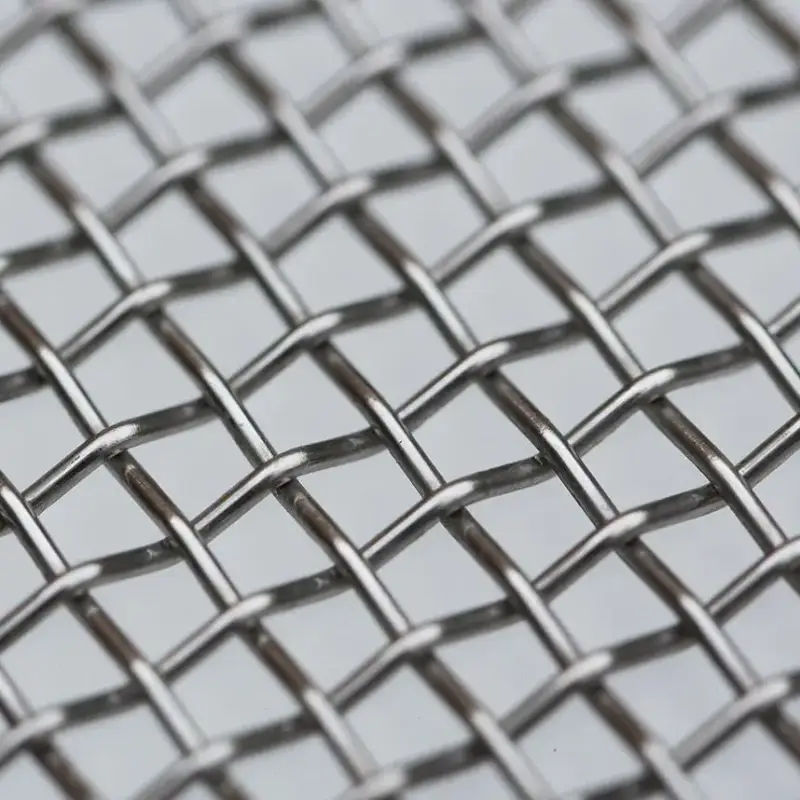
You can pick woven wire mesh or polyurethane for your screen. Each one works in its own way. Woven wire mesh has lots of open space. This lets more material go through fast. Polyurethane bends and moves when the screen shakes. This helps knock off sticky pieces.
Let’s see how they are different:
| Material Type | Advantages | Performance in Sticky Conditions |
|---|---|---|
| Polyurethane | Reduces blinding and pegging, lasts longer, handles damp material well | Highly effective |
| Woven Wire Mesh | Good open area, fast screening, needs upgrades for sticky jobs | Less effective without enhancements |
Polyurethane screens, like Anpeng, are better for sticky material. They last longer and need fewer stops. Woven wire mesh can work, but you may need to add special parts for sticky jobs.
- Polyurethane screens bend and shake off sticky pieces.
- Woven wire mesh is fast but can clog up.
If you want less stopping, polyurethane is a good choice for sticky material.
Self-Cleaning vs. Traditional Screens
You might wonder if self-cleaning screens are worth the price. They cost more, but they save you time. Self-cleaning screens have wires or shapes that move. This movement knocks off sticky material and keeps the screen open.
Here’s a quick look at how they compare:
| Feature | Self-Cleaning Screens | Traditional Screens |
|---|---|---|
| Maintenance Frequency | Less cleaning needed | More cleaning, more downtime |
| Sorting Efficiency | Better for sticky or wet screening | Not as good for sticky screening |
| Downtime for Cleaning | Less downtime | More downtime |
| Cost | Higher cost | Lower cost |
| Job Matching | Needs the right job | Works for most screening jobs |
| Strength in Rough Conditions | May be less strong in tough screening | Usually stronger |
With self-cleaning screens, you clean less and screen more. Traditional screens cost less, but you may lose time because of clogs. If you screen sticky material a lot, self-cleaning screens make things easier.
Tip: If you want less cleaning and steady screening, try self-cleaning screens.
Perforated Plate Suitability
Perforated plates are used for tough screening jobs. These plates are strong and last a long time. They are good for heavy work. But they do not help much with sticky material.
- Perforated plates are not made for sticky jobs.
- They do not have anti-blinding or self-cleaning features.
- You can pick the open space you want, but sticky material can still block the holes.
If you need a strong screen for heavy jobs, use perforated plates. If you have sticky material, pick something that helps keep the screen clear.
Note: For sticky material, choose screens with anti-blinding or self-cleaning features. You will get better results and less stopping.
You have many choices for screening sticky materials. Polyurethane and self-cleaning screens work best. Woven wire mesh and perforated plates work for some jobs, but you may see more blinding and pegging. Pick the screen that fits your material and your needs.
Conclusion
You can improve sticky material screening by combining the right screen surface with practical setup adjustments. Polyurethane panels, self-cleaning screens, and other suitable options can help reduce blinding and keep material moving more smoothly. Changes such as adjusting deck angle, using ball decks, improving feed distribution, and cleaning screens regularly can also make a big difference. As a screen mesh manufacturer, we produce woven wire mesh, polyurethane panels, self-cleaning screens, and perforated plate for different screening conditions. If you share your material and operating details, we can suggest a more suitable screen mesh solution for sticky material screening.
FAQ
What is the fastest way to stop screen blinding?
You can switch to self-cleaning screens or polyurethane mesh. These options shake off sticky material and keep your screen clear. Try adjusting your feed rate for even better results.
How often should you clean your screens?
You should check and clean your screens after every shift. If you see sticky buildup, clean it right away. Regular cleaning keeps your screens working longer.
Can water spray help with sticky material?
Yes! Water spray breaks up clumps and washes away fines. You get smoother material flow and fewer blockages. Make sure your drainage works well, too.
Which screen media works best for clay-rich material?
Polyurethane panels work best for clay-rich material. They bend and shake off sticky pieces. Self-cleaning screens also help with clay and wet material.
How do you know if your screen needs replacement?
Look for sagging, holes, or worn spots. If your screen loses tension or you see more blinding, it’s time to replace it. Scheduled replacement prevents bigger problems.
Can you use additives to reduce stickiness?
You can mix in sand, lime, or anti-caking agents. These additives absorb moisture and stop clumping. Your material flows better and causes fewer blockages.
What’s the best way to monitor screen performance?
Track key numbers like throughput, separation efficiency, and circulating load. Watch for material piling up or rolling on the deck. Quick checks help you spot trouble early.