You may wonder how graphite gets from the earth to your phone or car. Graphite mining begins with digging up ore. It ends with special steps to make pure graphite. Every step is important for good quality.
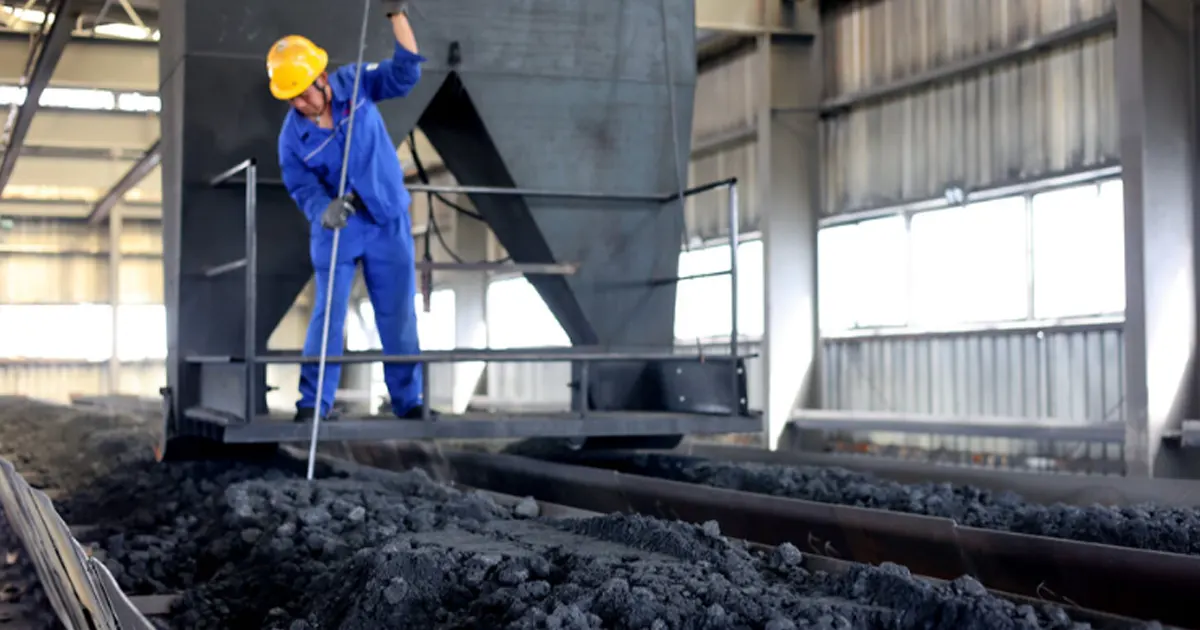
Industries like electric vehicles, steelmaking, and electronics need graphite for their products. As more people want these things, new mining projects are starting in many places.
Key Takeaways
- Graphite mining begins when people find and take out ore. This step is very important for making good graphite.
- Geologists use science to find graphite in the ground. This helps mining work better and faster.
- The way people mine depends on how deep the graphite is. They can use open-pit or underground mining.
- The quality of the graphite also matters.
- People must think about the environment when they mine. This helps stop pollution and saves nature.
- There are different types of graphite. These are flake, vein, and amorphous. Each type has special features and uses in factories.
- To make graphite very pure, people use chemical and heat methods. This is needed for things like batteries.
- Testing and checking the graphite is important. This makes sure it is good enough for industry and works well.
Exploration and Site Selection
Identifying Graphite Deposits
The first step is to look for places where graphite is underground. Geologists use different tools to help them find these spots. They do not just start digging anywhere. They use science to help them choose the best places.
- Electromagnetic (EM) surveys help find areas that let electricity flow well, which can mean there is graphite.
- Self-potential (SP) surveys check for natural electric currents in the ground.
- Induced polarization (IP) surveys show how rocks act when electricity is sent through them.
- Resistivity methods test how much rocks stop electricity from passing.
- Gravity surveys look for changes in gravity that can show where minerals are.
- Magnetic susceptibility surveys check how rocks react to magnets.
Geological mapping is also very important. People walk around, look at rocks, and measure layers. This helps them make maps and mark places where graphite could be found.
The transient electromagnetic (TEM) method is a strong tool for finding graphite in places like Lower Austria. It helps you see what is under the ground.
Site Evaluation Steps
After you find a possible place, you need to see if it is good for mining. You check a few things before you start digging.
| Criteria | Description |
|---|---|
| Geological Structure | You look at the shape and depth of rocks. This shows how easy it is to get the graphite. |
| Graphite Quality and Grade | You test the graphite to see how pure and valuable it is. High-grade graphite is worth more. |
| Mining Technology and Economics | You think about what machines and tools you need. You also count the costs and profits. |
| Environmental Considerations | You make sure mining will not hurt the land, water, or air. You follow rules to protect nature. |
These steps help you pick the best place. You want a spot that is safe, makes money, and does not hurt the environment.
Preparing for Mining
Before mining starts, you need to get ready. You use different ways to learn more about the site.
- You do more geological mapping to find the best spots.
- You use geophysical methods like resistivity and induced polarization to see underground better.
- You collect soil and rock samples for geochemical analysis. This tells you how much graphite is there.
- You study the ore’s chemical makeup to check for things that are not graphite.
- You look at the mineral mix to see how graphite is with other rocks.
- You test how hard and heavy the ore is. This helps you plan how to break and move the rock.
These steps help you know the site better. You get the right tools and make a plan for safe and smart mining. Now you are ready for the next step.
Graphite Mining Methods
When you start a graphite mining project, you have to choose the best way to mine. The main ways are open-pit mining and underground mining. You pick based on how deep the graphite is and how good the deposit is. Let’s look at these methods to see how they work.
Tip: If the graphite is near the top of the ground, open-pit mining is best. If it is deep down, you need underground mining.
Here is a simple chart that shows the main differences:
| Mining Method | Description | Conditions for Use |
|---|---|---|
| Open-Pit Mining | You take away dirt and rocks above the graphite ore. | Best for shallow deposits. |
| Underground Mining | You dig tunnels and shafts to get the graphite. This way costs more and needs more planning. | Needed for deep, high-quality deposits. |
Open-Pit Mining
Open-pit mining is used most when the graphite is close to the surface. Many big mines use this way.
Site Preparation
First, you clear the land. Workers cut down trees and remove brush and topsoil. Big machines like bulldozers and excavators help with this. The area must be safe and flat for the next steps. Sometimes, roads are built for trucks and drains are made to keep water away.
Extraction Process
Next, you dig down in layers. Excavators and loaders scoop out dirt and rocks above the graphite. This is called overburden. When you reach the ore, drills and sometimes explosives break up the rock. The goal is to make the graphite easy to collect. You keep digging until you reach the bottom of the deposit.
Material Transport
After digging out the graphite ore, you move it. Dump trucks take the ore to the processing plant. For short trips, conveyor belts can be used. You also have to deal with waste rock. Trucks move this waste to special piles or fill empty spaces.
Note: Open-pit mining can change a lot of land. If you do not handle waste rock and water runoff well, you can get soil erosion and water pollution.
Underground Mining
If the graphite is deep, you cannot use open-pit mining. You need underground mining. These ways cost more and need special skills.
Shaft Construction
You start by making shafts or tunnels. Shaft mining means digging a tunnel straight down or at an angle to the graphite. Sometimes, you use room-and-pillar or longwall ways to reach the ore. You need strong supports to keep tunnels safe. This step takes time and careful planning.
Ore Removal
When you reach the graphite, you use drills, loaders, and small trucks to break and move the ore. Workers take out the graphite in parts, leaving pillars of rock to hold up the roof. Conveyor belts or rail cars can bring the ore up. This way is slower than open-pit mining, but it works for deep deposits.
Safety Measures
Underground mining has special dangers. You must protect workers from machine accidents and graphite dust. Breathing dust can hurt your health. You also need to handle chemicals safely and watch for fire or explosions. Training is important. You must have plans for emergencies.
Here are some main safety problems to know:
- Dangers from heavy machines
- Breathing problems from graphite dust
- Safe use and storage of chemicals
- Fire and explosion dangers
- Worker comfort and safety
- Training for all workers
- Emergency plans
Alert: Underground mining can also hurt the environment. Wastewater and chemicals can pollute soil and water. Small graphite pieces can get into the air or streams.
Environmental Impacts of Mining Methods
Both open-pit and underground mining can harm nature if you are not careful. Here are some things to watch for:
- Pollution from mining, like dirty water and soil
- Strong acids and bases can leak into nature
- Small graphite pieces can get into air and water
- Open-pit mining can disturb large areas of land
- Taking away topsoil can cause erosion
- Waste rock piles can pollute water
You can lower these problems by using good ways and the right tools. Always plan for safe waste handling and fixing the land.
Picking the right mining way helps you get the most graphite with the least harm to people and nature. You need to match your way to the deposit and always think about safety and the environment.
Graphite Types
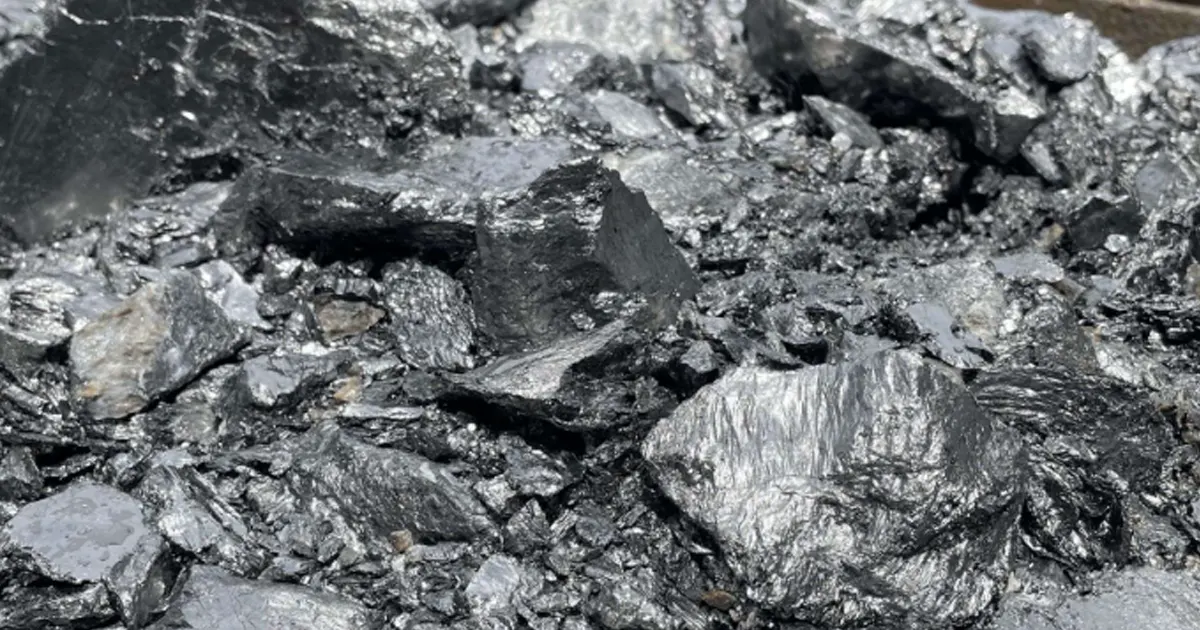
You might think all graphite looks the same, but that’s not true. There are different types, and each one has its own story. Let’s break them down so you can see what makes each type special.
Natural vs. Synthetic
You can find graphite in nature, or you can make it in a lab. Natural graphite comes straight from the earth. You mine it, then process it to get the form you need. Synthetic graphite is different. People make it by heating materials like petroleum coke in special ovens. This process takes a lot of energy.
Natural graphite works well for batteries, pencils, and lubricants. Synthetic graphite is great for things that need very pure material, like electric car batteries and steelmaking. You might see synthetic graphite in industries that need high strength and heat resistance.
If you want to choose the right graphite, think about what you need it for. Some jobs need natural graphite. Others work better with synthetic.
Flake, Amorphous, Vein
Natural graphite comes in three main types. Each one forms in a different way and has its own uses.
- Flake graphite forms under high pressure and temperature. You find it in metamorphic rocks. It stands out because it has excellent electrical and thermal conductivity. People use flake graphite in batteries, fuel cells, and as a heat spreader. When you process flake graphite, you need to shape it into small spheres. This step is called spheroidization. It helps the graphite work better in lithium-ion batteries. You also need to keep the flakes large and pure. Most companies want a final purity of at least 99.95%.
- Vein graphite is rare. It forms when carbon compounds react with hot water solutions deep underground. You mostly find vein graphite in Sri Lanka. This type is very pure and easy to mine in lumps. People use it for special electrical products.
- Amorphous graphite looks different. It forms from coal at lower temperatures. Even though it looks messy, it still has a crystal structure if you look very closely. Amorphous graphite works well in brake linings, lubricants, and foundry products.
You can spot the differences during mining and processing. Flake graphite needs careful handling to keep the flakes big. Amorphous graphite comes out as fine powder. Vein graphite comes out in solid lumps.
Each type of graphite has its own strengths. You can pick the best one for your project by knowing how they form and what they do best.
Crushing, Grinding, and Screening
After you pull graphite ore from the ground, you need to break it down before you can use it. This part of the journey is all about making the pieces smaller and separating what you want from what you don’t. Let’s walk through these steps together.
Crushing and Grinding
You start with big chunks of rock. These rocks hold graphite, but you can’t use them yet. You need to crush and grind them to set the graphite free.
Here’s how you do it:
- Crushing: You use machines called crushers to smash the ore into smaller pieces. This step helps break the bond between graphite and the other rocks.
- Grinding: Next, you put the crushed ore into mills. Ball mills or rod mills spin around and grind the ore into a fine powder. This powder lets you get to the graphite more easily.
- Grading: After grinding, you sort the powder by size. This step helps you get the right size for further processing.
Crushing and grinding make it possible to separate graphite from the rest of the rock. If you skip these steps, you can’t get pure graphite for batteries or other products.
Screening and Separation
Now you have a fine powder, but not all the pieces are the same size. Some are too big, some are too small, and some are just right. You need to sort them out. This is where screening comes in.
Screening means you use special screens or mesh to separate the powder by size. You shake or move the powder over the screens. The right size falls through, and the rest stays on top. This step is key for further processing because it helps you get the best graphite for your needs.
Let’s see why the size matters. If the graphite particles are too big, they slow down how fast batteries can charge. If they are too small, they can waste energy and wear out faster. The best size for battery graphite is around 20 micrometers. If you get the size right, you get better energy, longer life, and safer products.
Here’s a quick look at how particle size affects your results:
| Particle Size Situation | What Happens to Your Graphite? |
|---|---|
| Just right (about 20 μm) | Best energy, long life, and good charging speed |
| Too small (less than 5 μm) | Wastes energy, wears out faster, and lowers battery efficiency |
| Too big (more than 40 μm) | Slows charging, lowers performance, and makes batteries weaker |
| Mixed sizes (broad distribution) | Uneven charging, faster wear, and less reliable batteries |
Screening Media Selection
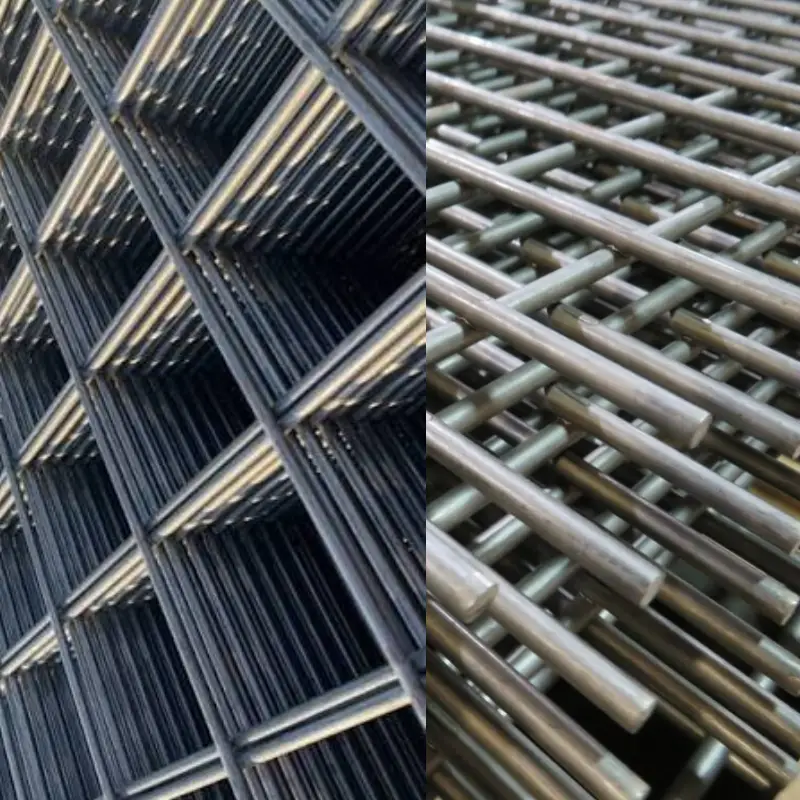
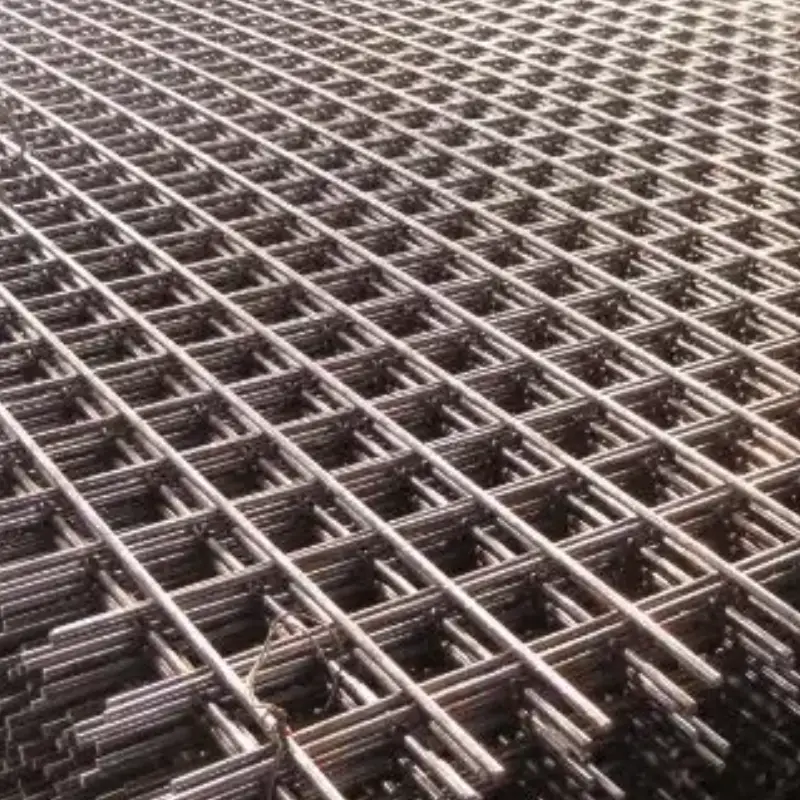
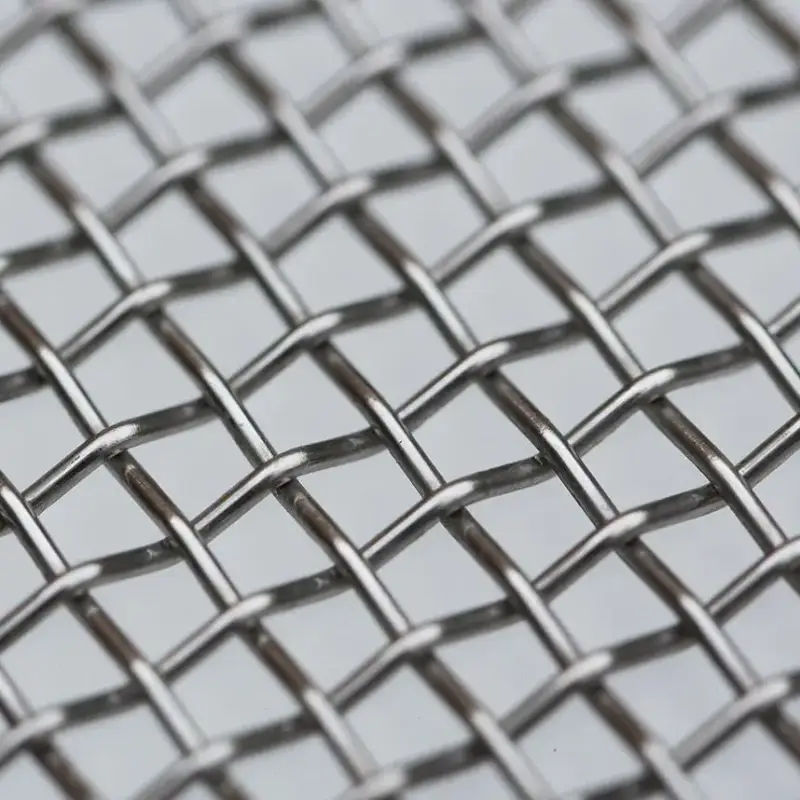
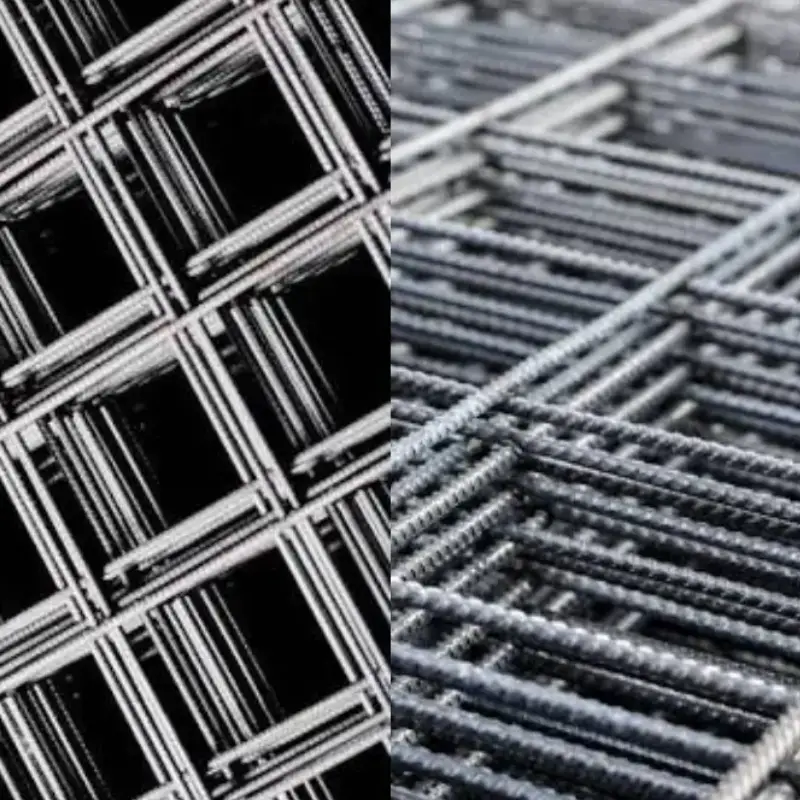
You need the right tools for screening. Not all screens are the same. Some work better for fine powders, while others handle bigger pieces. You can pick from woven wire mesh, polyurethane panels, self-cleaning screens, or perforated plates. Each one has its own strengths.
- Woven wire mesh: Great for sharp cuts and fine powders.
- Polyurethane panels: Last longer and resist wear.
- Self-cleaning screens: Stop clogging and keep working smoothly.
- Perforated plates: Handle heavy loads and rough materials.
If you choose the right screening media, you get cleaner graphite and less waste. You also save time and money during further processing.
Preventing Blinding and Wear
Screens can get clogged, especially with fine graphite powder. This is called blinding. When screens blind, you lose time and product. You can stop this by using self-cleaning screens or by shaking the screens more. Polyurethane panels also help because they last longer and don’t wear out as fast.
Tip: Check your screens often. Clean them when needed. Pick the right type for your graphite. This keeps your processing line running smoothly and gives you the best results.
When you crush, grind, and screen graphite the right way, you set yourself up for success in further processing. You get the pure, high-quality graphite that industries need for batteries, steelmaking, and more.
Beneficiation and Flotation
After crushing, grinding, and screening, your graphite is not pure enough yet. You need to clean it more. This step is called the graphite beneficiation process. Here, you separate graphite from other minerals. This makes the graphite better for high-tech uses.
Flotation Process
Flotation is the most common way to make graphite purer. Graphite does not mix with water. When you mix ground ore with water and special chemicals, graphite floats. The other minerals sink. This makes it easy to collect the graphite.
You may wonder what chemicals are used. Here are some common ones:
- Lime controls the pH and keeps bad minerals away.
- Diesel or kerosene helps graphite stick to bubbles.
- Pine alcohol oil or fusel makes bubbles that lift graphite.
- Sodium hexametaphosphate and water glass stop other minerals from floating.
These chemicals help you get the best results. They separate graphite from gangue minerals. Gangue minerals are the parts you do not want.
Here is a quick look at how different flotation methods work:
| Method | Purity Achieved | Description |
|---|---|---|
| Flotation Process | 80-95% TGC | Uses graphite’s water-repelling nature to separate it from other minerals. |
| Reverse Flotation | High Purity | Works well for large flake graphite, keeping flakes big and strong. |
| Film Flotation | Effective | Good for fine, lower-grade graphite particles. |
Tip: The best flotation method depends on your graphite type. Flake, vein, and amorphous graphite each need a different way.
Concentration and Upgrading
You want your graphite to be as pure as possible. The beneficiation process helps you get higher purity. Sometimes, you use gravity separation or electric separation too. These ways remove even more bad stuff.
The main goal is to get high-grade graphite concentrate. Flotation alone can give you 80-95% purity. If you need even higher purity, you can add chemical or thermal purification later.
Here is what you get from the beneficiation process:
- More graphite for batteries, lubricants, and steelmaking.
- Cleaner graphite that meets industry rules.
- Less waste, which is better for nature.
This process is very important in mining. It turns raw ore into something valuable for many modern things.
Remember: The purer your graphite, the better it works for things like electric car batteries and electronics.
Graphite Purification
Now it is time to make graphite very pure. This step is important for batteries and electronics. Let’s see how you can do this.
Chemical Methods
Chemical purification uses strong acids or bases to clean graphite. You mix graphite with chemicals like hydrochloric acid or hydrofluoric acid. These chemicals break down things you do not want. The graphite stays behind. This method can make graphite 80% to 95% pure. If you want battery-grade graphite, you need to clean it more. You can get it to 95% purity. After spheroidization, the purity can reach 99.9% or even higher.
- Chemical purification can make graphite 80–95% TGC.
- Battery-grade graphite needs more cleaning to reach 95% TGC.
- Spheroidized graphite can be 99.9% pure or more.
Chemical methods work for many types of graphite. You must be careful with acids and clean up waste before letting it go.
Thermal Methods
Thermal purification uses heat to clean graphite. You put graphite in a furnace and heat it very high, sometimes over 2,800°C. The heat burns away things you do not want. Only pure graphite is left. You do not need acids or bases, so there is less chemical waste. This method works for many kinds of graphite, but it uses a lot of energy.
Here’s a quick comparison:
| Method | Efficiency | Environmental Impact |
|---|---|---|
| Thermal Purification | Works well for many graphite sources | Needs a lot of energy |
| Chemical Purification | Uses strong acids or bases | Can make harmful waste |
If you want a cleaner way, thermal methods make less waste. But you must pay for more electricity and special tools.
Comparing Purification Techniques
You may wonder which way is best for you. The answer depends on your goals, money, and rules about the environment. Chemical purification uses acids or bases to clean out minerals. Thermal purification works for many types of graphite but needs a lot of power.
Let’s look at the main points:
| Factor | Chemical Purification | Thermal Purification |
|---|---|---|
| Capital Investment | Needs special tanks and waste treatment | Needs special machines and lots of power |
| Operating Costs | High because of chemicals and cleaning waste | Mostly pays for electricity |
| Environmental Impact | Makes a lot of dirty water that needs cleaning | Makes less waste (iron concentrate) |
| Iron Removal Efficiency | A bit better than thermal methods | 99.5–99.8% efficiency |
- Chemical methods are good if you have the right tools and can handle waste.
- Thermal methods are good if you want less chemicals and can pay for more energy.
You must think about purity, cost, and the environment. How you clean graphite changes its quality and what it can be used for.
Shaping Graphite
After you clean graphite, you must shape it. You can make powder, blocks, rods, or special parts. Let’s learn how this happens.
Powder Production
You start with pure graphite. Milling machines grind it into tiny bits. Then you sort the powder by size. This step uses classification tools. The size of the particles matters a lot. Batteries need small particles. Lubricants use bigger ones. Composites need certain sizes too. Changing the size helps control how graphite works.
Tip: Always check the particle size. It changes how well graphite works for each job.
Block and Rod Forming
You can make blocks and rods from graphite. Here is how you do it:
- Compression molding presses powder into solid shapes.
- Isostatic pressing uses even pressure for strong blocks and rods.
- Rod extrusion pushes graphite through a die to make long rods.
Blocks and rods are used in electronics and labs. They are also used in metallurgy and research. You see them in molds, nozzles, and electrodes. They can be guides, furnace linings, boats, or crucibles. Each way gives different strength and density.
| Forming Method | Typical Uses |
|---|---|
| Compression Molding | Blocks and rods for labs and industry |
| Isostatic Pressing | Strong parts for electronics and research |
| Rod Extrusion | Long rods for electrodes and heating elements |
Machining
You can shape graphite more with machining. Here are some ways:
- Extrusion mixes powder with binder and pushes it through a die. You get rods, plates, and bars. This is good for making many parts.
- Isostatic pressing uses pressure from all sides. You make strong parts for aerospace and semiconductors. After pressing, you can improve the parts.
- Vibration molding uses a paste. You shake it in a mold to make parts. This is good for furnace linings and costs less.
- Conventional molding presses the mix into molds. You get small or medium parts with good strength.
Pick the best machining method for your needs. Isostatic pressing is best for strong parts. Extrusion or conventional molding is good for simple shapes.
Note: Machining lets you make graphite for almost any job. You can make parts for batteries, furnaces, or science tools.
If you shape graphite well, you can use it in many ways. It works in lots of industries and jobs.
Quality Control
When you use graphite, you need to check its quality. Quality control helps make sure graphite works well in batteries and electronics. It also helps other products last longer. Let’s see how you can test and certify graphite.
Purity Testing
You must test graphite before using it. This shows if it is clean enough for high-tech jobs. There are different ways to check purity:
- Visual checks let you look at the surface. You can spot flaws or strange colors.
- Chemical tests show what elements are inside. Tools like X-ray fluorescence (XRF) or ICP-MS help measure this.
- Physical tests check hardness and strength. You want graphite that can handle tough work.
- Microscopic checks show grain size and structure. You look for even grains.
Acid-base methods use hydrochloric and hydrofluoric acid to wash graphite. After several washes, purity can be over 99%. Chemical tests are important for finding out how pure graphite is. Most steps boost purity to 80–95% total graphitic carbon (TGC). With more steps, you can reach 95% TGC or higher.
Tip: Always test graphite before sending it to customers. High purity means better performance and longer life.
Industry Standards
You need to follow industry standards when making graphite. These rules help keep quality high. They also make sure graphite works in many industries. Here are some important standards:
| Standard | Description |
|---|---|
| ISO | International Organization for Standardization gives general quality rules. |
| JIS | Japanese Industrial Standards for special uses. |
| ASTM | American Society for Testing and Materials rules for testing and quality. |
You can use these standards to guide production and testing. They help match graphite to what customers want. If you follow these rules, you build trust and keep products safe.
Note: Standards change over time. Check for updates so your graphite stays ahead.
Certification
After testing and meeting standards, you can get certification for graphite. Certification proves your product is high quality. It shows customers that graphite meets all rules and works well.
You can get certificates from groups like ISO or ASTM. These certificates help you sell graphite in more places. You also show you care about safety and quality.
- Certification builds trust with buyers.
- It opens doors to new industries.
- You prove graphite is ready for tough jobs.
If you want to stand out, always aim for certified graphite. You get better deals and more respect in the market.
Certification is not just a paper. It is your ticket to bigger business and better products.
Conclusion
Graphite mining begins with finding and digging up the ore. Then, you crush, screen, and clean the graphite. Every step is important for good graphite. Picking the right screening tools helps a lot. Woven wire mesh and polyurethane panels are good choices. These tools make processing easier and faster. We make screen mesh and know what works well. You can count on us to help your mining project succeed.
FAQ
What is graphite used for?
You see graphite in batteries, pencils, lubricants, and steelmaking. It also helps make electronics and brake linings. Many industries need graphite for its strength and ability to handle heat.
How do you know if a rock has graphite?
You can look for shiny, black streaks on the rock. If you rub it on paper, it leaves a dark mark. Geologists use special tools to test for graphite in the ground.
Is graphite mining safe for the environment?
Graphite mining can harm nature if you do not follow rules. Good mining companies protect water, soil, and air. They use safe waste handling and fix the land after mining.
Can you recycle graphite?
Yes, you can recycle graphite from old batteries and products. Recycling helps save resources and lowers waste. Many companies now collect and reuse graphite.
What is the difference between flake and amorphous graphite?
Flake graphite has flat, shiny pieces. It works well in batteries and electronics. Amorphous graphite looks powdery and dull. You find it in brake linings and lubricants.
How pure does graphite need to be for batteries?
Battery makers want graphite that is over 99.9% pure. High purity helps batteries last longer and work better. You get this purity by using special cleaning steps.
Why do you need special screens for graphite processing?
Graphite powder can clog or wear out screens. You need strong, self-cleaning screens or polyurethane panels. These tools help you sort graphite by size and keep your plant running smoothly.