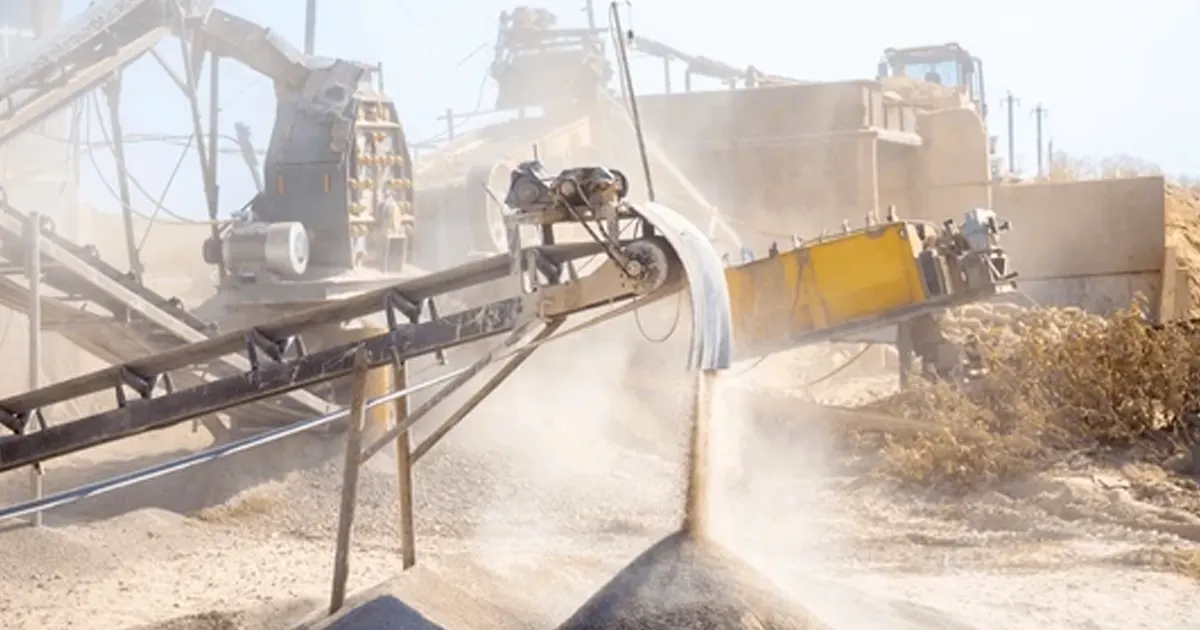
Quartz mining brings tough challenges when you deal with screening. You might see worn screens, blocked material, and lost efficiency in your mining operation. If you want high-quality quartz, you need a smart solution that keeps your screen running smoothly. Better screening means less downtime and cleaner product. You can tackle these issues with the right approach and tools.
Key Takeaways
- Quartz mining has special problems. These include high abrasion, moisture troubles, and changes in feed size. Knowing about these problems helps you run your mine better.
- It is very important to take care of screening equipment. Check the equipment often and fix problems fast. This can stop expensive breakdowns and make your screens last longer.
- Picking the right screen media, like polyurethane panels, helps a lot. It can lower wear and make things work better. Pick your media based on your mine’s needs.
- Using automated screening systems can make things faster. Automation lets you watch the process in real time. You can make quick changes, which cuts downtime and keeps people safer.
- Dust control is very important in quartz mining. Use dust collection systems and water sprays. These keep your work area safe and clean.
- Change your screening setup for moisture and feed size. Good changes can stop blinding and help separate materials better.
- Think about using multi-deck screening systems for sorting quartz. These systems help separate different sizes well and give you more product.
- Teach operators the best ways to use equipment. Training often helps workers spot problems early. This keeps everything working well.
Quartz Mining Challenges Overview
Resource Management Issues
Irregular Vein Deposits
Quartz does not always form in straight lines. Sometimes, the deposits twist deep underground. This makes planning your work hard. You must spend more time mapping the area. You need to find where the best quartz is. If you miss a spot, you might leave good quartz behind.
Extraction Efficiency
Quartz is found in many places, but pure quartz is rare. You need special machines and skilled workers to get it. The ore is very hard and rough, so tools break quickly. If you do not fix your tools, your quartz can get dirty. More people want pure quartz for things like solar panels and electronics. You must work hard to meet demand and keep your quartz clean.
Environmental Concerns
Deforestation and Erosion
Mining often means cutting down trees and plants. This can cause the soil to wash away. Rain can make gullies in the land. The ground can change fast, so you must watch for damage. If you do not stop erosion, you can hurt animals and lose good soil.
Water Pollution Risks
Mining can harm water in different ways. Runoff can carry dirt and chemicals into rivers. Acid mine drainage is a big problem. Some minerals make water acidic, which hurts fish and plants. Mines today use covered waste piles and clean water systems. Some use green chemistry to use fewer toxic chemicals and lower pollution.
Tip: To help the environment, use water cleaning systems and bioremediation. These methods keep water clean and cut down on pollution.
Here’s a quick look at some environmental impacts you should know:
| Environmental Impact | Description |
|---|---|
| Acid Mine Drainage (AMD) | Sulfide minerals make acid water if not managed, hurting nature. |
| Integrated Waste Solutions | Modern mines use covered waste, water cleaning, and bioremediation. |
| Green Chemistry | These methods use fewer toxic chemicals and lower pollution. |
Quartz mining has many problems. You must manage resources, keep your work efficient, and protect nature. If you focus on these things, you can run a better mine and help the land.
Common Challenges for Screens in Quartz Mining
High Abrasion
Causes and Effects
You face high abrasion and rock hardness every day in quartz mining. The ore is tough and sharp. When you run your screen, the quartz particles scrape and grind against the surface. This constant action wears down your screen fast. You see holes, tears, and even broken wires. The accuracy of your screening drops. You might notice more oversized rocks in your final product. This problem is everywhere in the industry. You cannot avoid it, but you can manage it.
Maintenance Impact
High abrasion means you spend more time fixing your screen. You need to check for damage often. If you ignore it, your screening equipment will not last long. You will see more downtime and higher costs. Here are some common maintenance headaches:
- You replace worn parts more often.
- You stop production to clean or fix your screen.
- You pay more for new screen panels and vibrating screen bearing wear repairs.
If you want to keep your operation running, you must stay ahead of these issues. Regular checks and quick repairs help you avoid bigger problems. You also need to watch for vibrating screen bearing wear. This type of wear can sneak up on you and cause sudden breakdowns.
Moisture and Wet Material
Blinding and Pegging
Wet material and variable moisture content create a new set of headaches. When your quartz ore is damp, it sticks to the screen. You see blinding and pegging with fines. Small particles clog the openings. Larger pieces get stuck in the mesh. Your screen cannot do its job. The flow slows down, and you lose efficiency. You need to match your screen type and mesh size to the moisture level. If you use the wrong setup, you will fight blinding and pegging all day.
Tip: Adjust your vibration settings and keep your screen media tight. This helps prevent blinding and pegging, especially when you deal with wet material.
You also need to check for chemical residues. These can make blinding and pegging worse. Anti-corrosive treatments on your screen can help.
Screening Difficulties
Moisture does not just clog your screen. It makes the whole screening process harder. You need to tune your vibration parameters for each batch. If you skip this step, you will see more downtime and more vibrating screen bearing wear. Regular maintenance is key. Tighten your screen media and check for loose parts. This keeps your screening equipment working, even in tough, wet conditions.
Feed Size Variation
Inconsistent Distribution
Large feed size variation is another big challenge. Sometimes, you get a steady flow. Other times, the rocks come in all shapes and sizes. This messes up your screen. You see uneven loading. Some parts of the screen get overloaded, while others stay empty. This uneven distribution leads to more vibrating screen bearing wear and faster breakdowns.
Screening Efficiency Loss
When you deal with inconsistent feed, your screening efficiency drops. You might see more fines in your oversize pile. You might miss good quartz in your waste. Studies show that dense loading can help with classification, but it also makes the material harder to move. You need to find the right deck angle and keep your mass flow steady. If you get it right, your screen works better and lasts longer. If you get it wrong, you pay more for repairs and see more downtime.
Note: Always check your screen setup when you change your feed size. Small tweaks can make a big difference in how well your screen handles the load.
You face these common challenges for screens every day in quartz mining. High abrasion, wet material, and feed size variation all put stress on your screen. If you stay alert and act fast, you can keep your screening equipment running and avoid costly breakdowns. Watch for signs of vibrating screen bearing wear, and do not let small problems turn into big ones.
Fine and Ultrafine Quartz
When you work in quartz mining, you deal with lots of tiny particles. Fine and ultrafine quartz can make your screening job tricky. These small pieces slip through screens or stick to surfaces. You need to pay close attention to how you handle them.
Fines Retention
You want to keep as much valuable quartz as possible. Fine particles often escape through the screen openings. Sometimes, they build up and block the mesh. You lose product and waste time cleaning. If you do not catch these fines, your yield drops.
Here are some ways you can improve fines retention:
- Use screens with smaller apertures. These catch more fine quartz.
- Try self-cleaning screen media. This type shakes off stuck particles.
- Adjust your vibration settings. Stronger vibration helps move fines through the screen.
- Check your feed rate. Too much material at once can overload the screen and push fines out.
Tip: If you see lots of fines in your waste pile, you may need to change your screen mesh or vibration settings.
You can also use multi-deck screens. These let you sort fines from larger pieces. You get a cleaner product and less waste.
Dust Control
Fine quartz creates dust. Dust can cause health problems and make your site messy. You need to control dust to keep your workers safe and your equipment clean.
Here are some dust control strategies:
- Install dust collection systems. These pull dust away from the screen area.
- Use water sprays. Water keeps dust from floating in the air.
- Cover your screens and conveyors. Covers trap dust and stop it from spreading.
- Train your team. Teach them how to spot dust problems and fix them fast.
| Dust Control Method | How It Helps |
|---|---|
| Dust Collection System | Removes airborne dust |
| Water Spray | Keeps dust settled |
| Screen Covers | Stops dust from escaping |
| Operator Training | Helps workers manage dust issues |
Note: Dust can wear down your equipment and lower screening efficiency. Clean your screens often and check for dust buildup.
You need to balance fines retention and dust control. If you focus on both, you get more quartz and a safer work site. Fine and ultrafine quartz will always challenge you, but smart screening and good dust management make your job easier.
Screening Methods and Limitations
Vibrating Screens
Suitability for Quartz
Vibrating screens are used a lot in quartz mining. They can handle big amounts of material and work quickly. You can change the vibration to fit your quartz size. This helps you get cleaner quartz. These screens work for both big and small pieces. But you have to watch for damage.
Wear Issues
Quartz is very hard and rough. The screen gets scratched by sharp pieces all the time. After a while, holes show up in the mesh. Big rocks can fall through these holes. If you put too much on the screen, it can break down. Wet screening makes things harder. Water can cause rust and block the mesh. Here are the main problems:
| Limitation Type | Description |
|---|---|
| Extreme Abrasion and Screen Wear | Quartz ore is very rough and wears out the screen fast. Holes let big pieces mix with small ones. |
| Heavy Loads and High Throughput Demands | Mines move lots of material every hour. This can overload screens and make them wear out faster. |
| Wet Screening and Moisture Management | Wet screening can cause rust, faster wear, and block the mesh. This makes screening harder. |
Note: Check your vibrating screen often. Oil the bearings and make sure the mesh is tight.
Trommel and Grizzly Screens
Application Limits
Trommel and grizzly screens help sort big rocks from smaller quartz. Trommel screens spin and mix the rocks. Grizzly screens use bars to catch large pieces. These screens are good for rough sorting. You use them early in mining.
Fines Handling
Small quartz pieces are hard to catch with these screens. You might lose good material if you use them for fine screening. These screens also need cleaning a lot so they do not get blocked.
Screening Media Types
Woven Wire Mesh
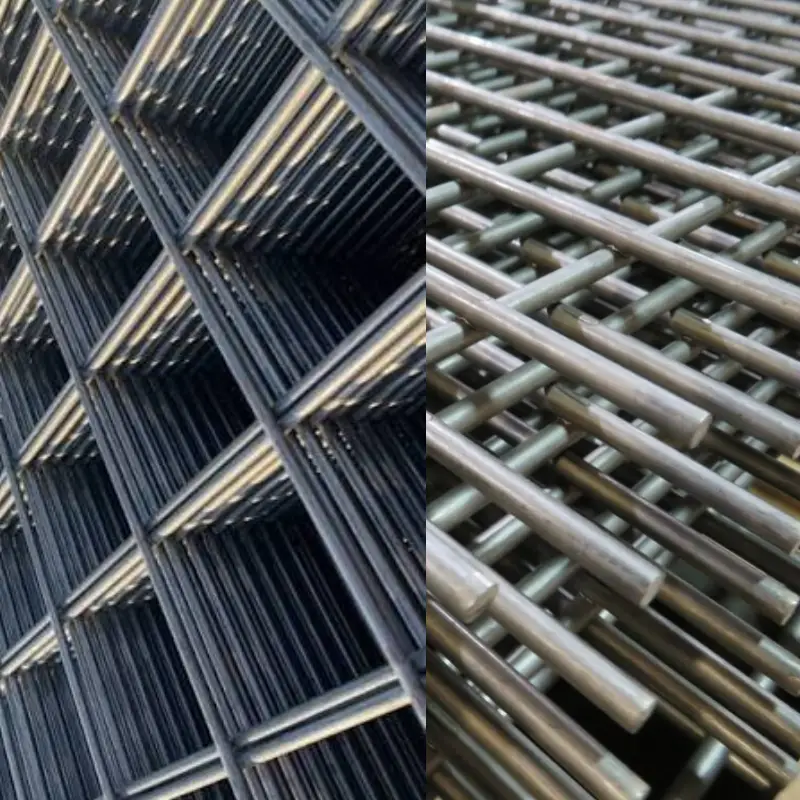
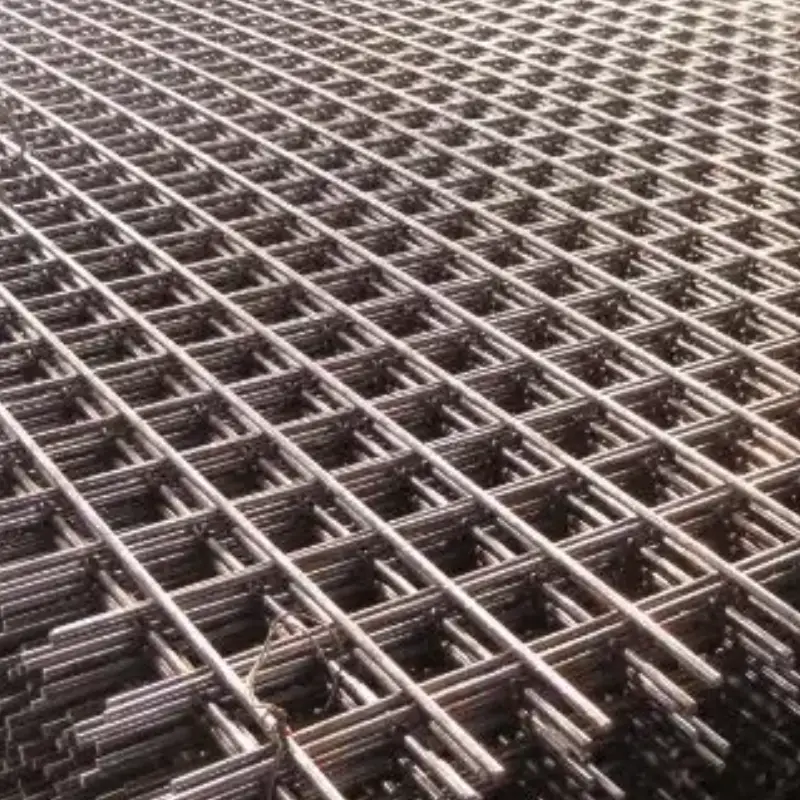
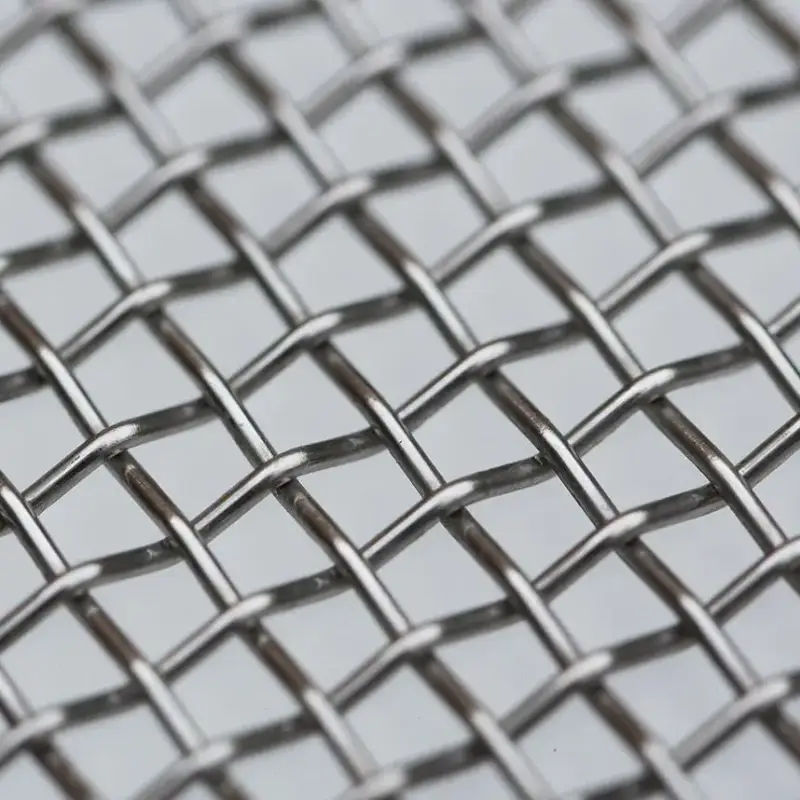
Woven wire mesh is used a lot for screens. It has even holes and is strong. It works well for big jobs. But it wears out fast when used with quartz. You have to change it often.
Polyurethane Panels
Polyurethane panels last a long time and do not wear out fast. They are quiet and need fewer repairs. These panels are good for small and medium pieces. They can take hard hits. But they cost more at first. Sunlight can also make them weaker over time.
Self-Cleaning Screens
Self-cleaning screens help stop clogging. They shake off stuck pieces. This keeps your screen working. You do not have to clean as much.
Perforated Plate
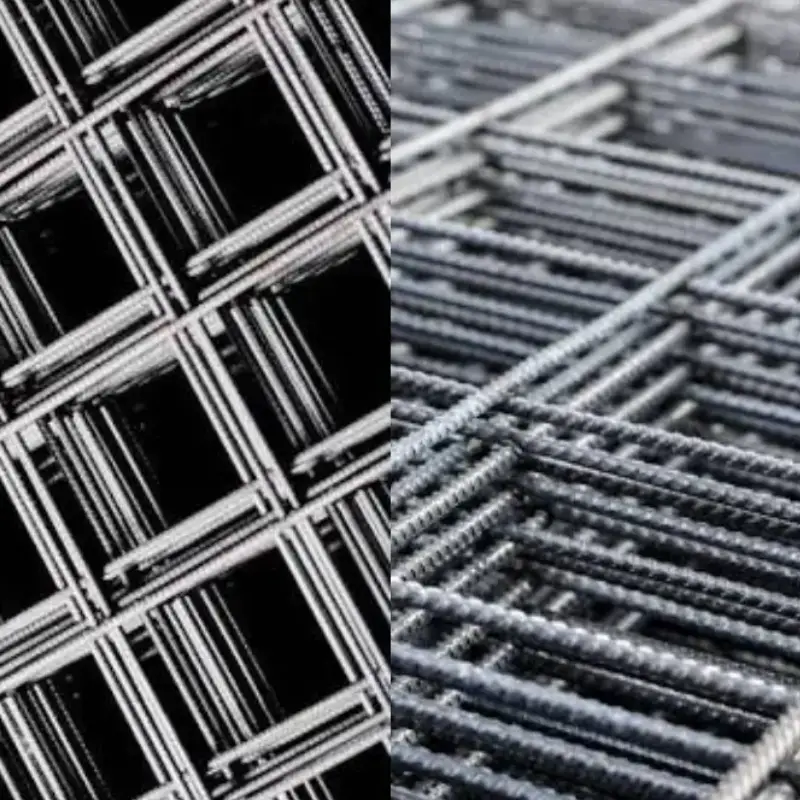
Perforated plate screens are strong and stiff. They are good for sorting big rocks. They do not bend easily. But they can be loud and wear out fast with rough quartz.
Here is a quick look at different screen types:
| Screening Media Type | Advantages | Disadvantages | Applications |
|---|---|---|---|
| Polyurethane | Lasts long, strong, does not rust, quiet, needs less fixing | Costs more, sunlight can make it weak | Small to medium pieces, rough jobs, hard hits |
| Steel (Perforated or Woven Wire) | Strong, stiff, even holes, cheaper for big jobs | Wears out fast, can rust, loud, does not last long with rough quartz | Big rocks, heavy jobs, places without rust |
Tip: Pick your screen type based on your quartz and mining stage. Polyurethane lasts longer, but wire mesh costs less.
Each screen type needs different care. For linear vibrating screens, check the motor and mesh. Gyratory screens need you to check the drive and how they hang. If you do these things, your screens will work well.
Advanced Screening Solutions
Specialized Vibratory Screens
High-Frequency Options
You want your screen to work fast and catch more quartz. High-frequency screens help you do that. These screens shake at a faster rate, so they separate fine quartz from bigger rocks. You get a cleaner product and less waste. Many mines use high-frequency screens because they boost efficiency and save time. You can adjust the vibration to match your quartz size. This gives you a high-quality screening solution for tough jobs.
Recent technology makes these screens even better. You see smart screens with automation features. They use less energy and work longer. You can monitor them in real time and fix problems before they stop your operation. Here are some cool advancements:
- Smart screens with automation lower energy use.
- Adjustable amplitude and screening angles help you match your screen to your quartz.
- Real-time monitoring and predictive maintenance keep your screen running with reliable performance.
- IoT and AI make your screen smarter and faster.
Multi-Deck Systems
Multi-deck screens let you sort quartz in stages. You place several screens on top of each other. Each deck catches a different size. You get fine quartz on one deck and bigger rocks on another. This setup helps you keep your screening efficient. You can change the deck angle and mesh size to fit your needs. Multi-deck systems work well when you want to keep more valuable quartz and reduce waste.
Tip: If you want to boost your screening, try multi-deck screens. They help you sort more material and get a cleaner product.
Magnetic Separation
Removing Iron Oxides
Iron oxides can make your quartz dirty. You need a solution that removes these impurities. Magnetic separation uses strong magnets to pull iron oxides out of your quartz ore. Superconducting high-gradient magnetic separation works best. It removes weakly magnetic impurities and makes your quartz cleaner.
Improving Product Quality
When you use magnetic separation, you get high-purity quartz. This process lifts your product quality to new levels. You can reach purity levels of 99.971%. High-purity quartz is important for electronics, solar panels, and other industries. You see better results and more demand for your product.
Modular and Hybrid Media
Combining Media Types
You want your screen to last longer and work better. Modular and hybrid screening media give you that edge. You can mix different types of screen panels, like polyurethane and wire mesh. This combo helps you fight abrasion and moisture. You replace worn parts faster and spend less time fixing your screen.
- Modular screen media lasts longer.
- Replacement is easier and faster.
- Enhanced resistance to abrasion and moisture means less downtime.
Custom Solutions
Every mine is different. You need a custom solution for your screening. Modular and hybrid media let you build a screen that fits your operation. You can pick the right mesh size, panel type, and deck setup. If you work with a screen mesh manufacturer, you get expert advice and reliable performance. Your screen works better, lasts longer, and helps you get more quartz.
Note: Modular and hybrid media are smart choices for quartz mining. They help you save money and keep your screen running strong.
Automation and Sustainability
Automated Screening
You want your quartz screening to work well and not have problems. Automation helps you reach this goal. When you use automated screening, you control your machines better. Machines can change vibration, speed, and feed rates right away. This helps you find problems early and keep your screens working longer.
Automated systems use smart sensors and computer programs. These tools watch your screens and tell you if something is wrong. If a screen starts to clog or wear out, you get a warning fast. You can fix small problems before they get worse. This saves you time and money.
Let’s see how different technologies help your screening:
| Technology | Benefit |
|---|---|
| Satellite-based mineral detection | Lets you scan big areas for quartz, so you drill less and save money. |
| Sensor-based ore sorting | Helps you get more valuable quartz and make less waste. |
| Automated environmental monitoring | Watches your site’s effect on nature and helps you follow the rules. |
You can see that automation does more than just make things faster. It helps you make smarter choices. For example, satellite-based detection can lower your search costs by up to 85%. You do not need to drill or dig as much. This keeps your land safer and saves resources.
Automated screening also means you need fewer people at the plant. You lower the chance of accidents and keep your team safe. If you use our advanced screening products, you get good results and easy setup with automation.
Reducing Environmental Impact
You care about the land and water near your mine. Automation helps you protect these things. With automated environmental monitoring, you always know what is happening at your site. Sensors check water, dust, and noise. If something goes wrong, you can fix it quickly.
Here are some ways automation helps the environment:
- You spend less on searching and do not dig when you do not need to.
- You can have zero ground disturbance when you start looking for quartz. This helps you meet ESG goals.
- You watch your impact on nature in real time and fix problems fast.
Automated systems also help you use less energy and water. Smart controls change your screens to match the material flow. You waste less and get more quartz from each ton. When you use automation with modular screening media, you only change the worn parts. This means less waste and a greener operation.
Tip: If you want a cleaner, safer, and better mine, try automated screening and monitoring. Our screening solutions work with new automation systems to help you reach your goals.
Automation and sustainability work together. You get better results, spend less money, and help the environment. That is good for your business and nature.
Screening Efficiency and Maintenance
Inspection and Monitoring
Wear Points
You want your screen to last a long time. To do this, you must check for wear points often. These are spots where your equipment gets the most stress. If you find them early, you can fix small problems fast. This stops them from becoming big problems.
Here are ways to find wear points: Use acoustic emission testing. This test helps you find cracks or rust before you see them. Do regular checks. Walk around your screen and look for worn spots or loose wires. Watch for more noise or heat. These signs mean your screen might be wearing out.
Tip: Make a checklist for your daily checks. This keeps your screening working well and helps you avoid surprise breakdowns.
Early Failure Signs
You can spot early failure signs if you know what to look for. Watch for these clues: Listen for strange sounds or shaking from your screen. Look for changes in how well your screen works, like more big rocks in your product. Check for cracks, rust, or broken wires.
If you see any of these, fix them quickly. Fast repairs keep your equipment running and help you keep your work steady.
Cleaning and Unclogging
Manual and Automated Methods
Cleaning your screen is important. You can clean by hand or use machines. Each way has good and bad points.
| Aspect | Automated Cleaning Methods | Manual Cleaning Methods |
|---|---|---|
| Efficiency | Higher precision and efficiency | Generally lower efficiency |
| Cost Savings | Significant cost savings over time | Higher labor costs |
| Downtime | Reduced operational downtime | Increased downtime due to labor |
| Labor Dependency | Less dependency on skilled labor | High dependency on skilled labor |
Automated cleaning saves you time and money. Manual cleaning works but takes longer and needs more workers. If you want better screening, try to use automated systems when you can.
Self-Cleaning Screens
Self-cleaning screens make your job easier. These screens shake off stuck material by themselves. You do not have to stop the machine as much. This keeps your screening going and cuts down on downtime. You get better screening and less mess to clean up.
Note: If you work with wet or sticky quartz, self-cleaning screens can help you avoid clogs and keep your work smooth.
Media Replacement
Upgrade Timing
You need to know when to replace your screen media. If you wait too long, your screening gets worse and your screen might break suddenly. Look for these signs: More holes or tears in your screen, lower product quality, or more time spent fixing things.
Plan to replace your screen before it fails. This keeps your equipment working and helps you avoid costly stops.
Benefits of Advanced Media
Switching to advanced screening media gives you many benefits. You get stronger screens that last longer and work better.
| Benefit/Feature | Description |
|---|---|
| Durability | High-frequency screens with stainless steel parts last longer against abrasion. |
| Separation Efficiency | You get accurate separation, even for tiny particles. |
| Non-Blinding Performance | Strong vibration keeps your screen clear and running. |
| Reduced Over-Grinding | Better screening means you do not waste energy grinding too much. |
| High Throughput | Thin material beds move faster, so you process more quartz. |
| Long-Term Reliability | Proven technology means fewer repairs and steady product quality. |
Advanced media helps you save money and time. You get better screening and less downtime. If you want your screen to last, think about upgrading your media.
Tip: Work with a trusted screen supplier. They can help you pick the best media for your quartz and keep your screening strong.
Operator Training
Best Practices
You want your screening equipment to run smoothly every day. Good operator training makes a big difference. When you know what to do, you can spot problems early and keep your screens working longer.
Here are some best practices you should follow:
- Know Your Equipment
Learn how your screen works. Read the manual. Watch how the machine moves and sounds. If something changes, you will notice right away. - Follow a Routine
Make a checklist for your daily tasks. Check the screen tension, look for loose bolts, and listen for odd noises. A simple routine helps you catch small issues before they grow. - Keep It Clean
Clean your screens at the end of each shift. Remove any stuck rocks or dust. A clean screen works better and lasts longer. - Use the Right Tools
Always use the right tools for repairs. Do not force parts or skip steps. The right tool keeps your screen safe. - Ask for Help
If you see something you do not understand, ask a supervisor or a more experienced operator. Teamwork helps everyone learn and keeps the site safe.
Tip: Hold short training sessions every month. Review common problems and share quick fixes. This keeps everyone sharp and ready.
Maximizing Screen Life
You can make your screens last longer with a few smart habits. Here are some ways to get the most out of your equipment:
- Watch for Early Signs
Pay attention to changes in sound, vibration, or product quality. These signs often mean something needs fixing. - Adjust Settings for Each Job
Change vibration speed and angle to match the material you are screening. The right settings reduce stress on your screen. - Rotate Screen Media
Move panels or mesh to different spots if you see uneven wear. This spreads out the stress and helps all parts last longer. - Keep Records
Write down when you clean, check, or fix your screen. Good records help you spot patterns and plan for future maintenance. - Stay Safe
Always lock out equipment before you work on it. Wear gloves, goggles, and other safety gear.
Here’s a quick table to help you remember key habits:
| Habit | Why It Matters |
|---|---|
| Daily Inspection | Catches problems early |
| Regular Cleaning | Prevents clogs and wear |
| Proper Adjustment | Reduces stress on equipment |
| Record Keeping | Helps plan maintenance |
| Safety First | Protects you and your team |
Note: Well-trained operators help your screens last longer and work better. Invest in training, and you will see fewer breakdowns and more quartz in your pile.
Selecting Screening Media for Quartz Mining
Choosing the right screen for your quartz mining operation can make your job much easier. The right screen helps you get better results, saves money, and keeps your screening equipment running longer. Let’s look at what you should think about before you pick your next screen.
Key Selection Factors
When you pick a screen, you want to match it to your material and your work site. Here are the most important things to check:
| Factor | Description |
|---|---|
| Particle Size Distribution | You need to know the biggest and smallest pieces in your feed. This helps you pick the right mesh opening and keeps your screen strong. |
| Moisture Content | Wet material can clog your screen. High moisture means you need a screen that handles water and keeps working. |
| Abrasiveness | Quartz is very rough. You need a screen that can take a beating and last a long time. |
Abrasion Resistance
Quartz mining puts your screen through a lot. The sharp, hard particles wear down most screens fast. You want a screen that stands up to this kind of work. Polyurethane screens do a great job here. They resist tearing, cracking, and gouging. You will notice they last much longer than rubber or steel screens, so you spend less time and money on replacements.
Aperture Size
The size of the holes in your screen, called the aperture, matters a lot. If the holes are too big, you lose fine quartz. If they are too small, your screen clogs up. Always match the aperture size to your feed. Multi-deck screens help you sort different sizes at once.
Moisture Handling
Wet quartz can make screening tough. Some screens clog or rust when they get wet. Polyurethane screens handle moisture well. They resist corrosion from acids, alkalis, and salts. You can use them in high-moisture jobs without worrying about early breakdowns.
Media Comparison
You have a few main types of screen media to choose from. Each one has its own strengths.
Woven Wire Mesh
Woven wire mesh is strong and gives you even holes. It works well for big jobs and is easy to replace. But it wears out fast with quartz and needs more upkeep.
Polyurethane Panels
Polyurethane panels are tough. They last two to five times longer than steel or rubber screens. They keep working even when you have sharp rocks, heavy loads, or lots of water. These panels also have a high open area, so you get better material flow and less clogging. You will see fewer shutdowns and lower costs.
Self-Cleaning Screens
Self-cleaning screens shake off stuck material. They help you avoid clogs, especially with wet or sticky quartz. You spend less time cleaning and more time screening.
Perforated Plate
Perforated plate screens are stiff and strong. They work well for sorting big rocks. But they can be loud and wear out quickly with rough quartz.
Manufacturer Support
Custom Solutions
Every mining site is different. Sometimes, you need a custom screen to get the best results. We can help you design a screen that fits your needs. You can choose the right mesh size, panel type, and deck setup for your operation.
Working with Experts
When you work with a screen mesh manufacturer like us, you get more than just a product. You get advice from people who know screening inside and out. We help you pick the best screen for your quartz mining job and support you every step of the way.
Tip: If you want your screening equipment to last longer and work better, talk to an expert before you buy your next screen.
Conclusion
You face tough challenges in quartz mining, from harsh wear to dust and water issues. Smart screening choices and good habits help you get better results and protect the land. When you pick the right screen media, you save money and keep your mining operation strong. As a screen mesh manufacturer, we offer solutions that fit your needs. Take time to check your setup and try advanced, green options for the best results.
FAQ
What is the best screen media for quartz mining?
You get the best results with polyurethane panels. These panels resist abrasion and moisture. You spend less time on repairs and replacements. If you want to screen fine quartz, try self-cleaning screens.
How do you prevent screen blinding in wet conditions?
You can use self-cleaning screens or adjust vibration settings. Stronger vibration shakes off stuck material. Water sprays help keep the screen clear. Regular checks make sure your screen stays unclogged.
Why does quartz mining cause high screen wear?
Quartz is very hard and sharp. It scrapes and grinds against your screen. You see holes and tears quickly. If you use tough screen media, you reduce wear and downtime.
How can you control dust during screening?
Install dust collection systems or use water sprays. Cover your screens and conveyors. Train your team to spot dust problems. Clean your screens often to keep dust from building up.
What signs show your screen needs replacement?
Look for holes, tears, or rust. If you see more big rocks in your product, your screen may be worn out. Listen for strange sounds or shaking. Plan to replace your screen before it fails.
Can you automate quartz screening?
Yes! Automated systems adjust vibration and feed rates. Sensors monitor your screens and warn you about problems. You save time and keep your operation running smoothly.
How do you choose the right aperture size?
Check your feed size. If you screen fine quartz, use smaller apertures. For bigger rocks, use larger holes. Multi-deck screens help you sort different sizes at once.
What should you do if your screen keeps clogging?
Try self-cleaning screens or change your mesh size. Adjust vibration settings. Clean your screen after each shift. If problems continue, ask a screen expert for advice.