You will see that the fluorite mining process has three main steps: crushing, screening, and flotation. These steps help change raw fluorite into a good product for industry. If you crush and screen well, you save energy and use less chemicals in flotation. Lab tests and small changes can help a lot. If you keep the feed size the same, you get more fluorite and face fewer problems.
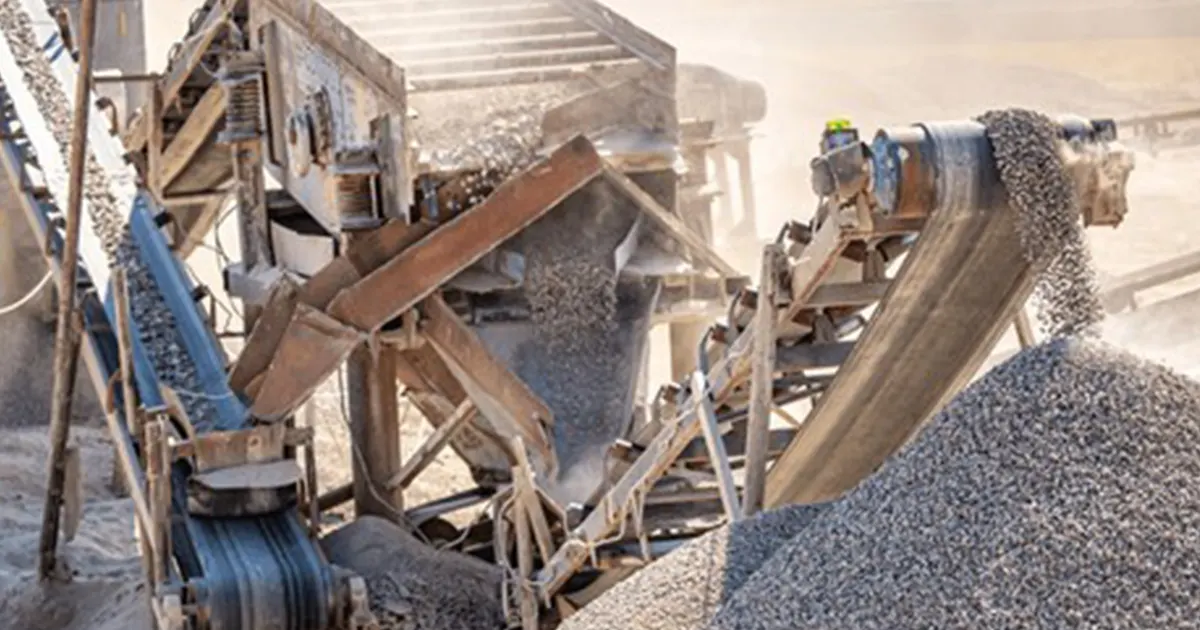
Key Takeaways
- The fluorite mining process has three main steps. These are crushing, screening, and flotation. Each step is very important for getting more fluorite and better quality.
- Good crushing and screening help save energy. They also lower the amount of chemicals needed in flotation. Keeping the feed size the same helps get more fluorite.
- Fluorite ore has special features like its weight and what it is made of. These things change how it is processed and used in different industries.
- Impurities in fluorite ore can make processing harder. Always check impurity levels to pick the best way to process the ore.
- Flotation is the most important step to separate fluorite from waste. Using the right chemicals and keeping the pH level right can help get more fluorite.
- It is important to take care of machines like crushers and screens. This stops them from breaking and keeps the process working well.
- Lab tests are very important for making the mining process better. They help find the best ways and chemicals before starting big operations.
- Treating tailings well is important for keeping the environment safe. Using new methods like paste technology can cut down on waste and danger.
Fluorite Ore Overview
Properties and Uses
Fluorite ore has some special features. It comes in bright colors and feels soft. It breaks easily along flat sides. This makes it easier to process. These features help miners separate fluorite from waste.
Here’s a simple look at its main properties:
| Property | Description |
|---|---|
| Density | Helps separate fluorite ore from other rocks. |
| Particle Size | Smaller pieces let chemicals work better. |
| Chemical Composition | Mostly calcium and fluorine (CaF2). Grades depend on CaF2 amount. |
People use fluorite ore for many things:
- It helps make hydrofluoric acid for chemicals and aluminum fluoride.
- Steelmakers use it as a flux to melt metal and clean it.
Fluorite ore is also called fluorspar.
Natural Occurrence
Fluorite ore is found in many places. It forms in different rocks and settings. Here’s a table showing where you can find it and the usual rock types:
| Country | Geological Formations |
|---|---|
| China | Hydrothermal veins, sedimentary rocks, volcanic rocks |
| Mexico | Hydrothermal veins, sedimentary rocks |
| South Africa | Hydrothermal veins, skarn deposits |
| Russia | Hydrothermal veins, skarn deposits |
If you go to these countries, you will see fluorite ore in veins or layers underground. How it forms changes how miners get and process it.
Impurities and Processing Needs
Fluorite ore is not always pure. It is often mixed with other minerals. Some common impurities are:
- Silica
- Calcite
- Barite
- Sulfide minerals
These extra minerals make processing harder. Special steps like flotation are needed to get pure fluorite. Acid-grade fluorite ore needs more than 97% CaF2. Buyers want low levels of calcium carbonate, arsenic, lead, and phosphorous. To meet these rules, you must clean and separate the ore carefully.
Tip: Always check impurity levels in your fluorite ore before processing. This helps you pick the best method and get good results.
Fluorite Mining Process Steps
You may wonder how the fluorite mining process works. Let’s look at each step to see how they help get good fluorite ore.
Here is a table that lists the main steps and what they do:
| Stage | Purpose |
|---|---|
| Crushing | Makes big ore pieces smaller to free fluorite from waste rock. |
| Screening | Sorts ore by size for steady grinding and better results. |
| Grinding and Classification | Makes ore even smaller and sorts it for better processing. |
| Flotation Separation | Removes unwanted stuff and makes fluorite better for selling. |
| Concentration and Dehydration | Lowers water in the ore so it is easier to move and sell. |
| Tailings Treatment | Handles waste safely and reuses water to help the environment. |
Crushing and Screening
The first step is crushing the fluorite ore. Machines break big rocks into small pieces. This helps free fluorite from other minerals. Good crushing makes later steps easier.
Screening comes after crushing. Screens sort the crushed ore by size. This gives a steady feed for grinding. Keeping the feed size the same helps save energy and get more fluorite.
When you crush and screen well, you get these results:
- The ore is the right size for the next steps.
- You separate fluorite from other minerals.
- The fluorite concentrate is better for flotation.
If you skip good crushing or screening, you may waste energy or lose fluorite. You might also use more chemicals in flotation. That is why these steps are important.
Tip: Check your screens and crushers often. If you keep them working well, you get better results and save money.
Grinding and Classification
After crushing and screening, you grind and classify the ore. Mills make the ore even smaller. Grinding breaks up the minerals for better separation.
Classification sorts the ground ore by size. You want the right size for the next step. Grinding too much can waste fluorite. Grinding too little leaves lumps that hurt flotation.
Here are some things to remember:
- Coarse grinding leaves lumps and raises silica. This makes flotation harder.
- Fine grinding can waste fluorite and lower recovery.
- Stage grinding works best. It breaks up fluorite from quartz without making too much powder.
You need to balance grinding and classification. If you do, you get more fluorite and waste less.
Flotation Separation
Flotation is the most important step. It separates fluorite from other minerals. You mix the ground ore with water and chemicals. Air bubbles lift fluorite to the top and leave waste behind.
Flotation helps get high-quality fluorite ore. You must use the right chemicals and control the pH. If you do, you get pure fluorite that meets market needs.
The chemicals you use affect recovery rates. For example, a mixed depressant (tannin and sodium humate) can give over 91% recovery and about 80% grade. Other chemicals do not work as well.
Here is a table with recovery rates:
| Depressant Used | Recovery Rate (%) | Grade (%) |
|---|---|---|
| Mixed depressant (tannin + sodium humate) | 91.01 | 79.82 |
| Sodium phosphate | Lower | N/A |
| Sodium fluorosilicate | Lower | N/A |
| Tannin | Lower | N/A |
| Sodium humate | Higher than tannin | N/A |
To get the best results, test your flotation process. Change chemicals and pH to improve recovery. Keep the feed size steady from crushing and screening.
Note: Flotation works best if you start with well-crushed and screened ore. If you skip these steps, you may lose valuable fluorspar.
Each step in the fluorite mining process builds on the last. If you pay attention to crushing, screening, grinding, and flotation, you get more fluorite and better concentrate.
Concentration and Dehydration
You want your fluorspar to be high quality. After flotation, you must concentrate and dehydrate the ore. These steps make the product easier to use and sell.
Concentration means taking out more unwanted minerals. This makes the ore purer. You use machines like shaking tables, magnetic separators, and flotation cells. Each machine removes different bad minerals. When you concentrate the ore, you get a better grade that buyers like.
Dehydration is the next step. You need to remove extra water from the concentrate. Wet ore is hard to move and can lower its quality. You use thickeners, filters, and centrifuges to take out water. Sometimes, you dry the concentrate with rotary dryers or fluidized bed dryers. Drying helps the moisture level match what users want.
Here’s a table showing the main methods and equipment:
| Method | Description | Equipment Used |
|---|---|---|
| Beneficiation | Isolates fluorspar from waste using flotation, gravity, or magnetic methods. | Flotation machines, shaking tables, magnetic separators |
| Dewatering | Removes excess water for easier handling and transport. | Thickeners, filters, centrifuges |
| Drying | Lowers moisture content to meet buyer specs. | Rotary dryers, fluidized bed dryers |
Note: If you skip dehydration, your concentrate might not be good enough. Always check moisture before you ship it.
Tailings Treatment
You have to handle tailings, which are leftover waste. Good tailings treatment keeps the environment safe and your mine running well.
There are a few ways to manage tailings:
- Submerged tailings: You put waste underwater. This is common but depends on the area.
- Backfilling: You fill empty mine spaces with tailings. This uses more material and energy.
- Covers with natural soils: You cover tailings with soil. This takes work, especially when closing a mine.
Here’s a table that shows the impact of each technique:
| Tailings Treatment Technique | Environmental Impact | Notes |
|---|---|---|
| Submerged Tailings | Varies by scenario | Commonly used for disposal |
| Backfilling | Higher material and energy consumption | Can lead to larger impacts in multiple categories |
| CCBE with natural soils | Requires significant effort | Greatest impacts during closure phase |
Modern mines use paste technology. This method makes less waste and lowers risks to nature. Paste technology helps stop dam breaks and keeps acid water from forming. You get safer mining and less harm to the earth.
Tip: Paste technology works well in labs and real mines. If you use it, you help keep mining clean and steady.
You must treat tailings the right way. If you do, you keep water, land, and people safe near your mine. Good tailings care is part of being a responsible miner.
Crushing: Preparing Fluorite Ore
Equipment Types
When you start working with fluorite ore, you need to break it down. You use different machines for this job. Each one works best for certain sizes and types of rocks.
Jaw Crushers
Jaw crushers are like big metal jaws. They open and close to crush large rocks into smaller pieces. You use them first because they can handle big chunks. These machines are strong and simple. You feed the ore in, and the jaws squeeze it until it breaks.
Cone Crushers
After jaw crushers, you often use cone crushers. These machines have a cone-shaped part that spins inside a bowl. The spinning cone crushes the ore into even smaller pieces. Cone crushers work well for medium-sized rocks. They give you a steady size, which helps later steps.
Impact Crushers
Impact crushers use fast-moving parts to hit the ore. The force breaks the rocks into small bits. You use these when you want fine pieces. Impact crushers are good for making the final product before screening.
Here’s a quick table to help you see the differences:
| Crusher Type | Best For | How It Works |
|---|---|---|
| Jaw Crusher | Large rocks | Squeezes between metal jaws |
| Cone Crusher | Medium rocks | Crushes with spinning cone |
| Impact Crusher | Fine pieces | Hits with fast-moving parts |
Methods and Goals
You want to get the right size for your fluorite ore. Crushing helps you do this. The main goal is to make the ore small enough so you can separate the good stuff from the waste. When you crush the ore, you help free the valuable minerals. This makes it easier to get pure fluorite later.
You start with big rocks. You use jaw crushers first. Then you use cone or impact crushers to get smaller pieces. Each step makes the ore smaller and more ready for the next process.
Tip: If you crush the ore well, you save energy and make the next steps easier. You also use fewer chemicals in flotation.
Crushing is not just about making rocks smaller. It helps you get more out of your mine. You want to break the ore so the rare minerals can come out. This is the first step in getting the best results from your fluorite ore.
Common Challenges
You may face some problems during crushing. Rocks can be very hard or sticky. Machines can wear out or get blocked. Sometimes, the pieces come out too big or too small.
Here are some common challenges:
- Hard rocks can damage your crushers.
- Wet or sticky ore can block the machines.
- If you do not check the size, you may get uneven pieces.
- Machines need regular care to work well.
Note: Always check your equipment and keep it clean. This helps you avoid breakdowns and keeps your crushing line running smoothly.
If you solve these problems early, you get better results. You also save money and time.
Screening: Size Control and Feed Preparation
Screening Equipment
When you work with fluorite ore, you need the right tools to sort it by size. The equipment you choose can change how well your process works. You will see several types of screen media in mining. Each one has its own strengths.
Here’s a table to help you compare the main options:
| Type of Screen Media | Impact on Efficiency |
|---|---|
| Woven Steel Wire | Affects open area percentage, influencing screening size |
| Punched Steel Plate | Determines the number of decks on vibrating units |
| Rubber and Polyurethane | Can impact the diameter and length of trommels |
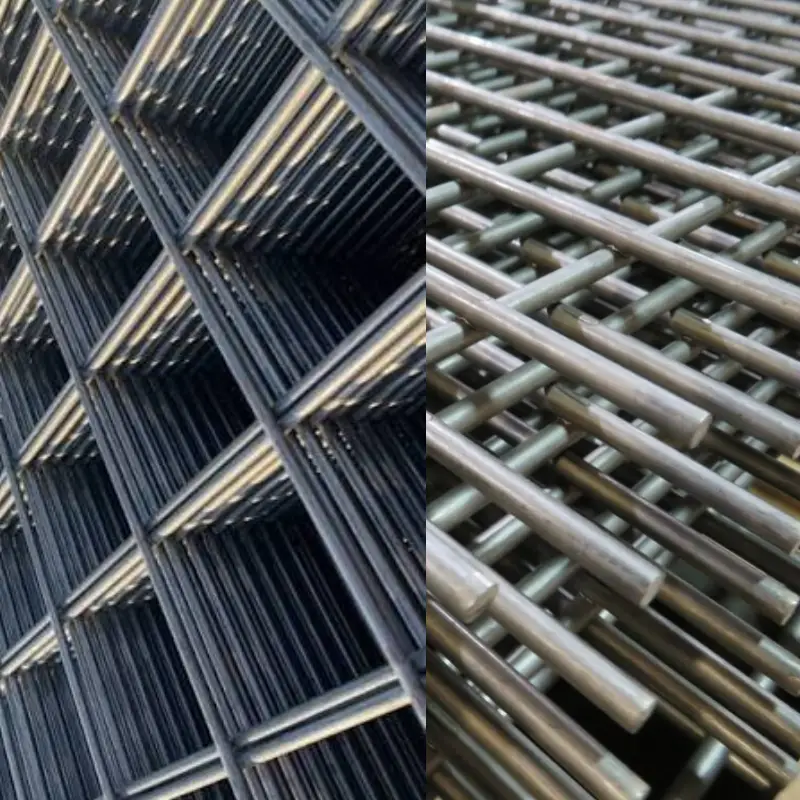
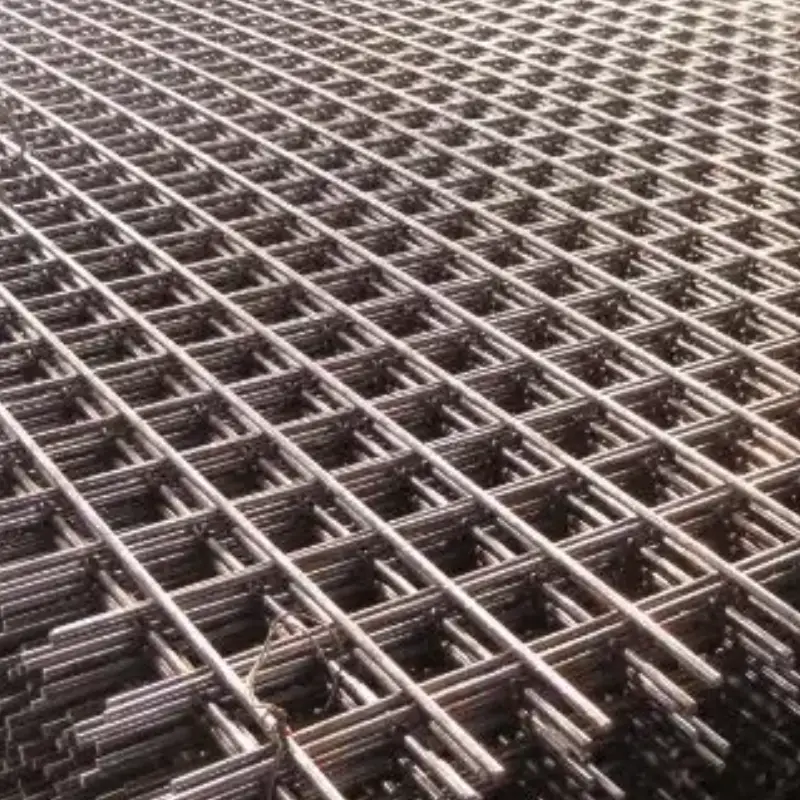
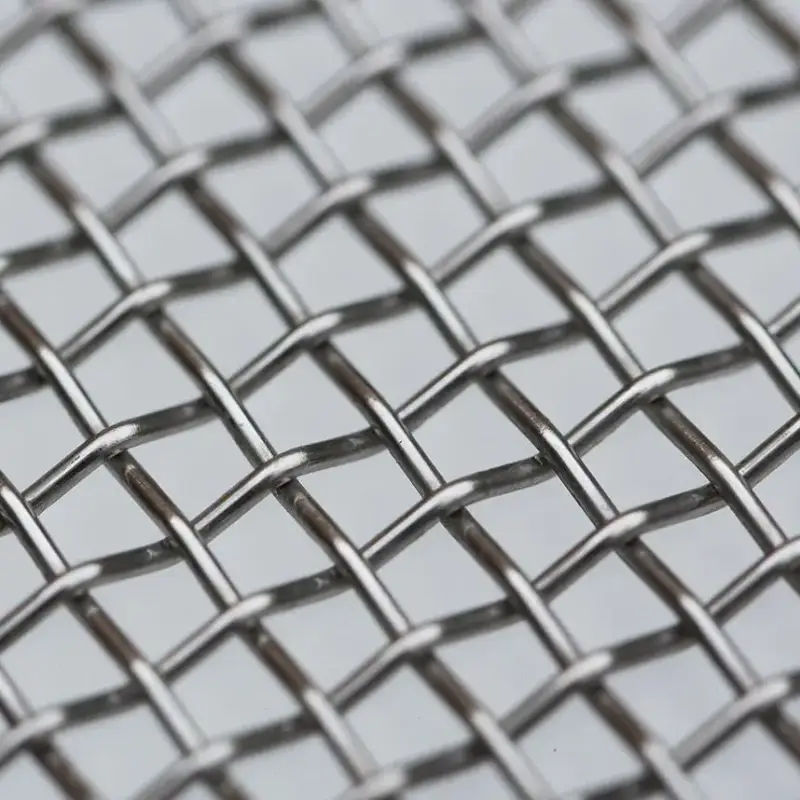
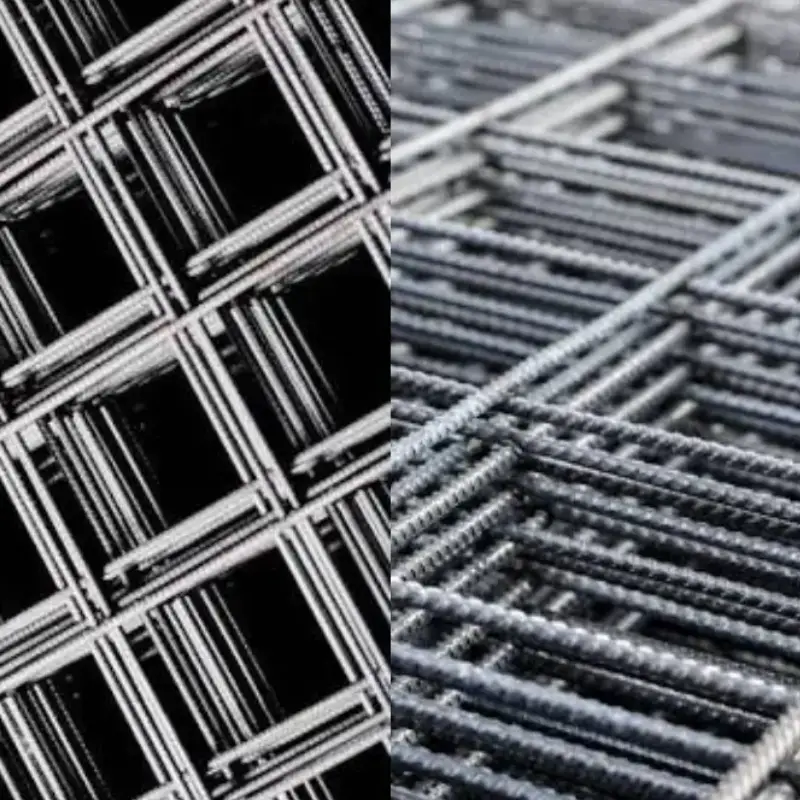
Woven steel wire screens are common. They let you see what size particles pass through. Punched steel plates are strong and last a long time. Rubber and polyurethane panels help when you need less noise and longer life. You can also find self-cleaning screens and perforated plates. These help when you have sticky or wet ore.
Tip: Pick your screen media based on the type of ore and how much you want to process. The right choice saves you time and money.
Screening Methods
You can use different ways to screen your ore. The two main methods are wet screening and dry screening. Wet screening uses water to help move the ore and keep the screens clean. This works well if your ore is dusty or sticky. Dry screening does not use water. It is good for dry, clean ore.
Some screens shake or vibrate to help the ore move. Others use rotating drums called trommels. You might use more than one screen in a row. This helps you get the size you want for each step.
- Wet screening: Good for sticky or fine ore.
- Dry screening: Best for dry, easy-to-handle ore.
- Vibrating screens: Shake to move ore and keep it from clogging.
- Trommels: Spin to sort ore by size.
Note: Always check your screens for wear. Worn screens can let the wrong size pass through.
Feed Size Consistency
Keeping the feed size steady is very important in fluorite ore screening. If the pieces are all about the same size, you get better results in the next steps. When the feed size changes too much, you may lose valuable fluorite or waste energy.
You want your screens to sort the ore into even sizes. This helps your grinding and flotation steps work better. If you keep the feed size consistent, you use less energy and fewer chemicals. You also get a higher grade of concentrate.
Remember: Consistent feed size means better recovery and less waste. Always check your screens and adjust them if needed.
Screening Challenges
When you work with fluorite ore, you will run into some problems. These problems can slow down your work or make you lose more fluorite. Two big problems are blinding and clogging, and also screen wear.
Blinding and Clogging
Blinding happens when tiny pieces or sticky stuff block the screen holes. Clogging is when bigger chunks get stuck and stop ore from moving. Both problems make it hard to sort the ore by size. Your screens might fill up quickly, and sorting does not work well.
You can try these ideas to help with blinding and clogging:
- Use self-cleaning screens if your ore is sticky or wet.
- Wet screening can wash away small bits.
- Check and clean your screens often.
Sometimes, it is also hard to separate fluorite from other minerals in flotation. Phosphate compounds like sodium hexametaphosphate and sodium phosphate can help. They take away calcium ions from the surface. This makes it easier to get pure fluorite in the next step.
Wear and Durability
Screens get hit by sharp and heavy rocks all the time. Over time, the screens can wear out or break. If you use the wrong screen, you may need to replace it a lot. This costs more money and can stop your work.
Here are some ways to help your screens last longer:
- Pick polyurethane panels or rubber screens for better strength.
- Woven wire mesh is easy to check and change.
- Turn your screens over to use both sides.
If you keep your screens in good shape, you will have fewer problems and better results.
Impact on Flotation Performance
Screening does more than just sort ore by size. It also helps you get better results in flotation. If the feed size is right, chemicals work better and you use less energy. Good screening gives you higher quality fluorite concentrate.
Check this table to see how different chemicals and screening can change your results:
| Chemical Scheme | Impact on Separation Efficiency | Operational Cost Reduction |
|---|---|---|
| Enhanced Sodium Naphthenate | Increased | Significant |
| Common Fatty Acid | Lowered | Higher |
You can also see how the right chemical and screening choices change other things:
| Chemical Scheme | Effect on Temperature | Phosphate Mineral Elimination |
|---|---|---|
| Enhanced Sodium Naphthenate | Lowered | Deeply Eliminated |
| Common Fatty Acid | Not Applicable | Not Applicable |
If you keep your screening working well, you will see better flotation. You get more pure fluorite and spend less on chemicals and energy. Good screening is very important for a successful fluorite mine.
Flotation: Fluorite Separation
Flotation Principles
You may ask how to get fluorite away from other minerals. Flotation is the way to do this. In flotation, bubbles help lift fluorite up and away from waste. You mix chemicals into the slurry. These chemicals make bubbles stick to fluorite. The bubbles float up, taking fluorite with them. The waste stays at the bottom.
Here are some main ideas about flotation:
- Selectivity is important. You want to pick only fluorite, not other minerals. This helps you make high-quality products. Acid grade needs less than 1.5% silica.
- The Sub-A Flotation Machine is used a lot. Most acid grade fluorspar comes from this machine. It works well because it cleans the ore many times.
- The chemicals used have changed over time. Now, you can treat harder ores and still get good results.
Tip: Always try to be selective. This helps you get pure fluorite and better recovery.
Reagents and pH Adjustment
You need special chemicals for fluorite flotation. These chemicals are called reagents. Some common ones are QT, WD, PT, SHMP, and CMC. Each reagent does a different job. Some help bubbles stick to fluorite. Others stop waste minerals from floating.
You also need to control the pH. This means you make the slurry more acidic or more basic. Sodium hydroxide (NaOH) makes it basic. Hydrochloric acid (HCl) makes it acidic. The best pH for fluorite flotation is about 9.5 to 10. Sometimes, you can use a range from 8 to 9.5. The right pH helps reagents work better. It also makes it easier to separate fluorite.
Note: If you do not set the pH right, you may lose minerals or use too many chemicals.
Flotation Equipment
You can pick from a few machines for fluorite flotation. The main ways to separate fluorite are hand separation, gravity separation, and flotation. Today, flotation is the most used method. This is because fluorite ore is getting harder to find.
The equipment you use can change how much fluorite you get. Here are the main types:
- Mechanical cells use moving parts to mix the slurry and bubbles. They help bubbles and particles meet. This can help you collect more fluorite.
- Pneumatic columns use air to mix the slurry. They work best for small particles. Pneumatic columns can give you a cleaner product.
The technology you use in flotation changes the grade and recovery rate. If you use the right machine, you get more pure fluorite and waste less.
| Equipment Type | How It Works | Best For |
|---|---|---|
| Mechanical Cells | Mechanical agitation | Most particle sizes |
| Pneumatic Columns | Air agitation | Fine particles |
Remember: The purity of your fluorite depends on your flotation equipment and how you use it. Good choices give you better results.
Practical Steps
You want to get the best results from fluorite flotation. Let’s look at the main steps you will follow. Each step helps you get a better concentrate.
- First, crush and grind the ore. You break big rocks into small pieces. Use a ball mill for grinding in stages. This makes the pieces the right size for the next step.
- Next, condition the pulp. Mix the ground ore with water and reagents. Sometimes, you add steam to help. Keep the pulp thick at 40% for conditioning. Lower it to 30% for flotation.
- Pick the right flotation equipment. The Sub-A Flotation machine works well for this job. It cleans the ore in more than one stage. You can send middling products back to improve recovery.
- Focus on selectivity. You want to separate fluorite from other minerals. Cleaning the ore many times helps you get acid grade quality.
- Manage thickening after flotation. Thicken the concentrate so it is easier to handle. Make sure you have enough space to store all the ore. This helps if you need to stop work for a while.
Here’s a simple table that shows the steps and what to check:
| Step | What to Watch For |
|---|---|
| Crushing | Size of ore pieces |
| Grinding | Fineness for good separation |
| Conditioning | Pulp density and reagent mixing |
| Flotation | Equipment and cleaning stages |
| Thickening | Storage and capacity |
Tip: Always check your pulp thickness and how you mix reagents. Small changes can make a big difference in fluorite flotation.
Challenges and Solutions
You will face some problems during fluorite flotation. If you know what to look for, you can fix things fast and keep working.
- Grinding fineness is important. If the ore is too big, you lose fluorite. If it is too small, you waste energy.
- Slurry temperature can change how well flotation works. Keep it steady for the best results.
- Inhibitor dosage matters. Too much or too little can hurt recovery.
- Slurry level affects bubble making. Watch this closely.
- pH value must stay in the right range. Change it to help separate fluorite.
- Water quality is important. Use soft water to avoid problems.
- Optimize the process. Change settings based on your ore.
Here’s a quick list of solutions:
- Change your flotation methods for each ore type.
- Use special collectors and inhibitors to help selectivity.
- Adjust your settings to get better recovery and concentrate.
Note: If you watch these things, you will get better results in fluorite flotation. Do not be afraid to test and change your process.
You can solve most problems by watching carefully and making smart changes. This helps you get the most fluorite and keeps your concentrate high quality.
Process Optimization and Laboratory Testing
Importance of Laboratory Tests
Lab tests help you find the best way to mine. You can try different methods before using them outside. These tests show how your ore reacts to jig separation or flotation. You learn which process gives you the most concentrate and highest recovery. You also see how changing chemicals or water changes your results.
Here’s a table showing how lab tests fit into mining:
| Process | Description |
|---|---|
| Jig Separator | Uses water to sort ore by weight, helping you pull out the best concentrate. |
| Flotation Process | Lets you test chemicals and settings to separate minerals and improve flotation efficiency. |
| Data Analysis | Helps you calculate grades and recovery rates, so you know which process works best. |
Tip: Start with lab tests. You save time and money by finding the best way to process your ore before you scale up.
Process Stability
You need to keep your mining process steady. Check your equipment often. Lubricate moving parts and clean machines. Replace worn pieces before they break. Watch for vibrations to catch problems early. Control water pollution and manage waste. Reclaim land to keep your mine safe and stable.
Here’s a quick list of what you should do:
- Inspect and maintain your equipment regularly.
- Lubricate and clean machines to prevent breakdowns.
- Replace worn parts before they cause trouble.
- Monitor vibrations to spot issues early.
- Use water pollution controls and manage waste.
- Reclaim land to keep your mine sustainable.
Remember: Stable processes mean fewer surprises and better results every day.
Improving Recovery Rates
You want to get as much fluorite as you can. Focus on improving recovery rates during flotation. Use flotation columns with bubble generators. These help you get more acid-grade concentrate. Adjust froth depth to control grades and recovery. Add wash water to clean froth and remove weak minerals. Keep turbulence low so bubbles and particles stay together. Use water at room temperature or warmer. Change aeration rate, bubble size, and feed location to see what works best.
Check out this table for strategies that help you improve recovery:
| Strategy | Description |
|---|---|
| Column Flotation | Uses special columns to boost recovery of acid-grade concentrate. |
| Control of Froth Depth | Lets you fine-tune grades and recovery during flotation. |
| Wash Water Addition | Cleans froth and removes unwanted minerals. |
| Minimization of Turbulence | Keeps bubbles and particles together for better flotation results. |
| Temperature Control | Warmer water helps you get higher grades and recovery. |
| Parameter Manipulation | Changing aeration, bubble size, and feed location can make a big difference. |
Try different strategies in your flotation process. Small changes can lead to big improvements in recovery and concentrate quality.
Conclusion
Crushing, screening, and flotation are important in fluorite mining. If you keep the feed size the same, flotation works better. You also use less energy and fewer chemicals. The right screen mesh helps you get good results. You can use woven wire mesh, polyurethane panels, self-cleaning screens, or perforated plate. These choices give you steady results and high-quality fluorspar concentrate.
- Aluminium-Modified sodium silicate helps separate fluorite from dolomite in flotation.
- Micro-flotation tests show big changes in recovery rates. This makes your concentrate cleaner.
- Selective adsorption helps flotation work well. You get more pure fluorite.
Try lab tests and process changes. These steps can make your flotation better and your mining process easier.
FAQ
What is fluorite used for?
Fluorite is used to make chemicals, glass, and steel. It helps clean metal and make hydrofluoric acid. Many factories need fluorite for their work.
Why is feed size important in fluorite mining?
Feed size is important because it changes how much fluorite you get. If you keep the pieces the same size, you save energy and get better concentrate. You also use less chemicals.
Which screen media should I choose for fluorite ore?
You can pick woven wire mesh, polyurethane panels, self-cleaning screens, or perforated plate. Each type works best for different kinds of ore. Look at your ore and pick the screen that matches what you need.
How do I reduce blinding and clogging during screening?
Try using self-cleaning screens or wet screening. Clean your screens often. Sticky or wet ore can block the screens. The right equipment helps stop these problems.
What chemicals work best for fluorite flotation?
You use reagents like sodium naphthenate, tannin, sodium humate, and sodium phosphate. Change the pH to help with separation. Test different chemicals in the lab to see which one works best for your ore.
How can I improve recovery rates in my fluorite process?
You can use column flotation, control froth depth, add wash water, and lower turbulence. Try changing the aeration rate and bubble size. Small changes can help you get more fluorite and better concentrate.