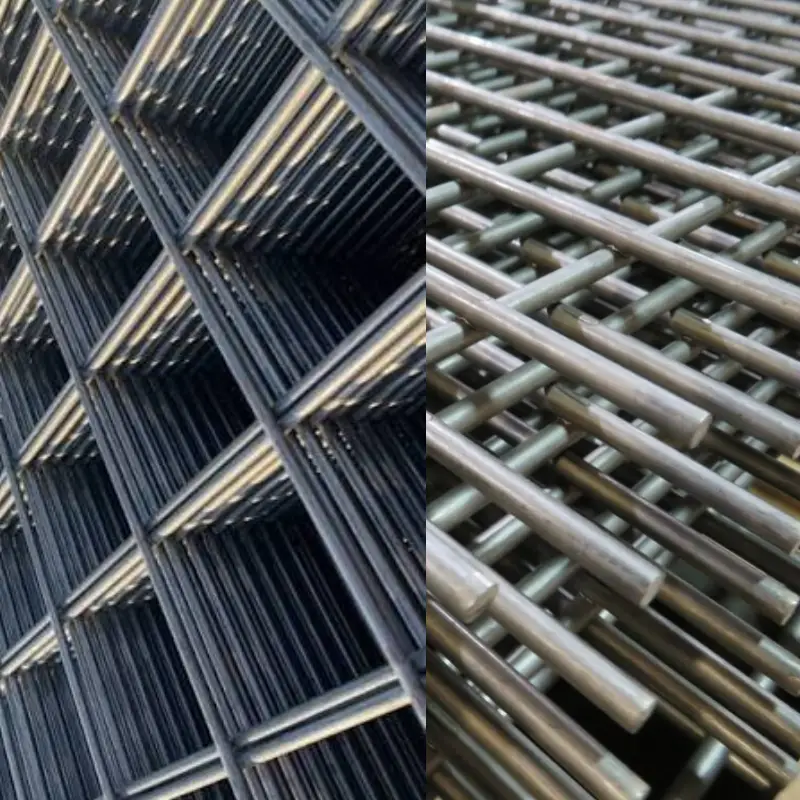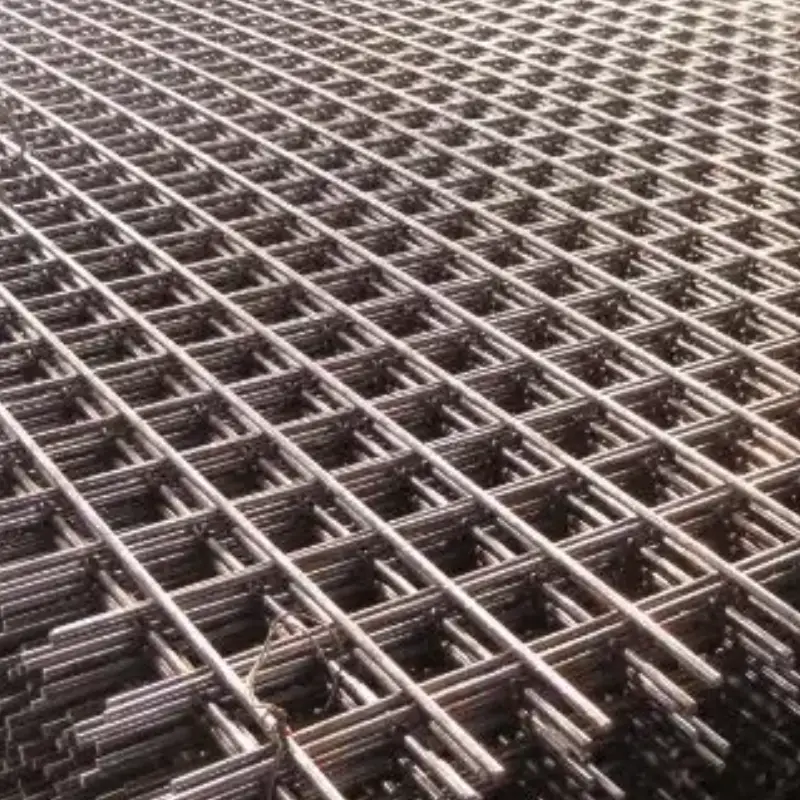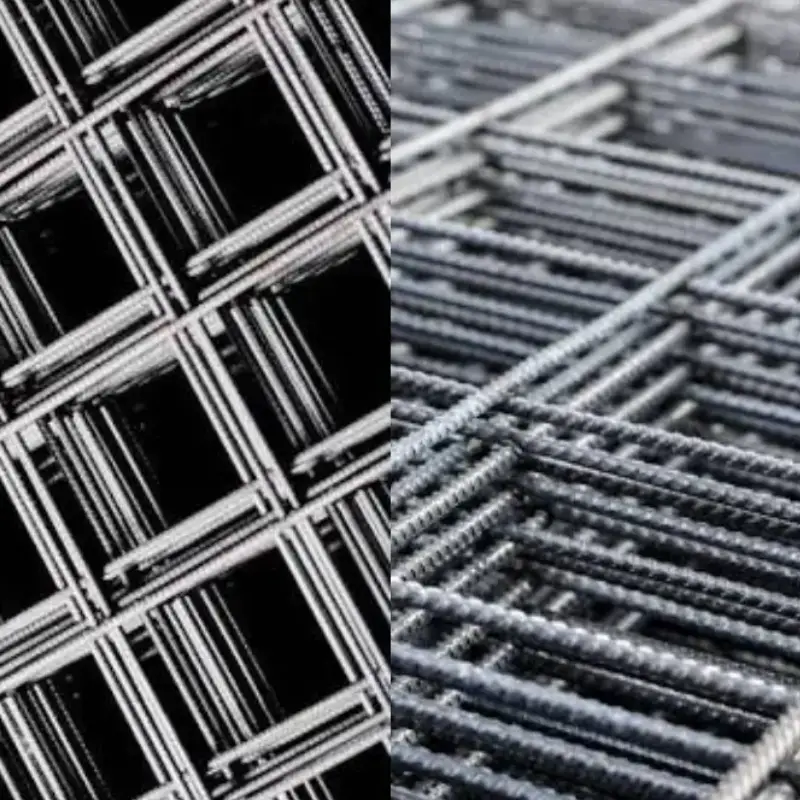
You want to know how to choose screen media for high impact. Start by thinking about your material and how your operation works. If you pick the wrong screen media, you could see more downtime, higher costs, or even product loss. The right choice helps you boost efficiency and keep your process running smoothly. Take a step back and look at what your material needs.
Key Takeaways
- Check your material’s size, weight, and roughness first. This helps you pick the right screen media for your job.
- Think about how tough the screen media is. Rubber and polyurethane are strong. They last longer in tough jobs and help stop work delays.
- Look at the type of screening you need, dry or wet. Each one needs special media to work well and stop clogging.
- Use a step-by-step way to choose. Check how your current media works. Do a vibration test to find problems early.
- Match your screen media to your work goals. Think about how much you want to process, the quality you need, and how often you must fix things. This helps your system work better.
- Keep up with regular care. Check and clean your screens often. This stops breakdowns and keeps things running smoothly.
- Don’t make mistakes like ignoring what your job needs or only thinking about price. Make smart choices that fit your needs.
- Pick the best way to attach your screen media. This makes putting it in, fixing it, and keeping it strong much easier.
Assess Application Needs
Before you pick screen media, look at your work and material. Every screening job is not the same. You want your screen media to fit your needs for the best results. Here’s a table to show what is important:
| Factor | Description |
|---|---|
| Material Characteristics | Properties like size, shape, density, and abrasiveness that affect screening. |
| Screening Capacity and Throughput | Processing capacity that dictates screen size and type. |
| Screen Size and Deck Configuration | Length, width, and angle that influence efficiency and production rate. |
| Screening Purpose | Different tasks need specific screen types (like dewatering or grading). |
| Screen Media Selection | Material and design of screen media affect wear resistance and efficiency. |
| Maintenance and Durability | Easy maintenance and long wear life help reduce downtime. |
| Environmental and Operational Conditions | Temperature and moisture can influence screen selection. |
Material Size and Weight
You should know your material’s size and weight. These facts help you pick the right screen media. If you have big rocks or heavy loads, you need strong screen media. Smaller pieces need a different kind.
Large Material Handling
- Big material hits screens hard.
- You need tough media like double wire screens or rubber.
- If top sizes are over 10 inches, you need extra strength.
- Heavy loads can break weak screens fast.
Fine Material Screening
- Fine material needs careful screening.
- Light particles don’t hit hard, but you want accuracy.
- Pick media that stops small pieces from falling through.
- Fine screens help you get a clean product.
Material Abrasiveness
Some materials are rough and can hurt your screens. Others are soft and do not cause much damage.
Highly Abrasive Materials
If you use granite or other hard stuff, you need strong media. Polyurethane and high-vibration wire are good picks. These last longer and work well in tough jobs.
Low Abrasive Materials
Soft materials do not need heavy-duty screens. You can use lighter media and still do well. This saves money and keeps your work smooth.
Screening Type
You need to know if your job is dry or wet. This changes what screen media you need.
Dry vs. Wet Screening
- Dry screening often uses rubber media for tough jobs.
- Rubber can take the place of plate screens if your feed is rough.
- Modular rubber systems work for both dry and wet jobs.
- Wet screening needs media that does not clog or break.
Impact and Drop Height
If your material falls from high up, it hits hard. You need media that can take the shock. Rubber and heavy-duty wire screens are good for high-impact spots. You want to stop downtime from broken screens.
Tip: Always check your material and process before picking screen media. The right choice keeps your work going and saves money.
How to Choose Screen Media for High Impact
Selection Steps
You want to pick screen media that works well. Let’s look at easy steps. These steps help you match your screen media to your material and goals. Here is a simple guide:
- Find out what your material is. Check size, weight, and how rough it is. Heavy or rough materials need strong screen media.
- Look at your screen media now. Does it last long? Do you see breaks or clogs?
- Do a vibration check. This helps you find problems and keeps things running well.
- Think about how your material moves through the screen. Materials go through layered, basic, and sharp stages. You can change your screen deck for each stage.
- Check if your screen media can handle your work. Make sure it does not wear out too fast.
Tip: If you use these steps, you can stop downtime and save money. You get screen media that fits your needs and keeps your process going.
You can use this checklist to help you choose:
| Step | What to Check |
|---|---|
| Material Characteristics | Size, weight, abrasiveness |
| Current Media Performance | Lifespan, breakage, clogging |
| Vibration Analysis | Irregularities, smooth operation |
| Processing Phases | Layered, basic, sharp |
| Wearability | Meets operational demands |
Key Considerations
When you want to pick screen media for high impact, you should look at some important points. These help you get good results and avoid mistakes.
- Material characteristics are important. You need to know what you are screening, like size, weight, and abrasiveness.
- Durability matters. Choose media that can take the impact and roughness of your material. Polyurethane and high-vibration wire are good for tough jobs.
- Cost is more than price. Think about labor, maintenance, downtime, and how long your screen media lasts.
- Installation and maintenance matter. If you install your screen media right and keep it maintained, it lasts longer and works better.
Here are some things you should always check:
- Panel thickness
- Deck inclination
- Separation accuracy
- Capacity
- Particle shape
- Moisture content
- Bed depth
- Stroke or motion of the screen
- Type of screening material
- Wet or dry screening
Note: If you match your screen media to throughput, wear life, and cost, you get the most from your operation. You save money, have less downtime, and make your product better.
If you remember these steps and points, you will know how to pick screen media for high impact. You make smart choices for your material and goals. You get better results and a smoother process.
Screen Media Types
You have a lot of choices when it comes to screen media. Each type has its own strengths. Let’s break down the main options so you can see what fits your job best.
Rubber Media
Impact Resistance
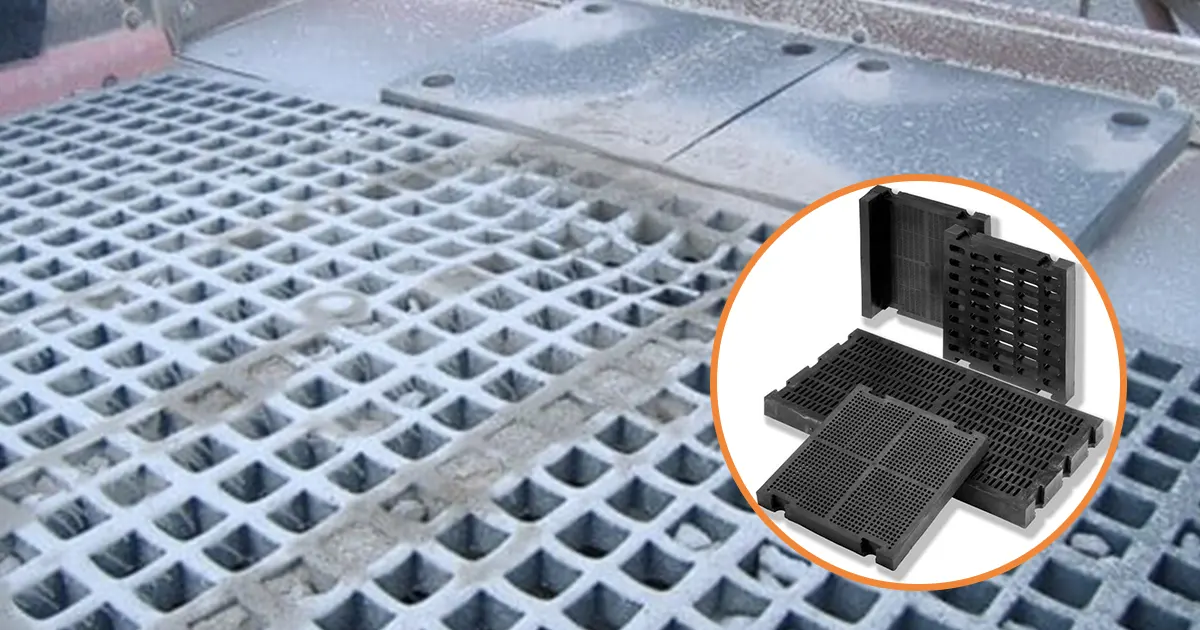
Rubber screen media stands out for its toughness. You can count on it to handle heavy hits and rough materials. Rubber resists both impact and abrasion better than most other types. This means you get longer service intervals and lower maintenance costs. The flexible nature of rubber also helps prevent material from clogging up your screens. You keep your throughput steady, which is key in big operations.
Best Use Cases
Rubber media works well in many high-impact jobs. Here’s a quick look at where you might use it:
| Use Case | Benefits |
|---|---|
| Dry, high-impact applications | Great for replacing plate screens. Offers durability and flexibility. |
| Wet-screening applications | Handles natural sand and gravel with ease. |
| Fine, sticky material | Self-cleaning. Stops blinding and improves sizing accuracy. |
You’ll also see rubber screens in places like:
- Recycling centers (sorts plastics and metals)
- Mining sites (handles abrasive rocks)
- Construction projects (manages large or sharp materials)
Rubber is more flexible than polyurethane. It gives you better impact resistance for big or sharp materials. If you need something tough, rubber is a solid pick.
Polyurethane Media
Wear Life
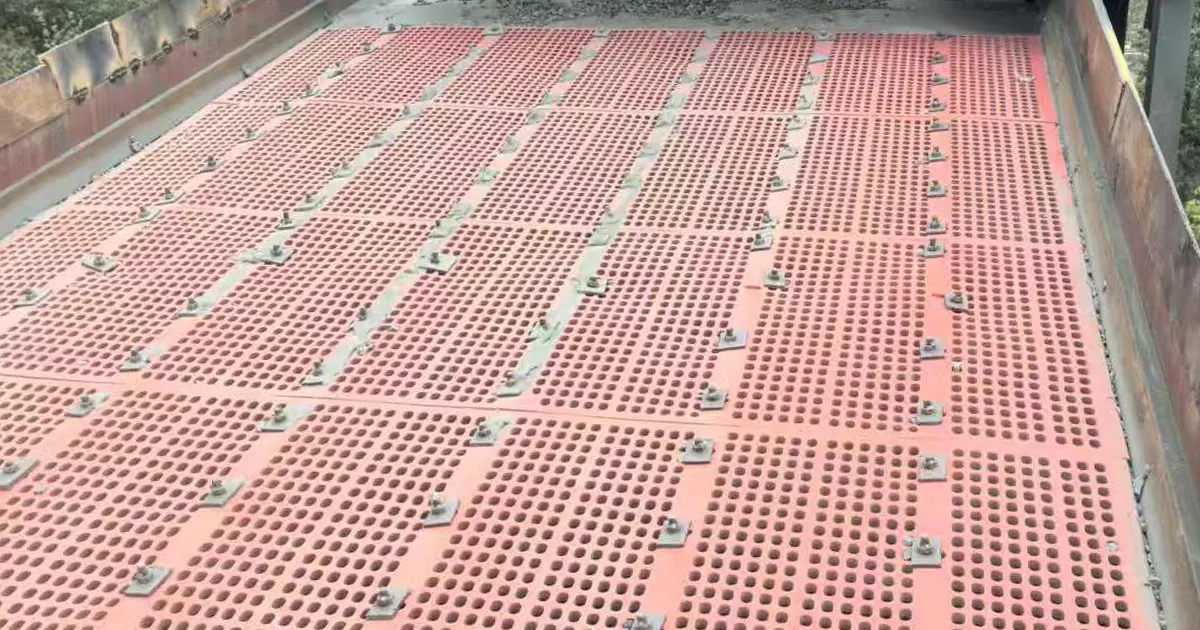
Polyurethane screen media lasts a long time. In fact, it can last three to five times longer than rubber and two to three times longer than steel. You get a long lifespan and strong durability. This means you spend less time and money changing out screens.
| Material | Wear Life Comparison |
|---|---|
| Polyurethane | Lasts 3-5 times longer than rubber |
| Steel | Lasts 2-3 times longer than steel |
Application Fit
You can use polyurethane screens in many places. They work well in:
- Aggregate processing
- Washing applications
- Cement manufacturing
- Asphalt plants
- Mining operations
If you want a screen that handles wear and tear, polyurethane is a smart choice. It’s especially good for jobs where you need both durability and a long service life.
Woven Wire and Steel
Throughput
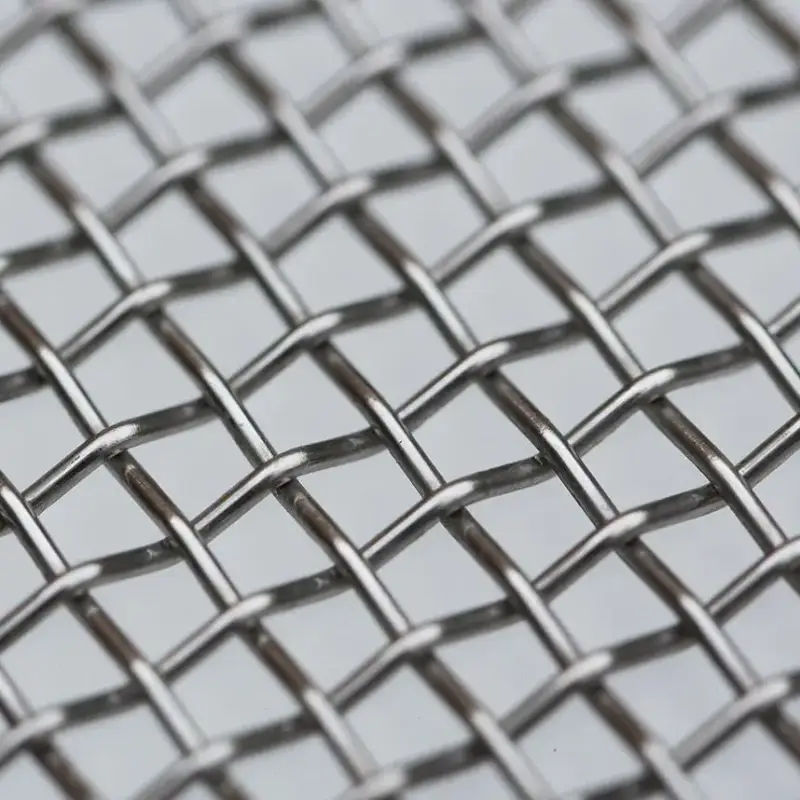
Woven wire cloth is a classic choice. You get high efficiency and cost savings. Wire cloth gives you a lot of open area, which means more material passes through quickly. This is great for high throughput.
- Wire cloth maximizes open area for fast screening.
- It’s efficient and keeps costs down.
Durability
Steel screens are tough, but they may wear out faster than rubber or polyurethane. You might need to change them more often, which can slow down your work. Some advanced options now offer better durability and throughput, but traditional woven wire may lead to higher long-term costs because of frequent replacements.
- Steel screens are durable but need more frequent changes.
- Woven wire is efficient but may not last as long in tough jobs.
Tip: Think about your material and how often you want to change screens. The right media saves you time and money.
Selection Factors
Panel Thickness
Panel thickness is not just about strength. Thicker panels are good for heavy and rough materials. Thin panels work best for light jobs. If you pick the wrong thickness, screens can break or wear out fast. Thickness affects how your screens work:
| Panel Thickness | Best For | Opening Size Range | Durability |
|---|---|---|---|
| Thin (6–10mm) | Light, non-abrasive jobs | Small (1–10mm) | Shorter lifespan |
| Medium (12–20mm) | Mixed materials | Medium (10–40mm) | Balanced |
| Thick (22mm+) | Heavy, abrasive jobs | Large (40mm+) | Longest lifespan |
Thick panels last longer with big rocks or tough materials. Thin panels are good for sand or small pieces. Always pick panel thickness based on your material and job.
Hole Shape and Size
Hole shape and size decide how well your screen works. Round holes let material flow easily. Square holes catch more pieces and help accuracy. Bigger holes make screening faster. Smaller holes give you a cleaner product.
Pick the right hole shape for your material. Slotted holes are good for sharp or sticky materials. They help stop clogging and keep things moving. If you use the wrong hole size, you might lose product or slow down your work.
Here’s a quick tip:
Square holes help accuracy. Round holes help flow. Slotted holes stop clogging.
Change hole size to match your goals. Bigger holes mean more material goes through. Smaller holes mean more precision. The right hole shape and size help your screen last longer and work better.
Open Area and Pattern
Open area is the space for material to pass through the screen. More open area means higher throughput. Less open area means better separation but slower work. You need to balance these for your job.
Screen pattern matters too. Different patterns fit different jobs. For example:
| Screen Type | Application Area | Benefits |
|---|---|---|
| Inclined Decks | High tonnage operations | Efficient material handling |
| Horizontal Decks | Precise separation in wet/fine materials | Longer material retention for better separation |
| Woven Wire | Versatile applications | Good flow and separation |
| Polyurethane | Horizontal configurations | Non-blinding, durable |
| Piano Wire | Topsoil, compost, wood chips, recycled | High open area, aggressive self-cleaning |
| Trommel Screens | Mulch, compost, soils | Effective for various materials |
Screens with high open area, like piano wire, boost flow and separation. For more precision, use horizontal decks or polyurethane screens. The right pattern and open area help you get the best results.
- Screen media choice affects throughput.
- Different patterns balance precision and flow.
- High open area screens like piano wire improve flow and separation.
Tip: Always match panel thickness, hole shape, and open area to your material and goals. You get better performance and longer screen life.
Attachment Methods
You might not think about how your screen media attaches to your deck, but it makes a big difference. The right attachment method keeps your screen secure, reduces downtime, and makes maintenance easier. If you pick the wrong one, you could see loose panels, extra wear, or even safety risks.
Let’s look at the most common ways to attach screen media:
- Bolt-Down: You use bolts to fasten panels directly to the deck. This method gives you a strong hold. It works well for heavy-duty jobs and high-impact areas. You might need tools and a bit more time to change panels.
- Side-Tensioned: You pull the screen media tight from the sides using tension rails. This method lets you swap out panels quickly. You see this style a lot in wire cloth and some modular systems.
- Modular Snap-In: You snap panels into place without bolts or tension rails. This method saves time and makes maintenance simple. You can replace just one small panel if it wears out.
- Pin and Sleeve: You slide pins through sleeves on the panel edges. This method works best for rubber and polyurethane panels. It gives you a secure fit and easy removal.
Here’s a quick table to help you compare:
| Attachment Method | Best For | Change Time | Tools Needed | Durability |
|---|---|---|---|---|
| Bolt-Down | Heavy-duty, high-impact | Slow | Yes | Very High |
| Side-Tensioned | Wire cloth, quick swaps | Fast | Sometimes | High |
| Modular Snap-In | Modular panels | Very Fast | No | Medium to High |
| Pin and Sleeve | Rubber/polyurethane | Fast | No | High |
Tip: If you want less downtime, pick a method that lets you change panels fast. If you need strength, go for bolt-down.
You should always check your deck type before you choose an attachment method. Some decks only work with certain systems. If you use the wrong method, you might damage your screen or deck.
Ask yourself these questions:
- Do you need to change panels often?
- Does your operation see a lot of impact?
- Do you want to cut down on maintenance time?
If you answer “yes” to quick changes, try modular snap-in or side-tensioned. If you need strength, stick with bolt-down.
Remember, the right attachment method helps your screen media last longer. You save time, boost safety, and keep your operation running smoothly. Don’t overlook this step—it’s just as important as the media itself!
Matching Media to Goals
Durability
You want your screen media to last. Durability means your screens can handle tough jobs without breaking down. If you choose the right media, you spend less time fixing or replacing screens. You also save money in the long run.
Think about what your material does to your screens. Heavy rocks and sharp edges can wear out weak screens fast. Rubber and polyurethane screens often last longer in high-impact jobs. They resist cuts, tears, and heavy hits. Steel screens work well for some jobs, but they might wear out faster if your material is rough.
Here’s a quick table to help you compare:
| Screen Media Type | Durability Level | Best For |
|---|---|---|
| Rubber | High | Heavy, sharp materials |
| Polyurethane | Very High | Abrasive, wet jobs |
| Steel/Wire | Medium | Light to medium loads |
Tip: If you want fewer shutdowns, pick a screen media that matches your material’s toughness.
Throughput
Throughput means how much material you can process in a day. If you want to hit your targets, you need screen media that keeps material moving. The right choice helps you avoid clogs and keeps your operation running fast.
Let’s look at a real example. At Pinto Valley, the team boosted their daily throughput from 48,000 to 60,000 tons. That’s a 25% increase! They used Anpeng panels with flexing apertures. These panels stopped material from blocking the holes. The team also changed the screen layout and picked smarter media. This cut down on recirculating loads and made the screens last longer.
Here’s what you should look for:
- Screen media that resists blinding (clogging)
- Panels with flexible holes for sticky or wet material
- Layouts that match your flow needs
If you want more tons per hour, focus on media that keeps material moving and resists blockages.
Product Quality
You want your final product to meet high standards. The right screen media helps you get there. High-quality screens have precise holes. This means only the right-sized material gets through. You get a consistent product every time.
Screen media also affects how fast and smoothly material flows. If your screens have the right tolerances, you avoid mixing sizes or losing good material. This is very important in industries like food, pharmaceuticals, and aerospace. These fields need strict quality control, and the right screen media makes it possible.
Here’s a quick list of why screen media matters for quality:
- Precise holes keep product sizes accurate
- Consistent flow rates mean steady production
- High-quality screens help you meet industry standards
Note: If you want top product quality, always check the accuracy and build of your screen media.
Maintenance
You want your screen media to last as long as possible. Good maintenance helps you get the most out of your investment. If you skip regular checks, you might face more downtime, higher costs, or even safety risks. Let’s talk about what you need to do to keep your screens in top shape.
Different screen media types need different care. Here’s a quick table to show you what to expect:
| Screen Media Type | Maintenance Requirements |
|---|---|
| Woven Wire Cloth | Requires regular inspection for wear and tear; cleaning to prevent clogging. |
| Polyurethane Screens | Needs periodic cleaning and inspection for cracks; replace when worn. |
| Rubber Screens | Should be checked for damage and replaced as necessary; cleaning to maintain efficiency. |
| Perforated Plate Screens | Requires inspection for blockages and structural integrity; cleaning is essential. |
| Hybrid Screens | Maintenance includes checking for wear on both materials; cleaning to ensure performance. |
You can see that every type needs cleaning and inspection. Some need more frequent checks, especially if you run high-impact jobs. If you catch problems early, you can fix them before they turn into bigger issues.
Here are some simple tips to help you keep your screens working well:
- Always install your screen media the right way. This stops damage before it starts.
- Check your screens for cracks or other damage before you put them in.
- Never use damaged media. It can slow down your work and hurt your equipment.
Even the best media will fail if installed improperly. Before changeout, the screen should be inspected for cracks, loose bolts, broken welds, worn crown bars, weak springs and bent clamping rails.
You should set up a regular maintenance schedule. Make it a habit to look over your screens at the start and end of each shift. Clean off any buildup or stuck material. If you see a problem, fix it right away. This keeps your operation running smoothly and helps you avoid costly shutdowns.
Don’t forget about the small parts. Bolts, clamps, and rails all play a role in keeping your screen media secure. If these parts wear out, your screens can shift or break. Replace worn hardware as soon as you spot it.
If you follow these steps, you’ll see fewer breakdowns and get more life from your screen media. You’ll also keep your team safe and your product quality high. Good maintenance is not just a chore—it’s your best tool for a reliable, high-impact screening operation.
Common Mistakes
Choosing screen media for high-impact jobs can feel tricky. You want the best results, but it’s easy to make mistakes. Let’s look at some common pitfalls and how you can avoid them.
Overlooking Application Needs
You might think all screen media works the same way. That’s not true. If you skip the step of matching your screen media to your material and process, you set yourself up for trouble. Maybe you pick a screen that looks tough but can’t handle wet material. Or you choose something for heavy rocks, but your job needs fine separation. When you overlook your real needs, you get more downtime, lower quality, and higher costs.
Tip: Always ask yourself, “What am I screening? How does my process work?” Write down your answers before you choose.
Ignoring Maintenance
You might want to skip maintenance to save time. That choice can backfire fast. When you ignore regular checks and cleaning, problems start to pile up. Here’s what can happen:
- Your team feels less motivated and productive.
- Germs and dust build up, making the air unhealthy.
- Equipment gets damaged, leading to expensive repairs.
- Your costs go up because your screens don’t work well.
- You might even break safety rules and face fines.
- Clients and workers lose trust in your operation.
You can see that skipping maintenance does more than hurt your saturated screens. It affects your whole business. A little care goes a long way. Set a schedule, stick to it, and you’ll keep your screens—and your team—in top shape.
Focusing Only on Cost
It’s tempting to pick the cheapest screen media. You want to save money, right? But if you only look at stake price, you miss the bigger picture. When you focus just on cost, you might ignore important things like how your material behaves or how efficient your process needs to be. This can lead you to buy the wrong screens. You end up spending more on repairs, replacements, and lost time. In the end, your total costs go up, not down.
Note: The best value comes from screens that fit your needs, last longer, and keep your operation running smoothly. Don’t let price be your only guide.
If you avoid these common mistakes, you’ll make smarter choices. You’ll get better results, save money, and keep your team happy.
Conclusion
Now you understand how to pick screen media for high impact. First, decide what you want to achieve. Make sure your screen type fits your work. Focus on using data to help your choices. Think about how your customer uses your product. Check your screens now and try new ideas. Always pay attention to what people say about your screens. Look at your setup often and see if you can make it better. Custom solutions and expert help can really help your work. We are the top screen media maker in China and we offer custom options for your needs.
FAQ
What is screen media?
Screen media is the surface that separates materials by size. You use it in screening machines. It can be rubber, polyurethane, or wire. You pick the type based on your material and job.
How do I know when to replace my screen media?
You should check for holes, tears, or worn spots. If you see more clogging or less material passing through, it’s time to change. Regular checks help you avoid big problems.
Which screen media lasts the longest?
Polyurethane usually lasts the longest. It handles tough jobs and resists wear. Rubber also works well for high-impact jobs. Steel screens wear out faster if you use them with rough materials.
Can I use the same screen media for wet and dry screening?
Some screen media works for both wet and dry jobs. Rubber and polyurethane are good choices. Always check with your supplier to make sure you pick the right one for your process.
How do I choose the right hole size?
Think about the size of the material you want to separate. Use smaller holes for fine material. Use bigger holes for large pieces. If you’re not sure, ask your supplier for help.
What’s the best way to clean screen media?
You can use brushes, water sprays, or air jets. Clean screens often to stop clogging. Always follow the cleaning tips from your screen media supplier.
Does screen media affect product quality?
Yes! The right screen media gives you accurate sizing and a cleaner product. If you use the wrong type, you might get mixed sizes or lose good material.