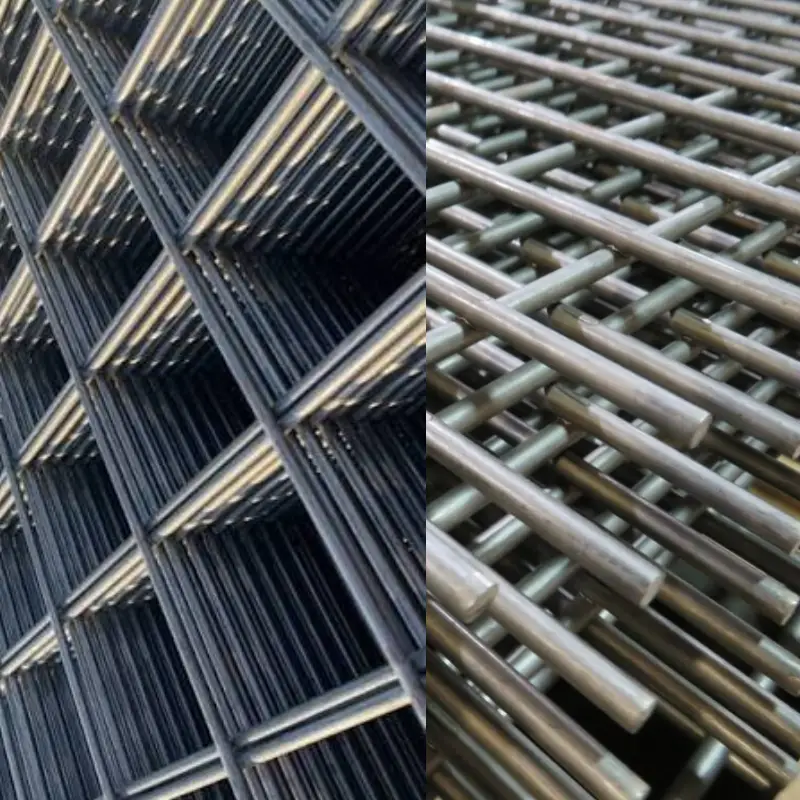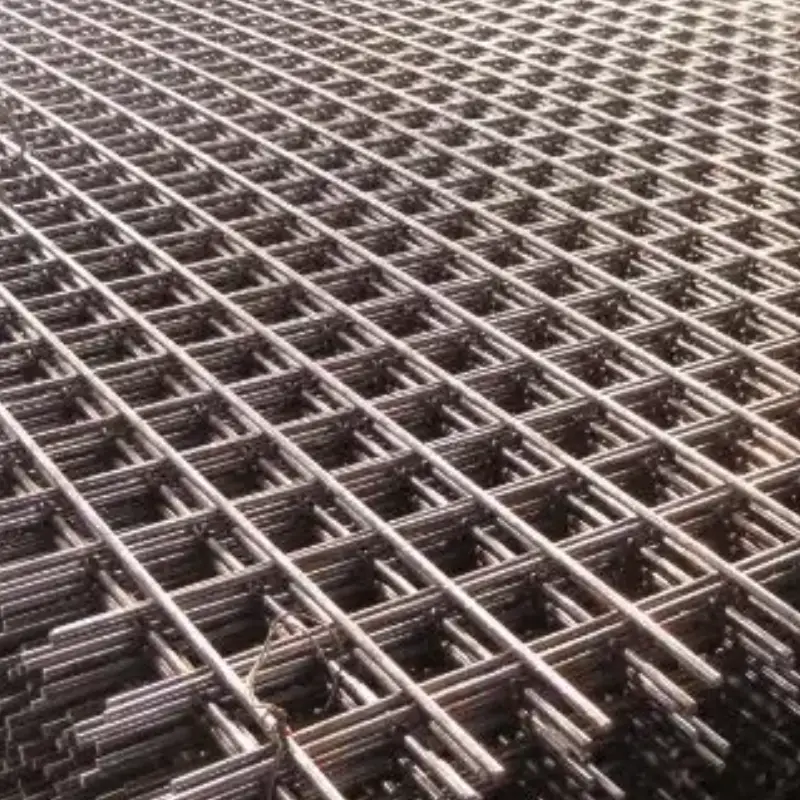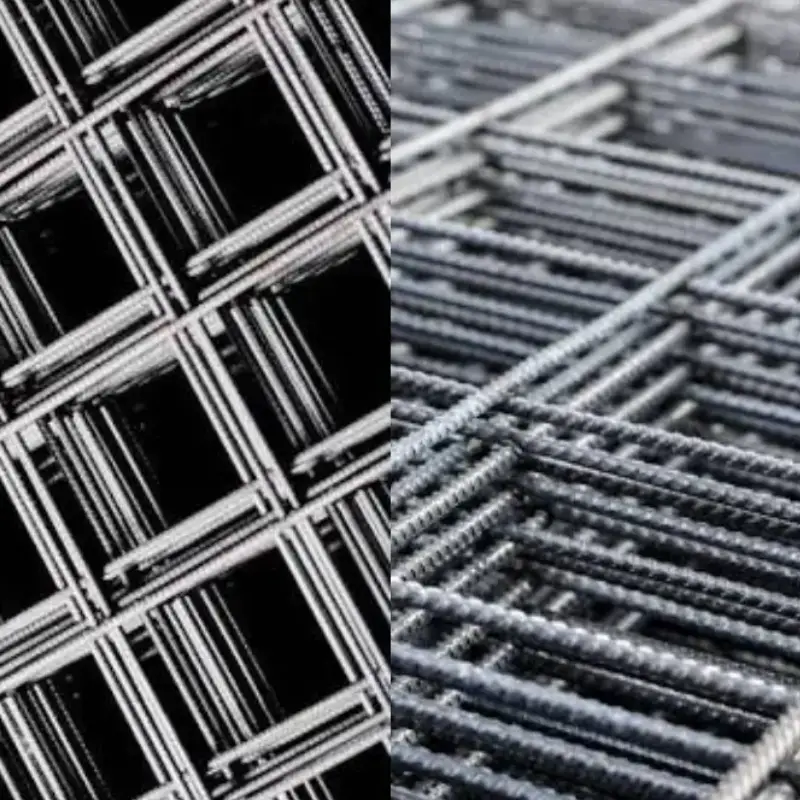
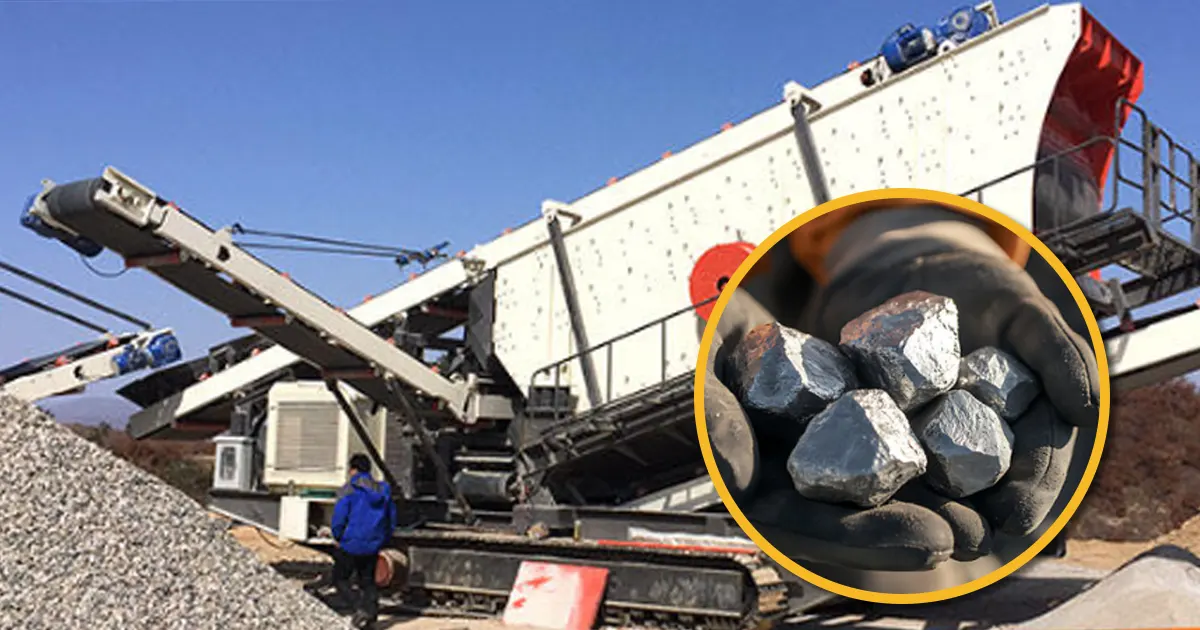
When you start working with silver ore screening, you notice how each choice affects your results. You want to get as much silver as you can from the rock. Look at these recovery rates:
| Type | Key Characteristics | Recovery Rates |
|---|---|---|
| Silver-Bearing Lead-Zinc Ores | Silver found in galena or sphalerite, has many minerals | 50–70% |
| Silver Processing Refining Methods | Silver Flotation | Recovery rates go over 80% for complex ores, but drop for big silver pieces (>0.2mm). |
Picking the right silver ore screening equipment is very important. It helps you get more silver, keeps your machines safe, and saves chemicals. See below:
| Impact of Screening Equipment on Efficiency in Silver Ore Processing |
|---|
| Raises silver yield by removing useless material early |
| Makes leaching work better by keeping particle size even |
| Keeps crushers and mills safe from big rocks, so repairs cost less |
| Uses fewer chemicals because less material needs treatment |
| Lets you process only the best parts, so you use resources well |
If you use smart silver ore screening, you can get more silver and your work will go more smoothly.
Key Takeaways
- Pick the best screening equipment to get more silver and less waste.
- Vibrating screens sort ore by size well, so only the right pieces go ahead.
- Trommel screens work best for wet or sticky ores. They stop clogging and keep things moving smoothly.
- Use XRF and XRT technologies to find silver-rich ore fast and get more silver.
- Keep ball mills and other equipment in good shape to get the most silver.
- After crushing and grinding, screening helps separate silver from waste.
- Watch your screening process closely. Change it if ore type or moisture changes.
- Choose screen media that fits the ore to work better and have less downtime.
Silver Ore Screening Equipment Overview
Vibrating Screens in Silver Mining
Vibrating screens are common in silver mining. These machines sort ore by size before the next step. Using vibrating screens helps you get better results. Here is why they are important:
- Vibrating screens shake to separate ore by size. This means only the right size goes to crushers or mills.
- You can group ore into coarse, medium, or fine pieces. This makes it easier and faster to get silver.
- High-frequency vibration sorts fine ore quickly. You get more silver and less waste.
- Vibrating screens protect other machines from big rocks. This means fewer repairs and lower costs.
If you want better results in silver mining, focus on your screening equipment. Vibrating screens help you control mineral processing for the best results.
Trommel Screens for Ore Processing
Trommel screens are not the same as vibrating screens. You see trommel screens in many silver mines, especially with sticky or wet ore. Trommel screens use a spinning drum to tumble ore and sort it by size. Here is a quick comparison of trommel screens and vibrating screens:
| Feature | Trommel Screens | Vibrating Screens |
|---|---|---|
| Design | Rotating cylindrical drum | Mesh or perforated surface |
| Motion | Tumbling action | Vibrating motion |
| Material Handling | Great for wet or sticky materials | Best for dry or slightly moist materials |
| Clogging Resistance | Hard to clog | Can clog with sticky materials |
| Maintenance | Needs less maintenance in rough places | Needs more maintenance |
| Size Separation Precision | Not as precise as vibrating screens | Very precise in size separation |
Use trommel screens when your ore is wet or sticky. They do not clog easily and need less fixing. If you need very exact size sorting, use vibrating screens. For tough jobs, trommel screens keep your silver mining working well.
XRF and XRT Technologies in Mineral Processing
You can use new technology to make silver mining smarter. XRF and XRT help you tell good ore from waste. These tools are changing how you process minerals and get silver.
- XRF and XRT help you find silver-rich ore fast. You can take out waste before it gets to the mill.
- XRF helps you get a bit more silver from each ton of ore.
- Both tools help you get better silver and higher recovery rates. You make more money and waste less.
- Using XRF and XRT makes your silver mining project worth more.
If you want the best from your equipment, try these new tools. They help you find the best ore and leave the rest.
Ball Mills and Supporting Equipment
When you process silver ore, you need to break it down into tiny pieces. Ball mills help you do this job. You feed crushed ore into a ball mill. The mill spins and uses steel balls to grind the ore into fine powder. This powder makes it easier to get silver out later.
Why do you need ball mills in silver mining?
- Ball mills turn big chunks of ore into fine particles.
- Fine particles help you get more silver during the next steps.
- Ball mills work well with vibrating screens and trommel screens. You can send only the right size ore into the mill.
- You can control how fine you want the powder by changing the speed or the size of the balls.
Tip: If you want better silver recovery, check the size of your ground ore often. Smaller particles usually mean more silver for you.
Supporting Equipment You Should Know About
Ball mills do not work alone. You need other machines to keep everything running smoothly. Here are some important ones:
| Equipment | What It Does | Why You Need It |
|---|---|---|
| Feeders | Move ore into the ball mill at a steady rate | Keeps grinding even and efficient |
| Classifiers | Sort ground ore by size after the mill | Sends fine powder forward, returns big pieces |
| Pumps | Move slurry (wet ore mix) between machines | Keeps the process flowing |
| Cyclones | Separate fine and coarse particles using water | Helps you get the right size fast |
You can set up your silver ore plant with these machines working together. Feeders send ore into the ball mill. The mill grinds it. Classifiers and cyclones sort the powder. Pumps move everything along. This teamwork gives you the best shot at high silver recovery.
What should you watch out for?
- Check your ball mill often for wear and tear.
- Make sure your feeders do not jam.
- Watch the water levels in your cyclones and pumps.
- Listen for strange noises. They can mean something is wrong.
If you keep your ball mill and supporting equipment in good shape, you will see better results. You will get more silver and spend less time fixing problems. That means more profit and less stress for you.
Silver Mining Methods and Ore Types
Common Silver Mining Techniques
There are many ways to mine silver ores. Each method works best for certain silver ores. Here are the most common techniques:
| Technique | Description |
|---|---|
| Silver Flotation | Uses surface properties to separate silver minerals from waste. Works well for sulfide-rich silver ores. |
| Gravity Concentration | Uses gravity to pull out native silver particles. This method is clean but not great for tiny pieces. |
| Cyanidation Processing | Dissolves silver using sodium cyanide. You get high recovery, but you must manage chemicals safely. |
| Oxidation Processing | Makes tough silver ores easier to treat. You often use this with other methods. |
You might use one or more methods, depending on your silver ores. Each technique needs different steps and screening.
Main Silver Ore Types
You will find several types of silver ores in mining. Let’s look at them:
Oxide Ores
Oxide silver ores form near the surface. They are found in weathered rocks. These ores have minerals like cerargyrite. You can treat oxide silver ores with cyanidation. This process dissolves the silver and makes it easy to recover. You may need to crush the ore first so chemicals reach all the silver.
Sulfide Ores
Sulfide silver ores are found deeper underground. These ores have minerals like argentite. They often mix with lead or zinc. You need special processing for these silver ores. Flotation works well for them. You grind the ore, then use chemicals to float the silver minerals away from waste.
Complex Ores
Complex silver ores have more than one valuable mineral. You might see silver mixed with copper, lead, or zinc. These ores need a mix of methods. Sometimes you use gravity, then flotation, or even cyanidation. You must screen and sort the ore carefully to get the best results.
Tip: Always check what type of silver ores you have. The right method can save you time and money.
Impact of Ore Type on Screening
The type of silver ores you mine changes how you screen and process them. For example, oxide silver ores often need simple crushing and screening before leaching. Sulfide silver ores need fine grinding and careful screening before flotation. Complex silver ores may need several screening steps to separate each mineral.
| Method | Suitable Ore Characteristics | Equipment Used |
|---|---|---|
| Flotation | Fine silver ores with sulfide minerals | Flotation cells |
| Gravity separation | Coarse silver ores with free silver | Spiral chute, shaking table, jig |
| Cyanide leaching | Silver sulfide ores | Cyanidation tanks |
| Combined gravity and flotation | High-grade, uneven silver ores | Gravity and flotation equipment |
| Flotation-cyanidation combined | Silver ores with gangue minerals | Flotation cells, then cyanidation tanks |
You need to match your screening and processing to your silver ores. The right equipment helps you get more silver and waste less.
Role of Screening in Silver Ore Processing
Screening After Crushing
When you crush ore, big rocks turn into smaller pieces. You need to screen the ore right after crushing. This step sorts the ore by size. Only the right-sized pieces move forward. If you skip screening, waste mixes with silver minerals. That makes it harder to get silver and lowers recovery rates.
Screening after crushing helps you:
- Sort ore by size.
- Keep silver minerals away from waste.
- Make mineral processing work better.
- Get more silver from your ore.
You want only the right silver particles to go to the next stage. This keeps your process clean and helps you get more silver.
Note: Screening after crushing stops waste from mixing with silver minerals. You get better results and save time.
Screening After Grinding
After grinding ore, you need to screen it again. This step is important in mineral processing. You sort the ground ore by particle size. Only the right size goes to the next step. This makes screening more accurate and helps you get more silver.
Here’s how screening after grinding helps you:
| Evidence Point | Explanation |
|---|---|
| Efficient size classification | Only the right particles go to processing circuits. |
| Increases silver yield | Waste gets removed early, so recovery improves. |
| Improves leaching efficiency | Same-sized particles help leaching work better. |
| Protects equipment | Big pieces stay out, so repairs cost less. |
| Lowers chemical consumption | Less material needs chemicals, so you save resources. |
| Enables selective processing | You focus on the best parts, so you get more silver. |
You want to keep silver minerals away from waste. Accurate screening makes mineral processing easier and better. You get higher recovery rates and use fewer chemicals.
- Screening sorts crushed and ground ore by size.
- This keeps valuable silver minerals away from waste.
- You get more accurate results and better beneficiation.
Screening Before Gravity Separation
Before gravity separation, you need to screen your ore. This step is important in mineral processing. You want to separate sulfide-rich materials because they have precious metals like silver. Screening makes sure only the right particles move forward.
When you screen before gravity separation, you:
- Make gravity separation work better.
- Get more silver from your ore.
- Make mineral processing smoother.
You want to focus on high-grade ore and leave waste behind. Screening helps you do this. You get more silver and waste less material.
Tip: Always check your screening process before gravity separation. This step helps you get the most silver from your ore.
Screening Before Flotation
You want to get more silver from your ore. Screening before flotation helps you do this. This step sorts ore by size and removes waste early. Only the best material goes to the flotation circuit. You use chemicals wisely and get higher silver yields.
See how screening before flotation helps your process:
| Evidence Point | Description |
|---|---|
| Increases silver yield | Removes useless material early in the process |
| Improves leaching efficiency | Keeps particle size even for better results |
| Lowers chemical consumption | Uses fewer chemicals for less material |
You want your flotation circuit to work well. Screening equipment does more than sort ore. It gets your feed ready and keeps crushers and mills safe from big rocks. This means fewer breakdowns and lower repair costs.
Here is what you get from screening before flotation:
- Waste is removed before the flotation circuit.
- Only the right particles move forward.
- Equipment stays safe from big rocks.
- You save money on chemicals and repairs.
If you want more silver recovery, focus on this step. Screening before flotation helps you do better.
Dewatering and Final Sizing
After processing your ore, you need to remove water and size your material. Dewatering and final sizing help you get clean, dry silver concentrate. You must pick the right equipment for this job.
Best ways to dewater and size include:
- Choose the Right Dewatering Equipment: Pick equipment based on your material, dryness needed, energy use, maintenance, and space.
- Mechanical vs. Thermal Dewatering: Mechanical methods, like screens and filters, use less energy and work well for bigger pieces. Thermal drying works best for fine materials when you need very dry concentrate.
- Centrifugation: This method spins material fast to separate solids from liquids. It works well for fine materials and big jobs.
You want your silver concentrate dry and sized right. This makes it easy to move and sell. If you use the right methods, you get a better product and save money.
Tip: Check your dewatering equipment often. Clean screens and filters give you the best results.
You can use screens, filters, or centrifuges to finish your silver ore. Each method has its own strengths. If you match your equipment to your material, you get clean, dry silver concentrate every time.
Screening Technologies and Efficiency
Mechanical vs. Automated Screening
You can pick between mechanical or automated systems for screening silver ore. Mechanical screens use motors and parts that move to shake or spin the screen. You can change how they work by adjusting things like speed or angle. These machines work well with many kinds of ore. They are easy to fix if something breaks.
Automated screening uses sensors, computers, and sometimes cameras. These systems can change their settings by themselves based on the ore coming in. Automated screens can find problems quickly and fix them fast. You save time and get results that stay the same.
Tip: If you want something simple and dependable, use mechanical screens. If you want less work and more information, try automated systems.
Screening Efficiency and Accuracy
You want your screening to work as well as possible. Screening efficiency shows how well your equipment separates the right size particles from the rest. You can measure efficiency with this formula:
Efficiency = (Undersize recovery / Total undersize feed) × 100%
This means you check how much small, valuable ore goes through the screen compared to what you started with. Good screens can reach 90% or more efficiency in both main and second steps.
Here are some things that affect your screening efficiency:
| Metric/Factor | Description |
|---|---|
| Multi-deck Screens | Use several layers to sort ore more precisely |
| Optimal Conditions | Adjust stroke, frequency, and deck angle for best performance |
| Maintenance | Clean screens and keep them tight for top results |
| Performance Metric | Aim for 90%+ efficiency in most applications |
Multi-deck screens help you sort ore better by using more steps. You can also make your screening work better by checking your equipment often. Clean screens and tight wires help a lot.
Digital Monitoring and Control
Digital tools can make your screening smarter. With sensors and software, you can watch your screens as they work. You see things like how much they shake, how fast they move, and how much ore goes through. If something is wrong, you get a warning right away.
You can set up your system to change itself. For example, if the ore gets wetter or stickier, the screen can shake harder or change its angle. This keeps your process running well and stops delays.
Note: Digital monitoring helps you find problems early. You spend less time fixing things and more time getting silver.
If you want to get the most from your silver ore, think about using digital controls. You get better information, faster fixes, and higher efficiency.
Factors Affecting Equipment Choice
Ore Properties and Feed Size
You need to look at your ore before you pick your screening equipment. The size and type of your silver ore matter a lot. If you have big, rough rocks, you need strong screens. If you work with fine powders, you need screens that can handle tiny particles. Here’s a quick guide to help you match screen size to your ore:
| Screen Size (mm) | Application Type | Ore Type Example |
|---|---|---|
| 1 – 3 | Fine mineral powders | Limestone, Coal fines |
| 4 – 8 | General screening | Wheat |
| 10 – 25 | Primary classification | Crushed granite, Iron ore |
You also need to think about what your screens are made of. Here are some common choices:
- High-strength steel works well for heavy loads.
- Manganese steel alloys last longer when you have lots of wear.
- Stainless steel fights off rust in wet or harsh places.
- Polyurethane-coated screens cut down on noise and stand up to abrasion.
Modern screening systems use cool technology, too. Acoustic screening uses sound waves to shake the screen. This helps stop dry ore from sticking. Ultrasonic screening uses high-frequency vibrations. It works best for wet or sticky materials. These new tools help you get better results and keep your screens clear.
Moisture and Capacity
Moisture can make screening tough. If your silver ore is wet, it can stick together and clog your screens. This slows everything down. You want to keep your ore as dry as you can before screening. If you can’t, try using screens made for wet materials or add ultrasonic systems to help.
Capacity matters, too. If you put too much ore on your screen, it can’t do its job. You need to match your equipment to the amount of ore you process. If you run a big operation, pick screens that can handle a lot of material. If you run a small plant, smaller screens work fine. When you get the right size, your screening stays fast and smooth.
Tip: Always check your ore’s moisture and how much you need to screen each day. This helps you pick the right equipment and avoid slowdowns.
Plant Layout Considerations
Your plant layout changes what screening equipment you can use. If you have lots of space, you can use bigger screens and more machines. If your plant is small or crowded, you need compact equipment. Think about where your screens will go. Make sure you can reach them for cleaning and repairs.
You also want to plan for easy movement of ore. Place your screens close to crushers, mills, or conveyors. This saves time and energy. If you set up your plant well, you get better results and spend less on repairs.
- Check your space before you buy new screens.
- Plan for easy access and smooth ore flow.
- Pick equipment that fits your plant and your needs.
When you think about ore properties, moisture, capacity, and layout, you set yourself up for success. The right choices help you get more silver and keep your plant running strong.
Screen Types and Media Options
Woven Wire Screens
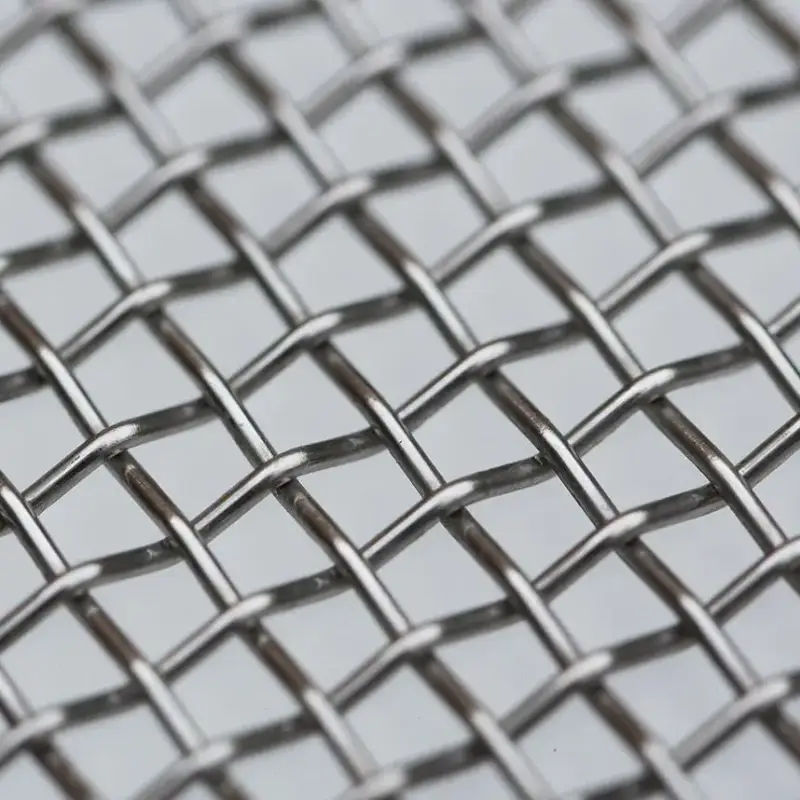
You see woven wire screens in many silver ore plants. These screens use metal wires woven together to make a strong mesh. You get high performance and long life with this type of screen. The open spaces let lots of material pass through, so you can process more ore in less time.
Here’s a quick look at what makes woven wire screens special:
| Characteristic | Description |
|---|---|
| High Open Area | Lets more material through, so you screen faster. |
| High Weave Precision | Tight control on hole size means you get better sorting. |
| Abrasion Resistance | Lasts longer—up to 40% more than regular mesh. |
| Heat Treatment Process | Special wires are tougher and handle heavy impacts. |
| Cost-Performance Ratio | You save money because these screens work well and last longer. |
You want a screen that works hard and does not break down fast. Woven wire screens give you that. You can trust them for tough jobs and high-impact ore.
Tip: If you need to screen lots of ore quickly, woven wire screens are a smart choice.
Polyurethane and Rubber Screens
You might want something quieter and softer for your plant. Polyurethane and rubber screens help with that. These screens cut down on noise and handle tough jobs without wearing out fast.
Let’s compare them:
| Material Type | Durability (Months) | Key Attributes |
|---|---|---|
| Polyurethane | 12–24 | Great at resisting wear and impact, less noise |
| Natural/Synthetic Rubber | 18–36 | Fights off rust, bends without breaking, dampens vibration |
- Polyurethane stands up to lots of wear. You can use it when you process a lot of ore.
- Rubber bends and flexes. It helps your equipment last longer by soaking up shocks.
Both materials work well in wet or sticky conditions. Polyurethane shines when you need something that will not wear out fast. Rubber is your friend if you want less vibration and more flexibility.
Note: If your plant is loud or you want less downtime, try polyurethane or rubber screens.
Perforated Plate Screens
You may need something even stronger for big rocks or harsh conditions. Perforated plate screens use solid metal plates with holes punched in them. These screens are tough and easy to clean.
Check out the main advantages:
| Advantage | Description |
|---|---|
| High and stable screen hole size | Every hole is the same size, so you get even screening. |
| High strength and durability | Handles big rocks and rough ore without breaking. |
| Resistance to clogging | Smooth holes stop material from getting stuck. |
| Easy to clean and maintain | Flat surface makes cleaning simple and fast. |
You want a screen that does not clog and is easy to take care of. Perforated plate screens give you that. You can use them for heavy-duty jobs and get steady results.
Tip: If you deal with large, rough ore or need easy cleaning, perforated plate screens are a solid pick.
Modular vs. Tensioned Media
When you set up your silver ore screening, you face a big choice: modular or tensioned screen media. Each type has its own strengths. You want to pick the one that fits your plant, your ore, and your goals.
Modular media comes in small panels. You snap these panels into a frame. If one panel wears out, you just swap it for a new one. You do not need to change the whole screen. This makes repairs quick and easy. You save time and keep your plant running.
Tensioned media uses a single sheet of mesh or polyurethane. You stretch it tight across the screen deck. This style gives you a large open area. More open space means more ore passes through. You get higher throughput and better performance, especially if you use advanced options like armor tensioned screens. These screens last longer and need less fixing than regular polyurethane screens.
Let’s break down the main differences:
| Feature | Modular Media | Tensioned Media |
|---|---|---|
| Replacement | Change single panels | Replace whole sheet |
| Maintenance | Quick, easy fixes | Takes more time |
| Open Area | Slightly less | Higher, boosts throughput |
| Wear Life | High with hybrid panels | Very high with armor tensioned |
| Customization | Easy to mix panel types | Less flexible |
| Deck Modifications | Not needed for hybrid modular panels | Not needed |
Tip: If you want less downtime, look for modular panels like Buffalo Wire’s hybrid PFX/HT. These panels boost wear life and throughput. You do not need to change your deck to use them.
You might also see products like Rhino Hyde’s Rhino Grid cast urethane. These modular panels fight off wear and tear. You spend less time on repairs and more time getting silver.
Tensioned screens, especially armor tensioned types, give you a bigger open area. You move more ore with each pass. These screens last longer, so you do not need to stop for maintenance as often.
Here’s a quick list to help you decide:
- Choose modular media if you want fast, simple repairs.
- Pick tensioned media if you need high throughput and long wear life.
- Try hybrid modular panels for heavy-duty jobs without changing your setup.
- Use cast urethane panels to cut down on downtime.
You do not have to pick just one. Some plants use both types in different spots. Think about your ore, your crew, and your budget. The right choice helps you get more silver and keeps your plant running strong.
Remember: The best screen media is the one that fits your needs and keeps your operation smooth.
Common Screening Problems in Silver Ore Processing
Screen Blinding and Pegging
You might notice your screens stop working as well after a while. This often happens because of screen blinding and pegging. When you process silver ore, small particles can get stuck in the screen holes. This blocks the openings and slows down your work. Pegging happens when bigger chunks of ore wedge into the holes and refuse to come out.
Here’s what you can do to spot and fix these problems:
- Watch for a drop in how much silver you recover. This can mean your screens are blocked.
- Check for uneven flow or piles of ore building up on the screen.
- Clean your screens often. Use brushes, water sprays, or even rubber balls that bounce and knock loose stuck ore.
Tip: Try screens with self-cleaning designs if you deal with sticky or wet silver ore. These screens shake or flex to keep holes clear.
Wear and Maintenance
Screens take a beating every day. Silver ore can be rough and heavy. Over time, your screens will wear out. Holes get bigger, wires break, and the whole screen can sag. If you ignore this, you lose silver and waste ore.
You can keep your screens in good shape with a few simple steps:
- Inspect your screens at the start and end of each shift.
- Replace worn or broken parts right away.
- Use wear-resistant materials like polyurethane or rubber for longer life.
Here’s a quick table to help you spot wear:
| Problem | What You See | What To Do |
|---|---|---|
| Bigger holes | More ore slipping through | Replace screen section |
| Broken wires | Silver loss, uneven flow | Fix or swap out screen |
| Sagging mesh | Poor sorting, less silver | Tighten or replace mesh |
Low Efficiency and Wet Ores
Wet ore can make your screening job much harder. Water causes ore to stick together and clog the screens. This lowers your efficiency and means you miss out on silver.
You can fight low efficiency with these tricks:
- Use screens made for wet ore. Polyurethane and rubber screens work well here.
- Add spray bars to wash away sticky silver ore.
- Slow down the feed rate if you see too much build-up.
Note: Always check your water levels and keep your screens clean. This helps you get more silver from every ton of ore.
If you stay alert and act fast, you can solve most screening problems before they cost you silver.
Solutions and Best Practices
You want your silver ore screening to run smoothly every day. When you face problems like blinding, pegging, or wear, you need smart solutions that work in real mines. Let’s look at some best practices you can use right away.
1. Match Your Method to Your Ore
Not all silver ores act the same. Some need special treatment. If you know your ore type, you can pick the best extraction and screening method. Here’s a quick guide:
| Type of Silver Ore | Best Extraction Method |
|---|---|
| Silver sulfide ores | Flotation-smelting recovery |
| Oxidized, clean silver ores | Cyanidation recovery |
| Oxidized ores resistant to cyanide | Flotation |
| Complex silver sulfide ores | Flotation |
| Argentiferous galena ores | Flotation |
| Argento-jarosite ores | Very difficult to process |
| Silver ores with sulfide manganese | Flotation |
If you use the right method, you get more silver and fewer problems with your screens.
2. Keep Screens Clean and Clear
Screen blinding and pegging slow you down. You can stop this by:
- Using self-cleaning screens or adding rubber balls that bounce and knock loose stuck ore.
- Installing spray bars to wash away sticky material.
- Checking screens often and cleaning them before they clog.
Tip: If you see your silver recovery drop, check your screens first. A quick clean can save your whole shift.
3. Choose the Right Screen Media
Pick screen panels that fit your ore and plant. Polyurethane and rubber screens work well with wet or sticky ore. Woven wire screens handle dry, abrasive ore. Modular panels let you swap out worn spots fast, so you spend less time on repairs.
4. Adjust Your Process for Wet Ores
Wet ore can cause big headaches. Slow down your feed rate if you see clogging. Use screens made for wet conditions. Add water sprays to help move material through.
5. Regular Maintenance Matters
Check your screens at the start and end of each shift. Look for holes, broken wires, or sagging mesh. Replace worn parts right away. If you keep up with small fixes, you avoid big breakdowns.
6. Try New Extraction Techniques When Needed
Some ores need special treatment. For example, you might use SO₂ leaching, chloride oxidation roasting, or even the Kerley thiosulfate process for tough ores. These methods help you get silver from ores that resist standard screening and recovery.
| Extraction Method | What It Does |
|---|---|
| SO₂ leach | Washes and treats ore before cyanidation |
| Chloride oxidation roast | Roasts ore, then uses cyanidation or amalgamation |
| Patio Process | Uses copper sulfate and salt, then recovers silver |
| Kerley thiosulfate | Works for ores with lots of manganese or copper |
| Direct smelter recovery | For high-grade ore or concentrates |
| Flotation | Best for sulfide-rich ores |
| Brine leach | Uses salt solutions for special silver ores |
Note: If your usual method stops working, talk to your supplier or a mineral expert. They can help you pick a new process that fits your ore.
By following these best practices, you keep your silver screening efficient and your plant running strong. Small changes can make a big difference in how much silver you recover.
Choosing Screening Equipment and Media
Assessing Ore and Process Needs
You want the best results from your silver ore screening. Start by looking at your ore and your process. Every mine is different. Your ore might be soft or hard, wet or dry, fine or chunky. You need to know what you are working with before you pick your equipment.
Ask yourself these questions:
- What size is your ore after crushing?
- Is your ore sticky, wet, or dusty?
- Do you need to screen for coarse, medium, or fine particles?
- How much ore do you process each hour?
Write down your answers. This helps you see what kind of screens and media you need. If you skip this step, you might buy the wrong equipment. That can cost you time and money.
Tip: Test a small batch of your ore with different screens. See which one works best before you buy for your whole plant.
Evaluating Equipment and Cost
Now, let’s talk about money and machines. You want equipment that fits your budget and your goals. Some screens cost more up front but last longer. Others are cheap but wear out fast. Think about what matters most to you—low price, long life, or easy repairs.
Here’s a quick table to help you compare:
| Equipment Type | Upfront Cost | Maintenance | Wear Life | Best For |
|---|---|---|---|---|
| Woven Wire Screens | Low | Medium | Medium | Dry, abrasive ore |
| Polyurethane Screens | Medium | Low | High | Wet, sticky ore |
| Rubber Screens | Medium | Low | High | Noisy or wet plants |
| Perforated Plates | High | Low | Very High | Heavy-duty, large ore |
You do not want to buy the cheapest screen and replace it every month. You also do not want to overspend on features you do not need. Balance your choices. Look at the total cost over time, not just the price tag.
Note: Ask your supplier about warranties and support. Good service can save you money in the long run.
Selecting Screen Media
Picking the right screen media makes a big difference. You want media that matches your ore and your plant. If you process wet ore, try polyurethane or rubber. If your ore is dry and rough, woven wire works well. For heavy-duty jobs, perforated plates are tough.
Here’s how you can choose:
- Check your ore type. Wet or sticky? Go for rubber or polyurethane.
- Think about noise. Rubber screens make your plant quieter.
- Look at your maintenance needs. Modular panels are easy to swap out.
- Consider throughput. Tensioned media gives you more open area for faster screening.
You can mix and match media in different parts of your plant. Try modular panels where you need quick fixes. Use tensioned screens where you want high capacity.
Pro Tip: Talk to other miners or plant operators. They can tell you what works best for ore like yours.
Choosing the right equipment and media helps you get more silver and keeps your plant running strong.
Adapting to Ore Changes
Silver ore does not stay the same forever. You might notice your ore gets wetter after heavy rain. Sometimes, the rock becomes harder or softer as you dig deeper. These changes can mess with your screening results if you do not pay attention. You need to stay flexible and ready to adjust your equipment and process.
Why do ore changes matter?
When ore changes, your screens might clog, wear out faster, or let the wrong size particles through. If you ignore these shifts, you lose silver and waste time fixing problems. You want to catch changes early and act fast.
Here’s how you can adapt to ore changes:
- Watch Your Feed
Check your ore every day. Look for changes in moisture, size, or stickiness. If you see more lumps or mud, your screens might need a different setup. - Adjust Screen Media
Swap out screen panels if your ore gets wetter or stickier. Polyurethane or rubber screens work better for wet ore. Woven wire handles dry, abrasive ore. Modular panels make changes quick and easy. - Change Your Settings
Try changing the angle or vibration speed of your screens. A steeper angle helps wet ore move faster. Higher vibration can shake loose sticky bits. - Control Your Feed Rate
Slow down the feed if you see clogging. This gives your screens more time to sort the ore. If your ore is dry and flows well, you can speed things up. - Use Water Sprays or Air Jets
Add spray bars or air jets to help clear sticky ore. These tools wash or blow away material that blocks your screens.
Tip: Keep a log of ore changes and what you did to fix problems. This helps you spot patterns and find solutions faster next time.
Here’s a quick table to help you match screen media to changing ore:
| Ore Condition | Best Screen Media | Adjustment Tip |
|---|---|---|
| Wet or sticky | Polyurethane, Rubber | Add spray bars, slow feed |
| Dry and abrasive | Woven Wire, Perforated | Check for wear, speed up feed |
| Mixed sizes | Modular Panels | Swap panels as needed |
You do not have to guess what works. Test small changes and see what gives you the best results. If you stay alert and flexible, you keep your plant running strong and your silver recovery high.
Note: Ore changes are normal. The best operators adapt fast and keep their equipment ready for anything.
Conclusion
You want the best results from your silver screening process. Picking the right equipment helps you recover more silver and keeps your plant running smoothly. Match your tools to the silver ore and each stage of processing. If you need help, talk to a screen media manufacturer. They can help you find custom solutions for your silver operation.
FAQ
What is silver ore screening?
Silver ore screening means sorting rocks by size before processing. You use screens to separate valuable silver from waste. This step helps you get more silver and keeps your equipment safe.
Why should you use vibrating screens?
Vibrating screens shake ore to sort it fast. You get better results because only the right size moves forward. These screens protect your crushers and mills from big rocks.
How do you pick the best screen media?
You look at your ore type and plant needs. Wet ore works best with rubber or polyurethane screens. Dry, rough ore needs woven wire. Modular panels make repairs easy.
What problems can you face with screening?
You might see screen blinding or pegging. Wet ore can clog screens. Wear and tear can cause holes or broken wires. Regular cleaning and checking help you avoid these issues.
Can you use digital tools for screening?
Yes! Digital tools let you watch your screens in real time. You spot problems early and fix them fast. Sensors and software help you keep your process running smoothly.
How often should you check your screens?
You should check screens at the start and end of each shift. Look for holes, broken wires, or sagging mesh. Quick checks help you catch problems before they slow you down.
What happens if your ore changes?
Ore can get wetter or harder. You need to adjust your screens and settings. Swap panels, change angles, or slow the feed. Staying flexible keeps your silver recovery high.
Who can help you choose custom screen media?
Screen media manufacturers know what works best. You can ask them for advice or custom solutions. They help you match screens to your ore and plant.