You might wonder how to choose the right screening media for your operation. The answer often comes down to understanding the difference between top deck vs bottom deck screen media. Each deck in screening systems has a special job, and the media you pick needs to match that job for the most efficient screening process. If you want to boost efficiency and reduce downtime, knowing how to choose a screen that fits your needs is key. The right screening media can make all the difference in your screen performance.
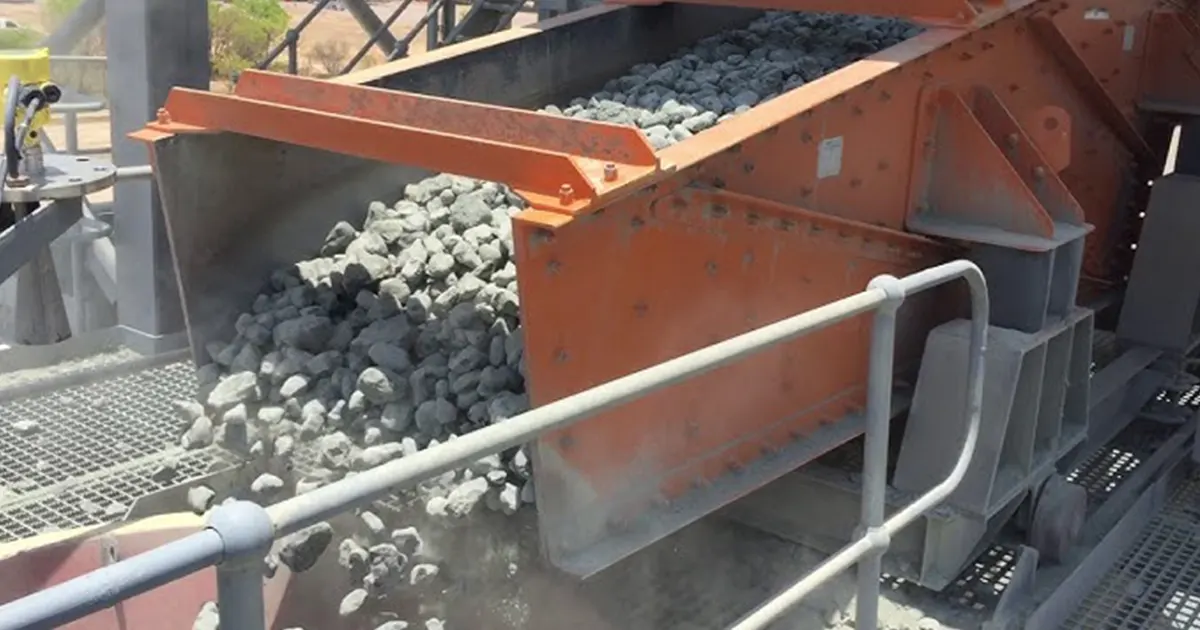
Key Takeaways
- Know what the top and bottom decks do. The top deck takes out big pieces. The bottom deck makes sure small pieces are good quality.
- Pick the best media for each deck. Use tough stuff like rubber or steel on the top deck. Use exact types like wire cloth or polyurethane on the bottom deck.
- Use progressive sizing. Start with bigger holes on the top deck. Use smaller holes on the bottom deck. This helps separate materials well.
- Check your screening media often. Watch for damage or wear. This stops surprise problems and keeps things working well.
- Think about what you are screening. Different materials and wetness need special media. This helps stop problems like blinding and pegging.
- Use modular panels to make fixing easier. They let you change parts fast. This cuts down on waiting and keeps things moving.
- Look at your whole screening process. Make sure your media matches your goals for speed and quality.
- Keep up with maintenance. Plan regular checks and have extra media ready. This helps fix problems before they get worse.
Top Deck vs Bottom Deck Screen Media Overview
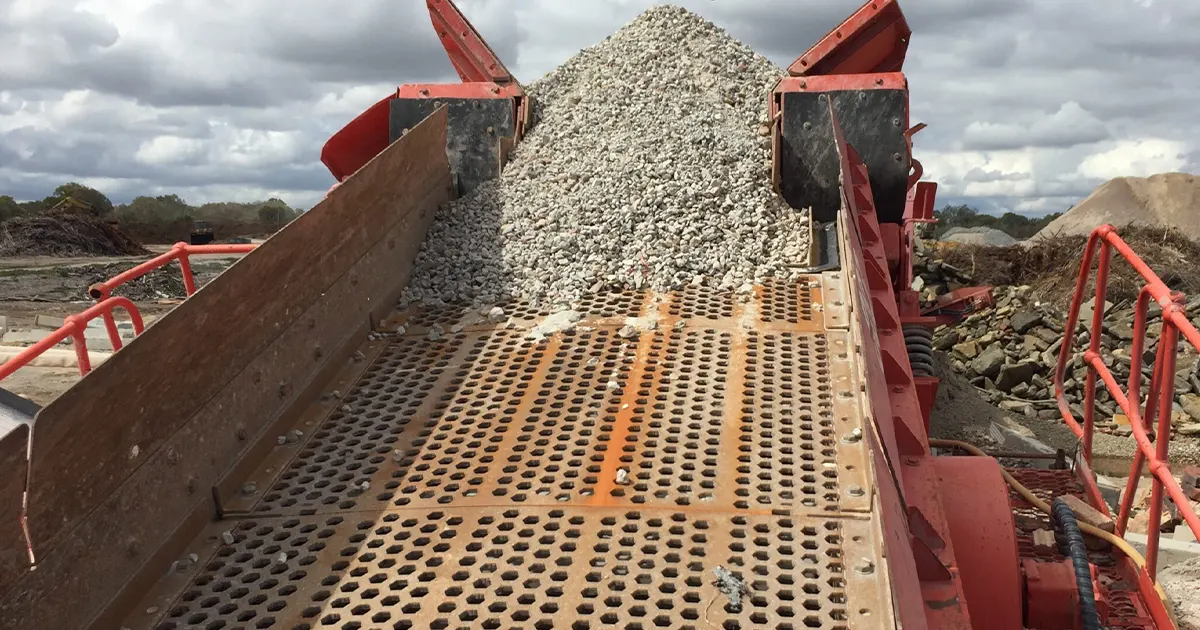
When you look at screening systems, each deck has its own job. People talk about top deck vs bottom deck screen media because each one faces different problems. You should know what each deck does before you choose the right screening media for your job.
Deck Functions in Screening Systems
Think of each deck like a filter with a special use. The top deck does the hardest work. It takes out big pieces you do not want. This is called scalping. If your screen has a middle deck, it sorts things by size. The bottom deck does the last check. It lets only the right-sized pieces go through. This step helps make sure your product is good and meets export rules.
Here’s a quick table to show how each deck works:
| Deck Type | Function Description |
|---|---|
| Top Deck | Removes large, unwanted materials (scalping) |
| Middle Deck | Further classifies materials by size |
| Bottom Deck | Final screening for quality and separation |
You can see that aggregate screens do different jobs from top to bottom. The top deck keeps the lower decks safe. The bottom deck makes sure you get the product you want.
Progressive Sizing in Screening Media
Each deck uses screen holes of different sizes. This is called progressive sizing. The top deck has bigger holes. These let smaller pieces fall through. As the material moves down, each deck uses smaller holes. This helps you split material into three groups: oversize, mid-size, and fines.
Progressive sizing helps you work faster. You can screen more material at once and get better results. You do not need extra aggregate screening equipment. One screen can do the work of many. This saves you space and time.
Importance of Deck Position
Deck position is important when you pick screening media. The top deck gets hit hard and needs strong media like rubber or steel. The bottom deck does fine screening. It needs media that gives high accuracy, like wire cloth or polyurethane.
Here’s a table to help you see the differences:
| Feature | Top Deck Screen Media | Bottom Deck Screen Media |
|---|---|---|
| Main Purpose | Scalping/Impact | Fine Screening |
| Best Media Options | Rubber, Steel Plate | Wire Cloth, Polyurethane |
| Best For | Large, abrasive feed | Fines, high accuracy |
| Trade-Offs | Lower open area | Wire wears faster, less open area with poly |
| Tensioning Method | Side Tensioning | End Tensioning |
| Cleaning Issues | No dirt buildup in clamp area | Possible dirt buildup |
| Installation Ease | Easier for one person | Harder due to clearance |
| Material Contamination | No backward flow | Risk of contamination |
| Performance | Better productivity, wear | Less effective in some cases |
| Support Structure | More support bars | Fewer bars, risk of blinding |
If you use the right screening media for each deck, you get better screening and less downtime. You also make your screening systems work better and reach your goals.
Screening Media Types and Designs
Common Screening Media Materials
You can pick from many screening media types. Each material works best for a certain deck and job. If you want your screen to last longer, use the right material. Here’s a table showing common materials:
| Deck Position | Material Type | Purpose/Function |
|---|---|---|
| Top Deck | Synthetic rubber panels | Absorb impact on the feed end |
| Middle Deck | Modular polyurethane panels | Provide screening efficiency |
| Bottom Deck | Modular steel panels | Enhance open area and throughput |
Each deck uses a different material. Rubber panels on the top deck take hits from big rocks. Polyurethane panels in the middle deck help make screening better. Steel panels on the bottom deck let more material pass and keep screening accurate. Using the right media gives you better results and less downtime.
Modular Panels vs Traditional Screens
You might ask which is better: modular panels or traditional screens. Modular panels are popular in screening systems. They save time and make fixing easier. Here’s a table comparing them:
| Feature | Modular Panels | Traditional Screens |
|---|---|---|
| Installation Process | Fast, clean, less disruption | Slow, messy, more disruption |
| Maintenance | Easy to repair or replace panels | Harder, more costly repairs |
With modular panels, you can change a broken section fast. You do not have to stop the whole screen. This means less downtime and more screening. Traditional screens take longer to install and fix. If you want your equipment to keep running, modular panels help.
Noise and Efficiency Factors
Noise can be a big problem in screening. Steel media makes loud sounds when rocks hit it. Rubber and polyurethane panels make less noise. This gives you a quieter work area and happier workers. Efficiency is important too. The right media lets more material go through the screen. You get more product in less time. If you pick the wrong media, you might see blinding or pegging. This slows down screening and hurts your business.
Tip: Always check your application before picking screening media. The right choice helps your screen work better and last longer.
You have lots of screening media options. Each one has its own strengths. If you match the media to your job, you get the best results.
Application Scenarios for Screening Media
When you look at screening systems, you see that each deck has a special job. The right screening media can make your operation smoother and more efficient. Let’s check out where you use different types of media and what things affect your screening.
Mining and Quarrying Applications
Mining and quarrying need tough screening media. You deal with heavy rocks, sharp edges, and lots of wear. The top deck takes the first hit. You want strong media here, like rubber or steel plate. These handle large, sharp, or heavy feed. Lower decks use polyurethane or wire cloth. These work well for medium sizes and high-wear spots. The bottom deck often uses wire cloth or polyurethane for fine screening and high accuracy.
Here’s a quick table to help you see where each media fits:
| Deck | Best Media Options | When to Use Them | Watch Out For |
|---|---|---|---|
| Deck 1 | Rubber, Steel Plate | Large, sharp, or heavy feed | Lower open area, more weight |
| Decks 2 & 3 | Polyurethane, Wire Cloth | Medium sizes, high wear | Poly can blind, wire wears |
| Deck 4 | Wire Cloth, Polyurethane | Fines, high accuracy needed | Wire needs more care |
You want to match the media to the deck and the screening material. This keeps your aggregate screening equipment running longer and helps you avoid downtime.
Aggregate and Bulk Material Screening
Aggregate and bulk material screening is all about sorting rocks and minerals by size. The top deck holds back the big stuff. The bottom deck lets the small pieces through. You need to pick the right screening media for each deck to get the best results.
Check out this table to see how top and bottom decks compare:
| Aspect | Top Deck | Bottom Deck |
|---|---|---|
| Material Stratification | Larger particles remain on top | Smaller particles fall through |
| Loading | Typically less loaded | More heavily loaded |
| Screen Angle | May be set at 20 degrees | Can be set at up to 24 degrees |
| Screen Media Selection | Customized based on application | Customized based on application |
You can see that the top deck deals with bigger pieces and less loading. The bottom deck handles more material and needs media that can keep up with the flow. If you want high efficiency, you need to match the media to the job.
Wet vs Dry Screening Systems
Wet and dry screening systems need different media. Wet screening means you deal with water and sticky material. This can cause blinding or plugging. Dry screening works best with dry materials and usually needs less cleaning.
Here are some things to think about when you pick screening media for wet or dry systems:
- Wet screening needs media like wire mesh, polyurethane, or rubber. You may need to clean the screen often to stop clogging.
- Dry screening often uses wire cloth for the most open area and high throughput.
- High moisture can cause clumping and blinding. You might need water spray systems or special screens to keep things moving.
- The type of material, feed size, and moisture all change what media works best.
- Polyurethane works well for damp or sticky material because it resists wear and flexes.
Tip: Always check if your process is wet or dry. This helps you pick the right screening media and avoid problems like blinding.
If you want your screening systems to run well, you need to think about the application, the screening material, and the conditions. The right media gives you better efficiency and less trouble.
Key Differences: Top Deck vs Bottom Deck
Loading and Impact Resistance
You see the biggest difference in loading and impact resistance when you compare top deck vs bottom deck screen media. The top deck sits right at the feed end. It takes the first hit from heavy rocks and large material. You need thicker material here. This deck uses strong layers that can handle big impacts without breaking down.
The bottom deck works differently. It focuses on letting the right-sized particles pass through. You want more open area here. This helps with stratification and separation. The bottom deck does not face the same heavy loads as the top deck. Instead, it deals with smaller particles and needs to keep up with the flow.
Here’s a quick look at how each deck handles loading and impact:
- The top deck uses thicker, tougher media to absorb shock and protect the rest of the screen.
- The bottom deck uses media with more open space to boost efficiency and accuracy.
- Modular decks made from rubber or polyurethane work well for heavy loads and wet aggregates.
- You can replace individual panels on modular decks. This saves money and time.
If you pick the right media for each deck, you protect your screening systems and keep your operation running smoothly.
Sizing and Efficiency
Sizing and efficiency matter a lot in screening. The top deck uses larger openings. This lets smaller pieces fall through while holding back the big stuff. You want to remove unwanted material early. This keeps the lower decks safe and helps your aggregate screening equipment last longer.
The bottom deck uses smaller openings. It does the final check for size. You get the most accurate product here. The right media on the bottom deck means you can meet strict export specs and keep your customers happy.
Let’s compare the two decks:
| Deck Position | Opening Size | Main Goal | Impact on Efficiency |
|---|---|---|---|
| Top Deck | Large | Remove big material | Protects lower decks, speeds up screening |
| Bottom Deck | Small | Final sizing and quality | High accuracy, best product quality |
You want to match the media to the application. If you use the wrong size, you slow down your screen and lose efficiency. Always check your material and your goals before you choose.
Tip: For the best results, use progressive sizing. Start with big openings on the top deck and move to smaller ones on the bottom deck.
Wear Patterns and Maintenance
Wear patterns look different on each deck. The top deck faces the most impact. It wears down at the feed end first. You might see grooves or dents in the media. The bottom deck wears out from constant contact with fine material. It can show even wear across the surface.
Different types of screening media also wear in unique ways. For example, woven wire can wear out at the crimps. This can lead to early breakage. Flat-top woven wire wears more evenly. It lasts longer and gives you more value.
Regular maintenance keeps your screen working well. You should check your media often. Look for signs of wear or damage. Replace panels or cloth before they fail. This helps you avoid sudden breakdowns and keeps your screening running without stops.
Here’s a quick checklist for maintenance:
- Inspect all decks for wear and tear.
- Replace worn panels or cloth right away.
- Schedule regular checks to catch problems early.
- Keep spare media on hand for fast swaps.
If you stay on top of maintenance, you get longer life from your screening media and better efficiency in your application.
Blinding and Pegging Risks
Blinding and pegging can turn a good screening operation into a real headache. If you have ever seen your screen slow down or stop working, you might have run into these problems. Let’s break down what they mean and how they affect your top and bottom decks.
What is Blinding?
Blinding happens when fine material sticks to the screen openings. These particles build up and block the holes. When this happens, less material passes through. Your screen loses efficiency. You might see piles of unscreened material or notice your product quality drops.
What is Pegging?
Pegging is a bit different. It happens when larger particles get stuck in the screen holes. These pieces wedge themselves in and do not come out easily. Pegging can block the flow and cause even more problems than blinding.
Here’s a quick table to help you see the difference:
| Problem | What Happens | Common on Deck | Main Cause |
|---|---|---|---|
| Blinding | Fine particles block holes | Bottom Deck | Wet, sticky, or clay-rich feed |
| Pegging | Large particles wedge in | Top Deck | Irregular or near-size material |
Why Do These Risks Matter?
- On the top deck, pegging is more common. You feed large, odd-shaped rocks onto this deck. If the holes are just the right size, rocks can get stuck. This blocks the flow and puts extra stress on your screen.
- On the bottom deck, blinding is the big risk. Fine, wet, or sticky material can cover the holes. Your screen can’t separate the fines, and your product quality suffers.
Tip: If you notice your screen slowing down or see uneven product sizes, check for blinding or pegging first!
How Can You Reduce Blinding and Pegging?
You have several ways to fight these problems:
- Choose the right media: Rubber and polyurethane panels flex and shake loose stuck material. Wire cloth offers more open area, which helps with blinding, but it can wear out faster.
- Use self-cleaning screens: Some screens have special shapes or wires that move and clear out stuck particles.
- Adjust your spray bars: In wet screening, water can help wash away fines and keep holes open.
- Change your feed: If possible, adjust the feed size or moisture. Drier material blinds less. Oversized rocks peg less if you pre-screen them.
- Regular checks: Walk around your screen and look for blocked holes. Clean them out before they cause bigger problems.
Here’s a quick checklist to help you stay ahead:
- Inspect screens daily for blocked holes
- Use the right media for your material
- Adjust water sprays if you see blinding
- Try self-cleaning panels for tough jobs
- Remove pegged rocks as soon as you spot them
Blinding and pegging can slow you down, but you can manage them. If you pick the right screening media and keep an eye on your decks, you will keep your operation running smoothly.
Choosing Screening Media for Each Deck
Top Deck Media Selection
You want your top deck to handle the toughest jobs. This deck faces the biggest rocks and the heaviest loads. When you pick your screen media for the top deck, you need to think about several things that affect your screening.
- Maximum tons per hour: How much material do you need to process?
- Gradation of the feed material: What sizes are coming in?
- Type and weight of material: Is it sharp, heavy, or abrasive?
- Desired size of separation: What size do you want to remove?
- Surface moisture on the material: Is it wet or sticky?
- Special operation requirements: Do you need extra impact resistance?
You also need to look at particle size distribution. If your feed has lots of different sizes, you need strong screening media that can handle it. Irregular shapes can cause pegging, so you want media that resists this. High-density materials wear out screens faster. Wet or sticky material can blind the screen surface.
Rubber and steel plate work well for the top deck. They absorb impact and last longer. If you use punch plate or perforated steel, you get extra strength. Make sure you clearly define the intended application of your screen. If you know what you want your screening media to do, you can make the best choice.
Tip: Always check the feed material before you pick your screen media. The right choice keeps your screen running and protects the lower decks.
Bottom Deck Media Selection
The bottom deck does the final screening. You want high accuracy and good efficiency here. The best screening media for the bottom deck depends on your end product and how much you need to screen.
Woven wire screens gives you a balance of open area and precision. It works well if you want cost-effective screening and need to avoid blinding. In tough conditions, self-cleaning wire designs help keep production moving. Polyurethane or rubber screens are good for extreme wear. You can replace modular panels easily, which saves time.
If you need to absorb impact, use punch plate or perforated steel on the top deck. For the bottom deck, focus on accuracy and throughput. Tailor the configuration of decks, cut points, and screen media to your end product.
Here’s a quick table to help you compare options:
| Media Type | Best Use Case | Benefits |
|---|---|---|
| Woven Wire Screens | Fine screening | High open area, precision |
| Polyurethane Panels | Extreme wear | Modular, easy to replace |
| Self-Cleaning Screens | Wet or sticky material | Reduces blinding |
| Rubber Panels | Heavy impact | Absorbs shock, lasts long |
Note: Clean the deck and screen surfaces after each shift. This prevents material buildup and keeps your screening efficient.
Step-by-Step Decision Guide
You can follow these steps to learn how to choose the right screening media for each deck:
- Identify your screening phase.
- For coarse screening, use strong media like steel-reinforced rubber.
- For multi-deck screens, direct material to crushers with free-fall screens.
- For closed circuit screening, remove small pieces to match crusher output.
- For final product separation, use anti-blinding screens for accuracy.
- Assess your material properties.
- Look at size, shape, and moisture content.
- Pick panel thickness and hole shape that fit your material.
- Evaluate your equipment.
- Make sure your screening media matches your vibrating screen.
- Check accessories and mounting systems.
- Investigate current issues.
- Watch for blinding, wear, or low throughput.
- Adjust wire diameter or feeding method. Small changes can boost production by up to 24%.
- Align media types with each screening phase to improve efficiency and reduce changeouts.
Tip: Conduct daily visual inspections of screen panels and components. Replace screens before they become ineffective. Proper installation and tensioning keep your screening running smoothly.
If you follow these steps, you can pick your screen media with confidence. You will get better efficiency and less downtime. Remember, the right screening media makes your screening system work at its best.
Checklist for Screening Media Choice
You want to get the most out of your screening system. A good checklist helps you make smart choices and avoid costly mistakes. Use this guide every time you select screen media for your top or bottom deck.
Step-by-Step Screening Media Checklist
- Know Your Deck’s Job
- Ask yourself: Is this for the top deck (scalping), a middle deck (sizing), or the bottom deck (final screening)?
- Match the media strength and opening size to the deck’s main job.
- Understand Your Material
- Check the size, shape, and moisture of your feed.
- Look for sharp, heavy, or sticky material that might cause wear or blinding.
- Pick the Right Aperture Size
- Don’t just guess. Measure your near-size fraction to avoid pegging or blinding.
- Use bigger openings on the top deck and smaller ones on the bottom.
- Choose the Best Media Type
- For heavy impact, go with rubber or steel on the top deck.
- For fine screening, try wire cloth or polyurethane on the bottom deck.
- Think about self-cleaning screens if you deal with sticky or wet material—but only if blinding is your real problem.
- Check Open Area and Bed Depth
- Don’t focus only on open area. Make sure you have enough bed depth for good stratification.
- Calculate the open area to avoid bottlenecks and keep your screening circuit flowing.
- Inspect Your Support System
- Make sure your screen media fits your support bars and hooks.
- Install with proper tension to prevent loose panels and early wear.
- Plan for Maintenance
- Set up a routine inspection schedule. Don’t wait for failure.
- Keep spare panels or cloth on hand for quick swaps.
- Think About the Whole Circuit
- Look at your entire screening process, not just one deck.
- Consider environmental factors like dust, water, and temperature.
Common Mistakes to Avoid
- Picking a self-cleaning screen without checking if blinding or pegging is the real issue.
- Choosing aperture size without measuring near-size material.
- Focusing only on open area and ignoring bed depth or stratification.
- Installing screens with poor tension or mismatched hooks.
- Running your screen overloaded and hoping the media will fix it.
- Using the wrong material grade for impact or abrasion.
- Skipping regular inspections until something breaks.
Tip: Selecting the right screen media boosts your efficiency, cuts down on maintenance, and helps you stay competitive. Always take a total-cost-of-ownership approach. The right choice now saves you money and headaches later.
Quick Table: Screening Media Success
| What To Do | Why It Matters |
|---|---|
| Evaluate the whole circuit | Prevents bottlenecks and downtime |
| Calculate open area | Keeps material moving efficiently |
| Match media to each deck | Maximizes deck surface and accuracy |
| Inspect and maintain | Reduces change-outs and repair costs |
You can use this checklist every time you need to choose or change your screening media. When you follow these steps, you get more uptime, better product quality, and a smoother operation. Remember, a little planning goes a long way in screening!
Pros and Cons of Screening Media Options
Top Deck Media: Advantages & Drawbacks
The top deck needs to be strong. It gets hit first by big rocks and heavy loads. You need screening media that can handle impact and keep working. Let’s look at the main choices for the top deck.
Here’s a table comparing rubber and polyurethane screen media for the top deck:
| Criteria | Rubber Screen Media | Polyurethane Screen Media |
|---|---|---|
| Impact Resistance | Excellent | Good |
| Abrasion Resistance | Good | Excellent |
| Noise Reduction | Very high | Moderate to high |
| Wet Applications | Limited effectiveness | Excellent |
| Throughput | Higher for coarse sizing | Better for fines and sticky feed |
| Cost | Lower upfront | Higher upfront, longer ROI |
| Maintenance | Moderate replacement | Fewer replacements needed |
| Customization | Flexible | Wide modular options |
Rubber screen media absorbs shocks well. It protects your deck and lowers noise in your plant. You save money at first. If you want a quiet work area, rubber is a good choice. But rubber does not last long in wet jobs.
Polyurethane screen media lasts longer with abrasive material. It keeps its shape for accurate sizing. Polyurethane works well in wet screening. You pay more at first, but you replace panels less often. Some designs clean themselves, so you see less blinding and pegging.
Tip: If you want less downtime, try modular or hybrid options. You can swap panels quickly and keep your screen running.
Bottom Deck Media: Advantages & Drawbacks
The bottom deck does the last check. You want high efficiency and a clean product. The right media here makes your screening better.
Check out this table to see how bottom deck options compare:
| Screening Media | Durability | Efficiency | Maintenance Requirements |
|---|---|---|---|
| Polyurethane Mesh | High (does not clog) | Very High (handles wet material) | Low (minimal maintenance) |
| Self-Cleaning Mesh | Moderate to High | High (prevents blockage) | Moderate (occasional cleaning) |
| Hybrid Mesh | High | High (good for tough jobs) | Moderate (regular checks needed) |
Polyurethane mesh lasts a long time and does not clog easily. You spend less time on maintenance. If you run wet or sticky material, this mesh keeps your screen open and your product moving.
Self-cleaning mesh helps stop blinding. It shakes off stuck particles, so you keep efficiency high. You might need to clean it sometimes, but you will see fewer stoppages.
Hybrid mesh gives you both durability and efficiency. It handles tough jobs and keeps your screen working. You should check it often to make sure it stays in good shape.
Note: Always match your bottom deck media to your material and your screening goals. The right choice keeps your screen efficient and your product on spec.
When you compare top deck vs bottom deck screen media, you see each has strengths and weaknesses. If you pick the right screening media for each deck, you get better screening, less downtime, and more profit.
Conclusion
Top deck and bottom deck screen media are not designed for the same job. Each deck works under different screening conditions, so selecting the right media for each one is important for efficiency, wear life, and overall performance. As a screen media manufacturer, we supply screening solutions for a wide range of materials and operating conditions. If you are trying to improve screening results or solve deck-specific problems, we can help you choose a more suitable screen media solution for your operation.
FAQ
What is the main job of the top deck in a screening system?
The top deck removes big, unwanted rocks or debris. You can think of it as the first line of defense for your screening system.
Why does the bottom deck need different screen media?
The bottom deck handles fine material. You need media here that gives you high accuracy and keeps your product clean and on spec.
How do I know if my screen media is wearing out?
You might see holes, grooves, or broken wires. If your screen slows down or your product changes, check for worn media right away.
Can I use the same screen media on all decks?
No, you should not. Each deck faces different challenges. You need strong media on the top deck and precise media on the bottom deck.
What causes blinding and pegging?
Blinding happens when fine, sticky material blocks holes. Pegging happens when larger pieces get stuck. Both problems slow down your screening.
How often should I check my screen media?
Check your screen media every day. Quick checks help you spot problems early and keep your system running smoothly.
Which screen media is best for wet material?
Polyurethane and self-cleaning wire screens work well with wet or sticky material. They help prevent clogging and keep your screen open.
Do modular panels make maintenance easier?
Yes! You can swap out damaged panels fast. This means less downtime and less work for you.