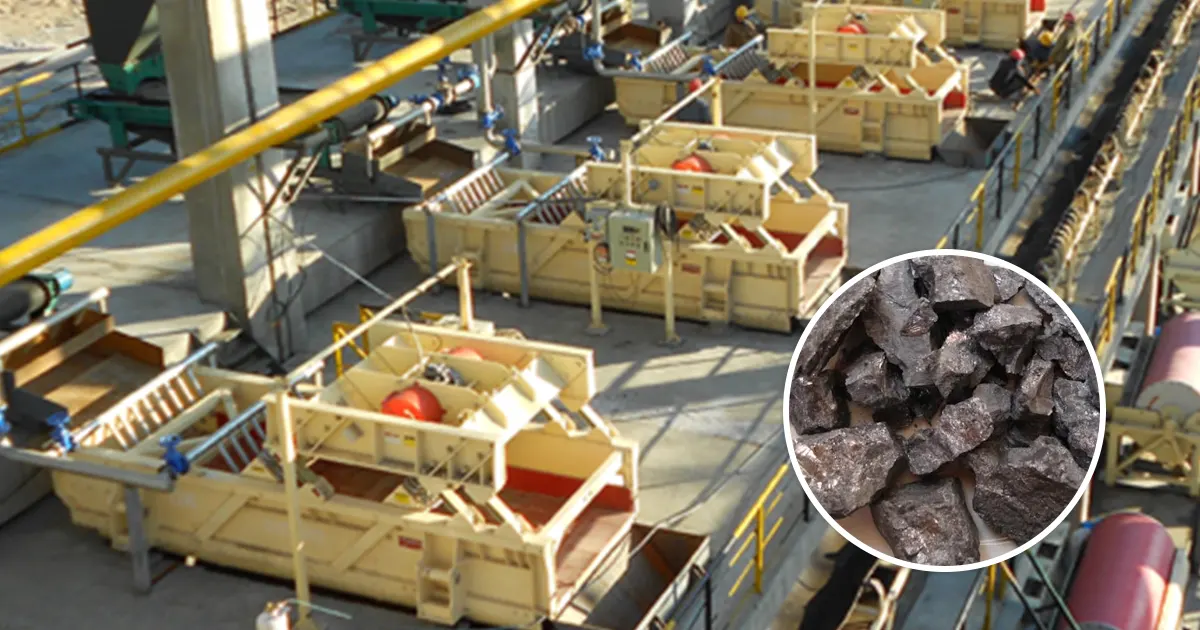
You want your tin ore screening to work well and give good results. Choosing the right screen media is very important. It helps your screening equipment work better and last longer. Every ore is different. If you pick screen media that matches the ore’s size, moisture, abrasiveness, and how much you need to process, you make screening better and maintenance simpler. Here is how different surfaces help with certain jobs:
| Screening Surface | Key Benefits | Typical Applications |
|---|---|---|
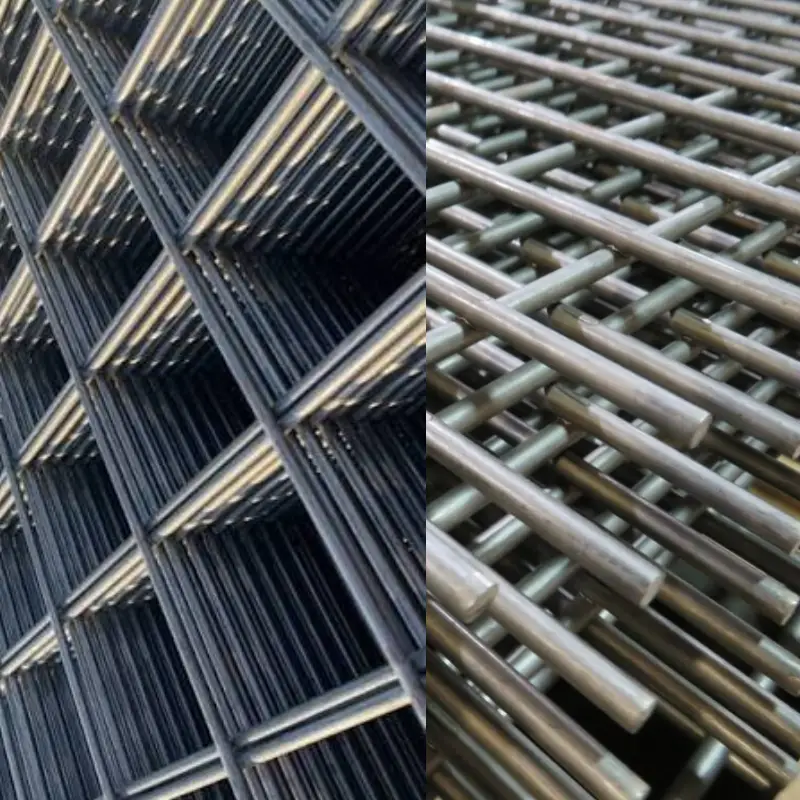
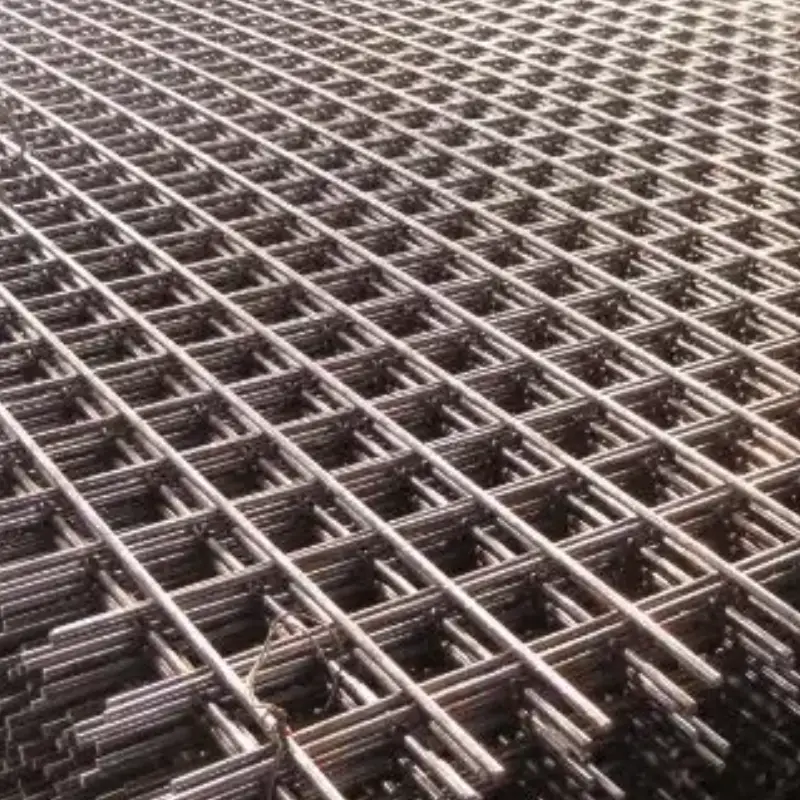
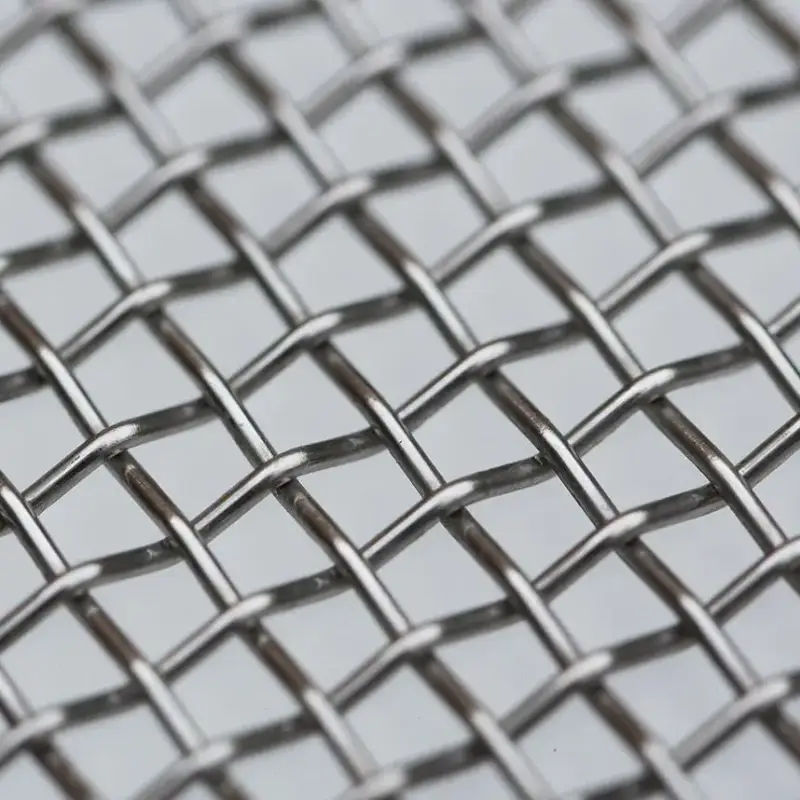
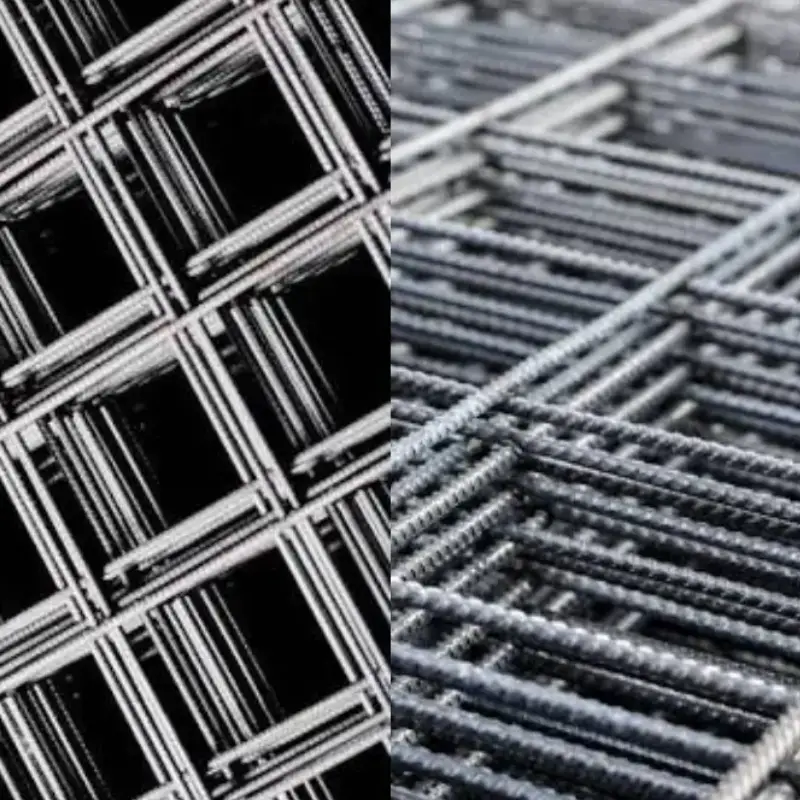
| Wire Mesh | Very flexible, saves money, many mesh sizes | Used for general screening, recycling |
| Perforated Steel Plates | Strong, tough, easy to clean | Used for coarse screening in minerals |
| Polyurethane Panels | Lasts long, quiet, resists wear | Used for fine screening, wet processing |
| Rubber Screen Mats | Lowers shaking, protects, less noise | Used in mobile units, quiet places |
If you want the best from your screening, always check what your plant needs and ask experts before you decide.
Key Takeaways
- Picking the right screen media helps the machine work better and last longer.
- Make sure the screen media fits the ore’s size, wetness, and roughness for best results.
- Watch the moisture in tin ore to stop clogging and keep things running well.
- Choose stronger materials like polyurethane or rubber to fight against rough wear.
- Use self-cleaning screens for wet or sticky ore to cut down on stops and make sorting more correct.
- Think about how open the screen media is to keep a good balance between speed and strength.
- Doing regular checks and care can stop breakdowns and help the screening work better.
- Talk to experts to pick the best screen media for your ore and plant needs.
Tin Ore Screening Challenges
Particle Size Variation
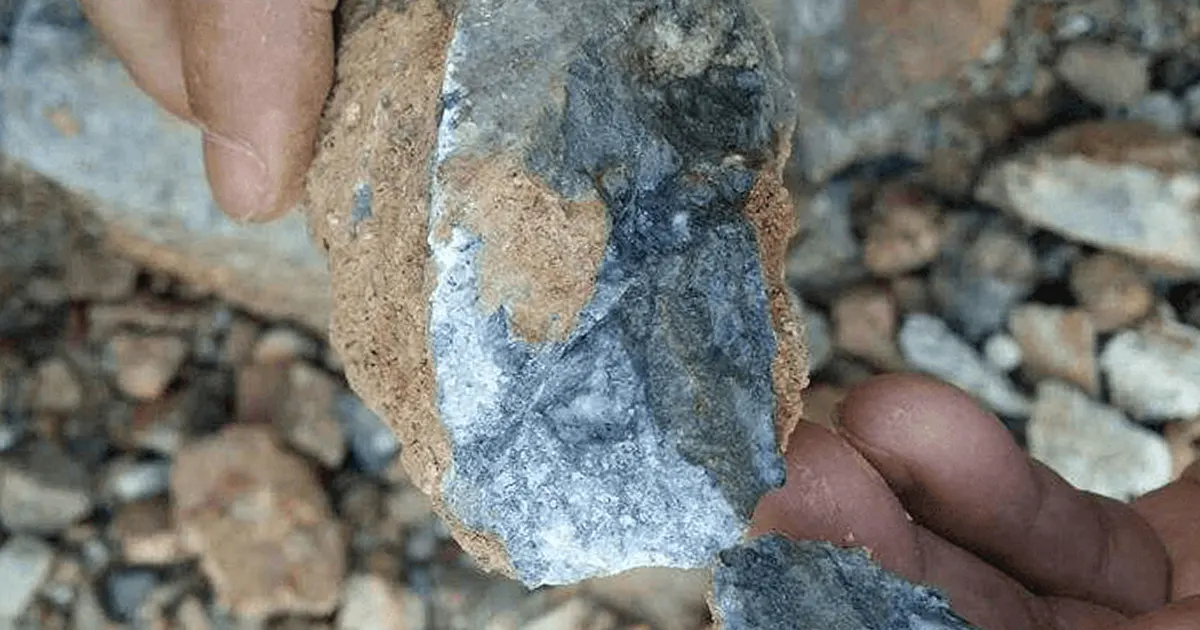
You will notice that tin ore does not come in one size. The rocks and minerals can be big, small, or somewhere in between. This wide particle size distribution makes screening tricky. If you do not use the right screen media, you might miss some small pieces or let big ones slip through. You need good particle size control to get the best results. When you match your screen to the ore’s size range, you help your plant use the best separation methods. This way, you get more tin and less waste.
Moisture and Stickiness
Moisture is a big challenge in tin ore screening. Wet ore can stick to the screen and block the holes. Sticky material slows down your process and makes cleaning harder. You might see your machine working slower or even stopping. The amount of moisture in your ore depends on several things, like mesh size, particle ratio, and how thick the layer of ore is on the screen.
Here is a table that shows how these factors affect moisture content:
| Parameter | Condition | Moisture Content (%) | Notes |
|---|---|---|---|
| Screen Mesh Size | 100 (15s residence time) | 4.09 | Smaller mesh size lets more water pass through. |
| Screen Mesh Size | 200 (15s residence time) | 8.52 | Larger mesh size holds more water, making ore wetter. |
| Particle Ratio | 1 (15s, mesh 100) | 5.37 | Lower ratio means less moisture. |
| Particle Ratio | 2 (15s, mesh 100) | 10.59 | Higher ratio means more moisture. |
| Particle Layer Thickness | 3.5 mm (15s, mesh 100) | ~4% lower than 10.6 mm | Thinner layers dry out faster. |
| Particle Layer Thickness | 10.6 mm (15s, mesh 100) | Higher moisture content | Thicker layers keep more water. |
If you want to keep your screening running smoothly, you should watch for sticky ore and adjust your screen media. Sometimes, self-cleaning screens or larger openings help when things get too wet.
Tip: Always check your ore’s moisture before you start screening. This simple step can save you time and trouble.
Abrasive Wear
Tin ore can be rough on your equipment. Some rocks in the mix are very hard and sharp. They scrape and wear down your screens over time. If you use the wrong screen media, you might have to stop often for repairs. This means more downtime and less tin. To fight abrasive wear, you can pick tougher materials like polyurethane or rubber panels. These last longer and protect your machine. When you choose the right screen, you keep your screening process running longer and save money on maintenance.
Fine Separation
You want to get more tin from your ore. Fine separation can be hard. Tin ore has tiny and big particles mixed together. If you pick the wrong screen media, you may lose tin or get too much waste. The goal is to keep the smallest pieces from slipping through or blocking your screens.
Let’s check some top technologies for fine separation in tin ore screening:
| Technology Type | Description | Efficiency Range | Recommended Use Case |
|---|---|---|---|
| Enhanced Gravity Methods | Uses spinning force to settle fine particles fast. | Effective down to 10-15 microns | Fine particle recovery in tin processing |
| Cassiterite Flotation | Uses chemicals to make tin minerals float for easy collection. | 75-85% | Complex ores in industrial refining |
| Selective Flocculation | Uses special polymers to clump fine tin particles together. | N/A | Research and development |
You may wonder which machines are best for these jobs. Here’s a quick guide:
| Machine Type | Best For | Efficiency Range | Recommended Use Case |
|---|---|---|---|
| Jig Separator | High-density ores | 85–92% | Medium to large mining operations |
| Shaking Table | Fine particle recovery | 90–95% | Small-scale and refining operations |
| Flotation Cell | Fine-grained complex ores | 75–85% | Industrial refining plants |
Think about your ore’s particle size before picking a method. If you have lots of tiny particles, shaking tables or flotation cells work best. For bigger pieces, gravity methods like jigs are good. Always match your screen media and machine to your tin ore’s size and type. This helps you get more tin and less waste.
Tip: Test different machines and screen types with your own ore. Small changes can help you recover more tin.
Unstable Performance
Sometimes, your screening does not run well. You may see the machine slow down, clog, or give bad results. Unstable performance wastes time and money. It also makes planning hard.
Here are some common reasons your tin ore screening may not work well:
| Factor | Description |
|---|---|
| Power Input and Mechanical Motion | You need steady power and smooth movement for good separation. If things shake too much or too little, your results will suffer. |
| Water Management | Water moves particles and keeps things from sticking. Too much or too little water causes problems. |
| Machine Maintenance | If you skip checks and cleaning, your equipment can break or work badly. |
| Feed Characteristics | If the ore changes a lot, your screen may not keep up. Consistent feed helps your process stay stable. |
| Design of Separation Equipment | Better designs make your screening more efficient and give you higher quality tin. |
You can fix many issues by checking your machines often, keeping water levels right, and making sure your ore feed stays steady. If you see problems, fix them quickly. Small fixes now stop big problems later.
Note: Good screening is not just about the right screen media. It is also about how you care for your equipment every day.
Why Screen Media Matters
Screening Accuracy
You want your screening results to be as close to perfect as possible. The right screen media helps you separate tin ore into the sizes you need. If you use the wrong type, you might let big pieces slip through or lose valuable fine particles. Good screening accuracy means you get more tin and less waste. You can trust your screening equipment to do its job when you match the screen media to your ore’s size and shape. This step is key for all separation methods, especially when you want to recover as much tin as possible. When you improve screening accuracy, you also boost your screening efficiency. That means you get better results with less effort.
Throughput and Capacity
Throughput tells you how much material your plant can process in a set time. If you want to move more ore, you need to think about the open area of your screen media. A larger open area lets more particles pass through at once. For example, woven wire mesh can give you a 50-70% open area, which helps you process more tin ore quickly. Polyurethane panels have less open area but last longer, so you trade some speed for durability. Rubber panels have even fewer openings, so they slow things down but protect your equipment. Some hybrid screens can boost your production by up to 40% because they combine a big open area with less blinding. High-frequency vibrating screens also help. They shake fast and separate even tiny particles, which is important for screening in mineral processing. The speed and force of these machines can make a big difference in how much ore you handle every hour.
If you want to get the most out of your plant, always check how your screen media affects throughput. A small change can mean a lot more tin at the end of the day.
Maintenance and Downtime
Nobody likes to stop work for repairs. The screen media you choose can make a big difference in how often you need to clean or fix your screening equipment. If you pick the wrong type, you might see the holes get blocked, especially with wet or sticky ore. This means you have to stop and clear the blockages, which wastes time. Self-cleaning screens can help, but sometimes they do not catch every particle you want. Fine screens can block up fast and need more replacements. If you use a rotary tensioning system, you can change screens faster and get back to work sooner.
Here’s a quick look at how different choices affect your work:
| Problem or Solution | What Happens in Your Plant? |
|---|---|
| Unsuitable screens | More cleaning, more downtime |
| Self-cleaning wire screens | Less blinding, but sometimes less accuracy |
| Fragile fine screens | More replacements, more stops |
| Rotary tensioning systems | Faster changes, less downtime |
| Durable screen media | Fewer repairs, lower costs, more uptime |
You can keep your screening running smoothly by picking tough, reliable screen media and following a regular care plan. This way, you spend less time fixing things and more time getting tin out of your ore.
Service Life
You want your screen media to last as long as possible. When you choose the right type, you save money and avoid constant repairs. Some screen media wear out fast, especially if your tin ore is sharp or abrasive. Others can handle tough conditions and keep working for months.
Let’s look at how different choices can change your results:
- A mining company in Southeast Asia switched to a customized high-frequency vibrating screen basket. Their average service life jumped from 60 days to 150 days. That’s more than double the time before they needed to replace anything.
- This big improvement happened because the new screen media matched the ore’s abrasive and corrosive nature. The tailored solution stopped severe wear and kept the equipment running longer.
You can see that picking the right screen media is not just about the upfront cost. If you use a screen that fits your ore and process, you get more hours of work before you need to stop for maintenance. You also avoid sudden breakdowns that can slow down your whole operation.
Here are some quick tips to help you get the most out of your screen media:
- Check your ore’s hardness and abrasiveness before you choose.
- Ask your supplier about custom solutions for tough conditions.
- Watch for signs of wear and replace screens before they fail.
Tip: A longer service life means fewer shutdowns and more tin in your final product.
Plant Efficiency
You want your plant to run smoothly and produce as much tin as possible. The screen media you pick plays a big role in this. Good screening helps you control the size of the particles moving through your process. If you get this right, you avoid wasting energy and time.
Here’s how the right screen media boosts your plant’s efficiency:
- Vibrating screens sort out the right particle sizes. They send big pieces back for more crushing and let the right sizes move forward.
- This step stops over-crushing. You don’t waste energy breaking down ore that is already small enough.
- Uniform particle size makes grinding and separation easier. Your machines work better, and you get more tin with less effort.
When you match your screen media to your ore and your plant’s needs, you keep everything running at its best. You spend less time fixing problems and more time producing tin. That’s how you turn smart choices into real results.
Note: Efficient screening is the backbone of a productive tin ore plant. Make it a priority, and you’ll see the difference in your output.
Screen Media Types
Woven Wire Mesh
Advantages
You get a lot of flexibility with woven wire mesh. It comes in many sizes, so you can match it to your screening needs. The mesh is lightweight, which makes it easy to handle and install. You can also count on a high open area, so more material passes through quickly. This means you can boost your screening efficiency. The elasticity of the mesh helps shake off stuck particles, so you see less clogging.
Limitations
Woven wire mesh does not last as long as some other options. If you work with sharp or abrasive tin ore, you may need to replace it often. The mesh can wear out fast, especially in tough conditions. You might also notice that it does not block noise, so your plant can get loud.
Best Uses
You should use woven wire mesh for general screening jobs. It works well when you need to separate different sizes of tin ore quickly. If you want to change mesh sizes often or need a budget-friendly choice, this is a good pick. It fits best in dry screening or where you want high throughput.
Tip: If you want to compare woven wire mesh and polyurethane panels, check out this table:
| Feature | Woven Wire Mesh | Polyurethane Panels |
|---|---|---|
| Advantages | Light weight, high opening rate, improved screening efficiency due to elasticity | High wear resistance, high elasticity, sound absorption, long service life, good self-cleaning ability |
| Disadvantages | Shorter lifespan | High production cost, inflexible dimensions |
Polyurethane Panels
Advantages
Polyurethane panels stand out for their toughness. You get high wear resistance, so they last much longer than wire mesh. These panels also absorb sound, which keeps your plant quieter. Their elasticity helps them resist impact and shake off sticky ore. You will notice less blinding and clogging, especially in wet screening. They also have a long service life, so you do not need to change them often.
Limitations
Polyurethane panels cost more than wire mesh. You may find that their size and shape are less flexible. If you need a custom fit, it can take longer to get the right panels. The open area is usually smaller, so your screening speed might slow down a bit.
Best Uses
You should pick polyurethane panels for tough screening jobs. They work best when you deal with abrasive or wet tin ore. If you want less noise and fewer shutdowns, these panels are a smart choice. They fit well in fine screening and wet processing lines.
Rubber Panels
Advantages
Rubber panels give you great protection against impact. They absorb shocks, so your screening equipment lasts longer. You will hear less noise, which makes your work area more comfortable. Rubber panels also resist wear from sharp rocks. They are easy to install and remove.
Limitations
Rubber panels do not have as much open area as wire mesh. This means your screening process may slow down. They can cost more than basic mesh screens. Sometimes, rubber panels are heavier, so you need strong support frames.
Best Uses
You should use rubber panels in places where noise control matters. They work well in mobile screening units or plants near homes. If you handle large, sharp tin ore, rubber panels protect your machines. They are also good for high-impact zones and where you want low maintenance.
Note: Always match your screen media to your screening goals and ore type. The right choice keeps your plant running smoothly.
Self-Cleaning Screens
Advantages
You know how frustrating it gets when your screens clog up with sticky tin ore. Self-cleaning screens can save you a lot of trouble. These screens use special wires or flexible panels that move and vibrate. This action shakes off the material that usually blocks the openings. You spend less time stopping your machine to clean out the holes.
Here are some big advantages you’ll notice:
- Less Blinding and Clogging: The screen keeps working even when the ore is wet or sticky. You don’t have to stop as often to clear blockages.
- Higher Uptime: Your plant runs longer without interruptions. You get more tin processed every hour.
- Better Screening Accuracy: The screen stays open, so you separate the right sizes. You don’t lose fine tin particles because of blocked holes.
- Lower Maintenance: You don’t need to clean or replace screens as often. This saves you money and effort.
- Fits Many Machines: You can use self-cleaning screens on most vibrating or flat deck screeners.
Tip: If you deal with rainy weather or ore that sticks together, self-cleaning screens can make your life much easier.
Limitations
Self-cleaning screens sound perfect, but they do have some downsides. You should know these before you switch.
- Higher Cost: These screens usually cost more than basic wire mesh. You pay extra for the special design.
- Lower Open Area: The moving wires or panels take up space. You might see a little less material passing through each hour.
- Not for Every Job: If you only screen dry, coarse tin ore, you may not need self-cleaning screens. They work best with sticky or wet material.
- Wear and Tear: The moving parts can wear out faster in very rough conditions. You may need to check them more often.
Here’s a quick table to help you compare:
| Feature | Self-Cleaning Screens | Standard Wire Mesh |
|---|---|---|
| Blinding Resistance | Excellent | Poor |
| Cost | Higher | Lower |
| Open Area | Medium | High |
| Maintenance Needs | Low | Medium |
| Best For | Wet/Sticky Ore | Dry/General Ore |
Best Uses
You should pick self-cleaning screens when you face tough screening jobs. Here are the best times to use them:
- Wet or Sticky Tin Ore: If your ore has a lot of moisture or clay, these screens keep things moving.
- Variable Feed Conditions: When your ore changes from dry to wet, self-cleaning screens adjust better than standard mesh.
- High Uptime Needs: If you want your plant to run all day with few stops, these screens help you reach that goal.
- Fine Screening: When you need to separate small tin particles, self-cleaning screens keep the holes open and accurate.
Note: You don’t have to use self-cleaning screens everywhere. Try them first on your wettest or most troublesome screening decks. You’ll see the difference right away.
Choosing Screen Media
Feed Size
You need to look at the size of the tin ore before you pick your screen media. Feed size tells you how big or small the particles are that enter your screening equipment. If you have a mix of large rocks and tiny grains, your screen needs to handle both. Oversize particles can block the holes, while small ones might slip through too easily.
Here’s a simple table to help you understand the different feed sizes:
| Particle Size | Description |
|---|---|
| Oversize | Material larger than the cut point |
| Half Size | Material about half the cut size |
| Maximum Size | Largest particle in the feed stream |
When you deal with sticky or wet tin ore, you want screens that keep the holes clear. Self-cleaning screens do a great job here. Modular urethane panels also help prevent blockage. If you choose open screens, you get better throughput and separation. You can boost your screening efficiency by matching the screen media to your feed size.
Tip: Always check your feed size before you start screening. This step helps you avoid blockages and keeps your plant running smoothly.
Cut Size
Cut size is the size of the holes in your screen media. It decides which particles stay on top and which ones pass through. You want to pick the right cut size so you can separate tin ore into the sizes you need. If the holes are too big, you lose valuable fine particles. If they’re too small, you slow down your process.
The mesh hole size is crucial. It controls the separation size and the amount of material that gets screened. This affects how much tin ore you process every hour. When you match the cut size to your screening goals, you improve your screening efficiency and get more tin out of your ore.
Note: If you want to boost your screening in mineral processing, always check the cut size. Small changes can make a big difference in your results.
Wet vs Dry Screening
You need to know if your tin ore screening will be wet or dry. Wet screening deals with ore that has lots of moisture. Dry screening works with ore that is mostly dry. Each method needs different screen media.
Let’s look at how manufacturers in China design their screens for different climates:
| Feature | Northern Chinese Manufacturers | Southern Chinese Manufacturers |
|---|---|---|
| Climate Adaptation | Designed for cold, dry climates; resistant to freezing | Built for high humidity; moisture resistance and corrosion protection |
| Typical Applications | Coal, hard rock, low-moisture minerals | Wet, sticky materials like clay-rich aggregates |
| Screen Media Type | Rigid, high-tension screens for dry screening | Self-cleaning, flexible panels for moist feeds |
| Design Emphasis | Structural strength and cold-weather reliability | Corrosion resistance, drainage efficiency, anti-blinding features |
If you work in a dry area, you want strong, rigid screens that can handle tough rocks. If your plant deals with wet or sticky ore, you need flexible, self-cleaning panels. These screens stop blinding and keep the holes open. You get better drainage and less downtime.
Tip: Always match your screen media to your climate and ore conditions. This helps you avoid problems and keeps your screening equipment working longer.
Sticky Material
Sticky tin ore can make your job harder. You might see the ore clump together and block your screens. This problem slows down your screening and makes it tough to get the right size particles. You need to pick screen media that can handle sticky material.
Here’s what you should look for:
- Choose screens that resist blinding. These screens stop sticky ore from blocking the holes.
- Look for advanced screening technology. Some screens use special movement or flexible wires to shake off sticky bits.
- Make sure your screen media keeps up with high-moisture ore. You want to keep your throughput high and your separation accurate.
If you deal with sticky material often, try self-cleaning screens or polyurethane panels. These options help you keep your screening running smoothly, even when the ore is wet or muddy.
Impact Load
Tin ore can be heavy and rough. When large rocks hit your screen, they create a strong impact load. If your screen media is not tough enough, it can break or wear out fast.
You should think about these points:
- Use rubber panels if you expect a lot of big rocks. Rubber absorbs shocks and protects your equipment.
- Polyurethane panels also handle impact well. They bounce back and last longer under heavy loads.
- Check your support frames. Make sure they are strong enough for the weight and force of your ore.
If you pick the right screen media for impact load, you will see fewer breakdowns and less downtime. Your screening process will stay safe and steady.
Wear Resistance
Tin ore can be very abrasive. Sharp rocks and hard minerals can wear down your screens quickly. You want screen media that lasts a long time, even in tough conditions.
Here are some top choices for wear resistance:
- Woven wire trommel screens use strong metal wires. They work well for dry screening and small to medium particles.
- Perforated trommel screens have a solid structure. They are great for heavy-duty jobs and large ore pieces.
- Wedge wire trommel screens resist clogging and help with fine screening or separating solids from liquids.
- Polyurethane trommel screens offer both elasticity and high wear resistance. They are perfect for screening wet or sticky ore.
- Rubber trommel screens absorb impact and work well for coarse particles.
If you want your screening equipment to last, match your screen media to your ore’s hardness and moisture. This step helps you save money and keep your plant running longer.
Open Area
You want your tin ore to move through the screen as fast as possible. Open area means the part of the screen that lets material pass through. If you pick a screen with a large open area, you get more material moving and less clogging. This helps your screening stay fast and smooth.
But there’s a balance. If you choose a screen with too much open space, it might wear out quickly. If you go for a tougher screen, you might slow down your process. You need to think about what matters most for your plant—speed or durability.
Here’s a quick way to compare:
| Open Area Size | What You Get | What to Watch Out For |
|---|---|---|
| Large | High throughput, faster screening | May wear out faster |
| Small | Longer life, less breakage | Slower material flow |
Tip: Always check your ore type and how much you need to process. The right open area keeps your screening running strong.
Maintenance Needs
You want your equipment to last and your team to stay safe. Good maintenance keeps your screening plant working and helps you avoid sudden breakdowns. If you take care of your screens, you spend less time fixing things and more time getting tin.
Here are some smart habits:
- Check your screens often for wear and tear.
- Train your team to spot problems early.
- Keep records of repairs and changes.
When you follow these steps, you can catch small issues before they turn into big ones. You also help everyone stay safe on the job.
Here’s a table to help you remember what matters:
| Maintenance Need | Description |
|---|---|
| Wear life of screen media | Helps you avoid downtime and keeps your plant running. |
| Balance between open area and durability | Lets you move more material while making your screens last longer. |
Note: Good maintenance is not just about machines. It’s about people, too. When you care for both, your screening works better every day.
Machine Compatibility
You need to make sure your screen fits your machine. Not every screen works with every type of equipment. If you use the wrong screen, you might see poor results or even damage your plant.
Think about the kind of ore you have. Some ores are rough and wear out screens fast. Others can cause rust or corrosion. You want to match your screen to both your machine and your ore.
Here’s a simple guide:
| Ore Type | Recommended Screen Media |
|---|---|
| Highly Abrasive Ores | Wear-resistant materials like polyurethane, rubber, or high-tensile steel |
| Corrosive Ores | Stainless steel or coated screens to stop rust and damage |
Tip: Always check with your equipment supplier before you buy new screens. The right match keeps your screening safe and steady.
Best Choices for Conditions
Coarse Screening
You want to start with the big stuff. Coarse screening helps you separate large rocks from smaller tin ore pieces. If you use the right screen media, you can keep your screening equipment safe and make your process faster. Woven wire mesh works well for this job. It gives you a high open area, so you can move lots of material quickly. Perforated steel plates are another good choice. They are strong and tough, so they handle heavy loads without bending or breaking.
Let’s say you run a plant with lots of big rocks. You might use steel plates with round or square holes. These plates last longer and need less maintenance. If you want to change sizes often, wire mesh lets you swap out screens fast. You get better screening efficiency and spend less time fixing things.
Tip: Always check the size of your feed before you pick your screen. Big rocks need strong screens.
Fine Screening
Now you need to catch the small stuff. Fine screening helps you recover more tin and reduce waste. You want screen media that can handle tiny particles without clogging. Polyurethane panels are great for this. They have small holes and resist wear, so you get accurate separation methods and longer service life. Self-cleaning screens also help. They shake off sticky bits and keep the holes open.
Imagine you work with tin ore that has lots of fine grains. You might use high-frequency vibrating screens with polyurethane panels. These screens sort out the smallest particles and boost your screening in mineral processing. You get more tin and less waste. If you want to avoid blockages, self-cleaning screens are a smart pick.
Note: Test different screen types with your ore. Small changes can help you recover more tin.
Wet Screening
Wet screening can be tricky. Tin ore often comes with moisture, which makes the material sticky and hard to separate. You need screen media that keeps working even when things get wet. Polyurethane panels are ideal for wet screening. They resist wear and do not clog easily. Rubber screens also work well. They are flexible and durable, so you see less blinding and clogging. Woven wire cloth gives you a good balance of strength and precision.
Here’s a table to help you choose:
| Screen Media Type | Key Features | Suitability for Wet Screening |
|---|---|---|
| Woven Wire Cloth | Excellent strength, flexibility, and precision; various mesh sizes available | Good balance of performance and longevity |
| Polyurethane Panels | Superior wear resistance, lighter, less prone to clogging | Ideal for wet or sticky materials |
| Rubber Screens | Flexible and durable; can handle various materials | Effective in reducing blinding and clogging |
If you deal with wet tin ore screening, try polyurethane panels or rubber screens first. You will see fewer blockages and more uptime. Your screening process stays steady, and you get more tin out of your ore.
Tip: Always match your screen media to your ore’s moisture. The right choice keeps your screening running strong.
Sticky Tin Ore
Sticky tin ore can make your job tough. When you try to separate sticky ore, you often see the material clump together and block your screens. This slows down your screening and can even stop your plant. You need smart choices to keep things moving.
You have a few good options for handling sticky tin ore. Polyurethane panels work well because they last a long time and clean themselves. These panels help you avoid blockages, so you spend less time fixing problems. Flexible screens also help. They bend and move, which shakes off sticky bits and keeps the holes open. If you use high-frequency vibrating screens, you get even better results. These screens move fast and with small shakes, so sticky ore does not have time to clog the openings.
Here are some ways you can boost your screening when dealing with sticky tin ore:
- Try flexible screens to reduce material sticking.
- Use high-frequency, low-amplitude vibrating screens for better efficiency.
- Add ultrasonic cleaning devices to keep your screens clear.
- Pick polyurethane panels for their wear resistance and self-cleaning features.
You can also set up your screening equipment with more than one deck or use an inclined screen. This helps the ore spread out and move faster, which means less sticking and better separation. When you use these tricks, you can reach over 90% efficiency, even with sticky ore.
Tip: Always check your screens for blockages during screening. A quick look can save you hours of downtime.
If you want the best results, match your screen media to your ore’s moisture and stickiness. Polyurethane panels and flexible screens are top picks for sticky tin ore. They help you get more tin and less waste. You will see smoother screening in mineral processing and less trouble with your screening equipment.
Common Mistakes
Price-Only Selection
You might think picking the cheapest screen media saves money. It feels good to cut costs at first. But this choice can hurt your plant in the long run. Cheap screens often wear out fast. You end up stopping your screening process more often for repairs. This means more downtime and less tin. You also spend more on replacements. The lowest price does not always mean the best value.
Here’s a quick list of what can go wrong when you focus only on price:
- Shorter screen life
- More breakdowns
- Lower screening efficiency
- Higher long-term costs
Tip: Always look at the total cost, not just the price tag. Think about how long the screen will last and how it fits your screening needs.
Ignoring Moisture
Moisture in your tin ore can cause big problems. If you ignore it, you may see your screens clog up fast. Wet ore sticks to the screen and blocks the holes. This slows down your screening and makes your plant less productive. You might even have to stop everything to clean the screens.
You need to check the moisture level before you start screening. If your ore is wet or sticky, pick screen media that can handle it. Self-cleaning screens or polyurethane panels work well for moist conditions. They help you keep your screening running smoothly.
Here’s a table to help you remember:
| Ore Condition | Best Screen Media | Why It Works |
|---|---|---|
| Dry | Woven wire mesh | High open area, fast flow |
| Wet/Sticky | Polyurethane, self-cleaning | Less clogging, easy cleaning |
Note: Always match your screen media to the moisture in your ore. This step keeps your screening process steady.
Overlooking Open Area
Open area means the part of the screen that lets material pass through. If you pick a screen with too little open area, your screening slows down. You move less tin ore every hour. If you choose too much open area, your screen might wear out faster.
You need to find the right balance. Think about how much material you want to process and how long you want your screen to last. Ask yourself these questions:
- Do I need high speed or long life?
- Is my ore rough or smooth?
- How much downtime can I handle?
Remember: The right open area boosts your screening efficiency and keeps your plant running strong.
By avoiding these common mistakes, you make your screening process more reliable and cost-effective. You get more tin and less trouble.
Wrong Aperture Shape
Have you ever wondered why your screening results just don’t look right, even when you use good equipment? Sometimes, the problem comes down to the shape of the holes in your screen media. This is called the aperture shape. It might sound like a small detail, but it can make a big difference in how well your screening works.
When you pick the wrong aperture shape, you can run into all sorts of trouble. For example, if you use round holes when you need square ones, you might see more blinding. That means the holes get blocked, and your screening slows down. On the other hand, if you use long slotted holes for fine tin ore, you could lose valuable material because the small pieces slip through too easily.
Let’s look at some common aperture shapes and what they do best:
| Aperture Shape | Best For | Watch Out For |
|---|---|---|
| Square | General screening, good for most tin ore sizes | Can blind with sticky material |
| Round | Coarse screening, strong against impact | Less open area, slower flow |
| Slotted | Wet or sticky ore, helps prevent blinding | May let elongated particles pass through |
You want to match the aperture shape to your ore and your screening goals. If you get it wrong, you might see poor separation, more downtime, or even damage to your equipment. For example, using square holes with sticky ore can lead to fast clogging. If you use slotted holes with coarse ore, you might not get the clean cut you want.
Here are a few tips to help you choose the right aperture shape for your screening:
- Think about your ore’s size and shape. Is it round, flat, or sharp?
- Check if your ore is wet or sticky. Some shapes handle moisture better.
- Decide what you want from your screening. Do you need fine separation or just to remove big rocks?
Tip: Always test a small batch before you commit to a new screen. A quick trial can save you hours of trouble later.
If you pay attention to aperture shape, you can boost your screening efficiency and get more tin from your ore. Don’t let this simple mistake slow down your plant. The right shape keeps your screening process smooth and your results reliable.
Conclusion
You have seen that the best screen media for tin ore screening depends on your ore and your plant’s needs. Take time to look at your screening goals and talk to screen media experts. If you avoid common mistakes, you will get better results and less downtime. For long-term success, focus on reliable screening and smart choices.
- Check your ore type and plant needs
- Ask for expert advice
- Choose for long-term efficiency
Remember, the right screening setup keeps your plant running strong.
FAQ
What is the main goal of tin ore screening?
You want to separate tin ore into different sizes. This helps you get more tin and less waste. Good screening makes your plant work better and faster.
How do I know which screen media to choose?
Start by looking at your ore’s size, moisture, and how rough it is. Think about how much you need to process. Ask an expert if you feel unsure.
Can I use the same screen media for wet and dry ore?
No, you need different screens. Wet ore works best with self-cleaning or polyurethane panels. Dry ore does well with woven wire mesh. Always match your screen to your ore.
How often should I check my screens?
Check your screens every day. Look for holes, tears, or blockages. Quick checks help you catch problems early and keep your plant running.
What causes screens to wear out fast?
Hard, sharp rocks and sticky ore can wear screens quickly. Using the wrong screen media also shortens screen life. Pick tough materials for rough jobs.
How can I stop my screens from clogging?
Try self-cleaning screens or flexible panels. Keep your ore feed steady. Clean your screens often, especially with sticky ore.
Why does open area matter in tin ore screening?
Open area lets more ore pass through. If you pick a screen with a large open area, you get faster screening. If the open area is too small, your process slows down.