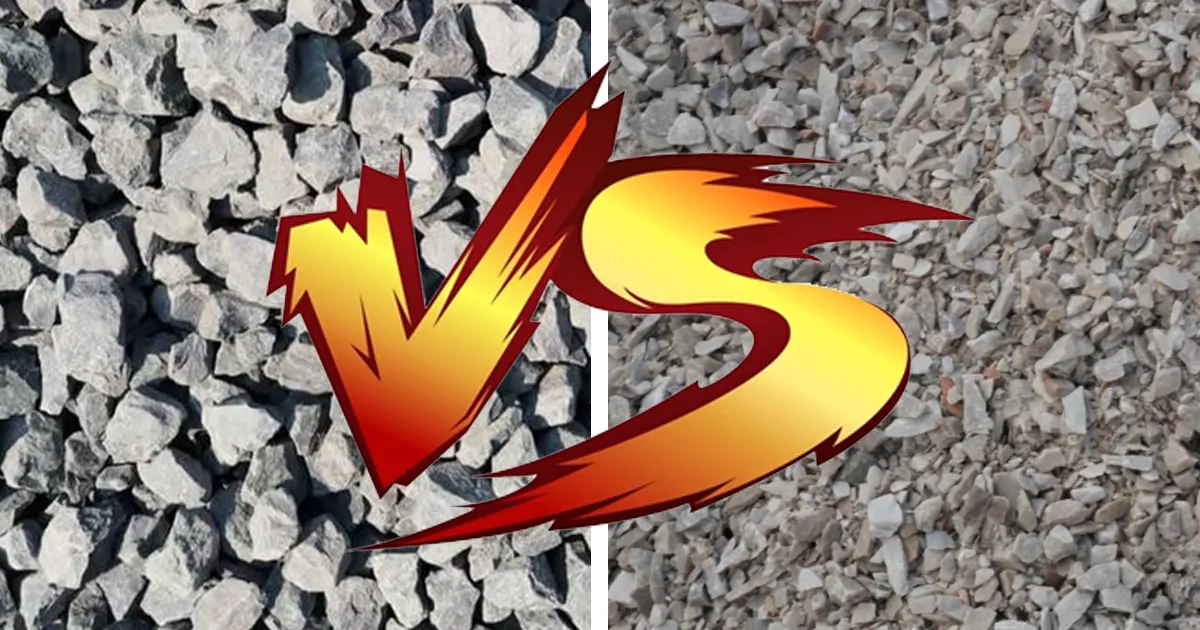
You may ask about the differences in performance between basalt vs granite for aggregate screening. The best choice depends on your specific needs for the aggregate. Choosing between basalt and granite is not an easy decision. Basalt typically produces strong, cube-shaped aggregate that fits together well, while granite can break into thin, flat pieces that may not withstand heavy weight as effectively. Additionally, basalt does not absorb much water, making it more resilient to freezing and thawing conditions. This characteristic means that basalt provides stronger aggregate for areas with cold weather compared to granite.
Key Takeaways
- Basalt usually makes stronger, cube-shaped aggregate. Granite can break into thin, flat pieces.
- Basalt does not soak up much water. This makes it last longer in freezing and thawing than granite.
- Basalt’s sharp shape helps it move better across screens.
- This gives cleaner results when screening.
- Granite can make more small pieces and dust during screening. This means you may need to clean and fix screens more often.
- Basalt is often better for heavy jobs because it is stronger. When picking screen media, think about how tough basalt is.
- Polyurethane or rubber screens work well with hard rocks.
- Granite can look nice for things like paving. But you need to watch out for water soaking problems. Always check what your project needs. Think about how much weight it must hold and the weather before you pick basalt or granite.
Basalt vs Granite: Quick Comparison
Key Differences at a Glance
When you compare basalt and granite, you notice they are both strong rocks. But they act differently when used for jobs. Here is a table that shows their main features:
| Property | Granite | Basalt |
|---|---|---|
| Compressive Strength | 100 – 250 MPa | 100 – 300 MPa |
| Particle Shape | Can be flat/thin | More cube-shaped |
| Water Absorption | Higher | Lower |
| Weathering Resistance | Good | Excellent |
| Screening Behavior | May break flat | Stays angular |
| Weight (Density) | Medium | Higher |
Both granite and basalt have high compressive strength. Sometimes, basalt is even stronger than granite. Granite often breaks into thin or flat pieces. Basalt usually forms cube-shaped and angular pieces. This is important if you want your aggregate to fit together tightly.
Granite takes in more water than basalt. If you live where it freezes and thaws a lot, basalt will last longer. Basalt also stands up to weather better than granite. It stays strong in tough places.
Screening and Construction Impact
Let’s see how these differences matter for aggregate screening and building:
- Screening Performance:
When you screen granite, you might see more flat or flaky pieces. These can slip through screens or get stuck. This can slow down your work. Basalt has cube-shaped pieces that move better over screens. This gives you a cleaner result. - Load-Bearing and Strength:
If you need strong support, both granite and basalt are good. Basalt is sometimes stronger, especially for big jobs. You can trust basalt to hold heavy loads most of the time. - Water and Weather:
Choosing basalt or granite matters if you deal with water or bad weather. Basalt does not soak up much water, so it does not crack as easily when it freezes. Granite can take in more water, which can cause problems in cold places. - Construction Uses:
For roads and train tracks, you want aggregate that stays in place and lets water drain. Basalt is tough and keeps its shape, so it is a great choice. Granite works too, but you need to watch for flat pieces that do not fit together well.
Tip: When picking between granite and basalt, think about your weather, how much weight you need to hold, and how clean you want your aggregate. Picking the right one can help you save time and money later.
Now you know how basalt and granite compare for aggregate screening and building. Next, you will learn how their properties work in real jobs.
Material Properties: Granite vs Basalt
Hardness and Abrasion
Granite and basalt are both strong rocks. They can handle tough jobs. Basalt is better at resisting scratches and wearing down. If you want aggregate that lasts longer, pick basalt. It does not wear away as fast as granite. Granite is hard, but it loses more weight in abrasion tests. Look at the numbers in the table:
| Rock Type | L.A. Abrasion Loss (by percent weight) |
|---|---|
| Granite | 27 – 49 |
| Basalt | 10 – 17 |
Basalt loses less material in these tests. This means you get less dust and fewer tiny pieces. Granite still works well, but it wears down more over time. For roads or places with lots of cars, basalt is stronger and lasts longer.
You can also see how shiny and long-lasting each rock is:
| Aggregate | Polished Stone Value | Service Life (t_0.05, min) | Service Life (t_0.5, min) |
|---|---|---|---|
| Granite | 28.95 | 30,736 | 7,112 |
| Basalt | 31.24 | 31,237 | 7,228 |
Basalt has a higher polished stone value. It also lasts longer before needing repairs. You will spend less time fixing it.
Density and Weight
You might wonder how much weight each rock can hold. Basalt is heavier than granite. This means it is stronger for its size. Basalt can hold up big trucks and machines. It stays in place better. Granite is lighter, but good granite is still strong. If you need to build something strong, basalt is a great choice.
- Basalt: Heavier, stronger, does not move easily.
- Granite: Lighter, still strong, easier to carry.
Absorption and Drainage
How much water a rock takes in is important. Basalt does not soak up much water. It dries quickly after getting wet. Granite can take in more water, and this depends on the type. If you live where it freezes, basalt is better. It cracks less and lasts longer.
| Property | Basalt | Granite |
|---|---|---|
| Water Absorption | Very low absorption values | Varies widely based on structure |
| Porosity | Low porosity, minimal pore space | More variable porosity |
| Durability | Better freeze-thaw resistance | Depends on crystalline structure |
| Drying Rate | Dries faster after wetting | Slower drying rate |
If you want rock that drains well and lasts a long time, choose basalt. Granite can work, but you need to watch for water problems, especially in cold places.
Weathering and Durability
When you pick rock for your project, you want it to last. Weathering can break down rock over time. Durability tells you how well a rock stands up to rain, sun, ice, and chemicals. You want to know if granite or basalt will give you the best results.
Granite has a good reputation for durability, but it does have some weak spots. Water can get into tiny cracks in granite. When the temperature drops, the water freezes and expands. This can make the cracks bigger. Over time, granite can break apart, especially if you live in a place with lots of freeze-thaw cycles. Some types of granite have minerals that react with chemicals in rain or soil. This can cause the rock to change color or even crumble.
Basalt is famous for its toughness. It has fewer cracks and smaller pores than granite. Water does not get in as easily. Basalt stands up to freezing and thawing much better. You will see basalt used in places with harsh weather because it keeps its shape and strength. Basalt also resists chemicals. Acid rain and salty water do not damage basalt as much as they do granite.
Let’s look at a quick table to compare:
| Property | Granite | Basalt |
|---|---|---|
| Freeze-Thaw Resistance | Moderate to Good | Excellent |
| Chemical Resistance | Can be variable | Very high |
| Weathering Rate | Medium | Slow |
| Surface Cracking | Possible over time | Rare |
| Long-Term Durability | Good, but can vary | Excellent |
You might wonder how this affects your job. If you use granite for a road or railway, you need to check the type. Some granite will last for years, but other types may break down faster. If you want the best durability, basalt is usually the safer bet. It keeps its strength and shape, even after years of tough weather.
Tip: Always ask your supplier about the type of granite they offer. Not all granite is the same. Some types have better durability than others.
You should also think about maintenance. Granite may need more repairs if it starts to break down. Basalt needs less attention. This can save you money and time in the long run.
In short, both granite and basalt can work well, but basalt usually wins when you need top durability. If you want your project to last through rain, snow, and sun, basalt gives you peace of mind. Granite can still be a good choice if you pick the right type and keep an eye on it.
Basalt in Aggregate Screening
Screening Performance of Basalt
You want your screening to work well. Basalt helps a lot with this. The pieces of basalt stay cube-shaped and angular. This shape lets them move across the screen easily. They do not get stuck as much. You will see fewer flat or flaky pieces. This keeps your screens cleaner. Basalt is strong, so it does not break apart easily. You will see less dust and fewer tiny pieces. This helps your equipment last longer.
Basalt also stands up to lots of rubbing and scraping. You can put heavy loads on your screens. The basalt keeps its shape and does not crumble. You get the same good results every time. If you need strong aggregate, basalt is a good choice.
Tip: If you want less downtime and cleaner screens, pick basalt. Its shape and strength make screening easier.
Wear and Maintenance with Basalt
Basalt is very tough, but you still need to watch for wear. Its strength means it can handle heavy loads. But it can also wear out your screens faster. Basalt does not break down quickly because it is hard. But this hardness can make deeper marks on your screens.
Here is what you might notice with basalt:
- Basalt can wear out screens faster than softer rocks.
- The marks on screens can be about 2883 µm wide and 510 µm deep after 30 days.
- Softer rocks, like carbon laminates, do not wear screens as much.
- How often the rock hits the screen changes how fast it wears out. Shorter hits can slow down the wear.
You should check your screens often. Basalt’s strength means your screens last longer, but you may need to change them more often than with softer rocks. Doing regular checks keeps your work going smoothly.
Best Screen Media for Basalt
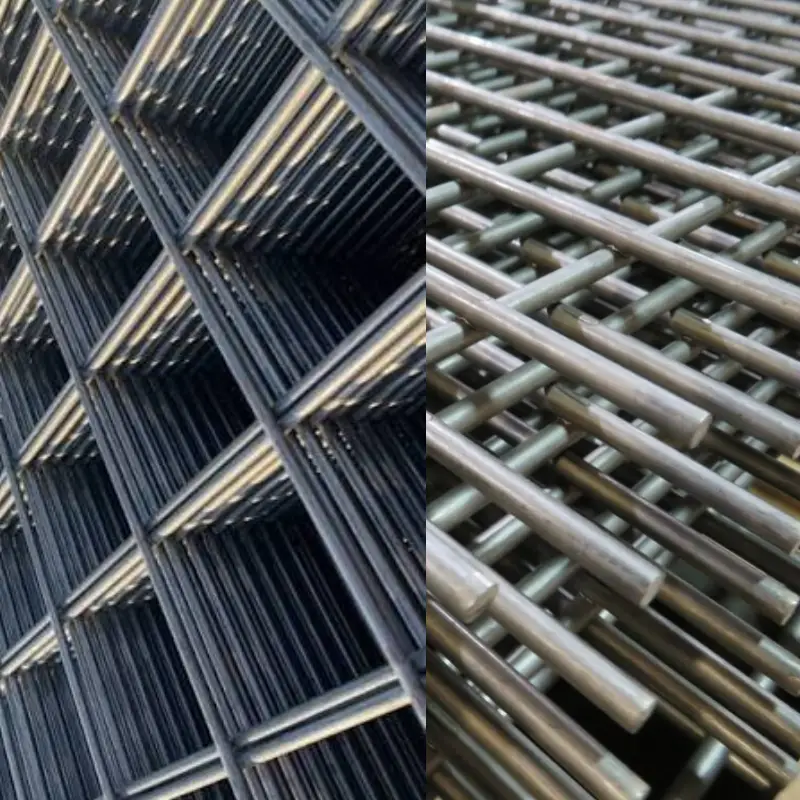
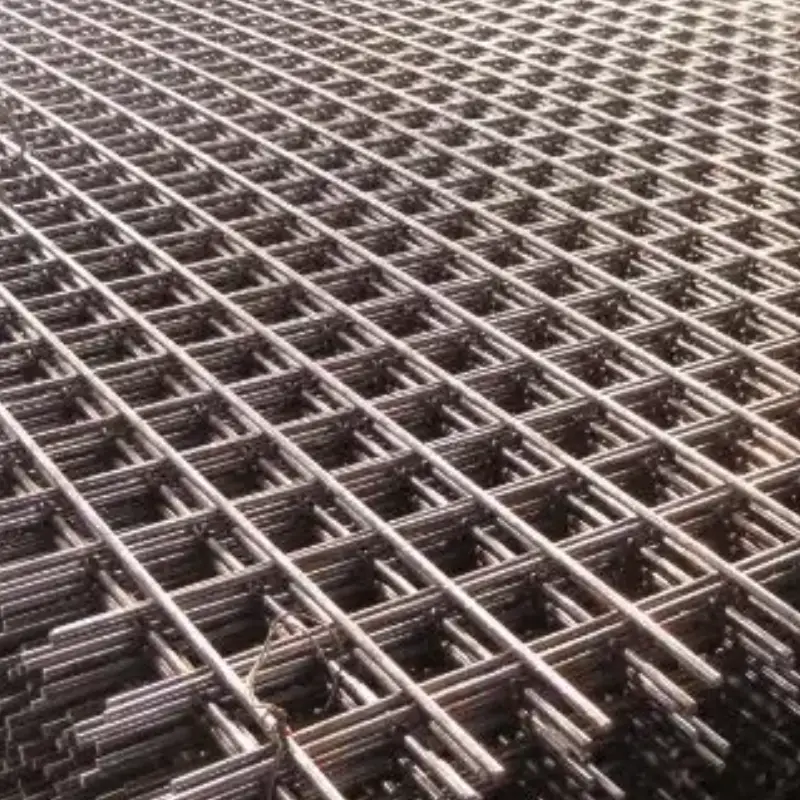
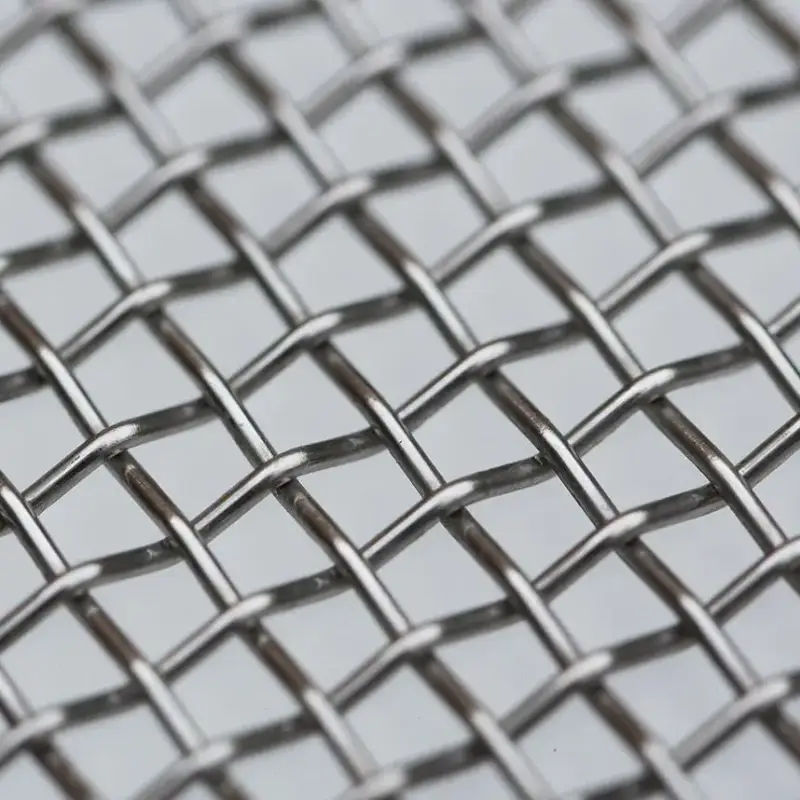
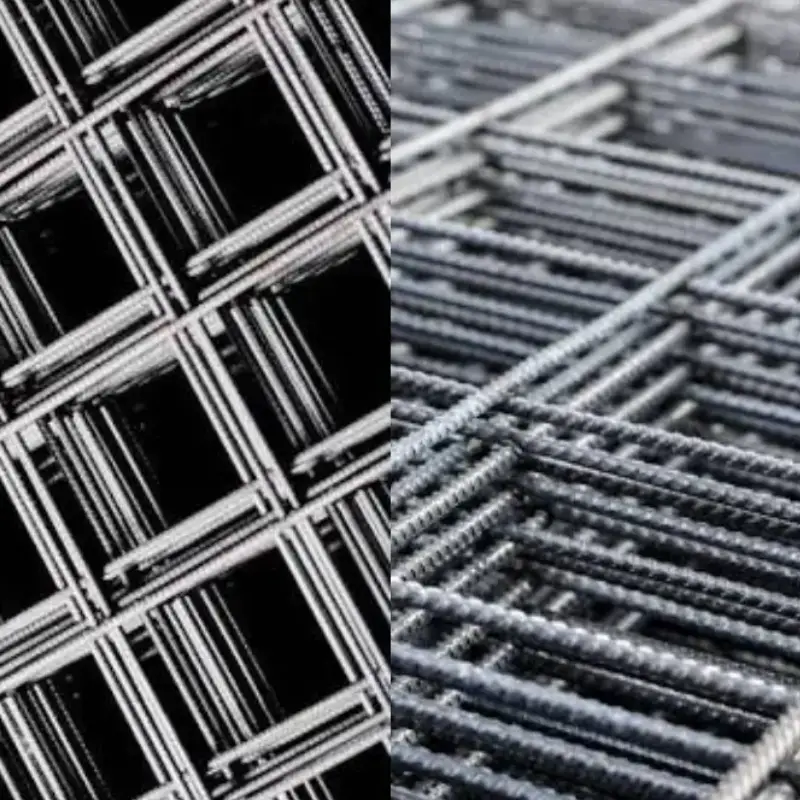
Picking the right screen media for basalt is important. You need something strong that can handle the hard rock. Woven wire mesh works well because it lets the pieces pass through. It does not clog easily. Polyurethane screens are also good. They last longer and resist rubbing. Rubber screens help by soaking up hits and making less noise.
Here is a table to help you choose:
| Screen Media | Best For Basalt? | Benefits |
|---|---|---|
| Woven Wire Mesh | Yes | Good flow, easy to clean |
| Polyurethane | Yes | Strong, lasts long |
| Rubber | Yes | Soaks up hits, less noise |
You should match your screen media to basalt’s strength. This gives you the best results and helps your screens last longer.
Note: Always look at your screens for wear. Basalt can wear them out faster, so checking often helps you avoid problems.
Granite in Aggregate Screening
Screening Performance of Granite
When you use granite for aggregate screening, you see some special things. Granite often breaks into thin or flat pieces. These shapes move across the screen in strange ways. Sometimes, flat pieces slide through holes, even if they are too big. You might find more flaky or long pieces in your final product. This can make your aggregate less even.
Granite does not have the cube-shaped strength like basalt. The pieces may not fit together as tightly. If you want clean and even aggregate, watch out for flat pieces. They can cause problems in building, especially if you need strong support. You may need to change your screens or add extra steps to remove the flaky pieces.
Tip: For better screening with granite, try screens with smaller or more exact openings. This helps catch thin pieces before they slip through.
Wear and Maintenance with Granite
Granite is strong, but it does not last as long as basalt. When you screen granite, you see less dust than with soft rocks, but more than with basalt. The screens do not wear out as fast as with basalt, but you still need to check them often.
You also need to think about taking care of your screens. Granite does not need as much sealing as basalt. The color and pattern of granite help hide scratches, so your screens look good longer. Here is a table that shows how maintenance compares between granite and basalt:
| Maintenance Factor | Granite | Basalt |
|---|---|---|
| Sealing Frequency | Annually or biannually (especially lighter colors) | Less frequent (every 3-5 years, often unnecessary) |
| Scratch Visibility | Lower (due to varied pattern) | Higher (uniform dark surface) |
You will spend less time sealing granite, but you should still check for wear. If you use light-colored granite, you may need to seal it more often. The different patterns in granite hide small scratches, so your screens keep looking nice.
Best Screen Media for Granite
Picking the right screen media is important when you work with granite. You want something strong for the rock, but also good for flat and flaky pieces. Here is a table to help you pick the best screen media for granite:
| Screen Media Type | Advantages | Disadvantages |
|---|---|---|
| Woven Wire Mesh | High strength and flexibility, precise opening control, cost-effective | Can get blocked with sticky materials, wears out faster |
| Polyurethane Panels | Durable in wet conditions, energy-efficient, self-cleaning | Higher initial cost, but saves money in the long run |
| Rubber Panels | Long-lasting with rough materials, noise reduction, shock absorption | May not be as effective in wet conditions |
You might like woven wire mesh because it lets you control the size of your aggregate. Polyurethane panels are good if you want something that lasts longer and cleans itself. Rubber panels help make less noise and soak up shocks, which is nice if you want a quieter work site.
Note: Always match your screen media to the rock you use. Granite needs strong screens, but you should also watch the shape of the pieces. If you see too many flat pieces, try changing your screen size or type.
Granite works well for many jobs, but you need to pay attention to screening and care. If you want the best results, pick the right screen media and check your equipment often. Remember, basalt gives you more cube-shaped strength, but granite can still do the job if you use the right tools.
Basalt vs Granite: Screening Efficiency
Efficiency and Throughput
You want your screening process to be fast and smooth. The shape and strength of your aggregate make a big difference. Basalt gives you more cube-shaped pieces. These pieces move quickly across the screen. They do not get stuck as much. Granite often breaks into flat or flaky pieces. These can slow down your work because they block the screen or slip through the wrong holes.
Let’s look at some numbers that show how these rocks compare:
| Property | Basalt | Granite |
|---|---|---|
| Specific Gravity | 2.8 and 2.5 | 2.9 and 2.6 |
| Density (kg/m³) | 1554.55 | 1463.64 |
| Aggregate Impact (%) | 11.05 | 12.63 |
| Compressive Strength (N/mm²) | 36.39 | 37.16 |
| Tensile Strength (N/mm²) | 24.81 | 12.57 |
| Flexural Strength (N/mm²) | 31.83 | 27.97 |
You can see that both rocks are strong. Basalt has higher tensile and flexural strength. This means it holds together better when you screen it. You get more consistent performance and higher throughput. Granite is also strong, but its shape can slow things down. If you want to keep your screening line moving, basalt usually works better.
Tip: If you need to process a lot of aggregate quickly, choose the rock that gives you the best performance. Basalt often wins here.
Fines and Blinding Risk
Fines are tiny pieces that break off during screening. Too many fines can clog your screens. This is called blinding. You want to avoid this because it slows down your work and lowers your performance.
Basalt makes fewer fines. Its cube-shaped pieces do not break apart as easily. You get less dust and fewer tiny bits. Your screens stay clear longer. Granite can make more fines, especially if the pieces are thin or flaky. These small pieces can block your screens and make you stop to clean them.
Here’s a quick list to help you remember:
- Basalt: Fewer fines, less blinding, better performance.
- Granite: More fines, higher blinding risk, more cleaning needed.
If you want to spend less time fixing your screens, basalt is a smart choice. You will see better performance and less downtime.
Maintenance and Lifecycle
You care about how long your equipment lasts. The type of rock you use changes how often you need to fix or replace your screens. Basalt is hard and strong. It can wear out your screens faster, but it also means you get steady performance for a long time. You just need to check your screens often and change them when needed.
Granite is a bit softer. It does not wear out screens as quickly, but the flat pieces can cause uneven wear. You might see some parts of your screen wearing out faster than others. This can lead to more repairs and less consistent performance.
Here are some things to keep in mind:
- Basalt: Needs regular checks, but gives you steady performance.
- Granite: May need more repairs in some spots, and you might see more downtime.
Note: Always keep an eye on your screens. Regular checks help you catch problems early and keep your performance high.
If you want your screening operation to run smoothly, think about the whole lifecycle. Basalt gives you strong, steady performance, but you need to watch for wear. Granite is easier on your screens, but you may need to deal with more cleaning and repairs.
Granite vs Basalt for Construction
Road and Railway Applications
You want roads and railways to last a long time. Granite and basalt act differently in construction. Basalt is great for road base and railway ballast. It has very high compressive strength, sometimes over 300 MPa. This means it can hold up heavy trucks and trains without breaking. Basalt has small grains, so it is dense and tough. It gives strong support and does not crush easily.
Granite is good for paving and some road base jobs. But it is not as strong as basalt for big jobs. Granite has more quartz and feldspar. This helps granite resist scratches and wear. You see granite used for paving stones and nice surfaces. It looks good and works well for walking areas. For heavy traffic or big paving jobs, basalt is stronger.
Here are some things to remember when picking granite or basalt for building:
- Basalt is best for road base and railway ballast.
- Granite is good for paving, curbs, and places where looks matter.
- Basalt gives better support and lasts longer for strong needs.
Tip: If you want a road base that will not move or break, pick basalt. If you want paving that looks nice, granite is a good choice.
Concrete and Structural Use
Aggregate makes concrete strong. Both granite and basalt work well in concrete. Basalt is known for being strong and lasting a long time. It is a good choice for strong concrete. You see basalt in bridges, buildings, and other big projects.
Granite also works in concrete. It is strong and looks nice in exposed concrete. Some builders use granite for countertops and fancy concrete. The main difference is in how much the concrete bends. Concrete with granite bends more than concrete with basalt. This means basalt concrete can take more stress before bending.
Here is a table that shows how they compare:
| Property | Basalt | Granite |
|---|---|---|
| Compressive strength (MPa) | 33 | 35 |
| Absorption coefficient (kg/m2 0.5) | 2.09 | 1.78 |
| Capillarity coefficient (g/cm2 0.5) | 2.72 | 2.30 |
| Vacuum water absorption (%) | 15 | 15 |
| Air permeability (×10−16 2) | 2.2 | 2.0 |
Both rocks have about the same compressive strength. Basalt is a little more durable and does not soak up as much water. Granite comes in more colors, so people use it for countertops and pretty paving.
Here are some pros and cons for each rock:
- Basalt: Strong, lasts long, costs less, but not as pretty for countertops or paving.
- Granite: Strong, lasts long, looks nice in countertops and paving, but costs more and is harder to cut.
Note: For most concrete and building needs, you can use either rock. If you want strong concrete and lower cost, basalt is best. If you want style for countertops or paving, granite is a good pick.
Environmental and Cost Factors
You care about the planet and your budget. Granite and basalt are different here too. Basalt is not found everywhere. Where the quarry is can change the price and if you can get it. Granite is found in more places, so it might be closer to your job. This can make it cheaper to move.
Here is a table to help you compare:
| Factor | Basalt | Granite |
|---|---|---|
| Quarry Location | Only in some places | Found in many places |
| Extraction Impact | Depends on volcanic source | Depends on quarry practices |
| Embodied Carbon | Lower if you get it nearby | Lower if you get it nearby |
| Processing Methods | Explosive or mechanical | Changes by finishing method |
| Water Use | Polished finishes use a lot of water | Changes by finishing method |
| Recyclability | Can be reused or crushed | Can be reused or crushed |
Material cost is important for every job. Basalt is cheaper if you can get it close by. If you have to ship it far, it costs more. Granite can cost more because it is heavier and harder to cut, especially for countertops and paving. Both rocks can be recycled, which is good for the planet and saves money.
You should also think about water use and carbon. Polished granite and basalt use a lot of water to finish. If you want to help the environment, ask your supplier about their quarry and how they process the rock.
Tip: Always check where your aggregate comes from and how it is made. Local materials cost less and are better for the planet.
When you pick granite or basalt for building, think about what you need. Basalt is strong and lasts long for roads and big jobs. Granite gives you color and style for countertops and paving, but costs more. Choose based on how strong you need it, how it looks, and how much you want to spend.
Choosing Screen Media for Basalt and Granite
Woven Wire Mesh
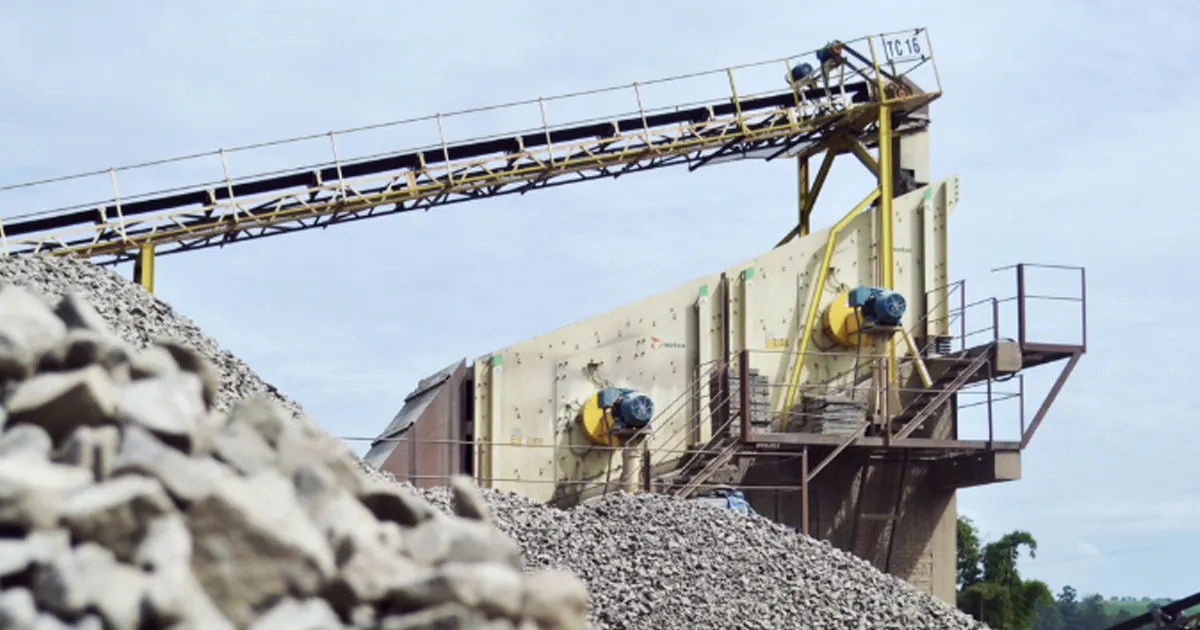
Woven wire mesh is a classic choice for aggregate screening. You see it in many quarries and plants. This screen media uses strong steel wires woven together to make a grid. The openings can be big or small, so you can pick the right size for your job.
Why do people like woven wire mesh?
- It gives you sharp, clean cuts. You get the size you want.
- It works well with both basalt and granite.
- You can replace it quickly if it wears out.
Woven wire mesh handles cube-shaped basalt and flaky granite. The wires flex a little, so rocks do not get stuck as much. If you want to change your screen size, you just swap out the mesh. That saves you time.
But you need to watch for wear. Basalt is very hard. It can wear down the wires faster than granite. If you see holes or broken wires, change the mesh right away.
Tip: Use woven wire mesh if you want fast changes and sharp sizing. Check it often, especially with hard basalt.
Polyurethane Screens
Polyurethane screens are tough and flexible. They use a special plastic that stands up to heavy use. You see these screens in places where rocks hit hard and often.
What makes polyurethane screens special?
- They last longer than wire mesh.
- They resist wear from sharp basalt and granite.
- They do not rust or corrode.
Polyurethane screens work great with both basalt and granite. They handle the sharp edges of basalt without breaking. The smooth surface helps stop rocks from sticking. You get less downtime because you do not need to change screens as often.
You can also get self-cleaning designs. These screens shake off fines and sticky bits. That keeps your screening line moving.
But polyurethane screens cost more at first. You pay more up front, but you save money over time because they last longer.
Note: Pick polyurethane screens if you want less maintenance and longer life. They are a smart choice for tough jobs.
Rubber and Self-Cleaning Screens
Rubber screens give you another option. They use thick, flexible rubber panels. These screens soak up shocks from heavy rocks. You hear less noise, and your equipment lasts longer.
Why choose rubber screens?
- They cut down on noise.
- They handle impact from big, hard rocks.
- They resist blinding from sticky material.
Rubber screens work well with both basalt and granite. They bend when rocks hit, so fewer pieces get stuck. You can use them in wet or sticky conditions. If you screen a lot of fines, rubber screens help keep things moving.
Self-cleaning screens use special wires or panels that move and flex. They shake off stuck pieces. You get less downtime and better screening.
Alert: Rubber and self-cleaning screens are best if you want quiet, smooth screening and less cleaning. Try them if you have sticky or wet aggregate.
Matching Media to Material
You want your screening process to run smoothly. Picking the right screen media for basalt or granite makes a big difference. Each rock acts differently, so you need to match your screen to the job.
Here’s how you can match your screen media to your material:
- Look at the Rock’s Hardness
- Basalt is very hard and tough. It wears out screens faster.
- Granite is strong but a bit softer. It causes less wear.
- For basalt, pick tougher screens like polyurethane or thick wire mesh. For granite, standard woven wire mesh often works well.
- Check the Shape of Your Aggregate
- Basalt usually breaks into cube-shaped pieces. These move easily across most screens.
- Granite often breaks into flat or flaky pieces. These can get stuck or slip through the wrong holes.
- If you see lots of flat pieces, try self-cleaning or rubber screens. These help stop blinding and keep your process moving.
- Think About Moisture and Stickiness
- Wet or sticky material can clog screens.
- Polyurethane and rubber screens shed sticky fines better than wire mesh.
- If your aggregate is wet, use screens that clean themselves or have larger openings.
- Consider Your Maintenance Needs
- Hard rocks like basalt mean you need to check screens more often.
- Polyurethane and rubber screens last longer and need less changing.
- Woven wire mesh is easy to swap out but may wear faster with basalt.
Here’s a quick table to help you decide:
| Material | Best Screen Media | Why It Works Best |
|---|---|---|
| Basalt | Polyurethane, Rubber | Handles hard, abrasive material |
| Granite | Woven Wire, Polyurethane | Good for varied shapes, less wear |
| Wet/Sticky | Rubber, Self-Cleaning | Reduces blinding and clogging |
Tip: Always watch your screens for wear and blinding. If you see problems, try a different screen type or size. You can save time and money by matching your screen media to your material.
You do not need to guess. Test different screens with your aggregate. Ask your supplier for samples or advice. The right match keeps your operation running and your costs down.
Practical Tips for Aggregate Screening
Monitoring Wear and Apertures
You want your screening operation to run smoothly every day. Start by checking your screens for wear and blocked holes. If you see any damage or clogged apertures, fix them right away. This helps you avoid bigger problems later. Use a simple checklist to keep track:
- Inspect screens at the start and end of each shift.
- Look for worn spots, broken wires, or stretched openings.
- Measure the apertures to make sure they match your slip resistance testing needs.
- Clean out any stuck pieces before they cause blinding.
When you keep your screens in good shape, you get more accurate slip resistance testing results. You also make sure your aggregate meets the right slip resistance character for your project.
Tip: Set a reminder to check your screens often. A quick look can save you hours of downtime.
Reducing Downtime and Blinding
Downtime and blinding slow down your work and cost you money. You can take a few simple steps to keep your screens clear and your operation moving:
- Pick the right screening media for your material and job.
- Try self-cleaning screens or special anti-blinding designs.
- Change the shape of your apertures if you see a lot of clogging. Slot openings can help with sticky or flaky pieces.
- Use mixed media in trouble spots to handle different types of aggregate.
- Add a windsifter to blow away debris before it reaches your screens.
When you use these tricks, you spend less time cleaning and more time producing. Self-cleaning screens and anti-clogging designs work well for both basalt and granite. They help keep your slip resistance testing on track by making sure you always have a steady flow of material.
Note: If you notice more blinding during slip resistance testing, try adjusting your screen or using a different media type.
Optimizing for High-Abrasion Materials
Basalt and granite are tough rocks. They can wear out your screens fast if you do not plan ahead. You can make your operation last longer by learning about the rocks you use. Check the mineral content and strength before you pick your tools. Stones with more quartz can be more abrasive, so you need stronger screens.
Operators who know their material can choose the best screen media and cutting tools. This helps you get better slip resistance testing results and keeps your equipment in good shape. When you match your tools to the stone, you get longer tool life and less downtime.
You also want to keep an eye on your slip resistance. High-abrasion materials can change the surface of your aggregate, which affects slip resistance character. Regular slip resistance testing helps you catch changes early and keep your project safe.
Callout: Always test your aggregate for slip resistance and adjust your screening process if you see changes in your results.
By following these tips, you can keep your screening operation running smoothly, reduce downtime, and get the best slip resistance testing results for your project.
Conclusion
There is no single answer for aggregate screening. Basalt and granite are both strong in different ways. You have to pick what works best for your project. Think about how much weight the rock can hold. Look at how much water it takes in. Check how well it stands up to weather. See how it works with your screens. Here is a quick table to help you:
| Property | Basalt | Granite |
|---|---|---|
| Load-bearing | Higher | Good |
| Absorption | Lower | Varies |
Ask experts about which screen media to use. Test your rocks and see how wet they are. Think about what your job needs before you decide.
FAQ
What makes basalt better than granite for aggregate screening?
You get more cube-shaped pieces with basalt. These pieces move smoothly over screens and fit together tightly. Basalt also absorbs less water, so it lasts longer in wet or cold places.
Can I use granite aggregate in areas with freezing weather?
You can use granite, but you need to watch for water absorption. Granite takes in more water than basalt. This can cause cracks when it freezes. For cold climates, basalt usually works better.
Which screen media should I pick for hard rocks like basalt?
You should try polyurethane or rubber screens. These materials handle hard, abrasive rocks well. They last longer and help reduce noise. Woven wire mesh works too, but it may wear out faster with basalt.
Does granite create more dust and fines during screening?
Yes, granite often breaks into thin or flaky pieces. These can create more dust and fines. You may need to clean your screens more often when using granite.
How do I reduce blinding when screening sticky or wet aggregate?
You can use self-cleaning or rubber screens. These screens flex and shake off stuck pieces. Larger or slotted openings also help keep your screens clear.
Is basalt always stronger than granite?
Basalt is usually stronger, but good granite can also handle heavy loads. Always check the specific type and quality of the rock before you decide.
Will using basalt or granite affect my project’s cost?
Yes, your cost depends on the quarry location and how far you need to ship the rock. Basalt can be cheaper if it is close by. Granite is often easier to find, which can lower transport costs.
Can I recycle aggregate made from basalt or granite?
You can recycle both types. Crushed basalt and granite work well as base material for new roads or construction projects. Recycling helps save money and reduces waste.