Choosing the right rubber screen panel thickness is an important part of improving screening performance, wear life, and maintenance efficiency. A panel that is too thin may wear out too quickly under heavy loads or abrasive materials. A panel that is too thick may reduce open area, affect throughput, or add unnecessary cost. The best choice depends on your material, screening conditions, equipment design, and service life goals.
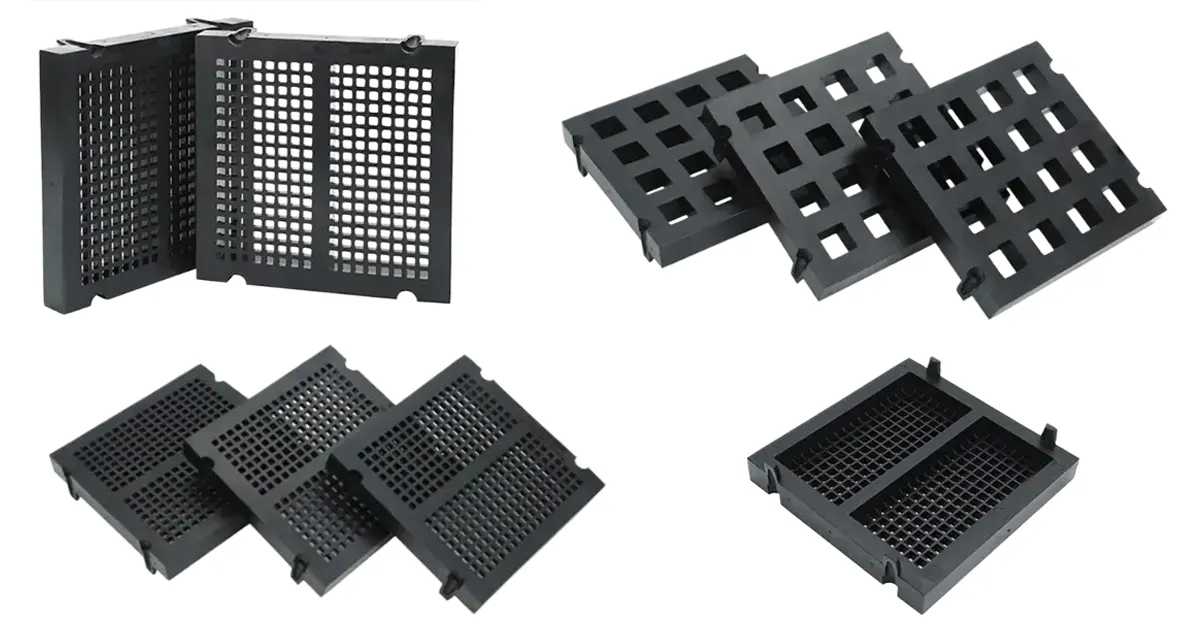
Why Rubber Screen Panel Thickness Matters
Rubber screen panel thickness affects more than just durability. It also influences screening efficiency, impact resistance, panel stability, and maintenance frequency.
In demanding applications, thicker rubber panels can absorb more impact and resist wear better. This makes them suitable for coarse, heavy, or abrasive materials. In lighter-duty applications, a thinner panel may provide enough strength while allowing more open area for better material flow.
Thickness also affects how the panel performs over time. A properly selected panel can help reduce premature wear, maintain more stable screening performance, and lower the risk of unplanned shutdowns.
Main Factors to Consider When Choosing Thickness
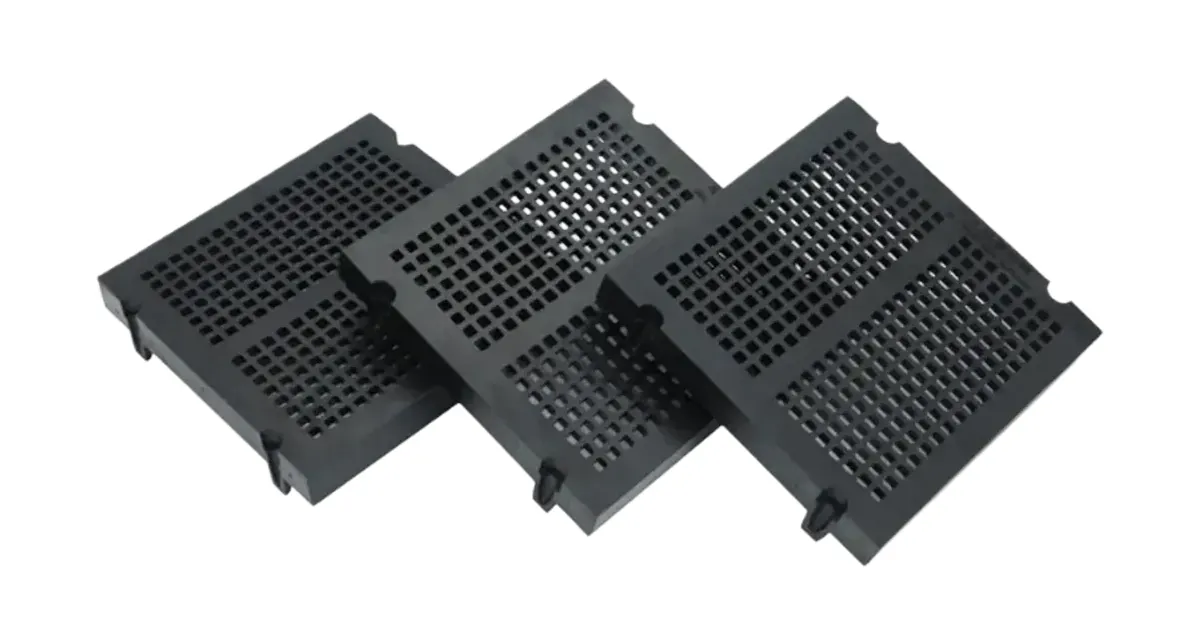
1. Material Size and Weight
The size and weight of the material being screened are key factors. Large and heavy feed materials usually create higher impact on the panel surface, especially at the feed end of the screen. In these situations, a thicker rubber panel is often the better choice because it offers stronger support and better resistance to wear.
For smaller or lighter materials, a thinner panel may be enough. It can improve open area and support better throughput while still meeting wear requirements.
2. Material Abrasiveness
Highly abrasive materials place more stress on the panel surface and shorten service life. If your application involves sharp, hard, or abrasive material, selecting a thicker rubber panel can help extend wear life and reduce replacement frequency.
For less abrasive materials, you may be able to use a thinner panel and focus more on screening efficiency.
3. Aperture Size and Open Area
Thickness and aperture design must be considered together. A thicker panel can improve wear resistance, but it may also reduce effective open area if the aperture design is not adjusted properly. Less open area can lower throughput or affect screening efficiency.
That is why thickness should never be selected alone. It must be matched with the required opening size, separation target, and production needs.
4. Wet or Dry Screening Conditions
Screening conditions also matter. In wet screening, material movement, drainage, and the risk of blinding or clogging can influence the best panel design. In dry screening, wear and impact may be the main concerns. The right thickness should support stable performance under the actual operating conditions rather than follow a single fixed rule.
5. Equipment Compatibility
Rubber screen panel thickness must match the screen deck structure, support system, and fixing method. A panel that does not fit the equipment correctly can lead to poor installation, movement during operation, uneven wear, or maintenance problems.
Before choosing a thickness, always check the screen type, support rails, fastening system, and panel dimensions. Good compatibility is just as important as wear life.
Balancing Wear Life and Screening Efficiency
One of the most important parts of selection is balancing wear life with screening efficiency.
Thicker rubber panels generally offer:
- better impact resistance
- longer service life
- lower replacement frequency
- improved protection in heavy-duty applications
Thinner rubber panels generally offer:
- higher open area
- better throughput potential
- lighter weight
- easier handling during maintenance
The right choice depends on your priority. If your operation handles heavy and abrasive material, wear life may matter most. If your application requires higher capacity and lighter material, open area may be more important.
In many cases, the best option is not the thickest or the thinnest panel, but the one that provides the best overall balance for your process.
Common Mistakes When Selecting Rubber Screen Thickness
A common mistake is choosing thickness based only on price. A cheaper panel may look attractive at first, but if it wears out quickly, the total operating cost can become much higher because of frequent replacement and downtime.
Another mistake is ignoring the actual screening application. Material type, feed size, moisture, abrasion, and impact conditions all affect thickness selection. Using a standard panel without considering these factors often leads to poor results.
It is also important not to overlook equipment design. Even a high-quality panel will not perform well if it does not match the screen deck and fixing system.
Maintenance Considerations
Thickness affects maintenance planning as well. Thicker panels usually last longer, which can reduce replacement frequency and downtime. However, they may also be heavier and less convenient to handle during changeout. Thinner panels are easier to move and replace, but they may require more frequent inspection and replacement.
Regular checks are important regardless of panel thickness. Operators should inspect panels for wear, damage, loose fit, and reduced screening performance. Replacing worn panels at the right time helps protect adjacent panels and keeps the screen working efficiently.
Should You Choose a Standard or Custom Thickness?
In some applications, a standard rubber screen panel thickness will work well. In others, a custom thickness may be the better option, especially when screening conditions are unusual or when the plant is trying to solve a specific wear or performance problem.
Custom thickness can be useful when:
- the material is unusually abrasive
- impact load is high
- service life is too short with the current panel
- open area and wear life need a better balance
- the screen deck uses a special support or fixing system
Working with an experienced manufacturer can help you determine whether a standard panel is enough or whether a custom design will improve performance.
Conclusion
Choosing the right rubber screen panel thickness is not simply a matter of picking the thickest option available. The best thickness depends on material size, abrasiveness, screening conditions, aperture requirements, equipment compatibility, and maintenance goals.
A well-matched panel can improve wear life, support stable screening performance, and reduce downtime. A poor thickness choice can lead to faster wear, lower efficiency, and higher long-term costs.
For the best results, rubber screen panel thickness should always be selected based on the real working conditions of the application. As a screen media manufacturer, we can help match the right rubber screen panel design and thickness to your equipment and material requirements.
FAQ
What is the typical thickness range for rubber screen panels?
Rubber screen panel thickness can vary depending on the application, material size, impact load, and panel design. There is no single thickness that fits every screening job. In practice, the right thickness should be selected based on wear life requirements, open area, and equipment compatibility.
Does a thicker rubber screen panel always last longer?
In many cases, a thicker panel offers better wear resistance and impact absorption, so it can last longer in heavy-duty applications. However, thicker is not always better. If the panel is too thick for the job, it may reduce open area, affect throughput, or increase cost without improving overall performance.
How do I know if my rubber screen panel is too thin?
A panel may be too thin if it shows premature wear, cracking, tearing, deformation, or reduced service life under normal operating conditions. Frequent replacement and unstable screening performance can also be signs that a thicker panel is needed.
What factors should I consider when choosing rubber screen panel thickness?
The main factors include material size, material abrasiveness, impact level, moisture conditions, required aperture size, open area, equipment design, and expected service life. Thickness should always be selected as part of the overall screen media design, not as a standalone factor.
How does thickness affect screening efficiency?
Thickness can influence open area and material flow. A thicker panel may improve durability, but it can also reduce effective open area if the aperture design is not adjusted properly. A thinner panel may improve throughput in some applications, but it may wear faster in abrasive or high-impact conditions.
Are thicker rubber panels better for abrasive materials?
Yes, thicker rubber panels are often a better choice for abrasive materials because they provide more wear material and can help extend service life. However, the final selection should still consider aperture design, production goals, and the actual screening environment.
Can I use the same rubber screen panel thickness for every screen deck?
Not always. Different decks may handle different material sizes and loads, so they may require different panel thicknesses. The feed end, for example, often sees higher impact and may need a more durable panel than other areas of the screen.
When should I replace a rubber screen panel?
A rubber screen panel should be replaced when wear begins to affect screening performance, fit, or structural integrity. Common signs include excessive wear, damaged apertures, cracking, poor sealing, loose fit, or reduced classification accuracy.
Is custom rubber screen panel thickness necessary?
Custom thickness is not required for every application, but it can be useful when standard panels do not provide the right balance of wear life, open area, and fit. Custom solutions are often helpful in abrasive, high-impact, or specialized screening conditions.
Can a manufacturer help recommend the right thickness?
Yes. An experienced screen media manufacturer can recommend the right thickness based on your material, operating conditions, screen structure, and performance goals. This can help reduce trial and error and improve both service life and screening efficiency.