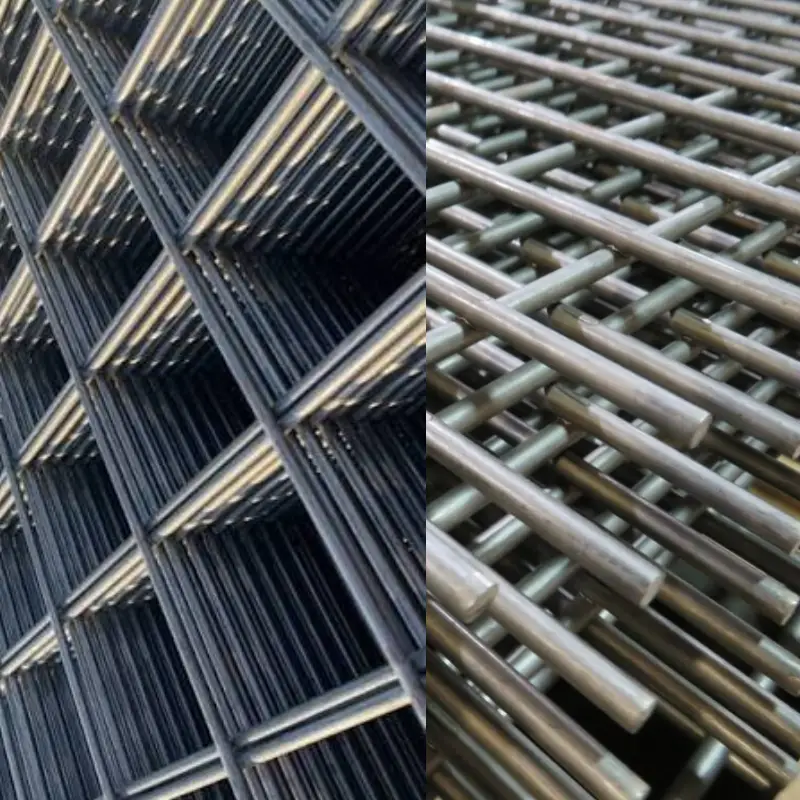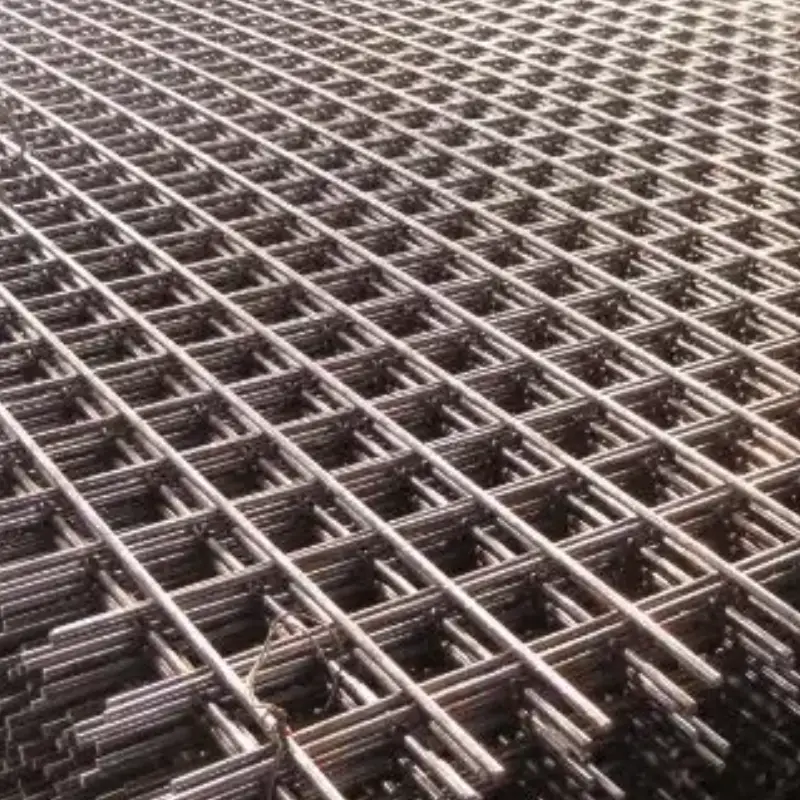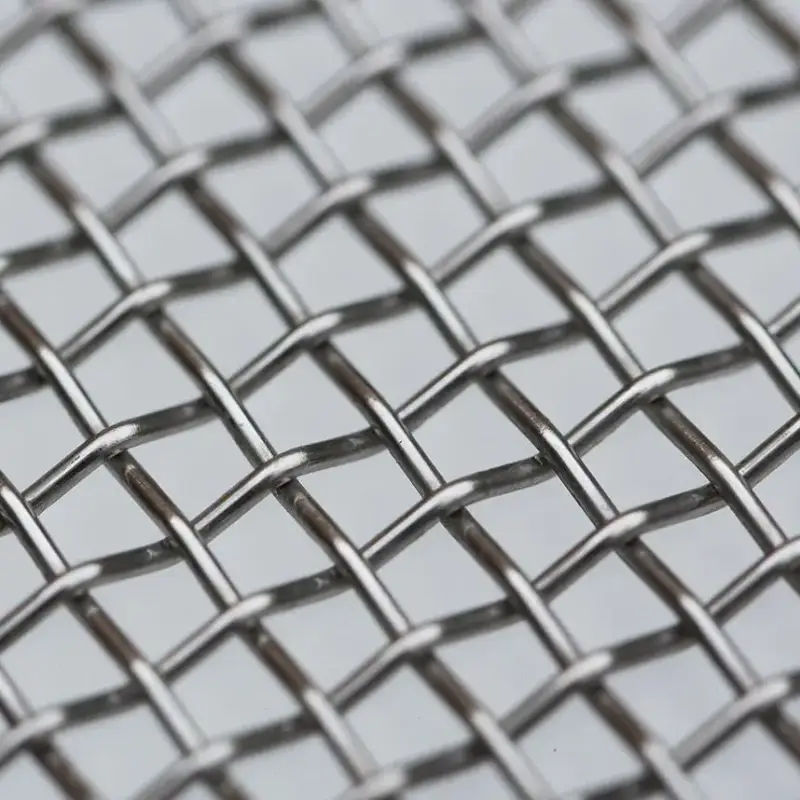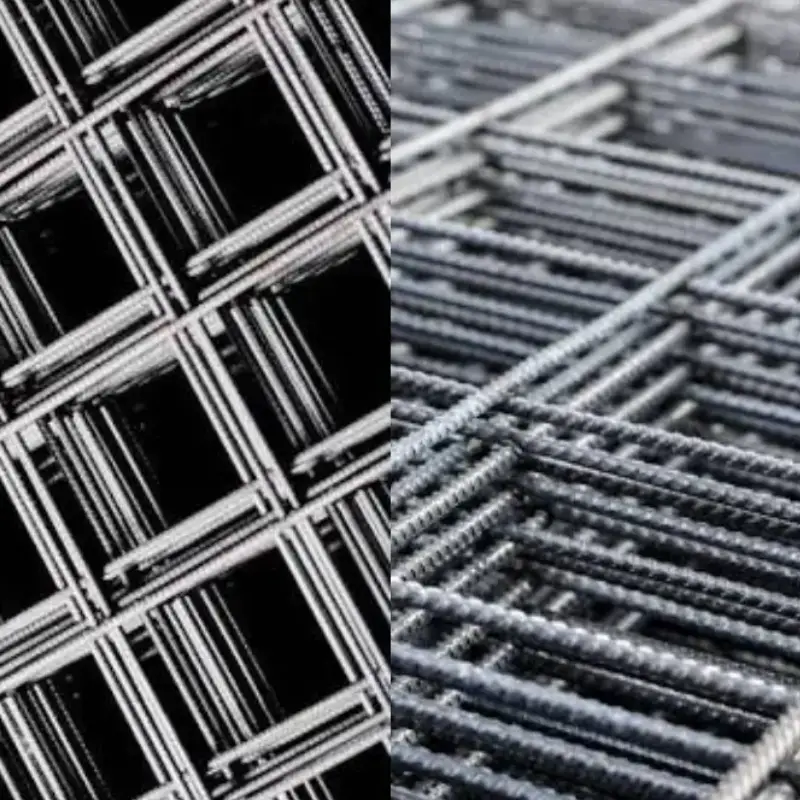
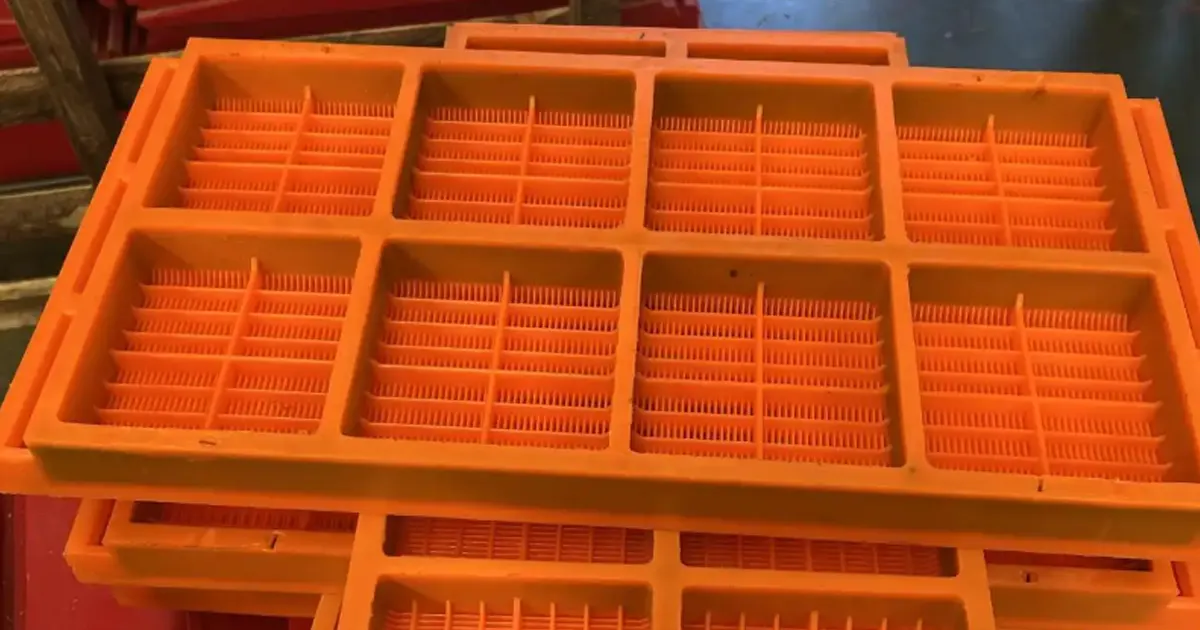
When choosing a screen for dewatering, it is important to look at your site conditions and screening needs first. Polyurethane dewatering screens and stainless steel screens each have their own strengths. Polyurethane screens usually last longer, run more quietly, and need less frequent replacement. Stainless steel screens offer more open area and can move water and material faster. The best option depends on how you balance cost, wear life, noise, and performance.
Key Takeaways
- Polyurethane screens last a long time. You do not need to replace them often. This makes them good for hard jobs.
- Stainless steel screens have bigger holes. This lets water and material move faster. They are great for fast work.
- Pick polyurethane screens if you need less noise. They work quietly and help keep the workplace quiet.
- Think about the cost over time. Polyurethane screens may cost more at first. But they save money later because they last longer.
- Polyurethane screens work better with rough materials. Stainless steel is good for chemicals and hot places.
- Polyurethane screens are easier to take care of. They clean themselves and need less fixing than stainless steel.
- You can get polyurethane screens made for your job. This helps them fit your needs.
- Look at your work site and the materials you use. This will help you pick the best screen for your dewatering job.
Polyurethane Dewatering Screens vs Stainless Steel Screens Overview
Key Differences
You might ask what makes these two screens different. Let’s look at a table that shows the main differences between polyurethane dewatering screens and stainless steel screens:
| Material Component | Polyurethane Dewatering Screens | Stainless Steel Screens |
|---|---|---|
| Frame | High-strength polyurethane | Entirely made of stainless steel |
| Mesh Structure | Stainless steel mesh inside polyurethane frame | Woven or welded stainless steel wire |
| Wear Resistance | Very high | Standard |
| Impact Absorption | Excellent | Limited |
| Corrosion Resistance | High | Moderate (depends on steel quality) |
You can see that polyurethane dewatering screens and stainless steel screens are strong in different ways. Polyurethane screens have a tough and bendy frame. This helps them last longer and take hits better. Stainless steel screens are all metal. They are strong but not as bendy.
Where Each Excels
You might want to know which screen is best for your work. Here is a list to show where each one is great:
- Polyurethane dewatering screens:
- Can handle rough and scratchy stuff without wearing out fast.
- Stay quiet when working, so your work area is not loud.
- Take hits well, so they do not break easily.
- Last two to three times longer than metal screens, even in hard jobs.
- Need less fixing and less time stopped for repairs.
- Stainless steel screens:
- Have more open space, so water and small pieces go through fast.
- Are good if you need a strong and stiff screen.
- Resist rust pretty well, but not as much as polyurethane.
- Cost less at first, but you might need to buy new ones more often.
When you compare polyurethane dewatering screens and stainless steel screens, you see polyurethane is better for loud and tough jobs. Stainless steel is better when you need things to move fast and need lots of open space.
Tip: If you want less noise and fewer repairs, pick polyurethane. If you want fast water removal and do not mind fixing things more, stainless steel is a good choice.
Common Applications
You may wonder where people use each type. Here is a list to help you choose:
- Polyurethane dewatering screens are used in:
- Mining
- Coal processing
- Mineral processing
- Stainless steel screens are used in:
- Sand washing
- Aggregate screening
- Chemical processing
- Food and beverage industries
This comparison helps you pick the right screen for your job. Choosing polyurethane dewatering screens or stainless steel screens depends on your site, what you work with, and how much fixing you want to do.
Cost and Value
Initial Price
When you look at dewatering screens, price often comes first. Polyurethane screens usually have a higher cost than stainless steel screens. You might see this and wonder if the extra cost is worth it. Stainless steel screens seem cheaper at first. You can buy more of them for the same money. But price does not always show the whole story. You need to think about quality too. If you pick a screen just because it costs less, you might end up spending more later.
Here’s a quick table to compare:
| Screen Type | Initial Cost | Quality Level |
|---|---|---|
| Polyurethane | Higher | High |
| Stainless Steel | Lower | Good |
Note: Higher quality often means you get more value for your money.
Long-Term Costs
You should not stop at the first price tag. Think about how much you will spend over time. Polyurethane screens last longer. They do not wear out fast. This means you buy fewer screens over the years. The cost per ton of material you process can drop because you do not need to replace them as often. You also get steady quality. Your screen keeps working well, so you do not lose time or money fixing problems.
Stainless steel screens may look cheap at first. But they can wear out faster, especially if you work with rough or sharp materials. You might need to buy new screens more often. This can make your total cost go up. The cost per ton can rise if you keep replacing screens. You also might see changes in quality as the screens wear down.
Replacement and Downtime
Every time you change a screen, you stop your work. Downtime can cost you a lot. Polyurethane screens help you avoid this. They last longer, so you do not need to stop as much. You keep your machines running and your team working. This keeps your cost low and your quality high.
Stainless steel screens need more changes. You might have to stop your machines more often. This can hurt your bottom line. You spend money on new screens and lose time. If you want to keep your cost down and your quality up, you need to think about how often you will need to replace your screens.
Tip: Always look at the big picture. A screen with a higher price can save you money if it gives you better quality and less downtime.
In the end, you want the best mix of cost, quality, and value. Think about how much you will spend now and later. Look at how long your screens will last and how often you will need to stop for repairs. This will help you pick the right screen for your job.
Durability and Service Life
When you choose a dewatering screen, you want it to last long. Durability is important because it saves money and time. Let’s see how polyurethane and stainless steel screens do with durability and wear life.
Wear Resistance
Wear resistance means how well a screen handles tough jobs. Polyurethane screens are great at this. They work better with rough and scratchy materials than stainless steel screens. Polyurethane screens last 3 to 5 times longer than metal screens. You do not need to change them as much.
- Polyurethane screens last 3-5 times longer than metal screens.
- They do not wear out fast, so they work well in rough places.
- Polyurethane screens also do not rust easily, which helps them last longer.
If you use MDI-based polyurethane panels, they last even longer. These panels last 1.5 to 3 times longer than TDI-based panels. You spend less money and time changing them. This is good for your work.
Here is a table that shows how long each screen lasts:
| Screen Type | Average Lifespan |
|---|---|
| Polyurethane Screens | 12-24 months |
| Stainless Steel Screens | 3-6 months |
You can see polyurethane screens last much longer.
Corrosion Resistance
Corrosion can damage a screen quickly. If you use water, chemicals, or wet stuff, you need a screen that does not rust. Polyurethane screens are good at stopping rust. They do not corrode easily. This helps them last longer.
Stainless steel screens do not rust as fast as regular steel, but they can still corrode. If you use them in wet or harsh places, you might see rust spots. This can make them not last as long.
Impact and Flexibility
Impact and flexibility are important for durability. Polyurethane screens are very stretchy. They can take hits and shocks without breaking. This helps them last longer, even if you drop heavy things on them.
Let’s look at the table below:
| Material | Elasticity | Impact Resistance | Service Life Comparison |
|---|---|---|---|
| Polyurethane | High elastic modulus | Absorbs impact force well | 3 times longer than stainless steel screens |
| Stainless Steel | Lower elasticity | Prone to bending or dents | Shorter lifespan |
Polyurethane screens can stretch 3-8 times more than natural rubber. They go back to their shape after a hit. Stainless steel screens are stiff. They can bend or dent if something heavy falls on them. This makes them not last as long.
If you want a screen that can handle tough jobs, take hits, and keep working, polyurethane is a good choice. You get better durability and longer wear life, so you have less trouble.
Screening Performance in Dewatering
Efficiency and Throughput
When you look at dewatering, you want your screen to move water and tailings fast. Throughput is how much material passes through your screen in a set time. If you want higher throughput, you need a screen with a good open area. The open area is the space where water and tailings can pass. Polyurethane screens can reach up to 45% open area. This helps you get better drainage rates and lower energy costs. Some panels, like TEMA ISENMANN’s TeePee, even double the open area compared to regular panels. This means you get double the drainage and faster dewatering.
Stainless steel screens often have more open area than standard polyurethane panels. This gives you quick throughput and helps when you need to process a lot of tailings. But new polyurethane designs now offer similar open areas, so you do not have to give up efficiency. You can still get strong dewatering and keep your throughput high.
Tip: If you want to improve performance and save on energy, look for screens with a high open area. This will help you move more tailings and water with less effort.
Blinding and Clogging
Blinding and clogging can slow down your dewatering. Blinding happens when material blocks the holes in your screen. Clogging is when wet tailings stick and build up. Both problems lower your throughput and make your job harder.
Let’s compare how polyurethane and stainless steel screens handle this:
| Feature | Polyurethane Screens | Stainless Steel Screens |
|---|---|---|
| Open Area | 32–42% | 40–50% |
| Blinding Reduction | High, self-cleaning design | Moderate |
| Clogging | Less material buildup, flexible panels | More prone to clogging |
| Wear Resistance | Excellent | Good |
| Screening Efficiency | High | High |
You will notice polyurethane screens have a self-cleaning design. This helps reduce blinding and clogging, even with sticky tailings. The flexible panels shake off material, so you get steady throughput. Stainless steel screens can clog more, especially with wet tailings. You may need to stop and clean them more often.
Consistency Over Time
You want your dewatering screen to work well every day. Consistent performance means you do not lose time or money. Polyurethane screens keep their shape and strength, even after months of use. They resist wear, so your throughput stays high. You do not have to worry about sudden drops in dewatering or extra downtime.
Stainless steel screens can start strong, but they may wear out faster. As they wear, you might see more blinding and less throughput. You may need to replace them sooner, which can slow down your tailings process.
- Polyurethane screens last longer and keep your dewatering steady.
- You get fewer shutdowns and more reliable throughput.
- This helps you handle more tailings and keep your site running smoothly.
If you want to improve performance and keep your dewatering process strong, choose a screen that gives you high throughput, less blinding, and steady results over time.
Maintenance and Replacement
Cleaning Needs
You want your dewatering screens to stay clean. Clean screens work better and last longer. Polyurethane screens make cleaning easier for you. Their flexible panels shake off sticky material. You do not need to stop often to clear out clogs. Most dirt and tailings fall away as the screen vibrates. You save time and effort.
Stainless steel screens can trap more material. Wet tailings and fine sand stick to the metal wires. You may need to brush or spray them more often. If you work with sticky or wet materials, you will spend more time cleaning stainless steel screens. This can slow down your work.
Tip: If you want less cleaning, polyurethane screens help you keep your process moving.
Replacement Frequency
You want to know how often you need to change your screens. Polyurethane screens last longer. You might only need to replace them every 12 to 24 months. They resist wear and do not rust. This means fewer stops for you and your team.
Stainless steel screens wear out faster. You may need to change them every 3 to 6 months, especially if you handle rough or sharp materials. More replacements mean more downtime. You spend more time and money on new screens.
Here’s a quick look:
| Screen Type | Typical Replacement Interval |
|---|---|
| Polyurethane | 12–24 months |
| Stainless Steel | 3–6 months |
You can see that polyurethane screens help you cut down on maintenance and replacement costs over time.
Maintenance Challenges
You may face some challenges when you maintain large vibrating screens. Installing new screens can be tough. Sometimes, the screens do not fit right. This can cause problems later. You need to check the fit and follow the right steps.
Operational issues can also pop up. If you do not spot them early, they can slow down your project. Polyurethane screens need careful handling. If you damage them during installation, their life gets shorter. You want to avoid anything that hurts their service life.
Here are some common challenges you might see:
- Trouble installing screens in tight spaces
- Problems with panels not lining up
- Needing special tools for some designs
You can make things easier by following good design practices. Always check your screens before you start. Fix small problems early. This keeps your screens working longer and helps your site run smoothly.
Note: Taking care of your screens helps you avoid big repairs and keeps your operation on track.
Noise and Workplace Safety
Noise Levels
You want your worksite to feel safe and comfortable. Noise can make your job harder and even hurt your hearing. When you use dewatering screens, the sound they make matters a lot. Polyurethane dewatering screens help you lower the noise in your plant. They do this better than stainless steel screens.
Here’s what you can expect:
- Polyurethane screens can cut noise by 5 to 20 decibels compared to stainless steel.
- This big drop in noise makes your work area much quieter.
- You protect your ears and your team’s hearing.
- You also meet rules for noise at work and help the environment.
If you stand near a stainless steel screen, you might hear a loud, sharp sound. Polyurethane screens sound softer and less harsh. You can talk to your coworkers without shouting. You feel less tired at the end of the day.
Tip: If you want a quieter plant, choose polyurethane screens. Your ears will thank you.
Vibration and Comfort
Vibration can shake your machines and your body. Too much vibration makes you tired and can even cause pain. Polyurethane screens absorb more vibration than stainless steel. They flex and bend, so they do not pass all the shaking to the frame or the floor.
You will notice:
- Less shaking in your hands and arms if you work near the screens.
- Machines last longer because they do not rattle as much.
- You feel more comfortable during long shifts.
Stainless steel screens feel stiff. They send more vibration through the equipment. This can make your worksite feel rough and noisy. Polyurethane screens give you a smoother, softer experience.
Safety Considerations
You want to keep your team safe. Lower noise and less vibration help you do that. Polyurethane screens also have smooth edges and flexible panels. You are less likely to get cuts or scrapes when you handle them. Stainless steel screens can have sharp wires or corners. You need to wear gloves and be careful.
Here’s a quick table to compare safety features:
| Feature | Polyurethane Screens | Stainless Steel Screens |
|---|---|---|
| Noise Level | Low | High |
| Vibration | Low | High |
| Handling Safety | High | Moderate |
| Hearing Protection | Easier | Needed |
You want your team to feel safe and stay healthy. Polyurethane screens make your site quieter, smoother, and safer. You spend less time worrying about injuries and more time getting the job done.
Remember: A safe workplace is a happy workplace. Polyurethane screens help you reach that goal.
Customization and Panel Options
Polyurethane Dewatering Screen Panel Designs
You want your screen to fit your work. Polyurethane dewatering screen panels give you more choices than stainless steel. You can pick very small slots, even down to 0.1mm. This helps you keep solids in and let water out quickly. There are many hole shapes to choose from, like round, square, rectangle, or trapezoid. This lets you match the panel to your material and machine.
Take a look at this table to see how many ways you can customize:
| Feature | Polyurethane Panels | Stainless Steel Panels |
|---|---|---|
| Aperture Shapes | Round, square, rectangular, trapezoidal | Limited options |
| External Sizes | Custom sizes available (e.g., 305305mm, 610610mm) | Standard sizes only |
| Thickness | 5 mm to 50 mm | Fixed thickness |
| Installation Methods | Rising nails, bolts, rail seats, slots | Limited methods |
You can also pick how thick you want your polyurethane panel. The thickness can be from 5 mm up to 50 mm. You get to choose how to install it, like with nails, bolts, or special rails. Stainless steel panels do not give you these choices. Polyurethane screens give you more control.
Tip: If you need a special size or shape, ask for a custom polyurethane dewatering screen panel. You will get a better fit and better results.
Sizing and Compatibility
You want your screen to fit your machine and job. Polyurethane dewatering screen panels come in many sizes. You can order panels for big or small machines. You can also pick how hard or soft you want the panel. Some are soft and bendy. Others are tough and stiff. This helps you match the panel to your material.
Here’s a quick look at sizing and compatibility:
| Material Type | Sizing Options | Compatibility Options |
|---|---|---|
| Polyurethane | Different durometers; modular configurations for easy installation | Best for wet applications; also works in dry jobs with special formulas |
| Stainless Steel | Various opening styles (square, rectangular, long slot) | Good for corrosion prevention; easy to swap out for frequent changes |
You can use polyurethane panels in wet jobs like mining or sand washing. You can also use them in dry jobs if you pick the right formula. Modular panels let you change just one piece if it wears out. This saves you time and money.
Adaptability
You want a screen that can change with your needs. Polyurethane dewatering screen panels let you do that. You can change the size, shape, and how you install them. If your job changes, you do not need a whole new system. You just swap out the panels.
Here are some ways you can adapt your panels:
- Pick the right hole size for your material.
- Choose the best thickness for your wear needs.
- Use different installation methods for different machines.
Stainless steel panels do not give you this much freedom. You only get standard sizes and shapes. With polyurethane screens, you can keep your work running smooth, even if your job changes.
Note: If you want a screen that grows with your business, choose a polyurethane dewatering screen panel. You will save time and get better results.
When to Choose Polyurethane Dewatering Screens
High Abrasion or Noise-Sensitive Sites
You might work in a place where rocks and sand hit your screens all day. These tough jobs can wear out regular screens fast. Polyurethane dewatering screens handle this kind of environment better. They do not break down when sharp or rough materials hit them. You get a longer lifespan because the panels resist cuts and scrapes. If your site has strict noise rules, you will like how quiet these screens run. They absorb sound, so your team can talk without shouting. You also help protect everyone’s hearing. That makes your workplace safer and more comfortable.
Tip: If you want a screen that stands up to tough jobs and keeps things quiet, polyurethane is a smart pick.
Long Wear Life Needs
Do you want to stop changing screens all the time? Polyurethane dewatering screens last much longer than stainless steel. You can run your machines for months without stopping for a new panel. This longer lifespan means you spend less money on replacements. You also save time because you do not need to shut down your equipment as often. If you process a lot of fine material, you know it can be hard to get water out. Polyurethane panels with fine slots help you keep more water out of your product. They work well with different particle sizes and do not clog easily. You can also adjust the vibration and deck angle to get the best results for your material.
Here’s a quick table to show what matters most when you want long wear life:
| Factor | Why It Matters for Polyurethane Screens |
|---|---|
| Particle Size Distribution | Fine materials need special slots to avoid blockages and keep water moving. |
| Vibration Parameters | You can tune the vibration to match your material for better performance. |
| Screen Deck Angle | A small incline helps water drain faster and keeps the bed deep. |
| Screen Media | Polyurethane panels last longer and handle tough jobs with ease. |
Reduced Maintenance
Nobody likes to stop work for repairs. Polyurethane dewatering screens help you cut down on maintenance. Their flexible design means less cleaning and fewer blockages. You do not need to brush or spray them as much as metal screens. If you want to keep your machines running and avoid downtime, these panels make your life easier. You also get more choices for size and shape, so you can fit them to your equipment. That means you do not have to change your whole setup if your job changes. Polyurethane screens work well in wet or dry jobs, so you can use them in almost any environment.
Note: Less maintenance means more time working and less time fixing. You get more value from your investment.
If you want a screen that lasts, works quietly, and needs little care, polyurethane dewatering screens are a great choice for your operation.
When Stainless Steel Screens Are Better
You might wonder if stainless steel screens are the right pick for your job. Sometimes, they really shine. Let’s look at when you should choose stainless steel over polyurethane.
High Open Area Requirements
You want your dewatering process to move fast. Stainless steel screens give you more open space than polyurethane. This means water and fine particles pass through quickly. If you need to process a lot of material in a short time, stainless steel helps you get the job done.
Here’s a quick table to show you the difference:
| Screen Type | Typical Open Area (%) |
|---|---|
| Stainless Steel | 40–55 |
| Polyurethane | 32–45 |
You can see that stainless steel wins when you need the most open area. This is great for sand washing, aggregate screening, or any job where speed matters. You get higher throughput and less chance of bottlenecks.
Tip: If your plant needs to move a lot of water and solids fast, stainless steel screens are a smart choice.
Chemically Aggressive or High-Temp Environments
Some jobs are tough on screens. Maybe you work with chemicals that eat away at most materials. Maybe your process uses high heat. Stainless steel stands up to these challenges better than polyurethane.
You can use stainless steel screens in places where acids, bases, or hot water would damage other screens. They do not melt or break down in high temperatures. You get steady performance, even when things get rough.
- Stainless steel resists many chemicals.
- It works well in hot environments.
- You do not have to worry about melting or warping.
If you work in a chemical plant or a hot processing line, stainless steel screens keep your operation safe and reliable.
Frequent Screen Changes
Sometimes, you need to swap out screens a lot. Maybe you change the size of your product often. Maybe you clean your screens every shift. Stainless steel screens make this easy.
You can remove and replace stainless steel panels quickly. They are lighter and simpler to handle than thick polyurethane panels. This saves you time and keeps your team moving.
Here’s why you might like stainless steel for frequent changes:
- Easy to lift and install
- Less downtime during swaps
- Lower cost per panel
Note: If your job needs fast screen changes, stainless steel helps you stay flexible and efficient.
Stainless steel screens give you speed, chemical resistance, and easy handling. If these things matter most to you, stainless steel is the way to go.
Dewatering Screen Material Selection Guide
Material and Abrasiveness
You want your dewatering screen to last. The type of material you process makes a big difference. If you handle sharp rocks or gritty sand, you need a screen that can take a beating. Polyurethane screens work well with highly abrasive materials. They resist cuts and wear. You can also use high-carbon steel or rubber for these tough jobs. If your material is soft or not abrasive, stainless steel screens do the trick. They cost less and still get the job done.
Here’s a quick table to help you match your material to the right screen:
| Material Type | Recommended Screen Material |
|---|---|
| Highly Abrasive | High-carbon steel, polyurethane, or rubber |
| Non-Abrasive | Standard stainless steel or wire mesh |
Tip: If you see your screens wearing out fast, switch to polyurethane. You’ll get more life out of each panel.
Moisture and Corrosiveness
Water changes everything. If your material has a lot of moisture, you need a screen that can handle it. Polyurethane screens shine in wet jobs. They do not rust and they keep working even when things get sticky. Stainless steel screens can work too, but you might see rust if you use them in wet or salty places.
If your material holds more than 5% moisture, look for screens with special features. Anti-blinding designs or water spray bars help keep the holes clear. You want steady flow and no clogs.
| Material Condition | Best Screen Choice |
|---|---|
| Wet (> 5% moisture) | Polyurethane with anti-blinding or spray bar features |
| Dry | Stainless steel or polyurethane, based on abrasiveness |
| Corrosive | Polyurethane or high-grade stainless steel |
Note: For wet or corrosive jobs, polyurethane screens give you peace of mind. They last longer and need less cleaning.
Budget and Value
You want the best screen for your money. Think about both the price you pay today and what you’ll spend over time. Polyurethane screens cost more up front, but they last longer. You save money on replacements and downtime. Stainless steel screens cost less at first. They work well for small jobs or if you need to change screens often.
Check out this table to see how different setups fit your budget:
| Screen Type | Upfront Cost | Long-Term Savings | Best For |
|---|---|---|---|
| Single Deck | Low | Moderate | Small jobs, tight budgets |
| Double Deck | Higher | High | Growing operations |
| Multi Deck | Highest | Highest | Complex applications |
If you run a big operation, investing in polyurethane or a multi-deck setup pays off. For small jobs, stainless steel keeps costs down.
You can pick the right screen by thinking about your material, moisture, and budget. This helps you get the best value and keep your site running strong.
Operating Conditions
When you pick a dewatering screen, you need to think about your site’s operating conditions. These conditions can change how well your screen works and how long it lasts. Let’s break down what you should look for.
1. Temperature
Does your plant get hot? Polyurethane screens work well in most temperatures, but they can soften if things get too hot. If your process runs above 140°F (60°C), stainless steel screens hold up better. They keep their shape and strength, even in high heat.
2. Vibration and Motion
Dewatering screens shake a lot. Polyurethane screens absorb vibration. This helps your equipment last longer and keeps noise down. If your machine vibrates hard or runs all day, polyurethane can handle the stress. Stainless steel screens stay stiff. They work best if you need a firm, steady surface.
3. Load and Impact
Do you drop heavy rocks or sharp material on your screens? Polyurethane bends and bounces back. It takes hits without cracking. Stainless steel can dent or bend if you drop something heavy. If your job is rough, polyurethane gives you more protection.
4. Chemical Exposure
Some sites use chemicals or have salty water. Polyurethane resists most chemicals and does not rust. Stainless steel resists rust, but strong acids or salty water can still cause problems. If you use harsh chemicals, check if your screen material can handle it.
5. Outdoor or Indoor Use
If you work outside, your screens face rain, sun, and changing weather. Polyurethane does not fade or crack in sunlight. Stainless steel can get hot in the sun and may rust if water sits on it. For outdoor jobs, polyurethane often lasts longer.
Here’s a quick table to help you match your screen to your site:
| Condition | Polyurethane Screens | Stainless Steel Screens |
|---|---|---|
| High Temperature | Fair | Excellent |
| Heavy Vibration | Excellent | Good |
| High Impact Load | Excellent | Fair |
| Chemical Exposure | Excellent | Good |
| Outdoor Use | Excellent | Good |
Tip: Always check your site’s temperature, vibration, and chemical levels before you choose a screen. The right match keeps your operation running smooth.
You want a screen that fits your site. Think about how hot, wet, or rough your job gets. Pick the screen that stands up to your real-world conditions. This way, you get more life from your equipment and fewer headaches on the job.
Conclusion
Need help choosing the right dewatering screen? As a dewatering screen manufacturer, we design and produce custom polyurethane screen solutions to match your material, equipment, and working conditions. Whether you need longer wear life, less downtime, or a better fit for your application, our team is ready to help you find the right screen for your site.
FAQ
What makes polyurethane dewatering screens different from stainless steel screens?
Polyurethane screens bend more and last longer. They do not wear out fast. Stainless steel screens have bigger holes. This helps water and small pieces move quickly. Polyurethane is good for hard jobs. Stainless steel is better if you need to change screens a lot. Pick the screen that fits your work best.
How do I choose the right screen media for my application?
Think about what you are screening. Check if your material is wet or dry. Polyurethane works well with rough or wet stuff. Stainless steel is good for hot or chemical places. Make sure the screen fits your machine and job.
Can polyurethane screens handle high discharge rates?
Yes, polyurethane screens can move lots of water and tailings. New types have holes almost as big as stainless steel. You get steady flow and fewer clogs. Polyurethane does not block up easily, so your work goes smooth.
How often should I replace my screen media?
You might change polyurethane screens every year or two. Stainless steel screens may need changing every few months. How often you change them depends on your material and how much you use them. Look at your screens often to see if they are worn out.
Are polyurethane screens easy to clean?
Yes, polyurethane screens are simple to clean. The panels bend and shake off sticky stuff. You do not need to clean them as much. This helps your work keep going without stopping.
What are the main benefits of modular screen media?
Modular screens are easy to swap out. You only change the part that is worn. Polyurethane panels let you fix just one spot. Stainless steel modular screens are also quick to change. Modular screens fit many machines and jobs.
Can I use polyurethane screens for both wet and dry discharge?
Yes, you can use polyurethane screens for wet or dry jobs. You just need the right kind of panel. Polyurethane works in mining, sand washing, and other jobs. Always check if the panel matches your work.
How does screen media affect workplace safety?
Polyurethane screens make less noise and shake less. This keeps your worksite safer and quieter. Stainless steel screens can be loud and have sharp edges. Always use care when you handle any screen.