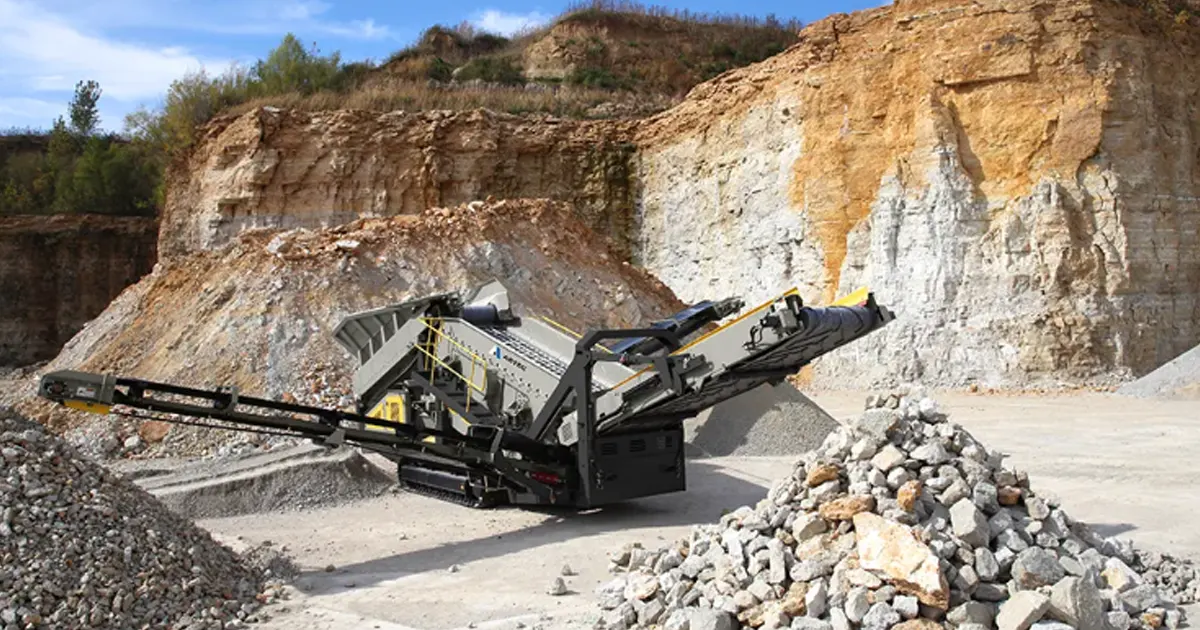
You use aggregate screening equipment to separate rocks, sand, and gravel by size. This step keeps your work easy and helps you give the same quality every time. Screening is very important in construction, mining, and quarries because it decides what goes into your final mix. When you pick the right screening media, you work faster and get steady results. Aggregate screening gives you better performance, uses less energy, and stops unexpected problems during production.
Key Takeaways
- Aggregate screening equipment separates materials like sand and gravel by size. This helps make sure the quality stays the same for building and mining jobs.
- There are different screens, like vibrating, inclined, and trommel screens. Each type has a special job and makes work faster, depending on the material.
- Good screening cuts down on waste and saves energy. This means things work better and there are fewer problems during production.
- Doing regular maintenance, like checking and cleaning every day, keeps equipment working well. It also helps the equipment last longer.
- Picking the right screening media, such as woven wire mesh or polyurethane panels, is very important. This helps sorting work well and makes the equipment strong.
- Controlling things like material size, how wet it is, and how fast it goes in can make screening work better and improve the final product.
- Fixing common problems like blinding and pegging right away can stop expensive delays and keep work going.
- Knowing what your aggregate needs are helps you pick the best equipment. This gives the best results and makes customers happy.
Aggregate Screening Equipment Overview
What Is Aggregate Screening Equipment
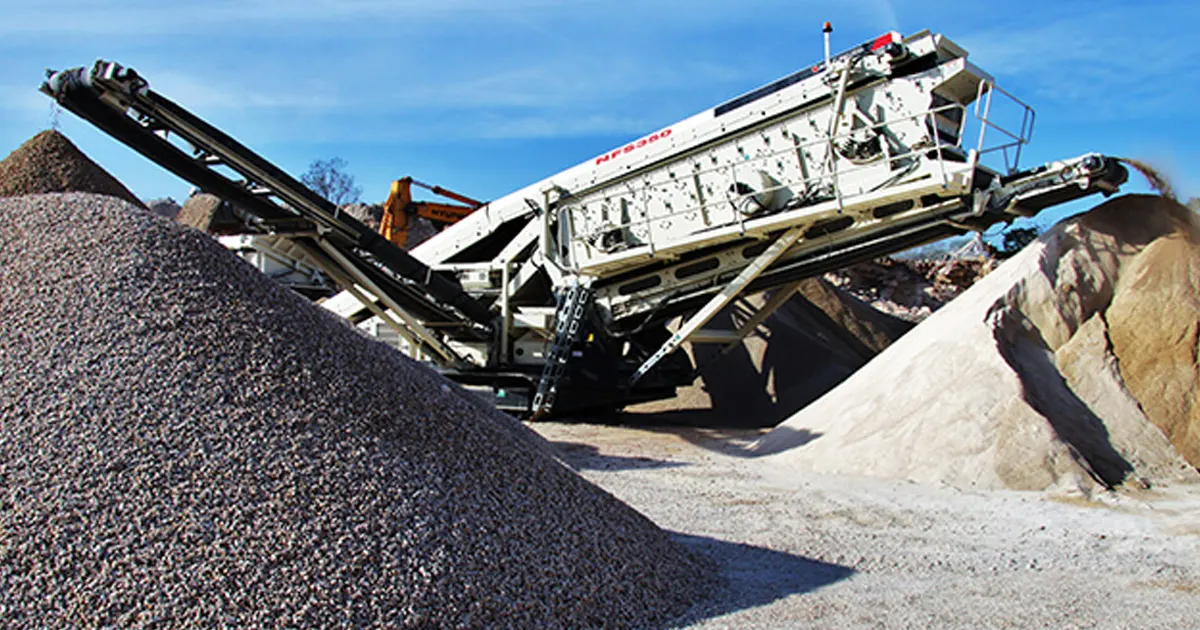
Aggregate screening equipment is used in many places. It helps sort sand, gravel, and crushed stone by size. You use it to make sure each piece fits your project. If you run a quarry or construction site, you want materials to match your needs. This equipment helps you do that.
There are different types of aggregate screening equipment. Some common types are:
- Inclined screens
- Horizontal screens
- Portable screens
- Grizzly screens
- Vibrating screens
- High-frequency vibrating screens
- Trommel screens
Each type works best for certain jobs. Inclined screens are good for big rocks. Horizontal screens are better for wet materials. Portable screens are easy to move. Grizzly screens take out big rocks first. Vibrating screens and high-frequency vibrating screens work with many materials. Trommel screens use a spinning drum to sort things fast.
Aggregate screening equipment sorts materials by size. You put the material on the screen. The equipment shakes or spins to move the material. Small pieces fall through holes. Big pieces stay on top until they find a bigger hole or move off the end. This gives you even sizes and helps you meet quality rules.
Function Of Aggregate Screens
Aggregate screens do important jobs in your work. Their main job is to separate materials by size. This step makes sure your final product is right. You want your sand, gravel, or stone to fit what your customers need.
Aggregate screens do more than just sort. Some screens have spray bars to wash the material. This washing takes away dust and clay. It makes your aggregates cleaner and better to use. Some screens can sort and wash at the same time. This saves you time and space.
Here’s what aggregate screens do:
- Sort aggregates by size for quality
- Wash aggregates to make them cleaner
- Sort and wash together for faster work
Using aggregate screening equipment makes your work easier. You spend less time processing and get more good material. You waste less and make sure every load is right. That is why aggregate screening is important in material processing.
How Aggregate Screening Works
You might wonder how aggregate screening works when you see piles of sand, gravel, and stone at a job site. The process looks simple, but each step matters if you want clean, sorted materials. Let’s break down the screening process so you can see what happens from start to finish.
Screening Process Steps
Here’s how screens work to turn raw aggregate into sorted piles:
- Material Input: You start by loading raw aggregate into the feed hopper. This can be sand, gravel, or crushed stone straight from the pit or crusher.
- Initial Separation: The material moves onto the first screen deck. Here, the largest pieces get separated right away.
- Vibration/Movement: The machine shakes or vibrates. This movement helps the aggregate spread out and move across the screens.
- Sorting: As the aggregate travels, smaller pieces fall through the openings in the screen. Larger pieces keep moving until they reach a spot where they fit through or roll off the end.
- Conveying: The sorted aggregate drops onto conveyor belts. Each belt carries a different size to its own pile.
- Output: You end up with neat piles of aggregate, each sorted by size and ready for the next step.
Tip: If you want the best results, keep the feed steady and don’t overload the screens. This helps the screening process run smoothly and gives you even piles.
Key Components Of Aggregate Screens
You need to know the key components of aggregate screens if you want to get the most out of your equipment. Each part plays a special role in sorting and moving aggregate. Let’s look at what makes up a typical screening machine.
Feed Hopper
The feed hopper is where you pour in the raw aggregate. It holds the material before it enters the screen deck. A good hopper keeps the flow steady and stops big clumps from blocking the machine.
Screen Decks
Screen decks are the layers that hold the screens. You can have one deck or several stacked on top of each other. Each deck has a different size opening. The top deck catches the biggest pieces, while lower decks sort out smaller sizes. The deck gives support and keeps everything in place during the screening process.
Screening Media Types
The screening media is the part that actually separates the aggregate. You can choose from wire mesh, rubber panels, or polyurethane panels. The media decides what size pieces fall through and what stays on top. Picking the right media helps you get clean, even piles and keeps your screens from wearing out too fast.
Drive Mechanism
The drive mechanism makes the screen move. It can shake, vibrate, or spin the deck. This movement spreads the aggregate out and helps it pass through the openings. Without a good drive, the material would just sit on the screen and not sort at all.
Discharge Chutes
Discharge chutes guide the sorted aggregate off the screen and onto conveyor belts or into piles. Each chute lines up with a different size pile. This keeps your work area neat and makes it easy to collect the finished product.
Here’s a quick look at the main parts and what they do:
| Component | Role |
|---|---|
| Deck | Holds the entire structure together and provides support for the screening process. |
| Media | Separates aggregates by size, ensuring efficient material separation. |
| Hardware | Includes bolts, clamps, and fasteners that secure the screen and maintain its integrity during operation. |
When you understand how aggregate screening works and know the key components of aggregate screens, you can keep your operation running smoothly. You get the right size material every time, and your equipment lasts longer. That’s why it pays to learn how screens work and what each part does.
Types Of Aggregate Screening Equipment
When you visit a quarry or construction site, you see many machines. Each machine does something special. You need the right screening equipment to get good results. Let’s look at three common types of aggregate screens: vibrating, inclined, and horizontal.
Vibrating Aggregate Screens
Vibrating aggregate screens are very popular for sorting aggregate. You see these screens moving back and forth. This shaking helps separate material by size. Vibrating screens sort fast and accurately. They work well for many jobs, especially when you have lots of aggregate.
Here’s what makes vibrating screens special:
| Feature | What It Means for You |
|---|---|
| Stratification | Vibration lifts big pieces and drops small ones. This gives you better sorting. |
| Crowded screening | Fine pieces go through the mesh as aggregate moves across the screen. |
| Separated screening | Pieces close to the right size get another chance to fall through. This makes sorting more efficient. |
| Material conveyance | Gravity and movement push the aggregate. You can sort many sizes at once. |
You can use vibrating screens for sorting lots of material. They help you keep up with big jobs. Your piles stay the right size.
Inclined Aggregate Screens
Inclined aggregate screens tilt at an angle, usually about 20 degrees. This tilt uses gravity to move aggregate down the screen. You get faster movement, so you can process more material quickly. These screens are good when you have little space or need to work with wet aggregate.
Inclined screens give you up to 25% more capacity than flat screens. They use less energy and are less likely to clog. You spend less time fixing them and more time working. If you need to sort lots of aggregate fast, inclined screens are a smart choice.
Horizontal Aggregate Screens
Horizontal aggregate screens sit flat. They move aggregate across the screen with gentle motion. These screens keep material on the screen longer. You get better control and more accurate sorting, especially with sticky or hard-to-sort aggregate.
Horizontal screens are easy to take care of and last a long time. They work best for special jobs where you need careful sorting. If you use more than one screen, you can mix horizontal and inclined types for the best results.
Tip: Think about the kind of aggregate you need to sort before picking your screen. Each type of aggregate screen has its own strengths.
When you know the types of aggregate screens, you can pick the right one for your job. The right screen helps you get clean, even piles and keeps your work running smoothly.
Trommel Aggregate Screens
You might see a big rotating drum at some job sites. That’s a trommel aggregate screen. This type of screen looks different from vibrating screening machines. The drum spins and lifts the aggregate as it turns. Smaller pieces fall through holes in the drum. Larger pieces move to the end and drop out.
Trommel aggregate screens work well when you need to process a lot of material. You can use them for soil, gravel, compost, and even waste. The drum speed and the size of the holes can change. This means you can adjust the screen for different types of aggregate. You get the right size every time.
Here’s why you might choose a trommel screen for your project:
- Trommel screens handle large volumes of aggregate quickly.
- You can feed material into the drum without stopping. This keeps your work moving fast.
- The screen works with many materials, like soil, gravel, and compost.
- You can adjust the drum speed and hole size for different jobs.
- Trommel aggregate screens help sort wood, concrete, and asphalt in recycling. They also separate valuable minerals from waste in mining.
- In soil and compost work, they remove rocks and debris. You get finer, cleaner soil.
Note: Trommel aggregate screens are very versatile. You can use them in construction, mining, recycling, and landscaping. If you need to sort lots of aggregate fast, a trommel screen is a smart choice.
Scalping Aggregate Screens
Scalping aggregate screens do a special job. You use them at the start of the screening process. These screens remove the biggest and bulkiest pieces from the raw aggregate. This step protects your other equipment and keeps everything running smoothly.
You see scalping screens in quarries, mining sites, and large construction projects. They stop big rocks from jamming your machines. They also make sure the rest of your aggregate moves through the process without problems.
Here’s a quick look at where scalping aggregate screens help the most:
| Scenario Type | Benefits |
|---|---|
| Quarries | Protects equipment from damage and keeps the screening process efficient |
| Mining Sites | Removes large materials early to prevent jams |
| Large Construction Projects | Handles bulky materials at the start for a smooth workflow |
You want to use a scalping screen when you deal with rough, uneven aggregate. This screen makes sure only the right size material goes forward. You save time, protect your machines, and keep your project on track.
Tip: Always check your aggregate before it enters the main screens. Scalping aggregate screens can save you from costly repairs and delays.
Aggregate Screening Applications
Sand And Gravel
Sand and gravel are used in many places. You see them on roads, in concrete, and at playgrounds. These materials must be sorted by size before use. Aggregate screens help you do this fast and correctly. When you pour sand and gravel onto a screen, the machine separates big pieces from small ones. This sorting is called screening.
Aggregate screens use mesh to sort materials after crushing. You get piles of sand, medium gravel, and bigger stones. Sorting makes your work easier and keeps products the same. Every load should meet the same standards. Screening also removes big rocks and trash. Scalping screens and grizzly screens do this first step. Trommel screens are good for wet or sticky material.
Here’s what happens when you use aggregate screens for sand and gravel:
- You get clean, sorted piles for each project
- There are fewer big rocks in your final product
- Quality stays the same for construction jobs
Aggregate screening helps you get the right size every time.
Crushed Stone
Crushed stone is used in many building jobs. You use it for roads, driveways, and concrete. You must sort crushed stone into different sizes. Aggregate screening equipment helps you do this. The screen separates small bits from big ones. You get what your project needs.
Aggregate screening makes sure your product meets rules. You don’t want stones that are too big or too small. Screening lets you pick the right size. You can remove dust and extra-large pieces. This gives you better quality and helps you pass checks.
Here’s how aggregate screening helps with crushed stone:
- It sorts stone into exact sizes for each job
- It removes unwanted small and big pieces
- It makes sure your product meets all rules
You get more value from crushed stone when you use the right screen.
Quarry Operations
Quarries are busy places with machines moving rocks all day. Aggregate screening is a big part of quarry work. Screens separate raw materials into different sizes. This step is important for sorting materials and getting the right product for each job.
Different jobs need different sizes of aggregate. Concrete needs one size. Road base needs another. Screening keeps everything organized. You can trust your products to be the same every time. This keeps customers happy and projects on track.
Here’s a table showing how screening helps in quarry operations:
| Application | Aggregate Size Needed | How Screening Helps |
|---|---|---|
| Concrete Production | Small to medium | Gives consistent batches |
| Road Construction | Large to medium | Removes small bits and dust |
| Drainage Projects | Large | Keeps only big, clean stones |
Aggregate screening is very important in mining and making aggregate. It keeps your work smooth and your products high quality.
Mining Material Sorting
Mining sites have lots of aggregate to sort every day. You need to sort this material quickly and correctly. Aggregate screens help you do this at the mining site. These machines separate rocks, minerals, and other materials by size. You don’t have to move everything somewhere else to sort it. This saves you time and energy.
Aggregate screening makes your job easier. You put raw aggregate onto the screen. The machine shakes or spins, moving the material across the screens. Small pieces fall through holes. Big pieces stay on top until they reach the end or find a bigger hole. You get neat piles of sorted aggregate, ready for the next step.
Here’s how aggregate screening equipment helps your mining work:
- It sorts aggregate by size automatically. You don’t have to sort by hand, so you make fewer mistakes and save work.
- The machines sort aggregate fast. You can process more material in less time.
- Different screens, like vibrating and static screens, give you exact sizes. Your final product stays the same every time.
- You can use the sorted aggregate right away or send it to the next part of your operation.
Sorting at the mining site is important. When you use aggregate screens at the site, you do less extra work later. The sorted aggregate goes straight where it’s needed. You don’t waste time moving unsorted material around. This makes your whole operation run better.
Here are some benefits of using aggregate screening in mining:
| Benefit | What It Means for You |
|---|---|
| Faster sorting | You finish jobs quicker |
| Less manual labor | Your team works safer and smarter |
| Consistent product quality | Every batch meets your standards |
| Lower processing costs | You save money on every project |
| Easier transportation | Sorted aggregate is easier to move |
You can use different screens for different jobs. Vibrating screens work well for most mining aggregate. Trommel screens help with sticky or wet material. Static screens are good for simple sorting and need little care. Each screen type helps you get the right size aggregate for your needs.
Tip: Always check your screens for damage. Clean screens work better and last longer. This keeps your mining operation running smoothly.
Aggregate screening is very important in mining. You get the right size material, save time, and keep your work safe and efficient. Using the right screen makes your mining job easier and more productive.
Screening Efficiency Factors
Material Size
Material size plays a huge role in how well your screening machines work. When you feed aggregate with a uniform size into the screen, you get better results. The pieces move smoothly across the screens, and you see fewer blockages. If you mix large and small pieces, you might run into problems. The big chunks can block the holes, and the small ones might slip through too fast.
Let’s look at what happens when you manage material size well:
- You get more stable flow. Consistent sizing helps the aggregate move without stopping.
- You see less segregation. When all the pieces are close in size, you avoid uneven piles and keep your product quality steady.
- You use less energy. Uniform aggregate means your screening machines don’t have to work as hard.
Advanced equipment, like vibratory feeders, can help you handle different particle sizes. These machines boost accuracy and help you get the most out of your screening operations. If you ignore material size, you might face downtime and extra costs. Keeping an eye on this important screening parameter helps you run an efficient screening process.
Moisture Content
Moisture content can make or break your screening results. Wet aggregate sticks together and clings to the screen. This causes buildup on the surface of your screens, which blocks the openings. When this happens, less material passes through, and you get lower throughput.
Here’s what you might notice when moisture content is too high:
- Sticky material builds up on the screen, making you stop and clean more often.
- Fine particles clump together, which slows down the flow and makes feeding uneven.
- You use more energy because the screening machines have to work harder to move damp aggregate.
- You see more wear and tear on your equipment, leading to more repairs and part replacements.
If you want to keep your screening machines running smoothly, try to control the moisture in your aggregate. Dry material moves faster and sorts better. You spend less time on maintenance and get more consistent results.
Tip: Check your screens often for sticky spots. Quick cleaning keeps your machines in top shape and helps you avoid costly downtime.
Feed Rate
Feed rate is all about how much aggregate you put on the screen at one time. If you feed too much, the screens can’t keep up. You might see piles building up or material spilling over the sides. If you feed too little, you waste time and energy because your screening machines aren’t working at full capacity.
Here’s what happens when you manage feed rate well:
- Higher feed rates need screens with bigger openings and stronger parts to handle the load.
- If you change the feed rate or the size of the aggregate, you might see unstable performance and uneven product quality.
- Finding the right balance between feed rate and particle size helps you get the best results from your screening machines.
You want to keep your feed steady and match it to the type of aggregate you’re sorting. This helps you get even piles and keeps your screening process running without delays.
| Factor | What to Watch For | How It Affects Screening Machines |
|---|---|---|
| Material Size | Uniform vs. mixed sizes | Smooth flow or blockages |
| Moisture Content | Wet or sticky aggregate | Buildup, clumping, more maintenance |
| Feed Rate | Too much or too little aggregate | Overload, underuse, uneven sorting |
When you pay attention to these factors, you help your screening machines work better and last longer. You get the right size aggregate every time, and your whole operation runs smoother.
Vibration And Angle
When you watch aggregate screening machines, you see them shake and tilt. These two things—vibration and angle—are very important for sorting aggregate well. If you want your machine to work right, you must check both.
Vibration helps move aggregate across the screens. The right vibration stops material from blocking the screen. It also keeps particles near the surface, so they can fall through holes. If vibration is too low, aggregate sticks and blocks the screen. If it is too high, material jumps off and does not get sorted well.
The angle of the screen matters a lot, too. When you tilt the screen, you change how aggregate moves on it. Steeper angles make the holes seem smaller. This can make sorting less efficient because aggregate moves too fast and does not sort well. Flatter angles keep aggregate on the screen longer. You get better sorting, but the process might slow down.
Here are some things to remember:
- Steep screen angles can make sorting less efficient.
- Good vibration keeps aggregate moving and stops clogging.
- Flat angles help with sorting but may slow things down.
Tip: Change vibration and angle for the type of aggregate you have. If you see clogging or bad sorting, try adjusting these settings.
Aperture Design
Aperture design means the size and shape of the holes in your screening media. This design decides how much aggregate goes through and how well your machine sorts it. If you pick the wrong aperture, your machine might slow down or make uneven piles.
Smaller apertures have less open space. This means you can process less aggregate at one time. Bigger apertures let more material through, but they can wear out faster. You need to match the aperture size to the aggregate you want to sort. If your screen is made for big pieces, it will not work well for small ones.
Let’s look at what aperture design does:
- Small holes let less material through but last longer.
- Big holes let more material through but may need more fixing.
- A mesh with 40mm holes has about 70% open space.
- A 6mm wire mesh has about 40% open space.
- For lots of material, pick a mesh with more open space.
Check this table to see how different things affect sorting and flow:
| Factor | Effect on Throughput and Separation |
|---|---|
| Aperture Size | Bigger holes let more material through but wear out faster. Smaller holes let less through. |
| Wire Diameter | Thin wires give bigger holes and more flow. Thick wires last longer but slow the flow. |
| Material Type | High carbon steel is good for dry, rough aggregate. Stainless steel is best for wet or harsh stuff. |
Note: If you want your machine to work well, pick the right aperture design for your aggregate. This helps your work go smoothly and keeps your product the same every time.
Screening Media Selection
Woven Wire Mesh
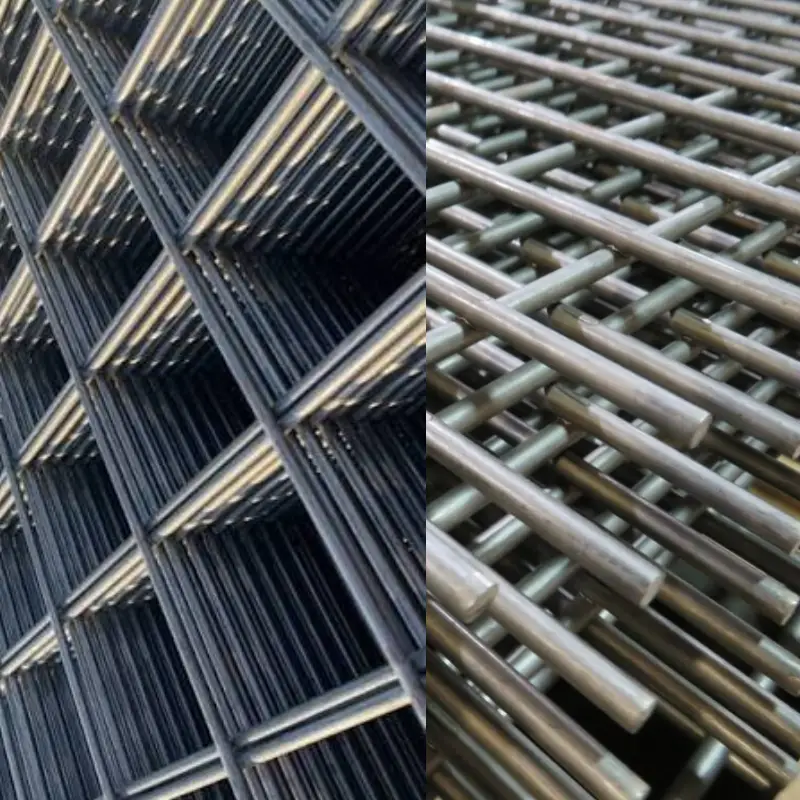
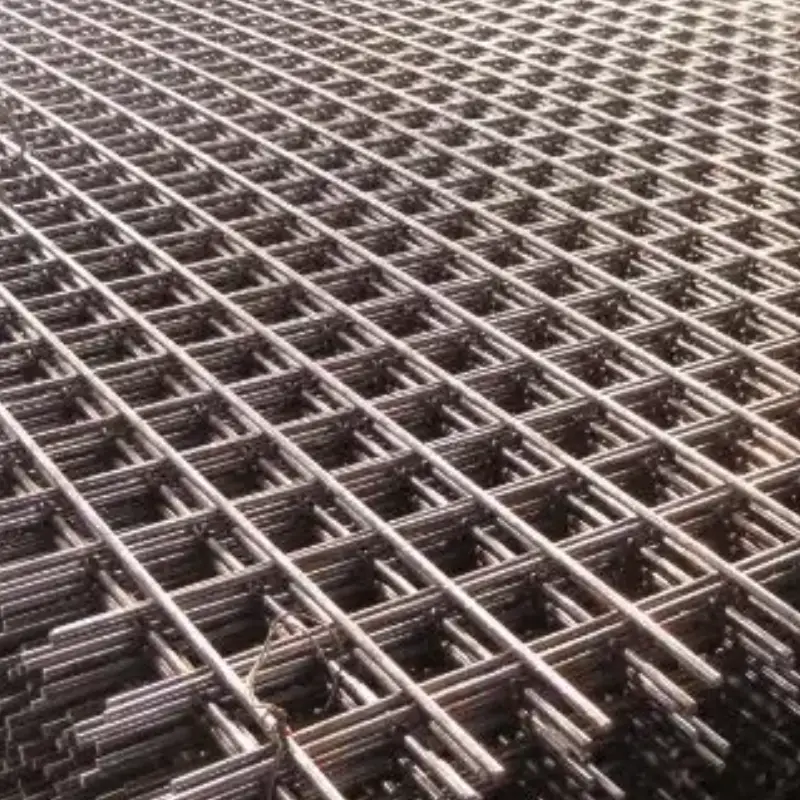
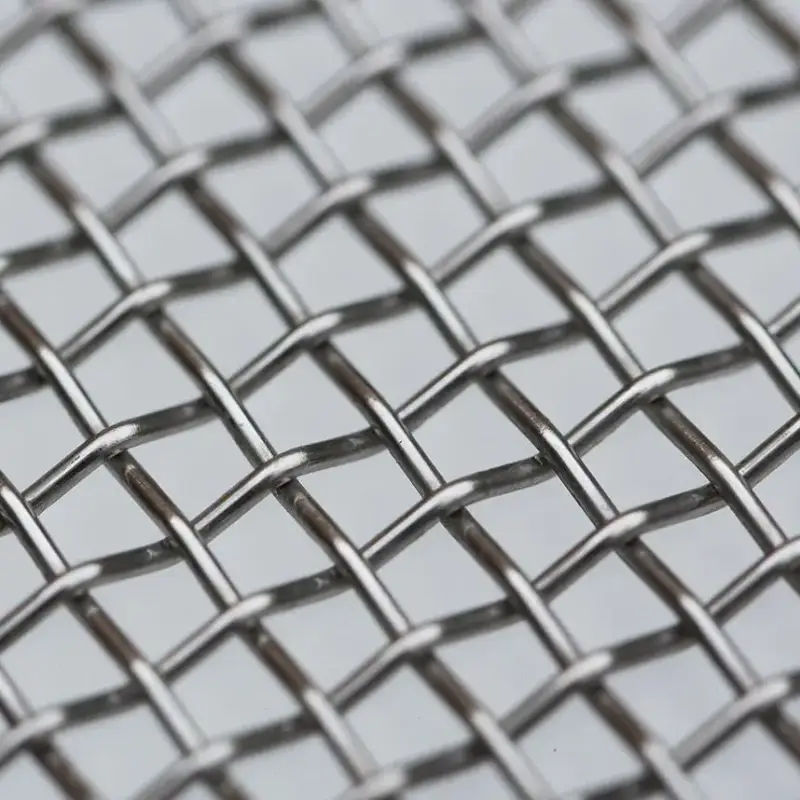
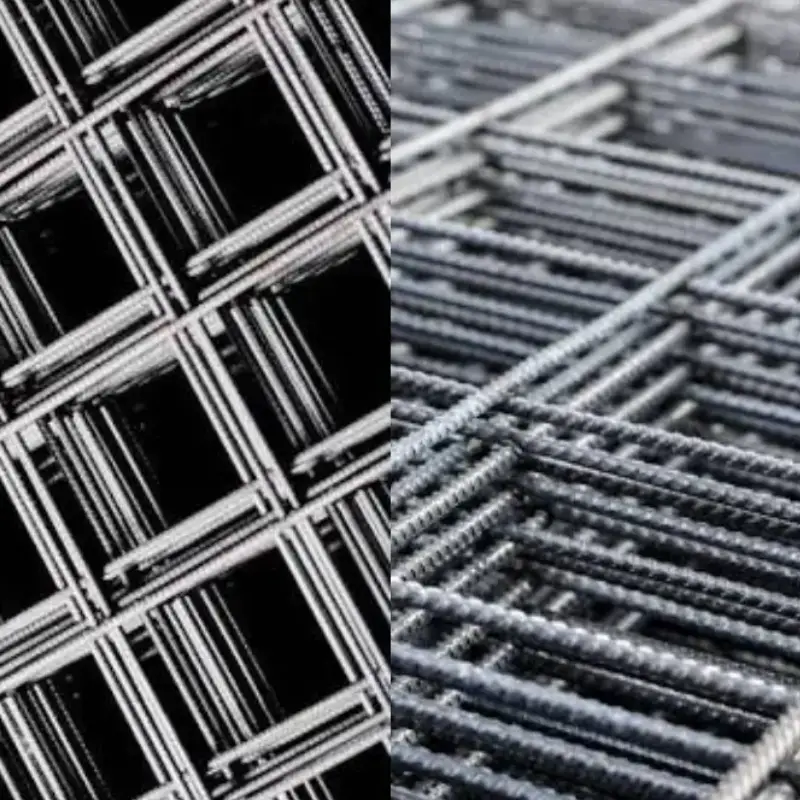
Woven wire mesh is used a lot in aggregate screening. It is made from steel wires woven together to make a grid. You can pick the wire size and the hole size for your job. Woven wire mesh is good for simple screening jobs. It sorts material fast and is easy to clean. If you need to change the mesh, you can do it quickly.
This mesh works best with dry aggregate. It is great when you want to sort things fast. You can use it for sand, gravel, and crushed stone. The mesh lets you see how the aggregate moves on the screen. You should check the mesh often because it wears out fast. Heavy aggregate can break the wires. You may have to replace the mesh more than other types.
Polyurethane Panels
Polyurethane panels are very strong for aggregate screening. These panels are made from tough plastic that bends and takes hits. They last longer and you get less downtime. Polyurethane panels last two or three times longer than steel mesh. You spend less time fixing them and more time sorting.
You will hear less noise with polyurethane panels. The panels take in shocks from heavy aggregate and keep things quieter. Polyurethane does not get damaged by chemicals. You can use it with wet or rough aggregate. The panels give steady screening and blockages happen less. If you want something strong and efficient, polyurethane panels are a good pick.
Here’s a quick comparison between woven wire mesh and polyurethane panels:
| Feature | Woven Wire Mesh | Polyurethane Panels |
|---|---|---|
| Durability | Wears out quickly | Lasts 2-3 times longer than steel |
| Impact Resistance | Breaks easily under heavy impact | Highly impact resistant and flexible |
| Noise Levels | Produces a lot of noise | Reduces noise levels significantly |
| Flexibility | Does not bend much | Bends and absorbs impacts |
| Maintenance and Downtime | Requires frequent repairs and changes | Fewer repairs and less downtime |
| Chemical Resistance | Limited resistance | Resists chemicals effectively |
| Efficiency | Suitable for simple tasks | Stands out for strength and efficiency |
Tip: If you want less downtime and a quieter work area, try polyurethane panels for your aggregate.
Rubber Panels
Rubber panels fix many problems in aggregate screening. These panels are made from strong rubber that does not wear out fast. They take in shocks when heavy aggregate hits the screen. The soft rubber keeps noise down and makes work safer.
Rubber panels stop blinding and pegging. Sticky aggregate does not block the holes. You see smoother flow and better screening. The rubber bounces back when hit, which helps clean itself. When aggregate hits, stuck pieces bounce off. This keeps the screen open and helps sort wet or sticky aggregate.
Rubber panels are not too hard or too soft and can take a lot of hits. They last longer and need fewer repairs. You can use rubber panels for sand, gravel, and crushed stone. If you want steady screening and less fixing, rubber panels are a smart choice.
Note: Rubber panels are good for noisy places and tough aggregate. You get safer, quieter, and better screening.
Self-Cleaning Screens
Have you ever had trouble with clogged screens when working with aggregate? Self-cleaning screens can help you solve this problem. These screens use special wires or panels that move and flex as aggregate passes over them. This movement shakes off sticky bits and stops material from blocking the holes. You get a steady flow of aggregate and less downtime for cleaning.
Self-cleaning screens work well with wet or sticky aggregate. If you deal with clay, soil, or damp sand, these screens keep your operation running. You do not have to stop as often to clear blockages. The wires or panels snap back into place after each load. This action helps break up clumps and keeps the screen open.
Here are some reasons you might choose self-cleaning screens for your aggregate:
- They reduce blinding and pegging from sticky material.
- You spend less time cleaning and more time sorting aggregate.
- They work with many types of aggregate, including sand, gravel, and crushed stone.
- You get more consistent product size and better screening results.
Tip: If you notice your aggregate piles are uneven or your machines stop often, try self-cleaning screens. They can make your work easier and help you get the right size aggregate every time.
Choosing Media For Aggregate Screening
Picking the right screening media for your aggregate is important. The media you choose affects how well your screen works and how long it lasts. You want to match your media to the type of aggregate you handle and the results you need.
When you choose screening media, think about these key points:
- How much aggregate do you need to process each hour?
- What size is your aggregate before it hits the screen?
- Is your aggregate heavy, sharp, or soft?
- What size do you want after screening?
- Does your aggregate have moisture on the surface?
- Do you have any special needs, like high temperatures or chemical exposure?
Here’s a table to help you see what to consider:
| Criteria | Description |
|---|---|
| Maximum tons per hour | The amount of aggregate your screen can handle. |
| Gradation of the feed material | The size range of your aggregate before screening. |
| Type and weight of material | The physical traits of your aggregate. |
| Desired size of separation | The size you want after the aggregate leaves the screen. |
| Surface moisture on the material | If your aggregate is wet or dry. |
| Special operation requirements | Any unique needs for your aggregate or process. |
You want to look at your aggregate and your goals before you pick a screen. If you work with heavy, rough aggregate, you might need strong media like polyurethane or rubber. For dry, fine aggregate, woven wire mesh could be a good choice. If you have sticky or wet aggregate, self-cleaning screens can help you avoid clogs.
Remember: The right screening media helps you get the best results from your aggregate. It keeps your screen working longer and gives you clean, even piles every time.
Common Screening Issues And Solutions
Blinding And Pegging
Sometimes your aggregate piles are not clean enough. This can happen because of blinding and pegging. These problems slow your work and change your results.
Blinding happens when small particles stick to the screen. Wet material makes blinding worse. If you work with sand, gravel, or powder, you see blinding more. When particles are almost the same size as the holes, they block the screen. Dense or wet aggregate covers the holes and stops material from going through.
Pegging is not the same as blinding. Pegging happens when stones get stuck in the holes. This is common if the shape of the stone fits the hole. Screens that do not bend make pegging worse. Old screens or broken parts can also cause stones to get stuck.
Here are some reasons for blinding and pegging:
- Small particles block holes in the screen.
- Wet aggregate sticks to the screen surface.
- Particles close in size to holes block them.
- Dense or powdery aggregate causes more blinding.
- Stones with certain shapes wedge into holes.
- Hard or old screens make pegging happen more.
You can fix these issues by changing how fast your screens move. Try using different screen surfaces or flexible screens. Heating the screen or adding water helps material go through. Self-cleaning wire cloth works well for pegging. Always use screens made for your aggregate size and shape.
Tip: Check your screens often. Quick fixes keep your piles neat and your aggregate moving.
Wear And Tear
You use aggregate equipment every day. Over time, wear and tear slows your machines. If you ignore blinding and pegging, your equipment works harder and wears out faster. Clogged screens make your machines use more energy. This leads to more repairs and higher costs.
Routine maintenance helps you avoid problems. Regular checks help you find issues early. Cleaning and fixing screens keeps your aggregate flowing and your operation smooth. Preventive steps save money and make your equipment last longer.
Here’s why wear and tear matters:
- Removing stuck aggregate stops clogging.
- Routine checks help your machines work better.
- Early repairs save money in the long run.
Note: A little care goes a long way. Take care of your screens and they will help you sort aggregate.
Throughput Reduction
Sometimes your aggregate piles are smaller than before. Throughput reduction means your equipment sorts less aggregate. Many things can cause this problem.
Check this table to see what affects throughput:
| Factor | Impact on Energy Use | Impact on Throughput |
|---|---|---|
| Circulating Load | Wastes energy | Higher load lowers throughput |
| Feed Size Distribution | Needs more energy for large | Bigger size lowers throughput |
| Real-time Monitoring | Improves energy use | Keeps throughput steady |
If you feed big aggregate into your screens, you need more energy. This lowers throughput. A high circulating load makes your equipment work harder but sort less. Real-time monitoring helps you find problems and keep your piles steady.
Tip: Watch your feed size and load. Small changes can help your aggregate output.
Practical Solutions
You want your aggregate operation to run smoothly every day. When you face problems with your screens, you need quick fixes that work. Here are some practical solutions you can use to keep your aggregate screening on track:
- Check Your Screen Mesh Opening
Start by looking at the mesh opening on your screen. If the opening is too small or too large for your aggregate, you will not get good separation. The right mesh size helps you sort aggregate by size and keeps waste low. When you match the mesh to your material, you get better results and fewer headaches. - Keep the Classifier Clean
Dirt and leftover aggregate can block your classifier. If you clean it often, you stop blockages before they slow down your work. Use a brush or air hose to clear out stuck aggregate. Clean equipment means your screening process stays fast and your piles stay even. - Adjust the Motor Settings
Sometimes your screens need a little boost. Try changing the motor speed or frequency. A faster motor can move aggregate across the screen quickly. A slower speed can help with sticky or wet aggregate. When you adjust the motor, you save energy and get more out of your screening machines. - Reduce Downtime
Downtime costs you time and money. Look for things that cause delays, like worn parts or blocked screens. Fix small problems before they turn into big ones. Routine checks help you spot trouble early. When you keep your aggregate moving, you finish jobs faster and keep your customers happy. - Inspect Regularly
Make it a habit to check your screens and classifiers for wear or damage. Look for holes, tears, or loose parts. If you find a problem, fix it right away. Regular inspections keep your aggregate operation running without stops.
Tip: Write down your cleaning and inspection schedule. This helps you remember what you checked and when. You can catch problems before they slow down your aggregate screening.
You can use these solutions every day. They help you get the most out of your aggregate, keep your screening machines in top shape, and make your work easier. When you take care of your screens, you get better piles, less waste, and a smoother operation.
Maintenance And Inspection Tips
If you take care of your aggregate equipment, it will last longer. You just need to follow some easy steps. Regular care keeps your machines working and stops delays. Let’s see what you should do each day and how to spot trouble before it slows you down.
Routine Checks
You want your machines to work well every day. Routine checks help you find small problems early. If you check your equipment often, you keep your aggregate moving. You also avoid expensive repairs. Here’s a table showing why these checks are important:
| Benefit | Description |
|---|---|
| Equipment Longevity | Scheduled checks make machines last longer and avoid big upgrades. |
| Reduced Downtime | Good care stops breakdowns and keeps machines running. |
| Enhanced Safety and Compliance | Regular checks find safety issues early and protect workers. |
| Reduced Capital Expenditures | Preventive care makes machines last longer, which matters when parts are hard to get. |
| Increased Efficiency | Well-kept machines work faster and make more material. |
Look at your screens and other parts every day. Check for loose bolts and worn belts. Watch for any damage. Make sure safety guards are in place. If you see something wrong, fix it right away. This keeps your equipment safe and ready.
Cleaning Practices
Clean machines work better and faster. When you use aggregate, dust and small pieces build up. Even a little dirt can block the flow and slow your work. Clean your equipment every day to keep it running right.
Here are some cleaning steps you can follow:
- Check your screens before you start work.
- Brush or wash off anything stuck to the screen or deck.
- Look for worn parts on belts and moving pieces.
- Lubricate moving parts so they don’t wear out.
- Keep a record of your cleaning and care.
Keeping your decks clean is very important, especially with sticky or wet material. A quick wash or brush can stop blockages and help your aggregate move. Cleaning often also helps you spot problems early, so you can fix them before they get worse.
Replacement Guidelines
You want your aggregate sorted right every time. To do this, you need to replace worn screens and parts on time. Changing screens often makes your sorting more accurate and efficient. If you see holes, tears, or worn spots, replace the screen right away. This keeps your piles even and your product quality high.
Follow the manufacturer’s rules for replacing parts like v-belts and filters. Keep some spare parts ready so you can fix things fast. Set a schedule for checking your screens—weekly checks work well. If you see wear-through, swap out the screen immediately. Replacing parts on time stops downtime and keeps your operation strong.
Tip: Write down when you last replaced each screen or part. This helps you plan ahead and avoid surprises.
Equipment And Media Selection Guide
Assessing Application Needs
You want your aggregate operation to run smoothly. Start by looking at your job site and the type of aggregate you handle. Think about how much material you need to process each day. Ask yourself, “Is my aggregate wet, dry, sharp, or sticky?” These questions help you pick the best equipment for your needs.
Write down your goals. Do you want to sort large rocks, fine sand, or both? Some jobs need fast sorting. Others need careful sizing. If you know your goals, you can make better choices for your screening setup.
Tip: Take a walk around your site. Watch how your aggregate moves. This helps you spot problems before they slow you down.
Matching Equipment To Material
Not all aggregate is the same. You need to match your equipment to your material. If you work with heavy, rough aggregate, you need strong screens. For wet or sticky aggregate, self-cleaning screens work best. Dry, fine aggregate moves well on wire mesh screens.
Here’s a quick table to help you match equipment to your material:
| Aggregate Type | Best Screen Type | Why It Works |
|---|---|---|
| Large, rough rocks | Heavy-duty screens | Handles impact and weight |
| Wet or sticky | Self-cleaning screens | Stops clogs and buildup |
| Fine, dry sand | Wire mesh screens | Fast sorting and easy flow |
You want your screening process to be easy. The right match means less downtime and better results.
Selecting Aggregate Screens
Now you are ready to choose the right aggregate screen for your job. Look at your answers from above. Think about the size of your aggregate and how much you need to sort. If you need to sort many sizes, use screens with more than one deck. For simple jobs, a single screen works well.
Check the opening size on your screen. Make sure it matches the size you want in your final product. If you use the wrong size, you get uneven piles and waste. Always check your screens for wear. Replace them when you see holes or tears.
Remember: Good screening starts with the right screen. When you choose the right aggregate screen, you get clean piles, less waste, and happy customers.
If you need help, talk to a screening expert. They can help you pick the best screen for your aggregate. You save time and money when you make smart choices.
Budget Considerations
You want to get the most value from your aggregate operation. Budget plays a big role in your choices. When you pick equipment and media for your aggregate, you need to think about both the money you spend now and the money you save later. Let’s break down what you should look at before you buy new screens or a new screen.
First, set your budget. Write down how much you can spend on aggregate equipment. Think about the cost of the screen, the price of the screens, and the money you need for repairs. You also need to plan for regular maintenance. If you buy cheap aggregate equipment, you might spend more later on repairs and downtime. Sometimes, it is smarter to spend more at the start and save money over time.
Next, look at the life of your aggregate screens. Some screens last longer than others. Polyurethane screens and rubber screens cost more, but they last longer and need fewer repairs. Woven wire screens are cheaper, but you may need to replace them more often. If you use your aggregate equipment every day, longer-lasting screens can save you money.
You should also think about energy use. Some aggregate screens use less power. This means you pay less for electricity each month. Over time, these savings add up. If you use your aggregate equipment a lot, energy savings can make a big difference.
Here’s a table to help you compare costs:
| Cost Factor | Short-Term Impact | Long-Term Impact |
|---|---|---|
| Purchase Price | Money spent right away | May save or cost more later |
| Maintenance | Small regular costs | Prevents big repairs |
| Replacement Parts | Needed for worn screens | Fewer changes save money |
| Energy Use | Monthly power bills | Lower bills save money |
| Downtime | Lost work time | Less downtime saves money |
Don’t forget about your team. If you pick easy-to-use aggregate screens, your crew works faster and safer. Training costs less. You also avoid mistakes that can damage your aggregate equipment.
Tip: Ask your supplier about the total cost of owning each screen. Sometimes, the cheapest option costs more in the long run.
When you plan your budget, think about the whole life of your aggregate equipment. Good planning helps you get the best results from your screening process. You keep your operation running, save money, and get the right size aggregate every time.
Conclusion
You now know why aggregate screening equipment matters. It helps you get the right size material for every job. Picking the best screening media keeps your work fast and your products top quality. Take time to look at your needs and ask experts for advice. Don’t forget to check and clean your equipment often. Good care means your machines last longer and your results stay strong.
FAQ
What does aggregate screening equipment do?
You use aggregate screening equipment to sort rocks, sand, and gravel by size. This helps you get clean, even piles for your projects. It also keeps your work fast and your products consistent.
How do I know which screen type to choose?
Think about your material. For wet or sticky aggregate, try self-cleaning screens. For heavy rocks, use heavy-duty screens. If you’re not sure, ask a screening expert for advice.
How often should I check my screens?
Check your screens every day before you start work. Look for holes, tears, or stuck material. Quick checks help you catch problems early and keep your machines running.
Can I use the same screen for all materials?
No, you can’t. Different materials need different screens. For example, fine sand works best with wire mesh. Heavy or sharp rocks need stronger screens like rubber or polyurethane.
What causes screens to wear out quickly?
Heavy impact, sharp rocks, and high feed rates wear screens out fast. Wet or sticky material can also cause damage. Clean and inspect your screens often to make them last longer.
How do I fix blinding and pegging?
Try these tips:
- Use self-cleaning screens.
- Adjust vibration or angle.
- Clean screens more often.Tip: Flexible screens help stop material from blocking holes.
Is maintenance expensive?
Regular maintenance costs less than big repairs. You save money by checking, cleaning, and replacing parts on time. Well-kept equipment lasts longer and works better.