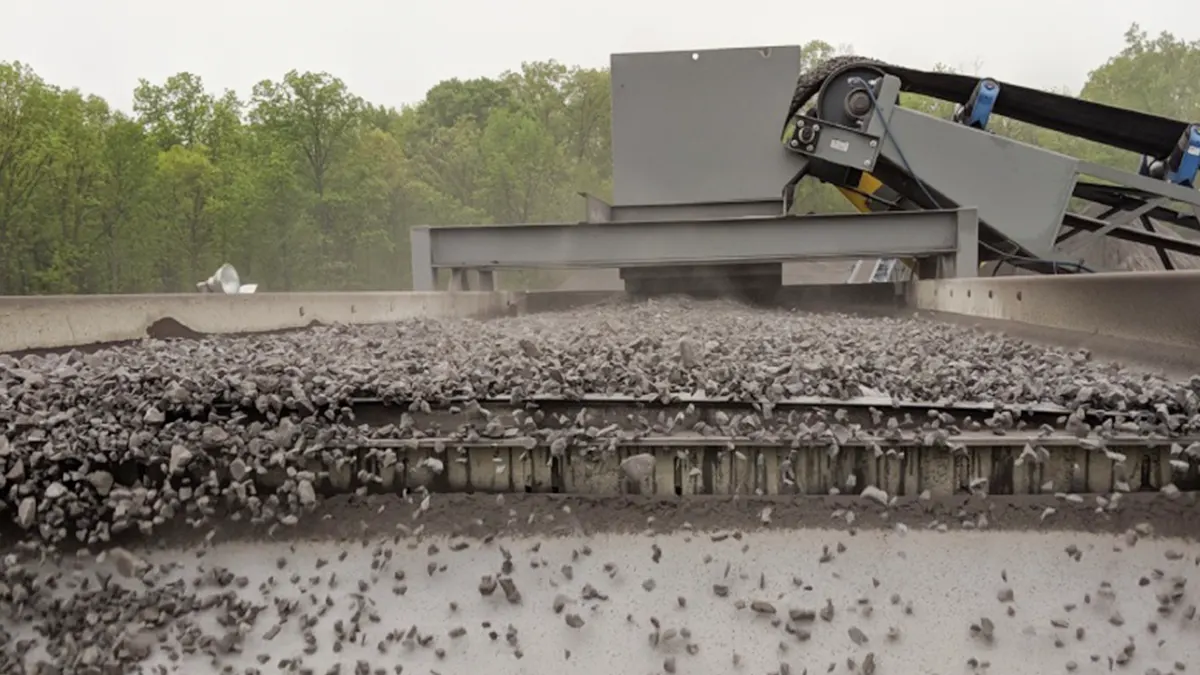
You know that getting good results from gravel screening depends on your equipment and your screen media. If you pick the wrong screen, you might get clogs. The screen could wear out fast. You may not make enough gravel. The gravel might be the wrong size. You need to match your screen media to the material type. You should also think about moisture and gradation in your aggregate. This can help a lot. For example, modular rubber screens last longer. They are faster to take care of than wire mesh. This helps your screener work more and keeps your production high.
| Screen Media Type | Durability | Maintenance Time | Production Impact |
|---|---|---|---|
| Modular Rubber | Longer | Less than 30 min | Higher |
| Wire Mesh | Shorter | 6 hours | Lower |
Key Takeaways
- Picking the right screen media is very important for gravel screening. It changes how fast you work and how good your gravel is.
- Choose your screen media based on your gravel type. Dry gravel works best with woven wire screens. Wet or sticky gravel needs self-cleaning or polyurethane screens.
- Check your screens often for any damage. Small holes or rips can make sorting bad and lower the quality of your gravel.
- Think about how much open space your screen has. More open area lets more gravel pass through. But too much open area can make the screen weak.
- Watch how wet your gravel is. Wet or sticky gravel can block the screen. Change your screen type if this happens.
- Use predictive maintenance to help your screens last longer. Checking them often can stop surprise problems and save money.
- Know how the size of the screen holes matters. Smaller holes sort fine gravel better. Bigger holes let more gravel go through faster.
- Talk to experts when picking screen media. They can give you advice that fits your gravel and how you work.
Gravel Screening Media Basics
What Is Screening Media?
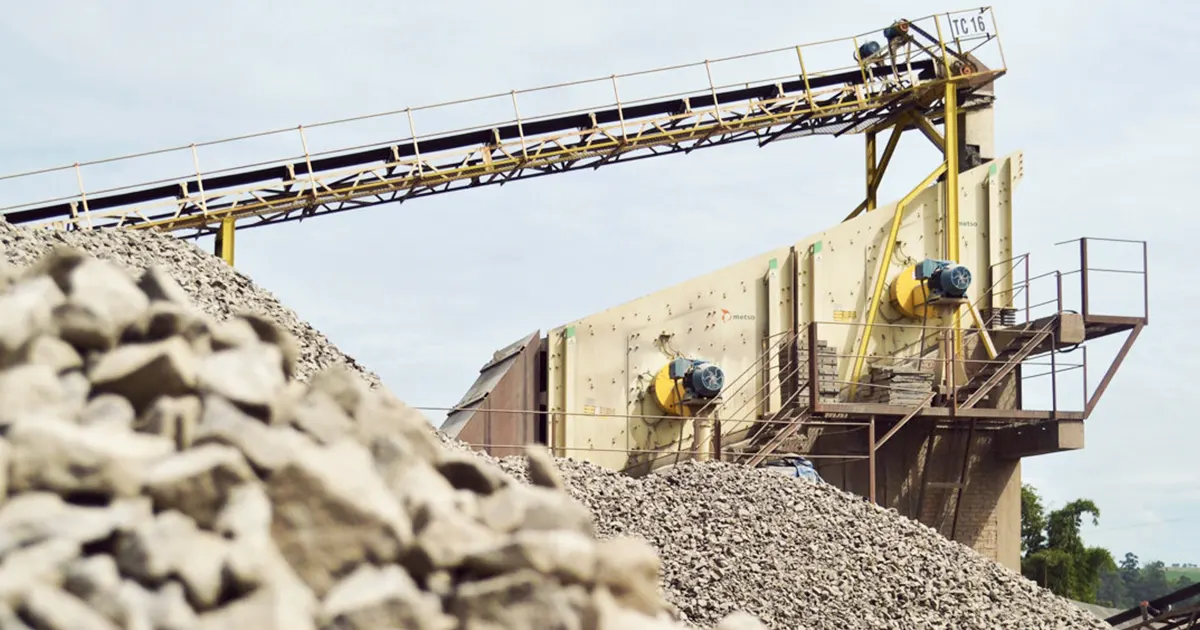
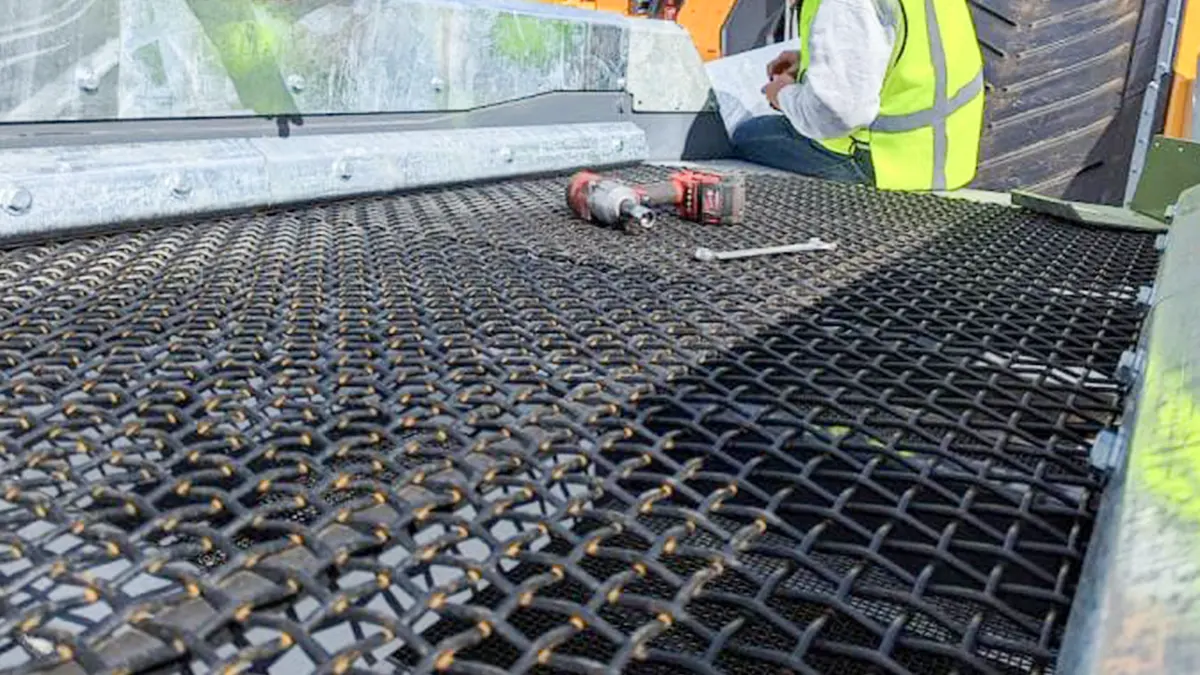
When you look at a gravel screening plant, you see big machines. These machines shake and sort rocks. The screen media does the main job. Screening media is a surface or panel that sorts materials by size. It can look like a mesh, plate, or panel. It is made from wire, rubber, or polyurethane. The screen media sits inside the machine. It works like a filter. Small pieces fall through the holes. Bigger pieces stay on top. You pick the screen media based on what you want to separate. You also think about how hard your material is.
Role in Aggregate Screening
Screening media does more than just catch rocks. It helps you get the right size and quality for your job. Here is a quick look at what screening media does in a gravel screening plant:
| Function | Description |
|---|---|
| Grading & Sizing | Sorts materials by size to make a good mix for projects. This gives you steady quality. |
| Scalping Large Material | Takes out big rocks fast before more work is done. This keeps machines safe and helps them work better. |
| Dewatering Aggregates | Removes extra water from washed materials. This makes the rocks drier and easier to handle. |
When you put material on the screen, the deck moves. This helps the pieces move and sort out. Small pieces fall through the holes. Big pieces stay on top. This is called stratification. It is important because it gives you clean and correct sizes for your rocks. The screen media lowers friction between the rocks. This helps small pieces fall through the gaps. If you use the right screen media, you get better sorting and less waste.
You might see that water and shape of the pieces can change how well screening works. Wet or sticky gravel can block the holes. Flat or weird-shaped pieces may not move well. That is why you need to match your screen media to your material. Good screening media helps your plant run well and keeps your product the right size.
Tip: To get better gravel screening, always check your screen media for damage and make sure it fits your material type.
Screen Media Importance
Impact on Throughput
When you choose the right screen media, you help your plant move more material in less time. Throughput means how much gravel you can process every hour. If you pick the wrong screen, your machine slows down. You might see rocks pile up or notice that your plant cannot keep up with demand. The type of screen media you use makes a big difference. For dry and abrasive materials, vibrating screens work best. For sticky or wet gravel, trommel screens handle the job better. Here are some real-world numbers to show how much throughput can change:
- Kompatto 221: up to 90 tons per hour
- Kompatto 5030: up to 280 tons per hour
- Kompatto 124: up to 350 tons per hour
- K-TS 30 trommel: up to 80 tons per hour
- K-TS 40 trommel: up to 120 tons per hour
Actual throughput depends on things like moisture, feed consistency, and the target size you want. If you match your screen media to your material, you get the best results. You keep your production high and avoid slowdowns.
Screening Accuracy
You want your gravel to meet the right size every time. Screening accuracy means your machine sorts rocks into the correct groups. If your screen media has the wrong opening size or shape, you get mixed results. Some rocks might be too big or too small. This can hurt your product quality and cause problems for your customers. Mesh size, type, and condition all matter. Worn-out screens let oversized pieces slip through. Clean, well-chosen screens give you steady, accurate results. When you check your screens often and replace them when needed, you keep your aggregate on spec and your customers happy.
Tip: Always check your screen media for holes or tears. Even a small rip can let the wrong size material pass through.
Wear Life and Downtime
Screen media takes a beating every day. If you use the wrong type, it wears out fast. This means you stop your plant more often for repairs. Every time you shut down, you lose production. Plants that use predictive maintenance, like checking temperature and vibration, see fewer surprise breakdowns. This helps your screens last longer and keeps your plant running. Some cement plants have cut unplanned downtime by up to 30% and made their screens last 10-15% longer just by improving their maintenance. For mid-sized operations, this can save hundreds of thousands of dollars each year. When you pick the right screen and take care of it, you boost your production and lower your costs.
Open Area and Material Flow
When you look at a screen panel, you see lots of holes. These holes make up what people call the “open area.” Open area means the part of the screen that lets gravel or sand pass through. You measure it as a percentage. For example, if half the screen is holes, you have 50% open area. This number matters a lot in screening.
A higher open area gives you more space for material to flow. You can move more gravel through your plant every hour. This boosts your screening efficiency. You get more finished product with less waiting. When you want to hit high production targets, open area becomes your best friend. You also see less resistance. Material flows smoother and faster. This helps you avoid bottlenecks and keeps your plant running strong.
But there is a trade-off. If you pick a screen with too much open area, you lose strength. The wires or panels get thinner. They can wear out faster or even break. You might need to replace your screens more often. That means more downtime and higher costs. You need to find the right balance for your plant.
If you go with a lower open area, you get a tougher screen. It lasts longer and stands up to heavy rocks. But now you have less space for material to pass through. This can slow down your process. You might see rocks pile up on the deck. You also risk blinding and pegging. Blinding happens when wet or sticky gravel covers the holes. Pegging means small stones get stuck in the mesh. Both problems block material flow and cut your throughput.
Here’s a quick look at how open area affects your screening:
- More open area means higher throughput and better efficiency.
- Less open area gives you stronger screens but can slow down material flow.
- Too much open area can make screens wear out faster.
- Too little open area can cause blinding and pegging, especially with wet or fine materials.
Tip: Always match your open area to your material type and your production goals. If you screen dry, clean gravel, you can use a higher open area. If you handle wet, sticky, or abrasive material, you may want a tougher screen with a bit less open area.
Open area is not just a number. It shapes how your plant works every day. When you pick the right open area, you get smooth material flow, steady production, and less trouble with maintenance. Take a close look at your screen panels. Check the open area percentage. This small detail can make a big difference in your bottom line.
Common Gravel Screening Problems
Screen Wear
You might notice your screens wearing out faster than you expect. This is a common headache in gravel screening. When your screener runs day after day, the screen media takes a beating. If you want your screens to last longer, you need to watch out for a few things:
- Improper installation can cause the screen to sag, especially if you overload it. Sagging leads to faster wear and even tears.
- Uneven stretching or not tightening the screen enough can make it break. Always follow the installation instructions for your screener.
- Using rocks that are too big or too heavy for your screen can damage it. Exceeding the maximum bulk density or particle size puts too much stress on the screen.
If you see holes, tears, or broken wires, stop your screener and check the installation. Fixing these problems early helps you avoid bigger repairs and keeps your plant running.
Tip: Always check your screen tension and make sure you use the right screen for your material size.
Blinding and Pegging
Blinding and pegging can slow down your screening process and hurt your throughput. Blinding happens when fine or sticky material covers the holes in your screen. Pegging is when small rocks get stuck in the openings. Both problems block material flow and make your screener less efficient. Here’s a table showing what causes these issues:
| Contributing Factor | Description |
|---|---|
| Moisture content (2–5%+) | Water makes particles stick together, causing blinding. |
| Clay or fine-soil content | Clay forms a paste that blocks holes. |
| High near-size fraction | Lots of particles close to the hole size get stuck (pegging). |
| Angular or irregular particle shape | Odd-shaped rocks wedge into holes. |
| Static charge (dry fine powders) | Dry materials can stick to wires due to static electricity. |
| High fines content overall | Too many fine particles cover the screen surface. |
| Insufficient vibration | Not enough shaking fails to clear the holes. |
| Excessive bed depth | Deep layers of material stop fines from falling through. |
| Overfeeding (excess throughput) | Too much material at once increases bed depth and blocks holes. |
| Wrong screen inclination angle | Bad angles slow down material or make pegging worse. |
| Circular vs. linear motion | Linear motion screens clear better than circular ones. |
| Worn or improperly tensioned media | Loose or worn screens do not self-clean well. |
If you see your screener slowing down or your product piling up, check for blinding and pegging. Cleaning or changing your screen media can help you get back to normal throughput.
Wrong Aperture Size
Choosing the wrong aperture size can mess up your product quality and slow down your plant. The holes in your screen control what passes through and what stays on top. Here’s what can happen:
- The aperture size in woven mesh decides which rocks pass through. This affects your final product.
- If you pick a larger aperture, you might move more material and boost throughput. But you risk letting oversized rocks through, which lowers quality.
- If you go with a smaller aperture, you keep out unwanted rocks and improve quality. But you might see clogging and lower throughput.
You need to balance quality and speed. Always match your aperture size to your target product and your screener’s limits. If you notice too many fines or oversized rocks in your piles, check your screen openings.
Note: Regularly review your screen media and adjust aperture size as your material or production needs change.
Low Throughput
Low throughput can slow down your entire operation. When your plant does not move enough gravel, you miss production targets. You might see piles of unscreened material stacking up. This means you do not get the yield you want from your valuable fractions. Your profits can drop. Bottlenecks often cause these slowdowns. Sometimes, the equipment does not work as efficiently as it should. Other times, the process controls are not set right. If you ignore these issues, your plant will not run at its best.
You can boost throughput by checking a few key areas. Look at how you feed material onto the screen. Make sure the operating settings match your material type. Adjust the angle or vibration if needed. Even the crushing chamber can affect how much material flows through. When you tweak these parts, you help your plant run smoother and make more money.
Tip: If you notice your plant falling behind, check for bottlenecks and adjust your process. Small changes can make a big difference in how much gravel you produce.
Unstable Final Size
Getting the right size gravel every time is not always easy. You might see your product size change from one batch to the next. This can frustrate your customers and hurt your reputation. Several things can cause unstable final size:
- Material Size: If your feed has mixed sizes, you get blockages and uneven results. Uniform size works best.
- Moisture Content: Wet gravel sticks to the screen. This blocks holes and slows down sorting.
- Feed Rate: Too much or too little material at once can cause buildup or poor screening.
- Vibration and Angle: The way your screen shakes and the angle it sits at both matter for sorting.
- Blinding and Pegging: When holes get blocked or filled, your final product size suffers.
You can fix unstable sizing by keeping your feed consistent and watching your screen settings. Clean your screens often and adjust the angle or vibration if you see problems.
Frequent Replacement
If you find yourself changing screens all the time, you are not alone. Frequent replacement can drive up your costs and slow down your plant. Here are some reasons this happens and what you can do:
- Regular maintenance helps keep costs low. Fixing damaged sections can make your screens last longer.
- Cleaning your screens stops clogging and uneven wear. This prevents expensive repairs.
- Using the wrong screen media means you will replace screens more often. This wastes money and time.
- Poor screening choices can break up your material and lower quality.
- Plants that keep their screens in good shape get better material quality. This means less reprocessing and lower costs.
- Clean and consistent products help your plant run more efficiently.
Note: Take time to pick the right screen media and keep up with maintenance. You will save money and keep your plant running strong.
Gravel Screening Equipment Types
Shaker Screens
When you think about screening equipment, shaker screens probably come to mind first. These vibrating screen machines use a shaking motion to move gravel across the screen surface. You see them in many quarries and on construction sites. The deck vibrates quickly, which helps separate rocks by size. If you want to sort dry, clean gravel, a vibrating screen works well. You can also use a grizzly screen at the start of your process. This type of screener removes big rocks before they reach the main deck. Grizzly screens protect your equipment and keep your plant running smoothly.
Shaker screens come in many sizes. You can find a small mobile rock screener for tight spaces or a large stationary unit for big jobs. If you need to move your screener from site to site, a mobile option saves time. Shaker screens handle most gravel types, but they work best with material that is not too wet or sticky.
Tip: Always check your vibrating screen for loose bolts or worn parts. Regular checks help you avoid downtime.
Trommel Screens
Trommel screens look different from shaker screens. They use a rotating drum with holes to sort material. As the drum spins, gravel tumbles inside. Smaller pieces fall through the holes, while bigger rocks move to the end. If you deal with wet or sticky gravel, a trommel screen can help. The tumbling action breaks up clumps and keeps the holes clear.
You often see trommel screens on mobile equipment. This makes them easy to move around your site. If you need to screen material in different locations, a mobile trommel screen is a smart choice. Trommel screens work well for compost, soil, and even sand. They are not as fast as a vibrating screen, but they handle tough materials better.
| Equipment Type | Best For | Mobility |
|---|---|---|
| Trommel Screen | Wet, sticky material | High |
| Vibrating Screen | Dry, clean gravel | Medium-High |
| Grizzly Screen | Removing large rocks | Medium |
Severe Shake Screens
Sometimes, you need a screener that can handle heavy-duty jobs. Severe shake screens use extra-strong vibration to move tough, abrasive gravel. These machines work well when you have large rocks or high-capacity needs. You might see a severe shake screen paired with a grizzly screen to remove the biggest rocks first.
If your plant processes a lot of material every hour, this equipment keeps things moving. Severe shake screens are built to last. They resist wear and tear, even with sharp or rough gravel. You can use them in fixed plants or as part of a mobile setup. Just remember, these screens need regular checks to keep them in top shape.
Note: Choose the right screener for your material. Wet, sticky, or abrasive gravel needs special equipment to avoid clogs and wear.
Matching Equipment to Material
Choosing the right screening equipment for your gravel plant can feel tricky. You want to get the best results, but every material acts a little differently. Some gravel comes in dry and free-flowing. Other batches arrive wet, sticky, or full of clumps. If you match your equipment to your material, you save time and avoid headaches.
Let’s break it down. Start by looking at your material’s moisture. Dry gravel moves easily across most screens. You can use a vibrating screen for this job. It gives you precise sizing and keeps your product consistent. If your gravel has a bit of moisture but still flows well, vibrating screens still work great.
Now, what if your material is wet or sticky? Maybe you see clumps or mud in the mix. In this case, a trommel screen works better. The rotating drum breaks up clumps and helps prevent clogging. You keep your process moving, even when the material wants to stick together.
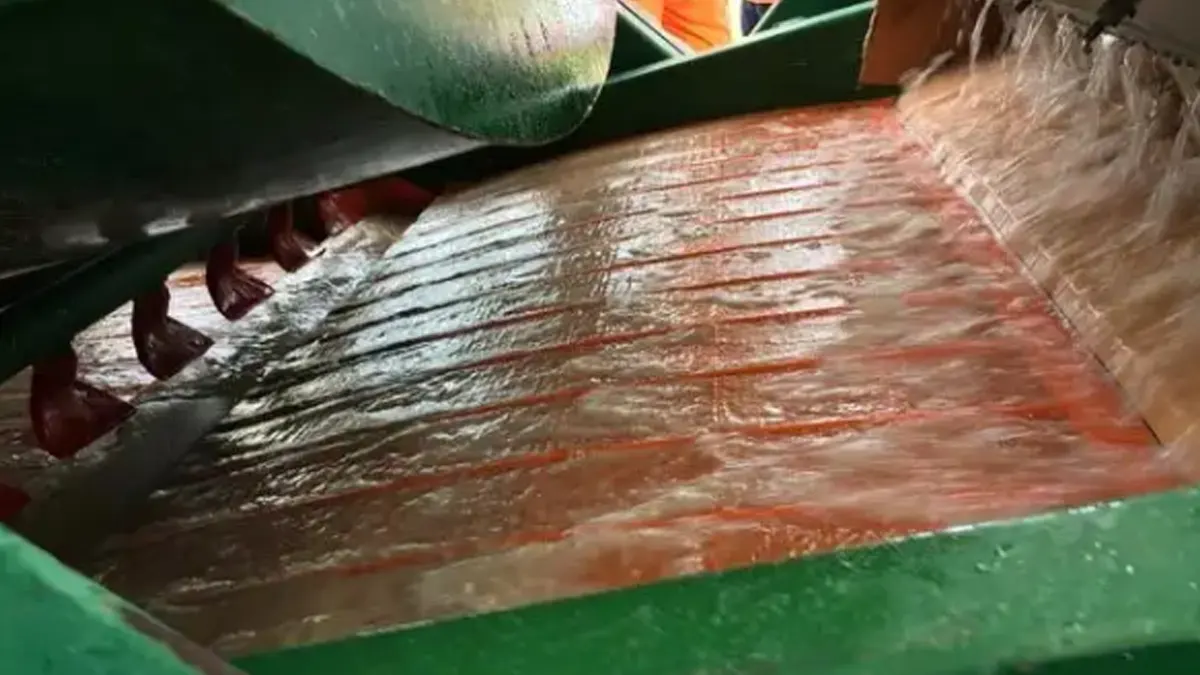
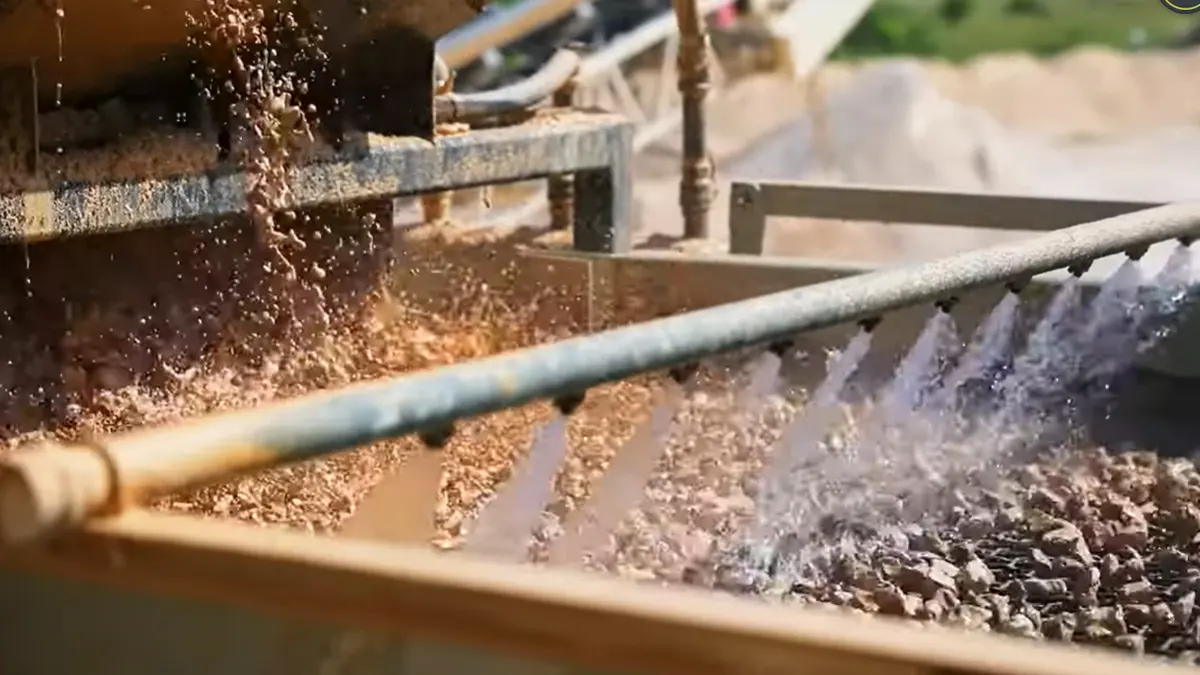
Sometimes, you deal with gravel that’s not just wet but also needs a wash. Water spray systems can help here. They create a slurry, washing fine particles through the mesh. This leaves you with cleaner, drier gravel at the end.
Here’s a quick table to help you match your equipment to your material:
| Equipment Type | Suitable For | Key Features |
|---|---|---|
| Vibrating Screen | Dry to moderately wet, free-flowing | Standard solution for precise sizing |
| Trommel Screen | Wet, sticky, clumpy | Breaks up clumps, prevents clogging |
| Water Spray System | Moderate moisture | Washes fines through mesh, improves cleanliness |
You should also think about gradation. If your feed has a wide range of sizes, you might need a combination of screens. Start with a grizzly or heavy-duty screen to remove big rocks. Then, use a finer screen for the smaller sizes. This step-by-step approach keeps your plant running smoothly.
Tip: Always check your material before you start. If you notice more moisture or stickiness than usual, switch to equipment that handles those conditions best.
Matching your screening equipment to your material saves you from downtime and wasted effort. You get better throughput, cleaner products, and less maintenance. When you know what your gravel needs, you can pick the right tools for the job every time.
Main Screening Media Types
Woven Wire Screens
Woven wire screens are a classic choice for many gravel plants. You see them on almost every vibrating screen or rock screener. They work well for most dry gravel applications. You can swap out mesh sizes quickly, which helps when you need to change your product size. These screens are cost-effective and easy to install. If you want a simple solution, woven wire screens often do the trick.
Dry Gravel Applications
You get the best results from woven wire screens when you run dry, clean gravel. The open mesh lets material pass through fast. You do not have to worry much about clogging if your gravel is not sticky. Many operators use a grizzly screen at the start to remove big rocks. This protects the woven wire and keeps your process smooth. If you use a vibrating screen with woven wire, you can sort gravel into neat piles with little trouble.
High Throughput
Woven wire screens can handle a lot of material. You get high throughput when your gravel is dry and flows well. Changing the mesh size is quick, so you can adjust your setup for different jobs. But there are some downsides:
- Woven wire screens can blind or peg if you run wet or sticky gravel.
- Throughput drops if the holes get blocked.
- Flip flow or self-cleaning screens work better for tough materials.
Tip: If you notice your vibrating screen slowing down, check for blinding or pegging. Sometimes, switching to a different screen media helps.
Polyurethane Screens
Polyurethane screens have become popular for tough jobs. You see them on vibrating screens and trommel screens, especially when you deal with wet or abrasive gravel. These screens last longer than woven wire and do not rust or break down easily.
Wet and Abrasive Materials
Polyurethane screens shine in harsh conditions. They flex when rocks hit them, then snap back into shape. This makes them perfect for sharp, abrasive gravel. Here’s a quick comparison:
| Feature | Polyurethane Screens | Woven Wire Screens |
|---|---|---|
| Wear Resistance | Superior | Moderate |
| Flexibility | High | Low |
| Self-Cleaning | Yes | No |
| Performance in Wet Conditions | Consistent | Decreased |
| Maintenance Needs | Reduced | Increased |
You can run polyurethane screens for thousands of hours. They keep about 85% of their strength, even after heavy use. Woven wire drops to about 40%. If you use a rock screener or trommel screen in a wet, abrasive pit, polyurethane screens save you time and money.
Noise Reduction
You might notice that polyurethane screens run quieter than metal ones. The flexible panels absorb impact and reduce noise. This makes your plant a better place to work. Less noise means less stress for your crew.
Self-Cleaning Screens
Self-cleaning screens help you deal with sticky and wet gravel. You see them on vibrating screens where blinding is a problem. These screens use special wires or panels that move and flex as the deck shakes.
Sticky and Wet Gravel
If you run high-moisture gravel, self-cleaning screens keep your process moving. Polyurethane surfaces repel water and shake off material. You get less blinding—only about 7% compared to rubber screens. This means you spend less time cleaning and more time screening.
Anti-Clogging
Some screens use dual-vibration designs, like BIVITEC technology. These setups clear sticky material fast. You get fine separation, even with tough feeds. Maintenance drops, and your screening area stays open. If you want steady throughput with wet gravel, self-cleaning screens are a smart pick.
Note: If you struggle with clogs on your vibrating screen, try a self-cleaning panel. You will see fewer stoppages and better results.
Rubber Screens & Perforated Plates
Niche Uses
You might not see rubber screens and perforated plates as often as wire or polyurethane, but they play a big role in gravel screening. Sometimes, your plant faces tough jobs that need something different. That’s where these options shine.
Rubber screens work best when you deal with wet, sticky, or near-size gravel. Their flexible surface helps stop blinding and pegging. If you’ve ever watched a vibrating screen struggle with sticky material, you know how frustrating it gets. Rubber screens bend and flex as the deck moves. This action shakes off mud and clay, so you keep your process running. You also get less noise, which makes your worksite more comfortable.
You’ll want to use rubber screens if your gravel has a lot of impact. Maybe you’re dumping big, heavy rocks onto the deck. Rubber absorbs shock better than metal. It stands up to coarse, heavy-impact jobs that might damage other screens. If you run a vibrating screen with a high drop height, rubber screens can save you from costly repairs.
Now, let’s talk about perforated plates. These screens use thick steel plates with punched holes. You see them in coarse scalping applications. If you need to remove large rocks before they reach your main vibrating screen, a perforated plate is a smart choice. The solid plate handles high-impact loads without bending or breaking. You get a long wear life, even with sharp or abrasive gravel.
Here’s a quick table to help you compare:
| Screen Type | Best For | Key Benefit | Limitation |
|---|---|---|---|
| Rubber Screen | Wet, sticky, high-impact gravel | Prevents blinding | Lower open area |
| Perforated Plate | Coarse scalping, large rocks | Handles heavy loads | Lower capacity |
Keep in mind, both rubber screens and perforated plates have a lower open area than wire mesh or polyurethane. This means you might see less capacity. If you need maximum throughput, these might not be your first pick. But when you need durability and reliability, they’re hard to beat.
Tip: If your vibrating screen faces frequent wear or clogging, try swapping in a rubber screen or perforated plate for the toughest sections. You’ll cut downtime and extend your screen life.
You don’t have to use just one type of screen. Many plants mix and match. You might use a perforated plate for the top deck to handle big rocks, then switch to a rubber screen or wire mesh below. This setup gives you the best of both worlds—strength where you need it and speed where you want it.
When you know your material and your plant’s needs, you can pick the right screen for every job. Rubber screens and perforated plates might be niche, but they solve big problems for gravel producers like you.
Choose the Right Screen
When you want your screener to work its best, you need to choose the right screen for your material. Not all gravel is the same. Some is dry and easy to sort. Some is wet and sticky. Other types are rough and can wear out your equipment fast. If you match your screen media to your gravel, you get better throughput, less downtime, and the right product sizes every time.
Material Condition Table
Let’s break it down. Here’s a table to help you pick the best screen media for each type of gravel you might see at your plant or job site:
| Material Condition | Recommended Screen Media | Why It Works Best |
|---|---|---|
| Dry Gravel | Woven Wire | High open area, fast sorting, easy to change mesh size |
| Wet Gravel | Polyurethane, Self-Cleaning, Trommel Screen | Resists blinding, flexible, keeps holes clear, good for wet screening solutions |
| Abrasive Gravel | Rubber, Polyurethane | Long wear life, absorbs impact, stands up to rough material |
| Sticky Gravel | Self-Cleaning, Polyurethane, Trommel Screen | Prevents clogging, flexes to shake off mud, keeps screener moving |
| Fine Gravel | Woven Wire, Hybrid | Small mesh, good accuracy, hybrid reduces blinding with high moisture |
| Large Gravel | Perforated Plate, Rubber | Handles heavy loads, resists tearing, good for top deck or scalping |
| High-Capacity Plants | Polyurethane, Hybrid | Handles big volumes, less downtime, longer service life |
Tip: Always check your material before you start. If you see more moisture or sticky clay, switch to wet screening solutions like a trommel screen or self-cleaning panel.
Dry Gravel
You want to keep things simple with dry gravel. Woven wire screens give you the best results. They have a high open area, so your screener moves a lot of material fast. You can swap mesh sizes quickly if your product sizes change. If you use a mobile rock screener, woven wire is easy to install and replace.
Wet Gravel
Wet gravel can slow down your production if you use the wrong screen. Polyurethane screens and self-cleaning panels work best here. They flex and snap back, which helps keep holes clear. A trommel screen is also a smart choice for wet screening solutions. The drum tumbles the gravel and breaks up clumps, so your screener does not get clogged.
Abrasive Gravel
Abrasive gravel wears out screens fast. You need something tough. Rubber and polyurethane screens last longer and absorb the shock from rough rocks. These screens keep your screener running longer and cut down on maintenance. If you run a high-volume plant, this means more production and less downtime.
Sticky Gravel
Sticky gravel is a headache for any screener. Self-cleaning screens and polyurethane panels help you avoid blinding. They flex as the deck shakes, so mud and clay fall off. A trommel screen can also help. It keeps the material moving and stops holes from getting blocked.
Fine Gravel
Fine gravel needs a small mesh to get the right size. Woven wire screens work well because you can pick the exact opening you need. If your gravel is wet or has a lot of fines, hybrid screens reduce blinding. They give you more open area than polyurethane and keep your screener working.
Large Gravel
Large gravel puts a lot of stress on your equipment. Perforated plates and rubber screens handle heavy loads. They do not tear or wear out fast. Use these on the top deck of your screener or when you need to scalp big rocks before the main screening.
High-Capacity Plants
If you run a big operation, you want screens that last and keep up with demand. Polyurethane and hybrid screens are your best bet. They handle high throughput and need less maintenance. You get more production and fewer stops to change screens.
Why Each Screen Works
You might wonder why one screen works better than another. It all comes down to how the screen handles your material and keeps your screener moving.
- Woven wire screens give you the most open area. This means more material passes through fast. You get great results with dry gravel and when you need to change product sizes often.
- Polyurethane screens last longer. They flex and resist wear, so they work well with wet, abrasive, or sticky gravel. You spend less time on repairs and more time screening.
- Rubber screens absorb shock. They are perfect for rough, heavy rocks. If you use a rock screener for big jobs, rubber keeps your equipment safe.
- Self-cleaning screens stop blinding. They flex as your screener shakes, so sticky material falls off. You keep your throughput high, even with tough feeds.
- Perforated plates handle the biggest rocks. They do not bend or break, so you can use them for scalping or on the top deck.
- Hybrid screens give you a mix of open area and anti-blinding. They work well when you have fine gravel with some moisture.
Note: The moisture and clay content of your material is the single most important factor. Wet, sticky material needs special solutions like a trommel screen or self-cleaning panel to keep your screener running.
If you want a professional screening plan, start by looking at your material. Check the size, moisture, and how much you need to process. Think about your equipment and how often you want to change screens. A good plan matches your screen media to your gravel and your production goals.
You do not have to figure this out alone. Many plants work with manufacturers who have years of experience and a full range of screening media. They help you choose the right screen for your screener, whether you run a mobile rock screener or a big stationary plant. With the right advice, you get a professional screening plan that keeps your aggregate on spec and your production high.
If you want to boost your throughput and get the best results, always choose the right screen for your material and plant. Your screener will thank you!
Screening Media Purchase Factors
Aperture Size & Wire Diameter
When you pick screen media for your plant, aperture size and wire diameter matter a lot. The aperture size controls what particles pass through and what stays on top. If you want to hit your target product sizes, you need to match the mesh to your material. Smaller apertures work best for fine screening, while bigger ones let larger rocks through. Wire diameter affects strength. Thicker wires last longer but can block more material, so you need to balance durability and open area.
Here’s a quick table to help you see what to consider:
| Factor | Description |
|---|---|
| Type of material | Some materials need stronger screens for better durability. |
| Grain shape | Cubic or long grains may need different aperture sizes. |
| Desired final grain size | Pick mesh size based on the product sizes you want. |
| Moisture content | Wet material can clog screens, so anti-clogging designs help. |
| Screen angle | The angle changes how well particles pass through the mesh. |
| Upper to lower deck ratio | Keep this ratio under 4:1 for good screening and accurate sizing. |
Tip: If you screen wet or sticky gravel, look for anti-clogging mesh designs. These help keep your screening process moving.
Panel Size & Hook Style
Panel size and hook style decide how easy it is to install and replace your screens. You want panels that fit your machine without gaps or overlaps. Standard panels are easier to swap out, which saves you time during maintenance. If you use a mobile screener, smaller panels make changes faster and simpler.
Hook style matters too. Some screens use side-tension hooks, while others use end-tension. Always match the hook style to your equipment. The right hook keeps your screen tight and flat, so you get even screening and longer wear life.
- Choose panel sizes that match your deck for a snug fit.
- Pick the hook style your machine needs—side or end tension.
- For mobile plants, smaller panels are easier to handle.
Deck Size & Machine Model
Your deck size and machine model set the limits for your screen media. Measure your deck before you order new panels. If you run a mobile plant, check the specs for your model. Some machines use custom sizes, so double-check before you buy.
The right fit means better screening and less downtime. If your panels are too big or too small, you get gaps, uneven wear, and poor results. Always match your screen media to your machine’s deck size and model for the best performance.
Note: If you upgrade your plant or switch to a new mobile screener, review your screen panel sizes and hook styles. This helps you avoid costly mistakes and keeps your screening on track.
Moisture & Abrasiveness
When you choose screen media for your gravel plant, you need to think about both moisture and abrasiveness. These two factors can change how your screens perform every day. If you ignore them, you might end up with screens that wear out too fast or clog up before you finish the job.
Let’s start with moisture. Wet gravel acts differently than dry gravel. When your material has a lot of water, it tends to stick together. You might see clumps form on the screen. These clumps can block the holes and slow down your production. High moisture also reduces the open area on your screen. Less open area means less material gets through. If you want to keep your plant running, you need screens that handle wet conditions. Self-cleaning screens work well here. They flex and move as your machine vibrates, which helps shake off sticky material. Polyurethane screens also help because they resist water and do not rust.
Now, let’s talk about abrasiveness. Some gravel is sharp and rough. It can grind down your screens in no time. If you use regular wire mesh with abrasive gravel, you might see holes or tears after just a few days. That means more downtime and higher costs for you. To fight this, you should pick tougher screen materials. Hardened steel and polyurethane last much longer with abrasive rock. Rubber screens also help because they absorb impact and do not wear out as fast.
Here’s a quick table to help you match screen media to your material:
| Material Condition | Best Screen Media | Why It Works |
|---|---|---|
| Wet & Sticky Gravel | Self-Cleaning, Polyurethane | Prevents clogging, resists water |
| Highly Abrasive Gravel | Hardened Steel, Polyurethane, Rubber | Long wear life, absorbs impact |
Tip: Always check your gravel before you start. If it feels sticky or looks sharp, switch to a screen that can handle those conditions. You will save time and money in the long run.
Choosing the right screen for moisture and abrasiveness keeps your plant running smoothly. You get more throughput, less downtime, and better quality gravel every shift.
Screen Media Comparison
Woven Wire vs Polyurethane vs Self-Cleaning
You have a lot of choices when it comes to picking the right screen for your screener. Woven wire screens are the most common. They cost less and are easy to swap out. You get great accuracy with them, especially if you use a vibrating screen for dry gravel. But they do not last as long. You might find yourself changing them every couple of months. They also clog up fast if you run wet or sticky material.
Polyurethane screens are tougher. They handle rough, abrasive gravel and last much longer. You can use them in places where other screens wear out too quickly. These screens also work well with chemicals and water. If you run a vibrating screen in a harsh environment, polyurethane is a smart pick. You will pay more up front, but you will not need to replace them as often.
Self-cleaning screens are a lifesaver if you deal with sticky or wet gravel. They flex and move as your screener shakes, which helps keep the holes clear. You will see fewer clogs and less downtime. These screens do not last as long as polyurethane, but they give you steady performance when blinding is a problem. If you want your vibrating screen to keep running with tough feeds, self-cleaning panels are a good choice.
Tip: If you notice your screener slowing down or stopping, check for blinding. Switching to self-cleaning or polyurethane screens can help you keep your plant moving.
Comparison Table
Here’s a quick look at how these three screen types stack up:
| Feature | Woven Wire Screens | Polyurethane Screens | Self-Cleaning Screens |
|---|---|---|---|
| Lifespan | Short (1.5–2.5 mo) | Long (12–18 mo) | Medium (6–10 mo) |
| Wear Resistance | Fair | Excellent | Good |
| Upfront Cost | Low | High | Medium |
| Maintenance | Frequent | Easy (modular) | Moderate |
| Chemical Resistance | Low | High | Medium |
| Screening Accuracy | Excellent | Good | Good |
| Clogging/Blinding | Common | Rare | Rare |
You can see that woven wire screens give you the best accuracy for dry jobs. Polyurethane lasts the longest and stands up to rough material. Self-cleaning screens keep your screener running when you deal with sticky gravel.
Trade-Offs for Your Plant
Every plant is different. You need to think about what matters most for your screener. Do you want the lowest cost? Go with woven wire. Do you need long life and less downtime? Polyurethane is your friend. Do you fight with blinding and sticky material? Self-cleaning screens will save you time.
Here are some things to consider:
- Woven wire screens are easy to replace and cost less, but you will change them more often.
- Polyurethane screens cost more, but you get a longer life and less maintenance.
- Self-cleaning screens keep your screener moving with wet or sticky gravel, but they sit in the middle for cost and durability.
If you run a vibrating screen in a tough spot, you might mix and match. Use polyurethane or self-cleaning panels where you see the most wear or clogging. Keep woven wire for dry, easy jobs. This way, you get the best performance from your screener and keep your screening plant running strong.
Remember: The right screen can make your screener more productive and save you money in the long run.
Screening Media Selection Checklist
Step-by-Step Guide
Choosing the right screen media can feel overwhelming. You want to get it right the first time. Here’s a simple step-by-step guide to help you through the process:
- Check Your Material
Look at your gravel. Is it dry, wet, sticky, or abrasive? Write down what you see. - Know Your Plant’s Needs
Think about how much material you want to process each hour. Decide if you need high throughput or just steady, reliable output. - Pick the Right Screen Type
Match your material to the best screen media. For dry gravel, woven wire works well. For sticky or wet gravel, try polyurethane or self-cleaning screens. - Measure Your Deck and Panels
Grab a tape measure. Make sure you know the size of your screen deck and the panels you need. - Choose Aperture and Wire Size
Decide on the hole size and wire thickness. Smaller holes give you finer material. Thicker wires last longer. - Think About Maintenance
Ask yourself how often you want to change screens. Some types last longer and need less work. - Test and Adjust
Try your new screen media. Watch how it performs. If you see problems, adjust the mesh size or try a different type.
Tip: Keep notes on what works best for your plant. This helps you make better choices next time.
Questions for Manufacturers
You should always ask questions before you buy. Good manufacturers want to help you succeed. Here are some smart questions to ask:
- What screen media do you recommend for my material?
- How long does this screen usually last?
- Can I get custom sizes or hook styles for my machine?
- How easy is it to install and replace these panels?
- What is the best way to clean and maintain this screen?
- Do you offer support if I have problems with blinding or wear?
- Can you help me with a screening plan for my plant?
Don’t be shy! The more you ask, the better your results.
Evaluating Hidden Costs
Sometimes, the cheapest screen is not the best deal. You need to look at the hidden costs. Here’s what to watch for:
| Cost Factor | What to Consider |
|---|---|
| Replacement Frequency | How often will you need to buy new screens? |
| Downtime | Will you lose production when changing screens? |
| Maintenance Time | How long does it take to clean or fix? |
| Product Quality | Will you need to reprocess material? |
| Energy Use | Does the screen make your plant work harder? |
Note: Saving money up front can cost you more in the long run. Always look at the big picture when picking screen media for your screening plant.
Consult Our Experts
Sometimes, picking the right screen media feels like a guessing game. You look at all the options and wonder, “Will this really work for my plant?” You do not have to figure it out alone. Our team of screening media experts is here to help you every step of the way.
When you talk to an expert, you get advice that fits your plant and your material. You save time and avoid costly mistakes. You also get tips that you might not find in a catalog or online guide. Our experts have seen it all—wet gravel, sticky clay, sharp rocks, and high-capacity plants. They know what works and what does not.
Here’s how you can make the most of your consultation:
- Gather Your Plant Details
Write down your machine model, deck size, and current screen type. If you use a mobile screener, note the brand and any special features. - Describe Your Material
Tell us if your gravel is dry, wet, sticky, or abrasive. Mention the average size and if you see a lot of fines or large rocks. - Share Your Production Goals
Let us know how much material you want to process each hour. If you have a target product size, include that too. - List Your Biggest Challenges
Are you fighting blinding, pegging, or frequent screen changes? Do you want to cut downtime or boost throughput? Be honest about what slows you down.
Tip: The more details you share, the better advice you get. Photos of your material or your current screen setup can help a lot!
When you reach out, you get more than just a sales pitch. You get a partner who wants your plant to run better. Our experts can recommend the best screen media, aperture size, and panel design for your needs. They can also help you plan for future upgrades or changes in your material.
You do not have to wait for a problem to ask for help. Even if your plant runs well, a quick check-in with an expert can reveal ways to save money or boost production. Sometimes, a small change makes a big difference.
Ready to get started? Contact our team today. We will listen, answer your questions, and help you choose the right screen media for your plant. Your success is our goal. Let’s work together to keep your gravel screening on track and your business growing.
Conclusion
Every gravel screening job has different material conditions, machine requirements, and production goals. Choosing the right screen media, aperture size, and panel design can help improve screening efficiency, reduce downtime, and extend service life.
As a screening media manufacturer, we provide woven wire screens, polyurethane screens, self-cleaning screens, and custom screen panels for gravel and aggregate screening applications. Share your material details, screen machine model, and working conditions with us. Our team can help you choose a suitable solution for your plant.
FAQ
What is the most common cause of screen blinding?
Blinding usually happens when wet or sticky material covers the holes in your screen. You can fix this by using self-cleaning screens or switching to polyurethane panels. Always check your material before you start screening.
How often should I replace my screen media?
You should check your screens every week. Replace them when you see holes, tears, or heavy wear. Polyurethane and rubber screens last longer than woven wire. If you notice lower throughput, it might be time for a change.
Can I use the same screen for wet and dry gravel?
No, you should not. Wet gravel needs self-cleaning or polyurethane screens to prevent clogging. Dry gravel works best with woven wire screens. Always match your screen media to your material for the best results.
What screen size should I choose for fine gravel?
Pick a smaller mesh size for fine gravel. Woven wire screens work well for this job. If your material is wet, try a hybrid or self-cleaning screen to avoid blinding.
How do I know if my screen media is worn out?
Look for these signs:
- Holes or tears in the screen
- Uneven material flow
- More oversized rocks in your product
Tip: Regular checks help you catch problems early and keep your plant running.
Do I need special screens for abrasive gravel?
Yes, you do. Abrasive gravel wears out regular screens fast. Use polyurethane or rubber screens for longer life. These materials handle rough rocks and reduce downtime.