When you work with recycled aggregate screening, you must watch accuracy and pick the right screen media. The right screen choice matters a lot for your results. If you choose the best screen for your material, your plant works better and uses less energy. You also get better product quality because the right screens keep your material the correct size. Material traits, throughput, mesh size, and screen types all matter in recycled aggregate screening. If you skip these steps, you may have more downtime and worse output. To help you, there are easy steps, tables, and tips that help you avoid common mistakes in recycled aggregate screening.
Key Takeaways
- Pick the right screen media to make your product better and use less energy.
- Know the size and wetness of your material to pick the best screener.
- Use vibrating screens to sort crushed materials by size well.
- Check and clean your screens often to stop clogs and keep them working.
- Pick screen media that fits your material’s needs for better results.
- Think about how long your screen media will last and how much care it needs to stop long breaks.
- Try your screener with real material before you buy it to make sure it works for you.
- Work with a good supplier to get the right equipment and help.
Recycled Aggregate Screening Process
Screening After Crushing
You may ask what is a screener and why you use it after crushing. When you crush concrete or asphalt, you get chunks, dust, and debris. A screener sorts these pieces so you can reuse them. Here is how a screener works in this process:
- Feed Preparation: First, magnetic separators pull out metal and rebar. Then, feeders spread the material before it goes into the screener.
- Screening Stage: The screener sorts the material on decks. The top deck catches big chunks. The middle deck grabs medium pieces. The bottom deck collects fine aggregates. This step shows what is a screener by separating sizes.
- Stockpiling & Quality Assurance: After sorting, you move aggregates to piles. You check moisture, clay, and size to make sure the screener worked.
Tip: If you skip screening after crushing, you may mix debris with your aggregates. This can lower your product quality.
Material Size and Distribution
You need to know what is a screener because material size matters. If you have big chunks, you need a screener with wide openings. Fine materials need small mesh. The screener helps you control the size and spread of your aggregates. This is important for building projects. If you use the wrong screener, you may get uneven aggregates. That can make your concrete or asphalt weak.
A screener shakes or vibrates the material. This helps separate the pieces. You can adjust the screener to get the size you want. If you ask how does a screener work, it uses movement and mesh to sort materials.
| Material Size | Screener Deck | Mesh Size Needed |
|---|---|---|
| Large Chunks | Top Deck | Wide Openings |
| Medium Pieces | Middle Deck | Medium Mesh |
| Fine Aggregates | Bottom Deck | Small Mesh |
Moisture and Contaminants
Moisture and contaminants make screening harder. Wet materials stick together. This makes it tough for the screener to separate them. If you want to know what is a screener for wet materials, look for vibrating screeners. These screeners handle sticky materials better. You can also treat the aggregates to lower moisture.
Contaminants like clay, silt, and rocks can weaken your mix. The screener removes these unwanted materials. Clean aggregates last longer and need fewer fixes. If you ask how does a screener work with dirty materials, it shakes and sorts until only good pieces are left.
Note: Keep your screener clean to help it work well. Clean screens stop buildup and keep your aggregates high quality.
Screen Media and Equipment Types
Vibrating Screen Overview
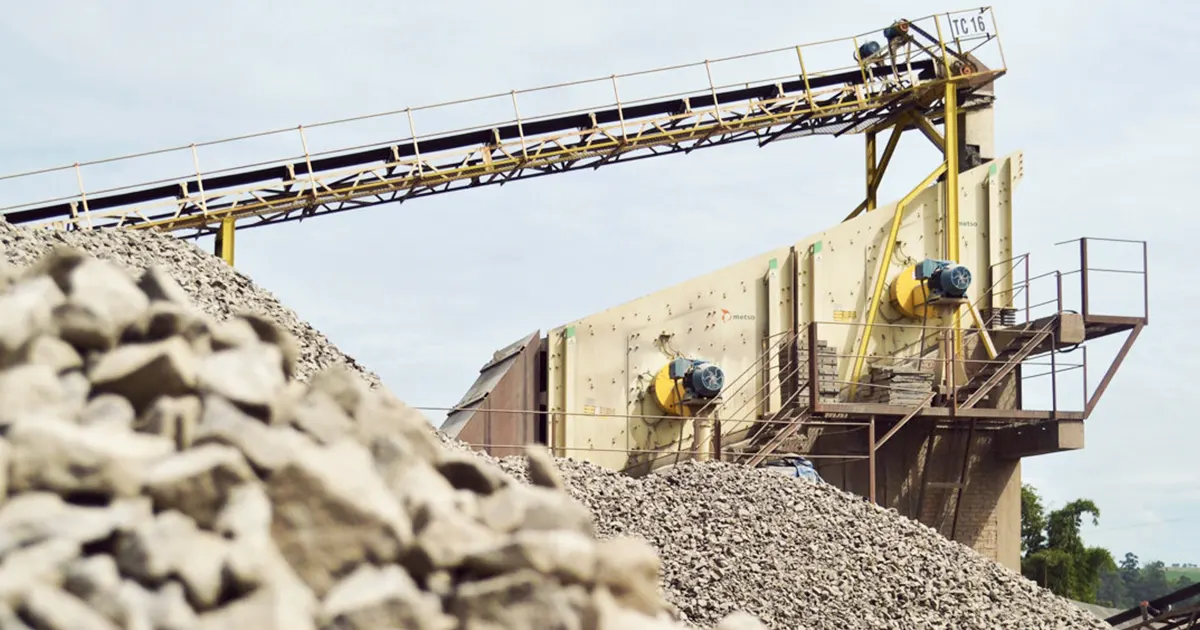
Vibrating screens are common in recycled aggregate plants. These machines shake and move material over the screen. Their main job is to sort crushed material by size. There are many types of vibrating screens. All of them use vibration to help separate pieces. Some screens have special shapes, like the Banana BIVITEC. These can handle tough materials and help you process more. If your recycled aggregates are sticky or wet, a vibrating screen can help. It stops problems like plugging and blinding. When you pick the right vibrating screen, you get better results and less downtime.
Inclined vs Horizontal Screens
You may wonder how inclined and horizontal vibrating screens are different. Inclined screens are set at an angle. Gravity helps move material down the screen. This makes them good for sorting big pieces and handling lots of material. They are strong and last a long time. But inclined screens are not as good for fine materials.
Horizontal vibrating screens are flat. They use vibration to move material across the screen. These screens are good for sorting fine aggregates. You get more control with a horizontal screen. But they usually process less material at once. You may also need to do more maintenance on them. If you want to sort fine particles, a horizontal vibrating screen is a good choice.
Tip: Use an inclined vibrating screen for big jobs with large chunks. Use a horizontal vibrating screen for fine, clean separation.
Mesh Size and Measurement
Mesh size is important when you choose a vibrating screen. Mesh size tells you how many holes are in one inch of screen. A bigger mesh number means the holes are smaller. Mesh size controls what size material can pass through. Aperture is the real size of each hole. Wire diameter is how thick the wires are. Thick wires last longer and can hold heavy loads. Thin wires are better for fine screening.
Here is a quick look at the main terms:
| Term | Description |
|---|---|
| Mesh Size | Number of holes per inch; higher numbers mean smaller holes |
| Aperture | Actual size of each hole; controls what passes through |
| Wire Diameter | Thickness of each wire; affects strength and durability |
You can measure mesh size with simple tools. Use a caliper for big holes over 4 mm. Use a linen tester or optical scanner for small holes. Use a micrometer to check wire thickness. When you pick a vibrating screen, match the mesh size to your material. Small mesh is for fine materials. Wide openings are for large chunks. Always check wire diameter to make sure your screen lasts.
Note: The right mesh size and wire diameter help your vibrating screen work well and last longer.
Why Screen Media Matters
Size Control and Consistency
A vibrating screen helps you control material size. This is important for meeting the right specs. If your screen media is wrong, you get too many fines or big pieces. This can mess up your mix and lower quality.
Check out this table. It shows how good screening helps you:
| Benefit | Explanation |
|---|---|
| Enhanced product quality | Screening lets only the right size material move on. This keeps out bad pieces. |
| Improved process efficiency | Good screening removes waste early. This saves time and resources. |
| Maximized resource recovery | Accurate screening helps you get more good material from waste. |
A vibrating screen keeps your material the same size. This means your customers get the same quality every time. You also waste less and save money.
Tip: Always look at your vibrating screen for damage. A broken screen can let wrong sizes get through.
Throughput and Efficiency
The vibrating screen you pick changes how much you can process. Some screens move material fast. Others hold it longer for better sorting. You need to match your screen to your job.
Here are some things that change how well your screen works:
- Material characteristics: Size, moisture, and shape all matter.
- Screen type and motion: Inclined screens use gravity. Horizontal screens keep material on longer.
- Separator purpose and capacity: Think about how much you want to process and what size you need.
- Screen media: Woven wire, rubber, and polyurethane all work in different ways.
- Operational conditions: Feed rate, bed depth, and vibration settings change your results.
If you want to work faster, try a high-vibration wire screen. These screens shake 6,000 to 10,000 times each minute. They knock off stuck material and keep your screen clear. This is good for sticky jobs, like recycled asphalt pavement.
Picking the right vibrating screen saves labor and downtime. You also get more from your equipment.
Wear Life and Downtime
You want your vibrating screen to last a long time. If your screen wears out fast, you spend more on repairs. Downtime hurts your whole operation.
Some screen media, like rubber or polyurethane, last longer than wire. But you need to think about your material. If you run sharp or heavy pieces, your screen will wear faster. Always check your screen for holes or tears.
Note: Check your vibrating screen often. Small fixes now can stop big problems later.
When you pick the right vibrating screen, your plant keeps running. Your aggregates stay the right size. You also save time and money.
Challenges in Recycled Aggregate Screening
Abrasion and Irregular Particles
You deal with tough materials every day. Abrasion makes your screen media wear out fast. Sharp or rough recycled aggregates cause more damage. Irregular shapes make screening harder for your plant. Spherical particles go through mesh openings easily. Angular or long pieces get stuck in the mesh. Using the wrong screen media leads to blinding and uneven wear. Early failures mean you need more maintenance and spend more money.
Picking the right screen media for your vibrating screen is very important. Polyurethane screens last much longer than wire mesh screens. Look at this table:
| Screen Media Type | Longevity | Cost Effectiveness |
|---|---|---|
| Polyurethane | 3–10x longer than wire mesh | Lower cost per ton due to reduced downtime |
You want your plant to work well. If you choose the wrong media, you fix screens more often. You spend less time making good aggregates.
- Spherical particles move through mesh openings easier than angular or long materials.
- Wet particles stick together because of moisture. This makes screening harder and stops proper sorting.
Fines, Moisture, and Clay
Fines, moisture, and clay make screening difficult. Damp material sticks together when you feed it into your vibrating screen. Clay acts like glue and spreads across the screen. It blocks holes and slows production. High fines content reduces open area and makes screening less effective.
Here’s a quick look at how these factors change screening:
| Factor | Mechanism | Affects |
|---|---|---|
| Moisture content (2–5%+) | Water makes particles stick together and to the wire | Blinding |
| Clay or fine-soil content | Clay forms a sticky paste that covers holes | Blinding |
| High fines content overall | Too many fine particles block the deck surface and reduce open area | Both |
Blinding happens when material plugs the holes. Clogging is when sticky material sticks to the deck. Carryover means fine or wet material does not pass through the screen. Low throughput slows your plant down.
Tip: If your vibrating screen slows down, check for moisture and clay. Clean your screens often to keep aggregates moving.
Blinding, Pegging, and Contaminants
Blinding and pegging block your vibrating screen and lower efficiency. Plugged screen openings waste time and material. Moisture and sticky substances cause fines to build up. This traps bigger particles. Irregular shapes make pegging worse. Too much material creates a thick bed and more blinding.
You want clean aggregates, but contaminants can sneak in. If you ignore these problems, your vibrating screen works harder and wears out faster. Watch your screen and clear blockages quickly.
Note: Regular maintenance and the right screen media help you stop blinding and pegging. Your plant stays efficient and your aggregates stay high quality.
Screen Media Options
Woven Wire Screens
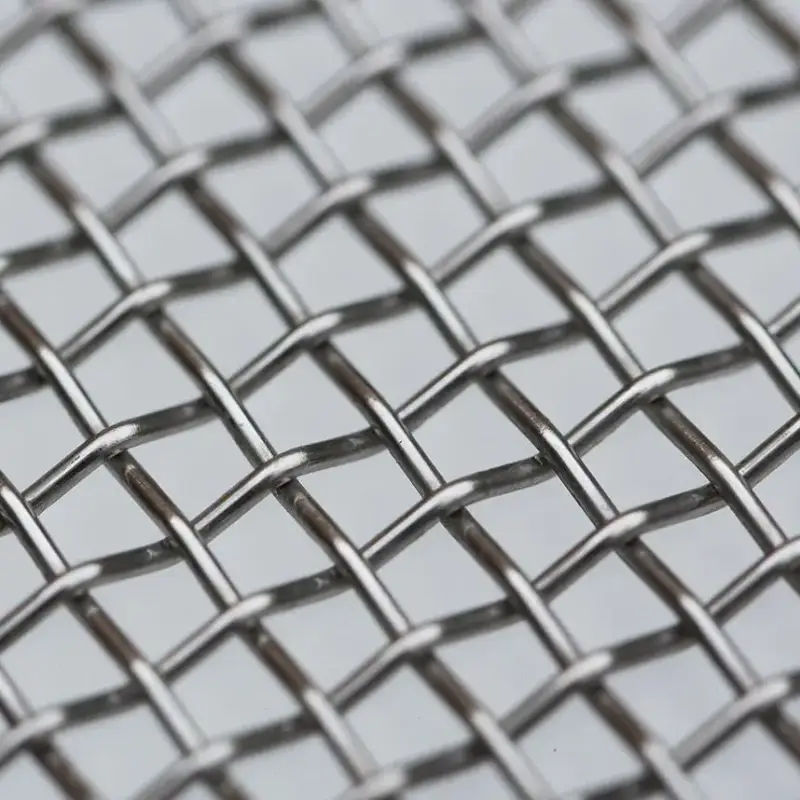
Woven wire screens are a common choice for vibrating screens. Many recycling plants use them for tough jobs. These screens are made from steel wires woven together. You can pick how thick the wires are and how big the holes are.
Applications and Pros/Cons
Woven wire screens are good for sorting big, rough, or sharp recycled aggregates. They work well when you want fast screening and easy care.
Pros:
- The simple design makes them easy to put in and take out.
- They cost less at first than other screen types.
- They are strong and can handle big jobs.
Cons:
- They do not last as long, especially with sharp or rough materials.
- They make more noise when working.
- They are not as bendy as other screens.
- They can get blocked if you screen sticky or wet materials.
Tip: If you want a screen that is easy to change and works for most dry, clean aggregates, woven wire is a good choice.
Polyurethane Panels
Polyurethane panels are a newer choice for many screening plants. These panels are made from strong, bendy plastic that does not wear out fast. You see them where materials are rough or when you need exact sizes.
Applications and Pros/Cons
Polyurethane panels are best for fine, rough, or corrosive recycled aggregates. Their design stops clogging and keeps screening working well.
Pros:
- They are very tough and can take a lot of hits.
- They make less noise when running.
- They are bendy and do not clog easily.
- They last a long time—three to five times longer than wire mesh.
Cons:
- They cost more at first.
- You need to check and care for them more because of moving parts.
- They are heavier than wire screens, so putting them in can be harder.
Note: Polyurethane panels are a good pick if you want less downtime and better results with rough or sticky materials.
Self-Cleaning Screens
Self-cleaning screens are very helpful for wet, sticky, or hard-to-screen recycled aggregates. These screens use special wires or bendy parts that move when the screen shakes. This movement knocks off stuff that could block the holes.
Applications and Pros/Cons
You should use self-cleaning screens if your material has lots of water, clay, or small pieces. They keep the screen clear and help you avoid stopping work.
Pros:
- They are great at stopping blinding and pegging.
- They keep the material moving, even with sticky stuff.
- They cut down on the need to clean by hand.
Cons:
- They cost more than regular wire screens.
- They may not last as long as polyurethane in very rough jobs.
- They can need more care when setting up and tightening.
Tip: If you often have blocked screens, self-cleaning screens can save you time and keep your plant working well.
Quick Selection Advice:
- Look at your material’s size, wetness, and roughness before picking a screen.
- Think about how much you need to screen and how often you want to change screens.
- The right screen media can help you work better and save money.
Rubber Screens and Plates
Rubber screens and plates give you a tough option for recycled aggregate screening. You might see them in places where rocks hit hard and wear out other screens fast. Rubber bends and absorbs shock. This means it can handle big impacts without breaking. If you work with sharp, heavy, or rough materials, rubber screens can help your plant last longer.
Applications and Pros/Cons
You can use rubber screens for coarse screening jobs. They work best when you need to sort large, rough pieces. Rubber screens also do well in high-abrasion environments. They can take a beating and keep working. If you need to change screens often, rubber makes it easy. The flexible design lets you swap out panels quickly.
Here’s a quick look at how rubber screens compare to polyurethane in tough jobs:
| Screen Type | High-Impact Performance | High-Abrasion Performance |
|---|---|---|
| Polyurethane | Excellent, with longer wear life in wet conditions | Superior abrasion resistance, lasting 2-6 times longer than steel wire mesh |
| Rubber | Designed for extreme impacts, high efficiency | Effective in high abrasion environments, quick screen change capabilities |
Pros:
- Rubber screens absorb shock. You get less noise and less damage.
- They last a long time in rough jobs.
- You can change them fast, which means less downtime.
- They resist blinding and plugging better than wire mesh.
Cons:
- Rubber screens have a lower open area. This means less material passes through at once.
- They may not work as well for fine screening.
- The panels can be heavy, so you might need help to install them.
Tip: If your plant handles a lot of big, sharp, or heavy recycled aggregates, rubber screens can save you money on repairs and downtime.
Vibrating Screen Media Comparison
You have a lot of choices when it comes to screen media. Each type has its own strengths. Here’s a table to help you compare the main options:
| Screen Media Type | Open Area (%) | Wear Life | Efficiency | Application |
|---|---|---|---|---|
| Woven Wire | 50-70 | Moderate | Good | Versatile |
| Polyurethane | 30-40 | High | Moderate | Wet/Dry |
| Rubber | Low | Very High | Low | Coarse |
| Hybrid | Moderate | High | High | Dry |
If you want high throughput, woven wire gives you the most open area. Polyurethane and rubber last longer, especially in wet or rough jobs. Rubber works best for coarse material and heavy impacts. Hybrid screens mix materials to give you a balance of life and efficiency.
Note: Always match your screen media to your material and job needs. The right choice keeps your plant running and your aggregates on spec.
Choosing the Right Screen
Material Condition Table
Picking the best screener for your recycled aggregate plant starts with knowing your material. Every job is different. Some materials are dry and clean. Others are wet, sticky, or full of sharp pieces. You need to match your screener to the real conditions at your site. This table helps you see which screen media works best for each situation:
| Material Condition | Recommended Screen Media | Why It Works |
|---|---|---|
| Dry, clean, coarse | Woven wire | High open area, fast screening |
| Wet or sticky | Polyurethane, self-cleaning | Resists blinding, easy to keep clear |
| High abrasion, sharp edges | Polyurethane, rubber | Long wear life, absorbs impact |
| Fine, moist, lots of clay | Self-cleaning, polyurethane | Prevents plugging, keeps material moving |
| Heavy impact, large chunks | Rubber | Handles shock, reduces noise |
Tip: Always check your material before you pick a screener. The right match saves you time and money.
Step-by-Step Selection
You might wonder how to size and select a vibrating screen for your plant. The process is easier when you break it down into steps. Here’s a simple guide to help you choose the right screener every time:
- Analyze Your Material
Look at what you need to screen. Is it big or small? Is it wet or dry? Does it have sharp edges or lots of fines? - Check Material Behavior
See if your material flows easily or if it sticks together. Sticky material needs a different screener than dry, loose aggregate. - Pick the Right Screen Media
Choose woven wire for dry, clean jobs. Go with polyurethane or rubber for tough, abrasive, or wet material. Self-cleaning screens work best for sticky or clay-heavy loads. - Match Mesh Size and Type
Use the right mesh size for your target product. Make sure the screener can handle your throughput. - Think About Wear and Maintenance
Select screen media that lasts long and is easy to change. This keeps your screener running and cuts downtime. - Prevent Problems
Pick media that stops plugging and blinding. This keeps your screener working at top speed.
Note: If you follow these steps, you avoid costly mistakes and get the most from your screener.
Supplier Evaluation
Choosing a good supplier for your screener and screen media is just as important as picking the right equipment. You want a partner who understands your needs and helps you keep your plant running. Use this table to compare suppliers:
| Criteria | What to Look For |
|---|---|
| Material Type | Can the supplier handle your aggregate’s size and shape? |
| Production Capacity | Does the screener meet your tons per hour (TPH) needs? |
| Durability | Will the screen media last with your material’s wear and tear? |
| Ease of Maintenance | Is it easy to clean and replace parts on the screener? |
| Energy Efficiency | Does the equipment save power during operation? |
| Customization Options | Can the supplier offer custom screens or help with installation? |
| After-Sales Support | Do they provide training, spare parts, and technical help? |
| Price vs Long-Term Value | Will you save money over time with better efficiency and durability? |
Tip: Don’t just look at the price tag. A good screener supplier helps you avoid downtime and keeps your plant running smoothly.
When you take the time to match your screener to your material and work with the right supplier, you set your plant up for success. You get better product quality, less downtime, and more profit from every load.
Key Buying Factors
Aperture and Wire Diameter
When you pick a screen for recycled aggregates, you need to look at both aperture size and wire diameter. These two factors change how your screen works and how long it lasts.
- The mesh size, or aperture, controls how much material can pass through. If you want to screen a lot of material fast, you need a bigger aperture.
- Aperture size also decides what size particles you can separate. This is key for getting the right product quality.
- Wire diameter tells you how thick the wires are. Thicker wires make the mesh stronger and help it last longer, especially when you deal with rough or sharp materials.
If you use a screen with small apertures and thin wires, you get fine material but the screen may wear out faster. If you use thick wires and large apertures, you get more strength and speed, but you might lose some accuracy. Always balance these factors based on your plant’s needs.
Tip: Check your material size and how rough it is before you choose your mesh. The right match keeps your screen working longer and your product on spec.
Panel Size and Hook Type
Panel size and hook type make a big difference when you install and maintain your screen media. You want something that fits your equipment and is easy to handle.
- Many panels, like DURO-DECK®, come in different materials. You can pick what works best for your job.
- Modular panels let you use different installation methods. You might see pin style, snap, or tension systems. These options make it easier to swap out panels when you need to.
- Some screening systems, like Metso’s, use self-supporting panels with steel and cord reinforcement. This design gives you more durability and flexibility for tough jobs.
Polyurethane tension screens are another good choice. They have a user-friendly design. You can install or replace them quickly. This means you spend less time on maintenance and more time running your plant.
| Panel Feature | Benefit |
|---|---|
| Modular design | Easy installation and change |
| Reinforced panels | Longer life and more strength |
| Quick tension hooks | Fast maintenance |
Note: Always check your panel size and hook type before you order. The right fit saves you time and trouble.
Compatibility and Maintenance
You want your screen media to fit your equipment without any problems. If your screen matches your plant, you get better results and less downtime.
- Durex Screen Media fits right into most operations. You don’t need to change your setup.
- When your screen matches your material and machine, you don’t have to replace it as often.
- Good compatibility means your plant runs smoother. You save money on repairs and keep your costs down.
- The right screen media can solve common problems in aggregate processing. You get better performance than with old-style screens.
If you pick a screen that’s easy to clean and replace, you spend less time on maintenance. You keep your plant running and your aggregates on spec.
Tip: Ask your supplier if the screen media will fit your current equipment. A good match means less hassle and more uptime.
Cost and Replacement Frequency
When you choose screen media for recycled aggregate screening, you need to think about both cost and how often you will need to replace the screens. These two factors can change how much money you spend over time. Some screens cost less at first but wear out quickly. Others cost more but last much longer. If you want to keep your plant running and save money, you need to find the right balance.
Let’s look at the main types of screen media you might use:
| Screen Media Type | Replacement Frequency | Cost Range | Pros | Cons |
|---|---|---|---|---|
| Woven Wire Screen Cloth | Shorter wear life | Least expensive | Most widely used, greater number of holes, easiest to replace | Shorter wear life |
| Rubber Screen Panels | Longer life | Higher upfront cost | Can withstand heavier materials, long-lasting | Fewer openings than wire screens |
| Polyurethane Screen Media | Longer life | Higher upfront cost | More durable, reduces plugging | Less open area reduces throughput |
You might pick woven wire screens if you want to spend less money at first. These screens are easy to change and have lots of holes for material to pass through. They wear out faster, though. You may need to replace them more often, especially if you screen rough or sharp materials. If you do not mind changing screens more, this can be a good choice for you.
Rubber screen panels and polyurethane screen media cost more when you buy them. They last much longer than woven wire. You will not need to stop your plant as often to change them. This means you save time and money on labor. Rubber screens work well with heavy, rough materials. Polyurethane screens are tough and help stop plugging, but they have fewer holes, so you might not move as much material at once.
Tip: Think about how much downtime costs you. Sometimes, paying more for a screen that lasts longer can save you money in the long run.
Here are a few things to ask yourself before you buy:
- How often do you want to stop your plant to change screens?
- Do you want to spend less now or save more over time?
- Is your material rough, sharp, or sticky?
If you screen a lot of rough or wet material, you may want to pay more for rubber or polyurethane. If your material is dry and not too rough, woven wire might work fine.
Remember, the cheapest screen is not always the best deal. You want a screen that fits your plant, your material, and your budget. When you pick the right screen, you spend less time fixing problems and more time making good recycled aggregates.
Mistakes to Avoid
Ignoring Material Conditions
You might think any screener will do the job, but that is not true. If you ignore your material’s real condition, you can run into big problems. Every screener works best with certain types of recycled aggregate. Dry, clean material moves through a screener fast. Wet or sticky material can block the mesh and slow everything down. Sharp or rough pieces can wear out your screener before you know it.
Here are some common mistakes people make with material conditions:
- Not checking if the screener can handle the size and shape of your material.
- Forgetting about moisture. Wet material can blind your screener and stop production.
- Using the wrong screener for sharp or abrasive aggregates. This can lead to early wear and more downtime.
Tip: Always look at your material before you pick a screener. The right match keeps your plant running and your aggregates on spec.
Focusing Only on Price
It’s easy to look for the cheapest screener or screen media. You want to save money, right? But if you only focus on price, you might spend more in the long run. A low-cost screener may not last. You could end up replacing it often or dealing with more downtime. That means lost time and lost profits.
Think about these points when you choose a screener:
- Does the screener fit your plant’s needs, or are you just picking the lowest price?
- Will the screener last with your material, or will you need to replace it soon?
- Can you get help or spare parts if something goes wrong?
A good screener gives you value, not just a low price. It keeps your plant working and your aggregates high quality.
Skipping Testing
You might feel ready to buy a screener after reading specs or seeing a good deal. But skipping testing is a mistake. Every plant is different. What works for one screener may not work for yours. Testing helps you see if the screener can handle your material and your production needs.
Here’s what happens when you skip testing:
- You might choose a screener that plugs up or wears out too fast.
- You could miss problems with moisture or fines that slow down your plant.
- You may not see how easy it is to clean or change the screener until it’s too late.
Note: Always test your screener with your real material before you buy. This step saves you time, money, and headaches.
If you avoid these mistakes, you set your plant up for success. The right screener makes your job easier and your recycled aggregates better.
Conclusion
You want your recycled aggregate plant to run smoothly and make top-quality products. Match your screen media to your material and plant needs for the best results. Use the selection tables and steps in this guide to help you choose.Before choosing a screen for recycled aggregate, check your material condition, target size, moisture level, and wear requirements. The right screen media can help improve sizing accuracy, reduce downtime, and keep your final product consistent.
As a screening media manufacturer, we provide woven wire screens, polyurethane screen panels, self-cleaning screens, and custom screen solutions for recycled aggregate and construction waste screening. Share your material details and screen machine model with us, and our team can help you choose a suitable screen for your operation.
FAQ
What is the main job of a vibrating screen?
You use a vibrating screen to sort crushed material by size. The screen shakes and moves the material. This helps you get clean, even aggregates for your projects.
How do I know which mesh size to pick?
Check the size of your material. For big pieces, use a larger mesh. For fine material, pick a smaller mesh. You want the mesh to match your target product size.
Can I use the same screen for wet and dry materials?
You should not. Wet or sticky materials need polyurethane or self-cleaning screens. Dry, clean materials work well with woven wire screens. The right screen stops clogging and keeps your plant running.
How often should I check my screens for wear?
Check your screens every week. Look for holes, tears, or plugged areas. Quick checks help you catch problems early and avoid downtime.
What causes blinding and pegging?
Blinding happens when fine or wet material blocks the holes. Pegging means larger pieces get stuck in the mesh. Both slow down your screening and lower your output.
Is a more expensive screen always better?
Not always. You need to match the screen to your material and plant. Sometimes, a higher-cost screen lasts longer and saves money. Other times, a simple woven wire screen works best.
How do I clean a blocked screen?
Stop your plant. Use a brush or air to clear the mesh. For sticky material, try water spray or self-cleaning screens. Clean screens work better and last longer.
Can I mix different screen media in one plant?
Yes, you can. Many plants use different screens for each deck. This helps you handle different materials and get the best results.