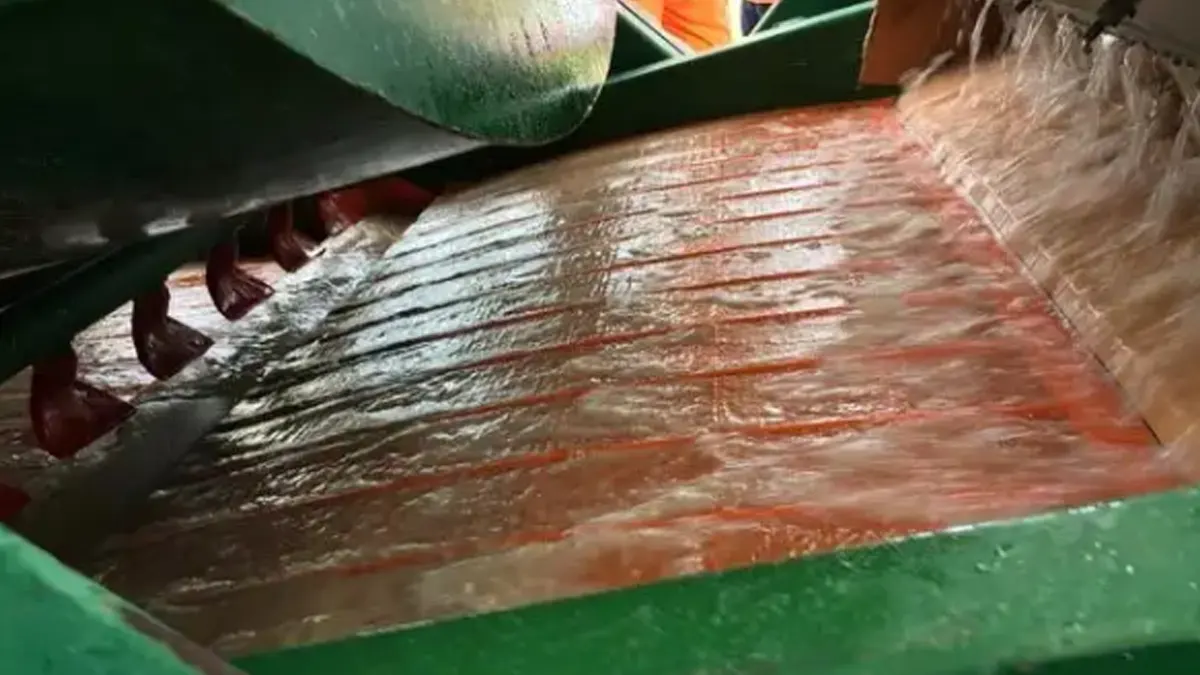
If you work with Silica Sand Screening, you know it is hard. Wear, blinding, and downtime slow you down a lot. Polyurethane screen panels make things much better. These panels last up to five times longer than wire screens. They also help stop clogging. You get more sand through and better results. Look at how polyurethane compares:
| Benefit Type | Polyurethane Screen Panels | Traditional Screen Media |
|---|---|---|
| Wear Resistance | Superior | Lower |
| Anti-Blinding | Yes | Limited |
| Open Area | High | Lower |
| Screening Efficiency | Improved | Standard |
With polyurethane, you fix screens less often. You spend more time getting clean and accurate sand.
Key Takeaways
- Polyurethane screen panels last much longer than wire or rubber screens. You do not need to replace them as often.
- These panels stop clogging and blinding. Sand screening is smoother and faster. Wet or sticky materials do not slow it down.
- Using polyurethane panels can cut downtime a lot. This saves your plant time and money on repairs.
- Polyurethane screens work well for a long time. They keep sand sizing accurate and output high-quality.
- Polyurethane panels are light. This makes installation quick and easy. You do not need special tools or extra help.
- Polyurethane panels make the plant quieter. They lower noise by up to 20 decibels. This makes work safer and more comfortable.
- You can change the aperture shapes. This helps you screen different sand types better. It improves efficiency and reduces waste.
- Polyurethane panels cost more at first. But they save money later because you do not need much maintenance or replacements.
Silica Sand Screening Needs and Challenges
Accurate Sizing Demands
You want your silica sand screening process to deliver the right size every time. Accurate sizing is not just about numbers. It shapes the quality of your final product. When you use the correct screen panels, you get sand that works well for casting and other uses. If you miss the right size, you can run into big problems. Here’s why sizing matters:
- The size of sand particles changes the strength, texture, and surface finish of molds and cores.
- Good sizing helps you avoid defects like gas bubbles, rough surfaces, and weak molds.
- Fine sand gives a smooth finish but can block airflow, causing flaws.
- Coarse sand lets air move but might make the surface rough or weak.
If you use polyurethane panels for silica sand screening, you can keep sizing more stable. This means fewer headaches and better results for your plant.
Moisture and Blinding Issues
Moisture is a real challenge in silica sand screening. Wet sand likes to stick together. When this happens, your screens can blind or clog. You might notice the sand building up on the screen surface. This slows down your process and lowers your output. You spend more time cleaning and less time producing.
Polyurethane panels help fight blinding. Their flexible surface shakes off sticky sand. You get less downtime and more consistent screening. When you deal with moisture, you want a screen that keeps working. Polyurethane gives you that edge. You can keep your plant running, even when the sand is wet.
Abrasive Wear Problems
Silica sand is tough on your equipment. The grains act like tiny cutting tools. Over time, they wear down your screens. This is called abrasion. If you use the wrong screen, you will see holes, tears, and lost efficiency. You might need to replace screens often, which costs time and money.
Let’s look at how different materials handle abrasion and corrosion:
| Material | Corrosion Resistance | Abrasion Resistance | Best For | Relative Cost |
|---|---|---|---|---|
| 304 Stainless Steel | Good | Good | General-purpose dry and wet screening | $$ |
| 316 Stainless Steel | Excellent | Good | Corrosive chemicals, saltwater, chloride | $$$ |
| T430 Stainless Steel | Moderate | Very good | Abrasive dry materials, nickel-free | $$ |
Heavier wires can last longer, but they still wear out with enough abrasion. If you use polyurethane panels, you get better abrasion resistance. Polyurethane stands up to tough sand and keeps working longer. You also avoid problems from harsh cleaning methods. Regular checks and the right cleaning tools help your screens last even longer. With polyurethane, you spend less time fixing and more time screening.
Silica sand screening is demanding. You face sizing, moisture, and abrasion challenges every day. Polyurethane panels help you tackle these problems head-on. You get better abrasion resistance, less blinding, and more uptime for your plant.
Throughput and Downtime
You want your silica sand plant to run fast and smooth. Throughput means how much sand you can screen in a set time. Downtime means the moments when your machines stop working. Both matter a lot. If you lose throughput or have too much downtime, you lose money and time.
Let’s look at what happens in real plants:
- One silica sand plant in China saw a 70% jump in throughput after switching to better screening equipment. They reached 98% mesh use. That means almost all the screen area worked to move sand.
- Many plants lose 15–20% of their work time because they stop to clean or replace screens. That is a big chunk of your day.
- When you use polyurethane, you can cut downtime by 63% each year. Some plants save up to $740,000 because they do not stop as often.
You want to keep your machines running. Polyurethane helps you do that. These panels last three to five times longer than steel screens. You do not need to stop for repairs or cleaning as much. That means more sand gets through your plant and less time is wasted.
Polyurethane also keeps your screening steady. When you use old wire or steel screens, they wear out fast. You might see holes or tears. That means you have to stop and fix things. Every stop costs you time and money. Polyurethane panels stand up to tough sand and heavy use. You get more hours of work before you need to change them.
Here’s why you want less downtime:
- You spend less on labor and repairs.
- You get more sand out the door.
- Your team feels less stress because things run smoother.
Polyurethane does more than just last longer. It also helps you keep your throughput high. The panels do not clog as much. They shake off sticky sand. You do not have to clean them as often. That means your plant keeps moving, even when the sand is wet or fine.
If you want your silica sand screening to work better, think about switching to polyurethane. You will see fewer stops, more sand, and happier workers. Your plant will thank you.
Polyurethane Screen Panels Overview
Material and Structure
You may wonder why polyurethane screen panels are special. These panels use advanced polyurethane chemistry. This gives them great wear resistance and flexibility. They can handle tough jobs without breaking. Polyurethane panels stand up to heavy loads and rough sand. You do not have to worry about holes or tears as much. Polyurethane also resists chemicals. You can use these panels in harsh places without trouble. Polyurethane panels feel lighter than metal or rubber screens. This makes them easier to install and move. Your team will find handling them simple. Many manufacturers now make eco-friendly panels. Some use recyclable or bio-based polyurethane. This helps your plant and the planet.
Modular Design Benefits
Polyurethane panels often come in modular systems. You can change out single panels fast. This saves you time and effort. The panels are light, so you do not need big tools. You also do not need extra help. Polyurethane panels last a long time. You will not need to replace them often. They resist wear, corrosion, and rust. These panels also stop clogging. The self-cleaning effect keeps sand moving. You spend less time on maintenance. Your plant stays busy and you fix screens less.
Here is a quick look at how modular design helps:
| Benefit | Contribution to Efficiency and Maintenance |
|---|---|
| Quick Replacement | Makes maintenance faster and easier. |
| Lightweight Nature | Makes installation simple and quick. |
| Durability | Panels last longer, so you replace them less. |
| Anti-Clogging Capability | Stops buildup and keeps things running smoothly. |
| Noise Reduction | Makes work quieter and safer for everyone. |
Polyurethane panels also make your workplace quieter. They absorb noise. This helps your team work in a safer and more comfortable place.
Comparison with Other Media
You may wonder how polyurethane compares to wire or rubber screens. Polyurethane screens last much longer than the others. In tough mining, they can last 6,000 to 12,000 hours. Wire mesh screens last only 1,500 to 3,000 hours. You do not have to replace screens as often. This saves you money. Polyurethane screens also cut downtime by up to 80%. You spend less on fixing and labor.
Look at this table:
| Parameter | Woven Wire | Polyurethane (PU) | Rubber |
|---|---|---|---|
| Typical service life | 1.5 – 2.5 months | 12 – 18 months | 3 – 4 months |
| Open area | 70 – 85% | 70 – 85% | 40 – 60% |
| Abrasion resistance | Baseline (1×) | 8 – 10× wire | 3 – 5× wire |
| Impact resistance (large feed) | Poor — wire breaks at crimp points | Good | Excellent |
| Noise reduction vs. steel wire | None | 5 – 10 dB lower | 10 – 15 dB lower |
| Anti-blinding / self-cleaning | Weak | Excellent (tapered aperture) | Good (elastic flex) |
| Wet / corrosive environments | Poor (rust risk on carbon steel) | Excellent | Good |
Polyurethane gives you the best mix of strength, efficiency, and quiet. It works well with wet and rough sand. The self-cleaning effect keeps screens clear.
If you want a screen that lasts, works quietly, and keeps your plant running, polyurethane is a smart choice.
Polyurethane Screen Media Advantages
Superior Wear Resistance
You want your screen media to last a long time. Polyurethane helps with this. It is much tougher than rubber or wire. Polyurethane stands up to hard silica sand better. This means you do not need to replace it as often. You also get less downtime. Look at this table to compare:
| Material | Wear Resistance | Lifespan |
|---|---|---|
| Rubber | Medium-hard materials | 3–6 months |
| Polyurethane | 3–5 times more resistant | 6–12 months |
Polyurethane lasts much longer than rubber. This saves you money and keeps your plant working. You do not have to stop often to change panels. More sand gets screened and less time is wasted.
Anti-Blinding and Anti-Blocking
Blinding and blocking slow down your work. Wet or sticky sand can clog screens fast. Polyurethane screen media helps stop this problem. Some panels, like Polyweb urethane screens, have special shapes. These shapes let sand move through without getting stuck. The flexible surface also shakes off sticky sand.
You will not need to clean as much. Your team spends more time screening and less time fixing things. Polyurethane is tough and works in many places. You can use these panels in different conditions. They keep working well. Plants that switch to polyurethane see up to 80% less maintenance and downtime than with wire screens. That is a big help for your plant.
High Open Area Efficiency
You want your screens to work well and last long. Polyurethane screen media gives you both. Sometimes, polyurethane has less open area than wire screens. This can mean less sand goes through at once. But polyurethane lasts much longer and handles wet, rough sand easily. Here are some things to remember:
- Polyurethane screens may have less open area, so throughput can be lower.
- These panels are very strong and work well with wet, rough sand.
- Use polyurethane if the longer life and less maintenance save you more money than the small loss in output.
Polyurethane screen media is best when you need tough and flexible panels. You can count on these panels to keep screening well, even when things get hard. They help you deal with changes in sand and moisture without problems.
Tip: If your plant has wet or rough sand, polyurethane screen media is a good choice. You get steady work and fewer problems.
Stable Screening Performance
You want your silica sand screening to stay steady day after day. That is where polyurethane panels really shine. When you use these panels, you get a screen that keeps working the same way, even after months of heavy use. You do not have to worry about sudden drops in performance or surprise breakdowns.
Polyurethane panels have a special design. The material has elastic memory. This means the panel can flex and bounce back to its original shape. When heavy sand hits the screen, the panel does not crack or lose its form. You get a steady flow of sand through the screen. Your sizing stays accurate, and your product quality does not slip.
Let’s look at what makes polyurethane so stable:
- The panels resist wear three to five times better than steel screens. You do not need to replace them as often.
- The non-adhesive surface keeps sand from sticking. You see fewer clogs and less blinding. Your screening stays smooth.
- The precision-molded holes keep their size and shape. You get the same cut size every time, which means your sand meets the right specs.
You will notice that your plant runs with fewer stops. Polyurethane panels do not change much over time. The open area stays the same, so your throughput does not drop. You do not have to adjust your process or worry about changing screen performance.
Here is why you will like this:
When you use polyurethane, you get 15% to 30% more processing capacity and screening efficiency. That means more sand, less waste, and better profits.
You can trust polyurethane panels to handle tough jobs. They work well with wet or abrasive sand. The panels do not rust or corrode, so you get the same results in every season. You spend less time checking and fixing screens. Your team can focus on running the plant, not on repairs.
If you want a screen that gives you stable, reliable results, polyurethane is the way to go. You will see steady output, happy workers, and better sand quality. That is what stable screening performance looks like.
How Polyurethane Panels Improve Silica Sand Screening
Reduced Downtime and Maintenance
You want your plant to work all the time. Downtime slows you down and costs money. Polyurethane panels help cut downtime a lot. These panels last much longer than metal or rubber screens. You do not need to stop for repairs as often. This lets you plan maintenance instead of fixing things suddenly.
Let’s see what happens when you use polyurethane:
| Improvement Type | Details |
|---|---|
| Mean Time Between Replacements | Longer, so you can plan maintenance |
| Change-out Times | Goes from hours to less than one hour |
| Labor Costs | Lower because you change panels less |
| Maintenance Efficiency Snapshot | Fewer changes mean less labor and downtime |
You notice the difference right away. Some plants cut labor from two hours a day to none. That saves over 260 work hours in six months. Polyurethane panels often last more than six months before needing a change. You do not lose time for routine screen replacement. Your team spends less time fixing and more time working.
Tip: With fewer stops and faster changes, you can focus on making sand, not repairs.
Enhanced Throughput and Product Quality
You want to move lots of sand through your screens. Throughput means how much sand you process in a set time. Polyurethane panels help you get more sand through. They keep working well, even after months of use. Metal screens lose efficiency quickly. After 30 days, you might see a 15% to 20% drop. Polyurethane panels only change about 3%. You get steady and reliable results.
Here’s a quick comparison:
| Advantage | Polyurethane Screen Panels | Metal Mesh |
|---|---|---|
| Lifespan | Over 180 days | Needs frequent changes |
| Screening Efficiency | Changes only 3% | Drops 15%-20% after 30 days |
| Contamination Risk | No metal debris | Metal debris can get in sand |
You also protect your sand quality. Polyurethane does not shed metal pieces into your sand. You avoid contamination and keep your sand clean. This helps your final product. Your customers get better sand. You get fewer complaints and better reviews.
When you use polyurethane, you see real results. You process more sand, keep quality high, and avoid lots of maintenance.
Noise and Energy Reduction
Screening plants can be very loud. High noise makes work hard and can be unsafe. Polyurethane panels help lower noise in your plant. They can cut noise by 10 to 15 decibels compared to rubber. This makes work more comfortable and safer for your team.
Polyurethane absorbs and spreads out vibration energy. This means less noise and less wear on your machines. The panels are lightweight. You can move them easily, which saves labor and energy. You do not need heavy tools or extra workers to handle them. This makes your operation run better.
- Polyurethane screens cut noise and make your plant nicer.
- The light design saves energy and labor costs.
- You get a safer, quieter, and more productive workplace.
Note: Lower noise and easy handling mean happier workers and less tiredness.
When you pick polyurethane, you help your plant and your team. You save energy, reduce noise, and keep things running smoothly.
Custom Aperture Options
You want your screening process to fit your needs. Polyurethane panels give you lots of choices. You can pick the right aperture shape and size for your silica sand. This means you get better results and less trouble with clogging or blinding.
Let’s look at the main aperture types you can choose:
| Opening Type | Best For | Key Benefit |
|---|---|---|
| Square | Precise particle separation | High screening efficiency |
| Slotted (Rectangular) | High throughput, wet or sticky materials | Less clogging, more flow |
Square openings help you separate sand by size. You get clean, accurate cuts. This works well when you need tight control over your product. Slotted apertures move more sand through. They handle wet or sticky sand without clogging. You can boost your throughput and keep your plant running.
Polyurethane panels let you mix and match aperture types. You can use square openings in one area and slotted in another. This helps you handle different sand grades or moisture levels. You can even change panels fast if your needs shift.
Here are some ways custom apertures make your life easier:
- You can swap panels without special tools. The panels are light and easy to handle.
- Modular design lets you replace just one panel, not the whole screen. You save time and money.
- Polyurethane screens last longer than wire screens. You spend less on repairs.
- Flexible surfaces shake off sticky sand. You get less blinding and more uptime.
You also get extra features with polyurethane panels. Some have hydrophobic coatings. These keep water out and stop mold from growing. Sealed edges help the panels keep their shape. You do not have to worry about water damage. Relaxation screening lets you separate wet or sticky sand without clogging.
If you want a screen that fits your plant, polyurethane gives you options. You can pick the right aperture for your sand. You can change panels fast and keep your plant moving. Customization helps you get the best results every day.
Tip: Try different aperture shapes to see what works best for your sand. You can boost efficiency and cut downtime with the right choice.
When to Choose Polyurethane Screen Panels
Wet and Abrasive Sand
Do you work with wet or rough sand? Regular screens wear out fast in these conditions. Wet sand sticks to screens and blocks holes. Abrasive sand scratches metal and rubber, causing damage. You have to stop machines to fix screens. This wastes time and money.
Polyurethane panels are strong in tough jobs. They last three to eight times longer than regular screens. You can rely on them, even with sharp or sticky sand. Their open design lets sand move quickly. You see less clogging and more sand produced. Many plants use polyurethane because it works well. If one panel wears out, you can replace just that panel.
Here’s why polyurethane is good for wet and rough sand:
| Feature | Benefit for Wet & Abrasive Sand |
|---|---|
| Wear Resistance | Lasts much longer than metal or rubber |
| Particle Retention | Keeps sand moving, less clogging |
| Maintenance | Fewer stops, easy panel replacement |
| Throughput | High, even with sticky or sharp sand |
Tip: Want fewer repairs and more work time? Try polyurethane panels in your hardest screening spots.
Dewatering and Washing Lines
Do you use dewatering or washing lines for silica sand? These lines need screens that handle lots of water and tiny sand. Regular screens often clog or break. You spend lots of time cleaning them.
Polyurethane panels are great for these jobs. They clean themselves by shaking off wet sand. You get high efficiency and less downtime. The panels resist wear and last longer, even when wet. You spend less time fixing and more time running your plant.
Look at this comparison:
| Property | Polyurethane Panels | Traditional Media |
|---|---|---|
| Self-Cleaning | Yes | No |
| Screening Efficiency | High | Moderate |
| Wear Resistance | High | Low |
| Durability | High | Moderate |
| Maintenance | Low | High |
You can use polyurethane panels for sorting, washing, and drying fine, wet sand. They stop tiny sand from sticking and let water drain out. Your sand dries faster and your screens last longer.
Fine Particle Screening
Screening tiny sand grains is hard. Small grains slip through or stick to screens. You want clean sand and the right size. Polyurethane panels help you do this.
These panels have exact openings for fine sand. Their flexible surface lets sand move without sticking. You get better separation and less waste. Polyurethane resists moisture and rust, so you can use it for wet jobs.
Here’s why polyurethane is good for fine sand screening:
- Longer life means fewer replacements.
- Lower maintenance saves money.
- Accurate separation keeps your sand on spec.
- Works well in wet or dry jobs.
If you need to screen fine sand or remove silt, polyurethane panels give you control and strength. You can trust them to keep your plant working well.
Plants Seeking Longer Service Life
Are you tired of changing out screen panels all the time? If you want your silica sand plant to run longer with fewer stops, you should look at polyurethane screen panels. These panels are built to last. You get more hours of work before you need to swap them out. That means less hassle for you and your team.
When you use polyurethane, you notice the difference right away. The panels stand up to tough sand and heavy loads. You do not have to worry about holes or tears showing up after just a few weeks. Many plant managers say they get three to five times more life from polyurethane panels than from wire or rubber screens. That is a big deal if you want to keep your plant running and avoid surprise breakdowns.
Let’s talk about why longer service life matters for your operation:
- You save money because you do not stop production as often. More hours of screening means more sand out the door and more profit for your business.
- You help the environment. When you use panels that last longer, you throw away fewer old screens. That means less waste and less need for new raw materials.
- You get steady, reliable results. Polyurethane panels keep working the same way, day after day. You do not have to worry about sand getting contaminated by broken wires or worn-out parts.
If you want to see these benefits, think about how much time your team spends on maintenance now. Every time you stop to change a screen, you lose valuable production time. With polyurethane, you can plan your maintenance instead of reacting to sudden failures. Your team can focus on running the plant, not fixing it.
Here’s a quick look at what you gain with longer-lasting polyurethane panels:
- Fewer replacements mean less time spent on repairs.
- Your plant runs smoother with fewer interruptions.
- You cut down on labor costs because you do not need as many emergency fixes.
- Your sand stays cleaner, and your customers stay happy.
Tip: If you want your plant to work smarter, not harder, try switching to polyurethane panels. You will see the difference in your bottom line and in your daily routine.
Choosing polyurethane is a smart move if you want less downtime, more uptime, and a plant that just keeps going.
Buying Considerations for Polyurethane Screen Media
Aperture and Panel Size
When you pick polyurethane screen panels, you need to think about the size of the holes and the size of the panels. These two things decide how well your silica sand screening works. They also affect how much you spend fixing or replacing panels. If you choose the wrong size, your screens might not work well. You could also end up spending more money later.
Here is a table that shows what you should think about:
| Factor | Description |
|---|---|
| Separation | The size of the particles you want to separate. |
| Accuracy | How precise you need the separation to be. |
| Capacity | How much sand you want to process at once. |
| Particle shape | The shape of your sand grains affects how they pass through the screen. |
| Moisture content | Wet sand can clog screens, so aperture size matters. |
| Bed depth | The depth of sand on the screen changes separation results. |
| Screen deck inclination | The angle of your screen affects sand flow and separation. |
| Stroke / motion of screen | The movement of the screen helps with separation. |
| Type of screening material | Different materials need different apertures. |
| Thickness of screening media | Thicker panels last longer but need bigger holes for the same separation. |
| Wet or dry screening | Conditions change what aperture and panel size you need. |
You should match the hole size to your sand. Square holes are good for most jobs. If your sand is sticky or wet, slotted holes help keep things moving. Thin panels let more sand through and give better accuracy, but they wear out faster. Thick panels last longer, but you need bigger holes, which can change your sand quality and cost.
- Thin panels give you more sand and better accuracy, but they do not last as long.
- Thick panels last longer, but you need bigger holes for the same job.
- The shape and pattern of the holes change how your sand moves and how much you spend on new panels.
Open Area and Efficiency
You want your polyurethane screens to have enough open area. Open area means the space where sand can fall through. If you pick panels with more open area, you get more sand and better results. Less open area means slower work and more stops, which costs more money.
Think about what your plant needs. If you screen fine sand, you need small holes and lots of open area. For wet or rough sand, you may need stronger panels with a little less open area. Polyurethane panels let you choose what works best. You can pick panels that help you save money and work better.
Tip: Always check the open area before you buy. More open area means more sand and lower cost.
Machine Compatibility
You need to make sure your polyurethane panels fit your machine. If you buy panels that do not fit, you waste money and time. Check the size, shape, and how the panels attach. Some machines need special panels or shapes. If you use modular panels, you can change just one panel instead of the whole screen. This saves money and keeps your plant working.
Polyurethane panels work with many machines, but you should always check first. If you use wet or rough sand, make sure your machine can use thick panels. If you want less noise and lower energy cost, look for panels that fit your machine’s vibration system.
- Always check the panel size and how it attaches.
- Modular panels help you save time and money.
- Make sure your machine can use the panel thickness and hole size.
If you pay attention to these things, your polyurethane screen panels will work better and cost less.
Installation and Wear Life
When you think about upgrading your silica sand screening, you want something that installs easily and lasts a long time. Polyurethane screen panels make both of these jobs simple. You do not need to change your machine or buy new equipment. Most polyurethane panels fit right where your old wire screens used to go. You just swap them out, and you are ready to run.
Here’s a quick look at what makes installation and wear life so much better with polyurethane:
| Feature | Description |
|---|---|
| Improved wear life | Offers up to 5 times the life of wire cloth. |
| Direct replacement | Can replace wire cloth without altering machine structure. |
| Higher open area | Provides better screening efficiency. |
| Dual-colored panels | Indicate when panels need to be replaced. |
| Quick changeouts | Resident pins allow for easy replacement without new pins. |
You will notice that polyurethane panels often come with smart features. Some have dual colors. When the top color wears off, you know it is time to change the panel. This makes maintenance easy. You do not have to guess or check every day. Just look at the color and you will know.
Changing out panels is fast. Resident pins hold the panels in place, so you do not need special tools or extra hardware. You can swap a worn panel in minutes. This means less downtime and more time making sand.
Let’s talk about wear life. Polyurethane panels stand up to tough, abrasive sand much better than wire mesh. In one plant, machines ran non-stop for five months without losing production. Before switching, the old wire screens failed every three to five weeks. That is a huge difference. You get more output and fewer headaches.
- Polyurethane panels let your machines run longer between changes.
- You spend less time on repairs and more time producing sand.
- Plants have seen over 10% more product output after switching to polyurethane.
You also get peace of mind. Polyurethane panels do not rust or corrode. They keep their shape and strength, even in wet or harsh conditions. You can trust them to last, whether you screen dry or wet sand.
Tip: If you want to boost your plant’s uptime and cut down on maintenance, choose polyurethane panels for your next screen change.
Conclusion
Polyurethane screen panels can make silica sand and aggregate screening more stable, especially when your material is wet, abrasive, or difficult to screen. Compared with many traditional screen plates, PU panels offer longer wear life, better anti-clogging performance, lower noise, and less frequent replacement. This helps your plant reduce downtime and keep production running more smoothly.
They may cost more at the beginning, but the longer service life and lower maintenance needs often make them a better long-term choice. For plants that deal with fine sand, wet material, or high-wear screening conditions, polyurethane screen panels can help improve efficiency and reduce daily operating problems.
As a screening media manufacturer, we produce polyurethane screen panels for silica sand, aggregate, mining, and quarry applications. We can customize aperture size, panel dimensions, opening type, and installation design based on your material, screen machine, and working conditions. Share your screening details with us, and our team can help you choose a suitable panel solution for your plant.
FAQ
What makes polyurethane screen panels better for silica sand?
Polyurethane panels last a long time. They do not wear out fast. You get less blinding and more time working. These panels work well with wet and rough sand. You do not have to fix screens as much.
Can I use polyurethane panels for wet sand?
Yes, you can use them for wet sand. Polyurethane panels shake off sticky sand. You see fewer clogs and screening stays steady. Your plant keeps running, even when sand is wet.
How often do I need to replace polyurethane screen panels?
You usually change polyurethane panels every 6 to 12 months. That is three to five times less than wire screens. You save money and have less downtime.
Are polyurethane panels easy to install?
You can put in polyurethane panels quickly. Most fit where your old screens were. You do not need special tools. Modular panels make changes fast and easy.
Do polyurethane panels reduce noise in my plant?
Polyurethane panels soak up vibration and lower noise by up to 20 decibels. Your plant is quieter and safer. Workers feel less stress and get less tired.
What aperture shapes can I choose?
You can pick square or slotted openings. Square shapes give you exact sizing. Slotted shapes help with sticky or wet sand. You can mix both to fit your needs.
Are polyurethane panels more expensive than wire screens?
| Panel Type | Upfront Cost | Lifespan | Maintenance Cost |
|---|---|---|---|
| Wire Screens | Low | 1–3 months | High |
| Polyurethane | Higher | 6–12 months | Low |
You pay more at first, but you save money later because you do not replace them as much.