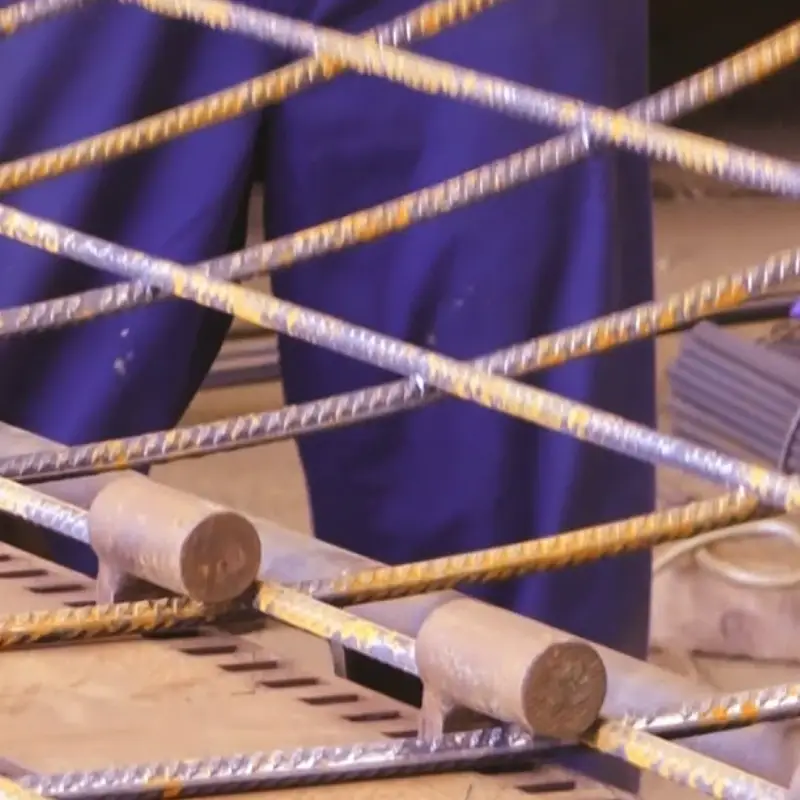
Wire mesh for concrete is a reinforcement material used to improve the strength and stability of concrete structures. It consists of steel wires arranged in a grid pattern and embedded within concrete. Depending on the project, different mesh types, sizes, and wire diameters can provide suitable reinforcement for floors, slabs, walls, and other applications.
Choosing the right wire mesh can help control cracking, distribute loads, and improve the overall durability of concrete. In this guide, we will explain the main types of wire mesh for concrete, explore common applications, and discuss the benefits that make it a practical reinforcement solution for construction projects.
What is Wire Mesh?
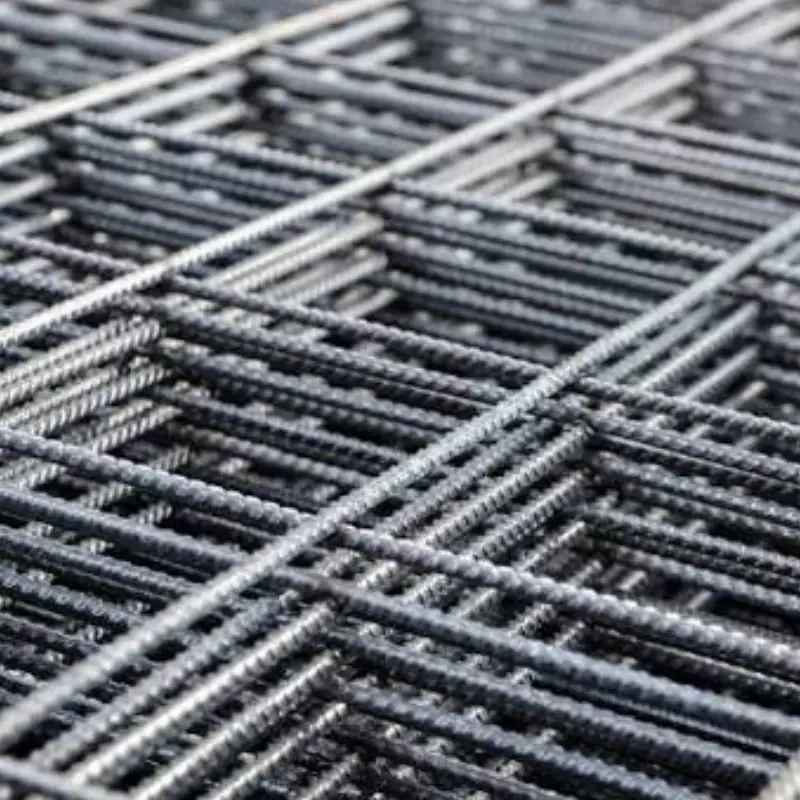
Wire mesh is a grid-like material made by connecting metal wires through weaving, welding, or other forming methods. It is available in different materials, wire diameters, and opening sizes to meet various requirements. Wire mesh can provide strength, support, separation, filtration, and protection, making it useful across construction, industrial, agricultural, and manufacturing applications.
Common uses of wire mesh include:
- Concrete Reinforcement: We use wire mesh to reinforce concrete slabs, floors, walls, and other structures, helping distribute loads and control cracking.
- Fencing and Barriers: Wire mesh provides practical barriers for properties, construction sites, gardens, farms, and industrial areas while allowing visibility and airflow.
- Filtration and Screening: We use fine wire mesh to separate particles, filter materials, and screen products in industrial processing and manufacturing applications.
- Safety Protection: Wire mesh can protect machinery, equipment, windows, and work areas by creating strong barriers that help prevent accidental contact or access.
- Agricultural Applications: Farmers use wire mesh for animal enclosures, crop protection, ventilation, and other agricultural structures requiring durable and open barriers.
- Industrial Applications: Wire mesh supports sorting, sieving, conveying, storage, and component protection across factories, workshops, warehouses, and processing facilities.
What Is Wire Mesh for Concrete?
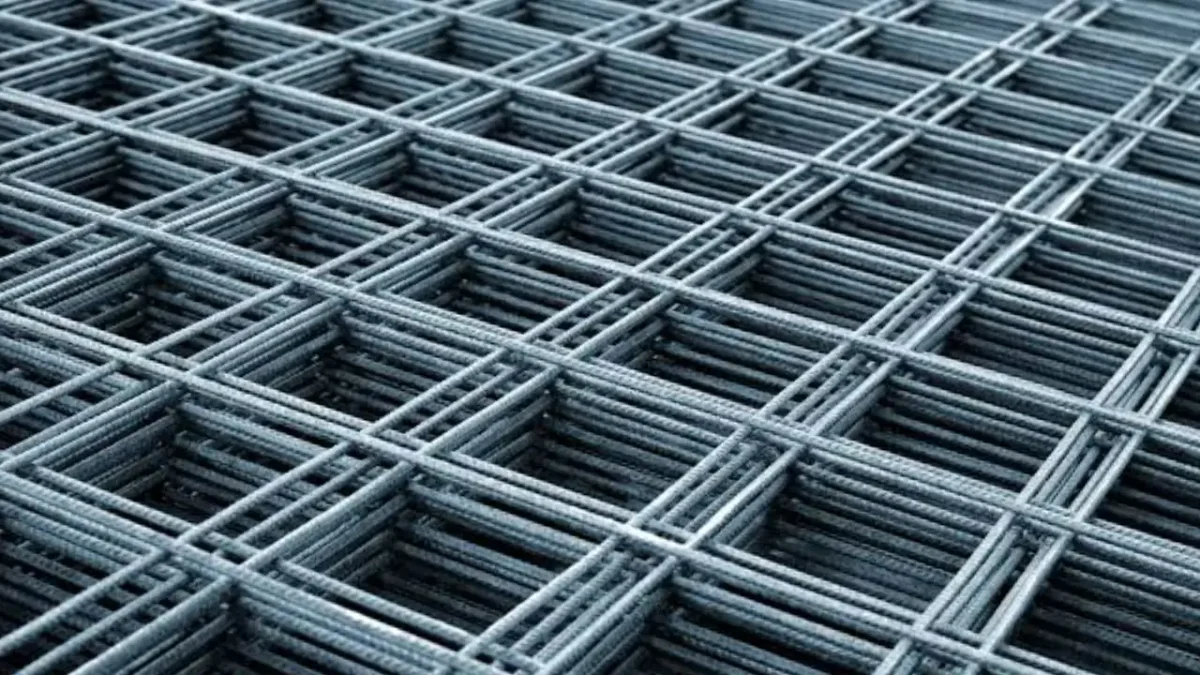
Wire mesh for concrete is a reinforcement material made from steel wires arranged in a regular grid. It is placed within concrete to improve structural stability, distribute loads, and control cracking. Available in different wire diameters, mesh sizes, and configurations, it can be selected according to concrete thickness, project requirements, and expected loading conditions.
Key features of wire mesh for concrete include:
- High Strength: Steel wires provide strong reinforcement, helping concrete withstand tensile stresses and maintain structural stability under different loading conditions.
- Crack Control: The mesh helps distribute stresses across the concrete surface, reducing the development and spread of shrinkage and temperature-related cracks.
- Load Distribution: Its grid structure distributes applied loads more evenly throughout concrete, helping improve performance in slabs, floors, pavements, and other structures.
- Consistent Spacing: Uniform wire spacing provides predictable reinforcement coverage, making it easier to position the mesh correctly within concrete during installation.
- Various Specifications: Wire mesh is available in different wire diameters, opening sizes, and sheet or roll formats to suit specific construction requirements.
- Easy Installation: Compared with individually placing reinforcement bars, mesh panels can cover larger areas efficiently, helping simplify handling and concrete reinforcement work.
What Does Wire Mesh Do for Concrete?
What is the purpose of wire mesh in concrete?
Wire mesh reinforces concrete by distributing tensile stresses and controlling cracking. Concrete is strong in compression but weaker in tension, so embedded steel mesh helps improve its overall performance.
The mesh works throughout the concrete section, supporting slabs, floors, walls, pavements, and other applications where additional reinforcement is required.
- Controls Cracking: Wire mesh helps limit the width and spread of cracks caused by concrete shrinkage, temperature changes, and other stresses. It does not completely prevent cracking, but it helps keep cracks smaller and more controlled, improving the appearance and serviceability of the finished concrete surface.
- Distributes Loads: The grid structure helps spread applied loads across a wider area of concrete. This can reduce localized stress concentrations and provide more consistent reinforcement, particularly in slabs, floors, driveways, pavements, and other concrete surfaces exposed to regular loading.
- Improves Tensile Performance: Steel wire mesh provides tensile reinforcement where concrete has limited tensile strength. When concrete experiences tension, the embedded steel wires help resist these forces and contribute to the overall structural performance of the reinforced concrete element.
- Supports Structural Stability: Properly specified and positioned wire mesh can contribute to the stability and durability of reinforced concrete. The reinforcement works together with the surrounding concrete to handle different stresses and maintain the intended performance of the structure during service.
- Helps Maintain Concrete Integrity: Wire mesh can help hold concrete together around areas where cracking or stress develops. By providing continuous reinforcement across the concrete section, it supports better crack control and helps maintain the integrity of slabs and other reinforced concrete components.
- Provides Efficient Reinforcement: Welded wire mesh offers a consistent grid with predetermined wire spacing and diameters. This makes reinforcement planning and installation more straightforward while providing uniform steel distribution throughout the specified concrete area.
What Size Wire Mesh for Concrete Slab?
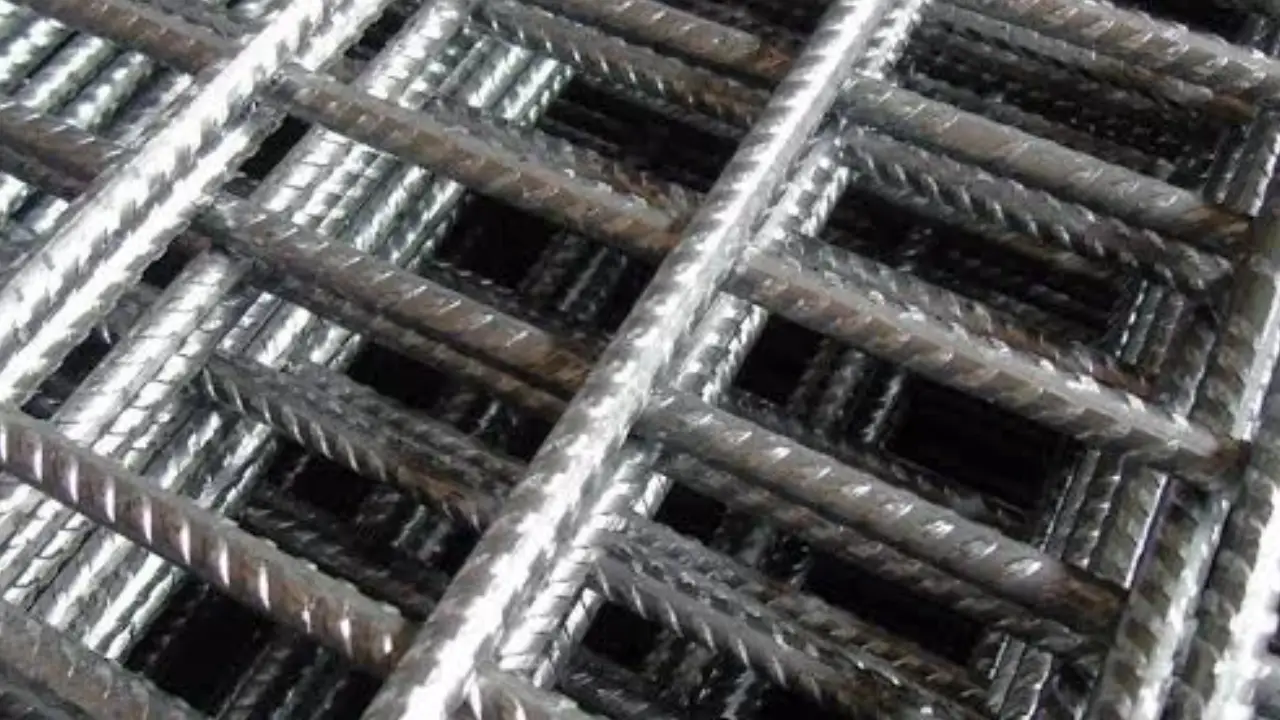
The right wire mesh size for a concrete slab depends on slab thickness, expected loads, spacing, and project requirements. Common options include welded wire reinforcement with different wire diameters and grid openings. Residential floors, driveways, patios, commercial slabs, and industrial floors may require different reinforcement specifications.
When selecting wire mesh for a concrete slab, consider:
- Slab Thickness: Thicker slabs may require heavier reinforcement, while thinner residential slabs often use lighter mesh. The mesh should be selected according to the slab design and expected loading conditions.
- Wire Diameter: Larger wire diameters provide greater steel area and reinforcement capacity. Heavier mesh may be appropriate for slabs exposed to higher loads or demanding service conditions.
- Mesh Opening: Common grid openings include 4 × 4 inches and 6 × 6 inches. Smaller openings can provide more closely distributed reinforcement for controlling cracking and supporting load distribution.
- Concrete Loads: Consider whether the slab will support pedestrians, vehicles, machinery, storage, or other loads. Higher loading requirements generally call for reinforcement designed specifically for the project’s structural conditions.
- Project Type: Residential patios and walkways may use different mesh specifications than warehouse floors, industrial slabs, or heavily loaded pavements. The application should guide the final mesh selection.
- Placement: Wire mesh needs to remain properly positioned within the concrete rather than resting directly on the ground. Correct placement helps ensure the reinforcement performs its intended function.
Common Wire Mesh Sizes for Concrete Slabs
| Wire Mesh Size | Typical Application | General Consideration |
|---|---|---|
| 4 × 4 in | Residential slabs, patios, walkways | Closely spaced reinforcement |
| 6 × 6 in | Floors, driveways, general slabs | Common general-purpose option |
| 6 × 6 in, heavier wire | Commercial and heavier slabs | Greater reinforcement capacity |
| Custom sizes | Industrial or engineered slabs | Selected according to structural requirements |
Note: These are common examples, not universal design specifications. The final wire mesh size should be determined by the project’s structural design, slab thickness, loading, concrete specifications, and applicable building codes.
What Kind of Wire Mesh for Concrete?
Different types of wire mesh can be used for concrete reinforcement, depending on the slab design, loading conditions, and construction requirements. Welded wire mesh is widely used because its uniform grid provides consistent reinforcement. Common choices differ in wire diameter, opening size, sheet or roll format, and steel type for different concrete applications.
- Welded Wire Mesh: Welded wire mesh consists of steel wires welded together at regular intersections. Its uniform grid provides consistent reinforcement and makes it suitable for concrete slabs, floors, pavements, walls, and precast concrete components.
- Galvanized Wire Mesh: Galvanized wire mesh has a zinc coating that helps protect the steel from corrosion. It can be considered for concrete applications where moisture exposure is a concern, particularly in outdoor or potentially damp environments.
- Stainless Steel Wire Mesh: Stainless steel mesh offers strong corrosion resistance and durability. It may be suitable for specialized concrete applications exposed to moisture, chemicals, or other corrosive conditions where standard carbon steel reinforcement may require additional protection.
- Welded Wire Reinforcement (WWR): WWR is manufactured with specific wire sizes and spacing to provide engineered reinforcement for concrete structures. It is commonly supplied in sheets or rolls and can be specified according to project requirements.
- Heavy-Duty Wire Mesh: Heavy-duty mesh uses larger wire diameters and may provide greater reinforcement capacity. It can be selected for concrete slabs, industrial floors, pavements, and other applications subject to higher loads or demanding service conditions.
- Lightweight Wire Mesh: Lightweight mesh uses smaller wires and is generally intended for applications with lower reinforcement requirements. It can help control cracking and provide distributed reinforcement in suitable residential and light-duty concrete applications.
Conclusion
Wire mesh for concrete provides reliable reinforcement by helping distribute loads and control cracking throughout concrete structures. Different mesh types and specifications are available for different construction requirements. Understanding wire diameter, mesh size, material, and application can help you select reinforcement that matches your project’s structural and installation needs.
From concrete slabs and floors to walls, pavements, and precast components, wire mesh can support a wide range of construction applications. Proper selection and placement are important for achieving consistent reinforcement and long-term performance. Always consider project requirements, concrete thickness, expected loads, and applicable construction standards before choosing your mesh.
If you need dependable reinforcement for your concrete project, we can provide suitable wire mesh options based on your requirements. Get wire mesh for concrete from our Apscreens and discuss your required mesh size, wire diameter, material, and quantity with our team. We can help you find a practical solution for your application.