Choosing between wire mesh and hardware cloth can be confusing because both materials provide dependable screening, protection, and support. However, they differ in construction, strength, opening size, and intended use. Understanding these distinctions helps homeowners, contractors, farmers, and manufacturers select the right material for projects requiring security, ventilation, containment, or filtering.
Wire mesh is a broad category that includes woven, welded, and expanded metal products used across industrial and residential applications. Hardware cloth is a specific welded-wire mesh, typically galvanized or coated, with small uniform openings. Comparing their features, durability, flexibility, and costs makes it easier to match each material with practical project requirements.
What is Wire Mesh?
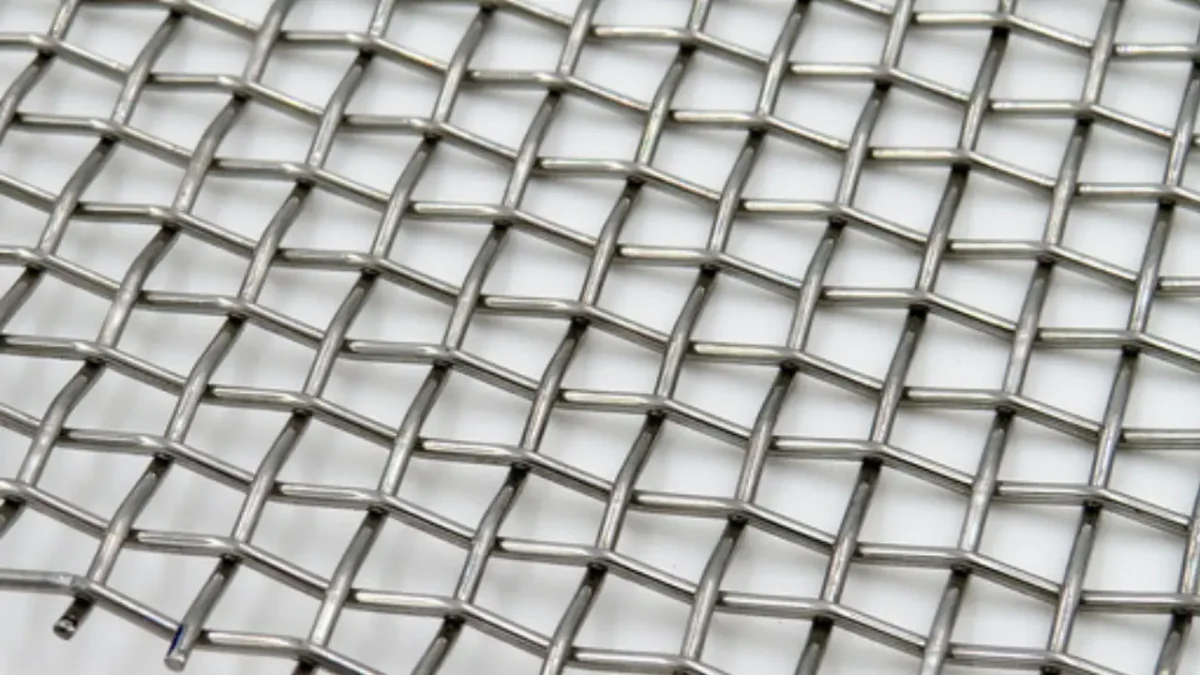
Wire mesh is a versatile material made by weaving, welding, or interlocking metal wires into a grid with uniform openings. Available in materials such as stainless steel, galvanized steel, aluminum, and brass, it supports applications including fencing, filtration, machine guarding, concrete reinforcement, ventilation, security screening, animal enclosures, and architectural design.
Benefits of Wire Mesh
- Strength and durability: Wire mesh provides dependable structural support and resistance to impact, deformation, and everyday wear. Welded varieties hold their shape particularly well, making them suitable for fencing, security panels, cages, shelving, reinforcement, and protective machine guards in demanding environments.
- Airflow and visibility: Its open-grid design allows air, light, and visibility to pass through while maintaining a physical barrier. This makes wire mesh effective for ventilation covers, window screens, equipment guards, partitions, railings, storage cages, and enclosures where monitoring remains important.
- Versatility: Different wire diameters, aperture sizes, weaving styles, and metals allow wire mesh to serve many purposes. Fine woven mesh supports precise filtering and sieving, while heavier welded mesh can reinforce concrete, protect property, contain animals, or create durable barriers.
- Corrosion resistance: Choosing galvanized, PVC-coated, or stainless-steel wire mesh can improve performance in moisture-prone, outdoor, and industrial settings. Appropriate corrosion protection helps the mesh retain its strength and appearance longer, reducing replacement needs and supporting dependable long-term service.
- Easy fabrication and installation: Many wire mesh products can be cut, bent, fastened, welded, or formed to fit a project’s dimensions. Their relatively lightweight construction also simplifies handling, allowing installers to create partitions, screens, guards, or enclosures efficiently.
What is Hardware Cloth?
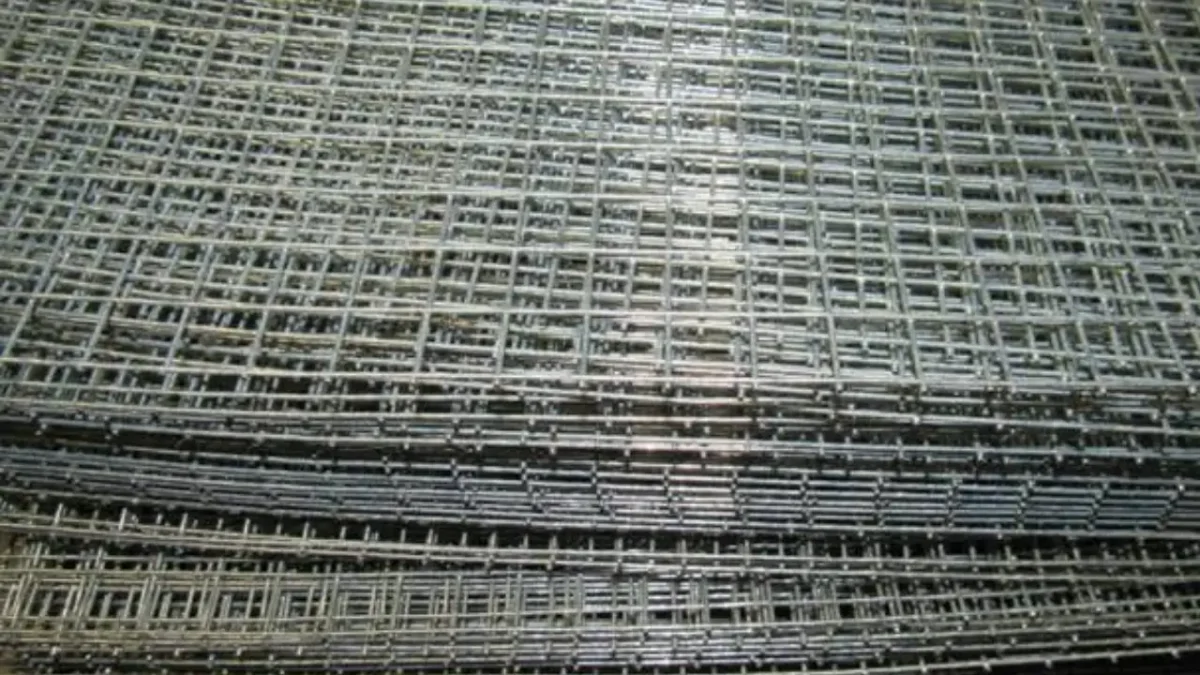
Hardware cloth is a durable metal mesh made from intersecting wires that are commonly welded into square or rectangular openings. Usually manufactured from galvanized steel or stainless steel, it resists corrosion and provides rigid screening for gardens, animal enclosures, pest barriers, ventilation covers, repair projects, sieves, and protective guards.
Benefits of Hardware Cloth
- Reliable pest protection: Small, uniform openings help block rodents, insects, and other unwanted animals while allowing air, water, and light to pass through. It is widely used around garden beds, chicken coops, crawl spaces, vents, and outdoor storage areas.
- Durable construction: Welded intersections create a rigid panel or roll that holds its shape under regular use. Thicker wire options resist bending, tearing, and animal pressure, making hardware cloth a practical choice for cages, barriers, fencing, and protective screening.
- Corrosion resistance: Galvanized hardware cloth features a protective zinc coating that helps prevent rust when exposed to rain, humidity, and outdoor conditions. Stainless-steel options provide enhanced resistance where moisture, chemicals, or long-term durability are major project concerns.
- Versatile applications: Hardware cloth suits residential, agricultural, commercial, and light industrial tasks. It can protect gardens, reinforce plaster, cover vents, create animal enclosures, screen compost bins, support climbing plants, or form guards for equipment and storage spaces.
- Simple installation: The material can be cut and shaped to fit corners, frames, openings, and custom enclosure sizes. With basic fasteners such as staples, screws, washers, or ties, installers can secure hardware cloth quickly for practical do-it-yourself or professional projects.
Wire Mesh vs Hardware Cloth
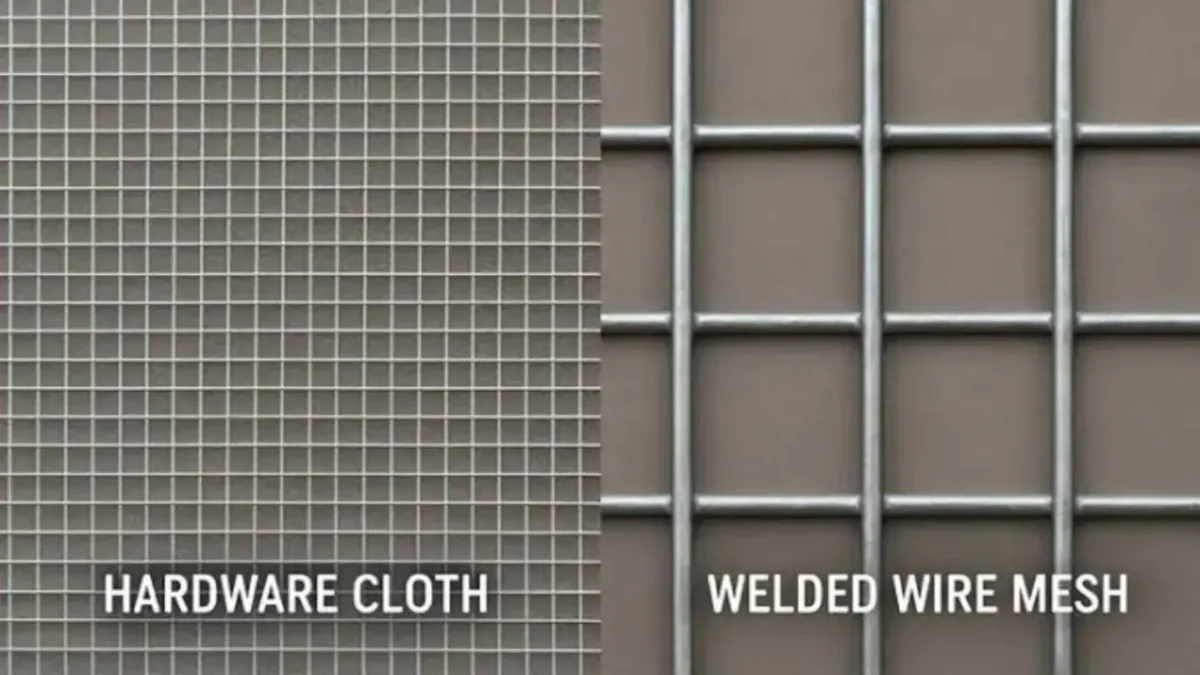
Wire mesh and hardware cloth are closely related metal screening materials, yet they differ in design, performance, and ideal uses. Wire mesh is a broad category that includes woven, welded, and expanded products, while hardware cloth typically refers to rigid, fine-opening wire screening. Comparing them helps buyers choose effective material for protection, filtration, fencing, and construction projects.
Product Definition
Wire mesh is an umbrella term for metallic grids manufactured by weaving, welding, or otherwise joining wires. It can be supplied in numerous configurations, from delicate woven screens used for filtration to heavy welded panels used in fencing, reinforcing, and industrial safety systems.
Hardware cloth is a more specific type of wire mesh. It typically has square or rectangular openings, is commonly made of galvanized or stainless steel, and is often supplied in manageable rolls for residential, garden, agricultural, and repair applications.
Construction Method
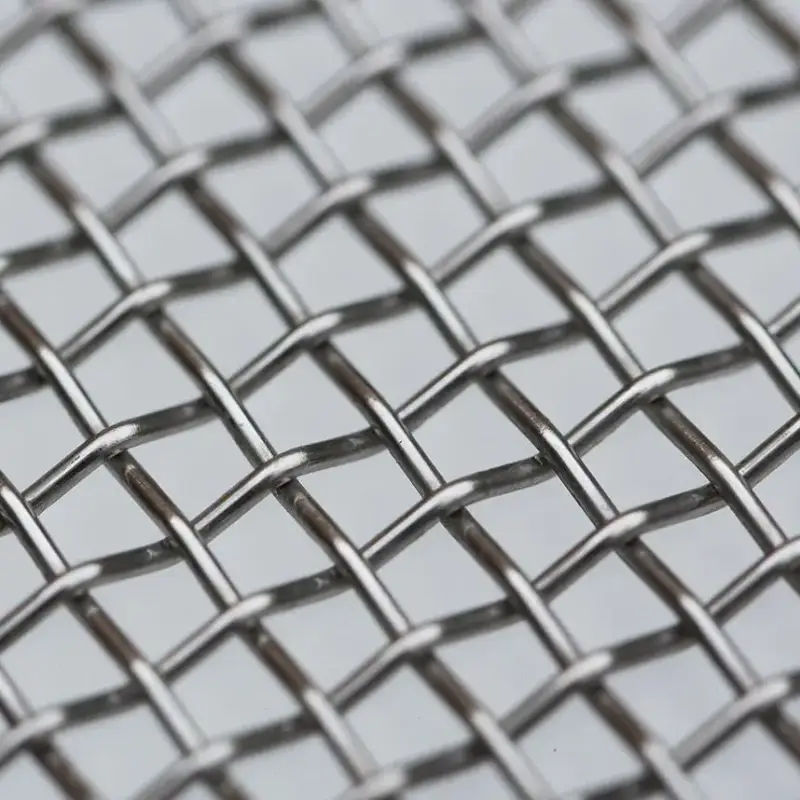
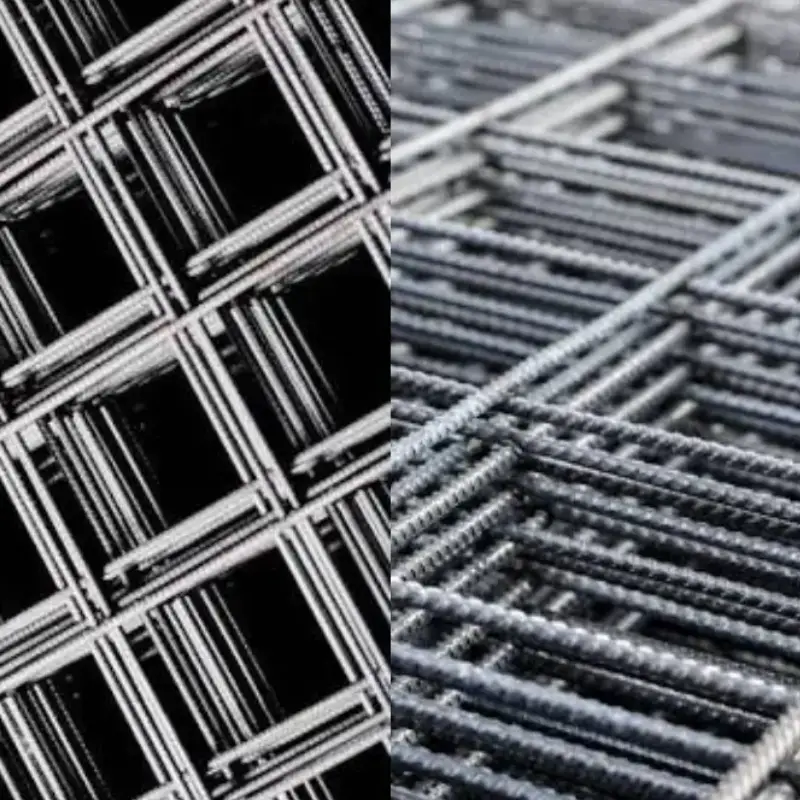
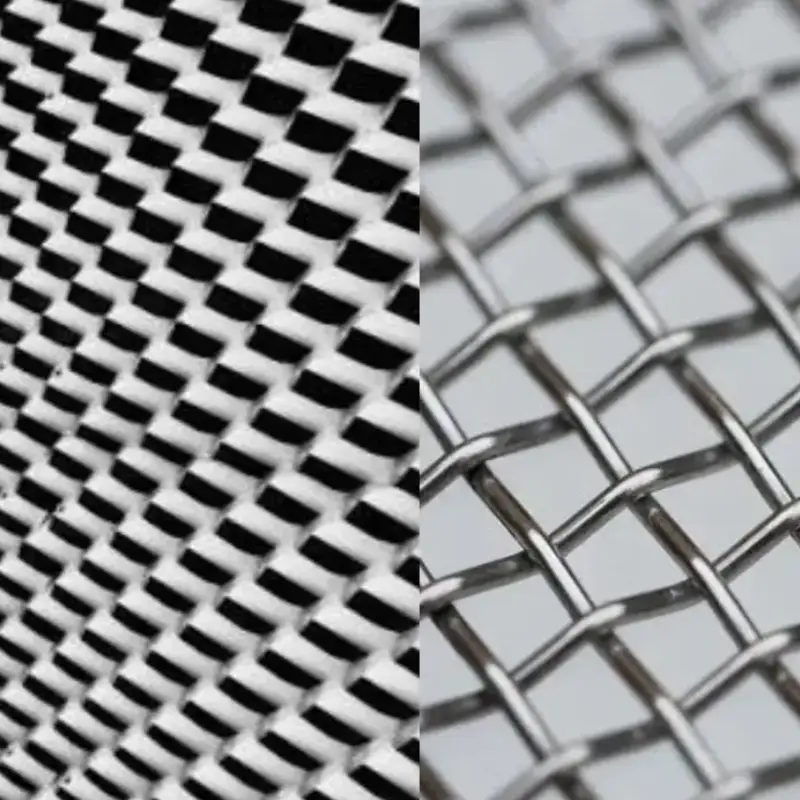
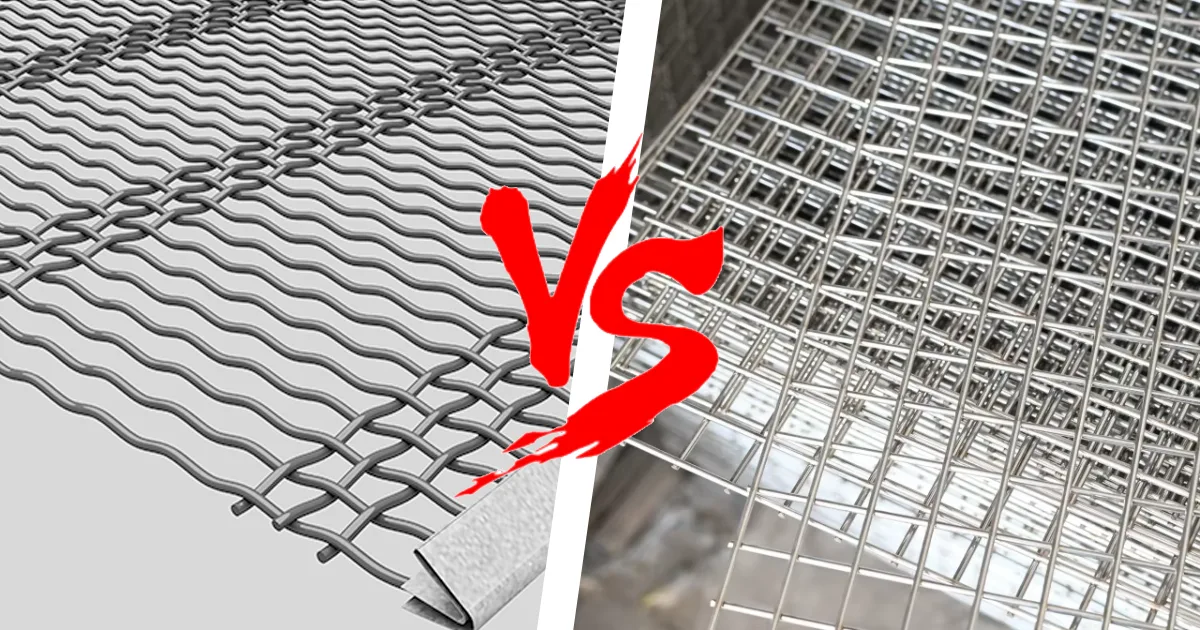
Wire mesh may be woven, welded, expanded, or fabricated using other processes. Woven mesh interlocks wires in an over-and-under pattern, which can provide flexibility and precision. Welded mesh fuses wires at intersections, creating a stable grid that remains straight and strong.
Hardware cloth is most often welded, although woven versions are also available. Welded intersections give it a firm, shape-retaining structure, while woven hardware cloth is generally more pliable. For most pest-control and enclosure projects, welded hardware cloth provides straightforward installation and reliable screening.
Opening Size
Wire mesh is available with an exceptionally broad selection of opening sizes. Fine apertures can separate small particles in filtration or screening processes, while large openings can create fencing, animal pens, reinforcement layers, machine guards, and other structural barriers.
Hardware cloth usually features smaller, more uniform openings, commonly used when a barrier must deter rodents, insects, or small wildlife. Frequently available sizes include 1/8-inch, 1/4-inch, and 1/2-inch openings, allowing users to choose protection based on the pest or material being contained.
Wire Gauge and Strength
Wire mesh may range from fine wire for filters and decorative screens to substantially heavier wire for construction and security. Its final strength depends on the wire gauge, material, aperture size, construction method, and any coating or treatment selected for the application.
Hardware cloth commonly uses lighter wire than heavy welded fencing mesh, but it remains suitably rigid for small enclosures and screens. Its close wire spacing creates a sturdy surface that helps resist penetration by small animals, though heavy-duty applications may require thicker welded wire mesh.
Materials and Corrosion Resistance
Wire mesh can be manufactured from galvanized steel, stainless steel, aluminum, brass, copper, and other alloys. This extensive selection gives buyers flexibility to balance weight, appearance, conductivity, durability, chemical resistance, and project budget.
Hardware cloth is commonly galvanized for outdoor rust resistance, though stainless-steel versions offer stronger protection in wet, chemical-exposure, or coastal environments. Galvanized-after-weld mesh protects welded intersections more completely than products galvanized before welding, where welding can affect the coating at joints.
Common Applications
Wire mesh is used across residential, commercial, and industrial settings. Typical applications include fencing, concrete reinforcement, filtration, ventilation, architectural panels, machine guards, security barriers, shelving, separation screens, and material handling systems. The right type depends on the expected load and environment.
Hardware cloth is especially suitable for garden barriers, chicken coops, rabbit cages, compost bins, crawl-space screens, window guards, vent covers, and small-animal protection. Its fine openings help maintain airflow and visibility while creating a physical barrier against pests and unwanted access.
Flexibility and Installation
Some wire mesh products, particularly woven varieties, can bend and conform around curved surfaces. Heavier welded panels are more rigid and require a stable frame or support system. Installation methods vary based on the product and may involve welding, clips, staples, ties, screws, or fasteners.
Hardware cloth is usually sold in rolls that can be cut with appropriate wire cutters and attached to wood, metal, or masonry frames. Its manageable format makes it popular for DIY tasks, but cut edges should be handled carefully and securely fastened to prevent gaps.
Here is a compasion chart about wire mesh and hardware cloth:
| Aspect | Wire Mesh | Hardware Cloth |
|---|---|---|
| Definition | Broad category of woven, welded, expanded, and other metal-wire grids | Specific type of fine-opening metal screen, commonly welded |
| Construction | May be woven, welded, expanded, or otherwise fabricated | Usually welded; woven versions are also available |
| Opening sizes | Available from very fine filtration apertures to large fencing openings | Commonly small, uniform openings such as 1/8, 1/4, or 1/2 inch |
| Wire gauge | Can range from fine, light wire to thick structural wire | Typically lighter than heavy-duty fencing mesh but rigid enough for screening |
| Strength | Varies substantially by material, gauge, opening, and construction | Strong for pest barriers and enclosures, but less suited to heavy structural loads |
| Materials | Galvanized steel, stainless steel, aluminum, brass, copper, and more | Primarily galvanized steel or stainless steel |
| Primary uses | Filtration, industrial screening, fencing, reinforcement, security, and architecture | Gardens, coops, vents, pest control, cages, repairs, and small enclosures |
| Flexibility | Varies; woven types can be flexible, while welded panels are rigid | Usually fairly rigid, though it can be cut and formed for installation |
| Best selection factor | Match mesh type, gauge, material, and aperture to performance requirements | Match opening size and corrosion resistance to the pests and environment involved |
How to Choose Wire Mesh and Hardware Cloth?
Selecting wire mesh or hardware cloth starts with the job’s practical requirements: what must pass through, what must stay out, how much force the material will face, and where it will be installed.
Compare aperture size, wire gauge, construction, material, finish, and roll dimensions before purchasing to ensure dependable, cost-effective performance.
- Define the application first: Decide whether you need filtration, fencing, pest exclusion, ventilation, animal containment, reinforcement, security, or a machine guard. Wire mesh suits a broader range of industrial and structural uses, while hardware cloth is especially effective for fine protective screening.
- Select the right opening size: Choose an aperture based on the smallest pest, object, or particle involved. For example, 1/4-inch hardware cloth is commonly used for mice and small rodents, while 1/2-inch openings offer airflow and protection for larger garden or enclosure applications.
- Match the wire gauge to strength needs: Lower gauge numbers indicate thicker, stronger wire. Light-gauge products are suitable for screens and low-pressure barriers, while heavier-gauge welded mesh is better for fences, cages, partitions, and projects exposed to impact, animal pressure, or structural loads.
- Choose a suitable construction type: Woven wire mesh is often more flexible and appropriate for fine screening or filtration. Welded wire mesh and hardware cloth offer greater rigidity because their intersections are fused, making them easier to frame, secure, and use as stable barriers.
- Consider the installation environment: For dry indoor spaces, plain steel or standard finishes may be sufficient. Outdoor, humid, soil-contact, or coastal projects require better corrosion resistance, such as galvanized, vinyl-coated, or stainless-steel mesh, to prevent premature rusting and material failure.
- Compare galvanized finishes carefully: Galvanized-after-weld mesh coats weld points after fabrication, improving protection at vulnerable intersections. Galvanized-before-weld material is often more economical, but the welding process can leave joints less protected in wet or long-term outdoor conditions.
- Confirm roll or panel dimensions: Measure the full area, including overlaps, ground aprons, framed edges, gates, and waste from cuts. Selecting the proper width and length can reduce seams, speed installation, minimize leftover material, and ensure every potential entry point receives complete coverage.
- Balance open area and visibility: Larger openings improve ventilation, light transmission, and visibility but offer less protection against small pests or particles. Smaller openings create more secure screening, yet may reduce airflow, increase material stiffness, and cost more because they contain additional wire.
Conclusion
Wire mesh and hardware cloth both offer valuable protection and screening, but the best choice depends on your application. Wire mesh provides wider material options, opening patterns, and performance characteristics for construction, industrial filtration, fencing, and decorative projects. Hardware cloth is especially useful when durable, rigid, small-aperture protection is the primary requirement.
Before purchasing, consider the environment, desired opening size, corrosion resistance, required strength, and installation method. Galvanized or PVC-coated options can improve longevity in outdoor or humid conditions, while stainless-steel mesh offers strong corrosion resistance for demanding applications. Selecting the appropriate specification can reduce maintenance, prevent failures, and improve overall project performance.
For reliable materials and bulk purchasing support, get wholesale wire mesh from Apscreens. A professional supplier can help you compare mesh types, wire gauges, finishes, and roll sizes based on your project’s needs. With the right product selection, you can achieve lasting protection, effective containment, dependable screening, and better value for residential, commercial, agricultural, or industrial work.