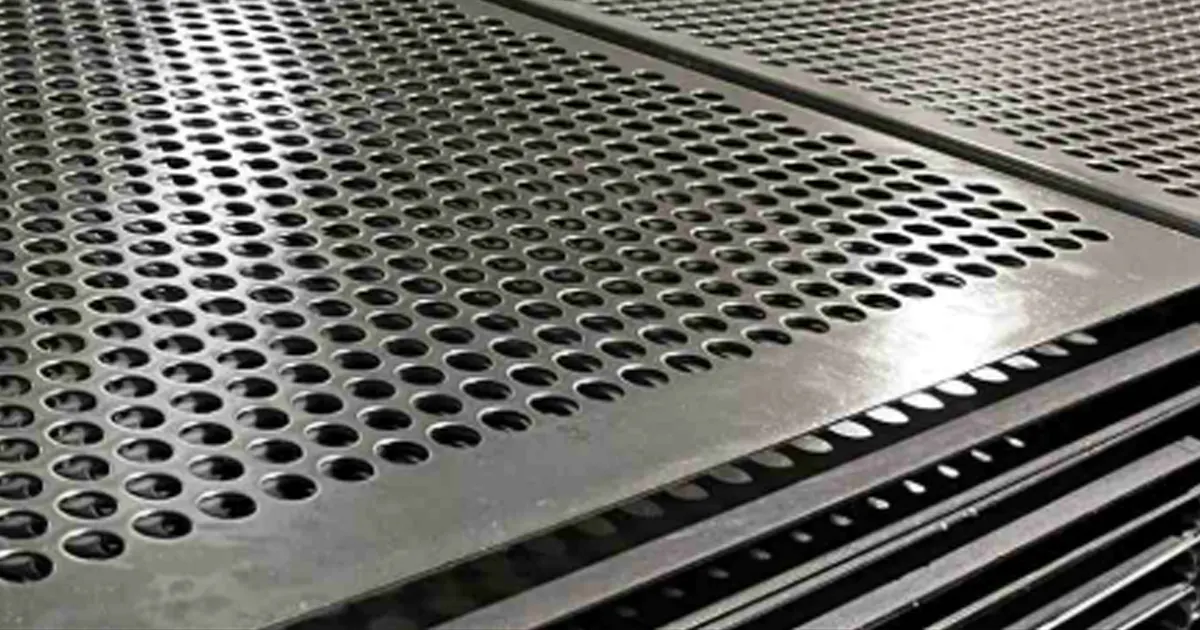
When you see a perforated plate, you notice a metal sheet with many small holes. These holes are not just for looks. They help filter things, control how air or liquid moves, and make ventilation better. You can find the perforation plate function in building facades, car parts, and airplane panels. More people around the world want perforated materials now. This is because industries need lighter, stronger, and more useful solutions.
Key Takeaways
- Perforated plates are metal sheets with holes. They help filter, control flow, and improve ventilation. These plates are very important in many industries. Construction, automotive, and food processing use them for their strength and flexibility.
- Filtration is a main job of these plates. They block bigger particles but let smaller ones go through. This helps protect sensitive equipment.
- Flow control is also very important. Perforated plates manage how fast air or liquid moves. They also control the direction. This helps systems like HVAC work well.
- Ventilation gets better with perforated plates. They let fresh air in but keep dust and debris out. This makes places more comfortable and safe.
- You can choose different hole shapes and patterns. This helps meet special needs, from looks to how things work.
- Perforated metal is very strong and lasts a long time. It can handle tough conditions, so it saves money over time.
- Picking the right perforated plate is important. You need to think about what you need it for, what it is made of, and the hole sizes. This helps you get the best results.
Perforation Plate Function
Definition
Have you ever wondered why a perforated plate is special? In engineering, it is a sheet made from materials like carbon steel, alloy steel, or hard plastics. Manufacturers make holes in these sheets by punching, drilling, or casting. The holes can be round, square, or rectangular. This design lets the plate screen, filter, or allow air and light to pass. When you look at perforated metal, you see more than just a pattern. It is a tool that helps control how things move and flow.
Main Roles
Perforation plate function has several important jobs. These plates are used in many industries because they solve real problems. Let’s look at the main roles.
Filtration
Filtration is one of the most common uses for perforated metal. When you need to separate big particles from liquids or gases, these plates work well. The design lets you filter at certain points. You can block bigger debris while letting smaller particles go through. Perforated metals are best for coarse filtration. They protect sensitive equipment by catching big particles first. For example, in a water treatment plant, a perforated plate might catch leaves or stones before the water goes to finer filters. This step keeps the system running smoothly and stops clogs.
Tip: If you want your machines to last longer, use a perforated metal filter. It stops big things before they cause problems.
Flow Control
Perforated metal helps manage how air, water, or other fluids move. The holes let you control the speed and direction of flow. This is important in air conditioning systems, where you want even airflow. In factories, perforated metals guide liquids through pipes or tanks. You might see them in oil refineries or food processing plants. The perforation plate function here is about balance. You get enough flow for your process, but you also keep things safe and steady.
Ventilation
Ventilation is another key job for perforated metals. When you need fresh air or want to remove heat, these plates help. The holes let air move freely but keep out dust or debris. You will find perforated metal in building facades, machinery covers, and car grills. Good ventilation keeps equipment cool and helps people stay comfortable. Sometimes, perforated plates also reduce noise, making spaces quieter.
Note: Perforated metals do more than let air through. They can protect, decorate, and even become the main part of a design.
You can see the perforation plate function almost everywhere—from construction sites to kitchens. These plates protect, filter, and add style. They support machines, make spaces safer, and help you control your environment. When you pick perforated metal, you get something strong, flexible, and ready for many challenges.
Perforated Metal Sheets Overview
Structure & Materials
Perforated metal is more than a sheet with holes. It is strong and can do hard work. These sheets start with solid metals like stainless steel, aluminum, or mild steel. Makers punch, drill, or laser-cut holes in the metal. You can pick the thickness and size you need. Perforated sheet metal is special because it is strong and flexible. You can bend, cut, or shape it for many uses.
You may ask which materials are best for perforated metal. Look at this table to see common materials and their market share:
| Material Type | Characteristics | Market Share Insights |
|---|---|---|
| Stainless Steel | Exceptional corrosion resistance, strength, aesthetic appeal | Significant share due to durability in harsh environments and ongoing innovations in alloys. |
| Aluminum | Lightweight, corrosion resistance, high strength-to-weight ratio | Projected robust growth due to demand in automotive and aerospace industries. |
| Mild Steel | Excellent machinability, affordability | Popular choice due to recyclability and adaptability in various applications. |
| Copper | Excellent electrical and thermal conductivity, antimicrobial properties | Smaller share but rising demand due to applications in electronics and healthcare, especially post-pandemic. |
| Others (Brass, etc.) | Niche materials for high-performance applications | Innovations in material science expected to drive growth in this segment. |
Stainless steel and aluminum are the most popular. Mild steel is good if you want to save money. Copper and brass are used for special jobs.
Tip: Pick stainless steel if you need corrosion resistance. Aluminum is best for light projects.
Types & Patterns
Perforated metal comes in many shapes and patterns. You can choose what fits your needs. The hole pattern changes how air, light, or liquid moves through the sheet. Perforated metal can also be used for decoration or safety.
Hole Shapes
You can pick the shape of the holes in your sheet. Each shape has its own use. Here is a table to help you choose:
| Hole Shape | Description | Applications |
|---|---|---|
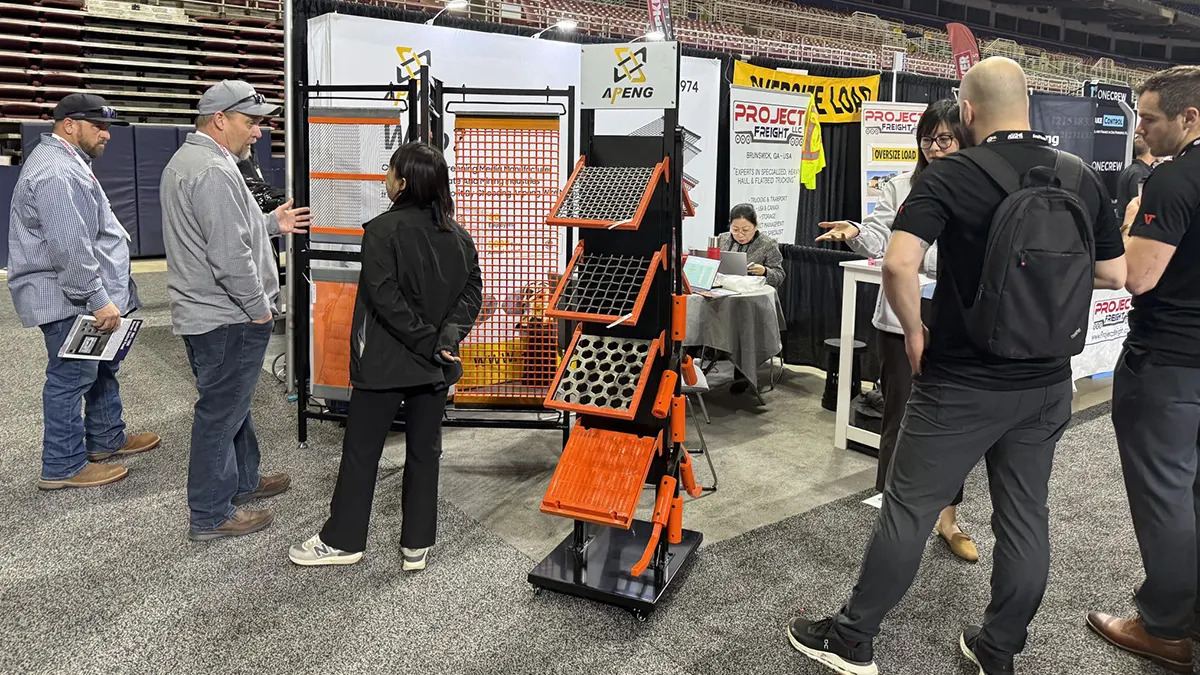
| Round Holes | Most common shape, balancing strength and open area. | Security screens, soundproofing materials. |
| Square Holes | Modern aesthetic, high open area but less strength. | Decorative applications, visibility needs. |
| Slotted Holes | Elongated holes for greater airflow/drainage. | Filtration, grilles, screens. |
| Hexagonal Holes | Maximum open area, good for airflow/light but may compromise strength. | Applications needing high airflow or light. |
| Open Area % | High (50-70%) for airflow/light; Low (10-30%) for strength/security. | HVAC systems, acoustic panels, fencing, enclosures. |
Round holes are good for strength. Square holes look modern. Slotted holes help with drainage. Hexagonal holes let in lots of air and light.
- Staggered layouts help airflow. You see these in vents.
- Symmetrical patterns keep costs low and work well.
- Non-standard patterns, like circles and spirals, look cool but cost more.
Hexagonal holes are great for ventilation. Square holes give steady airflow and spread stress. The hole shape changes how your sheet works. You can get more airflow, better strength, or a special look.
Material Choices
You have many choices for perforated metal materials. Stainless steel lasts in tough places. Aluminum is light. Mild steel saves money. Copper is good for electronics and health care. Brass and other metals are used for special needs.
Check standards and certifications before you buy. Look for ASTM, ISO, or GB/T marks. These show your metal meets quality rules. You can trust your sheet to work well.
Note: Always match your material and pattern to your project. You get the best results when you pick the right perforated metal for the job.
How Perforated Metal Works
Physical Properties
When you look at perforated metal, you see more than just a sheet with holes. The physical properties of these sheets make them perfect for many jobs. The size and pattern of the holes change how well the sheet works. If you use smaller holes, you can catch tiny particles. This is great for air purifiers or places where you need clean air. Bigger holes let more air or liquid pass through, which helps with ventilation.
You also need to think about the material. If you pick aluminum, you get a light and rust-resistant sheet. Stainless steel gives you strength and lasts longer in wet or harsh places. The pattern of the holes matters too. Round holes give you a good mix of airflow and strength. If you want to filter fine dust, you should choose smaller holes.
Here’s a quick list to help you see how the physical properties affect performance:
- The size and pattern of holes control how much air or liquid passes through.
- Smaller holes trap fine particles, which is important for clean air.
- The material, like aluminum or stainless steel, changes how long the sheet lasts.
- Round holes balance airflow and strength, while smaller holes are best for fine filtration.
Tip: Always match the hole size and material to your job. This way, your perforated metal will work better and last longer.
Operation Principles
Perforated metal works in smart ways to control flow and block particles. You can use it to make air or liquid move evenly or to stop unwanted things from getting through. Let’s look at how this happens.
Flow Homogenization
You might wonder how perforated sheets help air or liquid move smoothly. The answer is in the way the holes are set up. When you use a flat or helical sheet, you can change how fast and how evenly things move. The open area and the size of each hole matter a lot. If you use special shapes or add baffles, you can make bubbles in liquids smaller and more even. This helps in places like water treatment or chemical plants.
Here’s a table to show how different setups affect flow:
| Configuration Type | Effect on Flow Dynamics | Key Parameters Influenced |
|---|---|---|
| Planar or Helical | Enhances hydrodynamics and mass transfer | Open area, orifice diameter |
| Novel Internal Structure | Increases gas holdup, narrows bubble-size | Bubble Sauter diameter, rise velocity |
| Inter-stage Internals | Improves solid particle distribution | Orifice design, tube configuration |
Did you know? Engineers found that adding baffles at an angle inside a tube with perforated plates makes bubbles smaller and spreads them out more evenly. This means better mixing and less clogging.
Particle Blocking
Perforated metal also acts like a smart filter. You can use it to block things you don’t want, like dust, dirt, or even bugs. The holes let air or water pass, but they stop bigger pieces. If you need to catch very small things, you pick a sheet with tiny holes. This is why you see perforated sheets in air filters, sieves, and even speaker covers.
You get to choose how much you want to block. If you want to keep out only big pieces, use larger holes. For fine dust or pollen, go with smaller holes. The pattern and shape of the holes also help spread out the flow, so you don’t get clogs in one spot.
Note: Perforated metal gives you control. You decide what gets through and what stays out, just by picking the right hole size and pattern.
When you use perforated metal, you get a tool that manages flow and blocks particles. You can use it in many places, from factories to your home. The right choice makes your system safer, cleaner, and more efficient.
Applications of Perforated Metal
Perforated metals are used in many places. You can see them in factories, buildings, cars, and art. Let’s look at some common and creative ways people use perforated metal.
Industrial Uses
Perforated metals are important in many industries. They are used where strength, airflow, and safety are needed.
Screening & Sieve Plates
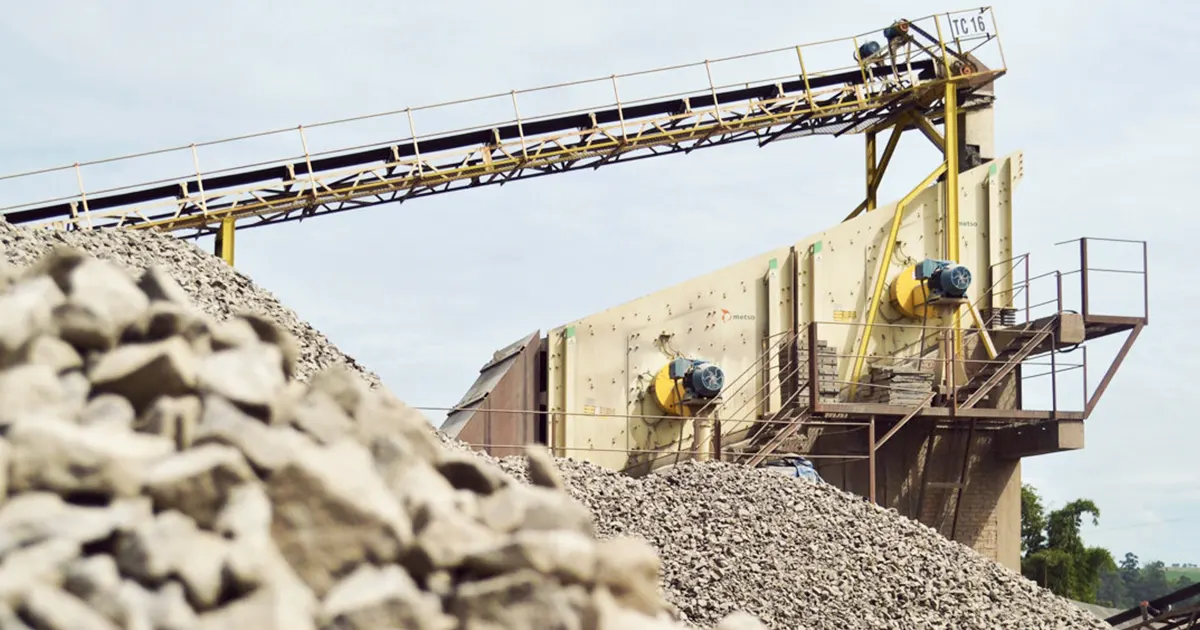
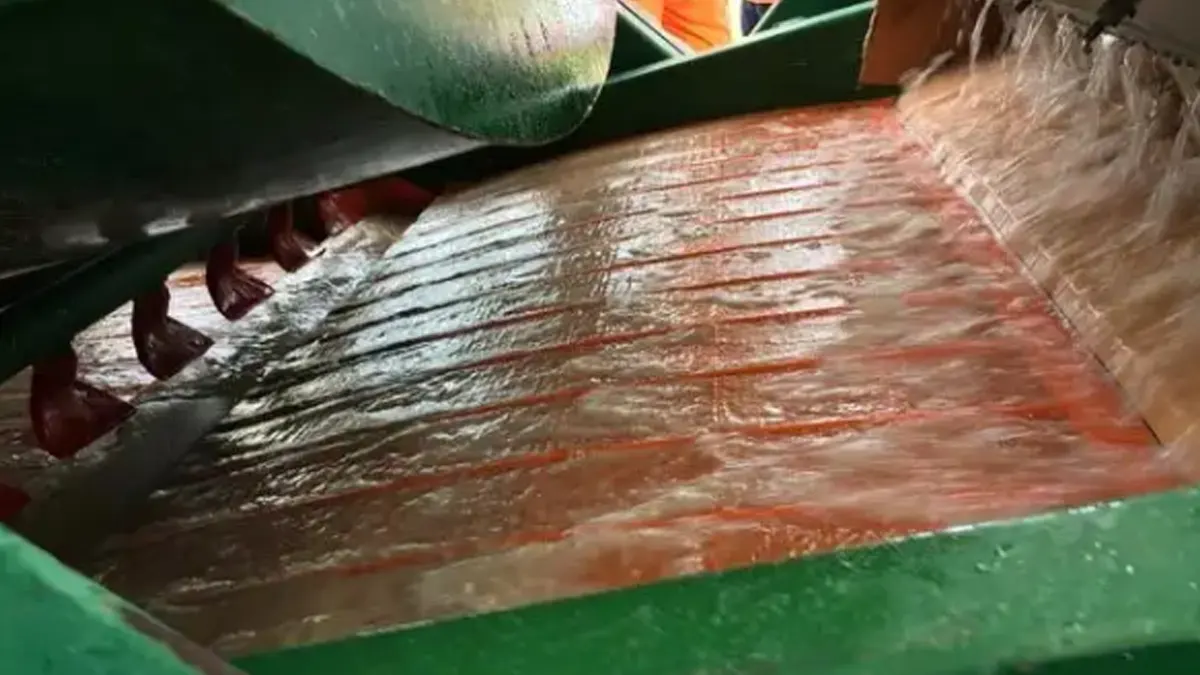
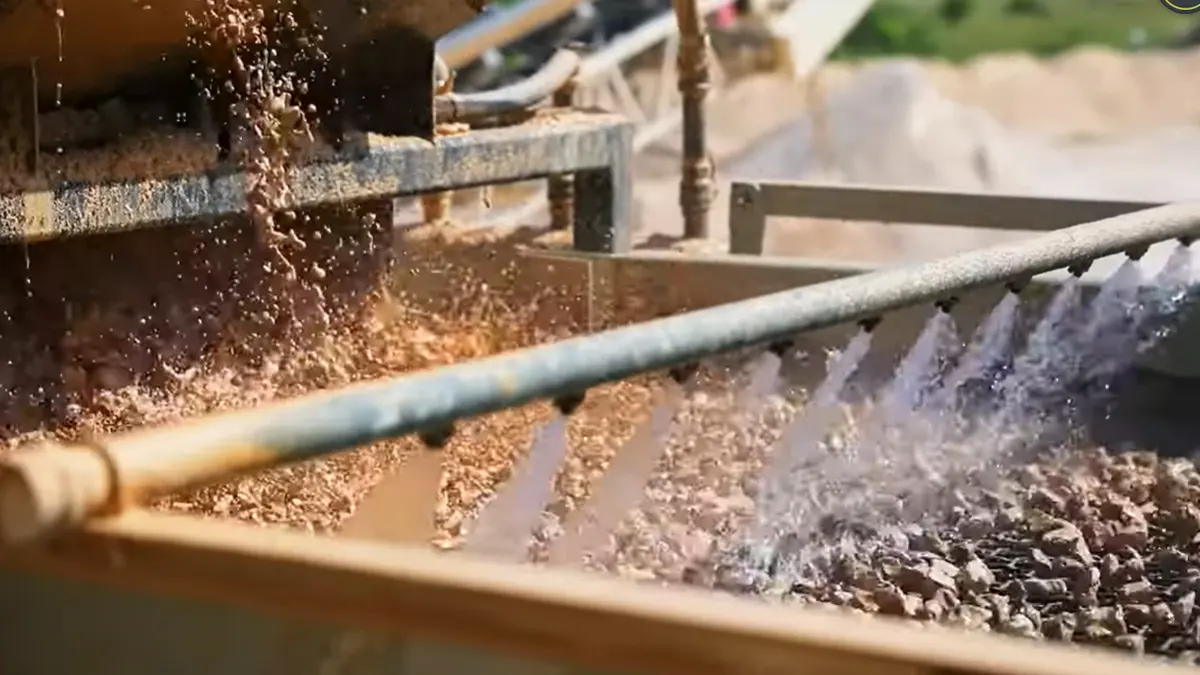
Factories use perforated metal to screen and sift things. The holes help separate particles by size. This is useful in food production for filtering solids or sifting grains. Water treatment plants use these plates to catch debris. This keeps systems working well. Perforated metals help you get accurate results and steady flow.
- Filtration systems use perforated sheets to sort particles and keep flow good.
- Food and beverage companies use them for sifting and filtering.
- Oil and gas plants use them to work better and stay safe.
Machinery Ventilation
Machines need to stay cool and safe. Perforated metals cover fans, motors, and other parts. The holes let air move but block dust and debris. This stops equipment from overheating and keeps workers safe. Perforated panels also help control noise. They absorb and scatter sound, making factories quieter.
- Perforated metal panels lower noise in busy factories.
- They protect workers by covering moving parts.
- Better airflow means machines last longer.
Architectural & Decorative
Perforated metals are popular in modern design. You can use them to add style and function to buildings. Here are some common architectural uses:
| Application Type | Description |
|---|---|
| Building facade and cladding | Custom patterns and shapes make buildings stand out. |
| Interior or exterior walls | Fire-resistant and good for creative designs. |
| Internal partitions | Give privacy and beauty at the same time. |
| Perforated metal ceilings | Easy to install, strong, and fire-resistant. |
| Perforated protective fence | Modern, sleek, and strong for outdoor privacy. |
You can see perforated metals in art, sound sculptures, and smart city projects. Designers like how these materials let in light, lower noise, and save energy. Some buildings use perforated metal to cut down on lighting and air conditioning.
Automotive & Transport
Perforated metals help cars, trucks, and trains work better. You find them in exhaust systems, grilles, and heat shields. The holes let air and heat escape, keeping engines cool. These materials make vehicles lighter but still strong. In public transport, perforated panels improve airflow and safety.
- Automotive exhausts and grilles use perforated metal for heat and airflow.
- Trains and buses use them for strong, light panels.
- Perforated metals lower noise and protect parts from damage.
You can also find perforated metals in aerospace, sports gear, and wearable tech. Engineers and designers keep finding new ways to use these materials.
Tip: If you want something strong, light, and stylish, perforated metal is a smart choice for almost any project.
Benefits of Perforated Metal
If you want smart choices for building or design, you need more than just good looks. Perforated metal gives you many benefits besides style. It helps air move better, filters things well, and lets you pick many designs. Let’s look at the main benefits you get.
Efficiency
You want your machines and buildings to work well and save energy. Perforated metal helps in many ways:
- Air and liquids can move easily, so things stay cool.
- HEPA and cartridge filters use perforated metal to trap tiny bits and keep air clean.
- Exhaust systems in homes and factories use it to take out bad stuff from the air.
- In liquid filters, these sheets handle strong shaking and high pressure. That’s why you see them in water plants and food factories.
Tip: Want to save on energy bills? Use perforated metal for better airflow. It lets hot air out and cool air in, so you don’t need fans or AC as much.
The pattern you pick for your plate matters too. The right pattern means less pressure and better flow. This helps your system work faster and use less power.
Durability
You want things that last a long time. Perforated metal is made by punching holes in strong sheets. This makes it light but tough. You can use it in HVAC, building walls, or sound barriers.
Perforated metal lasts long, especially with coatings that stop rust or damage. You can trust it for hard jobs, like busy factories or outdoor fences. Expanded metal can be stronger sometimes, but perforated metal is lighter and helps with sound.
Note: Need something strong for weather or heavy use? Perforated metal is a good choice.
Customization
You might want your project to look special or do a certain job. Perforated metal makes this easy. You can pick the hole shape, size, and pattern. This lets you make cool building parts, neat lights, or custom screens.
Here’s what you can do with customization:
- Pick different finishes for more strength or a special look.
- Use perforated metal for shelves, safety screens, or even art.
- Get the right mix of strength and weight for your needs.
| Custom Option | Benefit Example |
|---|---|
| Shape & Size | Unique building facades |
| Surface Finish | Rust resistance, color choices |
| Pattern & Texture | Noise control, light effects |
Perforated metal is also good for the planet. It is light, so you use less material. You can recycle it easily, which means less waste and longer use for your project.
Callout: Want a quieter, cooler, or more stylish place? Try perforated metal in your next project.
When you pick perforated metal, you get benefits that make your work easier, safer, and more fun. Think about what you need—better airflow, long life, or a special look—and you’ll see why many people choose perforated metal for their projects.
Selection & Manufacturing
Choosing the right perforated metal sheet can feel tricky, but you can make it simple by focusing on what you need. Let’s break it down so you get the best fit for your project.
Choosing Perforated Metal Sheets
Application Needs
First, think about where you’ll use the perforated plate. Are you filtering water, screening grains, or adding style to a building? Each job needs a different approach. For example, if you want to filter tiny particles, you’ll need smaller holes and a strong material. If you want more airflow, go for larger holes and a lighter sheet.
Here’s a handy table to help you compare what matters most:
| Factor | Description |
|---|---|
| Material Choices | Use strong materials like stainless steel for durability and rust resistance. |
| Hole Size and Shape | The right hole size and open area boost filtration efficiency. |
| Perforated Pattern | Patterns affect flow rate and how often you need to clean the plate. |
| Custom Designs | Special designs can solve unique problems. |
| Maintenance Considerations | Regular checks keep your system safe and working well. |
| Thickness | Balance strength and weight for best results. |
| Industry Fit | Make sure your choice meets your industry’s standards. |
Tip: Always match the plate to your job. A plate that works in a food factory might not work in a chemical plant.
Material & Pattern
You have lots of choices for materials and patterns. Stainless steel works well for wet or harsh places. Aluminum is light and easy to shape. Mild steel saves money but needs protection from rust. The pattern you pick changes how air, water, or light moves through the plate. Round holes are strong, while slotted or hexagonal holes let more air or liquid pass.
Manufacturing Limits
Even with many options, some limits exist in making perforated plates.
- Material performance matters. Some metals handle heat or chemicals better than others.
- Hole patterns can make weak spots if not designed right.
- Thin sheets might tear during punching. Thick sheets need special machines.
Note: If you need a special shape or extra-strong plate, talk to your manufacturer early. They can help you avoid problems.
Custom Solutions
You can get creative with custom manufacturing. Here are some options you might like:
- Special margins or odd shapes for unique spaces.
- Extra steps like shearing or coping for a perfect fit.
- Custom stair treads with mixed punch patterns.
You can also choose:
- Flat, curved, or profiled panels
- Custom patterns or graphics
- Textured screen walls
- SurFlex or aluminum plate panels
Companies like Sobotec and Remaly Manufacturing offer lots of custom choices. They work with materials like aluminum, stainless steel, and copper. You can ask for round, square, or slotted holes, or even your own design.
Callout: Don’t forget about maintenance! Clean your plates with mild cleaners and check for damage. Protective coatings help them last longer, especially outdoors.
When you know your needs and talk with experts, you’ll get a perforated plate that works hard and looks great.
Conclusion
Perforated plates are used in many industries. They help with filtration, flow control, and ventilation. These plates make air move better and use less energy. Here are some main benefits:
| Benefit | Description |
|---|---|
| Improves airflow uniformity | Makes sure air moves the same everywhere. |
| Reduces air resistance | Helps air flow easily and quickly. |
| Enhances air quality | Stops big things from getting into the air. |
| Energy efficiency | Uses less energy for heating and cooling. |
| Cost savings | Saves money on repairs and upkeep. |
You can pick different hole types for your project. Each type works best for certain jobs:
| Hole Type | Description | Applications |
|---|---|---|
| Round | Cheap and fits lots of uses | Air conditioning, design |
| Square | Strong and lets you see through | Security, impact resistance |
| Slot | Good for sorting and separating things | Material screening |
| Ornamental | Looks special and adds style | Decorative projects |
We make perforated plates for many needs. If you want the best plate, talk to an expert first. You will get better results and feel confident about your choice.
FAQ
What is a perforated plate?
A perforated plate is a sheet with many holes. You can use it to filter, control flow, or let air pass. It works in many industries.
How do I choose the right hole size?
Think about what you want to block or let through. Smaller holes catch tiny particles. Bigger holes allow more air or liquid to pass. Always match the hole size to your job.
Can I use perforated metal outdoors?
Yes, you can! Stainless steel and aluminum work well outside. They resist rust and last a long time. Just check if you need a special coating for extra protection.
What shapes can the holes be?
You can pick round, square, slotted, or hexagonal holes. Each shape changes how the plate works. For example:
- Round: Strong and common
- Square: Modern look
- Slotted: More airflow
How do I clean a perforated plate?
Use a soft brush or mild cleaner. Wipe gently to remove dust or dirt. For tough spots, soak the plate in warm water first. Avoid harsh chemicals.
Where do you see perforated plates most often?
You see them in air vents, building facades, machine covers, and car grilles. Factories use them for filters and screens. You might even spot them in art or furniture!