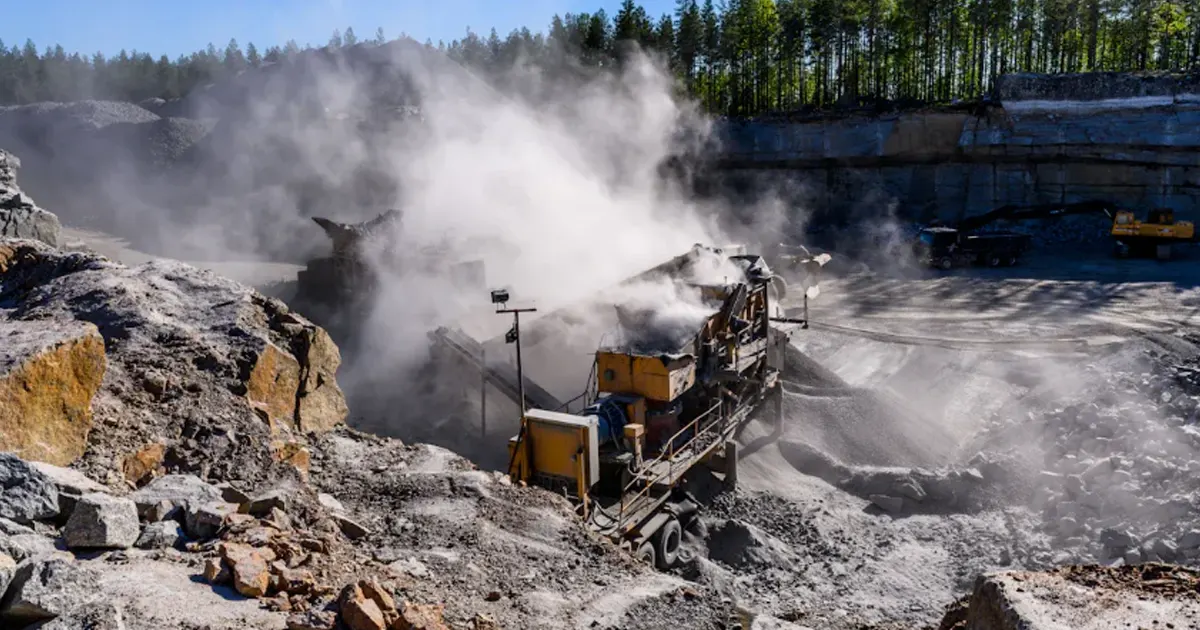
You get crushed stone screenings by putting crushed stone through several steps. First, big rocks are broken into smaller pieces. Screening separates the fine particles, called screenings, from bigger stones. Crushed stone screening is important in aggregate operations. It helps you control the size and quality of the final product.
When you work efficiently, you get great results:
- You keep material quality high and earn more money.
- You make materials that fit exact size needs and cut waste.
- You make your processing operation work better.
If you want the best results, pay attention to each step in the process.
Key Takeaways
- Crushed stone screenings are tiny pieces. They help make construction materials stronger and more stable.
- Screening crushed stone makes sure each piece is the right size. This stops problems with rocks that are too big or too small.
- Good screening keeps machines safe from harm. It also cuts down on waste and saves money.
- Screens need regular care, like checking and cleaning them. This helps them work their best.
- Picking the right screen media, like woven wire or self-cleaning screens, makes the process faster.
- Controlling moisture and fines during work keeps screening efficient. It also keeps the product high quality.
- Storing and loading materials the right way keeps them neat. It also makes them ready to deliver without mixing.
- Watching important things like durability and abrasion resistance checks if the aggregate is good enough.
Crushed Stone Screening Overview
What Are Screenings?
People talk about screenings when they use crushed stone. Screenings are tiny pieces left after crushing and screening rocks. When big rocks break, you get many sizes. The smallest bits are called fine aggregates or stone dust. Some people call these #10 Stone. You see screenings in pavers, concrete blocks, and under walkways. Screenings help hold bigger pieces together. They make your project look smooth. They also make the final product stronger.
- Screenings are small pieces left after crushing and screening stone.
- You use them in construction because they fill spaces and make things steady.
- Fine aggregates like screenings help your work look neat and last longer.
Why Screen Crushed Stone?
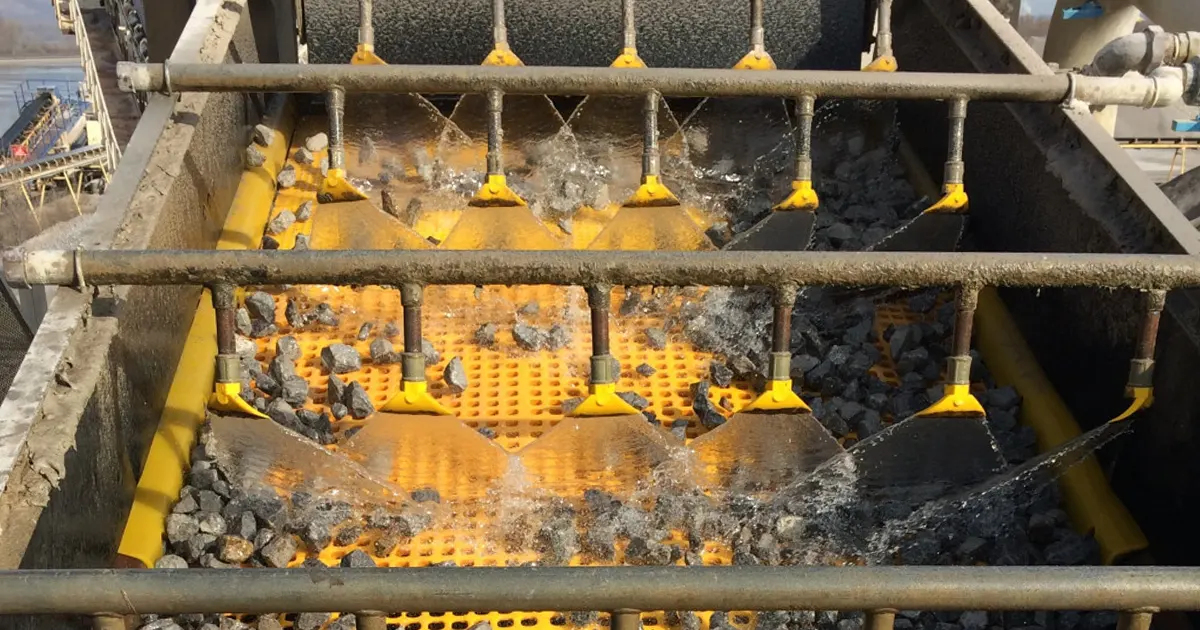
You need to screen crushed stone to get the right size for each job. Screening is a big part of making aggregates. It sorts the material so you can use it for different things. If you skip screening, you might get rocks that are too big or too small. This can cause problems in your project.
Screening does more than sort by size. It also removes dust, clay, and other things you do not want. This makes your aggregate cleaner and better for building. Screening also protects your machines. When you take out the wrong sizes, you stop big rocks from hurting your equipment. You also waste less and use more of each load.
Here is what happens in a normal aggregate plant:
- Crushing: You break big rocks into smaller pieces.
- Screening: You sort material by size with pre-screening, check screening, and product screening.
- Sand Making: You turn crushed stone into sand for special jobs.
- Sand Powder Separation: You take out extra fine particles to make the material better.
- Washing: You clean the material to remove dust and clay.
Key Benefits for Aggregate Processing
Screening gives you many good things in aggregate processing. Look at this table to see how it helps:
| Benefit | Description |
|---|---|
| Size Separation | You get the right size for every job, so quality is better. |
| Material Quality Improvement | You meet engineering rules and make your product more reliable. |
| Protection of Downstream Equipment | You stop damage to crushers and other machines, so you save money on repairs. |
| Improved Sustainability | You waste less and use more material, which helps the environment. |
| Enhanced Structural Stability | You remove the wrong sizes, so roads and buildings stay strong and safe. |
When you pay attention to each step, you get better fine and coarse aggregates. You also make sure your aggregate fits every need. Crushed stone screening helps your plant work well.
Crushing Process and Screening Stages
Primary Crushing Process
The crushing process starts with big rocks. These rocks are too large to use right away. You need to break them into smaller pieces first. This is an important step in making aggregates. It helps everything else go well. Most of the time, you use a jaw crusher for this job. Jaw crushers are strong and can crush hard rocks like granite or basalt. The jaw crusher uses a lot of force to break the rocks. If the rocks are softer, like limestone, you might use an impact crusher instead. For very soft rocks, a hammer mill works best.
Here is what usually happens:
- Large rocks go into the jaw crusher.
- The machine crushes them into smaller pieces.
- These smaller pieces are easier to use in the next steps.
You want the rocks to be small enough for the next machine. This makes the process easier and keeps your machines safe.
Scalping and Initial Screening
After the first crushing, you need to remove big pieces. These big pieces can cause problems later. Scalping and initial screening help with this. A scalping screen separates out the largest rocks. This helps in two ways. First, it keeps your machines from getting stuck or broken. Second, it makes sure only the right size rocks move forward.
Scalping screens work quickly. They take out the big pieces before they slow things down. This keeps your crushing process working well. You also get better quality because you remove bad materials early.
Tip: If you skip scalping, your machines might break or become unsafe. Always use a scalping screen to keep things safe and working well.
Secondary and Tertiary Crushing
Now you have smaller rocks. You need to make them even smaller. This is called secondary and tertiary crushing. In the secondary stage, you use machines like cone crushers or horizontal-shaft impactors. These machines take rocks about 150mm to 300mm wide. They crush them down to 50mm to 100mm. The pieces become more even and cube-shaped. This is good for building projects.
If you need even smaller pieces, you use tertiary crushing. Special machines like high-speed cone crushers or VSI crushers do this job. They can make rocks less than 1 inch wide. Tertiary crushing is important when you want very even and cube-shaped pieces for things like asphalt or concrete.
Here is a simple table to show the differences:
| Feature | Secondary Crushing | Tertiary Crushing |
|---|---|---|
| Material Size | 150mm to 300mm | Less than 1 inch (25 mm) |
| Output Size | 50mm to 100mm | Specific particle size and shape |
| Equipment Used | Cone crushers, horizontal-shaft impactors | Cone crushers, VSI crushers, roll crushers |
| Product Quality | More uniform, cubical products | Highly uniform and cubical |
| Throughput | Higher throughput | Lower throughput |
| Application Focus | General aggregate production | Specific applications like asphalt and concrete |
You need both secondary and tertiary crushing for different jobs. Each step helps you get the right size and quality. By following these steps, you make sure your crushed stone screening works well for any project.
Sizing Screens in Aggregate Processing
You need to use sizing screens to sort your crushed stone into different sizes. These screens play a big role in aggregate processing. They help you get the right size for every job. When you set up your screens, you have to think about a few things:
- How many tons per hour you want to process
- The size mix of your feed material
- The type and weight of the stone
- The size you want to separate out
- How wet the material is
- Any special needs for your operation
Most aggregate processing plants use vibratory screens. You can set these up with one, two, three, or even four decks. Some big operations use up to eight decks! Usually, three decks work best. The top deck catches the biggest pieces. The middle deck sorts out medium sizes. The bottom deck handles the finest cuts. You can choose different screen materials like woven wire, polyurethane, rubber, or hybrid types. Each one works best for certain jobs.
If you pick the right screen and set it up well, you get clean, even-sized stone. This makes your whole processing line run smoother and faster.
Final Screening for Stone Dust
After you crush and size your stone, you need to do one last screening step. This step is important for making stone dust, which is the finest material in aggregate processing. You use special screens to separate out the stone dust from the rest of the material.
Here’s what you need to know about this step:
- Screens sort the material into different sizes. This is how you get stone dust.
- You do this screening after you finish the main crushing steps.
- Good screening helps you get the right amount of stone dust and keeps your operation running well.
- You need to pay attention to things like screen speed, stroke, rotation, and angle. These all affect how well the screen works.
- Don’t let the material pile up too deep on the screen. If the bed is too thick, the fine particles can’t reach the openings. Try to keep the bed depth less than four times the opening size at the discharge end.
When you get this step right, you make sure your crushed stone screening gives you the best quality stone dust for your projects.
Optional Washing and Dewatering
Sometimes, you need to wash your aggregate to make it even cleaner. Washing and dewatering are extra steps in aggregate processing. They help you remove dirt, clay, and other unwanted stuff from your stone. These steps also help you control moisture, which makes your material easier to handle and store.
When to Use Wash Screens
You should use wash screens when your material has a lot of dust, clay, or other debris. Washing equipment helps you get rid of these things. This makes your aggregate cleaner and better for building. Clean stone meets higher standards and works better in concrete, asphalt, and other mixes.
Here’s a quick look at why you might add washing and dewatering to your plant:
| Benefit | What It Does |
|---|---|
| Removes debris | Washes away dust, clay, and unwanted particles |
| Improves quality | Makes your aggregate cleaner and more reliable |
| Lowers moisture | Dewatering screens reduce water content for easier handling |
| Recycles water | Helps you save water and cut down on waste |
Managing Moisture and Fines
You need to keep an eye on moisture and fines during aggregate processing. Too much water can make your material hard to move and store. Dewatering screens help you lower the moisture content. This makes your stone easier to stockpile and load out. Dewatering also helps you recycle water, which saves money and helps the environment.
If you control moisture and fines, you get better results from your crushed stone screening. Your final product will be cleaner, drier, and ready for any job.
Stockpiling and Loadout
After you finish processing, you need to move the screened stone. You put each type of stone in its own pile. This step is important because it keeps your stone clean. It also gets the stone ready for delivery.
Here are some good ways to handle stockpiling and loadout:
- Put each screened product in a separate pile. This stops mixing and keeps your stone pure.
- Use more than one conveyor. This helps you move stone faster and stops slowdowns.
- Watch for spills. Make sure your machines line up so you do not lose stone.
- Build piles that are easy to reach. Small piles help you get stone quickly and keep it good.
Tip: If you keep your piles neat and use the right tools, you save time. You also protect your stone and make your work easier.
When you load stone, check that you only take the right kind from each pile. Do not mix sizes or types. This makes your customers happy and helps you meet project needs. Good stockpiling and loadout help your crushed stone screening go well from start to finish.
Table 1: Crushed Stone Screening Stages and Goals
Each step in processing has its own job and problem. The table below shows what to watch for at every stage:
| Stage | Purpose | Typical Issues | What to Optimize |
|---|---|---|---|
| Coarse Crushing | Break big rocks into smaller pieces | Picking the best machine for large rocks | Make it safe and fast |
| Medium Crushing | Make rocks a medium size | Keeping the size the same | Even feed and even size |
| Fine Crushing | Make small stones or sand for the end product | Getting the right size for the final product | Be exact and waste less |
| Sizing Screening | Sort stones into different sizes for different jobs | Screens getting blocked, uneven feeding | Make screens work well |
| Final Screening | Take out stone dust and tiny pieces from good stones | Too much on the screen, losing small pieces | Clean sorting and good quality |
| Washing/Dewatering | Clean off dirt and control water in the stone | Too much water, clay, or tiny pieces | Keep it clean and not too wet |
| Stockpiling/Loadout | Store and send out finished stone without mixing | Mixing, spills, hard-to-manage piles | Keep stone pure and easy to get |
You can use this table to check each step in your process. If you see a problem, look at the issues and try to fix them. Every step is important in crushed stone screening. When you pay attention to each part, you get better stone and higher quality.
Screening Performance Factors
Throughput and Efficiency
You want your screening operation to run fast and smooth. Throughput means how much material you can move through your screens in a set time. Efficiency shows how well your screens separate the right sizes. If you get high throughput but low efficiency, you waste time and money. You need both to get the best results.
Screening efficiency is the percentage of the target aggregate size that passes through the screens. For example, if you reach 80% efficiency, that means 80% of the right-sized stone makes it through, while 20% does not. Most plants aim for 90-95% efficiency. Getting close to 100% is the goal, but it is tough in real life.
Here are some things that affect your throughput and efficiency:
- The type of screen media you use
- How you install your screens
- How evenly you feed material onto the screen
- The speed and angle of your screens
- Regular maintenance of your equipment
If you pay attention to these details, you can boost your screening performance and keep your process running strong.
Feed Gradation and Top Size
Feed gradation means the mix of different stone sizes you put on the screen. Top size is the biggest piece in that mix. Both matter a lot in aggregate processing. When you use the right gradation, you get stronger material for building. The pieces fit together better, so you need less cement or binder. This saves you money and makes your product better.
A good gradation also stops the material from separating during transport or placement. You get even compaction and a solid final product. If your feed is not graded well, you might see problems like uneven shapes or weak spots in your aggregate.
Here’s what you should watch for:
- Make sure your feed has a good mix of sizes
- Check the top size so you do not overload your screens
- Adjust your crusher settings and feed rate to control gradation
When you manage feed gradation and top size, you help your processing line work better and get the results you want.
Moisture, Clay, and Fines
Moisture, clay, and fines can make screening tough. If your material is too wet, it sticks together and blocks the screen openings. Clay and fine particles can plug up the screens and slow down your process. Drier material always separates better and keeps your efficiency high.
Let’s look at how moisture affects separation:
| Moisture Content | Separation Efficiency |
|---|---|
| Lower | Higher |
| Higher | Hindered |
Sticky materials like clay and fines can cause blinding, which means the screen holes get blocked. This lowers your processing efficiency. Wet screening can help with sticky materials. It breaks up clumps and washes away fines, so your screens stay clear.
To keep your process on track:
- Watch the moisture level in your feed
- Use wet screening if you handle sticky materials
- Clean your screens often to stop plugging
If you control moisture, clay, and fines, you keep your screening process efficient and your aggregate clean.
Screen Angle and Motion
The angle of your screen is important for sorting crushed stone. If you tilt the screen between 15 and 22 degrees, gravity helps move big rocks down. This works best for dry materials and makes sorting faster. A horizontal screen, with up to 10 degrees, moves rocks slower. Horizontal screens are better for wet materials because they give more time to separate pieces. The way the screen moves also matters. You can pick linear, elliptical, or circular motion. Linear motion shakes the material hard and helps it move fast. Elliptical and circular motions mix the material more, which helps sort it into layers. Picking the right angle and motion makes your screening work better and gives you cleaner results.
Tip: If your screen is slow or gets blocked, try changing the angle or motion. Even small changes can help a lot.
Aperture and Open Area
Apertures are the holes in your screen. The size of these holes decides what can fall through. Bigger apertures let bigger stones drop down. Smaller apertures keep fine material on top. You need to pick the right aperture size for your job. Open area means how much space is open for material to pass through. More open area lets you process more material faster. You want enough open area so fine pieces can reach the end without getting stuck. If the bed at the end is less than four times the hole size, or at least as big as the hole, you get better sorting.
- Mesh and aperture openings are important for sorting particles.
- Big apertures let big pieces through; small ones keep fines.
- Open area should be large for best results.
- Particles must reach the bottom of the bed before falling through.
- Keep the bed at the end less than four times the aperture size.
If you watch your apertures and open area, you get the right size material and keep things moving.
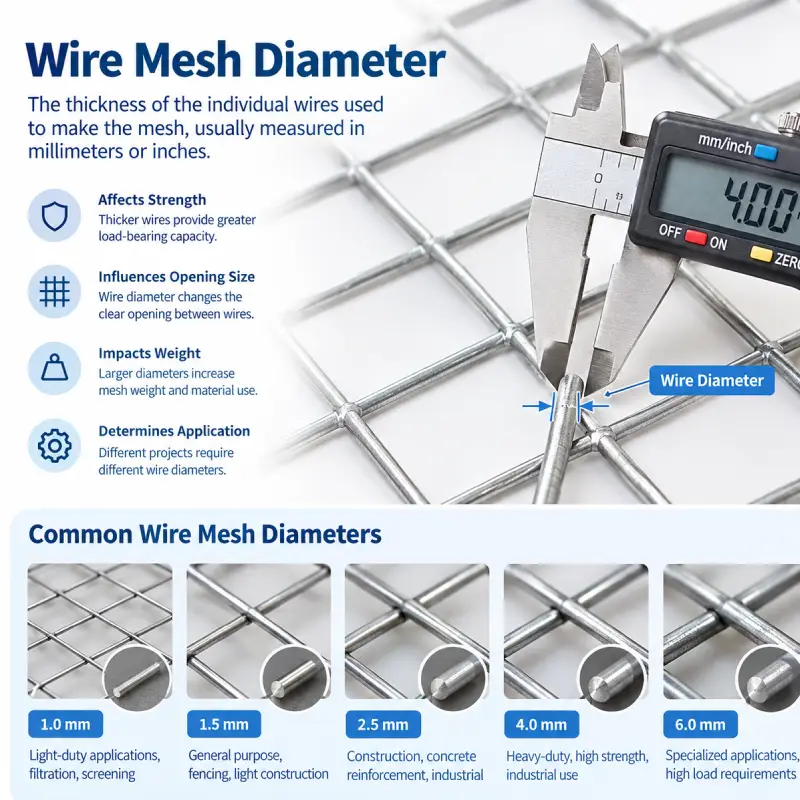
Wire and Plate Thickness
Wire and plate thickness change how long your screens last and how fast you can work. Thinner wires give you more open area, so you can process more material. Thicker wires last longer but have less open area, which slows things down. Perforated plates give you more choices. You can make them strong and still have lots of open area. Thicker plates can have holes close together, so you get both strength and speed.
- More open area in wire mesh means you process more each hour.
- Thicker wires give less open area and slow sorting.
- Perforated plates can be made for both strength and open area.
- Thicker plates keep lots of open area and help you work faster.
- Thicker wires last longer but lower open area.
- The link between wire size and open area does not change.
- Perforated plates can be made for both long life and open area.
If you pick the right wire and plate thickness, your screens last longer and work well. Choose the best thickness for your job to get good results.
Key Metrics in Aggregate Processing
You want your crushed stone screening to give you strong, reliable material. How do you know if your aggregate is good enough? You can check a few key metrics. These tests help you see if your stone will last and perform well in real-world jobs.
Here are the main things you should look at:
- Durability
This tells you how well your stone stands up to heavy traffic and tough weather. If your aggregate is durable, it will not break down easily. Roads, driveways, and building foundations need strong stone. You want your material to last for years, not just a few months. - L.A. Abrasion
This test checks how your stone handles friction and rubbing. Imagine cars and trucks rolling over a road every day. The L.A. Abrasion test shows if your aggregate can take that kind of wear. If your stone passes, it works well for road bases and concrete. - R-Value Testing
This test measures how stable your material is when you put weight on it. You want your stone to stay firm under pressure. R-Value is important for pavements and foundations. If your aggregate has a high R-Value, it will not shift or sink when you build on top of it. - Soundness Testing
This test looks at how your stone handles freezing and thawing. In places with cold winters, water can get into the stone and freeze. If the stone is not sound, it will crack and fall apart. Soundness testing helps you pick the right material for different climates.
Tip: If you check these metrics, you can catch problems before they show up on the job site. Good testing saves you time and money.
You do not need fancy tools to start. Ask your supplier for test results or send samples to a lab. When you know your aggregate’s key metrics, you can trust your material to do the job right.
Common Screening Problems
Blinding and Pegging
You might notice your screens stop working well when blinding or pegging happens. Blinding means fine particles cover the screen openings, so nothing can pass through. Pegging happens when stones get stuck in the holes. Both problems slow down your processing and lower your output.
Why do these issues show up? Here are some common reasons:
- The stone size matches the screen opening, so pieces get wedged in.
- Flat or odd-shaped stones cannot move through the screen easily.
- Too much moisture makes fines stick together and block the screen.
You can fix these problems with a few smart changes:
- Try screens with rectangular holes instead of square ones. This helps stones move better.
- Use self-cleaning screens that vibrate. These shake loose any stuck material.
- For heavy loads, supported self-cleaning screens work well.
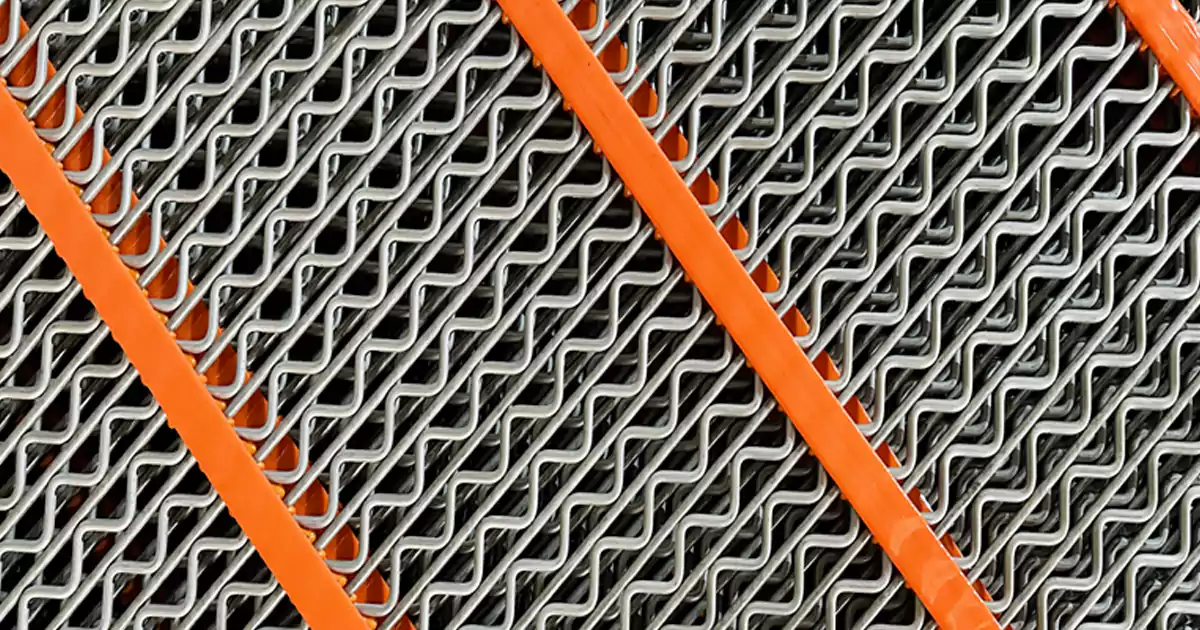
- Wave wire self-cleaning screens use a different motion to keep blockages away.
Tip: If you see your screens clogging often, check the shape and moisture of your material. Small changes in your setup can make a big difference in processing.
Wear at Feed End
The feed end of your screen takes the hardest hit. Stones drop onto this area first, so it wears out faster than the rest. If you ignore this, you might see holes, tears, or even broken screens. This leads to downtime and lost production.
You can spot wear at the feed end by looking for:
- Thinning or shiny spots on the screen
- Uneven material flow
- More large stones in your fine product
To slow down wear, spread the material evenly across the screen. You can use feed plates or deflectors for this. Also, check your screens often and replace worn parts before they fail. Good maintenance keeps your processing line running and saves you money.
Broken Wires and Tension Loss
Broken wires and tension loss can cause big headaches in your screening operation. When wires break, the mesh loses strength. This means your screen cannot filter material as well. You might see more oversized stones in your fine product, which hurts quality.
Tension loss lets the mesh move too much. This extra movement wears out the screen faster and can break even more wires. If you do not fix these problems, you will spend more time and money on repairs. Regular checks and proper tensioning keep your screens working right.
Here’s what you should do:
- Inspect your screens for broken wires every day.
- Tighten the mesh if you see it sagging or moving too much.
- Replace damaged sections before they cause bigger problems.
Note: Good maintenance helps you avoid costly downtime and keeps your processing efficient.
Low Efficiency and Carryover
You might notice your screening plant is not working as well as it should. Maybe you see too much fine material in your oversize pile, or you find large rocks mixed with your fines. This means you have low efficiency and carryover. These problems can slow down your whole operation and hurt your product quality.
Low efficiency happens when your screen does not separate the stone sizes the way you want. Carryover means some of the smaller pieces do not pass through the screen. Instead, they ride along with the bigger stones. You end up with mixed piles and unhappy customers.
Let’s look at what usually causes these problems:
- Crusher settings that are not right can send rocks that are too big for your screens. Your screens cannot handle them, so you get poor results.
- If you set your screen at the wrong angle or use the wrong motion, the material does not move or separate well.
- When you feed the screen unevenly, some spots get too much material and others get too little. This makes it hard for the screen to do its job.
- If the bed of material on the screen is too deep or too shallow, the stones cannot sort themselves out. The fine pieces get stuck and do not fall through.
- Pegging and blinding block the screen holes. When this happens, nothing can pass through, and your efficiency drops fast.
Tip: Watch your screens closely. If you see piles building up or material not moving, check your settings and feed arrangement first.
You can fix low efficiency and carryover by making small changes. Adjust your crusher so the feed size matches your screen. Set the screen at the right angle and use the best motion for your material. Spread the feed evenly across the screen. Keep the bed depth just right—not too thick or too thin. Clean your screens often to stop blinding and pegging.
When you pay attention to these details, you get cleaner piles, better quality, and a smoother operation. Your screening plant will thank you!
Screen Media Selection for Crushed Stone
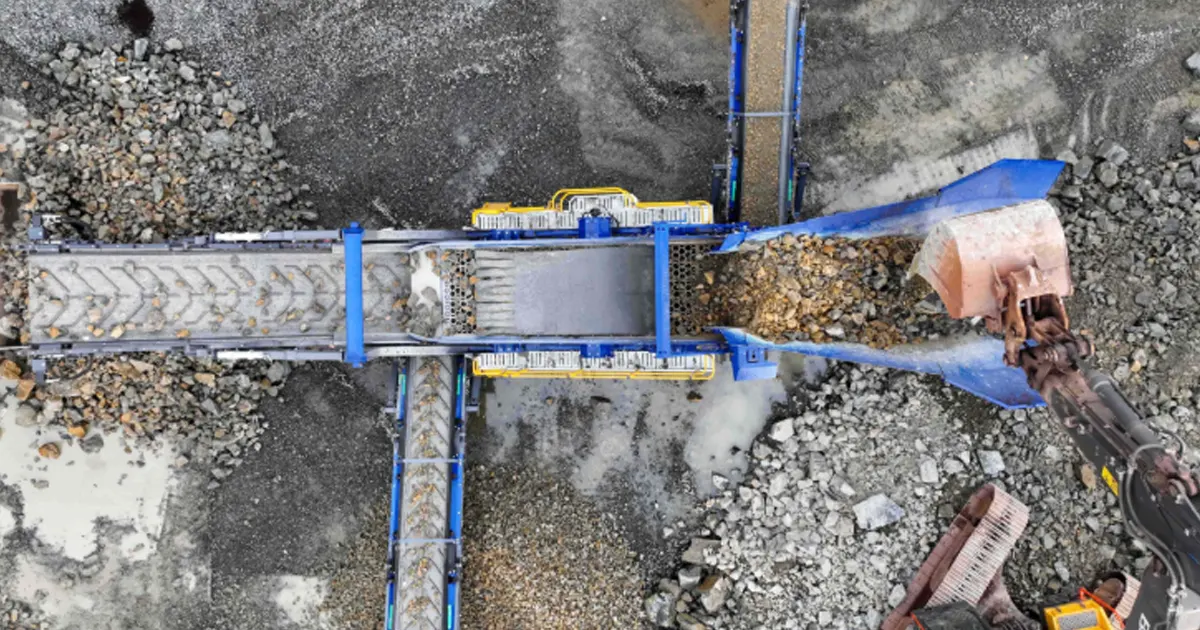
Woven Wire Screens
You see woven wire screens in many aggregate plants. These screens use strong wires woven together to make a mesh. You can pick different wire sizes and opening shapes. This lets you match the screen to your processing needs. Woven wire screens work well for most crushed stone jobs. They give you good accuracy and let you process a lot of material fast.
If you want a screen that is easy to install and replace, woven wire is a smart choice. You can use them for dry or wet processing. They handle sharp rocks and heavy loads. You can also get them in different metals for extra strength or rust resistance.
Tip: If you need to change screen sizes often, woven wire screens make the job quick and simple.
Self-Cleaning Screens
Self-cleaning screens help you when you deal with sticky or wet material. These screens use special wires that move and flex as the screen vibrates. This action shakes off any material that tries to block the openings. You do not have to stop your processing line to clean the screens by hand.
You can use self-cleaning screens for tough jobs. They work well when you have clay, fines, or wet crushed stone. You will see fewer problems with blinding and pegging. This means your processing stays smooth and your output stays high.
- Less downtime for cleaning
- Better screening with sticky material
- Longer screen life
If you want to keep your processing line moving, self-cleaning screens are a great option.
PU-Mesh Screens
PU-mesh screens use polyurethane instead of metal. Polyurethane is a strong, flexible plastic. These screens last a long time and resist wear from sharp rocks. You can use PU-mesh screens when you want less noise and longer life in your processing plant.
PU-mesh screens work best for fine screening. They handle high-impact loads and do not rust. You can use them in wet or dry processing. They also help lower your maintenance costs because they do not wear out as fast as metal screens.
Note: If you want a quiet, low-maintenance screen for your processing, try PU-mesh screens.
Each screen type has its own strengths. Think about your material, your processing needs, and your budget. The right screen helps you get the best results from your crushed stone operation.
Table 2: Screen Media Quick Selection for Crushed Stone
You might wonder which screen media works best for your crushed stone. Here’s a handy table to help you pick the right one fast. Just match your material condition and problem to the best screen media. You’ll see why each choice works.
| Material Condition | Problem | Best Screen Media | Why It Works |
|---|---|---|---|
| Wet, sticky, lots of clay | Blinding and plugging | Self-Cleaning Screen | Wires move and shake off sticky material |
| High impact, sharp stone | Fast wear and tear | PU-Mesh Screen | Polyurethane lasts longer and handles sharp edges |
| Dry, regular stone | General screening | Woven Wire Screen | Good open area and fast material flow |
| Mixed sizes, odd shapes | Pegging | Self-Cleaning Screen | Flexible wires clear out stuck pieces |
| Need quiet operation | Noise | PU-Mesh Screen | Polyurethane absorbs sound and reduces noise |
| Frequent size changes | Quick swaps needed | Woven Wire Screen | Easy to change and adjust for new sizes |
Tip: If you’re not sure, start with woven wire screens. They work well for most jobs and are easy to swap out.
Selection Criteria
You want the best screen for your job. Here’s how you can choose:
- Material Type
Look at your stone. Is it hard, soft, wet, or sticky? Hard stone needs tough screens. Wet or sticky stone needs self-cleaning screens. - Desired Product Size
Think about the size you want. Fine material needs small openings. Bigger stone needs larger holes. - Throughput Needs
If you need to process a lot of stone fast, pick screens with more open area. Woven wire screens are great for high volume. - Wear Life
Do you want your screens to last longer? PU-mesh screens handle sharp rocks and heavy loads. They last longer than regular wire. - Noise Level
If you want a quieter plant, use PU-mesh screens. They cut down on noise. - Budget
Woven wire screens cost less up front. PU-mesh screens cost more but last longer. Self-cleaning screens save you money on downtime.
Ask yourself these questions before you buy. You’ll get the right screen for your plant.
Maintenance Best Practices
You want your screens to last and work well. Here’s what you should do:
- Inspect Regularly
Check your screens every day. Look for broken wires, holes, or sagging mesh. - Keep Screens Tight
Loose screens wear out fast. Tighten them if you see movement or hear rattling. - Clean Often
Remove any stuck material. Use brushes or air to keep openings clear. - Rotate or Replace
Move screens around if you see uneven wear. Replace damaged screens right away. - Record Maintenance
Write down when you check, clean, or replace screens. This helps you spot patterns and plan ahead.
Note: Good maintenance keeps your plant running and saves you money. Don’t wait for a breakdown—stay ahead with regular checks!
Maintenance Tips for Screening
Inspection and Tensioning
You want your screening equipment to last and work well. Start with regular inspection. Look at your screens every day before you begin processing. Check for broken wires, loose mesh, or worn spots. If you see shiny areas or sagging, your screen needs attention. Use a flashlight to spot small tears or holes.
Tensioning is just as important. Loose screens wear out fast and let material slip through. Tighten your screens until they feel firm. You should not see any movement when you tap the mesh. If you hear rattling during processing, stop and check the tension. A tight screen gives you better results and keeps your processing line running smoothly.
Tip: Make a habit of checking tension at the start and end of each shift. This small step can save you from big problems later.
Cleaning and Blinding Prevention
Screens can get blocked by fine material. This is called blinding. When blinding happens, your processing slows down and you lose good material. You need to keep your screens clean to avoid this problem.
Use brushes or air jets to clear off stuck material. For wet or sticky stone, try self-cleaning screens. These screens shake off fines as they work. You can also use water sprays to wash away clay and dust during processing. Do not let material build up. Clean your screens often, especially after heavy rain or when you see slowdowns.
Here are some quick cleaning tips:
- Brush screens at the end of each shift.
- Use air or water to clear tough spots.
- Check for blinding every hour during processing.
Note: Clean screens mean better sorting and less downtime.
Monitoring Wear and Replacement
Wear happens in every processing plant. You cannot stop it, but you can manage it. Watch for thin spots, holes, or broken wires. The feed end of your screen wears out first because it takes the hardest hit. If you see uneven wear, move your screens around to spread out the load.
Replace damaged screens right away. Do not wait for a full breakdown. A small tear can turn into a big hole fast. Keep spare screens on hand so you can swap them quickly. This keeps your processing line moving and your product quality high.
You can use a simple table to track wear:
| Checkpoint | What to Look For | Action Needed |
|---|---|---|
| Feed End | Thin spots, holes | Rotate or replace |
| Middle Section | Broken wires, sagging | Tighten or repair |
| Discharge End | Build-up, blinding | Clean or replace |
Stay ahead of wear. Your processing will stay efficient, and you will avoid costly downtime.
Recordkeeping
You might think recordkeeping sounds boring, but it can save you a lot of trouble in your screening operation. When you keep good records, you spot problems early and plan your maintenance better. You also make your plant safer and more efficient.
Why should you bother with recordkeeping? Here are a few reasons:
- You remember when you last checked or replaced a screen.
- You see patterns in wear or breakdowns.
- You can show your boss or team what you have done.
- You plan ahead for ordering new screens or parts.
- You avoid costly surprises.
You do not need fancy software to get started. A simple notebook, a spreadsheet, or even a whiteboard can work. The key is to write things down every time you inspect, clean, tighten, or replace a screen.
Here is a simple table you can use to track your screening maintenance:
| Date | Task Performed | Screen Location | Condition Found | Action Taken | Next Check Date |
|---|---|---|---|---|---|
| 2024-06-01 | Inspection | Feed End | Worn wires | Tightened mesh | 2024-06-08 |
| 2024-06-02 | Cleaning | Middle Deck | Blinding | Brushed screen | 2024-06-09 |
| 2024-06-03 | Replacement | Discharge End | Torn mesh | Replaced screen | 2024-06-10 |
You can make your own table like this. Just fill it in after each maintenance task. If you use a computer, you can sort or search your records anytime.
Tip: Set a reminder on your phone or calendar for your next check. This helps you stay on schedule and never miss a maintenance day.
Try to keep your records in one place. If you work with a team, make sure everyone knows where to find and update the log. You can even use color codes or stickers for quick notes.
Good recordkeeping helps you catch small issues before they turn into big problems. You will spend less time fixing breakdowns and more time running your plant smoothly. Start simple, stay consistent, and watch your screening operation improve!
Conclusion
You’ve seen how crushed stone screening works from start to finish. When you follow each process step, you get better quality and save time. Keep your screens in top shape and pick the right media for your job. Use the tips here to boost your results. Anpeng designs and manufactures durable screening solutions for heavy-duty industries. We produce Woven Wire Screens, Self-Cleaning Screens, and PU-Mesh Screens to help you achieve reliable, efficient screening results.
FAQ
What are crushed stone screenings used for?
You use screenings for making concrete blocks, paver bases, walkways, and as a filler under driveways. They help lock bigger stones in place and create a smooth, stable surface.
How often should I check my screens for wear?
Check your screens every day before you start work. Look for holes, broken wires, or sagging mesh. Quick checks help you catch problems early and keep your plant running.
Can I use the same screen media for wet and dry material?
You can, but it’s not always best. For wet or sticky material, self-cleaning screens work better. For dry stone, woven wire screens usually do the job well.
Why does my screen keep getting blocked?
Blinding happens when fine or sticky material covers the openings. Try using self-cleaning screens or adding water sprays. Clean your screens often to keep things moving.
How do I pick the right screen opening size?
Think about the size you want in your final product. Use a screen with openings just smaller than your target size. This helps you get clean, even material.
What’s the best way to prevent mixing in stockpiles?
Build separate piles for each product. Use more than one conveyor if you can. Keep piles neat and check for spills. This keeps your stone pure and ready for loading.
Do I need special tools to maintain my screens?
No fancy tools needed! You can use a flashlight, a wrench for tightening, and a brush for cleaning. Keep a notebook or phone handy for tracking maintenance.
How can I make my screens last longer?
Spread material evenly across the screen. Tighten the mesh often. Clean off stuck material. Replace worn screens before they break. Good habits help your screens work better and last longer.