You use things made from minerals every day. Mining and Processing means taking useful materials from the earth. Then, these materials are changed into things you can use. This process is important because it affects energy use. It also changes how much things cost. It helps decide how good the final product is.
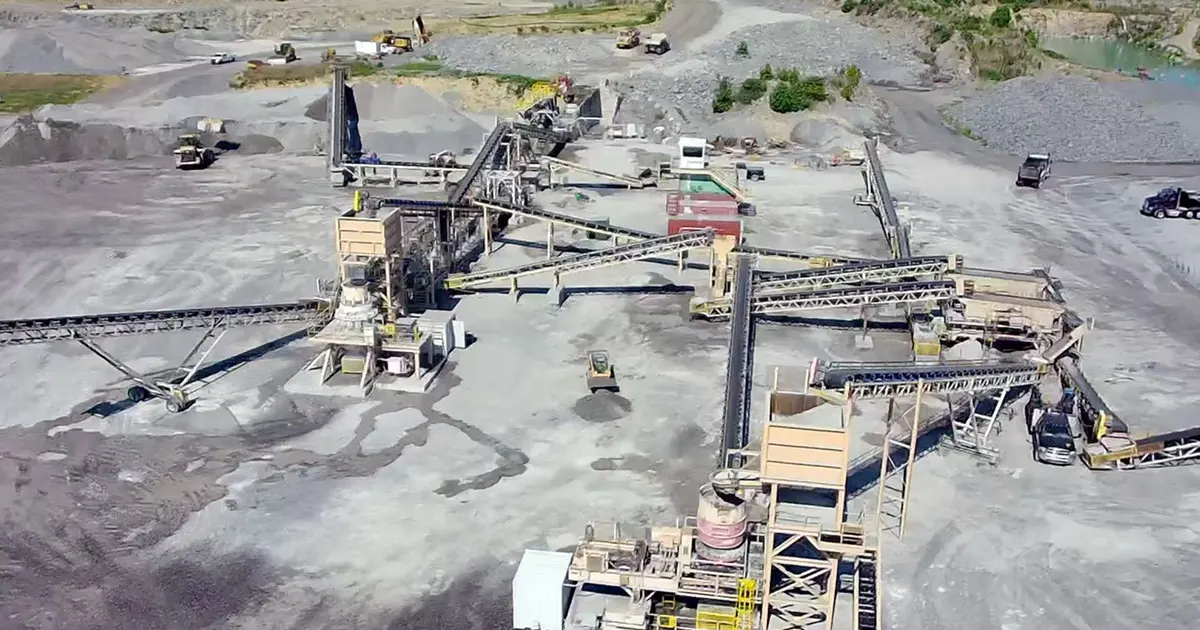
Mining and Processing helps supply chains around the world. Workers must find ways to save energy and cut costs. They also need to follow strict rules. If you make breaking down materials better, you use less energy. You also spend less money. Good processing lets you get more resources. It also helps protect the environment.
Key Takeaways
- Mining and processing help us get minerals from the earth. This affects how much energy we use and how much products cost.
- The mining process has five main steps. These are Exploration & Prospecting, Discovery, Development, Operation, and Closure.
- Good exploration needs surveys and sampling. This helps find valuable minerals before mining starts.
- Careful planning and building keep mining safe and legal. It also helps make mining profitable.
- Equipment must be checked often. This stops breakdowns and keeps workers safe.
- There are different mining methods. Surface and underground mining are picked based on where minerals are and how they affect nature.
- Processing minerals means crushing, grinding, and separating materials. This turns minerals into products we can use.
- Using sustainable practices is important. Things like restoring land and recycling help lower mining’s impact on nature.
Mining and Processing Workflow
Mining and Processing follows a clear path from start to finish. You can break it down into five main stages:
- Exploration & Prospecting
- Discovery
- Development
- Operation
- Closure
Let’s walk through the first three steps in detail.
Exploration & Prospecting
You can’t start mining without knowing what’s in the ground. This stage helps you find out if valuable minerals exist in a location. It’s a bit like being a detective.
Geological Surveys
You begin with geological surveys. These surveys help you map the land and understand what lies beneath the surface. You might use tools like magnetometers or seismic equipment. Sometimes, you fly over the area and use special cameras to spot clues from above. Geophysical methods can show you where to look for hidden minerals.
- You collect soil and rock samples.
- You use advanced tools to measure changes in the earth’s magnetic field.
- You drill small holes to pull up core samples for testing.
Did you know? Fewer than 1 in 1,000 exploration projects actually become a working mine. It’s a tough job, but finding a new deposit can change everything.
Sampling
Sampling comes next. You take pieces of rock, soil, or sediment from different spots. You send these samples to a lab. There, scientists check for valuable minerals. You might use drilling rigs to get samples from deep underground. Sometimes, you just collect material from the surface.
- You collect samples by hand or with machines.
- You test the samples for metal content.
- You decide if it’s worth moving to the next stage.
Planning & Construction
Once you find a promising spot, you need a plan. This stage takes time and careful thinking. You want to make sure the mine will be safe, legal, and profitable.
Site Preparation
You start by clearing the land. You remove trees, rocks, and anything else in the way. You build roads so trucks and machines can reach the site. You also set up fences and safety signs.
Infrastructure Development
Now, you build the things you need for Mining and Processing. This includes offices, workshops, and storage areas. You might need to bring in water and electricity. You also build waste storage and treatment facilities to protect the environment.
Here’s a quick look at how long this phase can take:
| Phase | Typical Duration |
|---|---|
| Pre-Feasibility Study | 6-12 months |
| Definitive Feasibility Study | 12-24 months |
| Documentation & Approvals | 1-3 years |
You need to think about management, financing, and environmental rules. You also need permits before you can start digging. Sometimes, you talk with local communities to make sure everyone agrees with the plan.
Operation & Production
This is where the real action happens. You start to dig up minerals and move them for processing.
Drilling & Blasting
You use drills to make holes in the rock. Then, you place explosives in the holes. When you set off the blast, the rock breaks into smaller pieces. This makes it easier to collect and transport the material.
- You plan each blast carefully for safety.
- You check the size of the broken rock.
- You adjust your methods to get the best results.
Loading & Hauling
After blasting, you load the broken rock onto big trucks or conveyor belts. These machines carry the material to the processing plant. You need strong equipment to move heavy loads all day.
- You use loaders and shovels to pick up the rock.
- You drive trucks along safe routes.
- You keep everything moving to avoid delays.
Mining and Processing depends on each of these steps working together. If you skip a step or rush, you might miss valuable resources or face big problems later.
Maintenance & Expansion
You can’t keep a mine running without taking care of your machines and systems. Maintenance and expansion help you get the most out of Mining and Processing. If you ignore these steps, you risk breakdowns, lost time, and even accidents.
Equipment Upkeep
You need to look after your equipment every day. This means more than just fixing things when they break. You want to stop problems before they start. Here’s how you can do that:
- Preventive maintenance means you service machines on a set schedule. You don’t wait for something to go wrong. This helps you plan your budget and keep spare parts ready.
- Predictive maintenance uses sensors and real-time data. You can spot trouble before it causes a shutdown. This saves you money and keeps your mine running.
- Corrective maintenance happens when something breaks. You need to act fast and have a plan for repairs.
- Condition-based maintenance checks the health of your machines. You use technology to find early signs of wear or damage.
Tip: If you keep your maintenance routine steady and make sure you always have the right parts, you can cut down on downtime.
Regular equipment upkeep does more than just keep things moving. It keeps your workers safe. You can spot worn-out parts before they cause an accident. You also avoid surprise breakdowns that can cost you a lot of money.
Process Optimization
You want your mine to work better every year. Process optimization means you look for ways to improve. You might add new machines, change how you move materials, or use better software. You can also train your team to spot problems and suggest fixes.
- Use data to track how well your systems work.
- Try new tools or methods to boost output.
- Listen to your crew—they know what slows things down.
When you focus on process optimization, you get more minerals with less waste. You also use less energy and protect the environment.
Abandonment & Rehabilitation
Every mine has an end. When you finish Mining and Processing, you need a plan to close the site safely. You also want to leave the land in good shape for the future.
Closure Planning
You start by making a closure plan. This plan looks at the impact your mine had on the land, water, and air. You figure out what needs fixing. Here are the main steps:
- Assess the site and make a plan for cleanup.
- Protect the environment from further harm.
- Remove pollution and fix any damage.
- Plant native trees and grasses to bring back nature.
- Check the site often to make sure it stays healthy.
- Follow all laws and rules for mine closure.
You need to work with local communities and government agencies. Everyone wants the land to be safe and useful again.
Environmental Restoration
Restoring the land is a big job, but it can lead to great results. Some old mining sites have become parks, tourist spots, or even new neighborhoods. For example, the Gold Coast in Australia turned old mining land into places for tourism and homes. This project shows how smart planning and hard work can turn a mine into something valuable for everyone.
Note: When you restore a mine site well, you help nature recover and give the land a new purpose.
Mining and Processing doesn’t end when the last truck leaves. Your work shapes the land for years to come.
Mining Methods
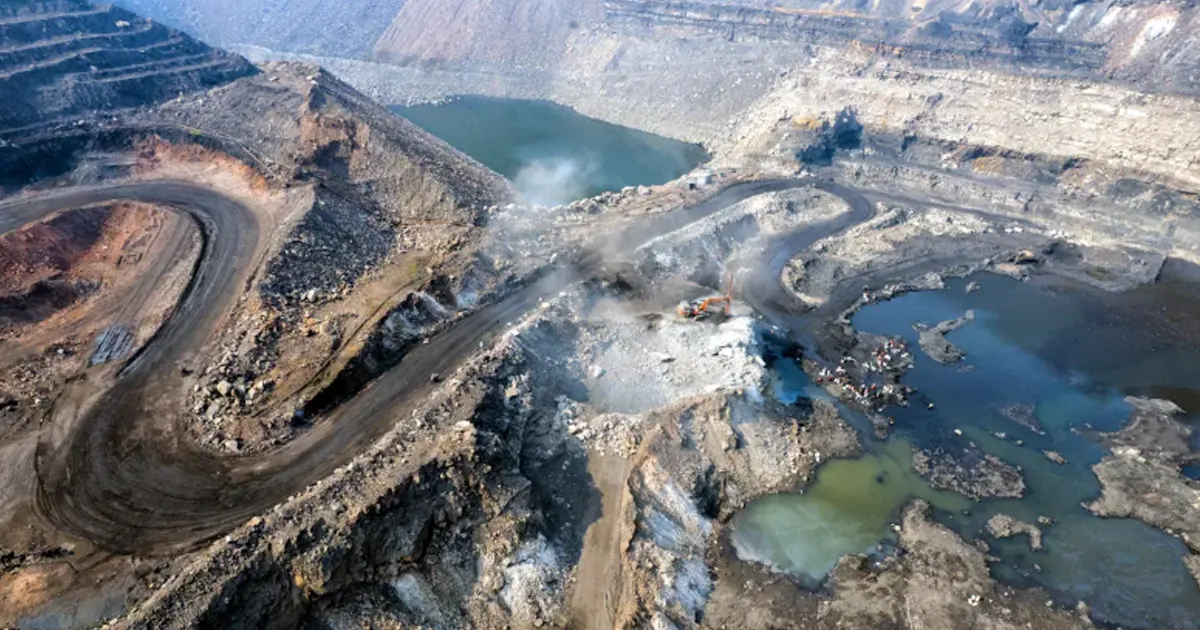
Mining isn’t just about digging a hole. You have several ways to get minerals out of the ground. Each method fits a different situation. Let’s look at the main types.
Surface Mining
Surface mining lets you reach minerals close to the earth’s surface. You use big machines to remove soil and rock. This method works well when the mineral layer is wide and not too deep.
Open-Pit
Open-pit mining creates a huge bowl-shaped hole. You dig deeper and wider as you go. You use trucks, shovels, and drills. This method works best for minerals like copper, gold, and iron. You can see everything you’re working with, which makes planning easier.
- Pros: Easy access, safer for workers, lower costs.
- Cons: Big environmental impact, lots of waste, changes the landscape.
Strip Mining
Strip mining removes layers of soil and rock in strips. You use this method for coal and sometimes for phosphate. You dig one strip, remove the mineral, then move to the next. You fill the old strip with waste rock.
- Pros: Simple process, fast extraction, less equipment needed.
- Cons: Damages large areas, risk of flooding, long recovery time for land.
Surface mining gives you quick results, but it can leave scars on the land. You need to plan carefully to protect nature.
Underground Mining
Underground mining goes deep below the surface. You dig tunnels and shafts to reach minerals. This method works when the mineral layer is narrow or buried under lots of rock.
Room & Pillar
Room & pillar mining creates rooms in the rock. You leave pillars behind to hold up the roof. This method works well for flat-lying minerals like coal and salt.
- Pros: Less surface damage, good for stable rock, targets rich mineral zones.
- Cons: Higher costs, slower process, risk of collapse if pillars fail.
Longwall
Longwall mining uses a machine that moves along the face of the mineral seam. You cut the mineral and let the roof collapse behind you. This method works for coal and sometimes for other minerals.
- Pros: High recovery rates, less waste, efficient for large deposits.
- Cons: Expensive equipment, risk of subsidence, needs careful planning.
Underground mining keeps the surface looking better, but it costs more and takes longer to set up.
Placer Mining
Placer mining finds minerals in loose sand or gravel. You look for gold, tin, or diamonds in riverbeds or beaches.
Alluvial
Alluvial mining uses water to wash minerals from sand and gravel. You use pans, sluices, or even big machines. This method works best for gold and gemstones.
Dredging
Dredging pulls up sediment from rivers or lakes. You use floating machines to scoop up the material. You then separate the minerals from the mud.
| Mining Method | Typical Applications |
|---|---|
| Placer Mining | Gold, Tin, Diamonds, Platinum (Panning, Sluicing, Dredging, Hydraulic mining) |
Placer mining has a smaller impact on land, but you need to watch out for water pollution.
You choose your mining method based on what you want to find, where it is, and how much you care about cost and the environment. Each method has its own strengths and challenges.
In-Situ Mining
You might think mining always means digging big holes or tunnels. In-situ mining flips that idea on its head. Instead of removing tons of rock, you leave the ore right where it sits. You use chemicals to pull out the minerals without moving the earth. This method works best for minerals like uranium, copper, and sometimes potash.
So, how does in-situ mining actually work? You drill wells into the ore body. You pump a special solution down these wells. The solution dissolves the minerals underground. Then, you pump the liquid back up to the surface. You collect the minerals from the liquid using filters or other processes. The land stays mostly undisturbed. You don’t see giant pits or piles of waste rock.
Tip: In-situ mining is sometimes called “solution mining.” You might hear both names, but they mean the same thing.
Let’s break down the steps:
- Drill wells into the mineral deposit.
- Inject a leaching solution (often water mixed with chemicals).
- Let the solution dissolve the minerals.
- Pump the mineral-rich liquid to the surface.
- Process the liquid to recover the minerals.
You use in-situ mining when the ore is deep underground and the rock is porous. The solution can flow through the rock and reach the minerals. You don’t need to blast or dig. You just use pumps and pipes.
Here’s a quick look at the pros and cons:
| Pros | Cons |
|---|---|
| Less surface damage | Risk of groundwater pollution |
| Lower energy use | Limited to certain minerals |
| Smaller footprint | Slow extraction process |
| Fewer workers needed | Needs careful monitoring |
You might like in-situ mining if you want to protect the land. You avoid big scars and keep the surface looking natural. You also use less energy and water. But you need to watch out for pollution. The chemicals can leak into groundwater if you don’t manage the process well.
Note: In-situ mining needs strict rules and constant checks. You must test the water and soil often. If you spot a problem, you fix it right away.
You can see why in-situ mining is growing in popularity. It’s a smart choice for certain minerals and locations. You get the resources you need without tearing up the land. If you care about the environment, this method might be your best bet.
Mineral Processing Methods
You cannot use raw minerals right after mining. You must process them first. This step changes rocks and ores into useful materials. These materials can go into factories, electronics, or jewelry. Let’s look at the main ways to process minerals.
Physical Processing
Physical processing uses machines and simple tools. You do not need chemicals for these steps. You use force, movement, or special properties like weight or magnetism.
Crushing
Crushing is the first step. Big machines called crushers break large rocks into smaller pieces. This makes the material easier to handle. You want the right size for the next step.
Grinding
Grinding makes the small pieces even finer. Mills spin and crush the rocks into powder. This helps you separate valuable minerals from waste.
Screening
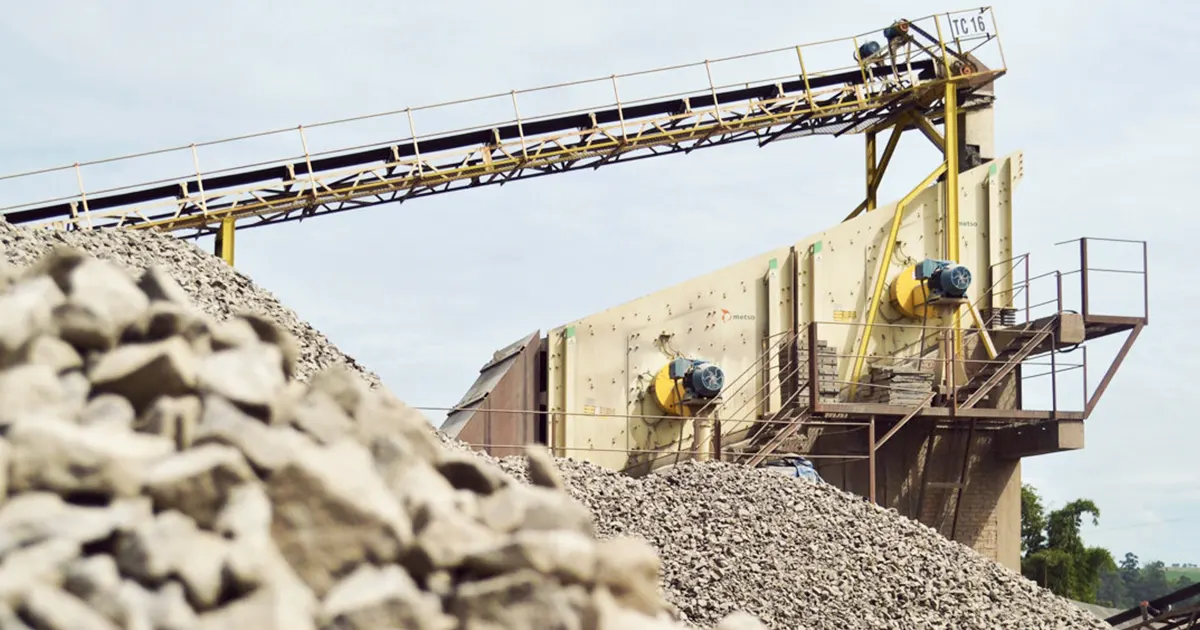
Screening sorts the crushed and ground material by size. Screens have holes of different sizes. Big pieces stay on top. Small pieces fall through. This step helps you control what goes to the next process.
Tip: Physical processing also uses gravity separation, magnetic separation, and manual sorting. Gravity can separate heavy metals from lighter waste. Magnetic separation works well for iron ores.
Here are some common physical processing techniques:
- Crushing
- Grinding
- Screening
- Gravity separation
- Magnetic separation
- Electrostatic and friction beneficiation
Physical processing is simple and does not need chemicals. You can remove solids, bacteria, and salts with special filters like microfiltration or reverse osmosis. These methods help keep costs low and protect the environment.
Chemical Processing
Sometimes, machines are not enough. Chemical processing uses reactions to get metals out of ore. You add chemicals that react with the minerals you want.
Leaching
Leaching means soaking crushed ore in a solution. The solution dissolves the metal you want. You can use acids or other chemicals. Adding more acid can boost cobalt and nickel yields by 5–10%. Nickel extraction can reach up to 63% with strong chemicals. Zinc and copper also dissolve well in acid.
Flotation
Flotation is like a science experiment. You mix ground ore with water and special chemicals. Then, you blow air through the mix. Bubbles stick to the valuable minerals and float them to the top. You scoop off the froth and collect your metal. Flotation works well for metals like copper, lead, and zinc.
Chemical processing can give you high recovery rates. But you must manage chemicals carefully. These methods can cost more and may harm the environment if not handled right.
Biological Processing
Biological processing uses tiny living things called microbes. They help you get metals out of ore.
Bioleaching
Bioleaching lets bacteria do the hard work. You add special microbes to the ore. They eat away at the minerals and release metals like copper or gold. This method works best for ores that are hard to process with chemicals or machines.
Note: Biological processing is gentle on the environment. It works well for removing biodegradable materials. You must keep the right conditions for the microbes to stay active.
Here is a quick comparison:
| Method | Chemicals Needed | Cost | Product Quality | Environmental Impact |
|---|---|---|---|---|
| Physical | No | Low | Good | Low |
| Chemical | Yes | Medium-High | High | Medium-High |
| Biological | Few | Medium | Good | Low |
You can see that each method has its own use. You choose the right one based on your ore, your goals, and your budget.
Mining and Processing Equipment
You can’t run a mine without the right tools. Each stage of Mining and Processing needs special machines. The right equipment helps you work faster, stay safe, and save money. Let’s look at what you’ll use from start to finish.
Exploration Equipment
Before you dig, you need to know what’s underground. Exploration equipment helps you find and measure mineral deposits.
Drills
Drills let you reach deep into the earth. You use them to collect rock and soil samples. These samples tell you if valuable minerals are present. There are different types of drills, like churn drills and augers. Some drills can go hundreds of feet down. Others are small and portable for quick tests.
Survey Tools
Survey tools help you map the land. You use GPS, magnetometers, and special cameras. These tools show you where to drill and what to expect. Good survey tools make your search more accurate and less expensive.
Tip: Using the best drills and survey tools means you waste less time and money looking in the wrong place.
Extraction Equipment
Once you find minerals, you need strong machines to get them out. Extraction equipment does the heavy lifting.
Excavators
Excavators dig up soil and rock. They have big buckets and strong arms. You use them to move large amounts of earth quickly. Some, like bucket-wheel excavators, can remove huge layers at once.
Blasthole Drills
Blasthole drills make deep holes for explosives. You use these to break up hard rock. After blasting, it’s easier to collect the minerals.
Dozers
Dozers, or bulldozers, push rocks and dirt out of the way. They clear land, build roads, and help shape the mining site. Their strong blades make tough jobs simple.
Dragline Excavators
Dragline excavators use a long boom and a bucket. You swing the bucket to scoop up earth. These machines work well in surface mining, especially for coal.
Here’s a quick look at some key extraction equipment:
| Equipment Type | What It Does |
|---|---|
| Excavators | Dig and move earth and rock |
| Blasthole Drills | Drill holes for explosives |
| Dozers | Push and clear material |
| Dragline Excavators | Scoop large amounts of earth with a swinging boom |
Choosing the right extraction equipment boosts your productivity and keeps your team safe. New machines with remote controls can even keep workers out of danger.
Hauling Equipment
After you dig up minerals, you need to move them. Hauling equipment carries heavy loads from the pit to the plant.
Mining Trucks
Mining trucks are giants. Some, like the Caterpillar 797F, can carry over 400 tons in one trip. You use these trucks to haul rock, ore, and waste. They work all day, every day.
Conveyors
Conveyors are long belts that move material quickly. You use them to carry ore from the mine to the processing plant. Conveyors save fuel and cut down on truck traffic.
| Equipment Type | Description |
|---|---|
| Mining Trucks | Massive vehicles for hauling large loads |
| Conveyors | Belts that transport material over long distances |
When you pick the right hauling equipment, you cut costs and reduce accidents. Automation and smart design make these machines safer and more efficient.
Mining and Processing depends on smart equipment choices. The right machines help you get more done, protect your workers, and keep your project on track.
Processing Equipment
You can’t turn raw rock into useful products without the right processing equipment. Each machine has a special job. Let’s walk through the main types you’ll see in Mining and Processing.
Crushers
Crushers start the action. You feed big chunks of rock into these machines. They use strong jaws or spinning cones to break the rocks into smaller pieces. You want smaller pieces because they’re easier to handle. Crushers come in different sizes. Some can crush boulders as big as a car. Others work on smaller rocks. You’ll find crushers at the very start of the processing line.
- Jaw crushers use a moving plate to crush rocks.
- Cone crushers squeeze rocks between a cone and a wall.
- Impact crushers use fast-moving parts to smash the material.
Tip: If you control the size of the crushed rock, you make the next steps much easier.
Screens
Screens sort the crushed material by size. You pour the mix onto a vibrating screen. The small pieces fall through holes. The big pieces stay on top. You can use several screens in a row. Each one has different-sized holes. This way, you get piles of material that are just the right size for the next step.
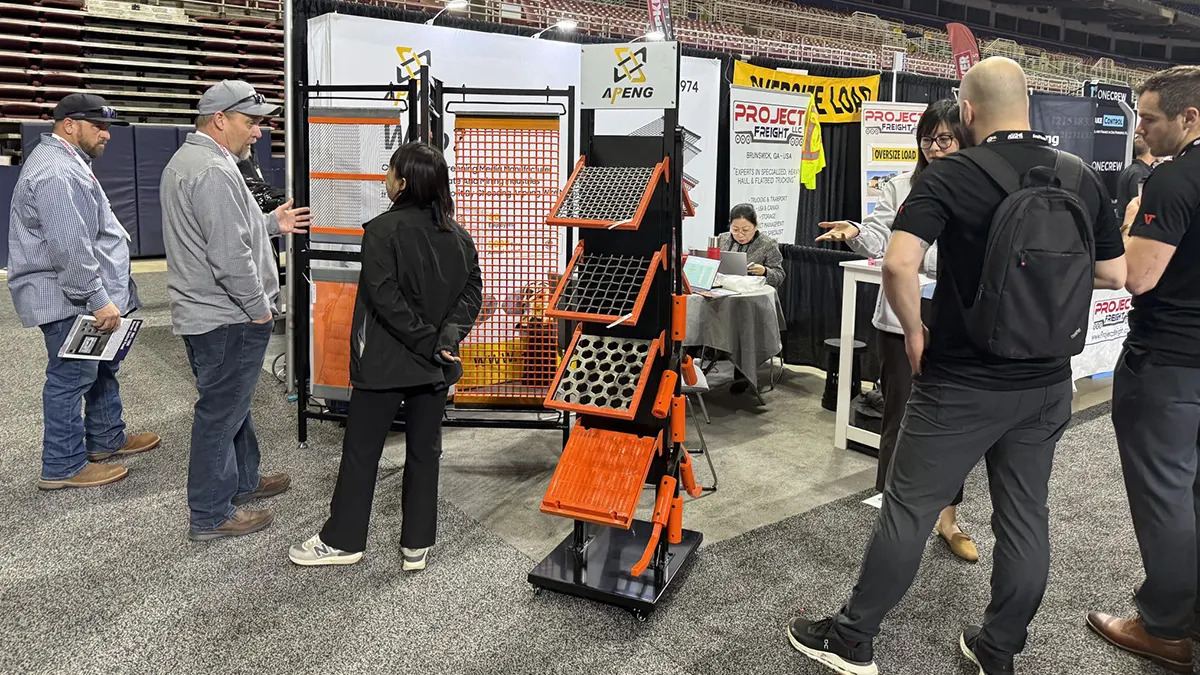
- Woven wire screens work well for most rocks.
- Polyurethane panels last longer and handle wet material better.
Screens help you keep your process smooth. If you send the right size to the next machine, you waste less and get better results.
Mills
Mills grind the sorted material into fine powder. You need this powder to separate valuable minerals from waste. There are different types of mills. Ball mills use heavy balls to crush the rock. Rod mills use long rods. Both spin around and break the material into tiny pieces.
- Ball mills work best for soft or sticky ores.
- Rod mills handle harder rocks.
Grinding takes energy, but it’s key for good recovery. If you get the right powder size, you can pull out more metal.
Flotation Cells
Flotation cells help you separate minerals from waste. You mix the ground-up ore with water and chemicals. Air bubbles rise through the mix. Valuable minerals stick to the bubbles and float to the top. You skim off the froth and collect your product. Flotation works well for copper, lead, and zinc.
Note: Flotation cells let you recover metals that are hard to separate any other way.
Leaching Tanks
Leaching tanks use chemicals to pull metals out of the ore. You add acid or other solutions to the ground-up rock. The tanks mix everything together. The metal dissolves into the liquid. You then collect the metal from the solution. Leaching works for gold, copper, and uranium.
- You can use several tanks in a row for better results.
- You must control the chemicals to protect the environment.
Furnaces
Furnaces heat the processed material to high temperatures. You use them to melt metals or drive off unwanted parts. Smelting furnaces turn ore into pure metal. Roasting furnaces remove sulfur or other chemicals. These machines finish the job and give you a product ready for sale.
- Blast furnaces work for iron and steel.
- Electric furnaces handle smaller batches or special metals.
If you use the right processing equipment, you get more value from every ton of ore. You also make your Mining and Processing operation safer and more efficient.
Here’s a quick list of the main processing equipment:
- Crushers
- Screens
- Mills
- Flotation cells
- Leaching tanks
- Furnaces
Each piece of equipment plays a key role. When you match the right machine to the right job, you boost your results and cut costs.
Crushing & Screening Importance
Crushing and screening are the heart of any mining operation. You want to get the most out of your rocks, and these steps help you do just that. Let’s break down why they matter so much.
Feed Size Control
You can’t just throw any size rock into your crushers and screens. Feed size control makes a big difference in how well your equipment works.
Throughput
When you control the size of the material going into your crusher, you boost your throughput. Here’s how it works:
- Crushers use power to break rocks. If you feed them the right size, they use energy more efficiently.
- The amount of energy you put in changes how fine your final product gets.
- You need to watch your feed rate and adjust your crusher settings. This keeps your power use steady and your output high.
If you keep an eye on your feed size, you get more material through your plant. You also use less energy and save money.
Product Consistency
You want your final product to look the same every time. Consistent feed size helps you get there.
- When you feed your crusher evenly, you get better energy transfer. This means your rocks break the way you want.
- If you keep your feed rate steady, you avoid jams and slowdowns.
- Your final product stays the right size, with less waste and fewer surprises.
Tip: Over 60% of the crushing action in an impact crusher comes from the first hit. Spread your feed evenly for the best results.
Screen Media Types
Screens sort your crushed material by size. The type of screen you pick changes how well your plant runs.
Woven Wire
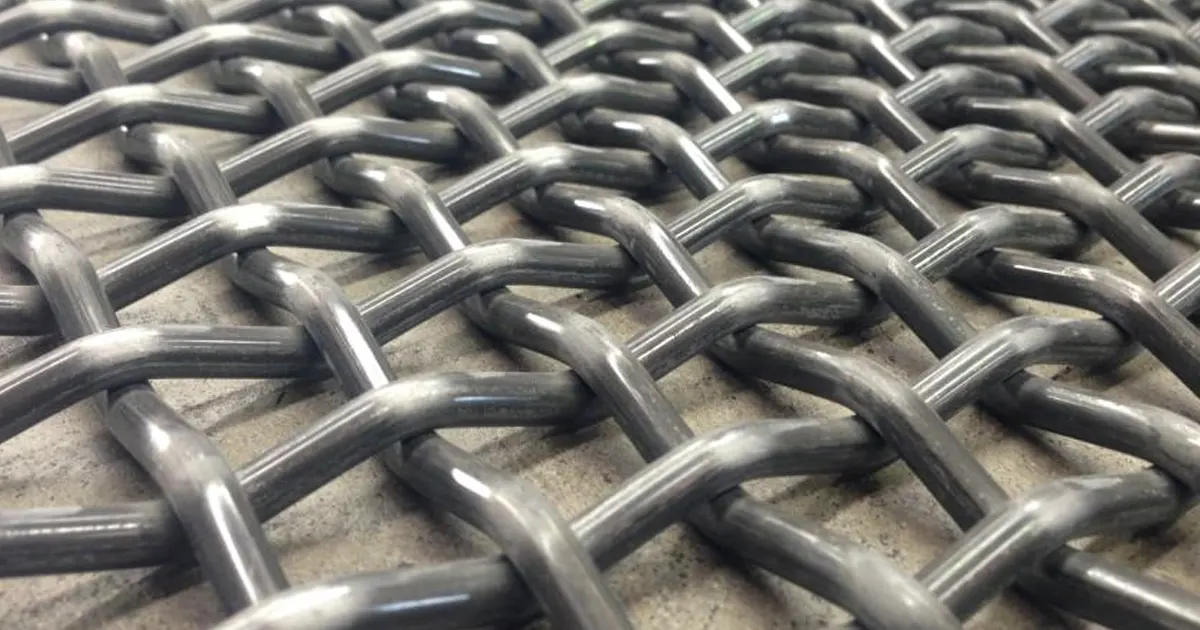
Woven wire screens are tough. They use high-tensile steel to handle heavy loads. You’ll see them in many mines because they last a long time and give you sharp cuts between sizes. They work best when you need clean, accurate sorting. Just remember, they can be rough on softer materials.
Polyurethane Panels
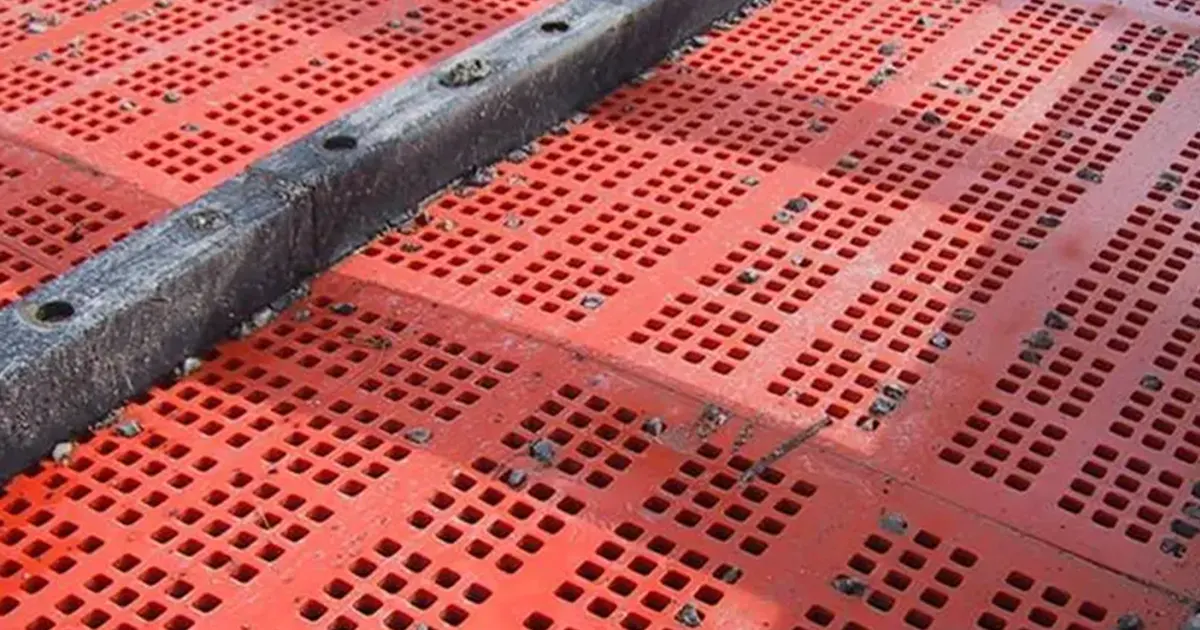
Polyurethane panels are a newer choice. They absorb impacts and cut down on noise. These panels last longer than metal screens, so you don’t have to change them as often. You’ll like them if you want a quieter, more efficient plant.
| Screen Type | Strengths | Best Use Case |
|---|---|---|
| Woven Wire | Durable, sharp sizing | Hard rock, clean separation |
| Polyurethane Panel | Quiet, long wear life | Wet or sticky materials |
Common Issues
Even with good equipment, you’ll run into problems. Two of the biggest are blinding and pegging.
Blinding
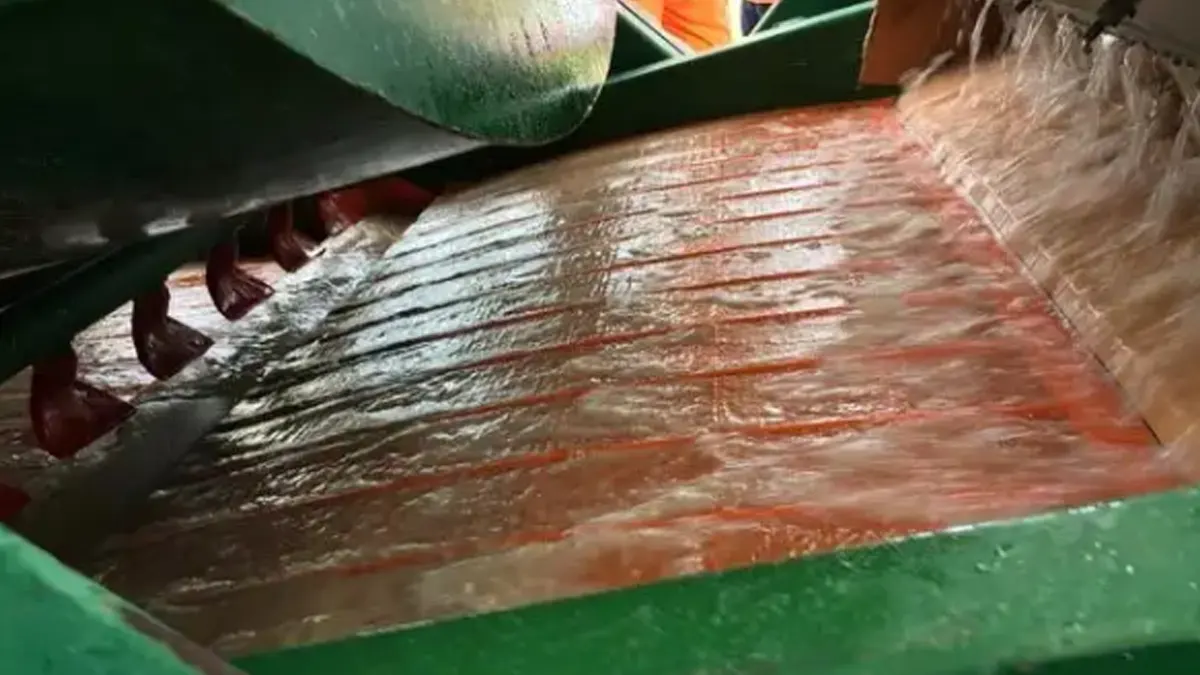
Blinding happens when fine, wet, or sticky material blocks the holes in your screen. When this happens, less material gets through, and your plant slows down. You need to clean your screens often or use panels that resist blinding.
Pegging
Pegging is when small rocks get stuck in the screen holes. This blocks the flow and messes up your sizing. You can fix this by choosing the right screen type and checking your feed size.
Note: Regular checks and the right screen media keep your crushing and screening line running smoothly.
Now you know why crushing and screening matter. With the right feed size, screen type, and maintenance, you get better results and fewer headaches.
Efficiency & Problem Solving
Mining and processing can get tricky. You want to keep things running smoothly, but lots of factors can slow you down. Let’s look at what affects your efficiency and how you can solve common problems.
Efficiency Factors
Ore Variability
Not all ore is the same. Sometimes, the rock changes from one spot to another. You might find richer ore in one area and lower grades in another. This means you need to adjust your process often. If you don’t, you could waste energy or miss out on valuable minerals.
Moisture & Clay
Wet or sticky material can cause headaches. Moisture makes rocks clump together. Clay can clog up your screens and crushers. You need to watch for these issues, especially after rain. Try using special screens or drying the material before it enters your plant.
Fragmentation
How you break up the rock matters. Good fragmentation means the pieces are just the right size for your machines. If the pieces are too big, your crushers work harder and wear out faster. If they’re too small, you get dust and lose valuable material. You can improve fragmentation by planning your blasts and using the right drill patterns.
Feed Control
Feed control keeps your machines happy. If you feed too much at once, you overload your equipment. If you feed too little, you waste time and energy. Use sensors and smart controls to keep the flow steady. This helps you get more done with less effort.
Maintenance
You can’t ignore your machines. Regular maintenance keeps everything running. Try using condition-based maintenance. Sensors can tell you when something’s wrong before it breaks. This way, you fix small problems early and avoid big shutdowns.
Wear Parts
Wear parts are the pieces that take the most hits—like crusher jaws or screen panels. Check them often. Replace them before they fail. This keeps your operation safe and smooth.
Here’s a quick list of things that boost efficiency:
- Good production scheduling
- Smart resource allocation
- Careful production sequencing
- High ore recovery rates
- Reliable machines
- Efficient drill and blast methods
Common Problems
Oversize Carryover
Sometimes, big rocks slip through your screens. This is called oversize carryover. These rocks can jam up your next machine. You can fix this by checking your screen size and keeping your feed even.
Poor Separation
If your screens or separators don’t work well, you get poor separation. Valuable minerals might end up in the waste pile. Try adjusting your equipment settings or using better technology to get a cleaner split.
Clogging
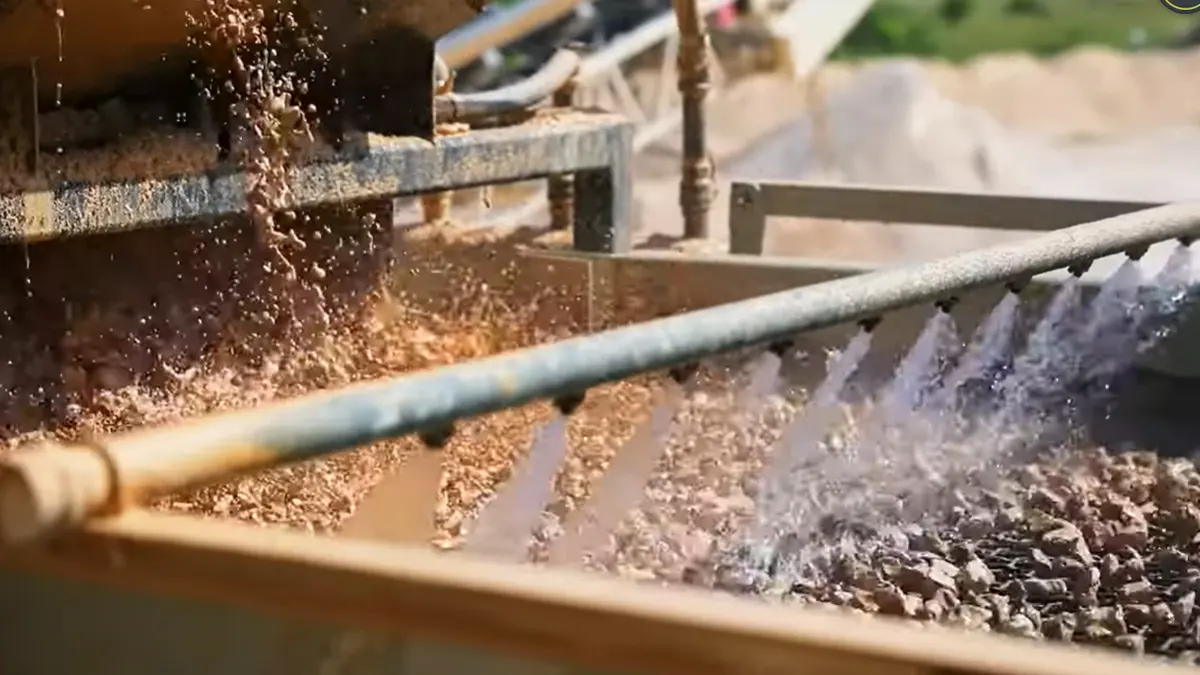
Clogging happens when wet or sticky material blocks your screens or chutes. You can prevent this by using anti-clogging screens or adding water sprays. Keep an eye on your plant during rainy weather.
Excessive Wear
Machines wear out over time, especially if you push them too hard. Check your wear parts often. Use tougher materials if you see lots of damage. This helps you avoid sudden breakdowns.
Downtime
Downtime means lost money. You can cut downtime by using real-time sensors and smart maintenance plans. Train your team to spot problems early. When you act fast, you keep your mine running and your costs down.
Tip: When you solve these common problems, you get more minerals, use less energy, and keep your team safe. That’s a win for everyone!
Conclusion
You’ve seen how mining and processing work step by step. Picking the right methods and equipment helps you get more minerals and keeps costs low. If you watch your process and take care of your machines, you boost efficiency and make better products.
Remember: Smart choices and steady maintenance keep your operation safe and strong.
- Review your workflow often
- Upgrade your tools when needed
- Train your team to spot problems early
FAQ
What is the main goal of mining and processing?
You want to get valuable minerals from the earth. Mining pulls them out. Processing turns them into materials you can use. This helps make things like phones, cars, and buildings.
How do you choose a mining method?
You look at the location, depth, and type of mineral. Surface mining works for shallow deposits. Underground mining fits deep ones. You pick the method that gives you the most minerals with the least harm.
Is mining safe for the environment?
Mining can hurt nature if you do not plan well. You can protect the land by using smart methods, cleaning up after work, and following rules. Many mines now use technology to lower their impact.
What happens to a mine when it closes?
You do not just walk away. You clean up the site, plant trees, and make sure water and soil stay safe. Some old mines become parks or new neighborhoods.
Why do you need to crush and screen rocks?
Crushing and screening make rocks smaller and sort them by size. This helps you get more minerals out and keeps machines running smoothly.
What equipment do you need for mining?
You use drills, excavators, trucks, crushers, and screens. Each tool has a special job. Good equipment helps you work faster and safer.
Can you recycle materials from mining?
Yes! You can reuse water, recycle metals, and use waste rock for building roads. Recycling saves money and helps the planet.