You might think of miners with pans by rivers when you hear about placer mining. This way uses water to pull gold and other heavy minerals from loose gravel and sand. People have used placer methods for thousands of years.
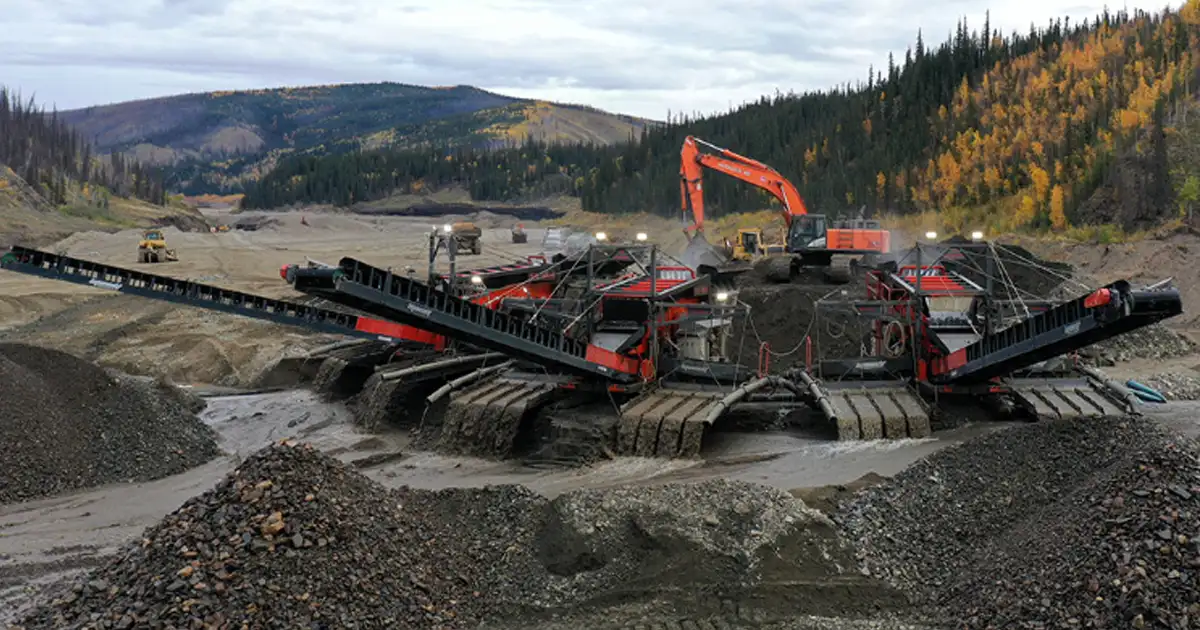
Today, miners still use placer mining. It is the fastest-growing mining method because it is easy and does not cost much. Surface mining and underground mining often need more tools and more planning.
| Mining Method | Description | Dominance in Market | Growth Rate |
|---|---|---|---|
| Placer Mining | Old method using gravity and water to get gold from loose materials. | Fastest-growing | Grows quickly because it is cheap and simple. |
| Hardrock Mining | Main way using tunnels to get gold from solid rock. | Dominant | Well-known way with access to deeper gold. |
Key Takeaways
- Placer mining uses water and gravity to get gold from sand and gravel.
- Gold panning is easy for beginners to try new mining spots. It does not need big machines.
- Sluicing helps miners work faster. It lets them handle more material than panning.
- Dredging works well for finding gold deep underground. It needs careful steps to protect the environment.
- Hydraulic mining can move lots of dirt fast. It can cause big problems for nature.
- Keeping equipment in good shape is very important. It stops damage and helps get gold better.
- Protecting the environment is important in mining. Miners use silt fences and recycle water to help.
- Miners must know local rules and get permits. This keeps mining safe and legal.
What Is Placer Mining?
Placer Mining Defined
Have you ever wondered how miners get gold from rivers? They use a way called placer mining. This method uses water to help separate heavy minerals from lighter sand and gravel. Miners swirl pans in the water and watch for shiny gold flakes at the bottom.
Placer mining means taking heavy minerals like gold out of sand or gravel. Gold is heavier than sand and rocks, so it sinks. This is why placer mining works.
The word “placer” comes up a lot when talking about this. Placers are special places where valuable minerals mix with sand from rivers or glaciers.
Placers are deposits where grains of gold or rare earths are mixed with sand left by a river or glacier.
This process lets miners collect gold without digging deep underground.
Placer vs. Hard Rock Mining
You might wonder how placer mining is different from other ways. The big difference is where miners find the minerals. In placer mining, miners work with loose stuff like sand, gravel, or mud. They use water and gravity to pull out heavy things like gold. This is a kind of surface mining, so miners stay near the ground’s top layer.
Hard rock mining is not the same. Miners dig tunnels or shafts into solid rock to reach gold or other minerals. This is called underground mining. It needs more tools and planning. In hard rock mining, miners often have to blast and crush rock before getting the gold.
Here’s a quick comparison:
| Mining Type | Where It Happens | How Miners Work | Example Minerals |
|---|---|---|---|
| Placer Mining | Loose sand and gravel | Use water and gravity | Gold |
| Hard Rock Mining | Solid rock underground | Dig tunnels, blast rock | Gold, copper |
Where Placer Mining Occurs
Placer mining happens in many places around the world. Miners look for spots where rivers, streams, or glaciers left heavy minerals behind. Gold is the most common thing they want, but sometimes they find rare earths or gems.
Check out some famous places for placer mining:
| Country/Region | Mineral Extracted |
|---|---|
| Alaska | Placer Gold |
| Yukon (Canada) | Placer Gold |
| Siberia (Russia) | Placer Gold |
| Ghana | Placer Gold |
| Kenya | Placer Gold |
| Mauritania | Placer Gold |
| Guyana | Placer Gold |
Miners in these places use placer mining to get gold from riverbeds and old stream channels. You might see small groups with pans or bigger teams using machines. No matter how many people, the goal is the same—find gold and other heavy minerals with water and gravity.
Placer Mining Methods
Gold Panning
Gold panning is a very old way to mine. You can try gold panning with simple tools. Many miners begin with gold panning because it is easy. You do not need much equipment. You only need a pan and a river or stream with placer deposits.
When to Use
Gold panning is good for testing new sites or working alone. This method works best for small mining jobs. If you are new, gold panning helps you learn without spending much money. Here is how you do it:
- Put gravel and sand from the riverbed in your pan.
- Dip the pan in water and break up lumps.
- Twist the pan so heavy minerals go to the bottom.
- Wash the pan and let lighter stuff float away.
- Clean the pan so you can see the gold.
- Look for gold and guess how much you found.
- Take out the gold using mercury or other safe ways.
Most miners use gold panning to check if a spot has enough gold for bigger mining.
Pros and Cons
Gold panning has good and bad sides. You can see them in the table below:
| Method | Estimated Efficiency (% gold recovery) | Key Pros | Key Cons |
|---|---|---|---|
| Panning | 50–60 | Minimal impact, low cost, no chemicals | Labor-intensive, low yield |
Tip: Gold panning is great for beginners. You can learn basic mining and see results fast.
You get about 50–65 percent gold with hand panning. The process is simple, but you may not get much gold unless you work hard. Many miners use gold panning to test new placer sites before trying other mining methods.
Sluicing
Sluicing is better than gold panning. You use a sluice box to separate gold from gravel and sand. Miners put the box in a stream and let water flow through it. Gravity and water trap gold in riffles while lighter stuff washes away.
When to Use
Sluicing is good when you want to process more material than with a pan. Sluicing works well for small groups or rich placer deposits. If you want to process more, this method is a good choice. You can set up a sluice box in a river or use a recirculating system if water is limited.
- Sluicing is best for miners who want to get more gold.
- You can use it in places with steady water flow.
- It is useful when you need to process lots of gravel.
Pros and Cons
Sluicing has strengths and weaknesses. Here is a quick look:
| Method | Estimated Efficiency (% gold recovery) | Key Pros | Key Cons |
|---|---|---|---|
| Sluicing | 60–75 | Accessible, higher throughput | Can disrupt sediment, water dependency |
Note: Sluicing can disturb riverbeds and release sediment. You must follow local rules and use erosion controls.
Recovery rates in sluicing can change. Small ground-sluicing may give less than $1 per day for miners. Bigger operations can make more money. Costs depend on the equipment and methods you use. Many miners pick sluicing for its balance between efficiency and cost.
Dredging
Dredging is a strong mining technique. You use machines called dredges to suck up gravel and sand from riverbeds. Miners use dredging for big placer deposits. This method can get gold from deeper spots that panning and sluicing cannot reach.
When to Use
Dredging is good for getting gold from underwater placer deposits. Dredging works best for bigger mining jobs. If you have a river or lake with rich deposits, dredging can help you get more gold.
- Dredging is best for miners who want to get more gold.
- You can use it in deep water or thick gravel layers.
- It is useful when you need to process lots of material fast.
Pros and Cons
Dredging has important impacts and challenges. Here is a table showing what you need to know:
| Impact Type | Description |
|---|---|
| Sediment Disruption | Too much sediment makes water cloudy and hurts fish habitats. |
| Water Consumption | Recycling systems help use less fresh water and protect local ecosystems. |
| Erosion Controls | Using native plants helps fix riverbanks and stop soil loss. |
| Continuous Monitoring | Data monitoring helps find and fix problems quickly. |
Reminder: Dredging can harm the environment if you do not use proper controls. Many miners use recycling systems and monitor their work to protect rivers.
Dredging lets miners get gold from places other methods cannot reach. You need to balance getting gold with caring for the environment. Many miners use native plants to fix riverbanks after dredging.
Hydraulic Mining
Hydraulic mining is a very strong way to mine. Miners use water jets with high pressure to break apart soil and gravel on hills. The water pushes the loose dirt into sluice boxes. There, gold and other heavy minerals get separated from the rest. This method helps miners find gold that is deep or spread out over big areas.
When to Use
You might pick hydraulic mining if you need to move a lot of dirt fast. It works best where there is lots of water and steep hills. If you want to process huge amounts of placer material, this method saves time and work. Big mining groups often use it to reach gold that other ways cannot get.
- You must have a strong water supply.
- The ground should have good placer deposits.
- Steep hills help make the process work better.
- You can get gold from deep or hard places.
Pros and Cons
Hydraulic mining can move huge amounts of earth. But you should know the good and bad sides before starting.
| Pros | Cons |
|---|---|
| Moves large amounts of material fast | Causes heavy sediment pollution in rivers |
| Reaches gold deep in hillsides | Harms fish and aquatic habitats |
| Reduces manual labor for miners | Leaves behind mercury contamination in some regions |
| Useful for large-scale operations | Can change flood patterns and water quality |
| Modern tech can reduce some impacts | Needs strict controls to protect the environment |
Did you know? In the past, hydraulic mining filled rivers with mud and gravel. The water turned dirty, and fish like salmon and trout lost their homes. Some rivers in California still have mercury warnings after many years. Today, miners use traps and water cleaning systems to help nature.
Hydraulic mining lets you process more dirt than almost any other placer mining way. You can get gold that pans or sluices cannot reach. But you must follow rules and use new tools to keep the land and water safe.
Choosing a Method
Picking the right mining way depends on your goals, your team size, and the land you want to mine. Each way has its own good points. You need to match the method to your site and what you have.
- If you work alone or want to test a spot, try gold panning.
- For small groups or shallow streams, sluicing gets you more gold with less work.
- Dredging helps you reach gold under water and process lots of dirt.
- Hydraulic mining is best for big hills and deep gravel, but you must control the risks to nature.
Here’s a quick guide to help you choose:
| Method | Best For | Team Size | Environmental Impact |
|---|---|---|---|
| Gold Panning | Testing, beginners | 1 | Very low |
| Sluicing | Small-scale, shallow streams | 1–3 | Moderate |
| Dredging | Underwater, large deposits | 2–6 | High (needs controls) |
| Hydraulic Mining | Large hillsides, deep gravel | 5+ | Very high (needs controls) |
Tip: Always check local rules before you start. Some mining ways need special permits or have strict limits to keep rivers and animals safe.
You can use more than one way as you go. Many miners start with panning, then try sluicing or dredging when they find better spots. The right choice helps you get more gold, protect nature, and enjoy placer mining.
Placer Mining Equipment
Pans and Sluice Boxes
If you want to try placer mining, you will use pans and sluice boxes first. These tools are easy to use and work well. You can carry a gold pan in your backpack. You scoop up gravel, swirl it in water, and look for gold at the bottom. Miners use pans to check new places before using bigger equipment.
Sluice boxes let you process more gravel than a pan. You put a sluice box in a stream. Water flows through the box, and riffles inside catch heavy gold. There are different kinds of sluice boxes. Some are made of wood, some are aluminum, and some are plastic. Each kind has good points and bad points.
Here is a quick look at sluice boxes:
| Type of Sluice Box | Advantages | Limitations |
|---|---|---|
| Traditional Wooden Sluice | Strong, good for fast water | Heavy, can rot, hard to carry |
| Modern Aluminum Sluice | Light, does not rust, easy to move | Can bend, costs more |
| Portable Plastic Sluice | Very light, cheap, simple to use | Not as strong, less gold recovery |
| Bellows Sluice Box | Easy to carry, cleans itself | Small size, needs careful use |
Tip: If you want to move quickly and test many spots, use a plastic or bellows sluice. For bigger jobs, a wooden or aluminum box is better.
Dredges and Excavators
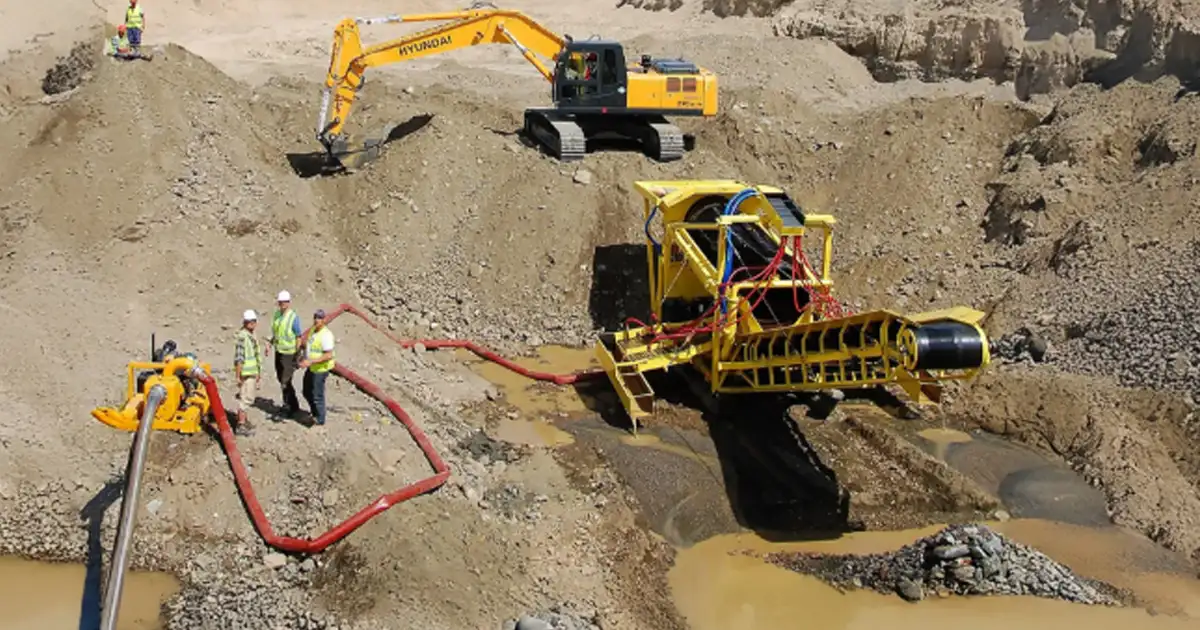
If you want to mine more gold, you need bigger equipment. Dredges and excavators help you dig deeper and move more dirt. Excavators are big machines with buckets or claws. You use them to scoop gravel and load it into wash plants or trucks. Some excavators have special parts that make digging faster and safer.
Dredges work underwater. They suck up gravel from riverbeds and send it through a sluice system. Modern dredges use smart technology to track how much material you move. They also use quieter engines and better controls to protect the river.
Here is how these tools compare:
| Equipment Type | Features | Benefits |
|---|---|---|
| Hydraulic Excavators | Special parts, advanced safety | Less gold loss, lower fuel use |
| Suction Dredges | Good sediment control, smart tech | Quieter, saves fuel, less river harm |
Modern placer mining equipment helps you get more gold and protects nature. Many miners use both excavators and dredges for the best results.
Rotary Concentrators
Rotary concentrators are smart tools for separating gold from gravel. You put material into a spinning drum. The drum sorts out bigger rocks and keeps heavy gold inside. This process uses gravity and motion, not chemicals. Rotary concentrators work well with other mining tools like sluice boxes and wash plants.
Many miners like rotary concentrators because they help get more gold. You can use them in small or big mining jobs. They are easy to clean and fix. Some models use smart automation to sort material faster and save energy.
Note: If you want to improve your gold mining setup, try adding a rotary concentrator. It can help you get more gold from every load.
Placer mining equipment comes in many shapes and sizes. You can start with simple tools and move up to bigger machines as you grow. The right equipment makes mining easier and helps you find more gold.
Wash Plants and Screens
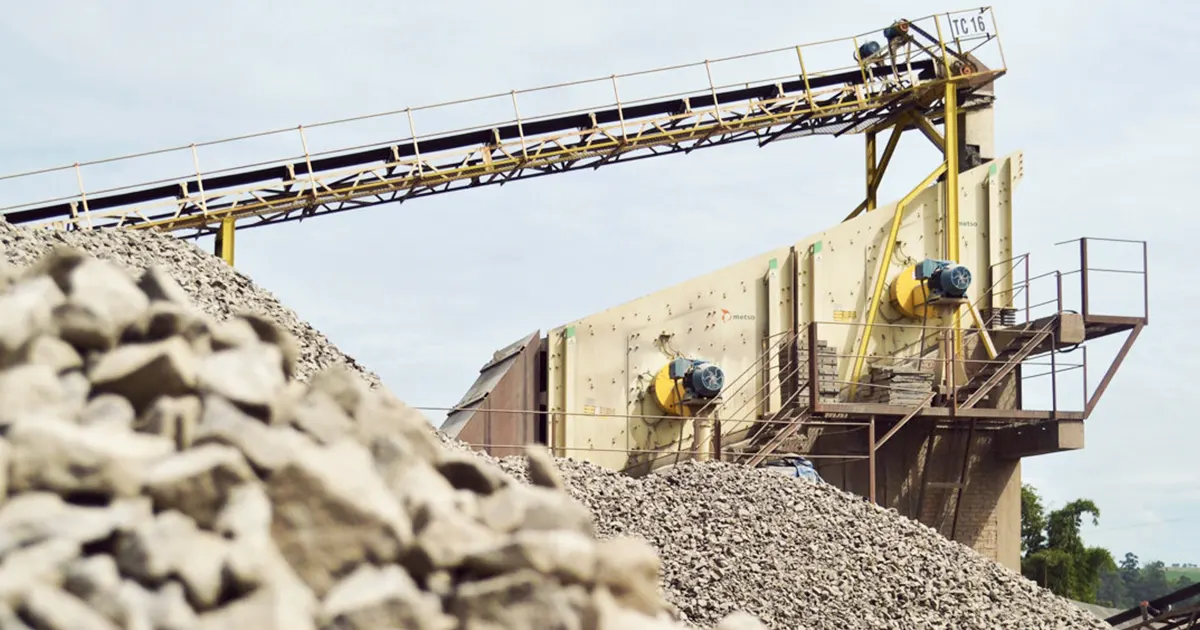
Wash plants and screens help miners get better results. These tools clean and sort gravel quickly. You put gravel or placer ore into the wash plant. Water removes lighter dirt. Screens separate big rocks from gold-rich material.
Here’s how these tools help you mine:
- Wash plants screen out gravel after washing. This makes gold selection easier.
- Good placer plant designs are small and easy to move. You can set them up close to your dig site. This saves time because you don’t have to haul material far.
- The wash hopper breaks up soil and pre-washes it. This step helps you get more gold from each load.
- Many miners work with skilled operators. They build strong equipment that recovers more gold.
Using the right placer mining equipment saves time and energy. You recover more gold with less work.
Screen Media Impact
The screens inside your wash plant are important. The type of screen media you use affects how much material you process. It also changes how much gold you recover. Let’s look at the main choices.
Woven Wire Screens
Woven wire screens are a popular choice for miners. These screens have the most open area. You can move lots of material fast. They cost less at first, which is good for new miners. But they wear out quickly if you use rough gravel. You need to replace them often.
Polyurethane Panels
Polyurethane panels last much longer than wire screens. Sometimes they last 10 or 15 times longer! They run quieter and come in pieces you can swap out. If one part wears down, you only change that piece. They cost more up front. The open area is smaller, so you might process less material each hour.
Here’s a table to compare:
| Screen Media Type | Pros | Cons |
|---|---|---|
| Woven Wire Cloth | Highest open area, low initial cost | Short wear life, frequent replacements |
| Polyurethane Panels | Long lifespan, quiet, modular design | Higher cost, slightly lower capacity |
Throughput and Recovery
If you want to process more material, use woven wire screens. If you want fewer repairs, pick polyurethane panels. The right screen media helps you get more gold and keeps your equipment working longer.
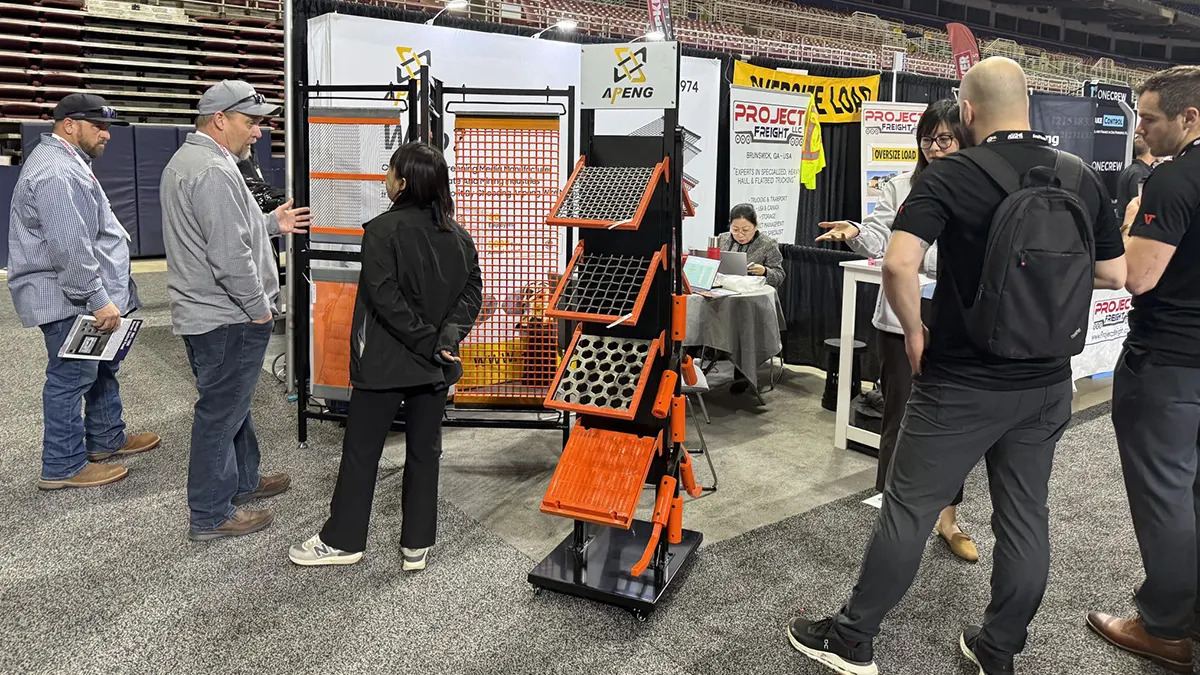
Anpeng Screen Media
Some miners talk about Anpeng screen media. Anpeng makes both woven wire and polyurethane screens. Many miners trust their products. They last long and help you get more gold from your mining tools.
Equipment for Small and Medium Operations
Not all miners need big machines. If you run a small or medium placer mining operation, you have many choices. Here’s a table to help you pick:
| Equipment Type | Best Use | Impact on Productivity |
|---|---|---|
| Compact Suction Dredges | Remote areas, easy to move | Less setup time, more efficient mining |
| Manual/Semi-mechanized Tools | Hobbyists, small-scale prospectors | Quick start, low investment |
| Motorized Suction Dredges | Mid-scale, more material | Higher throughput, faster processing |
| Hydraulic Dredges | Areas with lots of water | High recovery, very productive |
| Low-water/Recirculating Systems | Dry regions, limited water | Keeps mining going even in dry spots |
| Multi-stage Concentration Systems | Fine gold and special materials | Better recovery, less gold lost |
You can mix and match these equipment options. Pick what fits your site and goals. The right tools help you work smarter and make your mining adventure successful.
Placer Mining Process
Prospecting
You start your placer mining journey with prospecting. This step helps you find the best spots to dig for gold. Miners use many tools and tricks to search for hidden treasures. You might walk along riverbanks, look for old channels, or check out exposed bedrock. Some of the most effective techniques include:
- Using Ground Penetrating Radar (GPR) to map layers of gravel and sand.
- Trying DC resistivity to learn about what’s under the surface.
- Flying drones to spot old river paths, called paleochannels, that could hold gold.
You should also pay attention to side slopes of ridges. These places often hide ancient channels with untouched placer deposits. If you see a hydraulic mine pit, check for cracks in the bedrock. Gold likes to hide in those spots.
Here’s a quick guide to prospecting methods:
| Technique | Description |
|---|---|
| Drilling Method | Lets you drill many holes for less money and gives you a good idea of how much gold is underground. |
| Geophysical Methods | Tools like GPR and DC resistivity help you map where to dig and find the best spots. |
| Targeting Areas | Focus on untouched places and old mine pits for the best chance at finding gold. |
When you prospect, you act like a detective. You gather clues, use smart tools, and pick the best place to start mining.
Excavation
Once you find a good spot, you move on to excavation. This part of the process means digging up the gravel, sand, and soil that might hold gold. Miners use shovels, picks, or even big machines like excavators. The goal is to get the pay dirt—the material most likely to have gold—out of the ground and ready for the next step.
You might dig by hand if you work alone or use heavy equipment for bigger jobs. Some miners scoop up gravel from riverbeds, while others dig into old channels on hillsides. Always keep safety in mind. Watch for loose rocks and make sure your equipment works well.
Tip: Take only what you need. Careful excavation helps you avoid wasting time and keeps the land in better shape for the future.
Screening and Washing
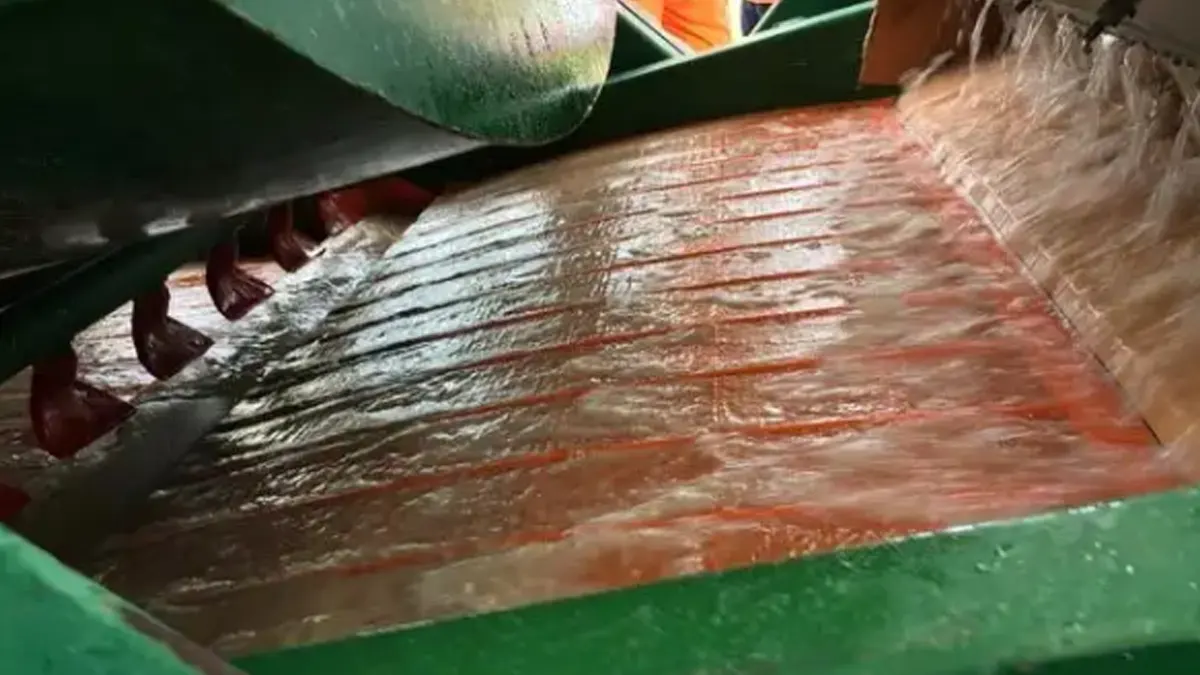
After excavation, you need to separate the gold from the rest of the material. This is where screening and washing come in. You pour the pay dirt into a wash plant or a simple screen. The screen sorts out big rocks that don’t have gold. The washing part uses water to clean away mud and lighter soil, leaving behind heavier stuff like gold.
Here’s a table to show how these steps work:
| Process Type | Description |
|---|---|
| Placer Gold Washing | Washes away fine mud and separates gold ore from gravel and sand. |
| Placer Gold Screening | Removes large rocks that don’t have gold, making it easier to recover the valuable stuff. |
Miners love this step because it boosts recovery. You get rid of useless rocks and focus on what matters. Clean material means you can spot gold more easily in the next steps. If you use the right screens and enough water, you’ll see better results and less wasted effort.
Remember: Good screening and washing save you time and help you find more gold. Don’t rush this part of the process!
Gravity Recovery
Now that you have washed and screened your material, it is time for gravity recovery. This step is where you really start to see results. You want to separate the heavy gold from the lighter sand and gravel. Miners use gravity because gold is much heavier than most other things in the mix.
You have a few great tools for this part of the process. Shaking tables are a favorite for many miners. These tables move back and forth, letting the heavier gold settle while lighter rocks and sand move away. You can watch the separation happen right in front of you. Shaking tables work well for fine and medium gold. They give you a high-grade concentrate, which means you get more gold in less space.
Centrifugal concentrators are another smart choice. These machines spin very fast, using strong force to pull the tiniest gold particles out of the mix. You can recover gold as small as 5 to 10 microns—so small you might not even see it with your eyes. Many miners like centrifugal concentrators because they help catch gold that other methods miss. They also make the next steps easier by reducing the amount of material you need to process.
Here’s a quick list of gravity recovery tools you might use:
- Shaking tables for fine and medium gold
- Centrifugal concentrators for ultra-fine gold
- Spiral wheels for small batches or hobby mining
- Jigs for larger operations with lots of material
Tip: Always keep an eye on your equipment. If you see gold in your tailings, you might need to adjust your settings or slow down the feed.
Gravity recovery is a key part of placer mining. It lets you get the most gold with the least effort. Miners who use the right tools and pay attention to their process often see the best results. You can combine different machines to fit your site and your goals. With practice, you will find the setup that works best for you and your team.
Safety and Environment
When you work in mining, safety and the environment should always come first. You want to find gold, but you also want to protect yourself and the land. Many miners forget this step, but it is just as important as any other part of the process.
Let’s start with safety. Mining can be dangerous if you do not pay attention. You might use heavy machines, sharp tools, or work near deep water. Always wear the right gear. Hard hats, gloves, and boots keep you safe. If you use chemicals, read the labels and follow the rules. Never work alone in remote areas. If something goes wrong, you need someone to help.
Here are some safety tips for miners:
- Check your equipment before you start.
- Watch out for loose rocks or slippery ground.
- Keep a first aid kit close by.
- Take breaks and drink water, especially on hot days.
- Tell someone where you are going and when you will return.
Safety is not just about you. It is about your team and everyone around you. If you see a problem, speak up.
Now, let’s talk about the environment. Placer mining happens in rivers, streams, and wild places. You want to leave these places better than you found them. Many miners use water to wash gravel and separate gold. This process can stir up mud and harm fish. You can help by using silt fences or settling ponds to keep water clean.
Here is a simple table to show how you can protect the environment:
| Action | Why It Matters |
|---|---|
| Use silt fences | Stops mud from reaching rivers |
| Plant native grasses | Helps land recover after mining |
| Refill holes | Prevents accidents and erosion |
| Avoid chemicals | Keeps water safe for animals and people |
You can also follow local rules. Many places have laws to protect rivers and wildlife. If you follow these rules, you help everyone. Responsible miners care about the land. They know that good mining means thinking about the future.
Remember: The best miners are safe, smart, and kind to the earth. If you take care of the land, it will take care of you.
Placer Recovery Efficiency
Particle Size
When you start placer mining, you quickly notice that particle size matters a lot. Gold particles usually fall in the 0.074-2mm range. Coarse gold, which is bigger than 0.5mm, makes up about 15% of what you find. Smaller gold particles float faster and reach higher recovery rates than larger ones. If you use the right equipment, you can catch more fine gold. Sometimes, miners lose fine gold because the process or equipment isn’t designed for tiny sizes. You want to make sure your material processing setup can handle both coarse and fine gold. If you pay attention to particle size, you boost your gold recovery and make your mining operation more efficient.
Tip: Always check the size of your gold before you pick your equipment. If you see lots of fine gold, use tools made for small particles.
Clay and Moisture
Clay and moisture can make mining tricky. Many placer deposits have clay content between 10% and 20%, mostly kaolinite. Clay sticks to gold and gravel, making it hard for gold to settle. When clay absorbs water, it creates thick slurry. This high viscosity stops fine gold from sinking, so you lose recovery. Miners often use rotary scrubbers or log washers to break up clay and wash it away. If you skip this step, you miss out on gold hidden in clay lumps. You want your equipment to handle sticky material and keep your process running smoothly.
Here’s a quick list of clay challenges:
- Clay makes slurry thick and slows down gold recovery.
- Fine gold gets trapped in clay and washes away.
- You need rotary scrubbers or log washers for proper material processing.
Note: If you see clay in your pay dirt, don’t rush. Take time to wash and break it up. You’ll get more gold and waste less material.
Feed Rate
Feed rate is another key factor in mining. It tells you how fast you send material through your equipment. If you feed too quickly, your process can’t separate gold from gravel. You lose recovery and waste pay dirt. If you go too slow, you don’t process enough material and miss out on gold. Miners adjust feed rate to match their equipment and the type of material they’re working with. You want a steady feed that lets your equipment do its job. Watch your gold recovery and change the feed rate if you see gold in your tailings.
| Feed Rate | Effect on Recovery | Best Practice |
|---|---|---|
| Too Fast | Low recovery, gold loss | Slow down, check tailings |
| Too Slow | Low productivity | Speed up, monitor gold yield |
| Balanced | High recovery, efficient | Adjust for material type |
If you keep your feed rate balanced, you get more gold and make your mining process smoother. Miners who pay attention to feed rate see better results and less wasted material.
Water Flow
Water flow can make or break your mining operation. If you want to get the most out of your placer mining, you need to pay close attention to how water moves through your equipment. Water helps separate gold from lighter materials. When you get the flow just right, you boost gold recovery and save time.
You might wonder, “How much water do I need?” The answer depends on your setup. If you use a sluice box, you want a steady stream. Too much water pushes gold right out of your equipment. Too little water lets gravel pile up and blocks the process. You need to find a balance.
Here are some tips to help you manage water flow:
- Check your equipment often. Look for clogs or slow spots.
- Adjust the angle of your sluice box. A steeper angle speeds up water, while a flatter angle slows it down.
- Watch the water color. If it looks muddy, you might be losing fine gold.
- Use a pump if the river flow is weak. Pumps give you more control.
Tip: If you see gold in your tailings, slow down the water or change the angle. Small changes can make a big difference.
Miners who work in dry areas sometimes recycle water. They set up settling ponds to catch runoff and reuse it. This saves water and keeps the site cleaner. Good water management helps you follow local rules and protects the environment.
Screen Selection
Picking the right screen for your mining equipment is a big deal. Screens sort out rocks and let gold-rich material pass through. If you use the wrong screen, you lose gold or slow down your process. Miners often choose between woven wire screens and polyurethane panels.
Let’s compare the two:
| Screen Type | Pros | Cons |
|---|---|---|
| Woven Wire | Fast, cheap, easy to swap | Wears out quickly |
| Polyurethane Panel | Lasts longer, less noise | Costs more, slower flow |
You want to match your screen to your site. If you work with rough gravel, a tough screen lasts longer. If you need speed, a wire screen moves more material. Some miners use Anpeng screens because they offer both types and fit many machines.
Here’s what you should look for in a screen:
- Right size holes for your gold and gravel
- Strong enough to handle heavy use
- Easy to clean and replace
Note: If you see rocks stuck in your screen, stop and clear them. Blocked screens slow down mining and hurt recovery.
Smart miners check their screens every day. A good screen keeps your equipment running and helps you get more gold. When you pick the right screen, you make your placer mining process smoother and more productive.
Placer Mining Problems and Solutions
Clay Buildup
Clay can turn your mining day into a real headache. When you dig into placer deposits, you often find sticky clay mixed with gravel. This clay grabs onto gold and keeps it from settling. You might notice your equipment clogging up or your gold recovery dropping. Miners see this problem a lot, especially in wet spots or old riverbeds.
You can fight clay buildup with a few smart moves. Use rotary scrubbers or log washers to break up the clay. These machines spin and tumble the material, letting water wash away the sticky mess. If you work by hand, break up lumps before you feed them into your equipment. Don’t rush this step. If you skip it, you lose gold and waste time.
Tip: If you see thick, muddy water in your process, slow down and check for clay. Clean equipment often to keep things running smooth.
Screen Blinding
Screen blinding happens when your screens get blocked by wet material, roots, or clay balls. This stops gravel from moving through your equipment. You might see water backing up or gold-rich material piling up on top. Miners get frustrated when screens blind because it slows down the whole mining process.
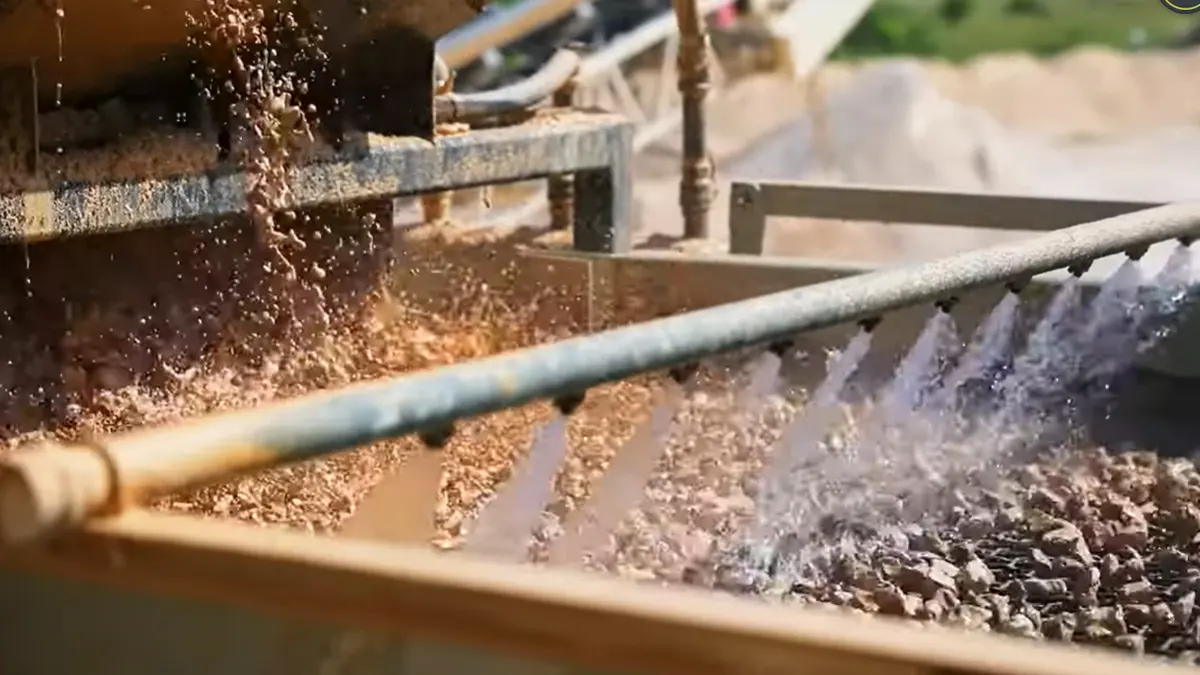
You can prevent screen blinding by checking your screens often. Use high-pressure water sprays to keep them clear. Some miners switch to screens with larger holes or use self-cleaning screen media. If you work in a spot with lots of roots or clay, clean your screens every hour. A little effort saves you a lot of trouble later.
Here’s a quick checklist for screen care:
- Inspect screens before you start mining.
- Use water sprays to wash away blockages.
- Swap out worn or damaged screen panels.
- Try different screen types if blinding keeps happening.
Gold Loss
Nothing feels worse than losing gold after all your hard work. Gold loss can happen at any step in the mining process. Maybe your equipment isn’t set up right. Maybe you feed material too fast. Sometimes, fine gold floats away with muddy water or gets trapped in clay.
You can fix gold loss by watching your tailings. If you see gold in the waste pile, stop and adjust your process. Slow down the feed rate. Check your water flow. Make sure your equipment matches the size of gold you want to catch. Many miners use shaking tables or centrifugal concentrators to recover fine gold.
Note: Teamwork helps too. Miners who share tips and check each other’s work catch problems early.
Mining also brings bigger challenges. Environmental impacts can hurt rivers and wildlife. You can help by joining monitoring programs. These programs spot problems early and protect the land. Sometimes, rules don’t cover every mining site. Working with other miners and local groups helps everyone follow the same standards. Sharing data about your operation makes mining safer and more open for all.
Here’s a table with common mining problems and smart solutions:
| Operational Problem | Solution |
|---|---|
| Environmental impacts | Join monitoring programs to catch and fix problems quickly. |
| Regulatory loopholes | Work with other miners to set clear rules and share information. |
| Lack of data transparency | Use public data portals to track mining activity and results. |
If you pay attention to these problems, you make your placer mining operation safer, cleaner, and more successful.
Equipment Wear
You know how your favorite shoes start to fall apart after lots of use? Mining equipment acts the same way. When you dig for gold, your tools and machines face tough conditions. Rocks, gravel, and clay rub against metal parts. Water washes over surfaces all day. Sometimes, you see rust or broken pieces. Miners deal with equipment wear every day.
Let’s break down what causes wear in placer mining:
- Abrasive Material: Gravel and sand scrape against screens, pans, and sluice boxes. Over time, this wears down the metal.
- Water Exposure: Water helps with the mining process, but it also causes rust and corrosion. Wet conditions make equipment age faster.
- Heavy Loads: Excavators and dredges lift tons of material. If you push them too hard, parts bend or break.
- Clay Buildup: Sticky clay sticks to moving parts. It slows down the process and makes equipment work harder.
Miners often spot signs of wear before things get bad. You might notice cracks, dents, or missing bolts. Sometimes, screens get holes or riffles in sluice boxes flatten out. If you ignore these signs, you risk losing gold or stopping your mining operation.
Here’s a quick table to help you spot equipment wear:
| Equipment Part | Common Wear Signs | What to Do Next |
|---|---|---|
| Sluice Box Riffles | Flattened, bent, missing | Replace or repair |
| Screens | Holes, broken wires | Swap out panels |
| Excavator Bucket | Cracks, worn edges | Weld or replace |
| Dredge Hose | Leaks, weak spots | Patch or change hose |
Tip: Check your equipment before and after every mining session. Early fixes save you time and money.
Miners who care for their tools get more gold and keep their placer mining process running longer. You can use stronger materials, like polyurethane panels, to fight wear. Some miners choose Anpeng screens because they last longer and handle rough gravel. If you keep your equipment clean and dry when not in use, you slow down rust and corrosion.
You don’t need fancy tools to spot wear. Just look, listen, and feel for changes. If your equipment sounds different or moves slower, check for problems. Miners who fix issues early avoid big breakdowns. You keep mining, find more gold, and enjoy the adventure.
Environmental Considerations in Placer Mining
Water Use
When you start placer mining, you see that water is very important. You need water to clean gravel and separate gold. Water also helps your equipment work well. If you use too much water, you can harm rivers and streams. Many miners now use special water recycling systems. These systems let you use the same water again and again. This means you do not take as much water from rivers. It helps protect fish and plants. Some miners build settling ponds. These ponds catch dirty water and let mud sink to the bottom. Then you can use the clean water again. This saves money and helps nature at the same time.
Tip: Always look for leaks in your equipment. Even small leaks waste water and slow down your work.
Sediment Control
Sediment control is very important in mining. When you dig and wash gravel, you make mud and silt. If this mud goes into rivers, the water gets cloudy. Fish and other animals cannot live in dirty water. You can stop this by using silt curtains and sedimentation ponds. Silt curtains float on the water and block mud from moving away. Sedimentation ponds give mud a place to settle before clean water goes back to the river. Many miners use both tools to keep rivers clean.
Here’s a quick table to show how you can handle the main environmental problems in placer mining:
| Environmental Consideration | Description |
|---|---|
| Water Use | Advanced water recycling systems reduce withdrawals from local sources. |
| Sediment Control | Structures like silt curtains and sedimentation ponds prevent downstream turbidity. |
| Site Restoration | Post-mining rehabilitation includes reshaping landscapes and replanting native vegetation. |
Note: Good sediment control keeps your mining area safe and helps you follow the rules.
Site Restoration
When you finish mining, you need to fix the land. This step is just as important as finding gold. You want to leave the land looking nice again. Many miners shape the land to look natural. You can fill in holes and smooth out piles of gravel. You should plant native grasses or trees. This stops erosion and brings back animals. Some miners even make small ponds or wetlands for local wildlife. If you use the right tools and plan ahead, fixing the site is much easier.
- Fill in pits and trenches.
- Plant native plants and grasses.
- Take away old equipment and trash.
- Check the area for safety before you leave.
Remember: Good miners always think about the future. When you fix your site, you help nature heal and keep mining a good choice for everyone.
Regulations
You might feel excited to start mining, but you need to know the rules before you dig. Regulations help protect rivers, wildlife, and people. Every country and state has its own set of laws for placer mining. You must follow these rules if you want to keep your operation safe and legal.
First, you should check if you need a permit. Most places require permits for any mining activity, even if you use small equipment. Permits tell you what you can do and where you can work. Some areas ban mining near drinking water or in protected parks. If you skip this step, you could face big fines or lose your right to mine.
You also need to learn about water use. Many rules limit how much water you can take from rivers. Some places ask you to recycle water or use special equipment to keep streams clean. You might need to build settling ponds or use silt fences. These steps help stop mud and chemicals from reaching fish and plants.
Noise and dust matter too. Some mining equipment makes a lot of noise. You may need to work only during certain hours. Dust from dry mining can bother neighbors or harm crops. You should use water sprays or covers to keep dust down.
Here’s a quick table to show what you should check before you start:
| What to Check | Why It Matters |
|---|---|
| Permits | Legal right to mine |
| Water Use Limits | Protects rivers and fish |
| Equipment Rules | Keeps noise and dust under control |
| Site Restoration Plans | Makes sure you fix the land after |
| Waste Disposal | Stops pollution from mining |
You should talk to local mining offices or environmental agencies. They can explain the process and help you fill out forms. Some miners join groups that share updates about new rules. This helps you stay ahead and avoid trouble.
Tip: Always keep copies of your permits and plans. If someone asks, you can show you follow the rules.
Miners who follow regulations help keep placer mining safe for everyone. You protect the land, your team, and your future. Good rules make sure you can keep finding gold and enjoy mining for years to come.
Conclusion
You now know that placer mining uses water and gravity to recover gold from sand and gravel. Miners use everything from simple pans to full wash plants to speed up recovery and handle more material. Good results still depend on safe work habits and responsible site management.
Keep improving your setup by testing what works, following safety rules, and choosing equipment that matches your material conditions. We are a Screen Media manufacturer, and we produce woven wire screens and polyurethane panels that help wash plants and screening systems run more consistently, reduce downtime, and support steady gold recovery.
FAQ
What is placer mining?
You use placer mining to recover gold and other heavy minerals from loose sand or gravel. Water and gravity do most of the work. This method is simple and has helped miners find gold for thousands of years.
Do I need special equipment to start mining?
You do not need fancy tools to begin. Many miners start with a pan and a shovel. As you learn, you can add a sluice box or a small dredge. Always check your local rules before you buy equipment.
How do miners know where to dig?
Miners look for signs like black sand, old riverbeds, or exposed bedrock. You can test small samples with a pan. If you see gold, you can try bigger tools. Good research helps you find the best spots.
What is the biggest challenge in mining?
Many miners struggle with clay, screen blinding, and equipment wear. You need to clean your tools often. Watch for gold loss in your tailings. Teamwork and regular checks help you solve problems fast.
Can I mine for gold alone?
Yes, you can. Many miners work alone, especially when panning or using small sluices. For bigger jobs, you might need a team. Mining with friends can make the process safer and more fun.
How do I protect the environment while mining?
You can use water recycling systems and silt fences. Fill in holes and plant native grasses when you finish. Responsible miners always follow local rules and help keep rivers clean.
Is placer mining profitable for beginners?
You might find small amounts of gold at first. Many miners start as a hobby. With practice and good research, you can improve your results. The process takes patience, but it can be rewarding.